Neuralink's Blindsight AI Implant Receives FDA Breakthrough Status for Vision Restoration

Thumbnail Image

The information displayed in the AIM should not be reported as representing the official views of the OECD or of its member countries.

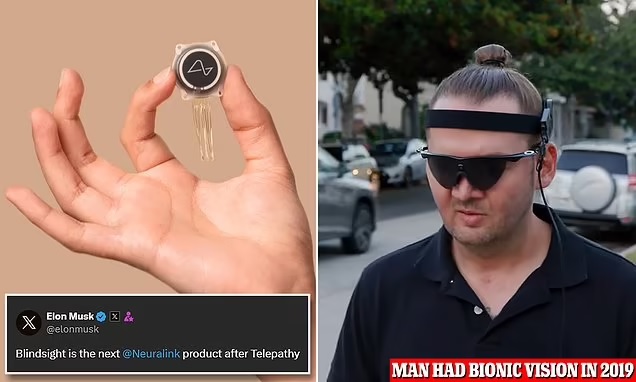
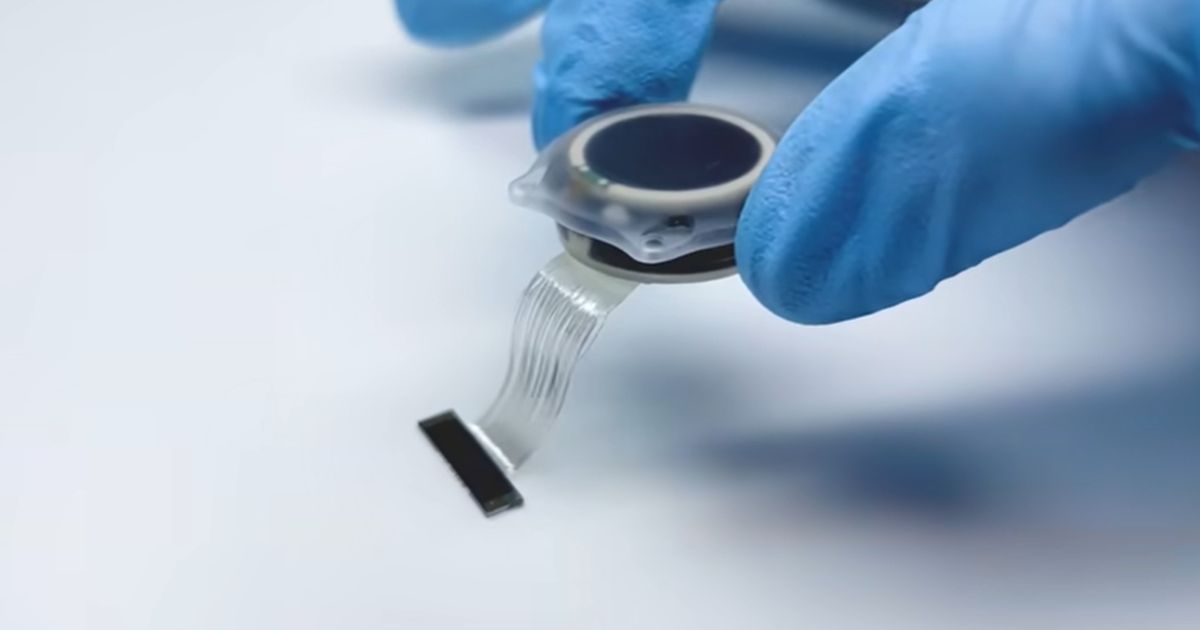
Elon Musk's Neuralink announced its AI-powered Blindsight brain implant, designed to restore vision even for those blind from birth or without optic nerves, has received the FDA's 'breakthrough device' designation. The device is experimental, with no reported harm, and aims to enable future human trials.[AI generated]

Why's our monitor labelling this an incident or hazard?

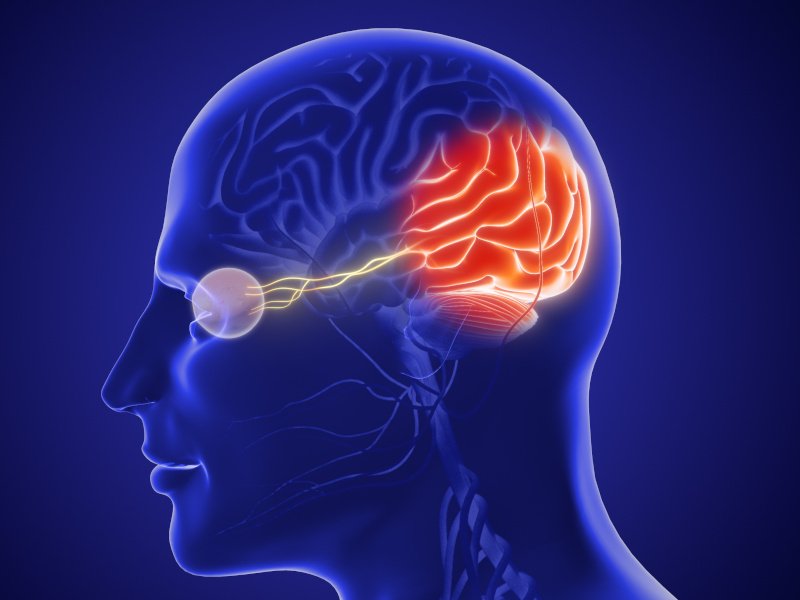
The event involves an AI system (Neuralink's brain-chip with AI capabilities) designed to restore vision by interfacing with the brain's visual cortex. Although no direct harm is reported yet, the invasive nature and experimental status imply plausible future risks of injury or health harm if the system malfunctions or is misused. Therefore, this qualifies as an AI Hazard due to the credible potential for harm in the future.[AI generated]
AI principles
SafetyRobustness & digital securityPrivacy & data governanceRespect of human rightsTransparency & explainabilityAccountabilityFairnessHuman wellbeingDemocracy & human autonomy

Industries
Healthcare, drugs, and biotechnologyRobots, sensors, and IT hardwareDigital securityIT infrastructure and hosting

Harm types
Physical (injury)Physical (death)PsychologicalHuman or fundamental rightsReputationalEconomic/PropertyPublic interest

Severity
AI hazard

Business function:
Research and development

AI system task:
Recognition/object detectionContent generationReasoning with knowledge structures/planning


Articles about this incident or hazard

Thumbnail Image

Elon Musk's Neuralink is working on a product called Blindsight that can restore vision: story in 5 points

2024-09-19
India Today
Why's our monitor labelling this an incident or hazard?
The event involves an AI system (Neuralink's brain-chip with AI capabilities) designed to restore vision by interfacing with the brain's visual cortex. Although no direct harm is reported yet, the invasive nature and experimental status imply plausible future risks of injury or health harm if the system malfunctions or is misused. Therefore, this qualifies as an AI Hazard due to the credible potential for harm in the future.
Thumbnail Image

Anand Mahindra on Elon Musk's Neuralink's Blindsight device: If this device lives up to... - Times of India

2024-09-19
The Times of India
Why's our monitor labelling this an incident or hazard?
The Blindsight device is an AI system (a brain chip implant with AI capabilities) designed to restore vision, which could have significant health impacts. However, since it is still in the experimental stage and no human trials or actual use have occurred, there is no direct or indirect harm reported. The article focuses on the announcement and expectations, implying potential future impact but no current incident or hazard. Thus, it qualifies as Complementary Information, providing context and updates about an AI system with potential future implications but no current harm or hazard.
Thumbnail Image

'Could restore sight': FDA grants 'breakthrough status' to Musk's Neuralink 'Blindsight' implant. What it means - Times of India

2024-09-18
The Times of India
Why's our monitor labelling this an incident or hazard?
The event involves an AI system (Neuralink's brain chip interface) in development intended to restore vision, which is a medical application with potential significant benefits. However, since the device has not yet been tested in humans and no harm or malfunction has been reported, this is a case of plausible future impact rather than realized harm. Therefore, it qualifies as an AI Hazard because the development and potential use of this AI system could plausibly lead to significant health impacts (positive or negative) in the future, but no incident has occurred yet.
Thumbnail Image

"If This Device Lives Up...": Anand Mahindra On Elon Musk's Neuralink Blindsight Device

2024-09-20
NDTV
Why's our monitor labelling this an incident or hazard?
The event involves an AI system in the form of a brain-chip interface that processes neural signals to restore vision, which fits the definition of an AI system. However, the device is still experimental and no harm or incident has occurred or been reported. The article focuses on the potential and regulatory status of the device, not on any realized harm or plausible imminent harm. Therefore, this is not an AI Incident or AI Hazard. It is best classified as Complementary Information as it provides context and updates about an AI system's development and potential impact.
Thumbnail Image

Elon Musk's Neuralink brain chip receives FDA's 'breakthrough device'...

2024-09-18
New York Post
Why's our monitor labelling this an incident or hazard?
The Neuralink brain implant involves AI systems for brain-computer interfacing and vision restoration. However, the article focuses on the FDA granting breakthrough device status to accelerate development and testing, not on any harm or malfunction. There is no indication of realized harm or plausible future harm leading to injury, rights violations, or other harms as defined. Therefore, this is best classified as Complementary Information, providing context on AI system development and regulatory progress rather than an incident or hazard.
Thumbnail Image

Elon Musk's Neuralink Gets FDA's Breakthrough 'Device Tag' For 'Blindsight' Implant - News18

2024-09-18
News18
Why's our monitor labelling this an incident or hazard?
The article involves an AI system in the form of a brain-computer interface that processes neural signals to restore vision, which fits the definition of an AI system. However, there is no indication that the device has caused any injury, rights violation, or other harm. The article focuses on the approval and potential of the device rather than any incident or hazard. Therefore, it is best classified as Complementary Information, providing context and updates on AI development and regulatory progress without describing an AI Incident or AI Hazard.
Thumbnail Image

Elon Musk Neuralink's device to help the blind see gets approval, video demo impressive

2024-09-19
Legit.ng - Nigeria news.
Why's our monitor labelling this an incident or hazard?
The Neuralink device is an AI system involving brain-computer interface technology that interprets neural inputs to generate outputs enabling vision or device control. The article focuses on the FDA breakthrough designation and successful human trials, indicating progress and potential benefits. There is no mention of any injury, malfunction, rights violation, or other harm caused by the device. Nor does it suggest plausible future harm. Hence, it does not meet the criteria for AI Incident or AI Hazard. Instead, it provides complementary information about the AI system's development and regulatory status, which enhances understanding of the AI ecosystem.
Thumbnail Image

Musk Claims Neuralink's Breakthrough Blindsight Device Will Soon Restore Vision In People Who Are Born Blind

2024-09-18
Mashable India
Why's our monitor labelling this an incident or hazard?
Neuralink's 'Blindsight' device is an AI system that interprets brain signals to restore vision, involving advanced AI in a medical context. The article reports FDA breakthrough device approval allowing human trials, but no actual harm or malfunction is described. The mention of potential hacking risks and ethical concerns suggests plausible future harm. Since no direct or indirect harm has occurred yet, but credible risks exist, this event fits the definition of an AI Hazard rather than an AI Incident or Complementary Information.
Thumbnail Image

Elon Musk's Neuralink gets approval for 'Blindsight' device to restore vision

2024-09-18
India Today
Why's our monitor labelling this an incident or hazard?
The Neuralink 'Blindsight' device is an AI system as it uses brain-computer interface technology involving AI to interpret neural signals and generate visual outputs. The FDA approval and planned human trials indicate the device is entering use but no harm or malfunction is reported. Therefore, this event does not qualify as an AI Incident since no harm has occurred. It also does not describe a plausible future harm or credible risk of harm, so it is not an AI Hazard. The article mainly provides an update on the development and regulatory approval of an AI medical device, which fits the definition of Complementary Information as it enhances understanding of AI developments and their potential impacts without reporting harm or risk of harm.
Thumbnail Image

Elon Musk Could Give Humanity The 'Most Enduring Gift' Says Anand Mahindra; Here's Why

2024-09-20
Mashable India
Why's our monitor labelling this an incident or hazard?
The article centers on the development and potential of an AI system (Neuralink's Blindsight) designed to restore vision, which involves AI-enabled brain-computer interfacing. There is no mention of any harm, malfunction, or misuse causing injury, rights violations, or other harms. The device is still in development and has regulatory approval to proceed, indicating plausible future benefits and risks but no current incident. Hence, this qualifies as an AI Hazard, reflecting plausible future harm or impact, but not an AI Incident or Complementary Information since it is not a response or update to a past incident.
Thumbnail Image

Not Tesla Or SpaceX But Anand Mahindra Thinks THIS Will Be Elon Musk's Most Enduring Gift To Humankind

2024-09-20
english
Why's our monitor labelling this an incident or hazard?
The article explicitly involves an AI system: Neuralink's brain-computer interface uses AI to interpret neural signals and generate visual information. The device has been implanted in humans and is undergoing trials, but no harm or adverse events are reported. The technology's nature—direct brain implants with AI interpretation—carries credible risks of injury, health harm, or other harms if malfunction or misuse occurs. Since no harm has yet materialized, but plausible future harm is credible, this fits the definition of an AI Hazard. The article is not merely complementary information because it highlights the potential impact and ongoing trials, and it is not unrelated as it clearly involves AI systems.
Thumbnail Image

'More Than Tesla Or SpaceX': Anand Mahindra Hails Musk's Blindsight Device

2024-09-19
TimesNow
Why's our monitor labelling this an incident or hazard?
The article discusses an AI-related device (Neuralink's brain-chip) that has received regulatory approval, highlighting its potential future benefits. However, there is no mention of any harm caused or any incident involving malfunction or misuse. The event is about the approval and positive anticipation, which is a development in the AI ecosystem but does not describe an incident or hazard. Therefore, it qualifies as Complementary Information, providing context and updates about AI technology progress and societal reactions.
Thumbnail Image

Musk's Neuralink announces Blindsight to provide vision to blind, gets FDA's approval

2024-09-18
WION
Why's our monitor labelling this an incident or hazard?
The event involves an AI system (the brain-chip implant using a microelectrode array and external camera input to generate visual perception) in its development phase. Since no human trials or actual use causing harm have occurred yet, and the device's potential to restore vision is still unproven, this constitutes a plausible future risk or benefit scenario rather than a realized harm. Therefore, it qualifies as an AI Hazard because the AI system's use could plausibly lead to significant health impacts (positive or negative) once deployed, but no direct or indirect harm has yet been reported.
Thumbnail Image

Neuralink's 'Blindsight' Implant For Restoring Vision In Blind Patients Gains FDA Breakthrough Status

2024-09-18
Jagran English
Why's our monitor labelling this an incident or hazard?
The event involves an AI system (a brain-computer interface implant that interprets neurological signals and stimulates the brain to restore vision), which is currently in development and has received FDA breakthrough status. No actual harm or injury has been reported yet, so it is not an AI Incident. However, given the nature of the technology—implanting AI-enabled devices in the brain to restore or enhance vision—there is a credible risk of injury or harm if the system malfunctions or is misused. Thus, it fits the definition of an AI Hazard, as the AI system's use could plausibly lead to harm in the future.
Thumbnail Image

'Making Blind See': Elon Musk's Neuralink Gets FDA 'Breakthrough Tag' For Blindsight Device To Restore Vision

2024-09-18
Jagran English
Why's our monitor labelling this an incident or hazard?
The event involves an AI system (a brain-computer interface with AI interpreting neural data to restore vision). The device is still experimental and has not yet been used in humans, so no direct harm has occurred. However, the FDA breakthrough designation and planned trials indicate plausible future use that could lead to health-related harms or benefits. Since the article does not report any realized harm or incident but highlights potential future impacts, the classification is AI Hazard. It is not Complementary Information because the article is not updating on a past incident but reporting a new development with potential future implications. It is not an AI Incident because no harm has yet occurred.
Thumbnail Image

Elon Musk's Neuralink Blindsight device approved by FDA to restore vision for the blind

2024-09-18
The Express Tribune
Why's our monitor labelling this an incident or hazard?
The device involves AI systems for brain-computer interfacing to restore vision, qualifying it as an AI system. The FDA approval and planned trials indicate the device's use is imminent but no harm has occurred yet. The article does not describe any injury, rights violation, or other harm caused by the device. The potential for future harm or benefit exists, but since no harm has materialized or is described as imminent, this event is best classified as Complementary Information, providing context on AI medical device development and regulatory progress.
Thumbnail Image

Neuralink secures FDA approval to test futuristic device that could enable vision in the blind

2024-09-18
TechSpot
Why's our monitor labelling this an incident or hazard?
Neuralink's device is an AI system (brain-computer interface with AI components) designed to restore vision, representing a significant medical technology. The article focuses on the device's development and regulatory progress, with no reported incidents of harm or malfunction. Therefore, it does not qualify as an AI Incident. However, given the nature of the technology and its potential risks in clinical use, it plausibly could lead to harm in the future (e.g., health risks, neurological damage). Thus, it fits the definition of an AI Hazard. The article is primarily about the development and regulatory status, not about a realized harm or a societal/governance response, so it is not Complementary Information. It is not unrelated because it clearly involves an AI system with potential health impacts.
Thumbnail Image

Elon Musk's Neuralink gains FDA breakthrough tag for vision implant

2024-09-18
Business Standard
Why's our monitor labelling this an incident or hazard?
The article describes Neuralink's brain-chip implant, which qualifies as an AI system because it interprets neural signals to generate outputs affecting vision restoration. The FDA breakthrough designation shows the device is still experimental, so no actual harm has occurred yet. However, given the medical application and potential risks of implantable AI devices, there is a credible risk of injury or harm in the future. Hence, this event is best classified as an AI Hazard, reflecting plausible future harm rather than an incident with realized harm.
Thumbnail Image

Elon Musk's Neuralink receives FDA approval for 'Blindsight' implant to restore vision

2024-09-18
Asianet News Network Pvt Ltd
Why's our monitor labelling this an incident or hazard?
The Neuralink device is an AI system as it interprets neurological impulses to generate outputs that influence the user's perception, fitting the definition of an AI system. The FDA approval indicates the device is moving towards use in humans, implying potential direct health impacts. However, the article does not report any realized harm or injury caused by the device; rather, it describes a development that could restore vision and improve health outcomes. Therefore, this event does not describe an AI Incident (no harm occurred) but rather a development that could plausibly lead to significant health benefits or risks in the future. Given the experimental nature and potential for future harm or benefit, this qualifies as an AI Hazard rather than an Incident or Complementary Information. It is not unrelated because it clearly involves an AI system and its medical application.
Thumbnail Image

Musk's Neuralink gets FDA's breakthrough device tag for 'Blindsight' implant

2024-09-18
Khaleej times
Why's our monitor labelling this an incident or hazard?
The event involves an AI system in the form of a brain-chip implant designed to restore vision, which is an AI-enabled medical device. However, the article does not report any harm or malfunction caused by the device. Instead, it describes regulatory progress and ongoing development, with potential future benefits. There is no indication of realized harm or plausible imminent harm. Therefore, this is complementary information about an AI system's development and regulatory status, not an incident or hazard.
Thumbnail Image

Elon Musk's Neuralink can restore vision with new Blindsight device: Know-how

2024-09-19
India TV News
Why's our monitor labelling this an incident or hazard?
The event involves an AI system (Neuralink's brain-chip with AI components for visual processing). However, the device is still in development and experimental stages with no reported harm or malfunction. The article discusses potential future benefits and capabilities, not any realized harm or incidents. Therefore, it does not meet the criteria for an AI Incident or AI Hazard. It is not a routine product launch but rather an update on an innovative AI medical technology, which fits best as Complementary Information.
Thumbnail Image

Those who have been blind from birth will get to see the world with Elon Musk's Neuralink Blindsight: All you need to know | Business Insider India

2024-09-18
Business Insider India
Why's our monitor labelling this an incident or hazard?
The article explicitly involves an AI system (Neuralink's brain-machine interface) designed to restore vision by stimulating the brain. The device is still in development and has not yet undergone human trials, so no harm has occurred. The FDA's Breakthrough Device designation suggests progress but no realized incident. The article focuses on the potential benefits and future capabilities rather than any malfunction, misuse, or harm. Thus, it does not meet the criteria for an AI Incident or AI Hazard. Instead, it provides important complementary information about the state of AI-enabled medical technology and its prospective impact.
Thumbnail Image

Musk's Neuralink Vision Implant Gets FDA Nod

2024-09-17
NewsMax
Why's our monitor labelling this an incident or hazard?
Neuralink's brain-chip implant qualifies as an AI system because it processes and transmits neural signals to enable new capabilities such as vision restoration and device control. The device is still experimental and has not yet caused any realized harm, but its invasive nature and potential for malfunction or misuse could plausibly lead to injury or harm to patients. Thus, it fits the definition of an AI Hazard rather than an AI Incident or Complementary Information, as the article focuses on the device's development and regulatory progress without reporting actual harm or societal responses.
Thumbnail Image

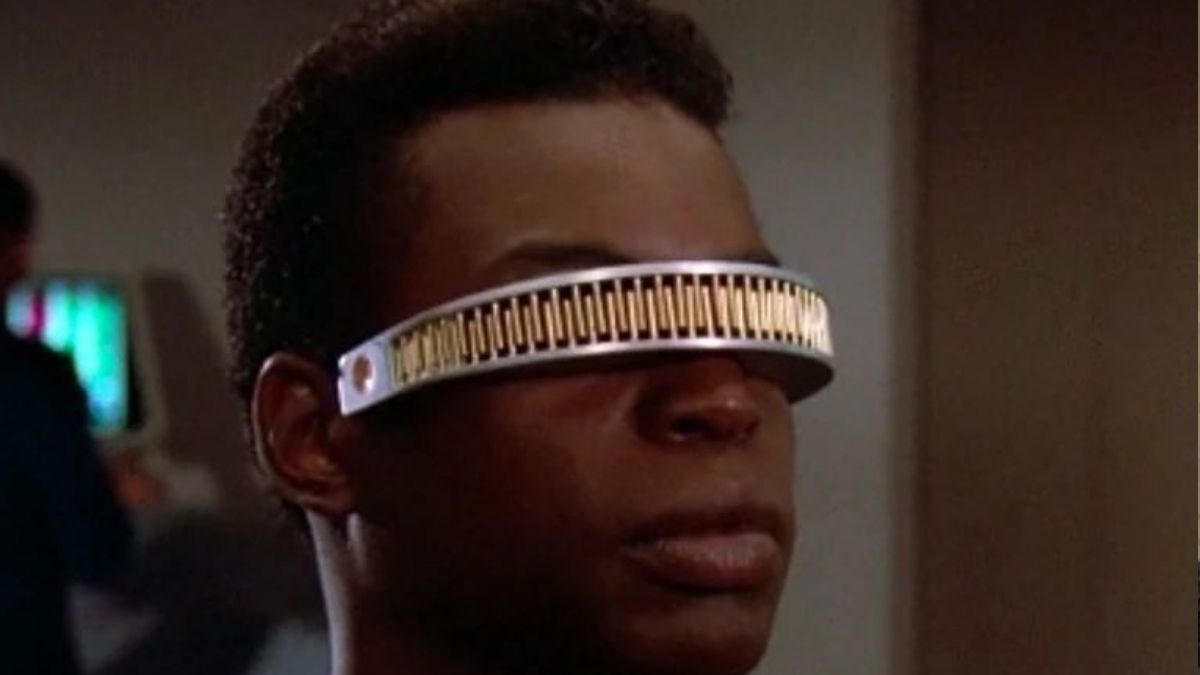
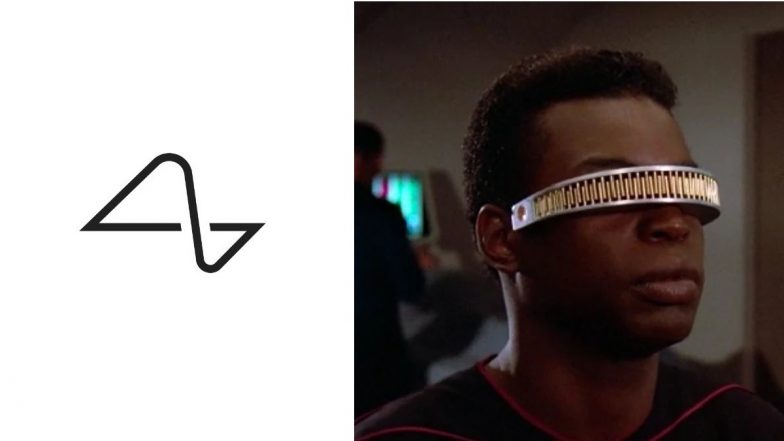
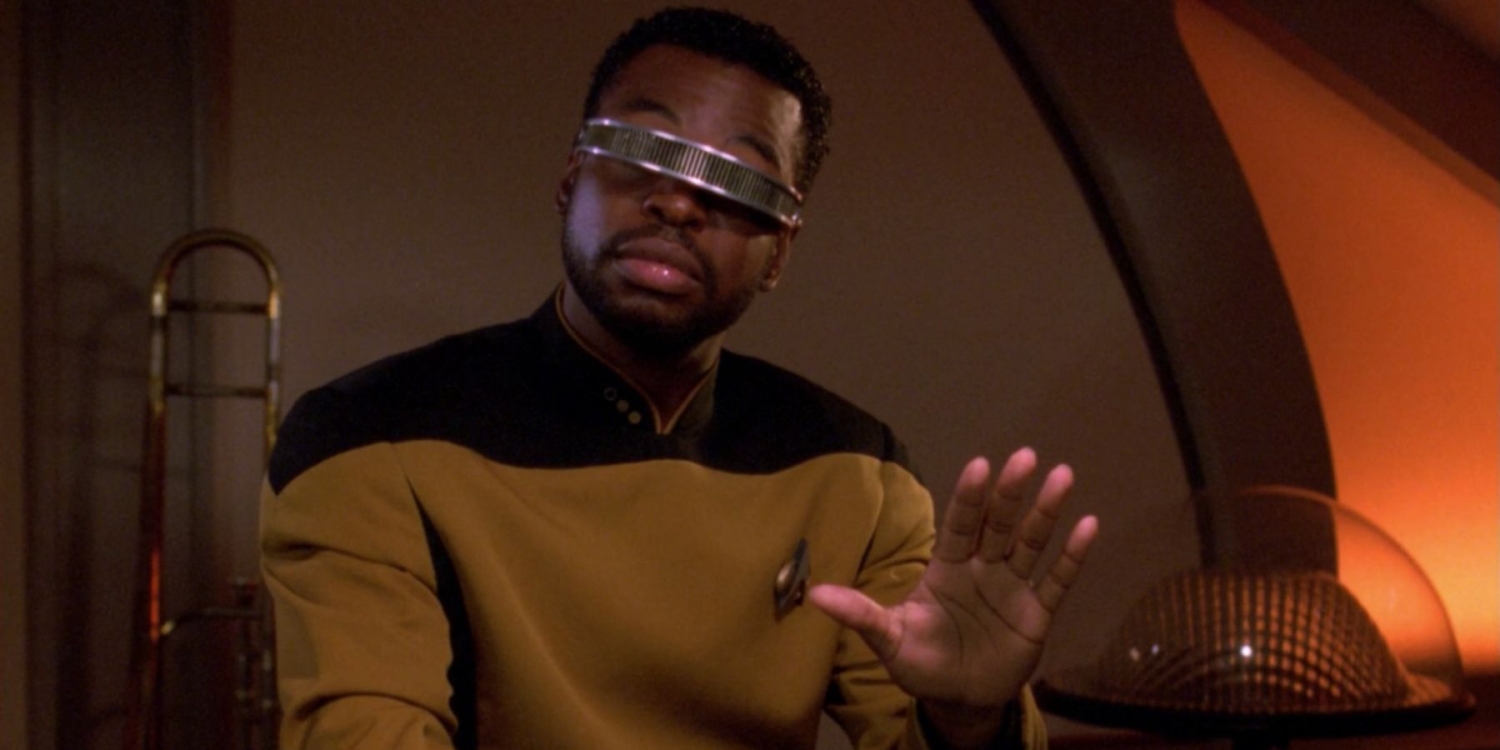
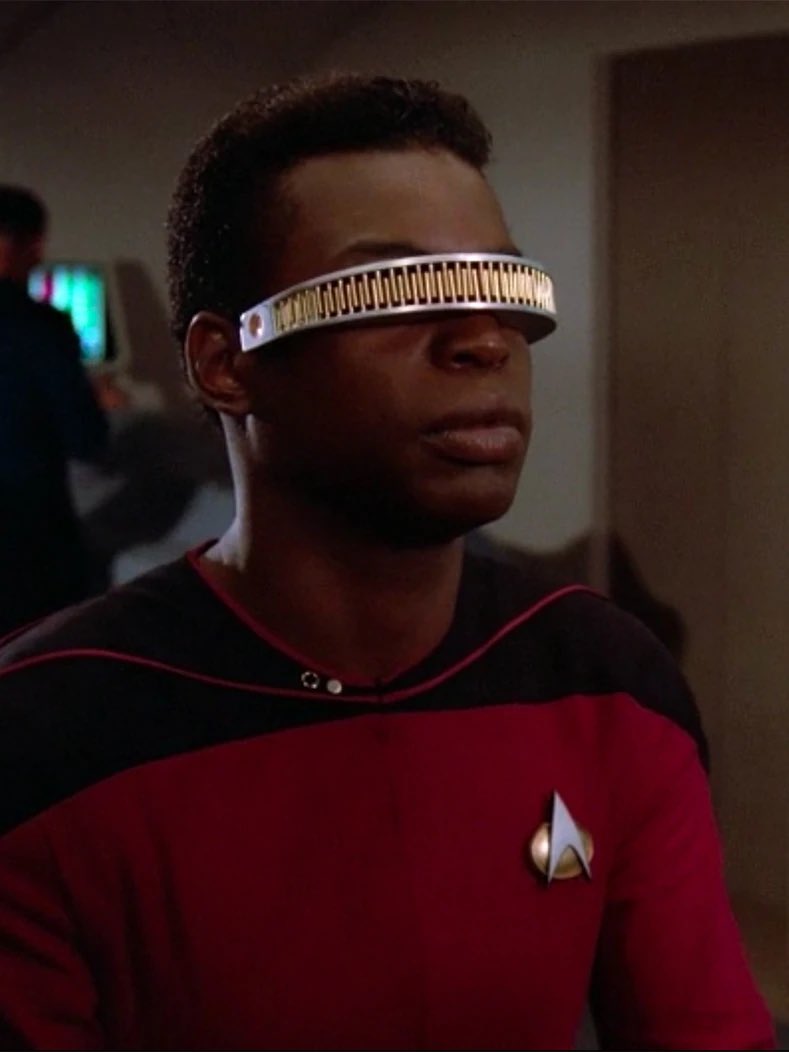
Neuralink Gets FDA Go-ahead for Developing Device that Lets Blind-from-birth People See like Geordi La Forge

2024-09-18
TechPowerUp
Why's our monitor labelling this an incident or hazard?
The Neuralink device qualifies as an AI system because it involves a neural interface that interprets brain signals and generates visual outputs, which requires sophisticated AI processing. The FDA designation and public participation indicate the device is entering development and testing phases. No direct or indirect harm has been reported from the device's use so far, so it is not an AI Incident. However, the potential for future harm exists given the novel and invasive nature of the technology and its capabilities, which could plausibly lead to health or rights-related harms if malfunction or misuse occurs. Thus, it fits the definition of an AI Hazard rather than an Incident or Complementary Information.
Thumbnail Image

Neuralink's new 'Blindsight' device a medical 'breakthrough', helps restore blind patients' vision

2024-09-19
Firstpost
Why's our monitor labelling this an incident or hazard?
The article describes an AI system (Neuralink's Blindsight implant) that is under development and testing to restore vision, involving AI-enabled brain-computer interface technology. No actual harm has been reported yet, but the device's use could plausibly lead to significant health impacts (positive or negative) and ethical issues, including animal testing concerns. Since the device is experimental and not yet widely deployed, and the article focuses on its potential and challenges rather than realized harm, this fits the definition of an AI Hazard rather than an AI Incident or Complementary Information.
Thumbnail Image

Neuralink's new Blindsight implant can restore vision, says Elon Musk

2024-09-18
Telangana Today
Why's our monitor labelling this an incident or hazard?
The implant is an AI system as it processes neural signals to generate outputs that influence human sensory experience. Although no harm has yet occurred, the technology's experimental nature and direct interaction with human brain functions imply a credible risk of injury or health harm if malfunction or misuse happens. Since the article does not report any realized harm but highlights the device's potential capabilities and ongoing development, it fits the definition of an AI Hazard rather than an AI Incident or Complementary Information. The event is not unrelated as it clearly involves AI systems in a medical implant context with potential for significant harm.
Thumbnail Image

Neuralink's 'Blindsight' Device Receives FDA Breakthrough Designation

2024-09-18
Techopedia.com
Why's our monitor labelling this an incident or hazard?
The article describes an AI system (Blindsight) that uses a microelectrode array stimulated by camera input, implying AI processing to generate visual stimuli. No actual harm or malfunction has occurred yet, and human trials have not started. The FDA breakthrough designation accelerates development but does not indicate any incident. The skepticism expressed by experts concerns the device's efficacy, not harm. Thus, the event is best classified as an AI Hazard, reflecting plausible future impacts and risks associated with the device's development and use.
Thumbnail Image

Elon Musk's Brain Chip To Help Blind People See Gets Regulatory Nod

2024-09-18
Naija News
Why's our monitor labelling this an incident or hazard?
The event involves the development and use of an AI system (brain-computer interface with AI decoding neural signals) aimed at restoring vision, which is a medical application with potential for significant health impact. Since the device is still experimental and no harm has been reported, but the technology could plausibly lead to health-related incidents (positive or negative), this fits the definition of an AI Hazard. It is not an AI Incident because no harm has occurred, nor is it Complementary Information or Unrelated, as the article focuses on the AI system's development and regulatory progress with potential health implications.
Thumbnail Image

Neuralink Blindsight To Let Blind People See Better Than Natural Vision, Experience Infrared, Ultraviolet and Radar Wavelengths: Elon Musk

2024-09-18
LatestLY
Why's our monitor labelling this an incident or hazard?
The article describes a novel AI system (Neuralink's brain implant) intended to restore or enhance vision, which involves AI in its operation. However, the event is about the device's development and potential capabilities, with no reported incidents of harm or malfunction. Therefore, it represents a plausible future risk (AI Hazard) rather than an incident. The mention of the FDA designation and invitation for candidates indicates ongoing development and testing, not realized harm.
Thumbnail Image

Elon Musk Has Been Quietly Curing Blindness

2024-09-21
www.independentsentinel.com
Why's our monitor labelling this an incident or hazard?
The Blindsight device is an AI system (a brain-computer interface with AI components) intended to restore vision, which is a health-related application. The article focuses on its development and potential to cure blindness, which is a positive health impact rather than harm. There is no indication of any injury, malfunction, or violation of rights caused by the system so far. The FDA breakthrough designation indicates progress toward deployment but does not imply harm. Since no harm has occurred, but the system's use could plausibly lead to health impacts (positive or negative), this fits the definition of an AI Hazard rather than an AI Incident or Complementary Information. It is not unrelated because it clearly involves an AI system with health implications.
Thumbnail Image

Elon Musk's Neuralink gets FDA 'breakthrough device' designation: restores vision to the blind

2024-09-18
TweakTown
Why's our monitor labelling this an incident or hazard?
The article discusses an AI-related medical device under development that involves AI systems for brain-computer interfacing to restore vision. While the device has not yet caused any harm or malfunction, its development and potential use could plausibly lead to AI incidents or hazards in the future. However, since no harm or malfunction has occurred yet, and the article focuses on regulatory progress and potential benefits, this qualifies as Complementary Information rather than an AI Incident or AI Hazard.
Thumbnail Image

US govt approves Elon Musk's neuralink to help blind people see

2024-09-18
Tribune Online
Why's our monitor labelling this an incident or hazard?
Neuralink's brain implant is an AI system that interprets neural signals to restore vision, involving advanced AI technology. The FDA's breakthrough designation indicates the device is experimental and intended for medical use. No harm or malfunction is reported; thus, no AI Incident is present. However, given the invasive nature and potential risks of brain implants, there is a credible risk of injury or health harm in the future if the system malfunctions or is misused. Hence, the event is best classified as an AI Hazard due to plausible future harm from the AI system's use.
Thumbnail Image

Elon Musk Claims Brain-chip Capable Of Restoring Vision To Persons Born Blind

2024-09-18
Leadership
Why's our monitor labelling this an incident or hazard?
The article explicitly mentions an AI system (Neuralink's brain-computer interface) involved in medical treatment development. However, it does not report any injury, violation of rights, or other harms caused by the AI system. The device is experimental and approved for clinical trials, indicating potential future benefits rather than realized harm. Therefore, it does not meet the criteria for AI Incident or AI Hazard. Instead, it provides important contextual information about AI advancements and clinical applications, fitting the definition of Complementary Information.
Thumbnail Image

Neuralink's Blindsight receives FDA breakthrough status, to restore vision for the blind

2024-09-18
ReadWrite
Why's our monitor labelling this an incident or hazard?
The article describes an AI system (Neuralink's Blindsight) that uses AI-driven microelectrode arrays to stimulate the visual cortex, which qualifies as an AI system. The device is still in early stages and has not yet been tested in humans, so no direct or indirect harm has occurred. However, the invasive nature and potential health risks associated with brain implants mean that the development and future use of this AI system could plausibly lead to injury or harm to persons, fitting the definition of an AI Hazard. There is no indication of realized harm or legal violations, so it is not an AI Incident. The article is not merely complementary information since it highlights the potential for future harm and the early stage of the device's development.
Thumbnail Image

Neuralink's vision restoration implant gets FDA approval: How 'Blindsight' works

2024-09-18
NewsBytes
Why's our monitor labelling this an incident or hazard?
The event involves an AI system (the Blindsight implant uses AI to process camera input and stimulate neurons) in medical use. The device is approved for expedited development but is not yet reported to have caused any injury or harm. Therefore, no realized harm (AI Incident) is described. However, given the invasive nature and potential risks of brain implants, there is a credible plausible risk of harm (e.g., injury, health issues) in the future. Thus, this qualifies as an AI Hazard rather than an Incident or Complementary Information. It is not unrelated because the AI system is central to the device's function and potential impact.
Thumbnail Image

Do You Know There's A Device That 'Restores Vision In Blind'? Here's More... - odishabytes

2024-09-19
ODISHA BYTES
Why's our monitor labelling this an incident or hazard?
The device described involves an AI system that processes neural signals to restore vision, which is a medical application with potential direct impact on health. Although human trials have not yet started and no harm or injury has been reported, the device's development and intended use could plausibly lead to significant health impacts, either beneficial or harmful, depending on outcomes. Since no actual harm or incident has occurred yet, but there is a credible potential for future impact, this event qualifies as an AI Hazard rather than an AI Incident or Complementary Information.
Thumbnail Image

Elon Musk's Neuralink secures FDA breakthrough status for vision implant

2024-09-17
Proactiveinvestors NA
Why's our monitor labelling this an incident or hazard?
Neuralink's implant is an AI system as it processes neural signals and interfaces with external devices, involving AI-based interpretation and control. The article does not report any actual harm or malfunction but discusses the device's development and regulatory progress, implying potential future use. Given the invasive nature and critical health application, there is a credible risk that the AI system could lead to injury or harm to health if malfunction or misuse occurs. Hence, it fits the definition of an AI Hazard rather than an Incident or Complementary Information.
Thumbnail Image

Dogecoin Founder Excited at Elon Musk's Company's Staggering Breakthrough

2024-09-18
u.today
Why's our monitor labelling this an incident or hazard?
The Neuralink Blindsight device is an AI system designed to restore vision by interfacing with the brain. While it has significant potential to improve health outcomes, the article does not report any actual incidents of harm or malfunction. The focus is on the announcement and potential capabilities, which implies a plausible future impact but no current harm. Thus, it fits the definition of an AI Hazard, as the device's development and intended use could plausibly lead to an AI Incident in the future if issues arise, but no incident has occurred yet.
Thumbnail Image

Musk's Neuralink gets FDA's breakthrough device tag for 'Blindsight' implant

2024-09-17
Colorado Springs Gazette
Why's our monitor labelling this an incident or hazard?
The event involves an AI system (a brain-chip implant with AI capabilities) in development and regulatory review. However, there is no indication of any harm caused or plausible harm that could arise imminently from the device's use or malfunction. The article focuses on the FDA's breakthrough device designation, which is a positive regulatory step and does not imply any incident or hazard. Hence, it fits the definition of Complementary Information, as it provides supporting context about AI system development and regulatory progress without describing an AI Incident or AI Hazard.
Thumbnail Image

Elon Musk's Neuralink Receives FDA Approval For Revolutionary Brain Implant

2024-09-18
New Telegraph
Why's our monitor labelling this an incident or hazard?
The event involves an AI system (the brain implant decoding neural signals) in development and use for medical purposes. There is no indication of harm or malfunction yet, but the technology's deployment could plausibly lead to health-related impacts, positive or negative. Since the article focuses on the approval and potential of the AI system without reporting any harm or malfunction, it qualifies as Complementary Information about an AI system's development and regulatory progress rather than an Incident or Hazard.
Thumbnail Image

'Could Restore Sight': FDA Grants 'Breakthrough Status' To Musk's Neuralink 'Blindsight' Implant

2024-09-18
matzav.com
Why's our monitor labelling this an incident or hazard?
The event involves an AI system (Neuralink's brain-chip implant) designed to restore sight by interpreting brain signals. The FDA's Breakthrough Device Designation accelerates its development but does not indicate any realized harm. Since the device is still in trial phases and no injury, rights violation, or other harm has occurred, this event does not qualify as an AI Incident. However, because the device's use could plausibly lead to harm (e.g., medical risks, privacy concerns) in the future, it fits the definition of an AI Hazard. The article primarily reports on regulatory approval and potential benefits, without describing any actual harm or incident.
Thumbnail Image

Elon Musk's Neuralink secures FDA breakthrough status for vision implant

2024-09-17
Proactiveinvestors UK
Why's our monitor labelling this an incident or hazard?
The event involves an AI system (Neuralink's brain-chip implant) that processes neural signals to restore vision, fitting the AI system definition. The FDA breakthrough status indicates ongoing development and potential future use. No direct or indirect harm has been reported yet, so it does not qualify as an AI Incident. However, given the nature of the technology and its potential risks to health if malfunctioning or misused, it plausibly could lead to harm in the future, qualifying it as an AI Hazard. The article focuses on the regulatory milestone and development progress, not on harm or incidents.
Thumbnail Image

Neuralink's 'blindsight' implant gets key FDA designation

2024-09-18
Silicon Republic
Why's our monitor labelling this an incident or hazard?
The Neuralink Blindsight device is an AI system (a brain-implant interpreting neural signals to generate visual perception). The article focuses on its development and regulatory progress, with no reported harm or malfunction yet. The device's potential to restore sight involves significant health implications, and the FDA designation accelerates its path to human trials, which inherently carries plausible risks of harm (e.g., injury, health complications). Since no harm has occurred yet, and the article does not focus on responses to past incidents or legal actions, it is best classified as an AI Hazard reflecting plausible future harm from the AI system's use.
Thumbnail Image

Neuralink's "Blindsight": A New Hope for the Blind Receives "Breakthrough Device" Status from FDA

2024-09-18
International Business Times, Singapore Edition
Why's our monitor labelling this an incident or hazard?
The article focuses on the development and regulatory progress of an AI-enabled medical device (Blindsight) intended to restore vision. Although the device involves AI systems and brain-machine interfaces, there is no indication of any injury, malfunction, rights violation, or other harm occurring. The FDA's breakthrough status accelerates development but does not imply any realized harm. Thus, the event is best classified as Complementary Information, providing context and updates on AI system advancements and regulatory milestones without describing an AI Incident or AI Hazard.
Thumbnail Image

Elon Musk's Neuralink Wins FDA Approval for Revolutionary Device to Restore Sight, Even for Those Born Blind

2024-09-18
WebProNews
Why's our monitor labelling this an incident or hazard?
The Neuralink Blindsight device is an AI system (a brain-computer interface with sophisticated neural signal processing). The FDA Breakthrough Device designation means the device is authorized to proceed with clinical trials but is not yet approved for widespread use. No harm has occurred yet, so it is not an AI Incident. However, the device's development and future use could plausibly lead to significant health impacts (positive or negative), including potential risks inherent in invasive neural implants and AI-driven brain stimulation. Thus, it fits the definition of an AI Hazard, as the event involves the development and impending use of an AI system that could plausibly lead to an AI Incident in the future. The article does not primarily focus on societal or governance responses or updates to past incidents, so it is not Complementary Information. It is clearly related to an AI system, so it is not Unrelated.
Thumbnail Image

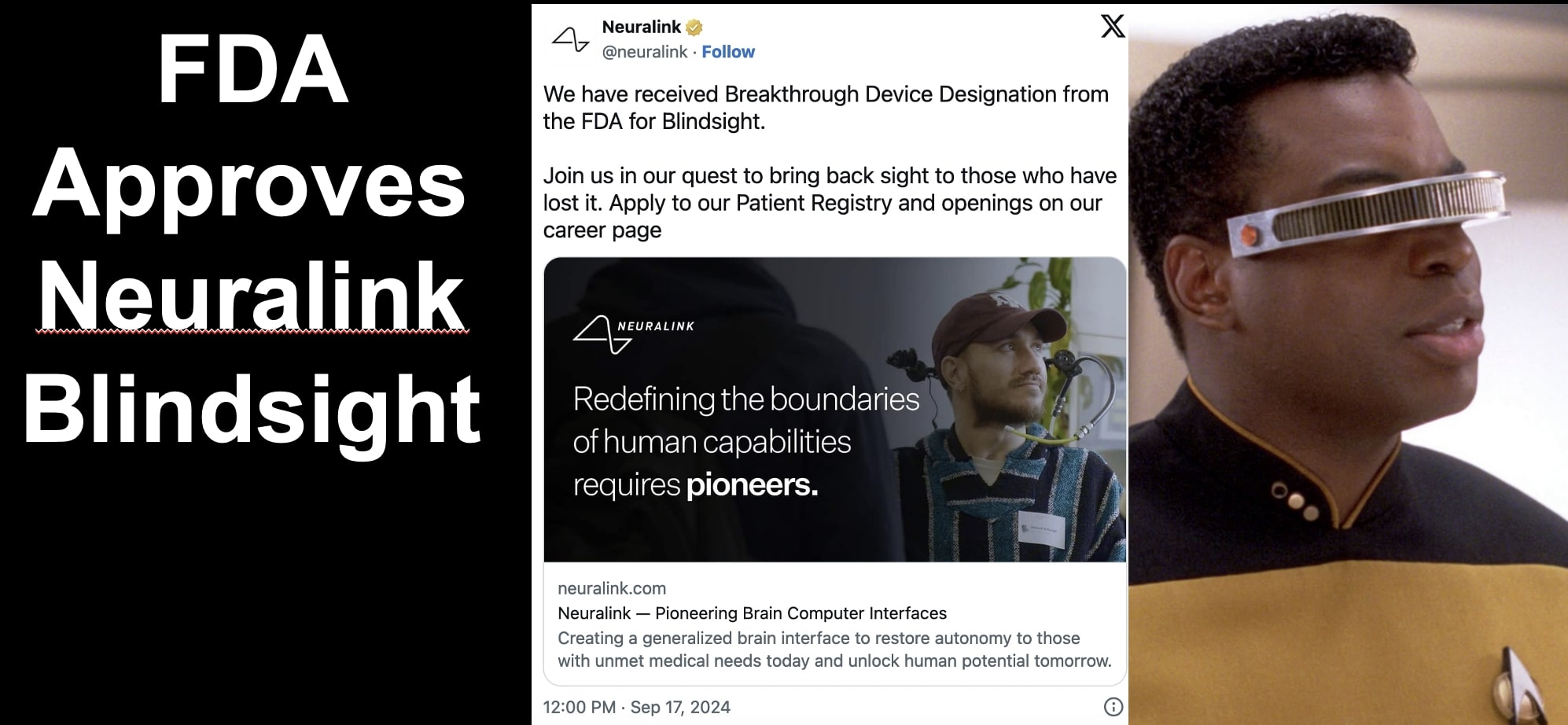
FDA Approves Neuralink Blindsight | NextBigFuture.com

2024-09-18
Next Big Future
Why's our monitor labelling this an incident or hazard?
The Neuralink Blindsight device is an AI system interfacing with the brain to restore or enhance vision, involving AI-driven electronics and signal processing. The FDA breakthrough device designation indicates it is progressing toward clinical trials but no harm has yet occurred. The device's use could plausibly lead to AI incidents if malfunctions or misuse cause injury or health harm, but currently, it is a development stage with potential future impact. Hence, it fits the definition of an AI Hazard, as it could plausibly lead to injury or harm to health if problems arise during use or deployment.
Thumbnail Image

Elon Musk's New Device, Enabling Blind People To See, Put on Fast Track by FDA

2024-09-17
The New York Sun
Why's our monitor labelling this an incident or hazard?
The event involves an AI system (Neuralink's Blindsight device) designed to restore vision by interfacing with the brain, which clearly fits the AI System definition. The FDA's designation accelerates its development and potential use, but no actual harm or malfunction is reported yet. The device's use could plausibly lead to health-related harms if it malfunctions or is misused, given its invasive nature and critical function. Since no direct or indirect harm has occurred yet, but plausible future harm exists, this is best classified as an AI Hazard rather than an AI Incident. It is not Complementary Information because the article focuses on the device's development and regulatory progress, not on responses to past incidents or broader ecosystem updates. It is not Unrelated because the AI system and its potential impacts are central to the article.
Thumbnail Image

Neuralink's Blindsight implant to restore vision to people who lost both eyes: Musk

2024-09-18
Weekly Voice
Why's our monitor labelling this an incident or hazard?
The event involves an AI system (brain-computer interface with neural signal processing) under development with potential to restore vision, which is a positive application. Since no harm or adverse incident has occurred or been reported, and the device is still experimental, this does not qualify as an AI Incident. However, given the nature of the technology and its potential risks (e.g., medical device risks, privacy, or unintended consequences), it could plausibly lead to harm in the future. Nonetheless, the article focuses on the development and potential benefits rather than risks or hazards. Thus, the best classification is Complementary Information, as it provides context and updates on AI system development without describing an incident or hazard.
Thumbnail Image

Musk announced an implant that will allow people who have been blind since birth to see: what it's all about

2024-09-18
Obozrevatel
Why's our monitor labelling this an incident or hazard?
The Neuralink Blindsight implant is an AI system involving neural chips interfacing with the brain to restore vision, clearly fitting the AI system definition. The announcement concerns the development and upcoming use of this system, with FDA approval for human trials indicating imminent deployment. No actual harm has been reported yet, so it is not an AI Incident. However, the potential for harm exists due to the invasive nature of brain implants, possible malfunction, and ethical concerns from animal testing and human trials. Thus, it is best classified as an AI Hazard, reflecting plausible future harm from the AI system's use.
Thumbnail Image

The biggest miracle of the 21st century, now even those born blind will be able to see the world; know how? - Hindustan News Hub - hindustannewshub.com

2024-09-18
hindustannewshub.com
Why's our monitor labelling this an incident or hazard?
The Neuralink 'Blindsight' chip is an AI system (brain-computer interface processing neural signals) intended to restore vision. The FDA breakthrough designation and planned human trials indicate development and use stages. No harm or injury has occurred yet, so it is not an AI Incident. However, the device's implantation and use could plausibly lead to significant health impacts (positive or negative), fitting the definition of an AI Hazard. The article does not report any realized harm or legal violations, nor does it focus on responses or governance, so it is not Complementary Information. It is not unrelated as it clearly involves an AI system with potential health impacts.
Thumbnail Image

Elon Musk To Cure Blindness with Neuralink Blindsight - Tekedia

2024-09-18
Tekedia
Why's our monitor labelling this an incident or hazard?
The event involves an AI system (Neuralink's Blindsight) designed to restore vision by interfacing with the brain, which implies sophisticated AI processing. However, the article only announces the FDA designation and the intended benefits without describing any harm or malfunction. Therefore, it does not qualify as an AI Incident or AI Hazard. It is best classified as Complementary Information, providing context on a significant AI development with potential future impact but no current harm.
Thumbnail Image

Neuralink Gets FDA's 'Breakthrough Device' Tag for 'Blindsight' Implant

2024-09-18
Gadgets 360
Why's our monitor labelling this an incident or hazard?
The event involves an AI system (a brain-chip interface processing neural signals) under development with potential medical benefits. However, there is no indication of any harm or malfunction occurring, nor any direct or indirect harm caused by the AI system. The article focuses on the regulatory milestone and the potential future use of the device, which could plausibly lead to benefits or risks but does not describe any realized harm or credible risk of harm at this stage. Therefore, it qualifies as Complementary Information, providing context and updates on AI development and regulatory progress without constituting an AI Incident or AI Hazard.
Thumbnail Image

Musk's Neuralink gets FDA's breakthrough device tag for 'Blindsight' implant

2024-09-17
ThePrint
Why's our monitor labelling this an incident or hazard?
The event involves an AI system (Neuralink's brain chip interface) whose development and use could plausibly lead to harm, such as injury or health issues, if the device malfunctions or is misused. Since no actual harm has been reported yet and the device is still in experimental stages, this qualifies as an AI Hazard rather than an AI Incident. The FDA breakthrough designation indicates the device's potential significance but does not imply harm has occurred. Therefore, the classification is AI Hazard.
Thumbnail Image

植入腦機介面 漸凍症患者能以意念控制數位助理

2024-09-17
Yahoo News (Taiwan)
Why's our monitor labelling this an incident or hazard?
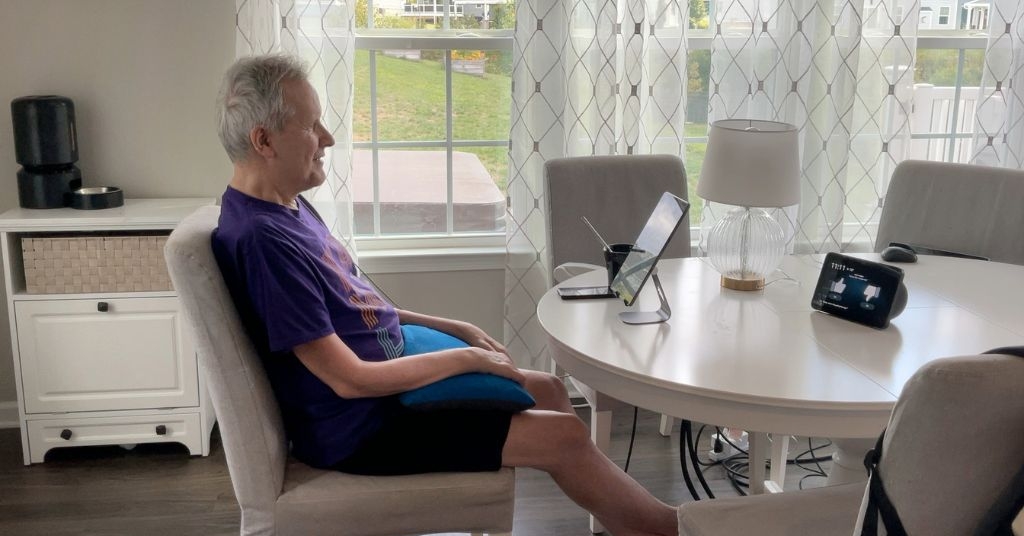
The article explicitly involves an AI system (brain-computer interface enabling control of Alexa and smart devices) used by a patient. However, the event does not describe any injury, rights violation, disruption, or harm caused by the AI system. Instead, it reports a successful use case improving patient autonomy. Therefore, it does not meet criteria for AI Incident or AI Hazard. It is not a general product announcement but a report on a specific use case with no harm. Hence, it is best classified as Complementary Information, providing context on AI applications and advancements in assistive technology.
Thumbnail Image

以意念控制平板電腦操作家電 漸凍人症患者:重獲失去的獨立自主 (14:46) - 20240917 - 熱點

2024-09-17
明報新聞網 - 即時新聞 instant news
Why's our monitor labelling this an incident or hazard?
The implanted BCI is an AI system that interprets neural signals to control devices. The event involves the use of this AI system to enable a disabled patient to operate home electronics and communication tools, restoring independence. This is a positive outcome and does not involve injury, rights violations, disruption, or other harms. Therefore, it does not qualify as an AI Incident or AI Hazard. It is not merely general AI news but a report on a specific AI system use with beneficial effects, so it is best classified as Complementary Information, providing context on AI applications improving quality of life.
Thumbnail Image

植入腦機「漸凍人」意念控制Alexa - 20240918 - 國際

2024-09-17
明報新聞網 - 即時新聞 instant news
Why's our monitor labelling this an incident or hazard?
The implanted brain-computer interface is an AI system that interprets neural signals to control devices. The event involves the use of this AI system by a patient to operate smart home devices, demonstrating a positive application without any reported harm or risk. There is no indication of injury, rights violations, or other harms caused or plausibly caused by the AI system. The article mainly reports on the successful use and ongoing development of BCI technology, including references to other companies working on similar tech. This fits the definition of Complementary Information, as it provides context and updates on AI system use and development without describing an incident or hazard.
Thumbnail Image

漸凍症患者大腦植入裝置 能意念操作平板電腦

2024-09-17
std.stheadline.com
Why's our monitor labelling this an incident or hazard?
The implanted brain-computer interface qualifies as an AI system because it interprets complex neural inputs to generate outputs controlling digital devices. The use of this AI system directly benefits the patient by enabling communication and control despite severe physical disability. There is no indication of harm or risk of harm; rather, the event describes a successful use case improving quality of life. Therefore, it does not meet criteria for AI Incident or AI Hazard. It is not merely general AI news but a report on a specific AI system in use with no harm involved, so it is best classified as Complementary Information, providing context on AI applications in healthcare.
Thumbnail Image

馬斯克發功|「盲視」獲FDA開綠燈 助失明者重見光明

2024-09-19
EJ Tech
Why's our monitor labelling this an incident or hazard?
The event involves the use and development of AI-enabled brain-computer interface systems that directly impact human health by restoring or augmenting sensory functions. The FDA approval indicates the device is intended for medical use, and its deployment will directly affect the health of users. Since the AI system's use is intended to remediate harm (blindness), this is an AI Incident as it involves AI systems directly linked to health outcomes. Although the article does not report any malfunction or harm caused by the AI system, the involvement of AI in a medical device that affects health classifies this as an AI Incident under the framework, as it relates to injury or harm to health (here, the system is used to prevent or reverse harm).
Thumbnail Image

Neuralink de Elon Musk desenvolve chip cerebral que promete devolver a visão a cegos

2024-09-19
Pplware
Why's our monitor labelling this an incident or hazard?
The Neuralink Blindsight chip is an AI system that processes visual information and stimulates the brain to restore vision. Although the article does not report any actual harm or malfunction, the device is entering human trials, and its use could plausibly lead to injury or harm to health if it malfunctions or is improperly used. The FDA's accelerated approval highlights the novelty and potential risks involved. Since no harm has yet occurred but plausible future harm exists, this event fits the definition of an AI Hazard rather than an AI Incident. It is not merely complementary information because the focus is on the development and imminent use of a novel AI system with potential health impacts, not on responses or ecosystem context. It is not unrelated because the AI system is central to the event.
Thumbnail Image

Neuralink: chip cerebral que promete recuperar visão é aprovado para testes

2024-09-20
Olhar Digital - O futuro passa primeiro aqui
Why's our monitor labelling this an incident or hazard?
The Neuralink brain chip is an AI system designed to interface with the human brain to restore vision, which directly relates to health outcomes. The article describes the FDA approval for human testing, indicating the system is entering a phase where use could plausibly lead to injury or harm if problems arise. No actual harm or malfunction is reported yet, so it is not an AI Incident. The potential for harm in future use, including malfunction or unintended effects on patients' health, makes this an AI Hazard. The article does not focus on responses to past incidents or broader governance issues, so it is not Complementary Information. It is clearly related to an AI system, so it is not Unrelated.
Thumbnail Image

Neuralink está desenvolvendo "dispositivo inovador" para curar cegueira

2024-09-19
Notícias ao Minuto Brasil
Why's our monitor labelling this an incident or hazard?
The article explicitly involves an AI system embedded in a neural implant designed to restore vision, which fits the definition of an AI system. The device is still in development and has not yet caused any injury or harm, so it is not an AI Incident. However, the potential for harm exists given the invasive nature and critical function of the device, making it an AI Hazard. The article does not focus on responses, updates, or broader ecosystem context, so it is not Complementary Information. It is clearly related to AI, so it is not Unrelated.