Tesla FSD v12 Faces Repeated Safety-Critical Failures and Human Interventions

Thumbnail Image

The information displayed in the AIM should not be reported as representing the official views of the OECD or of its member countries.

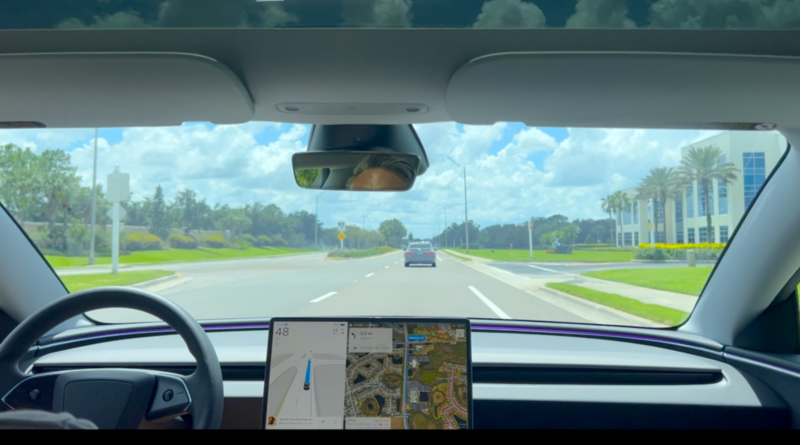
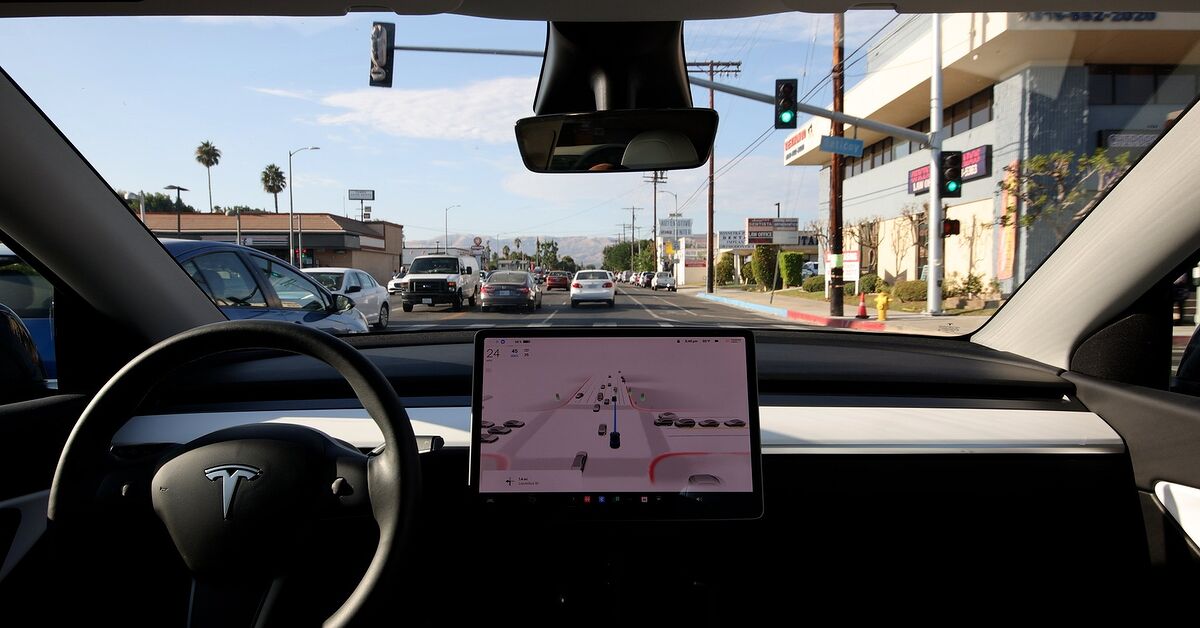
Multiple independent tests and user reports reveal that Tesla's Full Self-Driving (FSD) v12 system frequently requires human intervention to prevent accidents, with repeatable failures including near-collisions and dangerous off-road maneuvers. These incidents highlight ongoing safety risks and the system's inadequacy for unsupervised autonomous driving.[AI generated]

Why's our monitor labelling this an incident or hazard?

Tesla's Full Self Driving system is an AI system designed for autonomous driving. The reported incidents of running red lights and crossing into oncoming traffic are direct malfunctions or failures of the AI system during its use, which pose clear risks of injury or harm to people. The need for human intervention every 13 miles underscores the system's unreliability and potential for causing harm. Therefore, this event qualifies as an AI Incident due to the direct link between the AI system's malfunction and the risk of harm to persons.[AI generated]
AI principles
SafetyRobustness & digital securityTransparency & explainabilityAccountabilityRespect of human rights

Industries
Mobility and autonomous vehiclesRobots, sensors, and IT hardware

Affected stakeholders
ConsumersGeneral public

Harm types
Physical (injury)Physical (death)Economic/PropertyReputationalPsychological

Severity
AI incident

Business function:
ManufacturingMonitoring and quality controlResearch and development

AI system task:
Recognition/object detectionForecasting/predictionGoal-driven organisationReasoning with knowledge structures/planning


Articles about this incident or hazard

Thumbnail Image

Tesla Full Self Driving requires human intervention every 13 miles

2024-09-25
Ars Technica
Why's our monitor labelling this an incident or hazard?
Tesla's Full Self Driving system is an AI system designed for autonomous driving. The reported incidents of running red lights and crossing into oncoming traffic are direct malfunctions or failures of the AI system during its use, which pose clear risks of injury or harm to people. The need for human intervention every 13 miles underscores the system's unreliability and potential for causing harm. Therefore, this event qualifies as an AI Incident due to the direct link between the AI system's malfunction and the risk of harm to persons.
Thumbnail Image

Tesla Full Self-Driving v12.5 first impression: more natural but still dangerous

2024-09-24
Electrek
Why's our monitor labelling this an incident or hazard?
The Tesla FSD system is an AI system designed for autonomous driving. The article details a real-world use case where the AI system's behavior was unsafe, causing the driver to take over to prevent a collision. This constitutes a direct or indirect harm to health and safety, fulfilling the criteria for an AI Incident. The report highlights the dangers of overreliance on the system and the necessity of vigilance, confirming that the AI system's malfunction or limitations have led to a safety-critical event.
Thumbnail Image

Tesla full self driving software 'suspect,' AMCI Testing says By Investing.com

2024-09-24
Investing.com India
Why's our monitor labelling this an incident or hazard?
Tesla's FSD software is an AI system designed for autonomous driving. The report shows that during real-world use, the system frequently fails, requiring human intervention about once every 13 miles. This indicates a malfunction or inadequacy in the AI system's performance that could lead to accidents or injuries if relied upon without sufficient oversight. Although no specific harm is reported yet, the safety concerns and potential for operator complacency create a credible risk of future harm, especially in the context of planned Robotaxi deployment. Therefore, this event qualifies as an AI Hazard due to the plausible future harm from the AI system's current limitations.
Thumbnail Image

AMCI Testing issues Warnings and Limited Encouragement for Tesla's latest version of FSD

2024-09-25
StreetInsider.com
Why's our monitor labelling this an incident or hazard?
Tesla's FSD is an AI system designed for autonomous driving. The report details how the AI system's use has directly led to safety risks, evidenced by frequent human interventions needed to prevent accidents. The system's failures and unpredictability create a hazardous environment for drivers and the public, indicating realized harm or at least ongoing risk during its deployment. Therefore, this qualifies as an AI Incident due to the direct link between the AI system's malfunction or inadequacy and potential injury or harm to persons.
Thumbnail Image

5 Summer Months Driving with Tesla Full Self Driving Supervised 12.3.6 in Northern Wisconsin -- Fabulous, But Robotaxi Capable? Not Even Close - CleanTechnica

2024-09-24
CleanTechnica
Why's our monitor labelling this an incident or hazard?
Tesla's Full Self Driving system is an AI system that makes real-time driving decisions. The article details specific failures and safety-critical flaws that could have led to injury or harm to persons (harm category a). Although no actual accidents are reported, the described failures are repeatable and could have caused serious harm, indicating direct involvement of the AI system's malfunction. This qualifies as an AI Incident because the AI system's malfunction has directly led to safety risks and near-harmful events. The article does not merely discuss potential future harm but documents repeated failures and near misses, which are sufficient to classify as an incident under the framework.
Thumbnail Image

Tesla FSD 12: From 'Wow' Moments to Robo Taxi Reality -- Is Autonomous Driving Finally Here?

2024-09-22
WebProNews
Why's our monitor labelling this an incident or hazard?
Tesla's FSD 12 is an AI system for autonomous driving. The article focuses on user experiences and the technology's progress toward fully autonomous Robotaxi service. While it mentions concerns about safety and integration with traffic flow, no actual harm, injury, or violation of rights is reported. The article does not describe any event where the AI system caused or nearly caused harm, nor does it present a credible imminent risk of harm. Instead, it provides context and discussion about the technology's current state and future potential, fitting the definition of Complementary Information rather than an AI Incident or AI Hazard.
Thumbnail Image

Report: Tesla FSD Works Well Most of the Time - Until It Doesn't

2024-09-25
The Truth About Cars
Why's our monitor labelling this an incident or hazard?
The Tesla FSD system qualifies as an AI system under the definition, as it performs complex real-time decision-making for vehicle control. The report indicates potential risks due to overreliance on the system, which could plausibly lead to harm if the system fails and the driver is unprepared. However, no actual harm or incident is described in the article. Therefore, this event is best classified as an AI Hazard, reflecting the plausible future harm from misuse or malfunction of the AI system.
Thumbnail Image

"Gelegentlich gefährlich unfähig": Experten müssen im Tesla-"Autopilot"-Test dutzende Male eingreifen

2024-09-27
wa.de
Why's our monitor labelling this an incident or hazard?
Tesla's FSD is an AI system designed to assist driving autonomously. The test documented multiple critical failures and required 75 manual interventions over 1,600 km, including dangerous behaviors like running red lights and crossing into oncoming traffic. These incidents demonstrate direct involvement of the AI system's malfunction in creating safety hazards, fulfilling the criteria for an AI Incident due to injury or harm risk to persons. The article describes actual events where the AI system's failures posed real dangers, not just potential risks, thus classifying this as an AI Incident.
Thumbnail Image

US-Experten testen Teslas "Autopilot" - und ziehen ein sehr kritisches Fazit

2024-09-26
come-on.de
Why's our monitor labelling this an incident or hazard?
The Tesla FSD system is an AI system designed for autonomous driving assistance. The report details that during testing, the system required manual intervention 75 times over 1,600 kilometers, indicating malfunctions or failures in its operation. These failures can directly lead to safety risks and potential harm to users or others on the road. The article implies that the system's malfunctioning creates a hazardous situation, thus constituting an AI Incident due to the direct link between the AI system's malfunction and potential injury or harm to persons.
Thumbnail Image

"Gelegentlich gefährlich unfähig": Kritische Situationen bei Tesla-"Autopilot"-Test

2024-09-29
extratipp.com
Why's our monitor labelling this an incident or hazard?
Tesla's FSD is an AI system designed to assist driving. The test documented multiple dangerous failures during real-world use, including traffic violations and near collisions, which directly endangered human safety. The AI system's malfunctioning led to these harms, requiring human drivers to intervene to avoid accidents. This meets the definition of an AI Incident because the AI system's use and malfunction directly led to harm or risk of harm to people. The article does not merely warn of potential harm but reports actual dangerous events during system operation.
Thumbnail Image

"Scheinbare Unfehlbarkeit": Warum Experten Teslas "Autopilot" für gefährlich halten

2024-09-30
extratipp.com
Why's our monitor labelling this an incident or hazard?
Tesla's FSD is an AI system designed for autonomous driving. The test documented multiple incidents where the AI system failed to operate safely, requiring frequent human intervention to prevent accidents. These failures directly relate to the AI system's malfunction and have caused or could cause harm to persons, fulfilling the criteria for an AI Incident. The misleading naming of the system also contributes to overreliance and dangerous misuse, further supporting the classification as an AI Incident rather than a hazard or complementary information.
Thumbnail Image

"Gelegentlich gefährlich unfähig": Kritische Situationen bei Tesla-"Autopilot"-Test

2024-09-29
Lauterbacher Anzeiger
Why's our monitor labelling this an incident or hazard?
Tesla's FSD is an AI system designed to assist driving. The article describes multiple instances where the AI system malfunctioned or failed to perform safely, leading to critical situations that could cause injury or harm to people. The need for frequent manual interventions and the system's unpredictable failures demonstrate direct involvement of the AI system in creating hazardous conditions. The misleading branding further exacerbates the risk by encouraging driver complacency. Hence, the event meets the criteria for an AI Incident involving harm to persons due to AI system malfunction and use.
Thumbnail Image

"Gelegentlich gefährlich unfähig": Experten müssen im Tesla-"Autopilot"-Test dutzende Male eingreifen

2024-09-26
24auto.de
Why's our monitor labelling this an incident or hazard?
Tesla's FSD is an AI system designed to assist driving by interpreting sensor data and making driving decisions. The report details multiple instances where the AI system failed to operate safely, requiring human intervention to avoid accidents. The system's failures include running red lights and entering oncoming traffic, which are direct safety hazards and could cause injury or harm. The AI system's malfunction and the resulting critical situations meet the criteria for an AI Incident, as the AI's use has directly led to harm or risk of harm to people. The article does not merely warn of potential future harm but documents actual occurrences of malfunction and near-harm events during use.