Tesla Announces Upcoming Robotaxi Launch Amid AI Safety Concerns

Thumbnail Image

The information displayed in the AIM should not be reported as representing the official views of the OECD or of its member countries.

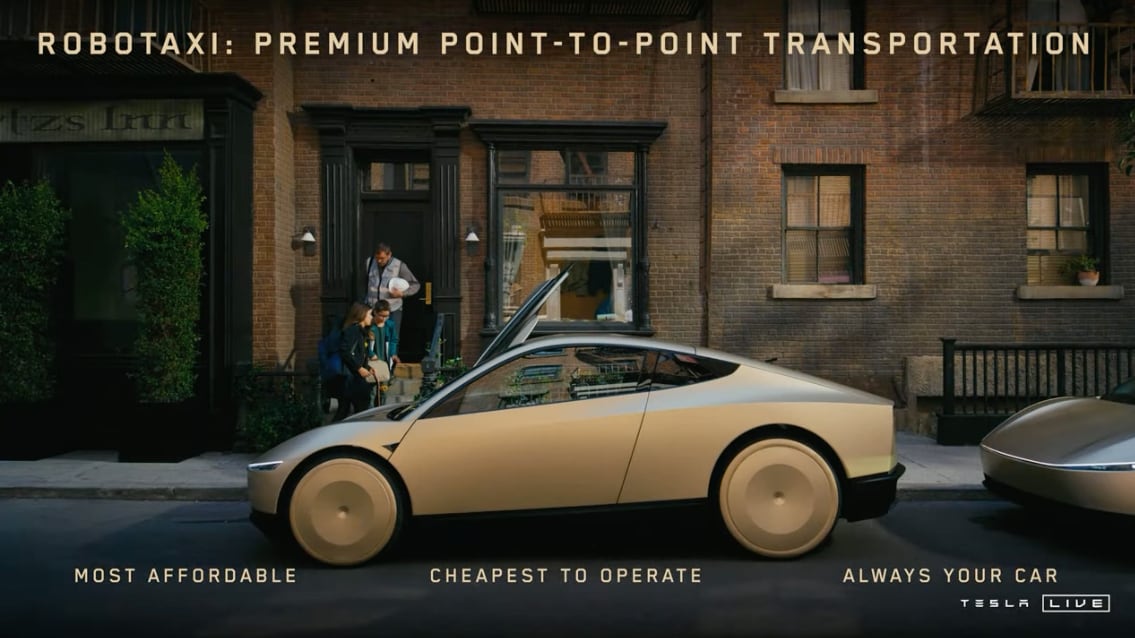
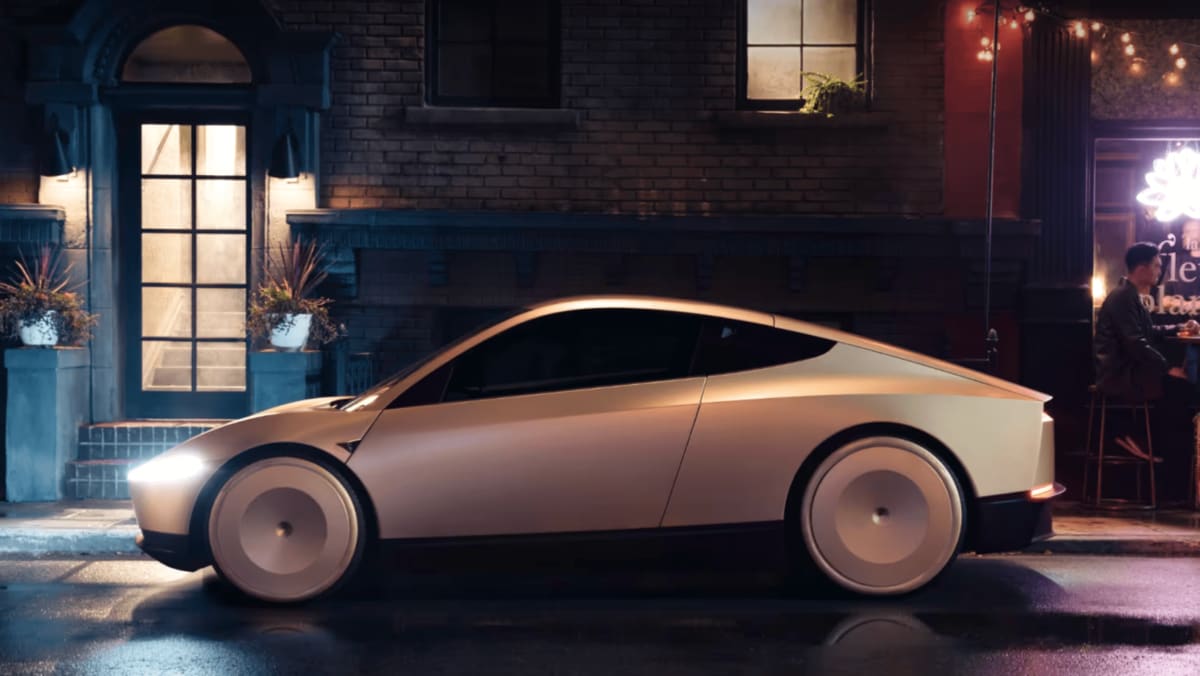
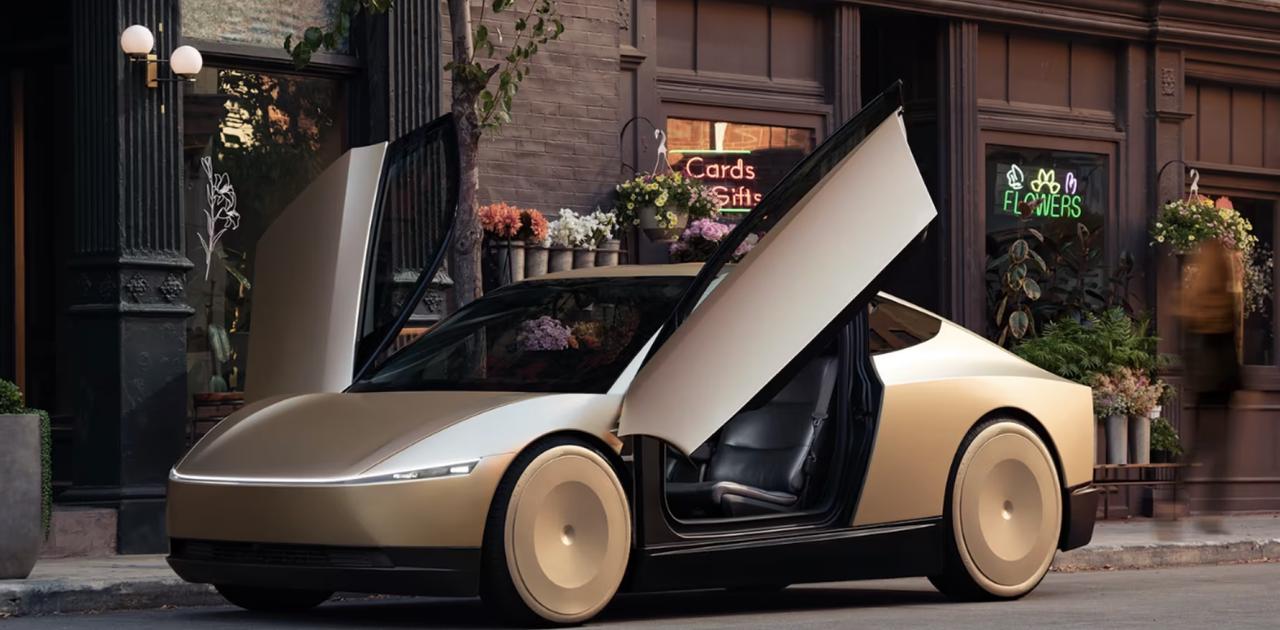
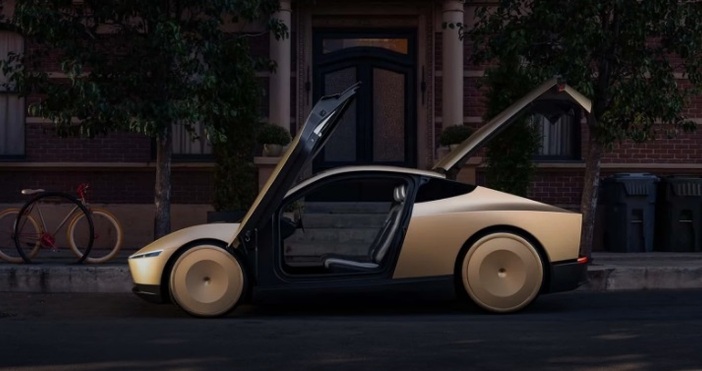
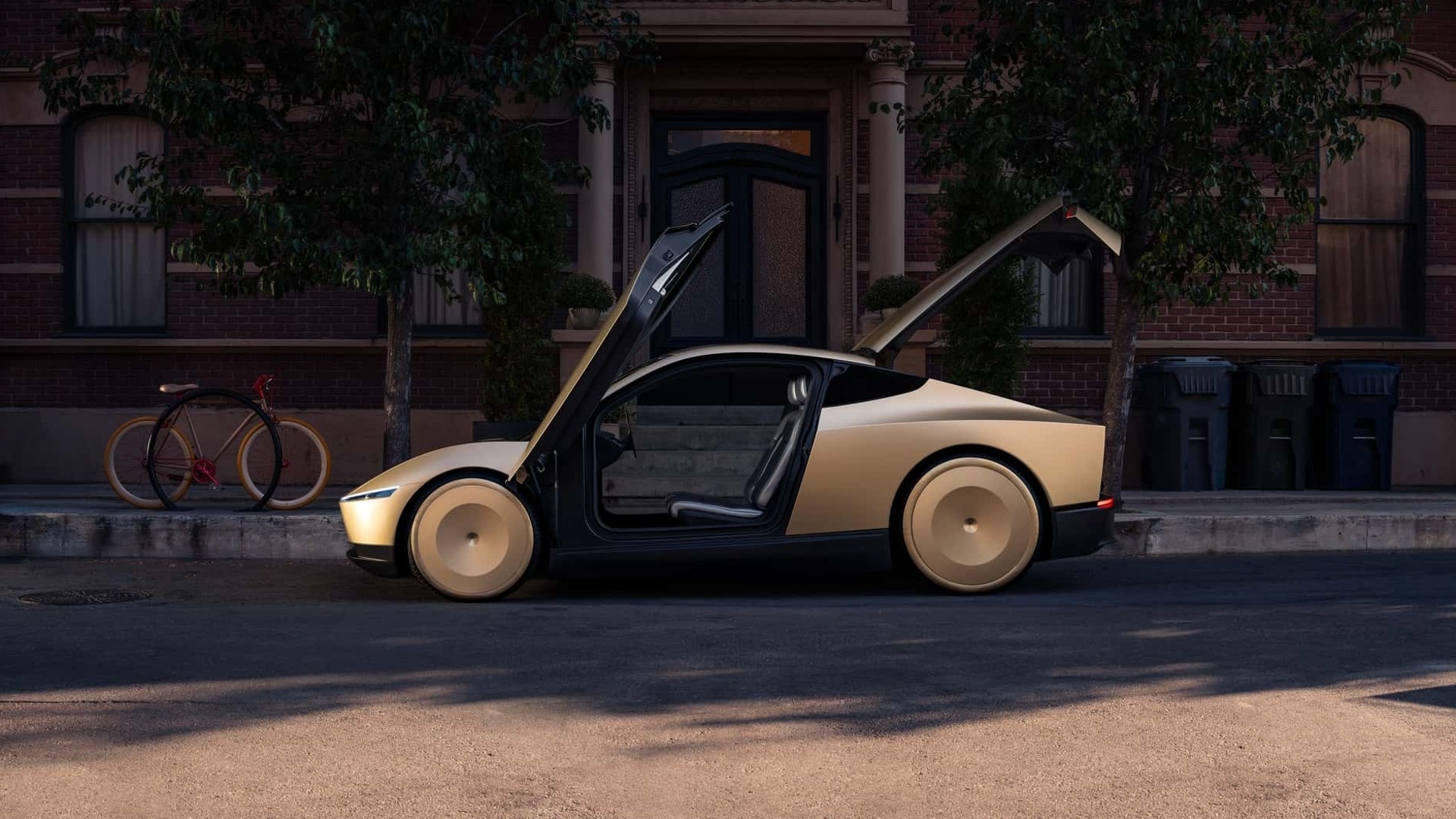
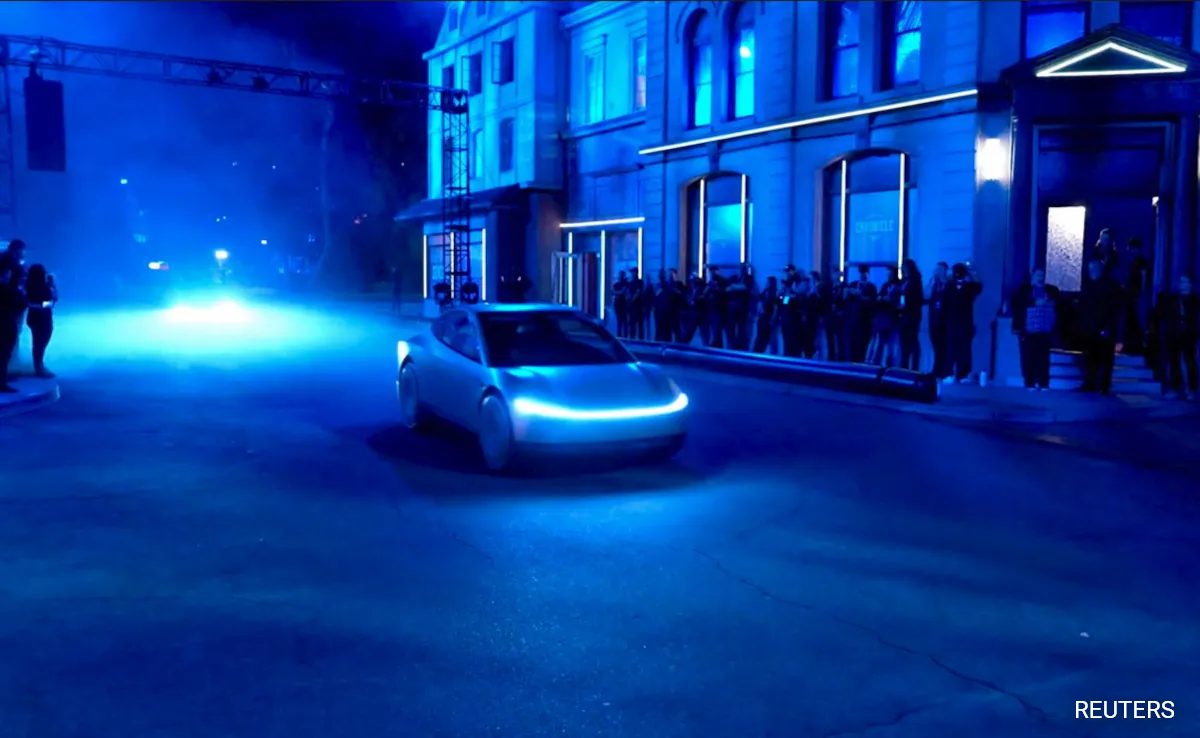
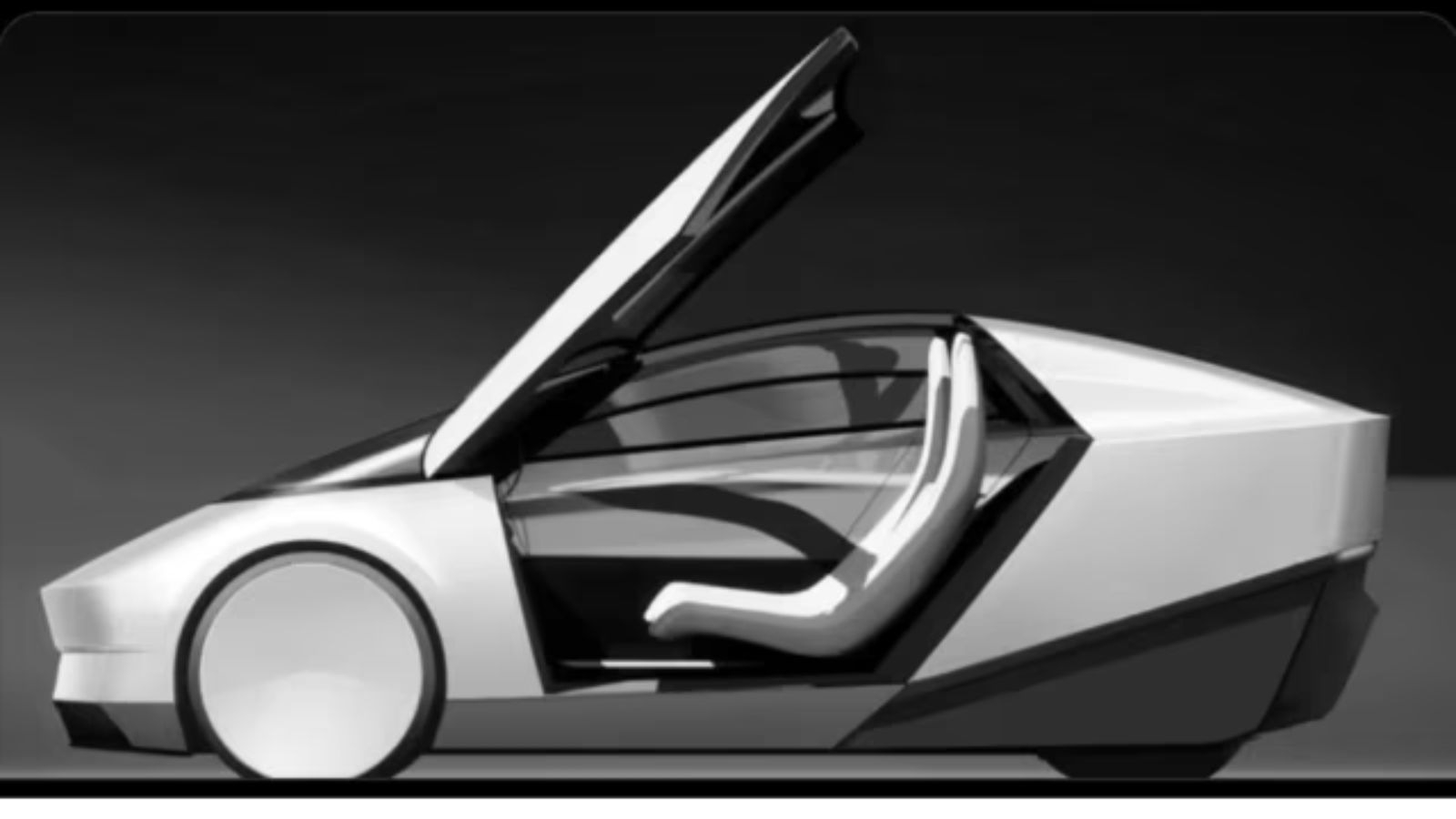
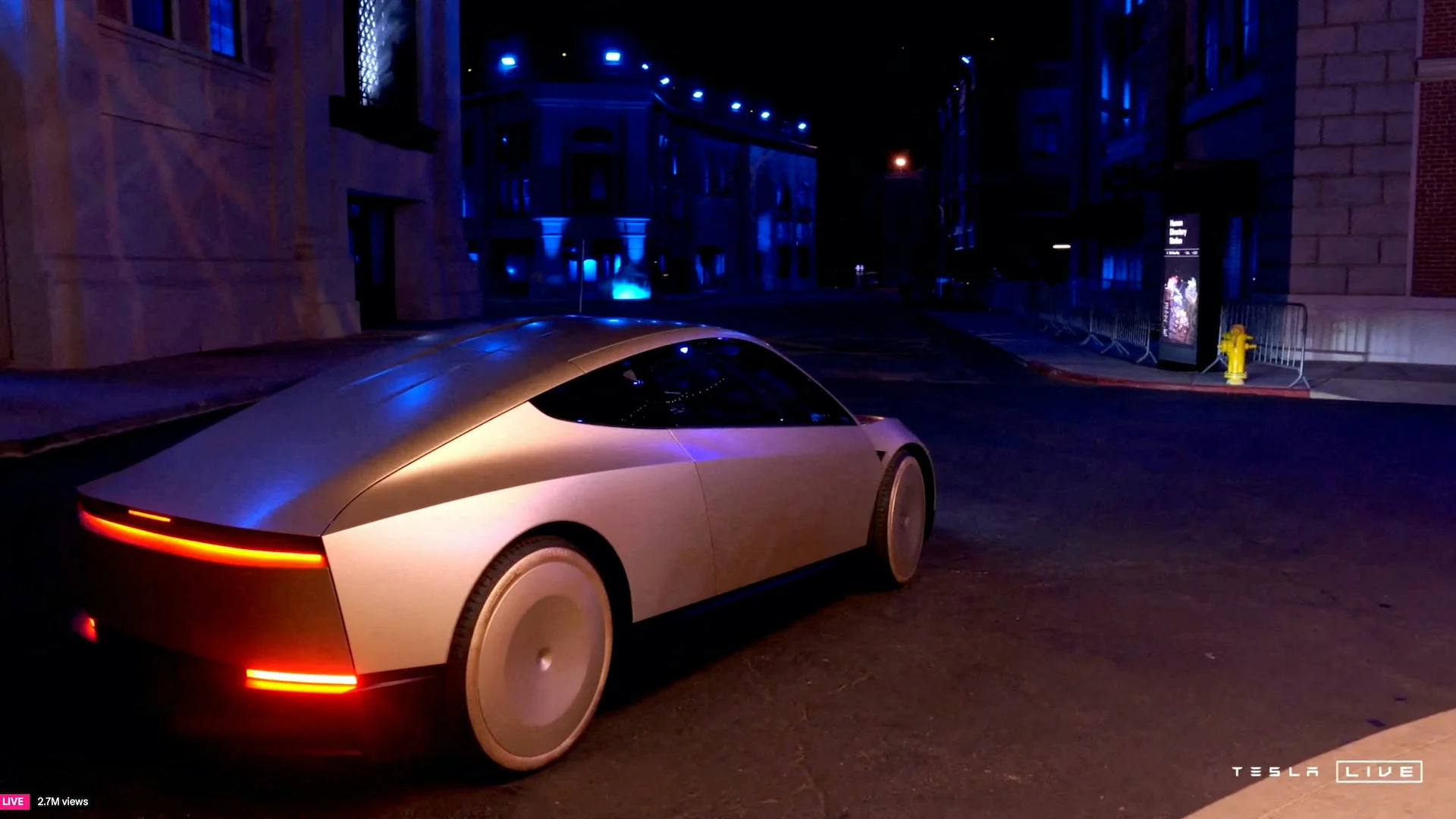
Tesla is set to unveil its fully autonomous Robotaxi, an AI-driven vehicle without a steering wheel or pedals, designed for driverless urban transport. While no incidents have occurred, the technology's deployment raises credible future risks related to autonomous vehicle safety and regulatory challenges.[AI generated]

Why's our monitor labelling this an incident or hazard?

The article centers on the announcement and upcoming reveal of Tesla's Robotaxi, an AI-enabled autonomous vehicle system. Although the system is not yet fully autonomous and no harm has been reported, the nature of the technology implies a credible risk of future harm related to autonomous vehicle operation. Therefore, this event qualifies as an AI Hazard due to the plausible future risks associated with the deployment of autonomous driving AI systems. There is no indication of realized harm or incident, nor is the article primarily about responses or updates to past incidents, so it is not an AI Incident or Complementary Information.[AI generated]
AI principles
SafetyRobustness & digital securityAccountabilityTransparency & explainabilityDemocracy & human autonomy

Industries
Mobility and autonomous vehiclesRobots, sensors, and IT hardwareDigital securityGovernment, security, and defence

Affected stakeholders
ConsumersGeneral public

Harm types
Physical (injury)Physical (death)Economic/PropertyPublic interestReputational

Severity
AI hazard

Business function:
Citizen/customer serviceMonitoring and quality controlMaintenanceICT management and information security

AI system task:
Recognition/object detectionForecasting/predictionReasoning with knowledge structures/planningGoal-driven organisationEvent/anomaly detection


Articles about this incident or hazard

Thumbnail Image

Read more

2024-10-07
esdelatino.com
Why's our monitor labelling this an incident or hazard?
The article centers on the announcement and upcoming reveal of Tesla's Robotaxi, an AI-enabled autonomous vehicle system. Although the system is not yet fully autonomous and no harm has been reported, the nature of the technology implies a credible risk of future harm related to autonomous vehicle operation. Therefore, this event qualifies as an AI Hazard due to the plausible future risks associated with the deployment of autonomous driving AI systems. There is no indication of realized harm or incident, nor is the article primarily about responses or updates to past incidents, so it is not an AI Incident or Complementary Information.
Thumbnail Image

El nuevo coche autónomo de Tesla podría revolucionar el transporte y recuperar la confianza de los inversores

2024-10-05
20 minutos
Why's our monitor labelling this an incident or hazard?
The article explicitly references Tesla's autonomous driving AI system (Full Self-Driving) and the upcoming Robotaxi that relies on it, confirming AI system involvement. However, it does not describe any actual harm, malfunction, or misuse resulting from the AI system. The discussion centers on expectations, market reactions, and challenges, which are typical of complementary information rather than an incident or hazard. Although the technology could plausibly lead to future hazards if deployed unsafely, the article does not emphasize credible or imminent risks or near misses. Hence, it does not meet the criteria for an AI Hazard. The focus on investor confidence and market dynamics further supports the classification as Complementary Information rather than an incident or hazard.
Thumbnail Image

Así será el nuevo robotaxi de Tesla: sin volante, sin conductor, sin pedales y tan barato como ir en autobús

2024-10-06
20 minutos
Why's our monitor labelling this an incident or hazard?
The event involves the development and imminent unveiling of an AI system (fully autonomous driving technology) that could plausibly lead to harm in the future, such as accidents or safety issues, given the complexity and risks of level 5 autonomy. No actual harm or incident has occurred yet, so it is not an AI Incident. The article is not merely complementary information because it focuses on the potential impact and risks of the new AI system rather than just updates or responses. Hence, the classification as AI Hazard is appropriate.
Thumbnail Image

Tesla presentará su innovador Robotaxi en un magno evento | Noticias de México | El Imparcial

2024-10-08
EL IMPARCIAL | Noticias de México y el mundo
Why's our monitor labelling this an incident or hazard?
The event involves AI systems (autonomous driving AI in the Robotaxi and possibly the Optimus robot), but no harm or incident has occurred yet. The article focuses on the announcement and expected features, not on any malfunction, misuse, or harm caused by these AI systems. Therefore, it does not qualify as an AI Incident or AI Hazard. It is best classified as Complementary Information since it provides context and updates about AI developments and upcoming products.
Thumbnail Image

Tesla | Conoce el nuevo robotaxi en el que ya están trabajando

2024-10-07
FayerWayer
Why's our monitor labelling this an incident or hazard?
The event involves an AI system (fully autonomous driving technology) in development and intended for use in public transportation. Although no harm has occurred yet, the article highlights the need to overcome regulatory and safety challenges before deployment, indicating plausible future risks. Therefore, this qualifies as an AI Hazard because the AI system's use could plausibly lead to harm, but no incident has yet materialized.
Thumbnail Image

El gran evento robotaxi de Tesla podría no contar con autos reales

2024-10-08
Quartz en Español
Why's our monitor labelling this an incident or hazard?
The article involves an AI system in the form of Tesla's autonomous driving technology (robotaxi). However, no actual harm or incident has occurred; the robotaxi is still in development and not yet deployed. The discussion centers on potential future capabilities and regulatory challenges, implying plausible future harm or challenges but no current incident. Therefore, this qualifies as an AI Hazard, as the autonomous vehicle technology could plausibly lead to incidents in the future once deployed, but no harm has yet occurred.
Thumbnail Image

Revelación de Tesla Robotaxi: qué esperar

2024-10-08
esdelatino.com
Why's our monitor labelling this an incident or hazard?
The article centers on Tesla's planned reveal of an AI-enabled autonomous vehicle prototype and discusses the company's strategy, design, and production challenges. While the vehicle's autonomous capabilities imply the use of AI systems, there is no indication that any harm has occurred or that a plausible immediate harm event has taken place. The article mainly provides background, expectations, and potential future challenges, which fits the definition of Complementary Information. There is no direct or indirect harm reported, nor a credible imminent risk described that would qualify as an AI Incident or AI Hazard. It is not unrelated because it clearly involves AI systems in autonomous vehicles, but it does not meet the threshold for incident or hazard.
Thumbnail Image

テスラ、待望のロボタクシーを発表--「生産開始は2026年」とマスクCEO

2024-10-11
CNET
Why's our monitor labelling this an incident or hazard?
The event involves an AI system explicitly described as a fully autonomous robotaxi without steering wheel or pedals, indicating AI-driven operation. The announcement is about future deployment and production, with no current harm reported. However, autonomous vehicles inherently carry risks of accidents or injuries if the AI system malfunctions or is insufficiently safe. Thus, the event plausibly could lead to AI Incidents in the future. Since no harm has yet occurred, it is classified as an AI Hazard rather than an AI Incident.
Thumbnail Image

Teslaがロボタクシー初公開、3万ドル未満で26年量産へ

2024-10-11
日経クロステック(xTECH)
Why's our monitor labelling this an incident or hazard?
The event involves the development and planned use of an AI system (Tesla's Full Self-Driving AI) in autonomous vehicles intended for public robotaxi services. While no harm has yet occurred, the deployment of fully autonomous vehicles carries plausible risks of harm such as injury to persons or disruption of infrastructure if the AI malfunctions or makes erroneous decisions. Therefore, this event represents a credible potential for future harm stemming from AI use, qualifying it as an AI Hazard rather than an AI Incident, since no actual harm is reported yet.
Thumbnail Image

テスラ、ロボタクシー「Cybercab」発表 最大20人乗れる"ロボバン"も

2024-10-11
ITmedia
Why's our monitor labelling this an incident or hazard?
Tesla's Cybercab and Robovan are autonomous vehicles that clearly involve AI systems for self-driving capabilities. The announcement focuses on future plans and prototypes without any reported accidents, malfunctions, or harms. While the deployment of autonomous robotaxis could plausibly lead to AI hazards in the future (e.g., accidents, safety issues), the article does not describe any realized harm or incident. Therefore, this is best classified as an AI Hazard due to the plausible future risk associated with autonomous vehicles, but not an AI Incident or Complementary Information.
Thumbnail Image

テスラ「ロボタクシー」の本当の破壊力、これを買ったら自動運転&ライドシェアで勝手に稼いでくれる? | JBpress (ジェイビープレス)

2024-10-13
JBpress(日本ビジネスプレス)
Why's our monitor labelling this an incident or hazard?
The article explicitly discusses Tesla's Level 4 autonomous driving system for robotaxis, which is an AI system by definition. There is no mention of any actual harm, accident, or rights violation caused by the system yet. The event is primarily a product announcement and description of intended use, which normally would be Unrelated. However, because Level 4 autonomous commercial vehicles have a credible potential to cause harm if deployed widely, this announcement signals a plausible future risk. Hence, it fits the definition of an AI Hazard due to the plausible future harm from the AI system's use in robotaxis.
Thumbnail Image

ハンドルもペダルもない。テスラが完全自動運転タクシー「Cybercab」を発表

2024-10-12
GIZMODO JAPAN(ギズモード・ジャパン)
Why's our monitor labelling this an incident or hazard?
The Cybercab is a fully autonomous vehicle relying on AI systems for navigation and control. Although the announcement is about a future product and no incidents have been reported yet, the nature of fully autonomous taxis inherently carries plausible risks of harm to passengers or others if the AI system malfunctions or is misused. Therefore, this event qualifies as an AI Hazard because it describes the imminent deployment of an AI system that could plausibly lead to harm, even though no harm has yet occurred.
Thumbnail Image

テスラ、自動運転ロボタクシー発表 27年までに実現へ

2024-10-11
afpbb.com
Why's our monitor labelling this an incident or hazard?
The event clearly involves an AI system (fully autonomous driving AI) in development and planned use. While the CEO claims the system will be safer, the deployment of fully autonomous vehicles without human supervision inherently carries plausible risks of harm to people or property if failures occur. Since no harm has yet occurred, but plausible future harm is credible, this qualifies as an AI Hazard rather than an AI Incident. The article does not focus on responses or updates to past incidents, so it is not Complementary Information. It is not unrelated as it concerns AI systems and their potential impacts.
Thumbnail Image

"Тесла" показа автомобил без волан и педали

2024-10-11
Petel.bg
Why's our monitor labelling this an incident or hazard?
The vehicles described are fully autonomous and rely on AI systems for operation, which fits the definition of AI systems. Although no actual harm or incident is reported, the article highlights regulatory concerns and the need for serious work with regulators, implying potential risks. The development and planned production of these AI-enabled autonomous vehicles could plausibly lead to AI incidents in the future, such as accidents or safety failures. Hence, this qualifies as an AI Hazard rather than an Incident or Complementary Information.
Thumbnail Image

Tesla представи автономния си автомобил с подозрително ниска цена

2024-10-11
Fakti.bg
Why's our monitor labelling this an incident or hazard?
The event describes the unveiling of a fully autonomous vehicle, which by definition involves AI systems controlling driving functions. Although no incident or harm has occurred, the introduction and planned deployment of such vehicles could plausibly lead to AI incidents such as accidents causing injury or property damage. Since the article focuses on the presentation and future plans without reporting any harm or malfunction, it fits the definition of an AI Hazard rather than an AI Incident or Complementary Information.
Thumbnail Image

Tesla представи модел без волан и педали

2024-10-11
Actualno.com
Why's our monitor labelling this an incident or hazard?
The vehicles described are fully autonomous and thus involve AI systems for driving and decision-making. Although no harm has yet occurred, the article highlights regulatory concerns and the challenges ahead, indicating potential safety risks. The event is about the development and intended use of AI systems in autonomous vehicles that could plausibly lead to incidents involving injury or harm. Therefore, this qualifies as an AI Hazard rather than an Incident or Complementary Information, as no realized harm or incident is reported yet.
Thumbnail Image

Илън Мъск представи роботакси без волан, педали и огледала (+ВИДЕО)

2024-10-11
Bgonair
Why's our monitor labelling this an incident or hazard?
The event describes the unveiling of a fully autonomous robotaxi by Tesla, which is an AI system designed to operate without human driving input. However, the article does not report any harm or incident resulting from the use or malfunction of this AI system. Since the vehicle is not yet in production or use, and no harm has occurred, this event represents a plausible future risk scenario related to the deployment of autonomous AI-driven vehicles. Therefore, it qualifies as an AI Hazard due to the potential for future harm inherent in the deployment of such autonomous systems.
Thumbnail Image

Tesla promises paid robotaxis next year, but significant hurdles remain

2024-10-24
Yahoo! Finance
Why's our monitor labelling this an incident or hazard?
The event involves the use of an AI system (Tesla's Full Self-Driving AI) for autonomous vehicle operation and ride-hailing services. Although no direct harm or incident has occurred, the article highlights significant regulatory and technical challenges that could plausibly lead to safety incidents or other harms if the system is deployed without adequate testing and approval. Therefore, this situation fits the definition of an AI Hazard, as the development and intended use of the AI system could plausibly lead to an AI Incident in the future. There is no indication of realized harm yet, so it is not an AI Incident. The article is not merely complementary information or unrelated, as it focuses on the potential risks and regulatory challenges tied to the AI system's deployment.
Thumbnail Image

Tesla promises paid robotaxis next year, but significant hurdles remain - ET Auto

2024-10-24
ETAuto.com
Why's our monitor labelling this an incident or hazard?
The event involves the planned use of AI systems (autonomous vehicles) for paid ride-hailing services, which implies AI system use. Since the service is not yet launched and no harm has been reported, but there are significant regulatory and technical hurdles indicating potential risks, this constitutes an AI Hazard. There is plausible future harm if the AI systems fail or cause accidents once deployed.
Thumbnail Image

Tesla promises paid robotaxis next year, but significant hurdles remain

2024-10-24
Economic Times
Why's our monitor labelling this an incident or hazard?
The event involves the use and planned deployment of an AI system (Tesla's Full Self-Driving AI) for autonomous ride-hailing services. Although no incident of harm has yet occurred, the article highlights significant regulatory and safety challenges, including an ongoing investigation into accidents involving Tesla's FSD system. The planned deployment of driverless robotaxis without full regulatory approval and amidst safety concerns constitutes a plausible risk of harm to people and infrastructure. Therefore, this situation fits the definition of an AI Hazard, as the AI system's use could plausibly lead to injury or disruption if deployed prematurely or without adequate safeguards.
Thumbnail Image

Tesla CEO Elon Musk promises driverless ride-hailing services in 2025 amid regulatory hurdles | Mint

2024-10-24
mint
Why's our monitor labelling this an incident or hazard?
The event involves the planned use of AI systems (autonomous driving) in ride-hailing services, which could plausibly lead to incidents or hazards in the future. However, since the service is not yet operational and no harm or malfunction has been reported, this constitutes a potential future risk rather than an actual incident. Therefore, it is best classified as an AI Hazard, reflecting the credible possibility of future harm from deploying unsupervised autonomous vehicles for ride-hailing.
Thumbnail Image

Tesla promises paid robotaxis next year, but significant hurdles...

2024-10-24
Daily Mail Online
Why's our monitor labelling this an incident or hazard?
The event involves an AI system (Tesla's Full Self-Driving AI for robotaxis) whose use is planned but not yet realized. The article highlights regulatory and safety challenges and the plausible risk of harm from deploying such systems without sufficient testing and approval. Since no harm has yet occurred, but there is a credible risk that the deployment could lead to AI incidents (e.g., accidents, injuries), this qualifies as an AI Hazard rather than an AI Incident. The article does not primarily focus on responses or updates to past incidents, so it is not Complementary Information. It is not unrelated because it clearly involves AI systems and their potential impacts.
Thumbnail Image

Elon Musk touts his influence under a Trump administration in a 'Department of Government Efficiency'

2024-10-24
Yahoo! Finance
Why's our monitor labelling this an incident or hazard?
The article centers on Elon Musk's political plans to influence regulation for Tesla's Full Self-Driving AI system, aiming to ease its deployment through streamlined government processes. While the FSD software is an AI system, the article does not report any harm or malfunction caused by it, nor does it describe a credible risk of harm occurring imminently. The discussion is about potential regulatory changes and political influence, which fits the definition of Complementary Information, as it informs about governance and societal responses related to AI without describing a specific AI Incident or AI Hazard.
Thumbnail Image

Elon Musk says Tesla robotaxi service is already on San Francisco roads in tests for employees

2024-10-24
Yahoo! Finance
Why's our monitor labelling this an incident or hazard?
The event describes the use and testing of an AI system (autonomous driving AI) in a real-world setting with employees as test riders. Although no incident or harm has been reported, the deployment of autonomous vehicles for ride-hailing inherently carries risks that could plausibly lead to injury or other harms. The article focuses on the current testing and planned launch, indicating potential future harm rather than realized harm. Hence, this qualifies as an AI Hazard rather than an AI Incident or Complementary Information.
Thumbnail Image

Tesla is testing a robotaxi service that Elon Musk claims will launch next year

2024-10-23
Yahoo! Finance
Why's our monitor labelling this an incident or hazard?
The event involves the use and development of an AI system (Tesla's FSD software) for autonomous driving and robotaxi services. Although the system is not yet fully autonomous and safety drivers are present, the planned launch of an unsupervised robotaxi service implies potential future risks. Since no harm has yet occurred and the system is still under testing with human oversight, this situation fits the definition of an AI Hazard, as the deployment could plausibly lead to incidents involving injury, disruption, or other harms once fully operational.
Thumbnail Image

Elon Musk says Tesla will open ride-hailing to the public in two states next year

2024-10-23
Yahoo
Why's our monitor labelling this an incident or hazard?
Tesla's Full Self-Driving and Autopilot systems are AI systems involved in autonomous vehicle operation. The article reports multiple fatal crashes and investigations linked to these AI systems, indicating direct harm to individuals (injury and death). The legal actions and regulatory investigations further confirm the harms caused by the AI systems' use. Although the ride-hailing service is planned and not yet fully deployed, the existing harms from Tesla's AI driving systems qualify this as an AI Incident. The article does not merely discuss potential future harm but documents realized harm and ongoing consequences from AI system use.
Thumbnail Image

Tesla's Robotaxis Could Arrive on Texas and California Roads by 2025

2024-10-24
CNET
Why's our monitor labelling this an incident or hazard?
The article explicitly mentions an AI system used for autonomous navigation in Tesla's robotaxis. The system is currently being tested with human safety drivers, but the plan is to remove human intervention eventually. The deployment of such AI systems on public roads could plausibly lead to incidents causing injury or harm to people if the AI malfunctions or fails to respond correctly. Since no actual harm or incident is reported yet, but the potential for harm is credible and foreseeable, this qualifies as an AI Hazard rather than an AI Incident. The article does not focus on responses, legal proceedings, or updates to past incidents, so it is not Complementary Information. It is clearly related to AI systems and their potential impact, so it is not Unrelated.
Thumbnail Image

Elon Musk's Tesla Promises Paid Robotaxis Next Year

2024-10-24
NDTV
Why's our monitor labelling this an incident or hazard?
Tesla's planned rollout of driverless robotaxis involves AI systems for autonomous navigation and decision-making. Although the service is not yet publicly deployed without safety drivers, the article notes ongoing safety investigations and regulatory hurdles, indicating credible risks of harm to passengers or others if the system malfunctions or is insufficiently safe. Since no actual harm has been reported yet, but the AI system's use could plausibly lead to injury or other harms, this event fits the definition of an AI Hazard rather than an AI Incident. The article does not focus on responses or updates to past incidents, so it is not Complementary Information, nor is it unrelated to AI systems.
Thumbnail Image

Tesla promises paid robotaxis next year, but significant hurdles remain

2024-10-24
The Indian Express
Why's our monitor labelling this an incident or hazard?
The event involves an AI system (Tesla's Full Self-Driving AI) intended for autonomous robotaxis. Although no direct harm has yet occurred from the deployment of fully driverless robotaxis, the article discusses the potential for such services next year and the regulatory and safety challenges involved. The mention of investigations into crashes involving FSD-equipped vehicles indicates existing safety concerns. Since the deployment of fully autonomous paid robotaxis could plausibly lead to incidents involving injury or harm, this constitutes an AI Hazard rather than an AI Incident. The article primarily reports on the planned use and regulatory context, not on realized harm or incidents.
Thumbnail Image

Tesla promises paid robotaxis next year, but significant hurdles remain

2024-10-24
Hindustan Times
Why's our monitor labelling this an incident or hazard?
The event involves an AI system (Tesla's Full Self-Driving AI for robotaxis) whose development and intended use (driverless ride-hailing) could plausibly lead to harm, as evidenced by ongoing investigations into collisions involving vehicles equipped with this AI. Although no direct harm from the robotaxi service has yet occurred, the regulatory challenges and safety investigations indicate credible risks of future incidents. Therefore, this situation qualifies as an AI Hazard rather than an AI Incident, since the harm is potential and not yet realized.
Thumbnail Image

Tesla Promises Paid Robotaxis Next Year, but Significant Hurdles Remain

2024-10-24
U.S. News & World Report
Why's our monitor labelling this an incident or hazard?
The event involves an AI system (Tesla's Full Self-Driving AI) intended for autonomous robotaxis. The CEO's statement about future deployment indicates use of AI systems that could plausibly lead to harm (e.g., traffic accidents, injury, or fatalities) if not properly regulated or if the technology malfunctions. The ongoing NHTSA investigation into collisions involving FSD-equipped vehicles underscores existing safety concerns. However, since the robotaxi service is not yet operational for the public and no new harm has been reported from this planned rollout, the event represents a credible potential for harm rather than an actual incident. Therefore, it fits the definition of an AI Hazard rather than an AI Incident or Complementary Information.
Thumbnail Image

Tesla is testing a robotaxi service that Elon Musk claims will launch next year

2024-10-23
TechCrunch
Why's our monitor labelling this an incident or hazard?
The article describes Tesla's ongoing testing and future plans for a robotaxi service using AI-based Full Self-Driving software. While the system is AI-driven and intended for autonomous vehicle operation, it currently requires human safety drivers and is not yet fully autonomous. There is no indication of any harm, injury, rights violation, or malfunction causing damage. The event is about development and regulatory processes, with potential future risks implied but not realized. Therefore, it fits the definition of Complementary Information, providing context and updates on AI system development and governance without describing an AI Incident or AI Hazard.
Thumbnail Image

Tesla Driverless Cabs To Launch In US Next Year, Elon Musk Confirms Plans

2024-10-24
english
Why's our monitor labelling this an incident or hazard?
The event describes Tesla's planned use of AI systems (Full Self-Driving) for driverless ride-hailing services, which involves AI system use. Although no harm has yet occurred from this new service, the article notes regulatory scrutiny and past accidents related to the AI system, indicating plausible future risks. The event is about the intended deployment and regulatory challenges, not about an actual incident causing harm. Hence, it fits the definition of an AI Hazard rather than an AI Incident or Complementary Information.
Thumbnail Image

Tesla aims for paid robotaxis next year but regulatory hurdles remain

2024-10-24
Business Standard
Why's our monitor labelling this an incident or hazard?
The event involves the use of an AI system (Tesla's Full Self-Driving) for autonomous ride-hailing services, which is planned to be deployed next year. Although the service is not yet publicly available, the article highlights regulatory challenges and safety concerns, including an ongoing investigation into crashes involving Tesla's FSD. Given the potential for physical harm to passengers and others on the road if the AI system malfunctions or is inadequately supervised, this situation constitutes an AI Hazard. There is no indication that harm has already occurred as a direct result of the robotaxi service since it is not yet launched for the public, so it is not an AI Incident. The article is not merely providing complementary information or unrelated news, as it focuses on the plausible future harm from the planned AI system deployment.
Thumbnail Image

Tesla promises paid robotaxis next year, but significant hurdles remain

2024-10-24
ThePrint
Why's our monitor labelling this an incident or hazard?
Tesla's robotaxi service relies on AI systems for autonomous driving. The article notes regulatory challenges and an ongoing safety investigation into Tesla's FSD system after reported collisions, including a fatal crash, indicating potential risks. However, the article does not describe a new incident directly caused by the AI system's malfunction or use leading to harm. Instead, it discusses the potential for future deployment and associated risks, making it an AI Hazard. The presence of AI in the autonomous driving system and the plausible risk of harm from its deployment justify this classification.
Thumbnail Image

Musk promises paid rides in Tesla robotaxis next year in California, Texas

2024-10-24
Fast Company
Why's our monitor labelling this an incident or hazard?
The event involves the use of AI systems in autonomous vehicles for ride-hailing services without human drivers, which fits the definition of an AI system. The planned deployment of driverless robotaxis directly involves the use of AI and could plausibly lead to harms such as injury or disruption if the technology malfunctions or is insufficiently regulated. Since no harm has yet occurred but there is a credible risk of future harm, this event qualifies as an AI Hazard rather than an AI Incident.
Thumbnail Image

Tesla's self-driving tech under fire after fatal crashes

2024-10-23
Autoblog
Why's our monitor labelling this an incident or hazard?
Tesla's Full Self-Driving system is an AI system designed to autonomously navigate and control vehicles. The article explicitly links four crashes, including a pedestrian fatality, to failures of this AI system under certain environmental conditions. The harm (injury and death) has already occurred and is directly connected to the AI system's malfunction or inadequate performance. The investigation and potential recall are responses to these realized harms. Hence, this event meets the criteria for an AI Incident due to direct harm to persons caused by the AI system's use and malfunction.
Thumbnail Image

Elon Musk says Tesla will open ride-hailing to the public in two states next year

2024-10-23
Quartz
Why's our monitor labelling this an incident or hazard?
Tesla's Autopilot and Full Self-Driving systems are AI systems involved in autonomous vehicle operation. The article reports multiple crashes and fatalities linked to these AI systems, including a recent fatal pedestrian accident and over 200 crashes linked to Autopilot. These represent direct harms to human health caused by the AI systems' malfunction or use. Therefore, this qualifies as an AI Incident due to realized harm caused by the AI system's use and malfunction. The planned ride-hailing service rollout is context but the key harm is the existing crashes and investigations related to Tesla's AI driving systems.
Thumbnail Image

Elon Musk says Tesla robotaxi service is already on San Francisco roads in tests for employees

2024-10-24
Fortune
Why's our monitor labelling this an incident or hazard?
The event describes the use of an AI system (autonomous driving AI) in a testing phase with employees, which involves the development and use of AI systems for robotaxi services. However, there is no indication that any harm has occurred or that the AI system has malfunctioned or caused injury, disruption, or rights violations. The service is still in testing and not yet publicly deployed, so no realized harm is reported. Therefore, this event does not qualify as an AI Incident or AI Hazard. It is primarily an update on the development and testing of an AI system, which fits the category of Complementary Information.
Thumbnail Image

Elon Musk reveals Tesla has been testing its robotaxi in California for months

2024-10-24
Washington Times
Why's our monitor labelling this an incident or hazard?
The article describes Tesla's testing of its autonomous driving AI system in a controlled manner with employees, using a Level 2 system that requires human oversight. There is no mention of any harm, malfunction, or legal breach caused by the AI system. The event is primarily an update on Tesla's AI system development and future plans, which fits the definition of Complementary Information rather than an Incident or Hazard. The potential for future harm exists with autonomous vehicles generally, but this article does not present a credible or imminent risk or any realized harm, so it does not qualify as an AI Hazard.
Thumbnail Image

Musk Reveals Tesla 2024 Driverless Ride-Hailing Plan

2024-10-25
Global Banking & Finance Review
Why's our monitor labelling this an incident or hazard?
The event involves the use of an AI system (Tesla's Full Self-Driving AI) in a real-world application (driverless ride-hailing). Although the service is not yet publicly deployed without safety drivers, the planned rollout and the existing safety investigations indicate a credible risk of harm. The article does not report any realized harm from the new driverless ride-hailing service itself but discusses plausible future risks and regulatory hurdles. Therefore, this qualifies as an AI Hazard due to the plausible future harm from deploying unsupervised autonomous vehicles for public transport.
Thumbnail Image

AsiaOne

2024-10-24
AsiaOne
Why's our monitor labelling this an incident or hazard?
The event involves an AI system (Tesla's Full Self-Driving AI for robotaxis) intended for public use in driverless ride-hailing services. Although no direct harm has been reported yet, the system is under investigation for safety issues linked to collisions, including a fatal crash, and Tesla lacks permits for driverless testing in California. The planned deployment could plausibly lead to AI incidents such as injury or harm to persons if the AI malfunctions or fails to perform safely. Therefore, this situation constitutes an AI Hazard due to credible potential for future harm stemming from the AI system's use and regulatory uncertainties.
Thumbnail Image

Tesla promises paid robotaxis next year despite significant hurdles

2024-10-24
Times LIVE
Why's our monitor labelling this an incident or hazard?
The event involves an AI system explicitly described as Tesla's Full Self-Driving AI used for autonomous navigation in robotaxis. The article discusses the intended use of this AI system for paid driverless ride-hailing services, which could plausibly lead to harms such as injury or death, as evidenced by the ongoing NHTSA investigation into collisions involving Tesla vehicles with FSD. Since the deployment is planned but not yet realized, and the article focuses on potential regulatory and safety challenges rather than actual incidents, this constitutes an AI Hazard rather than an AI Incident. The AI system's role is pivotal in the potential for harm, and the article does not report any realized harm from the robotaxi service yet.
Thumbnail Image

Tesla Has Reportedly Been Testing a Robotaxi Service in San Francisco for Months

2024-10-24
Techopedia.com
Why's our monitor labelling this an incident or hazard?
The event involves the use of AI systems (Tesla's Full Self-Driving software) in autonomous vehicles for ride-hailing purposes. However, the service is currently in a controlled testing phase with safety drivers and limited to employees, with no reported harm or malfunction. Therefore, it does not qualify as an AI Incident. Nor does it present a clear and immediate plausible risk of harm as described, so it is not an AI Hazard. The article mainly provides an update on ongoing development and testing, which fits the definition of Complementary Information.
Thumbnail Image

Tesla Robotaxi Possibly Coming by 2025 Says Musk, Workers Exclusively Testing Cybercab in SF

2024-10-25
Tech Times
Why's our monitor labelling this an incident or hazard?
Tesla's Cybercab is an AI system (fully autonomous vehicle) currently in testing. The article discusses its development and planned deployment, highlighting potential challenges and regulatory hurdles. However, there is no mention of any injury, property damage, rights violations, or other harms caused by the AI system so far. The possibility of future harm exists given the nature of autonomous vehicles, but the article does not report any incident or near miss. Therefore, this qualifies as an AI Hazard, reflecting plausible future harm from the AI system's deployment.
Thumbnail Image

Tesla's Driverless Ambitions: A Ride into the Future | Technology

2024-10-24
Devdiscourse
Why's our monitor labelling this an incident or hazard?
The event involves the use of AI systems for autonomous driving and ride-hailing services, which are explicitly mentioned. Although no direct harm or incident has occurred yet, the regulatory and technical hurdles indicate potential risks that could plausibly lead to harm, such as accidents or violations of legal frameworks. Therefore, this event qualifies as an AI Hazard due to the credible risk of future harm from the deployment of unsupervised self-driving vehicles.
Thumbnail Image

Tesla's Bold Robotaxi Rollout in California and Texas | Technology

2024-10-24
Devdiscourse
Why's our monitor labelling this an incident or hazard?
The event involves the use of an AI system (Tesla's Full Self-Driving technology) in a real-world application (driverless ride-hailing). Although no harm has yet been reported, the technology is under safety investigation by the NHTSA, and regulatory hurdles indicate potential risks. The deployment of fully autonomous vehicles for public rides could plausibly lead to incidents causing injury or harm, making this an AI Hazard rather than an Incident at this stage.
Thumbnail Image

Tesla sets sights on 2025 for paid robotaxi revolution, but faces major hurdles ahead

2024-10-25
Malay Mail
Why's our monitor labelling this an incident or hazard?
The article explicitly discusses Tesla's AI-based Full Self-Driving system, which is the foundation for the planned robotaxi service. The system has been involved in multiple collisions, including a fatal crash, prompting a formal investigation by the US National Highway Traffic Safety Administration. This demonstrates direct harm to human health linked to the AI system's use. Additionally, the regulatory challenges and safety concerns highlight ongoing risks. Since harm has already occurred and the AI system's malfunction or use is a contributing factor, this event meets the criteria for an AI Incident rather than a hazard or complementary information.
Thumbnail Image

Tesla's Robo-Taxis Aims for 2025: A Promising Future Faces Significant Challenges

2024-10-24
Analytics Insight
Why's our monitor labelling this an incident or hazard?
The event involves the use and development of AI systems for autonomous driving and ride-hailing, which are AI systems by definition. However, no actual harm or incident has occurred yet; the article discusses regulatory hurdles and the potential challenges Tesla faces in deploying fully autonomous rides. This represents a plausible future risk or challenge related to AI deployment but does not describe any realized harm or incident. Therefore, it qualifies as an AI Hazard, as the development and potential use of AI in autonomous vehicles could plausibly lead to incidents if not properly regulated or managed, but no incident has yet occurred.
Thumbnail Image

Tesla plans to launch driverless ride-hailing services in 2025

2024-10-24
NewsBytes
Why's our monitor labelling this an incident or hazard?
The event involves AI systems (Tesla's Full Self-Driving AI) and their planned use in driverless ride-hailing services, which could plausibly lead to harms such as traffic accidents or regulatory violations. However, no direct or indirect harm from fully autonomous operation has yet occurred, as current operations still require safety drivers. The article also references ongoing investigations into crashes involving Tesla vehicles with FSD, but these do not constitute new AI Incidents related to fully autonomous operation. The main focus is on future deployment plans and regulatory hurdles, fitting the definition of an AI Hazard rather than an Incident or Complementary Information.
Thumbnail Image

Fatal Tesla crash prompts NHTSA probe of 2.4M cars with "Full Self-Driving"

2024-10-22
The Car Connection
Why's our monitor labelling this an incident or hazard?
The Tesla Full Self-Driving system is an AI system providing semi-autonomous driving capabilities. The article reports multiple crashes, including a fatal pedestrian death, that occurred while the system was active, directly linking the AI system's use to harm. This meets the criteria for an AI Incident as the AI system's use has directly led to injury and death (harm to persons). The NHTSA probe and recalls are responses to these harms. Therefore, the event is classified as an AI Incident.
Thumbnail Image

Crashes involving Tesla's Full Self-Driving prompt new federal probe

2024-10-23
Canoe
Why's our monitor labelling this an incident or hazard?
Tesla's Autopilot is an AI system providing driver assistance with autonomous features. The crashes, including a fatality, are directly linked to the use or misuse of this AI system, constituting injury or harm to persons. The federal probe and recall relate to addressing these harms. Therefore, this event qualifies as an AI Incident due to realized harm caused by the AI system's use and malfunction.
Thumbnail Image

Tesla promises paid robotaxis next year, but significant hurdles remain

2024-10-24
The Economic Times
Why's our monitor labelling this an incident or hazard?
The event involves the planned use of an AI system (Tesla's Full Self-Driving) for fully autonomous ride-hailing services, which clearly qualifies as an AI system. The article discusses the intended use of this AI system in a real-world setting with paying customers, which could directly impact safety and public health. Although no incident has yet occurred from this new deployment, the mention of ongoing crash investigations and regulatory scrutiny highlights credible risks of harm. Therefore, this situation represents an AI Hazard, as the AI system's deployment could plausibly lead to injury or harm if regulatory and technical challenges are not adequately addressed. There is no indication that harm has already occurred from the new robotaxi service, so it is not an AI Incident. The article is not merely complementary information or unrelated, as it focuses on the potential risks and regulatory challenges of deploying an AI system with significant safety implications.
Thumbnail Image

Tesla promises paid robotaxis next year, but significant hurdles remain

2024-10-24
The Economic Times
Why's our monitor labelling this an incident or hazard?
The event involves an AI system (Tesla's Full Self-Driving AI for autonomous vehicles) intended for use in paid robotaxi services. Although the service is not yet operational for the public and no incidents of harm have been reported, the deployment of driverless ride-hailing services could plausibly lead to AI incidents such as accidents or safety failures. Regulatory scrutiny and investigations into collisions involving Tesla's FSD system highlight these risks. Therefore, this situation constitutes an AI Hazard due to the credible potential for future harm from the AI system's use in autonomous ride-hailing.
Thumbnail Image

Tesla faces red tape before rolling out paid robotaxis in US

2024-10-24
BusinessLIVE
Why's our monitor labelling this an incident or hazard?
Tesla's robotaxi system involves AI for autonomous driving, which is explicitly mentioned. The article discusses the planned use of this AI system for paid rides, which could plausibly lead to harms such as injury or disruption if the system malfunctions or is insufficiently regulated. However, no actual harm from the robotaxi service has occurred yet, and the article mainly focuses on regulatory hurdles and future plans. The ongoing NHTSA investigation into Tesla's Full Self-Driving system relates to past incidents but is separate from the robotaxi rollout. Thus, the event is best classified as an AI Hazard due to the credible risk of future harm from the AI system's deployment.
Thumbnail Image

Musk Says Tesla Cybercab Robotaxi Will Begin Taking Fares Texas in 2025

2024-10-25
Autoweek
Why's our monitor labelling this an incident or hazard?
Tesla's Full Self-Driving system is an AI system controlling autonomous vehicles. The article reports that the National Highway Traffic Safety Administration is investigating crashes involving this system, including one pedestrian death and one injury, which are harms to persons directly or indirectly caused by the AI system's malfunction or failure to respond appropriately to environmental conditions. This meets the criteria for an AI Incident as the AI system's use has directly led to harm. The article also discusses future deployment plans and regulatory approvals, but the presence of actual harm takes precedence in classification.
Thumbnail Image

Feds investigating Tesla Full Self-Driving after four crashes, one fatality

2024-10-23
Green Car Reports
Why's our monitor labelling this an incident or hazard?
Tesla's Full Self-Driving system is an AI system involved in autonomous driving decisions. The NHTSA investigation is triggered by four crashes, including one fatality, where the system was engaged, indicating the AI system's malfunction or failure contributed to these harms. The direct link between the AI system's use and the resulting injury and death meets the criteria for an AI Incident. The investigation and prior requests for recall further confirm the system's role in causing harm. Although the system requires driver supervision, the AI's failure to detect and respond appropriately to reduced visibility conditions has led to real harm, fulfilling the definition of an AI Incident.
Thumbnail Image

Crashes Involving Tesla's Full Self-Driving Prompt New Federal Probe

2024-10-23
matzav.com
Why's our monitor labelling this an incident or hazard?
The article explicitly involves Tesla's Full Self-Driving AI system, which is an AI system designed to autonomously control vehicles. The crashes, including a fatal pedestrian death and injuries, occurred while the FSD system was active, indicating the AI system's malfunction or failure to detect hazards under poor visibility conditions. This directly led to harm to persons, fulfilling the criteria for an AI Incident. The federal investigation further confirms the seriousness and direct link between the AI system's use and the harm caused. The event is not merely a potential risk or a complementary update but a concrete incident involving AI-related harm.
Thumbnail Image

Musk Plots Tesla Robotaxi Rollout In California And Texas

2024-10-24
Finimize
Why's our monitor labelling this an incident or hazard?
Tesla's Full Self-Driving AI system is central to the planned robotaxi service, which could plausibly lead to harms such as accidents, regulatory violations, or market disruption. The article mentions past incidents involving Tesla's system, including a fatality, but the current news is about the planned rollout and regulatory challenges, not a new incident. Since no new harm has occurred but there is a credible risk of future harm from deploying autonomous vehicles, this fits the definition of an AI Hazard.
Thumbnail Image

The big Tesla Robotaxi hoax: What you didn't see at the presentation by Elon Musk

2024-10-26
ECOticias.com
Why's our monitor labelling this an incident or hazard?
The article involves AI systems, specifically Tesla's Full Self-Driving AI used in robotaxis. However, it does not describe any actual harm or incident caused by these AI systems; rather, it discusses potential future challenges and delays. There is no direct or indirect harm reported, nor a specific plausible imminent hazard detailed. The focus is on the presentation's shortcomings and skepticism about the timeline and safety, which is complementary information about the AI ecosystem and its governance challenges. Therefore, the event is best classified as Complementary Information.
Thumbnail Image

Tesla Tests Self-Driving Taxi Service in San Francisco

2024-10-24
IoT World Today
Why's our monitor labelling this an incident or hazard?
The article describes the use and testing of Tesla's AI-based Full Self Driving system in a ride-hailing context. Although current testing involves human safety drivers and no harm has been reported, the planned future deployment of fully driverless taxis introduces plausible risks of harm (e.g., accidents, injuries) if the AI system malfunctions or is insufficiently safe. The AI system's development and use could plausibly lead to an AI Incident in the future. Since no actual harm or incident has yet occurred, this event is best classified as an AI Hazard rather than an AI Incident. The article does not focus on responses or updates to past incidents, so it is not Complementary Information, nor is it unrelated to AI systems.
Thumbnail Image

Tesla is testing a robotaxi service that Elon Musk claims will launch next year - RocketNews

2024-10-24
RocketNews | Top News Stories From Around the Globe
Why's our monitor labelling this an incident or hazard?
The article describes Tesla's ongoing testing and planned launch of a robotaxi service using AI-based Full Self-Driving software. While the AI system is involved in the development and use phases, there is no indication of any injury, rights violation, or other harm caused by the AI system at this stage. The presence of safety drivers and the lack of fully autonomous operation mean no incident has occurred. The event represents a plausible future deployment of AI with potential risks, but no harm is reported or implied. Therefore, it fits the category of an AI Hazard, as the AI system's use could plausibly lead to harm in the future once fully autonomous operation begins and the service is open to the public.
Thumbnail Image

Tesla's Autopilot's latest safety report is out, but is it a statistical smokescreen?

2024-10-23
ArenaEV.com
Why's our monitor labelling this an incident or hazard?
Tesla's Autopilot and FSD are AI systems used for autonomous driving. The article reports on crashes and fatalities linked to these systems, including a recent NHTSA investigation into collisions involving FSD. These events represent direct harm to persons caused or potentially caused by the AI systems' use or malfunction. Therefore, this qualifies as an AI Incident. The article critiques the transparency of Tesla's safety data but confirms that harm has occurred related to AI system use, which takes precedence over potential or future harm classifications.
Thumbnail Image

Elon Musk: You'll be able to buy a low-cost Tesla, but it won't have a steering wheel

2024-10-24
Sherwood News
Why's our monitor labelling this an incident or hazard?
The event involves an AI system (autonomous driving AI) in development and planned use, with potential for significant impact on transportation and safety. However, no actual harm or incident has occurred yet; the article focuses on future plans and regulatory challenges. Therefore, this qualifies as an AI Hazard because the autonomous vehicle system could plausibly lead to harm (e.g., accidents, safety issues) once deployed, but no incident has been reported yet.
Thumbnail Image

Tesla Stock Surges as Elon Musk Announces Driverless Ride-Hailing Plans

2024-10-25
tech.shepherdgazette.com
Why's our monitor labelling this an incident or hazard?
Tesla's driverless ride-hailing plans clearly involve AI systems, specifically autonomous driving technology that uses AI for perception and decision-making. However, the article does not mention any accidents, injuries, rights violations, or other harms caused by these AI systems. It discusses regulatory challenges and the potential impact on the automotive industry and urban mobility, which are forward-looking concerns. Since no harm has yet occurred but there is a credible risk associated with the deployment of autonomous AI systems, this qualifies as an AI Hazard rather than an AI Incident or Complementary Information.
Thumbnail Image

Elon Musk Announces Self-Driving Tesla Ride-Hailing for 2025 in California and Texas

2024-10-24
Yahoo! Finance
Why's our monitor labelling this an incident or hazard?
The article explicitly involves an AI system (Tesla's Full Self-Driving technology) intended for autonomous ride-hailing, which is a complex AI application with potential safety and legal implications. Although pilot testing is ongoing with safety drivers and no incidents are reported, the planned deployment of fully autonomous taxis carries credible risks of harm (e.g., accidents, regulatory violations). Since no actual harm or incident is described, but plausible future harm exists, the event fits the definition of an AI Hazard rather than an AI Incident. It is not merely complementary information because the focus is on the planned deployment and associated risks, not on responses or ecosystem updates. Thus, the classification is AI Hazard.
Thumbnail Image

Tesla Has Secretly Been Testing Robotaxis

2024-10-25
Futurism
Why's our monitor labelling this an incident or hazard?
The article describes Tesla's use of AI-based Full Self-Driving software in prototype robotaxis being tested with safety drivers, indicating the presence of an AI system in development and use. However, the system is not yet fully autonomous, and no incidents of harm or violations have been reported. The testing is internal and preliminary, with regulatory approval pending. Therefore, this event represents a plausible future risk (AI Hazard) rather than an incident. It does not qualify as Complementary Information because it is not an update or response to a prior incident, nor is it unrelated since it involves AI systems. Hence, the classification is AI Hazard.