Privacy Concerns Over Meta's AI-Enabled Ray-Ban Glasses

Thumbnail Image

The information displayed in the AIM should not be reported as representing the official views of the OECD or of its member countries.

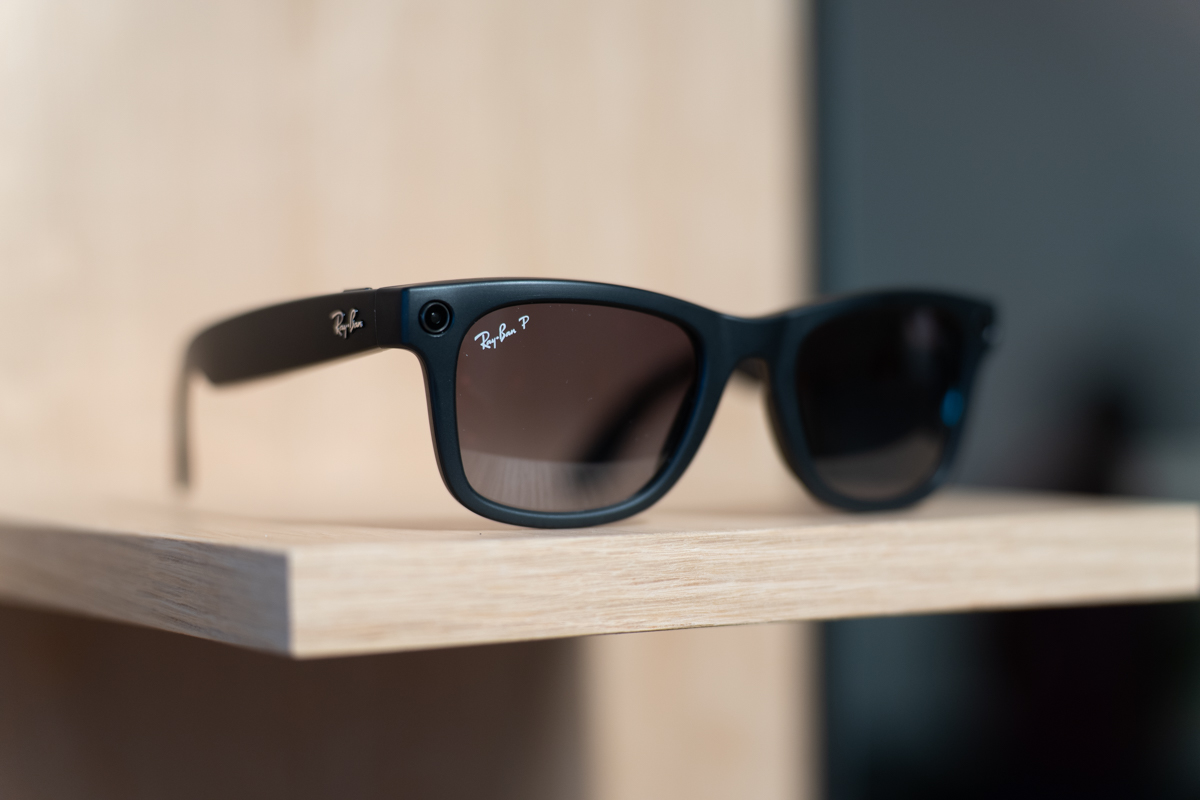
Meta's AI-integrated Ray-Ban glasses can perform tasks like video recording and answering questions by processing data through AI, raising privacy concerns. These glasses passively record their surroundings and send the data to Meta's AI, potentially violating privacy rights. This feature is not available in the EU due to privacy regulations.[AI generated]

Why's our monitor labelling this an incident or hazard?

The article explicitly involves an AI system (Meta's AI analyzing images and audio from smart glasses) and describes its use of personal data to train AI models. While no direct harm or incident is reported, the extensive data collection and insufficient user awareness create a plausible risk of privacy violations and misuse of personal information. This fits the definition of an AI Hazard, as the development and use of the AI system could plausibly lead to harm related to user privacy and rights. There is no indication of a realized incident or a response update, so it is not an AI Incident or Complementary Information. It is not unrelated because the AI system and its data use are central to the concerns raised.[AI generated]

AI principles
Privacy & data governanceRespect of human rightsTransparency & explainabilityAccountabilityRobustness & digital security

Industries
Consumer productsDigital securityMedia, social platforms, and marketingIT infrastructure and hosting

Affected stakeholders
General public

Harm types
Human or fundamental rights

Severity
AI hazard

AI system task:
Recognition/object detectionInteraction support/chatbotsContent generation


Articles about this incident or hazard

Thumbnail Image

Vie privée, IA : ces risques qui émergent avec les lunettes Ray-Ban de Meta

2024-10-07
LesEchos.fr
Why's our monitor labelling this an incident or hazard?
The article describes an AI system in active use (Meta AI via Ray-Ban glasses) whose deployment has directly led to privacy harms—people are filmed without consent, data used to train AI, and individuals identified and doxed via facial recognition. This constitutes an AI Incident (violation of privacy and fundamental rights).
Thumbnail Image

Participeriez-vous à l'entraînement d'une célèbre IA ? Et votre confidentialité dans tout ça ?

2024-10-08
LEBIGDATA.FR
Why's our monitor labelling this an incident or hazard?
The article explicitly involves an AI system (Meta's AI analyzing images and audio from smart glasses) and describes its use of personal data to train AI models. While no direct harm or incident is reported, the extensive data collection and insufficient user awareness create a plausible risk of privacy violations and misuse of personal information. This fits the definition of an AI Hazard, as the development and use of the AI system could plausibly lead to harm related to user privacy and rights. There is no indication of a realized incident or a response update, so it is not an AI Incident or Complementary Information. It is not unrelated because the AI system and its data use are central to the concerns raised.
Thumbnail Image

Facebook and Instagram users are fuming over AI move - how to opt-out

2024-10-02
Daily Mail Online
Why's our monitor labelling this an incident or hazard?
The article describes Meta's use of user-generated content from Facebook and Instagram to train its generative AI models, which are AI systems by definition. The use of personal data without explicit informed consent and the difficulty in opting out, combined with the lack of regulatory approval, indicate a breach of data protection and privacy rights, which are fundamental human rights. This constitutes a violation of rights (c) under the AI Incident definition. The harm is realized as users' data is being used against their wishes, and privacy authorities are concerned. The AI system's development and use directly involve this harm. Hence, the event is classified as an AI Incident.
Thumbnail Image

Facebook, Instagram users outraged over AI training with user posts:...

2024-10-02
New York Post
Why's our monitor labelling this an incident or hazard?
The event explicitly involves an AI system (Llama 2) being trained on user-generated content from social media platforms without full user consent, particularly in the UK and the US. This raises issues of violation of privacy rights and data protection laws, which are fundamental rights protected under applicable law. The backlash and public outrage indicate that harm related to rights violations is occurring or has occurred. The AI system's development and use are directly linked to this harm. Hence, this meets the criteria for an AI Incident rather than a hazard or complementary information.
Thumbnail Image

Meta won't answer whether it's smart glasses are using the images you record to train its AI

2024-10-01
Tom's Guide
Why's our monitor labelling this an incident or hazard?
An AI system is involved as the smart glasses use AI for features like real-time advice based on visual input. The company's terms imply that images captured may be used to train AI, which could lead to violations of privacy rights, a form of harm to individuals' rights. However, the article does not report any actual harm or incidents resulting from this practice, only the plausible risk. Therefore, this situation constitutes an AI Hazard due to the credible potential for harm through privacy violations and unauthorized data use, but no confirmed incident has occurred yet.
Thumbnail Image

Ray-Ban smart glasses; Meta remains mute on the future of user video privacy

2024-10-02
Mashable ME
Why's our monitor labelling this an incident or hazard?
The article involves an AI system (the Ray-Ban Meta smart glasses with AI capabilities analyzing visual data) and discusses the use of personal data without clear disclosure, which raises plausible risks of privacy violations (a form of harm to rights). However, no actual harm or incident is reported; the concerns are about potential future misuse or lack of transparency. Therefore, this qualifies as an AI Hazard because the development and use of the AI system could plausibly lead to an AI Incident involving privacy violations, but no incident has yet occurred or been documented in the article.
Thumbnail Image

Meta won't say whether it trains AI on smart glasses photos

2024-10-01
TechCrunch
Why's our monitor labelling this an incident or hazard?
The event involves an AI system (Meta's AI-powered smart glasses with AI features triggering photo capture and streaming images to AI models). The company's refusal to clarify whether it trains AI on these images raises a credible concern about potential misuse of personal data and privacy violations. Although no direct harm or incident is reported, the situation plausibly could lead to an AI Incident involving violations of rights if the images are used without consent. Therefore, this qualifies as an AI Hazard because it describes a credible risk of future harm stemming from the AI system's use and data practices, but no actual harm has been confirmed yet.
Thumbnail Image

Meta confirms it may train its AI on any image you ask Ray-Ban Meta AI to analyze

2024-10-02
TechCrunch
Why's our monitor labelling this an incident or hazard?
The article explicitly involves an AI system (Meta's multimodal AI analyzing images and videos from Ray-Ban Meta glasses). The use of personal data for AI training without clear, explicit user consent or understanding poses a credible risk of privacy violations and breaches of user rights. Although no direct harm or incident is reported, the potential for such harm is plausible given the nature of the data collected and the AI's use. This fits the definition of an AI Hazard, as the event describes circumstances where AI use could plausibly lead to harm, specifically violations of privacy and rights. It is not an AI Incident because no actual harm has been reported yet, nor is it Complementary Information or Unrelated.
Thumbnail Image

Meta is Probably Training AI on Images Taken by Meta Ray-Bans

2024-10-01
MacRumors
Why's our monitor labelling this an incident or hazard?
An AI system is clearly involved, as the glasses use AI to provide real-time assistance based on continuous image capture. The event concerns the use of data collected by the AI system, specifically whether private images captured by the glasses are used to train AI models. Although no direct harm is reported, the potential for violation of privacy rights and unauthorized use of personal data is a plausible risk. Since the article does not confirm actual harm but highlights credible concerns about possible misuse of private data and lack of transparency, this constitutes an AI Hazard rather than an AI Incident. The event does not describe realized harm but a plausible future risk related to AI system use and data handling.
Thumbnail Image

Meta won't say if Ray-Ban Meta photos are used to train AI

2024-10-01
Android Authority
Why's our monitor labelling this an incident or hazard?
The article involves an AI system (Meta AI integrated with Ray-Ban Meta glasses) that collects user-generated visual data. The lack of transparency about whether this data is used for AI training could lead to violations of privacy rights, which are a form of human rights. However, the article does not report any realized harm or incident but highlights a plausible risk related to data use and privacy. Therefore, this situation constitutes an AI Hazard due to the credible potential for harm stemming from undisclosed AI training practices on personal data.
Thumbnail Image

Meta Fights Privacy Claims By Streaming Video Viewers

2024-09-30
MediaPost
Why's our monitor labelling this an incident or hazard?
The Meta Pixel is an AI system involved in data collection and analytics, which is central to the privacy claims. However, the article does not report that harm has occurred or been legally established; it discusses allegations and legal arguments. There is no indication that the AI system's use has directly or indirectly led to harm yet, only that such harm is alleged and under judicial consideration. Therefore, this event does not qualify as an AI Incident or AI Hazard. Instead, it is best classified as Complementary Information because it provides context and updates on legal and governance responses related to AI privacy concerns.
Thumbnail Image

Videos Takes With Ray-Ban Meta Smart Glasses Might Not Remain Private

2024-10-01
Gadgets 360
Why's our monitor labelling this an incident or hazard?
The article involves an AI system (Ray-Ban Meta smart glasses with AI-powered real-time video processing) and discusses the potential for private data to be stored or used without clear user consent or transparency. This situation could plausibly lead to violations of privacy rights and other harms if the data is misused or inadequately protected. Since no actual harm or incident has been reported yet, but there is a credible risk of future harm, this qualifies as an AI Hazard rather than an AI Incident or Complementary Information.
Thumbnail Image

Meta Might Be Using Photos Taken on Ray-Ban Smart Glasses to Train AI

2024-10-02
PetaPixel
Why's our monitor labelling this an incident or hazard?
The event describes the possible use of private images captured by AI-enabled smart glasses for AI training without clear user consent or transparency. This raises concerns about violations of privacy and data protection rights, which fall under violations of human rights or legal obligations. Although no confirmed harm has occurred, the plausible risk of such harm due to the AI system's use of private data justifies classification as an AI Hazard rather than an Incident. The lack of confirmation or denial by Meta and the potential for covert data collection heighten the risk of future harm.
Thumbnail Image

Meta might train AI with photos from your Ray-Ban smart glasses without telling you

2024-10-01
BGR
Why's our monitor labelling this an incident or hazard?
An AI system is involved as the Ray-Ban smart glasses use AI to analyze images and provide responses. The issue centers on the use of user-captured images for AI training without clear consent, which implicates potential violations of privacy rights and data protection laws. Although no direct harm is reported as having occurred, the lack of transparency and potential for unauthorized use of personal data could plausibly lead to harm such as privacy violations or misuse of personal information. Therefore, this situation constitutes an AI Hazard due to the credible risk of harm stemming from the AI system's use of personal data without clear user consent.
Thumbnail Image

Meta must face claims that it misled the public about its platforms' risks to children

2024-10-01
Court House News Service
Why's our monitor labelling this an incident or hazard?
The event explicitly involves AI systems in the form of Meta's algorithms that influence content exposure on Instagram, which have been linked to mental health harms among teenagers. The plaintiffs claim Meta misled the public about these harms despite internal research showing significant negative effects. The judge's ruling confirms that the claims of misleading statements related to AI-driven platform harms are sufficient to proceed, indicating a direct or indirect link between AI system use and harm to communities and individuals' health. This meets the criteria for an AI Incident as the AI system's use has directly or indirectly led to harm and violations of rights, and the event is not merely a future risk or complementary information but concerns ongoing harm and legal claims.
Thumbnail Image

Meta Won't Say Whether It Trains AI On Smart Glasses Photos

2024-10-02
Wonderful Engineering
Why's our monitor labelling this an incident or hazard?
The event involves an AI system (Meta's AI-powered smart glasses with AI-triggered image capture). Although no direct harm has been reported, the unclear policy on using captured images for AI training raises credible concerns about privacy violations, which could lead to violations of human rights or privacy. This uncertainty and potential misuse of personal data fit the definition of an AI Hazard, as it plausibly could lead to an AI Incident involving harm to rights and privacy.
Thumbnail Image

The truth behind the viral post that claims to protect your photos on social media

2024-09-30
Lancaster Guardian
Why's our monitor labelling this an incident or hazard?
The article centers on clarifying misinformation about a viral post related to AI data usage by Meta. It does not report any direct or indirect harm caused by AI systems, nor does it describe a plausible future harm event. Instead, it provides context and updates on Meta's AI data training policies and user opt-out options, which fits the definition of Complementary Information as it enhances understanding of AI ecosystem developments and governance responses without reporting a new incident or hazard.
Thumbnail Image

Meta trains its AI with images of Meta Ray-Bans? The company refuses to talk about it! - GEARRICE

2024-10-02
Gearrice
Why's our monitor labelling this an incident or hazard?
The event involves an AI system (Meta Ray-Ban glasses with AI capabilities and on-board cameras) that collects visual data potentially used for AI training. The company's refusal to disclose whether this data is used for AI training raises concerns about possible violations of privacy and data protection laws, which constitute a breach of obligations intended to protect fundamental rights. Since no confirmed misuse or harm has been established, but there is a credible risk of such harm due to the nature of continuous data capture and lack of transparency, this situation fits the definition of an AI Hazard rather than an AI Incident.