Northrop Grumman Deploys AI-Driven Air Defense System for Countering Drone Swarms

Thumbnail Image

The information displayed in the AIM should not be reported as representing the official views of the OECD or of its member countries.

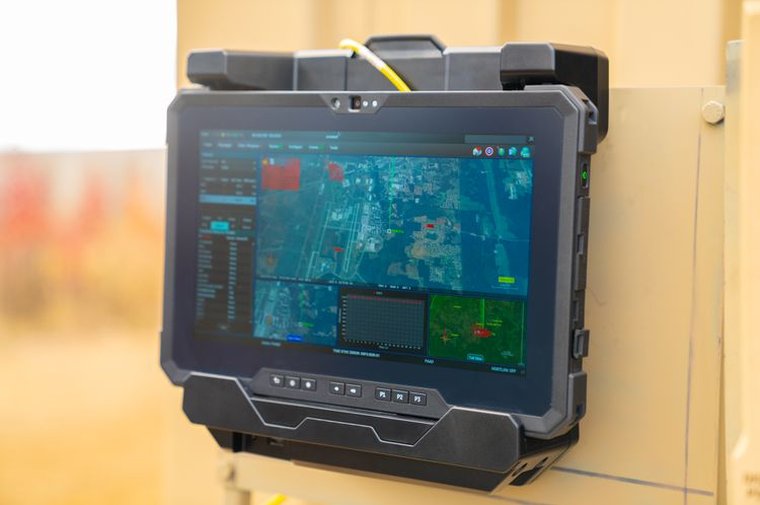
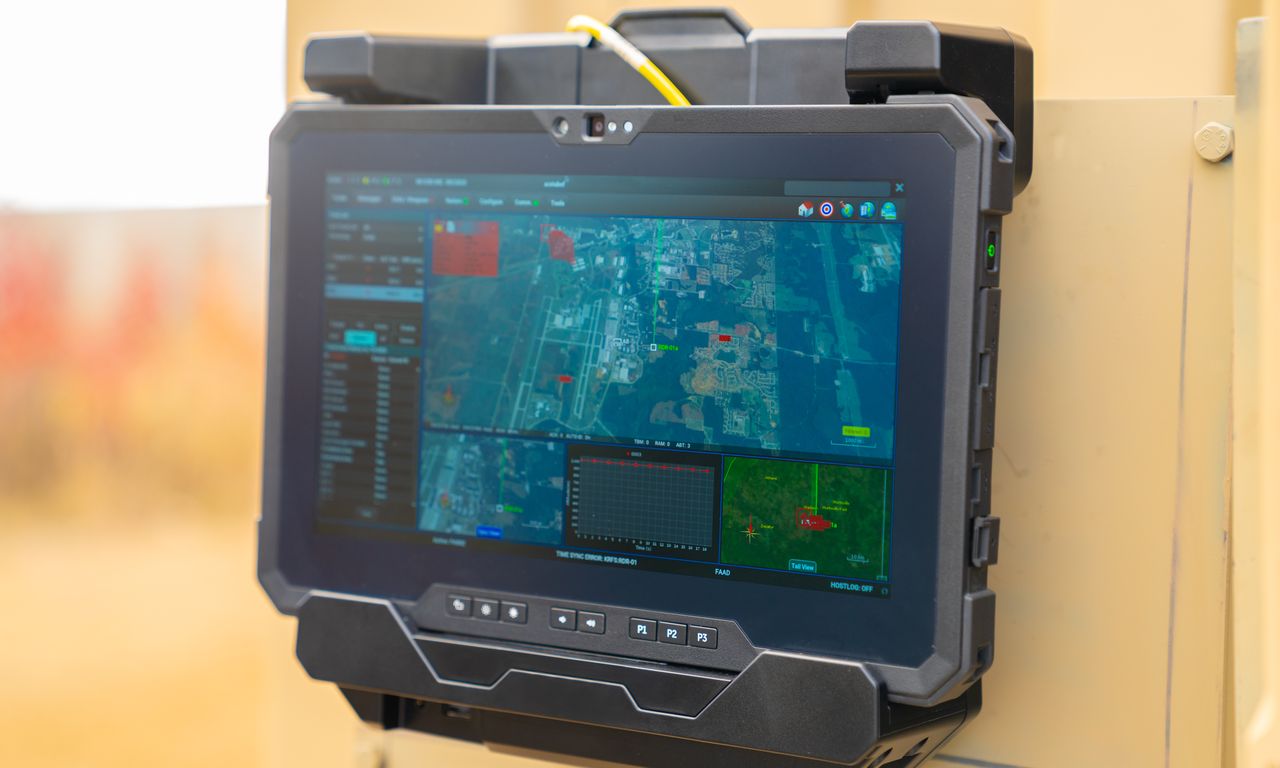
Northrop Grumman has integrated advanced AI capabilities into its Forward Area Air Defense (FAAD) system, enabling rapid, automated weapon-target pairing to counter drone swarms. Successfully tested in real-world scenarios, the system streamlines combat decisions, but its autonomous targeting role presents credible risks of harm if malfunctions occur.[AI generated]

Why's our monitor labelling this an incident or hazard?

The event involves the use of an AI system in a critical military defense context, which inherently carries risks of harm if the system malfunctions or is misused. However, the article only reports on successful trials and deployment without any reported injury, violation, or damage. Therefore, it does not meet the criteria for an AI Incident. Instead, it represents a credible potential for harm due to the AI's role in weapon targeting and engagement, qualifying it as an AI Hazard.[AI generated]
AI principles
AccountabilityRobustness & digital securitySafetyRespect of human rightsTransparency & explainabilityDemocracy & human autonomy

Industries
Government, security, and defenceRobots, sensors, and IT hardwareDigital security

Affected stakeholders
General publicWorkers

Harm types
Physical (death)Physical (injury)Human or fundamental rightsPublic interestReputationalEconomic/Property

Severity
AI hazard

Business function:
Monitoring and quality controlResearch and development

AI system task:
Recognition/object detectionEvent/anomaly detectionForecasting/predictionGoal-driven organisationReasoning with knowledge structures/planning


Articles about this incident or hazard

Thumbnail Image

Northrop enhances FAAD system with new AI capability

2024-10-08
Air Force Technology
Why's our monitor labelling this an incident or hazard?
The event involves the use of an AI system in a critical military defense context, which inherently carries risks of harm if the system malfunctions or is misused. However, the article only reports on successful trials and deployment without any reported injury, violation, or damage. Therefore, it does not meet the criteria for an AI Incident. Instead, it represents a credible potential for harm due to the AI's role in weapon targeting and engagement, qualifying it as an AI Hazard.
Thumbnail Image

5 Fast Facts On FAAD-C2: Northrop Grumman's AI-Powered Drone Defense For The US Army

2024-10-09
Simple Flying
Why's our monitor labelling this an incident or hazard?
The article clearly involves an AI system (FAAD-C2 with ABM upgrade) used in military defense against drone swarms, which are a real and ongoing threat causing harm in conflict zones like Ukraine. The AI system is operational and combat-proven, integrating multiple defense platforms and using AI for rapid decision-making. However, the article does not describe any harm caused by the AI system itself, nor any malfunction or misuse leading to harm. Instead, it reports on the system's capabilities, testing, deployment, and strategic importance. This fits the definition of Complementary Information, as it provides supporting data and context about an AI system's role in the broader AI ecosystem and military applications, without reporting a new AI Incident or AI Hazard.
Thumbnail Image

Northrop Grumman adds AI to air defence controller for improved CUAS capability

2024-10-08
Shephard Media
Why's our monitor labelling this an incident or hazard?
The article explicitly mentions the use of AI in a military air defense system designed to counter UAS threats, which qualifies as an AI system. While the system is operational and trials have been successful, there is no indication of any harm or malfunction causing injury, rights violations, or other harms. Given the nature of the system (weapon targeting and defense), there is a plausible risk of future harm if the AI system malfunctions or is misused. Therefore, this event is best classified as an AI Hazard rather than an AI Incident or Complementary Information, as no harm has yet occurred but the potential for harm is credible.
Thumbnail Image

Imagine handling drone swarms with a single click - Northrop Grumman's AI has made it possible! 🎯

2024-10-08
Guerilla Stock Trading
Why's our monitor labelling this an incident or hazard?
The article explicitly mentions an AI system integrated into a military defense platform that autonomously assists in targeting and engaging UAS swarms. This qualifies as an AI system under the definition. The system's use is intended for real-time combat decisions involving weapons, which could directly lead to injury, harm to persons, or property damage if errors or malfunctions occur. Although the article focuses on successful testing and operational benefits without reporting any actual harm, the nature of the system and its application in warfare imply a credible risk of future harm. Hence, it fits the definition of an AI Hazard rather than an AI Incident or Complementary Information. The article also includes investment and market analysis, which is unrelated to AI harm classification and does not affect the assessment.
Thumbnail Image

Northrop Grumman Adds Cutting-Edge AI Capabilities to Forward Area Air Defense

2024-10-07
Northrop Grumman Newsroom
Why's our monitor labelling this an incident or hazard?
The article focuses on the deployment and enhancement of an AI-enabled military command and control system designed to improve defense against aerial threats. There is no mention of any harm, injury, violation of rights, or disruption caused by the AI system. The AI system's use is described as intended and beneficial, with no indication of malfunction or misuse leading to harm. Therefore, this event does not qualify as an AI Incident or AI Hazard. It is best classified as Complementary Information because it provides context on AI developments and their strategic applications in defense without reporting any realized or potential harm.