AI Data Centers Drive Environmental and Community Harm Through Massive Resource Consumption

Thumbnail Image

The information displayed in the AIM should not be reported as representing the official views of the OECD or of its member countries.

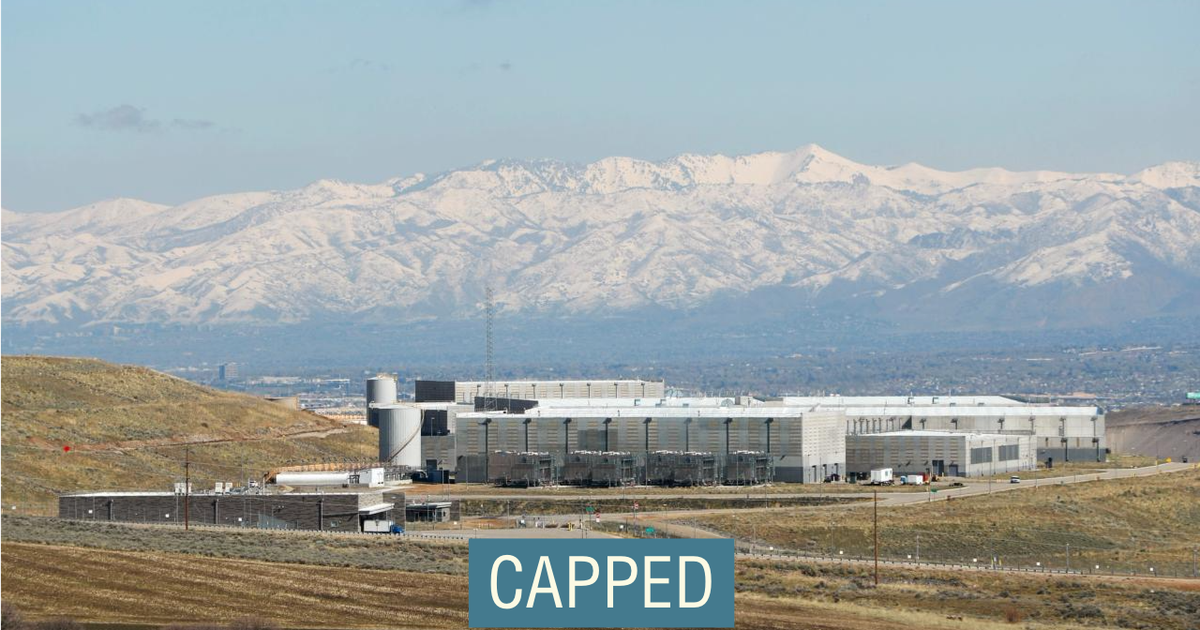
The rapid expansion of AI-driven data centers by major tech companies is causing significant environmental and community harm due to their enormous energy and water consumption. This ongoing impact highlights the direct consequences of AI system growth on local resources and infrastructure, raising concerns about sustainability and regulatory oversight.[AI generated]

Why's our monitor labelling this an incident or hazard?

The article focuses on the potential future challenges and technical hurdles in scaling AI training infrastructure, including energy grid capacity and data center networking. While it discusses plausible risks and the need for new methods to handle AI training at scale, it does not report any actual harm, malfunction, or violation caused by AI systems. Therefore, it fits the definition of an AI Hazard, as it plausibly could lead to incidents related to energy grid strain or AI system failures in the future, but no incident has yet occurred.[AI generated]
AI principles
SustainabilityAccountabilityTransparency & explainabilityHuman wellbeing

Industries
IT infrastructure and hostingEnergy, raw materials, and utilitiesEnvironmental servicesGovernment, security, and defence

Affected stakeholders
General public

Harm types
EnvironmentalPublic interestEconomic/Property

Severity
AI hazard

Business function:
Research and developmentICT management and information security

AI system task:
Content generationInteraction support/chatbots


Articles about this incident or hazard

Thumbnail Image

Microsoft Azure CTO: US data centers will soon hit limits of energy grid

2024-10-11
Yahoo
Why's our monitor labelling this an incident or hazard?
The article focuses on the potential future challenges and technical hurdles in scaling AI training infrastructure, including energy grid capacity and data center networking. While it discusses plausible risks and the need for new methods to handle AI training at scale, it does not report any actual harm, malfunction, or violation caused by AI systems. Therefore, it fits the definition of an AI Hazard, as it plausibly could lead to incidents related to energy grid strain or AI system failures in the future, but no incident has yet occurred.
Thumbnail Image

Engadget Podcast: Hunting data center vampires with Paris Marx

2024-10-11
engadget
Why's our monitor labelling this an incident or hazard?
The article clearly involves AI systems, specifically generative AI and cloud computing infrastructure that supports AI. The discussion focuses on the environmental harms caused by the energy and water consumption of data centers that power AI, which constitutes harm to communities and the environment. This harm is ongoing and systemic rather than a discrete event, but it is a direct consequence of AI system use and expansion. Therefore, this qualifies as an AI Incident due to realized harm (environmental and community impact) caused by AI systems. Other topics in the article, such as antitrust discussions and Nobel prizes, are complementary information but do not change the primary classification. The environmental harms linked to AI data centers are material and significant, meeting the criteria for an AI Incident.
Thumbnail Image

AI Data Centers Energy Demand Growth

2024-10-10
Energy Central
Why's our monitor labelling this an incident or hazard?
The article focuses on the energy consumption and infrastructure challenges related to AI data centers, which are AI systems in operation, but it does not report any realized harm or incident caused by AI systems. It also does not present a credible or imminent risk of harm that would qualify as an AI Hazard. The content is primarily about the broader societal and technical implications of AI growth and energy demand, making it Complementary Information that enhances understanding of AI's environmental and infrastructural impact without describing a specific AI Incident or Hazard.
Thumbnail Image

As Virginia's SCC prepares to tackle the data center surge, it can learn from Ohio * Virginia Mercury

2024-10-11
Virginia Mercury
Why's our monitor labelling this an incident or hazard?
The article involves AI systems indirectly through the energy demand of data centers supporting AI workloads. It discusses regulatory responses to manage financial risks associated with this demand surge. However, there is no mention of any actual injury, rights violation, infrastructure disruption, or other harm caused by AI systems or data centers. The concerns are about potential future financial and environmental impacts if the AI-driven data center boom changes unexpectedly. This fits the definition of an AI Hazard, as it plausibly could lead to harms such as economic disruption or environmental harm if not managed properly, but no incident has occurred yet.
Thumbnail Image

Microsoft Azure CTO: US data centers will soon hit limits of energy grid

2024-10-11
semafor.com
Why's our monitor labelling this an incident or hazard?
The article involves AI systems in the form of large-scale generative AI model training requiring massive computational resources. While no actual harm or incident has occurred, the discussion centers on a credible and foreseeable limitation of the energy grid that could plausibly lead to operational disruptions or constraints on AI development. This represents a potential future harm related to critical infrastructure capacity and AI system deployment. Therefore, it fits the definition of an AI Hazard, as it describes circumstances where AI system use could plausibly lead to harm (e.g., disruption or limitation of AI capabilities due to energy grid constraints). There is no indication of realized harm or incident, nor is the article primarily about responses or updates, so it is not an AI Incident or Complementary Information.