Foreign Company Uses AI-Driven Mapping for Illegal Data Collection in China, Prompting National Security Concerns and Corporate Denials

Thumbnail Image

The information displayed in the AIM should not be reported as representing the official views of the OECD or of its member countries.

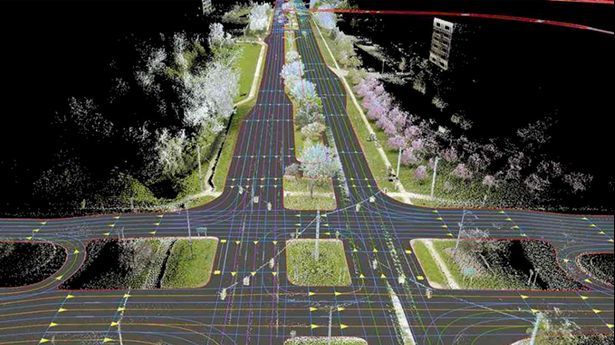
China's Ministry of State Security reported a foreign company used AI-enabled intelligent driving research as a cover to illegally collect sensitive geographic data, threatening national security. Companies like Tesla, Zeekr, Mobileye, and others denied involvement and emphasized compliance, while authorities called for stricter data management and legal enforcement.[AI generated]

Why's our monitor labelling this an incident or hazard?

The event involves the use and misuse of AI-related geographic information mapping systems in an illegal context, which could plausibly lead to harm to national security, data security, and related areas. However, the article mainly reports on the incident and companies' denials, with no direct harm reported yet. Therefore, this qualifies as an AI Hazard because the development and use of AI-enabled mapping systems in unauthorized ways could plausibly lead to significant harm, but no direct harm has been confirmed or detailed in the article.[AI generated]
AI principles
Privacy & data governanceAccountabilityTransparency & explainabilityRobustness & digital securityRespect of human rightsSafety

Industries
Mobility and autonomous vehiclesDigital securityGovernment, security, and defence

Affected stakeholders
Government

Harm types
Public interestHuman or fundamental rightsReputational

Severity
AI hazard

Business function:
Research and development

AI system task:
Recognition/object detection


Articles about this incident or hazard

Thumbnail Image

我国已建17个国家级智能网联汽车测试区 测试里程累计超1.2亿公里

2024-10-18
东方财富网
Why's our monitor labelling this an incident or hazard?
The article describes the existence and scale of AI system testing for intelligent connected vehicles, which are AI systems by definition due to their autonomous and connected capabilities. However, it does not mention any harm, malfunction, or misuse related to these AI systems, nor does it suggest any potential future harm. Therefore, it does not qualify as an AI Incident or AI Hazard. Instead, it provides contextual and complementary information about the AI ecosystem and infrastructure development in this domain.
Thumbnail Image

极氪/特斯拉等车企回应,与智驾非法测绘无关

2024-10-17
凤凰网(凤凰新媒体)
Why's our monitor labelling this an incident or hazard?
The event involves AI systems in the context of intelligent driving technology, but the article does not report any actual harm or illegal activity caused by these companies. Instead, it is primarily about clarifications and denials to counter misinformation and rumors. There is no indication that the AI systems of these companies have caused or contributed to any harm, nor that there is a plausible risk of harm from their involvement. Therefore, this is not an AI Incident or AI Hazard. The main content is about companies' responses and legal compliance, which fits the definition of Complementary Information as it provides context and updates related to AI systems and their ecosystem without reporting new harm or risk.
Thumbnail Image

国安通报非法测绘背后:智能驾驶涉及哪些敏感数据?企业如何确保合规安全?

2024-10-17
m.thepaper.cn
Why's our monitor labelling this an incident or hazard?
The article explicitly describes the use of intelligent driving research as a cover for illegal high-precision mapping activities, which involve AI systems such as sensors and data processing for autonomous driving. The unauthorized collection and export of sensitive mapping data threaten national security, a clear harm under the AI Incident definition (harm to communities or environment, and breach of legal obligations). The involvement of AI systems in data collection and processing is central to the incident. Hence, this is an AI Incident rather than a hazard or complementary information.
Thumbnail Image

【图】境外企业以汽车智驾非法测绘:特斯拉、极氪等多品牌进行回应_汽车之家

2024-10-17
汽车之家(Autohome.com.cn)
Why's our monitor labelling this an incident or hazard?
The article explicitly states that the foreign company used automotive intelligent driving research as a cover to conduct illegal mapping activities using vehicles equipped with advanced sensors (radar, GPS, optical lenses). These sensors and the data processing involved are characteristic of AI systems in intelligent driving. The illegal collection and export of sensitive mapping data constitute a violation of national security laws and regulations, which is a breach of legal obligations and harms national security interests. The involvement of AI-enabled systems in the illegal data collection and the resulting legal enforcement actions confirm this as an AI Incident rather than a mere hazard or complementary information. The responses from various companies and the government enforcement further support the classification as an incident involving realized harm.
Thumbnail Image

谁在"非法测绘"?特斯拉、四维图新等紧急回应 企业纷纷发声澄清_中华网

2024-10-18
中华网科技公司
Why's our monitor labelling this an incident or hazard?
The article involves AI-related companies and activities related to geographic data mapping, which can involve AI systems, especially in autonomous driving research. However, the article primarily reports on allegations of illegal data collection and companies' responses denying involvement. There is no direct or indirect harm caused by AI systems reported, nor is there a plausible future harm explicitly described. The companies' statements are clarifications and legal defenses, which fall under complementary information rather than an incident or hazard. Therefore, this event is best classified as Complementary Information.
Thumbnail Image

谁在"非法测绘"?特斯拉、四维图新等紧急回应_中华网

2024-10-18
中华网科技公司
Why's our monitor labelling this an incident or hazard?
The article involves AI-related technology (intelligent driving research and geographic information mapping) and mentions companies responding to allegations of illegal activities. However, there is no direct or indirect harm reported, nor is there a plausible imminent risk of harm described. The focus is on the companies' public statements and legal positioning, which fits the definition of Complementary Information as it provides updates and context on AI ecosystem developments and governance issues without describing a specific incident or hazard causing or likely to cause harm.
Thumbnail Image

多家企业回应"非法测绘" 否认涉事并强调合规_中华网

2024-10-17
中华网科技公司
Why's our monitor labelling this an incident or hazard?
The event involves AI-related activities (intelligent driving research involving geographic mapping), but the article centers on companies denying involvement in alleged illegal activities and emphasizing compliance. There is no indication of realized harm or direct AI system malfunction or misuse causing harm. The main content is about responses to allegations and reputational defense, which fits the definition of Complementary Information as it provides context and updates related to a potential AI-related issue without reporting a new incident or hazard.
Thumbnail Image

非法测绘 危害为啥这么大 智能驾驶成掩护手段_中华网

2024-10-18
中华网科技公司
Why's our monitor labelling this an incident or hazard?
The article describes an illegal mapping case where autonomous driving vehicles (which use AI systems such as LiDAR and GNSS for high-precision mapping) are used as a cover to conduct unauthorized geographic data collection. This data is then encrypted and sent overseas, creating a serious national security risk. The involvement of AI systems in the use phase (autonomous driving and mapping) directly leads to harm (threat to national security). Hence, it meets the criteria for an AI Incident due to realized harm caused by AI system use.
Thumbnail Image

多家企业回应国安部通报测绘泄密事件 纷纷澄清无关_中华网

2024-10-18
中华网科技公司
Why's our monitor labelling this an incident or hazard?
The event involves the use and misuse of AI-related geographic information mapping systems in an illegal context, which could plausibly lead to harm to national security, data security, and related areas. However, the article mainly reports on the incident and companies' denials, with no direct harm reported yet. Therefore, this qualifies as an AI Hazard because the development and use of AI-enabled mapping systems in unauthorized ways could plausibly lead to significant harm, but no direct harm has been confirmed or detailed in the article.
Thumbnail Image

极氪:坚持合法合规经营 坚决反对网络谣言诋毁抹黑-科技频道-和讯网

2024-10-17
和讯网
Why's our monitor labelling this an incident or hazard?
The event involves a company addressing misinformation and reputational harm caused by false claims related to AI-enabled automotive research. However, there is no indication that an AI system's development, use, or malfunction has directly or indirectly caused harm. The article focuses on the company's response to rumors rather than an AI-related incident or hazard. Therefore, this is Complementary Information providing context on societal and governance responses to AI-related misinformation and reputational issues.
Thumbnail Image

早报|新 MacBook Pro 或下周发布/曝微软终止中国地区使用 OpenAI API 服务/ChatGPT 应用登陆 Windows

2024-10-18
爱范儿
Why's our monitor labelling this an incident or hazard?
The event involves the use of AI systems (automotive intelligent driving research implies AI for autonomous driving and mapping) in illegal geographic information mapping, which breaches legal obligations and harms national security interests. The AI system's use directly led to a violation of laws protecting intellectual property and territorial data, fitting the definition of an AI Incident. The article also includes responses from implicated companies denying involvement, but the core issue remains the illegal AI-enabled activity. Hence, it is not merely a hazard or complementary information but an AI Incident.
Thumbnail Image

"境外企业以汽车智驾为由非法测绘" 特斯拉、极氪、四维图新发声回应 2024-10-17 13:36

2024-10-17
每日经济新闻
Why's our monitor labelling this an incident or hazard?
The event involves the use of AI systems in automotive intelligent driving and geographic mapping, which are relevant AI systems. The national security concern about illegal data collection suggests a plausible risk of harm to national security (a form of harm to communities or state security). However, the article does not report any realized harm or incident caused by AI system malfunction or misuse, only allegations and denials. Therefore, this situation fits the definition of an AI Hazard, as the development or use of AI systems could plausibly lead to harm, but no direct or indirect harm has been confirmed or reported yet. The companies' statements serve as complementary information but do not change the classification.
Thumbnail Image

回应"非法测绘" 特斯拉、四维图新等深夜发声

2024-10-17
财经网
Why's our monitor labelling this an incident or hazard?
The article does not describe any actual or potential harm caused by AI systems, nor does it describe an AI system malfunction or misuse leading to harm. The focus is on companies responding to rumors about illegal activities, emphasizing compliance and denying involvement. There is no direct or indirect link to AI system development, use, or malfunction causing harm or plausible future harm. Therefore, this is Complementary Information providing context and company responses to allegations, not an AI Incident or Hazard.
Thumbnail Image

国安通报非法测绘背后:智能驾驶涉及哪些敏感数据?企业如何确保合规安全?

2024-10-17
扬子网(扬子晚报)
Why's our monitor labelling this an incident or hazard?
The event involves the illegal use of AI-enabled intelligent driving and mapping systems to collect sensitive geospatial data without proper authorization, which is then transferred abroad, threatening national security. The AI systems' development and use are directly linked to the harm caused, fulfilling the criteria for an AI Incident. The article details realized harm (illegal data collection and transfer) and the involvement of AI systems (intelligent driving, high-precision mapping, sensor data processing). This is not merely a potential risk but an actual incident with direct harm, so it is not an AI Hazard or Complementary Information. It is not unrelated because AI systems are central to the event.
Thumbnail Image

境外企业以汽车智驾非法测绘:特斯拉、极氪等多品牌进行回应

2024-10-17
证券之星
Why's our monitor labelling this an incident or hazard?
The article explicitly states that vehicles equipped with advanced mapping equipment, including high-precision radar, GPS, and optical lenses, were used to collect geographic data under the guise of intelligent driving research. Such equipment and the described data collection process strongly imply the involvement of AI systems for autonomous or semi-autonomous operation and data processing. The illegal mapping and export of sensitive data directly harm national security and violate laws protecting intellectual property and state secrets. The involvement of AI systems in the illegal data collection and the resulting harm to national security and legal breaches meet the criteria for an AI Incident, as the harm is realized and directly linked to the AI system's use and misuse.
Thumbnail Image

经济观察网讯 10月16日,国家安全部官微发文通报某境外企业以开展汽车智能驾驶研究为掩护,在我国内非法开展地理信息测绘活动。

2024-10-17
证券之星
Why's our monitor labelling this an incident or hazard?
The article describes a foreign company using intelligent driving research as a cover to conduct illegal geographic information mapping in China. Intelligent driving research involves AI systems, so an AI system is involved. The illegal data collection poses a plausible risk to national security, data security, and related harms, but no direct harm is reported yet. The responses from companies deny involvement and emphasize compliance, indicating no confirmed incident of harm. Thus, the event represents a plausible future harm scenario (AI Hazard) rather than a realized harm (AI Incident).
Thumbnail Image

国安部通报背后:智能驾驶涉及哪些敏感数据?

2024-10-18
k.sina.com.cn
Why's our monitor labelling this an incident or hazard?
The event involves AI systems as it concerns intelligent driving technologies that rely on AI for high-precision mapping and data processing. The illegal data collection and cross-border transfer represent misuse of AI-related data and breach of legal frameworks, posing a credible risk to national security and privacy. Since the article does not report a realized harm but focuses on the potential risks and regulatory concerns, it fits the definition of an AI Hazard rather than an AI Incident. The detailed discussion of data security, legal compliance, and potential threats supports this classification.
Thumbnail Image

我国家安全部重大发文,不到24小时,特斯拉紧急表态,美国要紧张

2024-10-18
k.sina.com.cn
Why's our monitor labelling this an incident or hazard?
The article involves AI systems explicitly through intelligent driving technologies and data processing by companies like Tesla and Mobileye. The national security accusations imply potential misuse or risks from AI-enabled mapping and data collection, which could plausibly lead to harms such as violations of national security or privacy. However, no direct or indirect harm has been reported as having occurred. The focus is on the geopolitical tensions, regulatory responses, and potential risks rather than an actual AI Incident. Thus, the event fits the definition of an AI Hazard, as it plausibly could lead to an AI Incident but has not yet done so.
Thumbnail Image

某外企借智驾研究非法测绘,国内车企选合作商要"擦亮眼睛"

2024-10-18
k.sina.com.cn
Why's our monitor labelling this an incident or hazard?
The event explicitly involves the use of intelligent driving research, which reasonably infers the involvement of AI systems (e.g., autonomous or assisted driving technologies using AI for data collection and processing). The foreign company used these AI-enabled vehicles to illegally collect sensitive geospatial data, violating Chinese laws and risking national security. The harm is realized as the illegal data collection and potential leakage of state secrets constitute a breach of legal obligations and harm to the community (national security). The involvement of AI systems in the development and use phases (cover for illegal surveying) directly led to this harm. Hence, this is classified as an AI Incident.
Thumbnail Image

回应"非法测绘"!特斯拉、四维图新、吉利汽车深夜发声

2024-10-17
k.sina.com.cn
Why's our monitor labelling this an incident or hazard?
The event involves AI systems indirectly because intelligent driving and high-precision mapping rely on AI technologies for data collection and processing. The illegal mapping activity constitutes a breach of legal obligations and risks national security, which aligns with harm category (c) violations of legal obligations protecting fundamental rights and security. However, the article does not report a realized harm caused by AI system malfunction or misuse but rather an illegal activity involving data collection. Since the harm has occurred (illegal data collection of state secrets), and AI systems are involved in the data collection process, this qualifies as an AI Incident. The article also includes company responses denying involvement, but the core event is the illegal mapping activity with AI-enabled data collection leading to harm.
Thumbnail Image

特斯拉、极氪、四维图新深夜回应

2024-10-17
新浪财经
Why's our monitor labelling this an incident or hazard?
The article involves AI systems implicitly through intelligent driving research and mapping activities, which typically involve AI technologies. However, the main content is about allegations of illegal mapping activities and the companies' responses denying involvement. There is no direct or indirect evidence of harm caused by AI systems, nor a plausible imminent risk of harm described. The cybersecurity concerns about Intel products are presented as a general risk and call for review, not as an immediate AI Hazard. Thus, the article serves to provide complementary information about ongoing issues and company responses rather than reporting a new AI Incident or AI Hazard.
Thumbnail Image

特斯拉、极氪、四维图新纷纷辟谣与某境外企业非法测绘有关

2024-10-16
新浪财经
Why's our monitor labelling this an incident or hazard?
The article centers on a government claim about illegal mapping activities by an overseas company related to intelligent driving research, which implies AI system involvement. However, no direct or indirect harm from AI systems is reported or can be inferred to have occurred. The main content is about companies denying involvement and combating rumors, which is a response to an AI-related claim rather than a new incident or hazard. Therefore, this is best classified as Complementary Information, as it provides context and company responses to a previously reported or ongoing AI-related issue without introducing new harm or risk.
Thumbnail Image

国安部通报一境外企业非法测绘,多家企业澄清"与此无关",汽车智驾合规值得关注_四维图新_服务_数据

2024-10-18
police.news.sohu.com
Why's our monitor labelling this an incident or hazard?
The event explicitly involves AI systems related to intelligent driving and mapping data, which are essential for autonomous vehicle operation. The illegal collection and transfer of original mapping data by a foreign company in cooperation with a domestic company under the pretext of intelligent driving research constitutes a misuse of AI-related data and technology. Although no direct harm such as accidents or rights violations has been reported, the potential for national security threats and public safety risks from uncontrolled data flow and illegal mapping activities is credible and significant. The clarifications by companies and regulatory responses indicate ongoing concerns about compliance and data security. Since the harm is plausible but not yet realized, this event fits the definition of an AI Hazard rather than an AI Incident or Complementary Information.
Thumbnail Image

国安部通报"非法测绘案",知名企业辟谣,相关红线碰不得!_数据_公司_智能

2024-10-18
police.news.sohu.com
Why's our monitor labelling this an incident or hazard?
The article describes an event where AI systems related to intelligent driving were used as a cover for illegal geographic data collection involving sensitive national security information. The data collected is high-precision and includes military and critical infrastructure locations, which poses a direct threat to national security. The involvement of AI is inferred from the context of intelligent driving research and the use of high-precision mapping technologies. The harm is realized as the data breach threatens national security and legal actions have been taken. This fits the definition of an AI Incident because the AI system's use directly led to harm (violation of national security and potential harm to communities). The article also includes responses from companies denying involvement, but the core event remains an incident of AI misuse causing harm.
Thumbnail Image

多家企业陷"非法测绘"质疑,业内人士建议:数据管理应统一采集并授权使用

2024-10-18
m.chinatimes.net.cn
Why's our monitor labelling this an incident or hazard?
The event involves the use and misuse of AI systems related to high-precision mapping for autonomous driving, which is an AI system as it supports intelligent driving research and autonomous vehicle functions. The illegal acquisition and transmission of sensitive mapping data directly violate laws protecting national security and data privacy, constituting harm under the framework. The involvement of AI-enabled mapping technologies and the resulting unauthorized data flow leading to potential or actual harm to national security and data confidentiality qualifies this as an AI Incident. The article describes realized harm (illegal data acquisition and transmission of state secrets), not just potential harm, so it is not merely a hazard. The detailed discussion of legal and security implications and company responses further supports this classification.
Thumbnail Image

我国家安全部重大发文,不到24小时,特斯拉紧急表态,美国要紧张_手机网易网

2024-10-17
m.163.com
Why's our monitor labelling this an incident or hazard?
The event involves AI systems in intelligent driving technology, which are explicitly mentioned and reasonably inferred to be AI systems. The concern is about their use for illegal mapping and data collection threatening national security, which is a form of harm to critical infrastructure and state security. No actual harm or incident is reported yet, only a government warning and company denials. This fits the definition of an AI Hazard, where the development, use, or misuse of AI systems could plausibly lead to harm. The article's focus is on the potential threat and regulatory response rather than a realized incident, so it is not an AI Incident or Complementary Information. It is not unrelated because it clearly involves AI systems and national security concerns.
Thumbnail Image

国安部通报某境外企业以汽车智驾为由非法测绘 极氪、特斯拉等公司连夜回应_手机网易网

2024-10-17
m.163.com
Why's our monitor labelling this an incident or hazard?
The article describes a foreign company allegedly conducting unauthorized geographic mapping under the guise of intelligent driving research, which involves AI systems. The national security department's warning highlights the potential risks to national security and data security, which are significant harms. However, there is no evidence of actual harm or incident caused by the AI system's use or malfunction. The company responses deny involvement, and the article focuses on the potential threat rather than a realized incident. Thus, the event fits the definition of an AI Hazard, where the development or use of AI systems could plausibly lead to harm but has not yet done so.
Thumbnail Image

震惊!网传特斯拉又不让进单位大院了,保安说前几天刚发的通知..._手机网易网

2024-10-18
m.163.com
Why's our monitor labelling this an incident or hazard?
The event involves AI systems in Tesla vehicles (intelligent driving sensors and cameras) and their data collection capabilities, which are linked to national security concerns. The government's restrictions and public debate reflect a plausible risk that the AI systems' use could lead to harm related to data security and privacy breaches. No direct harm or incident is reported, only the potential for harm and preventive measures. Therefore, this qualifies as an AI Hazard, as the AI system's use could plausibly lead to an AI Incident involving national security and privacy harms.
Thumbnail Image

某外企借智驾研究非法测绘,国内车企选合作商要"擦亮眼睛"

2024-10-18
凤凰网(凤凰新媒体)
Why's our monitor labelling this an incident or hazard?
The article explicitly states that the foreign company used intelligent driving research as a cover to conduct illegal mapping activities involving AI-related technologies (high-precision radar, GPS, optical sensors) to collect sensitive geographic data, some of which are classified as state secrets. This illegal data collection and leakage pose a direct threat to national security, which is a significant harm to the community and state. The AI system's development and use were instrumental in enabling this illegal activity, fulfilling the criteria for an AI Incident. The involvement of AI in intelligent driving research and data collection is clear, and the harm is realized, not just potential. Hence, the classification as AI Incident is appropriate.
Thumbnail Image

早报|新 MacBook Pro 或下周发布/曝微软终止中国地区使用 OpenAI API 服务/ChatGPT 应用登陆 Windows

2024-10-18
凤凰网(凤凰新媒体)
Why's our monitor labelling this an incident or hazard?
The event explicitly involves AI systems used in automotive intelligent driving research. The misuse of this AI-related research as a cover for illegal geographic mapping constitutes a breach of applicable laws and obligations, which fits the definition of an AI Incident under violations of law intended to protect fundamental rights or national security. The involvement of AI is direct, and the harm (illegal activity violating laws) has occurred. Hence, the classification as AI Incident is appropriate.
Thumbnail Image

被疑在华非法测绘!Mobileye回应:严格遵守所有相关法律法规!_手机网易网

2024-10-17
m.163.com
Why's our monitor labelling this an incident or hazard?
The event involves an AI system provider (Mobileye) related to intelligent driving and mapping data, which implies AI system involvement. However, the article only reports allegations of illegal mapping activities without confirmed harm or incident. Mobileye's response emphasizes legal compliance. Since no direct or indirect harm has been established, and the event concerns potential illegal activity that could plausibly lead to harm if true, this fits the definition of an AI Hazard rather than an AI Incident. It is not Complementary Information because it is not an update or response to a previously confirmed incident, but a new allegation. Therefore, the classification is AI Hazard.
Thumbnail Image

国安部通报引发抓内鬼热,我们曾遇到某造汽车的公司在京郊搞测绘_手机网易网

2024-10-20
m.163.com
Why's our monitor labelling this an incident or hazard?
The event involves AI systems implicitly through intelligent driving and mapping technologies, which rely on AI for autonomous navigation and data processing. The unauthorized surveying by a foreign company could plausibly lead to harms related to national security and privacy, which fits the definition of an AI Hazard. However, there is no evidence or report of actual harm or incident caused by AI system malfunction or misuse. The article focuses on potential risks and public awareness rather than a realized AI Incident. Hence, the classification as AI Hazard is appropriate.
Thumbnail Image

China says unidentified foreign company conducted illegal mapping services

2024-10-16
Reuters
Why's our monitor labelling this an incident or hazard?
The article describes unauthorized mapping activities under the guise of autonomous driving research, which implies AI system involvement. However, there is no mention of any actual harm or incident caused by this activity, only that it was illegal. This suggests a potential risk or hazard rather than a realized incident. Therefore, the event is best classified as an AI Hazard because the unauthorized AI-related mapping could plausibly lead to harms such as security breaches or violations of law, but no harm has been reported yet.
Thumbnail Image

China says unidentified foreign company conducted illegal mapping...

2024-10-16
Daily Mail Online
Why's our monitor labelling this an incident or hazard?
The event describes the use of vehicles equipped with high-precision radar, GPS, and optical lenses to conduct mapping activities under the guise of autonomous driving research, which reasonably infers the involvement of AI systems. The unauthorized collection and transfer of geographic data classified as state secrets represent a violation of national security, a form of harm to property and communities. The state security ministry's legal actions against the companies and personnel confirm that harm has materialized. Hence, the event meets the criteria for an AI Incident, as the AI system's use directly led to a breach of legal and security obligations.
Thumbnail Image

China's security ministry accuses foreign company of illegal mapping

2024-10-17
South China Morning Post
Why's our monitor labelling this an incident or hazard?
The mapping activities described involve AI-related technologies (high-precision radar, GPS, optical lenses) used for intelligent driving research, which qualifies as an AI system. The unauthorized acquisition and transfer of sensitive mapping data constitute a violation of national security laws and the protection of state secrets, which can be considered a breach of legal obligations. Since legal consequences have already been imposed, harm has materialized in terms of violation of applicable laws protecting state secrets. Therefore, this event qualifies as an AI Incident due to the direct involvement of AI systems in illegal activities leading to legal harm.
Thumbnail Image

Foreign Company Caught in China's Geographic Mapping Crackdown | Law-Order

2024-10-16
Devdiscourse
Why's our monitor labelling this an incident or hazard?
The involvement of autonomous driving research indicates the use of AI systems. The unauthorized geographic mapping activities represent a breach of legal obligations, which aligns with potential violations of law protecting rights. Since no actual harm or incident is reported, but the activities could plausibly lead to harm or legal violations, this event is best classified as an AI Hazard rather than an AI Incident. The lack of disclosed harm or consequences supports this classification.
Thumbnail Image

Illegal Mapping Activities in China by Foreign Firm Exposed | Technology

2024-10-16
Devdiscourse
Why's our monitor labelling this an incident or hazard?
The event describes unauthorized geographic mapping activities under the guise of autonomous driving research, which implies the use of AI systems for mapping and data collection. The foreign firm's illegal actions and data transfer pose a credible risk to national security, a form of harm to critical infrastructure and state secrets. Since no actual harm or incident has been reported yet, but the potential for significant harm exists, the event fits the definition of an AI Hazard rather than an AI Incident. The involvement of AI is reasonably inferred from the autonomous driving context and high-tech mapping equipment used.
Thumbnail Image

Responses from Intel, Tesla, Navinfo and Zeekr Regarding National Security Concerns

2024-10-17
Pandaily
Why's our monitor labelling this an incident or hazard?
The event describes an alleged unauthorized mapping activity involving AI-related autonomous driving research, which could pose a national security risk. This fits the definition of an AI Hazard, as the development or use of AI systems in this context could plausibly lead to harm (violation of state secrets and national security). However, since the article does not confirm that harm has actually occurred or that the AI system's use directly led to an incident, it does not meet the criteria for an AI Incident. The responses from companies focus on compliance and denial of involvement, indicating no realized harm reported. Therefore, the classification is AI Hazard due to the plausible future harm from unauthorized AI-enabled mapping activities.
Thumbnail Image

警惕借智驾研究之名的非法测绘

2024-10-25
光明网
Why's our monitor labelling this an incident or hazard?
The event involves AI systems used in intelligent driving research, which require detailed geographic data. The foreign company is illegally collecting such data under the pretext of AI research, which is a misuse of AI-related technology. The collected data includes state secrets, posing a serious risk to national security. Although no direct harm has been reported yet, the unauthorized data collection could plausibly lead to significant harms, including breaches of legal obligations and national security risks. Thus, the event fits the definition of an AI Hazard rather than an AI Incident, as the harm is potential but not yet realized.
Thumbnail Image

警惕借智驾研究之名的非法测绘

2024-10-25
人民网
Why's our monitor labelling this an incident or hazard?
The article explicitly mentions illegal geographic information mapping activities conducted under the pretext of intelligent driving research, which involves AI systems. The unauthorized collection of sensitive geospatial data classified as state secrets constitutes a serious security risk. Although no direct harm has been reported yet, the potential for harm to national security and related communities is credible and significant. The AI system's involvement is in the use phase, where AI-enabled intelligent driving research is exploited as a cover for illegal data collection. Since the harm is plausible but not yet realized, this fits the definition of an AI Hazard rather than an AI Incident.
Thumbnail Image

警惕借智驾研究之名的非法测绘 保护地理信息安全_中华网

2024-10-25
中华网科技公司
Why's our monitor labelling this an incident or hazard?
The article explicitly mentions the use of intelligent driving research (an AI system) as a cover for illegal geospatial data collection, which includes data classified as state secrets. This illegal activity has already taken place and poses a direct harm to national security and breaches legal protections on sensitive data. The AI system's development and use are directly linked to the harm caused by unauthorized data acquisition. Therefore, this qualifies as an AI Incident rather than a hazard or complementary information. The harm is realized, not just potential, and involves violation of legal obligations and harm to communities through compromised national security.