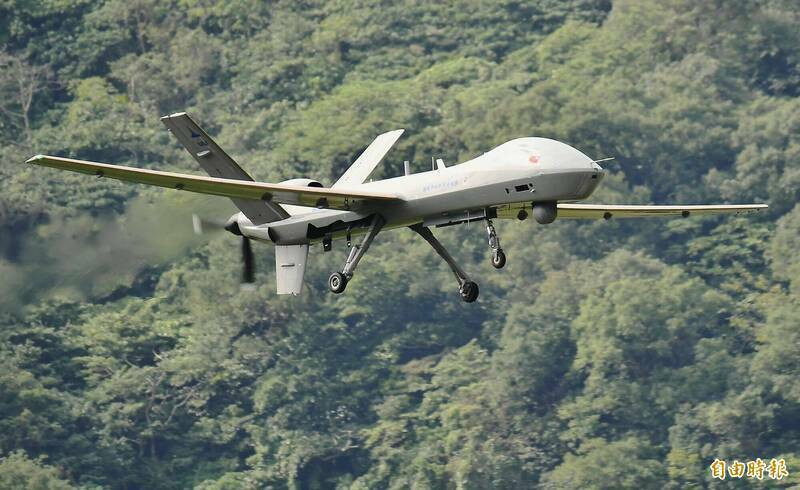
Taiwanese Military Drones' Inadequate Wind Resistance Undermines Defense Readiness

Thumbnail Image

The information displayed in the AIM should not be reported as representing the official views of the OECD or of its member countries.

Taiwan's military drones, designed for reconnaissance, cannot withstand the island's typical wind conditions, rendering them ineffective for their intended missions. This operational shortcoming compromises national defense capabilities, posing a significant risk to security and highlighting a critical failure in the deployment of AI-enabled military systems.[AI generated]

Why's our monitor labelling this an incident or hazard?

The article explicitly mentions AI integration in military drones with reconnaissance and attack capabilities, which are AI systems by definition. The drones' use in warfare contexts inherently involves risks of injury, death, and disruption, fulfilling the harm criteria. However, the article focuses on development, production, and future deployment plans rather than reporting an incident where harm has already occurred due to these AI systems. Thus, it fits the definition of an AI Hazard, as the AI systems could plausibly lead to harm in the future. The event is not merely general AI news or complementary information, as it concerns the development and deployment of AI-enabled weapon systems with clear potential for harm.[AI generated]
AI principles
Robustness & digital securitySafetyAccountabilityHuman wellbeing

Industries
Government, security, and defenceRobots, sensors, and IT hardwareMobility and autonomous vehicles

Affected stakeholders
GovernmentGeneral public

Harm types
Public interestReputational

Severity
AI hazard

Business function:
Monitoring and quality controlResearch and development

AI system task:
Recognition/object detectionGoal-driven organisation


Articles about this incident or hazard

Thumbnail Image

科技替代人力!國防部嘉義民雄建「無人機生產線」:提高作戰效率

2024-10-23
Yahoo News (Taiwan)
Why's our monitor labelling this an incident or hazard?
The article explicitly mentions AI integration in military drones with reconnaissance and attack capabilities, which are AI systems by definition. The drones' use in warfare contexts inherently involves risks of injury, death, and disruption, fulfilling the harm criteria. However, the article focuses on development, production, and future deployment plans rather than reporting an incident where harm has already occurred due to these AI systems. Thus, it fits the definition of an AI Hazard, as the AI systems could plausibly lead to harm in the future. The event is not merely general AI news or complementary information, as it concerns the development and deployment of AI-enabled weapon systems with clear potential for harm.
Thumbnail Image

顧立雄當場臉歪/趕工建構一座作戰無人機園區?中科院長說真話「老實講!我們自己也懷疑」

2024-10-24
Yahoo News (Taiwan)
Why's our monitor labelling this an incident or hazard?
The event involves AI systems in the form of military drones, which are known to use AI for operational purposes. The article centers on the development and management challenges of a military drone operations park, with no mention of any harm, malfunction, or misuse that has occurred. The concerns expressed are about the feasibility and readiness to manage the project under time constraints, implying potential future risks if not properly managed. Since no harm has materialized, but there is a credible risk associated with the development and deployment of AI-enabled military drones, this qualifies as an AI Hazard rather than an AI Incident or Complementary Information.
Thumbnail Image

防範中國無人機侵擾 三大科學園區年底前可防「蜂群攻擊」 - 政治 - 自由時報電子報

2024-10-23
Liberty Times Net
Why's our monitor labelling this an incident or hazard?
The article describes the development and planned use of AI-enabled drone detection and countermeasure systems to prevent drone swarm attacks, which could cause harm to critical infrastructure and communities. No actual incident or harm has occurred yet, but the systems' deployment addresses a credible risk of future harm. Hence, it fits the definition of an AI Hazard, as the AI system's use could plausibly lead to preventing or mitigating harm from drone attacks. There is no indication of realized harm or incident, so it is not an AI Incident. The focus is on the planned capability and risk mitigation, not on complementary information or unrelated news.
Thumbnail Image

三大科學園區 將可防無人機蜂群攻擊 - 政治 - 自由時報電子報

2024-10-23
Liberty Times Net
Why's our monitor labelling this an incident or hazard?
The article explicitly mentions AI-enabled autonomous sensing and weaponized drones being developed and deployed, as well as countermeasure systems designed to detect and defend against drone swarm attacks. Although no actual incident or harm has occurred yet, the presence of AI systems in military drones and defense systems, combined with the credible threat of hostile drone swarm attacks, indicates a plausible risk of harm to critical infrastructure and security. This fits the definition of an AI Hazard, as the AI systems could plausibly lead to incidents involving harm to critical infrastructure or national security. There is no indication of realized harm or incident, so it is not an AI Incident. The article is not merely complementary information or unrelated, as it focuses on the potential threat and defense against AI-enabled drone swarm attacks.
Thumbnail Image

軍方無人機抗風能力6級以下 立委:連海風都抗不了 | 聯合新聞網

2024-10-25
UDN
Why's our monitor labelling this an incident or hazard?
The drones in question are military unmanned aerial vehicles (UAVs), which are AI systems due to their autonomous or semi-autonomous operational capabilities. The article highlights that these drones' limited wind resistance makes them unable to perform their intended reconnaissance missions effectively in Taiwan's typical weather conditions. This deficiency directly impacts the operational readiness and defense capabilities, posing a risk to national security. Although no direct harm such as injury or property damage is reported, the compromised defense capability constitutes a significant harm to the community and national security, fitting the definition of an AI Incident due to the AI system's malfunction or inadequacy leading to harm.
Thumbnail Image

中科院:劍翔無人機具匿蹤能力且有誘餌 | 聯合新聞網

2024-10-24
UDN
Why's our monitor labelling this an incident or hazard?
The Jianxiang UAV is an AI-enabled system given its autonomous or semi-autonomous operational nature as a military drone with stealth and decoy capabilities. The article focuses on the development and deployment of these UAVs for military defense, which inherently involves potential risks of harm if used in conflict scenarios. However, the article does not report any actual harm or incidents caused by these UAVs, nor does it describe any malfunction or misuse leading to harm. Instead, it discusses the capabilities and strategic roles of these AI-enabled drones, implying potential future risks in military contexts. Therefore, this event is best classified as an AI Hazard, as the development and deployment of stealth-capable military drones with AI could plausibly lead to incidents involving harm in the future, but no harm has yet occurred or been reported.
Thumbnail Image

國防部揭國造無人機發展 掛載武器精準彈藥增攻擊力 | 聯合新聞網

2024-10-23
UDN
Why's our monitor labelling this an incident or hazard?
The article explicitly mentions AI development for military drones with autonomous target sensing and weaponized capabilities, which clearly involves AI systems. While no actual harm or incident is reported, the deployment of AI-enabled armed drones inherently carries credible risks of injury, violation of rights, or other harms. The article discusses ongoing development and future deployment plans, indicating a plausible risk of harm in the future. Hence, it fits the definition of an AI Hazard, as the AI system's development and intended use could plausibly lead to an AI Incident, but no incident has yet occurred.
Thumbnail Image

無人機反制系統招商未果 國軍第三次招標 | 國防部 | 低軌衛星 | 大紀元

2024-10-21
The Epoch Times
Why's our monitor labelling this an incident or hazard?
The event involves AI systems explicitly described as drone countermeasure systems with capabilities such as passive monitoring, active searching, and electronic jamming, which are typical AI functionalities. The article focuses on the procurement and planned deployment of these systems to counter potential drone threats, which could plausibly lead to harm if hostile drones were to attack military sites. Since no actual harm or incident has been reported yet, but the systems are intended to mitigate a credible threat, this qualifies as an AI Hazard. The article does not describe any realized harm or malfunction, so it is not an AI Incident. It is more than complementary information because it centers on the procurement and deployment of AI systems with potential for future harm prevention.
Thumbnail Image

中科院:劍翔無人機具匿蹤能力且有誘餌 | 政治 | 中央社 CNA

2024-10-24
Central News Agency
Why's our monitor labelling this an incident or hazard?
The Jianxiang UAVs are AI systems given their autonomous operational features and advanced targeting capabilities. The article discusses their deployment and capabilities, including stealth and decoy functions, which could plausibly lead to harm in future military conflicts. However, there is no indication that these UAVs have caused any injury, disruption, rights violations, or other harms yet. Therefore, the event represents a plausible future risk associated with AI-enabled military drones, qualifying it as an AI Hazard rather than an AI Incident or Complementary Information. It is not unrelated because the UAVs clearly involve AI and have potential for harm.
Thumbnail Image

國防部揭國造無人機發展 掛載武器精準彈藥增攻擊力 | 政治 | 中央社 CNA

2024-10-23
Central News Agency
Why's our monitor labelling this an incident or hazard?
The event involves AI systems (AI-enabled military drones with autonomous target sensing and weaponry) and their development and intended use in military operations. While these systems could plausibly lead to harm (injury, violation of rights, harm to communities) due to their offensive nature, the article only discusses future development and deployment plans without any realized harm or incidents. Therefore, this qualifies as an AI Hazard, reflecting the plausible future risk posed by these AI-enabled military drones.
Thumbnail Image

科技替代人力!國防部嘉義民雄建「無人機生產線」:提高作戰效率 | 政治 | 三立新聞網 SETN.COM

2024-10-23
三立新聞
Why's our monitor labelling this an incident or hazard?
The article explicitly mentions AI integration in military drones used for reconnaissance and attack, which qualifies as AI systems. Although no actual harm or incident is reported, the development and production of AI-enabled attack drones inherently pose plausible risks of harm, such as injury or escalation in conflict, fitting the definition of an AI Hazard. The event does not describe a realized harm or incident, nor is it merely complementary information or unrelated news. Hence, it is best classified as an AI Hazard reflecting the credible potential for future harm from AI-enabled autonomous weapons.
Thumbnail Image

無人機反制系統 國軍第三次招標| 台灣大紀元

2024-10-21
大紀元時報 - 台灣(The Epoch Times - Taiwan)
Why's our monitor labelling this an incident or hazard?
The event involves AI systems (drone countermeasure systems with electronic interference capabilities and integration with satellite communication) whose development and deployment are intended for national defense. While these systems could plausibly lead to harm (e.g., accidental interference, escalation, or misuse), the article does not report any realized harm or incident. Therefore, it fits the definition of an AI Hazard, as the systems' use could plausibly lead to AI-related harm in the future, but no direct or indirect harm has occurred yet.
Thumbnail Image

軍方公佈騰雲丶銳鳶2丶紅雀3無人機進展 續研製滯空彈藥無人機 - 自由軍武頻道

2024-10-23
def.ltn.com.tw
Why's our monitor labelling this an incident or hazard?
The article describes the development and planned deployment of AI-enabled military drones, which are AI systems with potential for significant impact. While these systems could plausibly lead to harm in future military conflicts (e.g., injury, property damage, or violations of rights), the article does not report any actual harm or incidents resulting from their use or malfunction. Therefore, it does not meet the criteria for an AI Incident. It also does not focus primarily on the potential risks or hazards of these systems but rather on their development progress and strategic intent. Hence, it is best classified as Complementary Information, providing context on AI system development and military applications without reporting a specific incident or hazard.
Thumbnail Image

民雄園區2026年投產軍規無人機 用AI算力、氫儲能電網向產業招手 - 自由軍武頻道

2024-10-23
def.ltn.com.tw
Why's our monitor labelling this an incident or hazard?
The event involves the development and planned use of AI systems for UAV design and production, which is an AI system involvement. However, there is no indication of any direct or indirect harm caused by the AI system at this stage. The article describes future plans and infrastructure development, which could plausibly lead to AI-related risks in the future but does not report any current harm or incidents. Therefore, this is best classified as an AI Hazard, reflecting the plausible future risk associated with military-grade AI-enabled drones and their production, but no incident has yet occurred.
Thumbnail Image

兩款已投入戰備 中科院:劍翔無人機有匿蹤能力且有誘誀

2024-10-24
Yahoo News (Taiwan)
Why's our monitor labelling this an incident or hazard?
The article explicitly mentions AI-enabled unmanned drones with stealth and decoy capabilities deployed for military use, which qualifies as AI systems. There is no report of actual harm or incident caused by these systems, but their deployment in military operations implies a credible risk of harm (injury, disruption, or other harms) in future conflict scenarios. The discussion about their tactical use and stealth features supports the plausible future harm classification. Since no harm has yet occurred, this is not an AI Incident. It is not merely complementary information because the focus is on the capabilities and deployment of potentially harmful AI systems, not on responses or updates to past incidents. Therefore, the classification is AI Hazard.