Taiwan's CSIST unveils AI-powered attack drone simulators at Tainan Info Month

Thumbnail Image

The information displayed in the AIM should not be reported as representing the official views of the OECD or of its member countries.

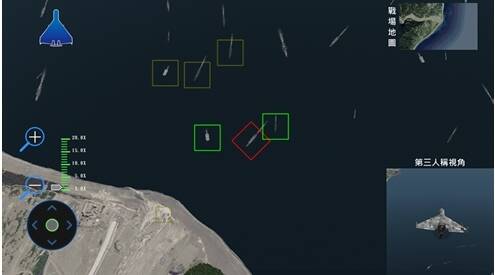
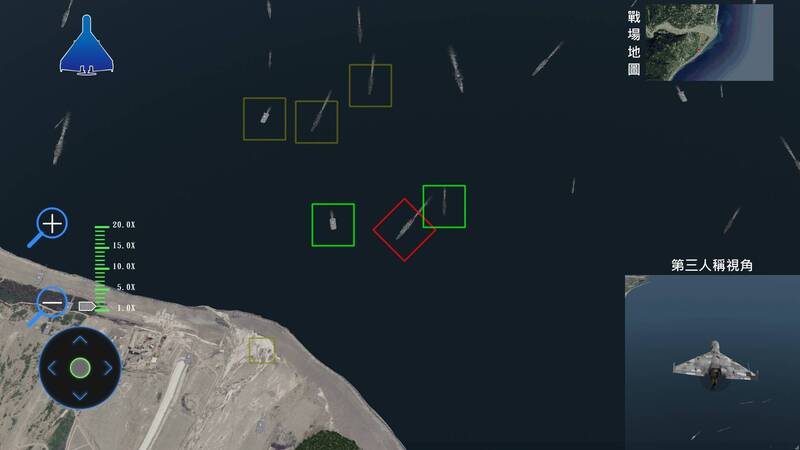
Taiwan’s National Chung-Shan Institute of Science and Technology showcased AI-integrated attack UAVs and VR simulators at the 113th Tainan Info Month. Generative AI, image recognition and sensor-fusion enable autonomous navigation and target engagement. Visitors could virtually pilot reconnaissance or strike drones, highlighting risks inherent in autonomous armed UAV systems.[AI generated]

Why's our monitor labelling this an incident or hazard?

The article explicitly mentions AI systems integrated into attack drones capable of autonomous decision-making and target engagement, which fits the definition of an AI system. Although no harm has yet occurred, the nature of these AI-enabled military drones and their intended use in conflict zones plausibly could lead to injury, disruption, or other harms. The event is about the development and demonstration of these systems, not about an incident where harm has already happened. Hence, it qualifies as an AI Hazard rather than an AI Incident. It is not merely complementary information because the focus is on the AI system's capabilities and potential military application, which inherently carry risk of harm.[AI generated]
AI principles
AccountabilitySafetyRobustness & digital securityRespect of human rightsTransparency & explainabilityDemocracy & human autonomyPrivacy & data governance

Industries
Government, security, and defenceRobots, sensors, and IT hardwareMobility and autonomous vehiclesDigital security

Affected stakeholders
General public

Harm types
Physical (death)Physical (injury)Human or fundamental rightsPublic interestPsychological

Severity
AI hazard

Business function:
Research and development

AI system task:
Recognition/object detectionGoal-driven organisationReasoning with knowledge structures/planningContent generation


Articles about this incident or hazard

Thumbnail Image

AI結合劍翔無人機偵蒐攻擊模擬 中科院於台南資訊展秀科研成果

2024-11-14
Yahoo News (Taiwan)
Why's our monitor labelling this an incident or hazard?
The article explicitly mentions AI systems integrated into attack drones capable of autonomous decision-making and target engagement, which fits the definition of an AI system. Although no harm has yet occurred, the nature of these AI-enabled military drones and their intended use in conflict zones plausibly could lead to injury, disruption, or other harms. The event is about the development and demonstration of these systems, not about an incident where harm has already happened. Hence, it qualifies as an AI Hazard rather than an AI Incident. It is not merely complementary information because the focus is on the AI system's capabilities and potential military application, which inherently carry risk of harm.
Thumbnail Image

中科院參展台南資訊月 展示AI攻擊型無人機研發能量

2024-11-15
Yahoo News (Taiwan)
Why's our monitor labelling this an incident or hazard?
The article explicitly mentions AI systems integrated into attack drones with autonomous decision-making and target identification capabilities. The use of such AI-enabled attack drones in warfare directly relates to potential harm to people and communities, fulfilling the criteria for an AI Hazard due to the plausible risk of harm from their deployment. Although no specific incident of harm is reported, the development and demonstration of these AI attack drones constitute a credible future risk of AI-related harm, qualifying this event as an AI Hazard rather than an AI Incident or Complementary Information.
Thumbnail Image

軍事科技迷有福了! 國防科技VR、AI秀11/15~18在台南 - 臺南市 - 自由時報電子報

2024-11-12
Liberty Times Net
Why's our monitor labelling this an incident or hazard?
The article describes an upcoming defense technology exhibition featuring AI and VR-based simulators and interactive games. While AI systems are involved in the simulators and VR applications, there is no mention of any harm, malfunction, or misuse resulting from these systems. The event is promotional and educational in nature, with no direct or indirect harm reported or plausible future harm indicated. Therefore, it does not meet the criteria for an AI Incident or AI Hazard. It is best classified as Complementary Information as it provides context on AI developments in defense technology and related societal engagement.
Thumbnail Image

戰力再升級 中科院打造「AI攻擊型無人機」 | 熱門亮點 | 商情 | 經濟日報

2024-11-14
Udnemoney聯合理財網
Why's our monitor labelling this an incident or hazard?
The event involves the development and use of AI systems integrated into attack drones capable of autonomous decision-making and target engagement. Given the military context and the autonomous offensive capabilities described, these AI systems have a high potential to cause harm if deployed, including injury or harm to persons and disruption in conflict zones. Although the article does not report an actual incident of harm, the development and demonstration of AI-powered attack drones with autonomous lethal capabilities constitute a plausible risk of future harm. Therefore, this event qualifies as an AI Hazard under the framework, as it plausibly could lead to AI Incidents involving injury or harm in military conflict scenarios.
Thumbnail Image

偵蒐、打擊更銳利 中科院AI攻擊無人機系統明現身台南資訊月 - 自由軍武頻道

2024-11-14
def.ltn.com.tw
Why's our monitor labelling this an incident or hazard?
The article explicitly mentions AI systems integrated into military attack drones with autonomous decision-making and target engagement capabilities. While no incident of harm is reported, the nature of these AI-enabled attack drones inherently carries a credible risk of causing injury, disruption, or other harms if deployed or misused. The public exhibition and demonstration of these systems highlight their operational capabilities but do not describe any realized harm. Therefore, this event fits the definition of an AI Hazard, as the AI system's development and use could plausibly lead to an AI Incident in the future.