Helsing's AI-Powered Attack Drone HX-2 Deployed to Ukraine

Thumbnail Image

The information displayed in the AIM should not be reported as representing the official views of the OECD or of its member countries.

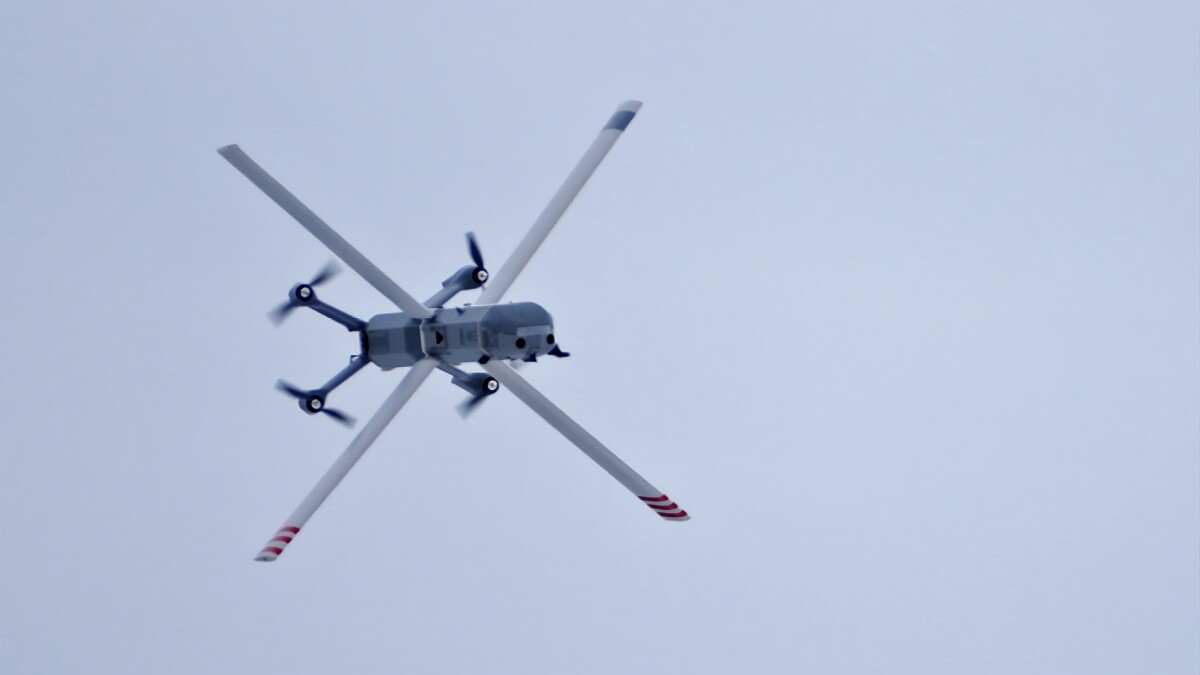
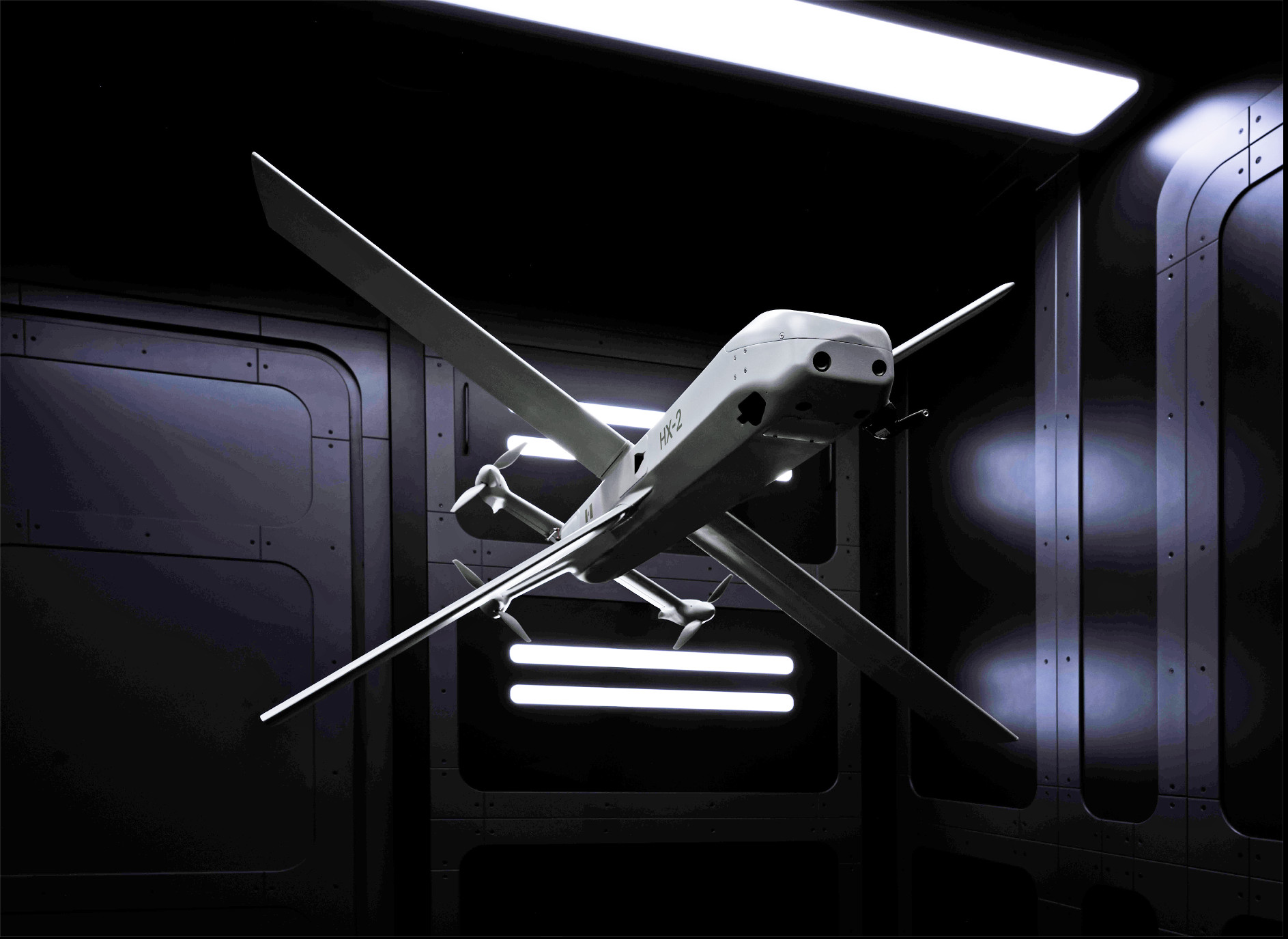
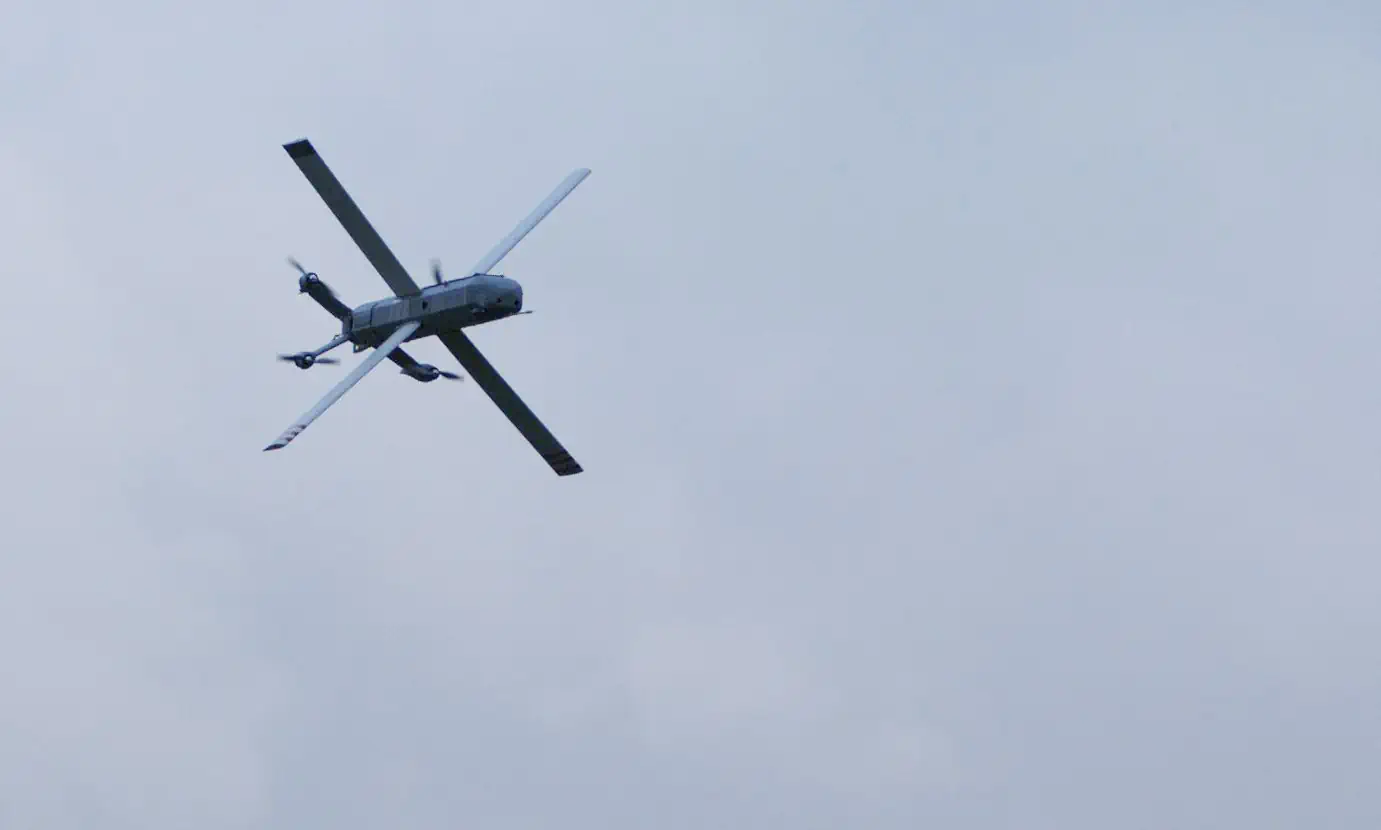
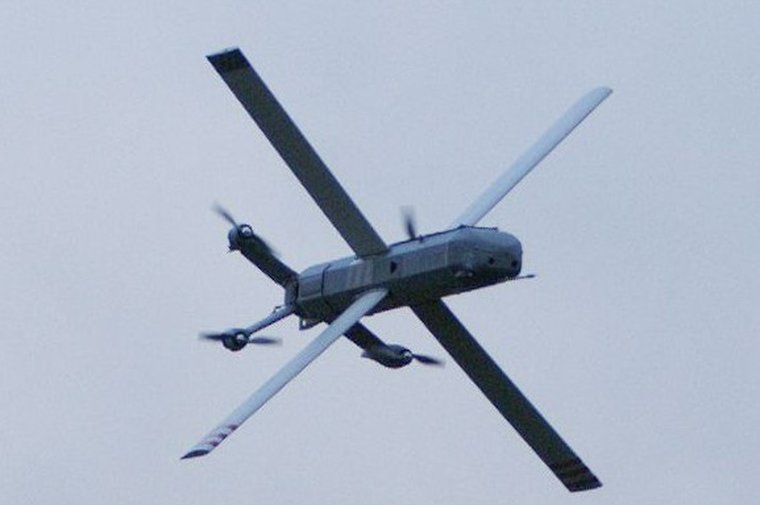
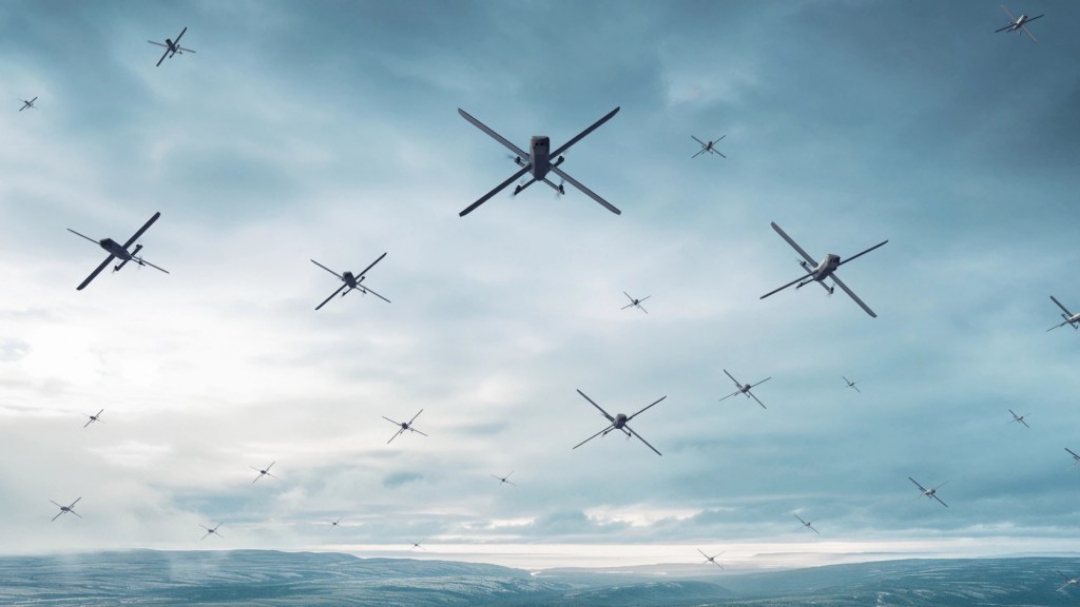
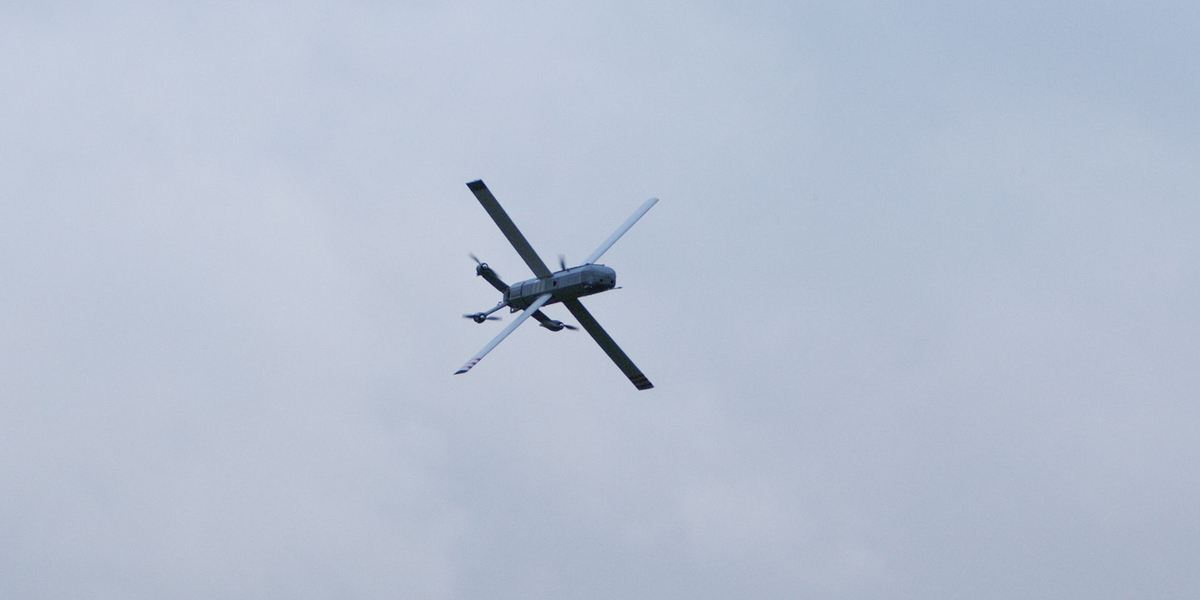
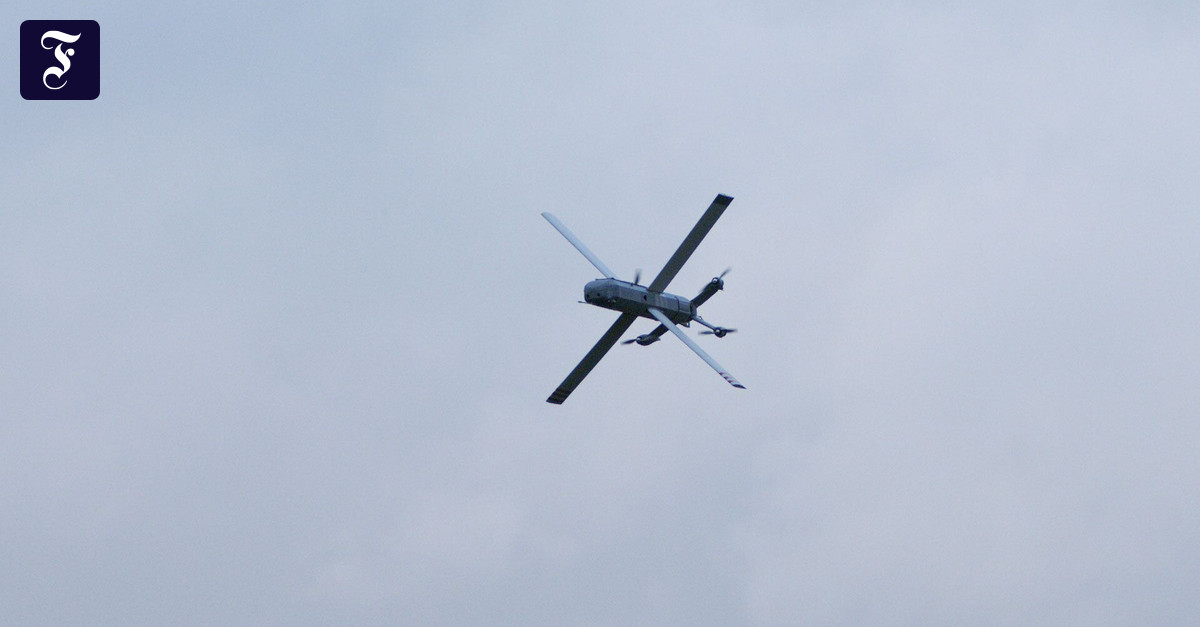
German AI company Helsing has launched the HX-2, an AI-powered attack drone, for deployment in Ukraine. The drone can autonomously identify and attack targets, is resistant to electronic warfare, and can operate in swarms. It is produced at a low cost using 3D printing, raising concerns about potential harm and human rights violations.[AI generated]

Why's our monitor labelling this an incident or hazard?

Although no specific casualty or incident is detailed, the deployment and mass production of an autonomous, AI-driven lethal strike drone represents a clear potential for serious harm. This development thus constitutes an AI Hazard, as it plausibly increases the risk of lethal autonomous weapon use and related unintended consequences.[AI generated]
AI principles
AccountabilitySafetyRespect of human rightsTransparency & explainabilityDemocracy & human autonomyHuman wellbeingRobustness & digital security

Industries
Government, security, and defenceRobots, sensors, and IT hardwareDigital securityMobility and autonomous vehiclesOther

Affected stakeholders
General publicGovernment

Harm types
Physical (death)Physical (injury)Human or fundamental rightsPublic interestEconomic/PropertyPsychological

Severity
AI hazard

Business function:
ManufacturingResearch and development

AI system task:
Recognition/object detectionGoal-driven organisation


Articles about this incident or hazard

Thumbnail Image

Kamikaze AI Drones Released On Russian Troops | Armstrong Economics

2024-12-05
ArmstrongEconomics
Why's our monitor labelling this an incident or hazard?
These HX-2 “Karma” drones are explicitly AI systems programmed to autonomously search for and engage targets, leading directly to harm (death or injury) of persons in wartime. Their design and deployment constitute the use and malfunction potential of an AI system causing real-world lethal outcomes, meeting the criteria for an AI Incident.
Thumbnail Image

Helsing unveils new HX-2 "x-wing" kamikaze AI strike drone

2024-12-03
New Atlas
Why's our monitor labelling this an incident or hazard?
Although no specific casualty or incident is detailed, the deployment and mass production of an autonomous, AI-driven lethal strike drone represents a clear potential for serious harm. This development thus constitutes an AI Hazard, as it plausibly increases the risk of lethal autonomous weapon use and related unintended consequences.
Thumbnail Image

European AI Unicorn Pivots To Launch Fleet Of Killer Drones

2024-12-05
Forbes
Why's our monitor labelling this an incident or hazard?
The article explicitly involves AI systems integrated into autonomous attack drones designed for lethal military applications. The development and planned deployment of such AI-enabled weapons systems pose a credible and significant risk of harm (injury, death, property damage, and broader societal harm). Although no actual incident or harm has been reported yet, the nature of the AI system and its intended use clearly indicate plausible future harm. Hence, this qualifies as an AI Hazard rather than an AI Incident. The article is not merely general AI news or complementary information, as it centers on the development and production of AI-powered lethal drones with direct implications for harm.
Thumbnail Image

AI-Enabled HX-2 Kamikaze Drones Now In Production For Ukraine

2024-12-02
Yahoo
Why's our monitor labelling this an incident or hazard?
The HX-2 drone is explicitly described as AI-enabled, with autonomous targeting and engagement capabilities, which fits the definition of an AI system. Its deployment in an active war zone where it will be used to strike targets directly implicates it in causing injury or harm to persons and communities, fulfilling the criteria for an AI Incident. The article discusses the drone's operational use and potential to inflict harm, not just theoretical or future risks, so it is not merely a hazard. The ethical debate mentioned underscores the serious implications of its use. Hence, the event is best classified as an AI Incident.
Thumbnail Image

German AI company Helsing moves into attack drone market

2024-12-04
Euronews English
Why's our monitor labelling this an incident or hazard?
The HX-2 drone is an AI system with autonomous capabilities and swarm coordination, used in military conflict (Ukraine) and intended for sale to NATO allies. Its AI-driven autonomy and electronic warfare features mean it can directly influence physical environments with lethal force. While no specific harm event is described, the deployment of autonomous attack drones inherently carries a credible risk of injury, death, and escalation of conflict, meeting the criteria for an AI Hazard. The article focuses on the introduction and capabilities of the system, highlighting the potential for future harm rather than reporting an actual incident of harm caused by the AI system.
Thumbnail Image

Production of 4,000 AI-Enabled German Kamikaze Drones for Ukraine Underway

2024-12-04
KyivPost
Why's our monitor labelling this an incident or hazard?
The HX-2 drones are AI systems as they use onboard artificial intelligence for target search, re-identification, and engagement, with autonomy in contested environments. Their deployment in active conflict zones (Ukraine) means the AI system's use directly leads to harm to persons and property, fulfilling the criteria for an AI Incident. The article reports that prototypes have already been used operationally, indicating realized harm rather than just potential. The AI's role is pivotal in enabling autonomous lethal effects and resilience against electronic warfare, which directly contributes to the harm caused in military engagements. Therefore, this is not merely a hazard or complementary information but an AI Incident involving direct harm through AI-enabled weaponry.
Thumbnail Image

Helsing unveils intelligent strike drone for mass and precision 

2024-12-03
sUAS News - The Business of Drones
Why's our monitor labelling this an incident or hazard?
The HX-2 drone system is an AI system as it uses advanced onboard AI for autonomous strike capabilities, electronic warfare, and swarm coordination. Its development and deployment in active conflict zones directly relate to potential harm to persons and communities, fulfilling the criteria for an AI Hazard due to the plausible risk of injury, death, and disruption. Since the article does not report a specific harmful event caused by the AI system but highlights its production and deployment with inherent risks, it fits the definition of an AI Hazard rather than an AI Incident. The event is not merely complementary information because it focuses on the unveiling and capabilities of a new AI-enabled weapon system with clear potential for harm.
Thumbnail Image

Helsing Unveils Swarm-Capable Strike Drone Equipped With AI

2024-12-03
The Defense Post
Why's our monitor labelling this an incident or hazard?
The HX-2 drone is explicitly described as AI-equipped with autonomous capabilities for electronic warfare and swarm operations, which are used in an active conflict (Ukraine). The AI system's use in strike drones that engage armored targets and serve as a counter-invasion shield directly involves harm to persons and communities, fulfilling the criteria for an AI Incident. The event is not merely a product announcement but highlights deployment and operational use in warfare, which is a direct cause of harm. Therefore, it meets the definition of an AI Incident rather than a hazard or complementary information.
Thumbnail Image

German company introduces AI-powered HX-2 drone for Ukrainian military

2024-12-03
Euromaidan Press
Why's our monitor labelling this an incident or hazard?
The HX-2 drones are explicitly described as AI-powered systems with autonomous targeting and swarm capabilities used in active military operations. Their deployment in Ukraine involves direct use of AI systems to inflict harm on enemy military assets and infrastructure, which constitutes injury or harm to persons and property, as well as potential broader harms to communities and violations of laws of armed conflict. The AI system's role is pivotal in enabling autonomous strike capabilities and swarm coordination. Since the drones are already in production and use, the harm is realized rather than potential. Thus, this event meets the criteria for an AI Incident rather than a hazard or complementary information.
Thumbnail Image

Details revealed on new UAS munition destined for Ukraine

2024-12-03
Shephard Media
Why's our monitor labelling this an incident or hazard?
The article explicitly describes an AI system integrated into an autonomous attack drone platform with lethal capabilities and swarm operation, which is planned for deployment in an active conflict zone (Ukraine). The AI system's role in navigation and swarm coordination is central to the platform's operation. While no actual harm or incident is reported yet, the intended use in military conflict and the potential for lethal outcomes make it a credible risk of harm. According to the framework, the development and planned use of AI-enabled autonomous weapons systems with lethal potential constitute an AI Hazard because they could plausibly lead to injury or harm to persons and communities. Since no actual harm has been reported, it is not classified as an AI Incident. The event is not merely complementary information or unrelated, as it focuses on the AI system's capabilities and deployment with clear implications for future harm.
Thumbnail Image

Helsing Presents HX-2 AI-Powered Strike Drone for Ukrainian Armed Forces - Oj

2024-12-03
odessa-journal.com
Why's our monitor labelling this an incident or hazard?
The HX-2 drone is explicitly described as using artificial intelligence for autonomous targeting and operation in combat scenarios. Its use as a kamikaze drone capable of striking military targets and operating in swarms indicates a high potential for lethal harm. The article does not report any actual incidents of harm but highlights the drone's production and active use in Ukraine, implying a credible risk of harm. According to the definitions, the development and deployment of AI-enabled autonomous weapons with lethal capabilities represent an AI Hazard due to the plausible future harm they could cause.
Thumbnail Image

Helsing, empresa alemana de IA, lanza un nuevo dron de ataque Por Euronews

2024-12-05
Investing.com Espa├▒ol
Why's our monitor labelling this an incident or hazard?
The article details the debut of Helsing’s HX-2 drone, an AI‐enabled autonomous weapon designed for offensive military operations. While no actual harm has occurred, its development and deployment for borderline defense scenarios could plausibly lead to significant physical harm or escalation of conflicts. It therefore qualifies as an AI Hazard rather than an Incident.
Thumbnail Image

Así es HX-2, el dron con IA que llega a Ucrania: ataca en enjambre y tiene un alcance de hasta 100 km

2024-12-05
20 minutos
Why's our monitor labelling this an incident or hazard?
This is not reporting an actual incident of harm but details the design, production, and planned use of an AI-enabled weapon system with high potential for misuse and lethal consequences. Under OECD definitions, the creation and deployment of such autonomous lethal drones constitutes an AI hazard rather than an AI incident.
Thumbnail Image

El primer dron con inteligencia artificial de Ucrania es una amenaza para Rusia y el mundo

2024-12-04
El Confidencial
Why's our monitor labelling this an incident or hazard?
This is a case of a newly developed AI weapon system whose autonomous targeting and kill capability create a credible risk of significant harm (loss of life, escalation of warfare, violation of international humanitarian law). The event describes the system’s capabilities and planned deployment rather than a realized incident; therefore it qualifies as an AI Hazard rather than an AI Incident.
Thumbnail Image

Karma HX-2, el dron suicida que ataca en enjambre y Alemania está fabricando en masa para Ucrania

2024-12-04
La Raz├│n
Why's our monitor labelling this an incident or hazard?
The HX-2 is a lethal autonomous weapon system with onboard AI for target reidentification, electronic‐warfare resistance, and coordinated swarm attacks. While it has been trialed, the article does not document a particular harm event—rather it outlines its potential for use in warfare. This constitutes a plausible future risk (killing, battlefield disruption) driven by AI capabilities, making it an AI Hazard.
Thumbnail Image

Helsing, empresa alemana de IA, lanza un nuevo dron de ataque

2024-12-05
Euronews Español
Why's our monitor labelling this an incident or hazard?
The article explicitly mentions the use of AI in the HX-2 attack drone, including autonomous swarm behavior and sophisticated AI functions for electronic warfare. The system is intended for military use in conflict zones, with the potential to cause injury or death and disrupt peace and security. Although no specific incident of harm is reported yet, the nature of the AI system and its deployment in autonomous lethal weapons clearly pose a plausible risk of significant harm. Therefore, this event qualifies as an AI Hazard rather than an AI Incident, as harm is potential but not yet realized.
Thumbnail Image

Helsing, especialista europeo en inteligencia artificial, presenta el primer dron de ataque

2024-12-02
esdelatino.com
Why's our monitor labelling this an incident or hazard?
The event involves the development and use of an AI system (autonomous attack drone with AI software) that is actively deployed in a war zone (Ukraine) and intended for military use by NATO allies. The AI system's use directly relates to harm (potential injury or death in armed conflict) and disruption in a critical infrastructure context (military operations). Although the article does not describe a specific incident of harm caused by the drone, the deployment of AI-powered lethal autonomous weapons in an active conflict zone constitutes a clear AI Hazard due to the plausible risk of harm to persons and escalation of conflict. However, since the drones are already in use in Ukraine, and their autonomous attack capability is described as operational, this crosses from potential to actual realized harm context, making it an AI Incident. The article focuses on the deployment and operational use of AI-enabled lethal autonomous drones, which directly implicates harm to persons and communities in conflict, fitting the definition of an AI Incident.
Thumbnail Image

Deutsche Firma startet Massenproduktion von Killerdrohne mit KI-Support: 1.000 Kamikaze-Drohnen pro Monat

2024-12-03
PC-WELT
Why's our monitor labelling this an incident or hazard?
The HX-2 drone relies on onboard AI for autonomous navigation, target detection, and resistance to jamming. While no specific harm event is described, the deployment and large-scale manufacturing of lethal autonomous weapons technologies poses a credible risk of significant harm. Under the OECD framework, this qualifies as an AI Hazard.
Thumbnail Image

M├╝nchner Firma liefert tausende Kamikazedrohnen in die Ukraine

2024-12-04
der Standard
Why's our monitor labelling this an incident or hazard?
This is the development and imminent deployment of an AI‐enabled lethal weapons system into an active conflict. While no specific harm has yet been documented, the autonomous targeting capabilities and mass production ensure that their use could plausibly lead to significant physical harm. As such, it constitutes an AI Hazard.
Thumbnail Image

Helsing startet Massenproduktion seiner ersten KI-Kampfdrohne

2024-12-02
Frankfurter Allgemeine
Why's our monitor labelling this an incident or hazard?
The article describes the ramp‐up to mass‐produce a new AI‐controlled combat drone (HX‐2) designed to autonomously navigate, evade jamming, and deliver munitions. Although the new model has not yet been deployed, its development and imminent large‐scale manufacture pose a plausible and significant risk of harm (lethal use in armed conflict). This fits the definition of an AI Hazard, since no specific incident of the HX‐2 causing harm has been reported yet, but its capabilities and intended military use could directly lead to loss of life and escalation of conflict.
Thumbnail Image

Zehntausende St├╝ck pro Monat: Helsing baut KI-Kamikaze-Drohnen bald in Serie

2024-12-02
N-tv
Why's our monitor labelling this an incident or hazard?
No specific harm or use in combat has yet been reported, but the creation and proliferation of lethal autonomous drone swarms clearly pose a credible risk of future physical harm, battlefield escalation, and misuse. As it details the development and large-scale deployment potential of AI-enabled weapons, it represents an AI Hazard.
Thumbnail Image

"Mini-Taurus": Diese KI-Kampfdrohne wird bald in Serie produziert

2024-12-02
T-online.de
Why's our monitor labelling this an incident or hazard?
The HX-2 drone is an AI system as it uses AI for electronic warfare protection and swarm capabilities, implying autonomous functions. The article reports on the start of mass production and delivery to a conflict zone, which could plausibly lead to harms such as injury or violations of human rights. Since no actual harm or incident is described, but the potential for harm is credible and significant, this event fits the definition of an AI Hazard. The focus is on the development and deployment potential rather than a realized incident.
Thumbnail Image

Schwarmbildung: Helsing bringt KI-Kampfdrohne HX-2 auf den Markt

2024-12-02
heise online
Why's our monitor labelling this an incident or hazard?
The event involves the use of an AI system integrated into kamikaze drones that autonomously navigate, identify targets, and execute attacks, which directly leads to harm to persons and property. The drones' deployment in active conflict zones and their lethal function confirm realized harm. The AI's role is pivotal in enabling autonomous targeting and resistance to jamming, which are critical to the drones' operational effectiveness. Although the manufacturer claims human oversight for critical decisions, the AI's autonomous capabilities and swarm operation imply significant risk and actual harm. Hence, this is an AI Incident rather than a hazard or complementary information.
Thumbnail Image

Zehntausende Einheiten pro Monat: Helsing baut bald KI-Kamikaze-Drohnen in Serie

2024-12-02
بوابتك العربية
Why's our monitor labelling this an incident or hazard?
The event involves AI systems integrated into kamikaze drones capable of autonomous navigation and targeting in hostile environments, which directly relates to potential harm to human life and communities. The article explicitly states the drones' use in military conflict zones and their lethal capabilities. Although human operators retain control over critical decisions, the AI's role in navigation and targeting is pivotal. The mass production and deployment of such systems constitute realized harm potential, not just a future risk, as their use in conflict is imminent or ongoing. Hence, this is an AI Incident due to the direct link between the AI system's use and harm to people and communities.