Tesla Cybercab ushers in AI-driven autonomous taxi era

Thumbnail Image

The information displayed in the AIM should not be reported as representing the official views of the OECD or of its member countries.

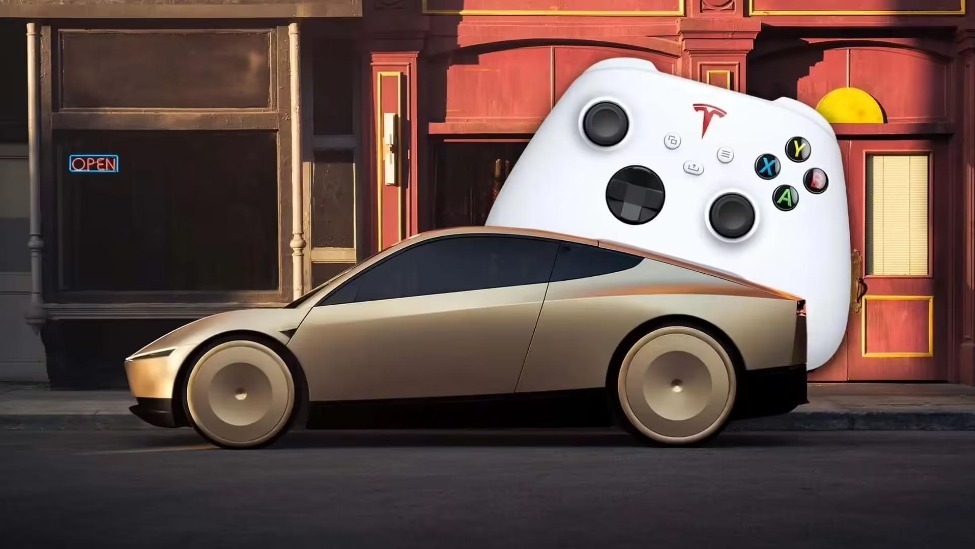
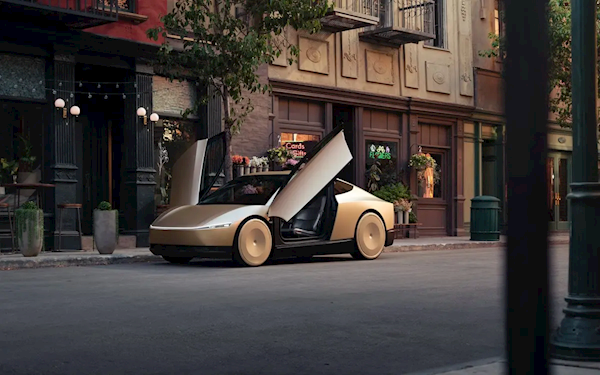
Tesla’s Cybercab, a steering wheel-less, pedal-free autonomous taxi relying on AI full self-driving, costs under $30k and uses 50% fewer parts than Model 3. Planned for production by 2026 with 2025 road tests, it features remote human intervention via gamepad, marking a significant step toward autonomous taxis and potential AI hazards.[AI generated]

Why's our monitor labelling this an incident or hazard?

The Cybercab is an AI system (fully autonomous vehicle relying on AI for driving). However, the article only discusses the prototype's display and the potential future deployment of the vehicle once Full Self-Driving technology is sufficiently safe and approved by regulators. There is no mention of any harm caused or incidents involving the Cybercab. The discussion about regulatory hurdles and safety concerns indicates plausible future risks if deployed prematurely, but no current harm or incident is reported. Therefore, this event qualifies as an AI Hazard, reflecting the plausible future risk of harm if the vehicle is deployed before safety and regulatory issues are resolved.[AI generated]
AI principles
SafetyRobustness & digital securityAccountabilityPrivacy & data governanceTransparency & explainabilityRespect of human rightsDemocracy & human autonomy

Industries
Mobility and autonomous vehiclesRobots, sensors, and IT hardwareIT infrastructure and hostingDigital security

Affected stakeholders
ConsumersGeneral public

Harm types
Physical (injury)Physical (death)Economic/PropertyReputationalHuman or fundamental rightsPsychologicalPublic interest

Severity
AI hazard

Business function:
ManufacturingResearch and developmentMonitoring and quality controlICT management and information securityMaintenance

AI system task:
Recognition/object detectionEvent/anomaly detectionForecasting/predictionGoal-driven organisationReasoning with knowledge structures/planning


Articles about this incident or hazard

Thumbnail Image

Tesla Cybercab is in NYC, providing a cool look at an uncertain future [Gallery]

2024-11-27
Electrek
Why's our monitor labelling this an incident or hazard?
The Cybercab is an AI system (fully autonomous vehicle relying on AI for driving). However, the article only discusses the prototype's display and the potential future deployment of the vehicle once Full Self-Driving technology is sufficiently safe and approved by regulators. There is no mention of any harm caused or incidents involving the Cybercab. The discussion about regulatory hurdles and safety concerns indicates plausible future risks if deployed prematurely, but no current harm or incident is reported. Therefore, this event qualifies as an AI Hazard, reflecting the plausible future risk of harm if the vehicle is deployed before safety and regulatory issues are resolved.
Thumbnail Image

特斯拉:自动驾驶出租车时代比你想象的更近 - cnBeta.COM 移动版

2024-12-22
cnBeta.COM
Why's our monitor labelling this an incident or hazard?
The Cybercab is described as an autonomous vehicle without steering wheel, pedals, or mirrors, implying it relies on AI systems for full self-driving capabilities. While no harm is reported, the deployment of such autonomous taxis could plausibly lead to AI-related incidents in the future, such as accidents or operational failures. Therefore, this event represents a plausible future risk associated with AI systems in autonomous vehicles, qualifying it as an AI Hazard rather than an Incident or Complementary Information.
Thumbnail Image

特斯拉:自动驾驶出租车时代比你想象的更近

2024-12-22
中关村在线
Why's our monitor labelling this an incident or hazard?
The event describes the development and planned deployment of an AI system (autonomous driving technology) but does not mention any actual harm, malfunction, or misuse. The article focuses on the announcement and future expectations, which implies a plausible future impact but no current incident or hazard has occurred. Therefore, it is best classified as Complementary Information, providing context and updates about AI system development and deployment without reporting harm or risk realization.
Thumbnail Image

形似游戏手柄 特斯拉自动驾驶出租车将至

2024-12-26
中关村在线
Why's our monitor labelling this an incident or hazard?
The Tesla Cybercab is an AI system designed for autonomous driving, which qualifies as an AI system. However, the article does not report any realized harm or incidents caused by the AI system. Instead, it discusses the vehicle's features and upcoming testing, which could plausibly lead to future incidents if problems arise during deployment, but no such harm is currently reported. Therefore, this event is best classified as an AI Hazard because the autonomous taxi's deployment could plausibly lead to AI incidents in the future, but no harm has yet occurred.
Thumbnail Image

特斯拉发布年度视频:正加速无人驾驶出租车、人形机器人的发展

2024-12-24
驱动之家
Why's our monitor labelling this an incident or hazard?
Tesla's Cybercab is an AI system involving autonomous driving without human supervision, which is planned for commercial operation. The article does not report any incidents or harms yet but discusses future deployment that could plausibly lead to AI incidents such as accidents or operational failures. The humanoid robot development also involves AI systems with potential risks. Since no actual harm has occurred but plausible future harm exists, this qualifies as an AI Hazard rather than an Incident or Complementary Information.
Thumbnail Image

特斯拉无人驾驶出租车CyberCab揭秘:用"游戏手柄"开车操控

2024-12-25
凤凰网(凤凰新媒体)
Why's our monitor labelling this an incident or hazard?
The Cybercab is an AI system designed for fully autonomous driving, with human operators able to intervene remotely. While the article does not report any harm or incidents caused by the system, it describes the system's development and intended use, including safety measures like human oversight during testing. There is no mention of any realized harm or malfunction leading to harm, but the system's deployment and remote control capabilities imply potential risks if misused or malfunctioning. However, since no harm has occurred yet, and the article focuses on the system's design and upcoming testing, this qualifies as an AI Hazard due to the plausible future risk of harm from autonomous vehicle operation and remote control.
Thumbnail Image

【图】特斯拉发布年度视频 剧透2025年重点发力方向_汽车之家

2024-12-24
汽车之家(Autohome.com.cn)
Why's our monitor labelling this an incident or hazard?
The article describes Tesla's plans to develop and deploy AI-enabled autonomous vehicles and robots, which involve AI systems. However, it does not report any actual incidents or harms resulting from these AI systems. The mention of future autonomous driving and robot deployment indicates potential future risks but does not describe any current harm or malfunction. Therefore, this is not an AI Incident or AI Hazard but rather complementary information about AI developments and strategic focus.
Thumbnail Image

特斯拉:自动驾驶出租车时代比你想象的更近

2024-12-22
证券之星
Why's our monitor labelling this an incident or hazard?
The event involves the development and planned deployment of an AI system for autonomous taxis, which is a significant AI application with potential safety and societal impacts. However, the article does not report any realized harm or incidents caused by the AI system, nor does it describe any immediate risks or hazards that have materialized. It is primarily an announcement of a future AI-enabled product and its implications, without evidence of direct or indirect harm or plausible imminent harm. Therefore, it does not qualify as an AI Incident or AI Hazard. It is best classified as Complementary Information, providing context on AI ecosystem developments and future AI adoption.
Thumbnail Image

特斯拉发布年度视频 剧透2025年重点发力方向

2024-12-24
证券之星
Why's our monitor labelling this an incident or hazard?
The article mentions AI systems explicitly in the context of Tesla's Cybercab autonomous vehicle and humanoid robots, which are AI systems by definition. However, the article does not report any realized harm or incidents caused by these AI systems. Instead, it outlines future plans and product directions, which could plausibly lead to AI-related impacts or hazards in the future but do not describe any current harm or malfunction. Therefore, this event is best classified as Complementary Information, providing context and updates on AI system development and deployment plans without reporting an AI Incident or AI Hazard.
Thumbnail Image

特斯拉发布年度视频:正加速无人驾驶出租车、人形机器人的发展

2024-12-24
证券之星
Why's our monitor labelling this an incident or hazard?
Tesla's Cybercab is an AI system designed for autonomous driving without human supervision, and humanoid robots also involve AI. The announcement focuses on future deployment and commercialization of these AI systems, which could plausibly lead to incidents such as accidents or operational disruptions if the AI malfunctions or is insufficiently safe. Since no actual harm is reported yet, but the potential for harm is credible and foreseeable, this event fits the definition of an AI Hazard rather than an AI Incident or Complementary Information.
Thumbnail Image

特斯拉:自动驾驶出租车时代比你想象的更近

2024-12-22
新浪财经
Why's our monitor labelling this an incident or hazard?
The article describes Tesla's development and planned production of an AI-enabled autonomous vehicle (Robotaxi) but does not report any realized harm or incidents resulting from its use or malfunction. While the deployment of autonomous taxis involves AI systems and could plausibly lead to future harms (e.g., accidents, safety issues), the article focuses on the announcement and future plans without indicating any current or past harm or risk events. Therefore, it does not meet the criteria for an AI Incident or AI Hazard. It is best classified as Complementary Information as it provides context on AI system development and future deployment in the ecosystem.