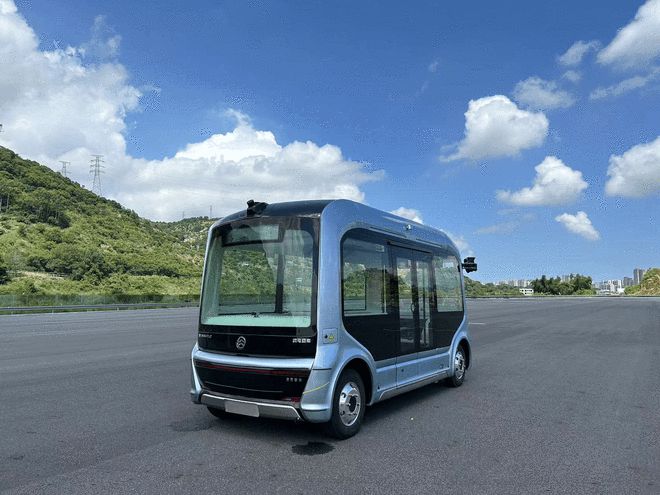
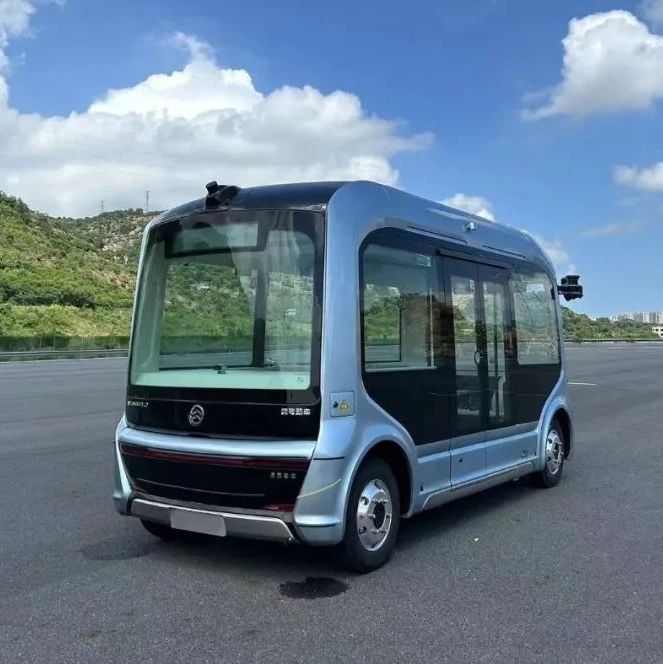
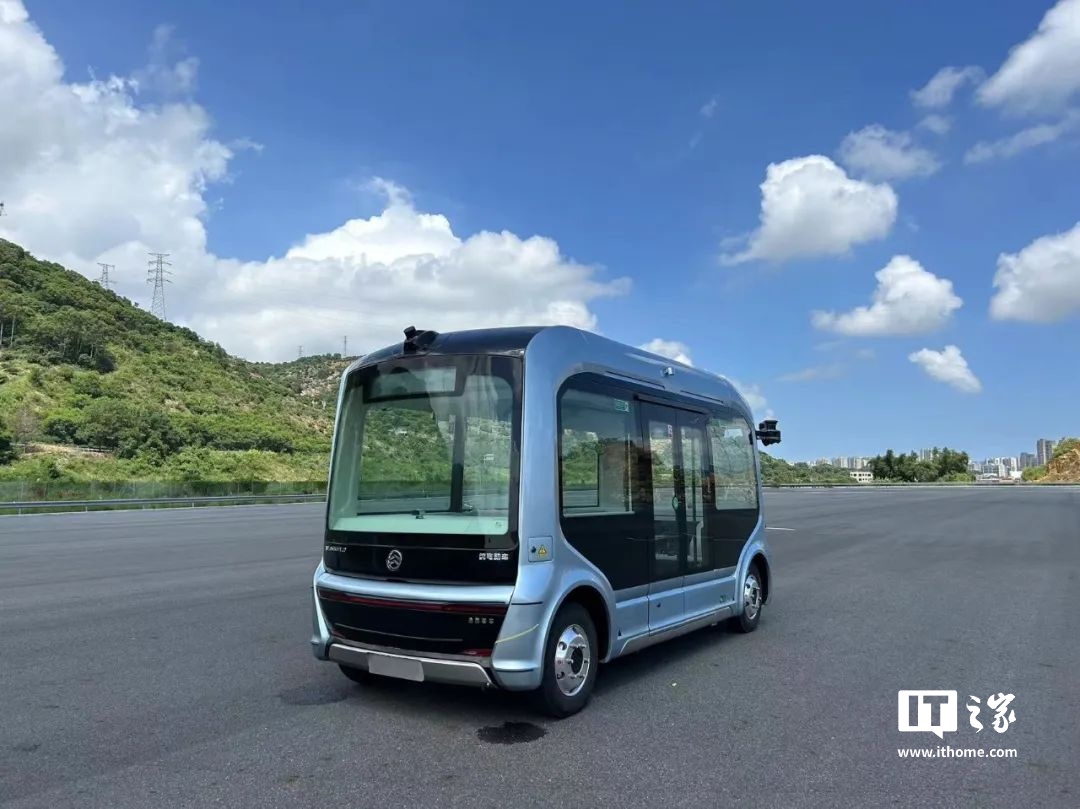
WeRide launches Europe's first autonomous shuttle service at Zurich Airport

Thumbnail Image

The information displayed in the AIM should not be reported as representing the official views of the OECD or of its member countries.

WeRide, in partnership with Zurich Airport and Swiss Transit Lab, began testing nine-seat autonomous minibuses on a dedicated staff shuttle route within Zurich Airport. Initially staffed by onboard safety operators, the AI-driven service aims for fully remote, driverless operation by Q1 2025.[AI generated]

Why's our monitor labelling this an incident or hazard?

The autonomous minibuses clearly involve AI systems for navigation and operation. The event is about the use and testing of these AI systems in a real-world environment. However, there is no indication of any harm or incident caused by the AI system at this stage. The operation is in a testing phase with safety measures in place, and the article does not report any injury, disruption, rights violation, or other harm. The event describes a plausible future deployment of AI systems that could lead to incidents if problems arise, but currently, it is a controlled test without harm. Therefore, it qualifies as an AI Hazard because the autonomous system's use could plausibly lead to harm in the future, but no harm has yet occurred.[AI generated]
AI principles
SafetyRobustness & digital securityAccountabilityTransparency & explainabilityPrivacy & data governanceRespect of human rights

Industries
Mobility and autonomous vehiclesTravel, leisure, and hospitalityRobots, sensors, and IT hardwareIT infrastructure and hosting

Harm types
Physical (injury)Physical (death)Economic/PropertyReputationalPublic interestHuman or fundamental rightsPsychological

Severity
AI hazard

Business function:
LogisticsMonitoring and quality controlICT management and information security

AI system task:
Recognition/object detectionGoal-driven organisationReasoning with knowledge structures/planningEvent/anomaly detection


Articles about this incident or hazard

Thumbnail Image

文远小巴正式在苏黎世机场测试运营

2025-01-10
太平洋汽车网
Why's our monitor labelling this an incident or hazard?
The autonomous shuttle bus is an AI system as it performs automated driving tasks in a complex environment. However, the article does not report any injury, disruption, rights violation, or other harm caused by the AI system. It also does not highlight any credible risk of harm that could plausibly lead to an AI Incident. Instead, it reports on the start of testing and planned deployment, which is a typical product/service update. Therefore, this event is best classified as Complementary Information, providing context and updates on AI deployment without describing harm or credible risk of harm.
Thumbnail Image

文远知行小巴启动苏黎世机场测试运营 提供员工接驳服务

2025-01-09
China Finance Online
Why's our monitor labelling this an incident or hazard?
The autonomous minibuses clearly involve AI systems for navigation and operation. The event is about the use and testing of these AI systems in a real-world environment. However, there is no indication of any harm or incident caused by the AI system at this stage. The operation is in a testing phase with safety measures in place, and the article does not report any injury, disruption, rights violation, or other harm. The event describes a plausible future deployment of AI systems that could lead to incidents if problems arise, but currently, it is a controlled test without harm. Therefore, it qualifies as an AI Hazard because the autonomous system's use could plausibly lead to harm in the future, but no harm has yet occurred.
Thumbnail Image

欧洲首个机场自动驾驶商业项目:文远小巴启动苏黎世机场测试运营

2025-01-09
新浪财经
Why's our monitor labelling this an incident or hazard?
The autonomous shuttle bus is an AI system operating in a real-world environment. However, the article only reports the start of testing and planned future operations without any indication of injury, disruption, rights violations, or other harms. The presence of a safety operator and the controlled route suggest risk mitigation. Therefore, this event does not describe an AI Incident or an AI Hazard but rather a deployment and testing phase. It is best classified as Complementary Information as it provides context and updates on AI system deployment and development without reporting harm or plausible harm.
Thumbnail Image

欧洲启动首个机场自动驾驶商业项目 文远小巴驶入瑞士苏黎世机场

2025-01-09
k.sina.com.cn
Why's our monitor labelling this an incident or hazard?
The event involves the deployment and use of an AI system (autonomous driving technology) in a commercial setting at an airport. However, the article does not describe any injury, disruption, violation of rights, or other harms caused by the AI system. Instead, it focuses on the initiation of the project, safety precautions, and future plans. Therefore, it does not qualify as an AI Incident. Since the system is being tested and could plausibly lead to harm if malfunctioning or misused in the future, it fits the definition of an AI Hazard. The article does not primarily focus on responses or updates to past incidents, so it is not Complementary Information. It is not unrelated because it clearly involves an AI system and its deployment.
Thumbnail Image

文远知行正式启动自动驾驶小巴在苏黎世机场的测试运营

2025-01-09
新浪财经
Why's our monitor labelling this an incident or hazard?
The event involves the use of AI systems (autonomous driving technology) in a real-world setting (airport shuttle service). However, the article only reports the initiation of testing and mapping activities without any mention of harm, malfunction, or risks leading to harm. There is no indication of injury, disruption, rights violations, or other harms caused or plausibly caused by the AI system at this stage. Therefore, this is not an AI Incident or AI Hazard. It is a factual update about AI deployment and testing, which fits the definition of Complementary Information as it provides context and development updates about AI systems in operation.
Thumbnail Image

文远知行:已正式启动自动驾驶小巴在苏黎世机场的测试运营

2025-01-09
新浪财经
Why's our monitor labelling this an incident or hazard?
The event involves the use of an AI system (autonomous driving technology) in a real-world environment (airport shuttle service). However, the article only reports the start of testing and trial operation with safety measures in place and no mention of any harm or malfunction. Therefore, it does not qualify as an AI Incident. Since the autonomous shuttle operation could plausibly lead to harm in the future (e.g., accidents or safety issues), it qualifies as an AI Hazard. The event is not merely general AI news or a complementary update but a description of a new deployment with potential risks.
Thumbnail Image

文远知行自动驾驶小巴落地苏黎世机场

2025-01-10
新浪财经
Why's our monitor labelling this an incident or hazard?
The autonomous shuttle bus is an AI system used for transportation. The event involves the use and development of this AI system. However, there is no indication of any injury, disruption, rights violation, or other harm occurring or having occurred. The event describes a pilot project and future plans, implying potential future risks but no realized harm yet. Therefore, it qualifies as an AI Hazard because the autonomous vehicle could plausibly lead to harm in the future, but no incident has occurred so far.
Thumbnail Image

启明星 | 文远知行自动驾驶小巴驶入瑞士苏黎世机场,助力欧洲首个机场自动驾驶商业项目落地

2025-01-13
k.sina.com.cn
Why's our monitor labelling this an incident or hazard?
The event involves an AI system (autonomous driving technology) being used in a real-world environment (Zurich Airport). However, the article does not report any harm, injury, rights violations, or disruptions caused by the AI system. Instead, it focuses on the initiation of testing and planned deployment, with safety measures in place and no incidents described. Therefore, this is not an AI Incident. There is also no indication of plausible future harm or credible risk of harm from the autonomous shuttle's operation as described, given the controlled testing environment and safety protocols. Hence, it does not qualify as an AI Hazard. The article provides detailed information about the deployment and operational context, which enhances understanding of AI applications in autonomous transport but does not report new harm or risk. Thus, it fits best as Complementary Information.