AI-Driven Surge in European Data Center Electricity Demand Raises Emission Concerns

Thumbnail Image

The information displayed in the AIM should not be reported as representing the official views of the OECD or of its member countries.

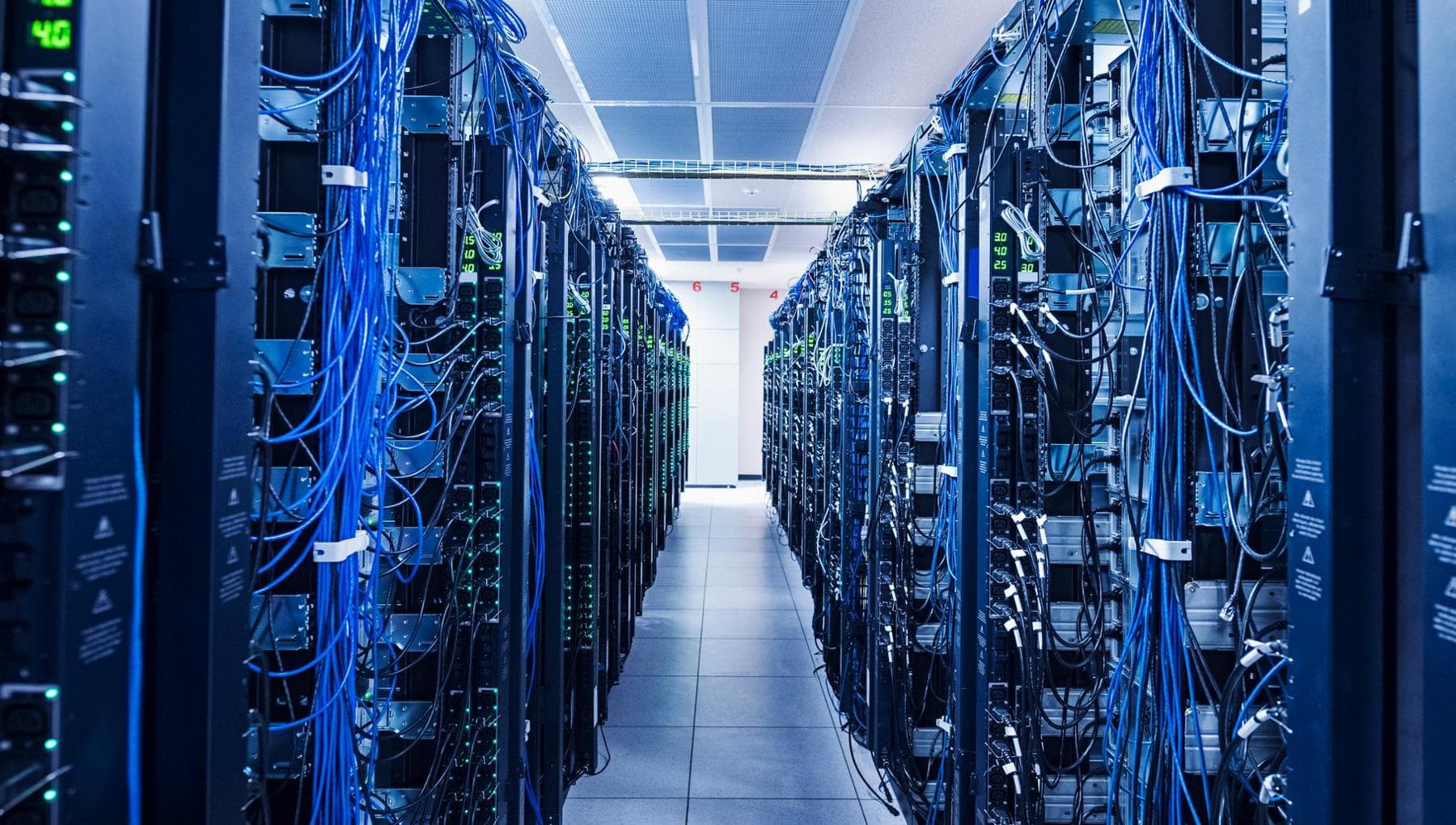
Two reports from Beyond Fossil Fuels warn that AI growth could boost European data center power needs by 160% in five years, reaching 287 TWh annually. If powered mainly by fossil fuels, this surge could multiply emissions, stressing the need for strategic, sustainable energy planning.[AI generated]

Why's our monitor labelling this an incident or hazard?

No actual harm has yet occurred, but the coalition’s analysis shows that continued AI‐led expansion of data centers could plausibly lead to large‐scale environmental damage (increased greenhouse gas emissions, strain on renewable supplies). Therefore, this is an AI hazard scenario, not a realized incident or merely complementary context.[AI generated]
AI principles
SustainabilityHuman wellbeingAccountability

Industries
IT infrastructure and hostingEnergy, raw materials, and utilitiesEnvironmental servicesGovernment, security, and defence

Affected stakeholders
General public

Harm types
EnvironmentalPublic interest

Severity
AI hazard


Articles about this incident or hazard

Thumbnail Image

Domanda energia data center in Europa: tra 5 anni, +160%

2025-02-11
Rinnovabili
Why's our monitor labelling this an incident or hazard?
No actual harm has yet occurred, but the coalition’s analysis shows that continued AI‐led expansion of data centers could plausibly lead to large‐scale environmental damage (increased greenhouse gas emissions, strain on renewable supplies). Therefore, this is an AI hazard scenario, not a realized incident or merely complementary context.
Thumbnail Image

L'Ai spingerà la domanda di elettricità in Europa del 160% entro cinque anni

2025-02-11
la Repubblica
Why's our monitor labelling this an incident or hazard?
The report outlines how the expansion of AI data centers could plausibly lead to large-scale climate impacts (up to 39 Mt CO2e annually by 2030) if powered by fossil energy. Since this is a forward-looking warning of potential environmental harm from AI-driven infrastructure rather than a description of an already realized harm, it qualifies as an AI Hazard.
Thumbnail Image

Data center, ma è possibile consumare meno energia? ChatGpt dice di sì - Vaielettrico

2025-02-11
Vaielettrico
Why's our monitor labelling this an incident or hazard?
The article primarily provides complementary information about the environmental impact of AI-related data centers and the efforts to improve their energy efficiency. It does not describe any direct or indirect harm caused by AI systems, nor does it present a plausible imminent risk of harm from AI use or malfunction. The focus is on energy consumption trends, policy responses, and technological improvements, which align with the definition of Complementary Information as it enhances understanding of AI's broader ecosystem and societal implications without reporting a specific AI Incident or AI Hazard.
Thumbnail Image

L'Ai spingerà la domanda di elettricità in Europa dai data center del 160% entro cinque anni

2025-02-11
Green and Blue
Why's our monitor labelling this an incident or hazard?
The article involves AI systems indirectly through the discussion of data centers supporting AI technologies, which are expected to increase electricity demand substantially. However, it does not report any actual harm or incident caused by AI systems, nor does it describe a specific event where AI use or malfunction led to harm. Instead, it outlines plausible future environmental and infrastructure risks associated with AI data center growth, making it an AI Hazard. Yet, since the article mainly provides a broad analysis and policy context without focusing on a specific imminent or direct risk event, it fits best as Complementary Information, offering important context and governance-related insights about AI's environmental impact and energy demands.