Lei Jun Urges Strict Regulations on AI Face-Swapping and Voice Synthesis

Thumbnail Image

The information displayed in the AIM should not be reported as representing the official views of the OECD or of its member countries.

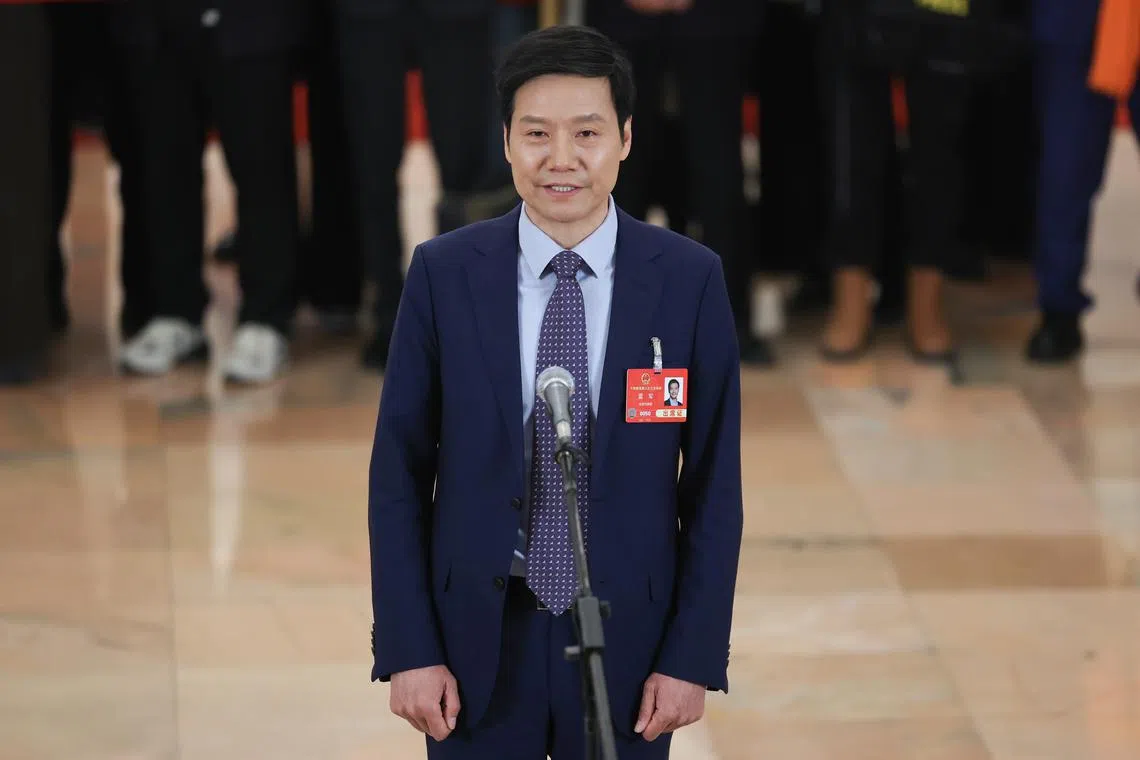
On March 4, Xiaomi CEO Lei Jun proposed stringent legal measures to counter AI face-swapping and voice synthesis abuses that risk privacy breaches, fraud, and defamation. Legal experts also called for enhanced regulation, tighter platform oversight, and public education to prevent these AI-driven infringements.[AI generated]

Why's our monitor labelling this an incident or hazard?

The event involves the use and misuse of an AI system (AI deepfake face-swapping technology) that has directly led to harms including fraud and violations of personal rights. The article references actual incidents of harm caused by AI-generated fake videos, making this an AI Incident. The discussion of legal and societal responses supports the recognition of realized harm rather than just potential risk.[AI generated]

AI principles
Privacy & data governanceRespect of human rightsAccountabilityTransparency & explainabilityRobustness & digital securitySafety

Industries
Media, social platforms, and marketingDigital security

Affected stakeholders
ConsumersGeneral public

Harm types
Human or fundamental rightsEconomic/PropertyReputationalPsychological

Severity
AI incident

Business function:
Other

AI system task:
Content generation


Articles about this incident or hazard

Thumbnail Image

"AI换脸"成热议话题,面对侵权怎么办

2025-03-06
finance.sina.com.cn
Why's our monitor labelling this an incident or hazard?
The event involves the use and misuse of an AI system (AI deepfake face-swapping technology) that has directly led to harms including fraud and violations of personal rights. The article references actual incidents of harm caused by AI-generated fake videos, making this an AI Incident. The discussion of legal and societal responses supports the recognition of realized harm rather than just potential risk.
Thumbnail Image

下午察:整治AI换脸诈骗乱象成今年两会热点

2025-03-07
zaobao.com.sg
Why's our monitor labelling this an incident or hazard?
The event involves AI systems (AI deepfake face and voice synthesis technologies) whose misuse has directly led to harms such as fraud and violations of rights, causing social disorder. The article reports on these harms and the societal response calling for regulation. Since the harms are occurring and linked to AI misuse, this qualifies as an AI Incident.
Thumbnail Image

雷军提出建议!他本人也曾是"受害者"......

2025-03-05
news.hangzhou.com.cn
Why's our monitor labelling this an incident or hazard?
The article explicitly discusses harms caused by AI deep synthesis technologies, including illegal use leading to violations of personal rights and fraud, which are direct harms under the AI Incident definition. The representative's personal experience with AI-generated fake voice content further confirms realized harm. The event involves the use and misuse of AI systems causing injury to rights and reputational harm, fitting the criteria for an AI Incident rather than a hazard or complementary information. The proposal for legislative and governance responses is part of the incident context, not the main focus, so the classification remains AI Incident.
Thumbnail Image

两会大家谈|靳东、雷军深受其害 AI深度伪造风险如何治理

2025-03-07
finance.eastmoney.com
Why's our monitor labelling this an incident or hazard?
The article explicitly describes AI deepfake systems being used to create fraudulent and misleading content impersonating individuals, which has directly led to harm including scams, reputational damage, and violations of rights. The harms are materialized and ongoing, with affected individuals like Jin Dong and Lei Jun speaking out about the negative impacts. The article also discusses governance and technical responses but the primary focus is on the harms caused by AI deepfake misuse. Hence, it meets the criteria for an AI Incident rather than a hazard or complementary information.
Thumbnail Image

南财快评·两会观察丨AI换脸拟声治理,重点应是传播环节监管

2025-03-04
21jingji.com
Why's our monitor labelling this an incident or hazard?
The article centers on the potential harms posed by AI deepfake technologies and the challenges in regulating them, especially emphasizing the risk of misuse for fraud and reputation damage. It discusses the plausible future harms and the need for governance frameworks but does not describe any realized harm or specific event where AI caused direct or indirect harm. Therefore, it fits the definition of an AI Hazard, as it outlines credible risks that could plausibly lead to AI Incidents if unregulated, rather than reporting an actual incident or providing complementary information about responses or updates.
Thumbnail Image

雷军称AI换脸拟声成违法重灾区 律师:这些行为涉嫌侵权甚至构成犯罪→

2025-03-04
k.sina.com.cn
Why's our monitor labelling this an incident or hazard?
The article does not report a specific realized harm or incident caused by AI systems but rather focuses on the potential for AI face-swapping and voice synthesis to cause legal violations and crimes. It includes expert opinions and legislative suggestions aimed at preventing such harms. Therefore, it describes a plausible risk of harm from AI use rather than an actual incident or ongoing harm. This fits the definition of an AI Hazard, as the development and use of these AI technologies could plausibly lead to incidents involving infringement and criminal acts.
Thumbnail Image

要为AI换脸拟声划清应用边界

2025-03-04
k.sina.com.cn
Why's our monitor labelling this an incident or hazard?
The article centers on the potential risks and governance challenges of AI deepfake technologies but does not describe any actual AI Incident or AI Hazard event. It is primarily a policy and societal response discussion, emphasizing the need for clearer laws and platform accountability to prevent misuse. Therefore, it fits the definition of Complementary Information, as it provides context and governance-related updates about AI deepfake technology without reporting a specific harmful event or imminent hazard.
Thumbnail Image

律师称须用法律为AI换脸拟声套上缰绳

2025-03-04
cj.sina.com.cn
Why's our monitor labelling this an incident or hazard?
The article does not report a specific AI Incident or AI Hazard event but rather focuses on proposed legal and regulatory responses to ongoing or potential harms caused by AI face-swapping and voice synthesis technologies. It highlights the societal and governance response to these AI-related issues, aiming to prevent or reduce harm. Therefore, it fits the definition of Complementary Information, as it provides context and updates on governance and mitigation efforts rather than describing a new incident or hazard itself.
Thumbnail Image

雷军建议加强"AI换脸拟声"侵权治理 曾遭遇AI配音困扰

2025-03-04
finance.eastmoney.com
Why's our monitor labelling this an incident or hazard?
The event involves AI systems explicitly (AI deep synthesis technologies for face and voice). The misuse of these AI systems has directly led to harms such as violation of personal rights (portrait and voice rights), misinformation, and potential fraud, which are harms to individuals and communities. The article also details the social and legal governance responses to these harms. Therefore, this qualifies as an AI Incident because the AI system's use has directly caused realized harms, including violations of rights and social disruption.
Thumbnail Image

议事时刻|AI兴起伴随技术滥用,立法进程待加速

2025-03-04
news.sina.com.cn
Why's our monitor labelling this an incident or hazard?
The article explicitly mentions AI deep synthesis (deepfake) technology being used to create misleading videos impersonating a public figure, which constitutes a violation of rights and harm to communities through misinformation and reputational damage. This is a direct AI Incident as the AI system's use has led to realized harm. The article also covers legislative and governance responses, but the primary focus includes the actual misuse and harm caused by AI deepfake technology, meeting the criteria for an AI Incident rather than just a hazard or complementary information.
Thumbnail Image

靳东回应"AI换脸":希望建立更好的规则,此前有骗子假冒身份骗钱

2025-03-06
k.sina.com.cn
Why's our monitor labelling this an incident or hazard?
The event clearly involves AI systems (deepfake AI for face and voice synthesis) whose malicious use has directly led to harm, including financial scams and reputational damage. These harms fall under violations of rights and harm to individuals and communities. Since the harms are realized and ongoing, this qualifies as an AI Incident. The article also includes complementary information about governance responses, but the primary focus is on the realized harms caused by AI deepfake misuse.
Thumbnail Image

两会声音|代表委员说AI,治理侵权、人才建设与幻觉"纠正"

2025-03-04
finance.sina.com.cn
Why's our monitor labelling this an incident or hazard?
The article explicitly mentions AI systems (AI face-swapping, large language models) and their misuse causing real harms such as infringement of portrait rights, personal information violations, and fraud. However, it does not report a new incident or hazard event but rather discusses observations, recommendations, and governance proposals by officials and experts. It includes references to past AI misuse (e.g., AI-generated fake videos of Lei Jun) as background context. The main focus is on governance, legislative, educational, and regulatory responses to AI-related harms and challenges, fitting the definition of Complementary Information rather than an AI Incident or AI Hazard.
Thumbnail Image

评论丨AI换脸拟声治理,重点应加强传播环节监管

2025-03-04
21jingji.com
Why's our monitor labelling this an incident or hazard?
The article explicitly involves AI systems capable of generating synthetic face and voice content (AI deepfake technologies). It discusses the harms these technologies have caused or could cause, such as fraud, privacy infringement, and reputational damage, which fall under violations of rights and harm to communities. However, the article is primarily a policy commentary and recommendation piece focusing on governance and regulatory approaches rather than reporting a specific incident of harm or a concrete event where harm has occurred. Therefore, it does not describe a particular AI Incident or a narrowly defined AI Hazard event but rather provides complementary information about the broader AI ecosystem, risks, and governance responses.
Thumbnail Image

雷军的遭遇应该严肃处理,但技术发展不能因噎废食

2025-03-04
finance.eastmoney.com
Why's our monitor labelling this an incident or hazard?
The article explicitly describes AI systems generating fake voices and videos of public figures without consent, causing harm through impersonation and unauthorized use, which constitutes a violation of personal rights and intellectual property. The harm is realized, not just potential, as public figures express distress and concern. The involvement of AI in creating these deepfake contents is clear, and the harms fall under violations of rights and harm to individuals. Hence, this qualifies as an AI Incident.
Thumbnail Image

雷军提案解读:AI换脸拟声,别让便利变"雷区

2025-03-05
k.sina.com.cn
Why's our monitor labelling this an incident or hazard?
The event involves AI systems (deepfake and voice synthesis AI) and their potential misuse, which could plausibly lead to harms such as privacy violations and fraud. However, no actual harm or incident is described as having occurred. The main focus is on a legislative proposal and calls for regulation and awareness to prevent misuse. Therefore, this is best classified as an AI Hazard, since it concerns plausible future harms and risk mitigation related to AI misuse, but no concrete incident has yet taken place.
Thumbnail Image

两会热评丨"AI换脸拟声"行骗,只伤了靳东和雷军们的"脸面"?

2025-03-06
k.sina.com.cn
Why's our monitor labelling this an incident or hazard?
The event involves AI systems explicitly (AI face-swapping and voice synthesis technologies) that have been used maliciously to create fraudulent content leading to financial scams and reputational harm to individuals. This constitutes direct harm to persons and communities through deception and misinformation. The article describes realized harms from AI misuse, thus qualifying as an AI Incident. Additionally, it discusses regulatory responses, but the primary focus is on the harms caused by AI misuse, not just complementary information or future risks.
Thumbnail Image

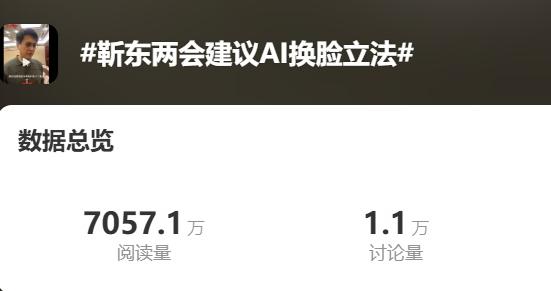
靳东两会建言:应给AI换脸立规矩!

2025-03-06
k.sina.com.cn
Why's our monitor labelling this an incident or hazard?
The article explicitly involves AI systems used for deepfake audio and video synthesis, which have been exploited to commit fraud and infringe on individuals' rights. It cites real cases of financial loss due to AI-generated fake videos and voices, legal rulings recognizing AI-generated voice as a protected personal right, and regulatory measures addressing these harms. The harms are realized and directly linked to the AI system's use, meeting the criteria for an AI Incident rather than a hazard or complementary information.
Thumbnail Image

加强对AI技术立法监管

2025-03-05
finance.sina.com.cn
Why's our monitor labelling this an incident or hazard?
The event involves AI systems (deepfake AI technology) being used maliciously to create fake videos that have directly led to harm, such as scams and violations of the rights of elderly people. This constitutes an AI Incident because the AI system's use has directly caused harm to individuals and communities. The article also discusses legislative responses, but the primary focus is on the realized harm caused by AI misuse.
Thumbnail Image

雷军代表:加强治理AI换脸拟声违法侵权重灾区

2025-03-06
news.sciencenet.cn
Why's our monitor labelling this an incident or hazard?
The event involves the use and misuse of AI deep synthesis systems (AI face-swapping and voice synthesis) that have directly led to harms such as violations of portrait rights, personal information breaches, and fraud, as well as reputational harm to an individual (Lei Jun). These harms fall under violations of human rights and other significant harms caused by AI misuse. The article reports actual incidents of harm (e.g., AI-generated fake voice videos causing reputational damage and public confusion), not just potential risks. Therefore, this qualifies as an AI Incident. Additionally, the article discusses governance responses and legislative proposals, but the primary focus is on the realized harms caused by AI misuse.
Thumbnail Image

靳东委员呼吁AI换脸立法,律师:让技术和法律更好结合,确保AI技术不被滥用

2025-03-06
k.sina.com.cn
Why's our monitor labelling this an incident or hazard?
The event involves the use of AI face-swapping systems to create fraudulent and harmful content, which has directly caused violations of individuals' rights (e.g., unauthorized use of likeness, defamation, fraud) and social harm. These harms are realized and documented through lawsuits and public statements. The article's focus is on the harms caused by AI misuse and the call for legislative action to prevent further incidents. Therefore, this qualifies as an AI Incident due to direct harm caused by AI system use.
Thumbnail Image

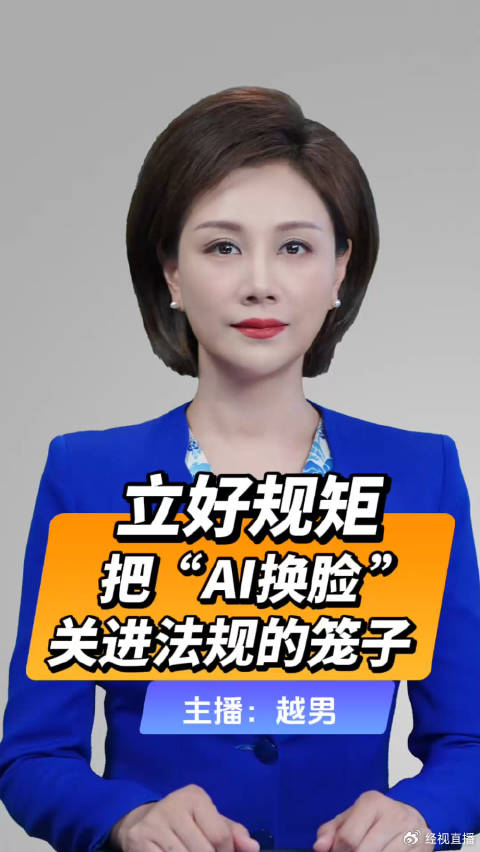
直播微视评:立好规矩,把AI换脸关进法规的笼子

2025-03-06
k.sina.com.cn
Why's our monitor labelling this an incident or hazard?
The event involves AI systems used to generate deepfake videos that have directly led to harms including fraud, violation of personal rights, and misinformation. The misuse of AI-generated synthetic media has caused actual harm to individuals and communities, as evidenced by the fraudulent gambling promotion and abusive videos mentioned. Therefore, this qualifies as an AI Incident because the AI system's use has directly led to violations of rights and potential criminal activities. The article also discusses governance responses, but the primary focus is on the realized harms caused by AI misuse.
Thumbnail Image

1岁会讲话、2岁抱着鱼喊奶奶?AI正在批量制造"假视频"_孙子_内容_技术

2025-03-07
news.sohu.com
Why's our monitor labelling this an incident or hazard?
The event involves AI systems generating fake videos and voices that are widely disseminated and deceive viewers, especially elderly people, causing emotional harm and violating personal rights through unauthorized use of images. The article documents actual occurrences of these harms, not just potential risks. The AI-generated content is central to the harm, fulfilling the criteria for an AI Incident. The misuse and resulting emotional and rights violations are direct consequences of AI system use, meeting the definition of an AI Incident rather than a hazard or complementary information.
Thumbnail Image

靳东建议AI换脸立法:技术创新需在法治轨道上奔跑_社会纵议_红辣椒评论

2025-03-06
hlj.rednet.cn
Why's our monitor labelling this an incident or hazard?
The article references real harms caused by AI face-swapping technology, such as fraud and defamation, which are AI Incidents. However, the article does not report a new or specific incident but rather discusses the broader issue and the need for legal regulation. It also mentions existing legal challenges and governance responses. Therefore, the article is best classified as Complementary Information, as it provides context, societal response, and governance discussion related to AI harms rather than describing a new AI Incident or AI Hazard.
Thumbnail Image

冲上热搜!AI换脸泛滥,如何才能"防骗"?

2025-03-07
k.sina.com.cn
Why's our monitor labelling this an incident or hazard?
The event involves the use and misuse of AI systems (deepfake AI for face and voice synthesis) that have directly led to harms such as fraud and privacy violations, which fall under violations of rights and harm to communities. The article describes realized harms caused by AI-generated fake content used in scams, thus constituting an AI Incident. The discussion of detection efforts and advice is complementary but the main focus is on the existing harm caused by AI misuse.
Thumbnail Image

全国两会聚焦AI乱象

2025-03-07
k.sina.com.cn
Why's our monitor labelling this an incident or hazard?
The event involves AI systems used to generate fake videos and voices, which are being maliciously used to deceive and emotionally manipulate people, particularly the elderly. This misuse constitutes harm to communities and individuals, fulfilling the criteria for an AI Incident. The article reports ongoing harm and societal impact, not just potential risk or general commentary, thus it qualifies as an AI Incident rather than a hazard or complementary information.
Thumbnail Image

Manus 又爆红!人大代表建议 AI 换脸拟声需单行立法,版权保护需灵活分级

2025-03-07
21jingji.com
Why's our monitor labelling this an incident or hazard?
The article centers on policy proposals and discussions about AI risks, particularly deepfake and AI-generated content, and the need for legal frameworks to manage these risks. While it acknowledges the existence of AI-related risks and potential harms (e.g., identity infringement, fraud), it does not describe any concrete AI Incident or AI Hazard event occurring at the time of reporting. The focus is on governance, regulation, and legal responses to anticipated or ongoing challenges posed by AI technologies. Therefore, this is best classified as Complementary Information, as it provides important context and societal/governance responses to AI-related issues without reporting a new incident or hazard.
Thumbnail Image

我Ai问两会 | 很多人被AI做的视频骗了,怎样才能让AI不当骗子建议对AI生成内容明确要求标注

2025-03-07
finance.sina.com.cn
Why's our monitor labelling this an incident or hazard?
The article centers on the risks and harms caused by AI-generated deceptive videos and the need for regulatory measures. It does not describe a concrete event where harm has already occurred due to AI misuse, but rather discusses the plausible harms and the necessity for legal frameworks to prevent such harms. Therefore, it fits the category of Complementary Information, as it provides context, societal response, and policy suggestions related to AI harms, rather than reporting a specific AI Incident or AI Hazard.
Thumbnail Image

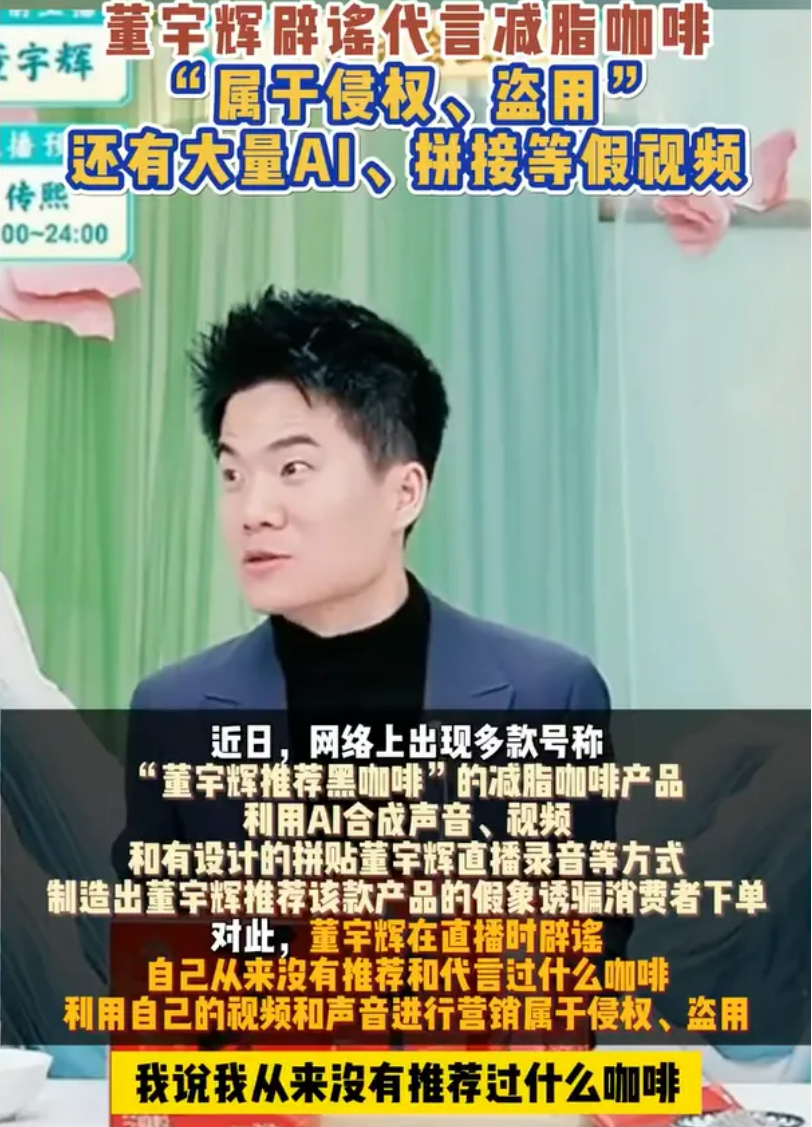
代言减脂咖啡?董宇辉辟谣!古天乐、刘晓庆等曾因AI换脸一事发声!专家:要通过各种方式增强鉴别力 2025-03-08 11:25

2025-03-08
nbd.com.cn
Why's our monitor labelling this an incident or hazard?
The event involves AI systems generating synthetic audio and video to impersonate public figures, which has directly led to harm such as consumer deception, potential financial loss, and violation of personal rights (unauthorized use of likeness and voice). This fits the definition of an AI Incident because the AI system's use has directly caused harm to individuals and communities through misinformation and fraud. Although the article also includes expert commentary and calls for regulation, the primary focus is on the realized harms caused by AI deepfakes, not just potential risks or responses.
Thumbnail Image

代言减脂咖啡?董宇辉辟谣!古天乐、刘晓庆等曾因AI换脸一事发声!专家:要通过各种方式增强鉴别力

2025-03-08
finance.sina.com.cn
Why's our monitor labelling this an incident or hazard?
The event involves AI systems used to generate synthetic audio and video (AI deepfakes) that have been maliciously employed to impersonate public figures and promote fraudulent products, causing direct harm to consumers (financial loss) and to the individuals' rights and reputations. This fits the definition of an AI Incident because the AI system's use has directly led to violations of rights and harm to communities. The discussion of potential future risks and responses complements the incident but does not overshadow the realized harms described.
Thumbnail Image

被骗得很惨",靳东呼吁 AI 换脸立法!一文解读 AI 造假背后真相

2025-03-08
k.sina.com.cn
Why's our monitor labelling this an incident or hazard?
The article explicitly describes AI systems (deepfake technology using generative adversarial networks and voice cloning) being used maliciously to impersonate individuals and commit fraud, resulting in direct financial harm to victims. The harms include violation of rights (e.g., impersonation, fraud), financial losses, and social trust disruption. The involvement of AI in these harms is direct and central. Therefore, the event meets the criteria for an AI Incident rather than a hazard or complementary information.
Thumbnail Image

AI换脸,积压剧回春?

2025-03-07
中华网科技公司
Why's our monitor labelling this an incident or hazard?
The event involves the use of AI systems (AI face-swapping technology) in the production and post-production of television dramas. The AI is used to replace faces of actors who are banned from appearing due to legal or ethical reasons. While the article does not report direct harm such as injury or rights violations occurring from the AI use, it does describe the use of AI to circumvent legal restrictions and potentially mislead viewers about the actors appearing on screen. However, the primary focus is on the use and technical quality of AI face-swapping rather than on any realized harm or legal violation caused by the AI itself. There is no indication of direct or indirect harm to persons, property, or rights as defined in the framework. The article also does not describe a plausible future harm scenario but rather reports on ongoing use and challenges of the technology. Therefore, this is best classified as Complementary Information, providing context and updates on AI use in media production without reporting a new AI Incident or AI Hazard.
Thumbnail Image

以旧换新、AI治理成热点 董明珠等家电企业代表提了这些建议

2025-03-07
新浪财经
Why's our monitor labelling this an incident or hazard?
The article primarily focuses on governance proposals and regulatory suggestions concerning AI deep synthesis technology and other social and economic issues. It does not describe any specific AI system causing harm or malfunctioning, nor does it report any realized harm or incident directly or indirectly caused by AI. The mention of AI is in the context of using AI to audit AI-generated content and legislative proposals to manage AI deep synthesis content, which are forward-looking governance measures. Therefore, the event is best classified as Complementary Information, as it provides context and updates on AI governance and societal responses rather than reporting an AI Incident or AI Hazard.
Thumbnail Image

全国政协委员吕红兵:建议尽早立法规范生成式AI发展

2025-03-06
k.sina.com.cn
Why's our monitor labelling this an incident or hazard?
The article primarily focuses on the societal and governance response to challenges posed by generative AI, including existing harms and the need for regulation. It does not describe a specific AI Incident (an event where AI use or malfunction directly or indirectly caused harm) nor a new AI Hazard (a specific event or circumstance where AI could plausibly lead to harm). Instead, it details proposals for legislation and regulatory frameworks to address ongoing and potential issues. Therefore, it fits the definition of Complementary Information, as it provides context and response to AI-related harms rather than reporting a new incident or hazard.
Thumbnail Image

关于AI代表委员关心的不止换脸

2025-03-05
新浪财经
Why's our monitor labelling this an incident or hazard?
The article does not describe a specific event where an AI system caused harm or a plausible risk of harm, but rather reports on legislative discussions and recommendations regarding AI misuse and regulation. This fits the definition of Complementary Information as it provides governance and societal response context to AI issues without detailing a new incident or hazard.
Thumbnail Image

机器人养老离我们有多远?AI如何健康发展?听听他们怎么说

2025-03-04
k.sina.com.cn
Why's our monitor labelling this an incident or hazard?
The article primarily provides an overview of discussions and proposals related to AI's development and governance, including potential future applications and regulatory needs. It does not describe any realized harm or a specific event where AI caused or nearly caused harm. The mention of AI deepfake misuse is general and does not report a concrete incident. Therefore, the content fits the definition of Complementary Information, as it enhances understanding of AI's societal and governance context without reporting a new AI Incident or AI Hazard.
Thumbnail Image

【西街观察】AI立法,安全与发展的平衡术_手机网易网

2025-03-06
m.163.com
Why's our monitor labelling this an incident or hazard?
The article centers on AI legislation and governance as a response to existing and potential AI-related harms, such as misuse of deepfake technology causing reputational and personal harm. It does not describe a particular event where AI use or malfunction directly or indirectly caused harm, nor does it describe a specific plausible future harm event. Instead, it provides complementary information about the legislative landscape, challenges, and strategies for AI regulation. Therefore, it fits the definition of Complementary Information, as it enhances understanding of AI ecosystem responses without reporting a new incident or hazard.
Thumbnail Image

关于AI,代表委员关心的不止换脸

2025-03-04
finance.sina.com.cn
Why's our monitor labelling this an incident or hazard?
The article explicitly discusses AI systems (e.g., deepfake AI, large language models) and their societal implications, including misuse leading to violations of rights and fraud, which are recognized harms. However, it does not report a specific event where such harms have occurred or a concrete AI system malfunction causing harm. Instead, it presents legislative proposals, educational reforms, and governance suggestions aimed at preventing or mitigating such harms. It also discusses the phenomenon of hallucinations in AI models and regulatory approaches. This aligns with the definition of Complementary Information, as it provides updates and responses related to AI harms and governance without describing a new primary harm event or a plausible imminent hazard. Hence, the classification is Complimentary Info.
Thumbnail Image

一周法眼|雷军两会建议引发关注,普通人用AI如何避免违法侵权?

2025-03-06
yangtse.com
Why's our monitor labelling this an incident or hazard?
The AI system (AI-powered video editing software with 'one-click video creation' functionality) was used without authorization to cut and distribute copyrighted video clips, directly infringing the rights holder's information network transmission rights and causing economic harm. The court ruling confirms the infringement and damages, establishing a realized harm caused by AI use. Additionally, the article discusses legislative and governance responses and legal advice, which are complementary information but do not negate the presence of an AI Incident. Therefore, the primary classification is AI Incident due to the realized copyright infringement and harm caused by the AI system's use.
Thumbnail Image

工人日报e网评丨AI换脸拟声滥用频现,颠覆性技术急需规范化使用引导

2025-03-07
k.sina.com.cn
Why's our monitor labelling this an incident or hazard?
The article explicitly describes the use of AI systems for face-swapping and voice synthesis that have directly led to harms including personal information and image rights violations, fraud, and social misinformation. These harms fit the definition of AI Incident as they involve injury to persons (financial and reputational harm), violations of rights, and harm to communities through misinformation. The article also discusses ongoing regulatory challenges and responses but the primary focus is on the realized harms caused by AI misuse, not just potential risks or complementary information. Hence, the classification is AI Incident.
Thumbnail Image

14:51:22人大代表雷軍現身大會堂 關注AI換臉立法

2025-03-04
hkcd.com
Why's our monitor labelling this an incident or hazard?
The article does not describe a specific AI Incident or AI Hazard event but rather highlights legislative and governance attention to potential AI misuse risks, specifically AI face-swapping and voice forgery. It focuses on policy and regulatory considerations to address these risks, which fits the definition of Complementary Information as it provides context and societal/governance responses to AI-related issues without reporting a concrete incident or imminent hazard.
Thumbnail Image

全國兩會/「粉絲被騙得很慘」 靳東促立法監管AI換臉 | 聯合新聞網

2025-03-06
聯合新聞網
Why's our monitor labelling this an incident or hazard?
The event involves AI systems used to generate fake face and voice content (AI face-swapping and voice synthesis). These AI-generated deepfakes have directly led to harms such as fraud (financial harm to victims), reputational damage to public figures, and violations of rights. The article describes realized harms caused by the use of AI-generated fake content in scams and impersonations. Therefore, this qualifies as an AI Incident. The legislative proposals and calls for regulation are complementary information but the main focus is on the harms already occurring due to AI misuse.
Thumbnail Image

(中國兩會)人大代表雷軍現身大會堂 關注AI換臉立法

2025-03-04
hkcna.hk
Why's our monitor labelling this an incident or hazard?
The article does not describe any realized harm or incident caused by AI systems but highlights concerns about potential misuse of AI face-swapping and voice synthesis technologies and the need for legal and regulatory frameworks to govern them. This is a discussion of plausible future risks and governance responses rather than an actual incident or hazard event. Therefore, it fits the category of Complementary Information as it provides context on societal and governance responses to AI-related risks without reporting a specific AI Incident or AI Hazard.
Thumbnail Image

(影) 他去年被玩壞了! 中國兩會 小米雷軍提議管理「 AI 換臉擬聲」軟體 | 中國 | Newtalk新聞

2025-03-04
Newtalk新聞
Why's our monitor labelling this an incident or hazard?
The event involves AI systems explicitly described as "AI face-swapping and voice synthesis" software used by netizens to create manipulated videos of Lei Jun without his consent. This misuse has caused harm to his personal rights (portrait, voice, and reputation), which are recognized as violations of fundamental rights under the framework. The harm is realized and ongoing, as evidenced by the videos circulating and Lei Jun's proposal for regulation. Therefore, this is an AI Incident due to direct harm caused by the AI system's use.
Thumbnail Image

兩會2025︱雷軍籲加強監管「AI換臉擬聲」 去年曾陷虛假「語音包」風波

2025-03-04
std.stheadline.com
Why's our monitor labelling this an incident or hazard?
The article describes actual harms caused by AI deepfake technologies, including illegal impersonation and fraud, which have already occurred (e.g., the fake 'Lei Jun voice pack' incident). These harms involve violations of personal rights and reputational damage, fitting the definition of an AI Incident. The AI system's use (deep synthesis for face and voice) directly led to these harms. The main focus is on the incident and the call for regulatory responses, not just potential risks or general AI news, so it qualifies as an AI Incident.
Thumbnail Image

【聚焦全国两会】代表审报告丨雷军:加快推进这几个方面的立法

2025-03-09
千龙网
Why's our monitor labelling this an incident or hazard?
The article focuses on legislative suggestions to regulate AI-related areas such as autonomous vehicles and AI-generated fake content. While these areas involve AI systems and potential risks, the article does not describe any actual harm or incident caused by AI, nor does it report a near miss or credible imminent threat. Therefore, it is best classified as Complementary Information, as it provides context on governance responses to AI risks rather than reporting an AI Incident or AI Hazard.
Thumbnail Image

两会微观察:AI的"脸"该怎么管?

2025-03-10
人民网
Why's our monitor labelling this an incident or hazard?
The article centers on the governance and legislative discourse around AI deepfake technology and its risks, including privacy, reputation, and misinformation harms. While it acknowledges harms caused by AI deepfakes (e.g., impersonation, defamation), it does not report a concrete incident or event where AI use directly or indirectly caused harm. Nor does it describe a specific AI hazard event with imminent risk. The main content is about societal and legal responses, ongoing regulatory development, and calls for improved AI governance, fitting the definition of Complementary Information rather than an Incident or Hazard.
Thumbnail Image

连骂8天!被造谣导致股价下跌......雷军,又上热搜!

2025-03-09
东方财富网
Why's our monitor labelling this an incident or hazard?
The article explicitly describes the use of AI deep synthesis technology (AI voice and face deepfakes) to create fake content impersonating Lei Jun, which caused reputational damage and social harm (harms to person and community). The AI system's misuse directly led to these harms, fulfilling the criteria for an AI Incident. The article also discusses the lack of specific laws and ongoing presence of harmful content, reinforcing the incident classification rather than just a hazard or complementary information. While it includes governance suggestions, the main narrative centers on the realized harm from AI misuse, not just potential harm or policy responses.
Thumbnail Image

连上两个热搜!雷军回应"国庆7天AI雷军骂了8天" 还称小米被造谣致股价下跌!

2025-03-09
东方财富网
Why's our monitor labelling this an incident or hazard?
The event involves AI systems explicitly through AI deepfake and voice synthesis technologies used to create harmful impersonations of Lei Jun. The misuse of these AI systems has directly led to harm including violation of personal rights and reputational damage, which fits the definition of an AI Incident. The article details actual harm experienced, ongoing presence of harmful AI-generated content, and the difficulties in legal protection, confirming realized harm rather than just potential risk. Therefore, this is classified as an AI Incident rather than a hazard or complementary information.
Thumbnail Image

雷军回应国庆7天AI"雷军"骂了8天:应针对性加强立法

2025-03-09
finance.sina.com.cn
Why's our monitor labelling this an incident or hazard?
The article describes actual harm caused by AI systems—AI-generated deepfake content ('AI Lei Jun') that insulted Lei Jun continuously for eight days, leading to reputational damage and complaints. This constitutes a violation of rights (reputational and possibly privacy/portrait rights) caused by the use of AI deepfake technology. Since the harm has occurred and is directly linked to AI misuse, this qualifies as an AI Incident. Additionally, the article focuses on the response and calls for legislation, but the primary event is the realized harm from AI misuse, not just a discussion or update, so it is not merely Complementary Information.
Thumbnail Image

雷军本人回应"AI雷军骂人"

2025-03-09
news.bjd.com.cn
Why's our monitor labelling this an incident or hazard?
The event involves the use of AI systems to create deepfake impersonations of Lei Jun, which have been used to spread harmful and defamatory content. This has caused reputational harm and challenges in legal redress, indicating a violation of rights and harm to the individual. Although the article focuses on the response and calls for legislation, the underlying issue is an AI Incident because the AI-generated content has directly led to harm (defamation and reputational damage).
Thumbnail Image

雷军谈网络造谣和水军 呼吁加强立法打击

2025-03-09
中华网科技公司
Why's our monitor labelling this an incident or hazard?
The article centers on the societal and legal challenges posed by AI technologies, particularly AI-generated fake content and coordinated misinformation campaigns, which have caused harm such as defamation and reputational damage. However, it does not describe a specific incident of harm caused by AI that is currently unfolding, nor does it describe a specific plausible future harm event. Instead, it is a call for legislative and regulatory action to address these issues. Therefore, it fits the definition of Complementary Information as it provides context, advocacy, and governance response related to AI harms rather than reporting a new AI Incident or AI Hazard.
Thumbnail Image

雷军谈"国庆7天'AI雷军'骂了8天":应针对性加强立法

2025-03-09
app.myzaker.com
Why's our monitor labelling this an incident or hazard?
The event involves AI systems generating harmful content impersonating a public figure, causing reputational harm and social disruption, which fits the definition of an AI Incident due to violation of rights and harm to communities. The article explicitly states that the AI-generated content caused harm (defamation, reputational damage) and that current laws are inadequate to address these harms, prompting calls for new legislation. Hence, the AI system's use has directly led to harm, qualifying this as an AI Incident rather than a hazard or complementary information.
Thumbnail Image

雷军称小米曾遭造谣被查致股价下跌 应针对性加强立法

2025-03-09
app.myzaker.com
Why's our monitor labelling this an incident or hazard?
The article does not describe a specific AI Incident where harm has directly or indirectly occurred due to an AI system's development, use, or malfunction. Instead, it focuses on potential and ongoing societal issues related to AI misuse (e.g., deepfakes, misinformation) and the need for legal frameworks to mitigate these risks. The past rumor incident involved misinformation but was not directly linked to AI system malfunction or use causing harm. Therefore, this is best classified as Complementary Information, providing context and governance-related responses to AI-related challenges rather than reporting a new incident or hazard.
Thumbnail Image

每经热评丨AI成全国两会热议焦点 "智能向善"亟需政企协同发力

2025-03-10
每日经济新闻
Why's our monitor labelling this an incident or hazard?
The article explicitly describes AI systems generating deepfake videos and synthetic voices that have directly caused harm to individuals (e.g., fraud, infringement of personal image rights) and to intellectual property holders (unauthorized distribution of copyrighted content). These are clear violations of human rights and intellectual property rights, fitting the definition of an AI Incident. The article also references a legal case confirming the harm and judicial response, further confirming the realized harm. While it discusses needed responses and future prevention, the primary focus is on existing harms caused by AI misuse, not just potential risks or general commentary, so it is not Complementary Information or an AI Hazard.
Thumbnail Image

连上两个热搜!雷军回应"国庆7天AI雷军骂了8天",还称小米被造谣致股价下跌!怎么办?他也给出建议 2025-03-09 21:38

2025-03-09
每日经济新闻
Why's our monitor labelling this an incident or hazard?
The article explicitly mentions AI deep synthesis technologies (AI face and voice swapping) being used to create fake videos and audio impersonating Lei Jun, causing him reputational harm and distress. This misuse of AI has led to violations of privacy, portrait rights, and reputation rights, which are recognized legal harms. The ongoing presence of such content and the difficulty in legal redress confirm that harm has occurred. Therefore, this qualifies as an AI Incident because the AI system's use has directly led to harm to a person (Lei Jun) and to the company (Xiaomi) through reputational damage and stock price impact due to AI-enabled misinformation and defamation. The article also discusses governance and legislative responses, but the primary focus is on the realized harms caused by AI misuse.
Thumbnail Image

连骂8天!被造谣导致股价下跌......雷军,又上热搜!-证券之星

2025-03-09
wap.stockstar.com
Why's our monitor labelling this an incident or hazard?
The event involves the use of an AI system (AI deep synthesis technology for voice and face) to create fake voice content impersonating Lei Jun, which has directly led to reputational harm and social disruption. This constitutes a violation of personal rights (privacy, portrait rights, reputation) and harm to communities through misinformation and harassment. The harm is realized and ongoing, not merely potential. Therefore, this qualifies as an AI Incident. The article also discusses governance responses and calls for legislation, but the primary focus is on the harm caused by AI misuse, not just complementary information or hazards.
Thumbnail Image

AI骂人配音恶搞雷军,难量化损失但也能较真

2025-03-09
新浪财经
Why's our monitor labelling this an incident or hazard?
The event involves the use of an AI system to generate malicious voice impersonations that infringe on personal rights such as privacy, portrait rights, and reputation. This has caused harm to the individual and potentially to the community by spreading defamatory content. Although the article focuses on the difficulty of quantifying damages and legal challenges, the harm from the AI system's use is real and ongoing. Therefore, this qualifies as an AI Incident because the AI system's use has directly led to violations of personal rights and reputational harm, which are harms under the defined framework.
Thumbnail Image

两会微观察:AI的"脸"该怎么管?

2025-03-10
新浪财经
Why's our monitor labelling this an incident or hazard?
The article centers on the risks and harms associated with AI deepfake misuse, such as identity theft and defamation, which are recognized harms under the framework. However, it does not describe a concrete event where AI misuse has directly or indirectly caused harm, nor does it report a specific near-miss or credible future risk event. Instead, it focuses on legislative proposals, regulatory updates, and governance challenges, which fall under Complementary Information as they provide context and responses to AI-related risks rather than reporting new incidents or hazards.
Thumbnail Image

国庆7天、被"AI雷军"骂了8天...雷军呼吁立法

2025-03-09
k.sina.com.cn
Why's our monitor labelling this an incident or hazard?
The article describes actual harm caused by AI deepfake technology (AI face and voice synthesis) misused to impersonate Lei Jun, resulting in reputational damage and complaints. This constitutes a violation of personal rights (e.g., portrait rights, privacy, reputation), which fits the definition of an AI Incident. The AI system's use (deep synthesis) directly led to harm. The call for legislation and governance is complementary information but the core event is the realized harm from AI misuse.
Thumbnail Image

雷军称自己也是受害者,建议加强"AI换脸拟声"违法侵权重灾区治理

2025-03-09
k.sina.com.cn
Why's our monitor labelling this an incident or hazard?
The article explicitly discusses harms caused by AI systems that generate fake videos using people's faces and voices without consent, which constitutes violations of privacy, portrait rights, and reputation rights. These harms have already occurred, affecting individuals including Lei Jun. The event involves the use and misuse of AI systems (face-swapping and voice synthesis) leading to realized harm. Therefore, this qualifies as an AI Incident. The proposal for stronger governance is complementary but the main focus is on the existing harms and victimization, which takes precedence.
Thumbnail Image

雷军回应"国庆7天AI雷军骂了8天",还称小米被造谣致股价下跌!

2025-03-10
新浪财经
Why's our monitor labelling this an incident or hazard?
The event involves AI systems used to create deepfake content impersonating Lei Jun, which caused reputational harm and financial loss (stock price drop) due to online rumors and defamation. This fits the definition of an AI Incident because the AI-generated misinformation has directly led to harm to the individual and the company, including violation of rights (reputation, privacy) and economic harm. The article discusses realized harm, not just potential harm, and the AI system's role is pivotal in causing this harm. Therefore, the classification is AI Incident.