AI Search Engines Fabricate News Citations, Undermining Publishers

Thumbnail Image

The information displayed in the AIM should not be reported as representing the official views of the OECD or of its member countries.

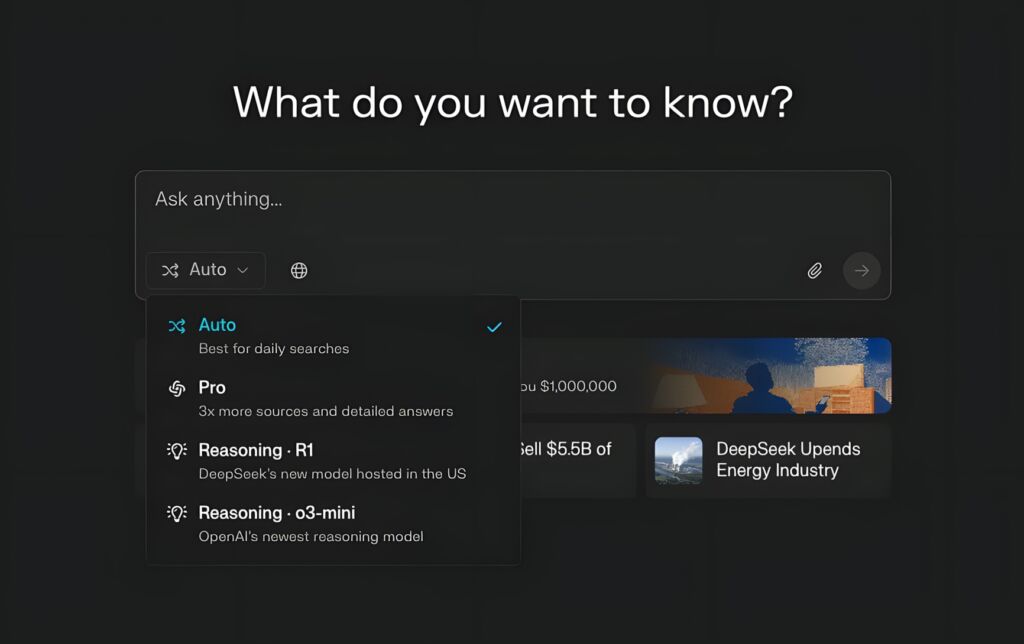
A study by the Tow Center found that eight AI-powered search engines and chatbots, including ChatGPT, Perplexity and Elon Musk’s Grok3, frequently misquote or fabricate news citations, remixing publisher content without credit and driving down traffic. Over 60% of responses contained wrong or broken links, undermining journalistic credibility.[AI generated]

Why's our monitor labelling this an incident or hazard?

The article explicitly involves AI systems (chatbots like ChatGPT, Gemini, Grok 3) that autonomously generate responses based on web searches. The study demonstrates that these AI systems produce incorrect or fabricated information in a majority of cases, which constitutes misinformation. This misinformation can mislead users, causing harm to communities by spreading false or misleading information. The AI systems' use and malfunction (hallucination, fabrication) directly lead to this harm. Hence, the event meets the criteria for an AI Incident as it involves realized harm caused by AI system outputs.[AI generated]
AI principles
AccountabilityRobustness & digital securitySafetyTransparency & explainabilityRespect of human rightsDemocracy & human autonomy

Industries
Media, social platforms, and marketingIT infrastructure and hosting

Affected stakeholders
Business

Harm types
Economic/PropertyReputationalPublic interest

Severity
AI incident

Business function:
Other

AI system task:
Content generationInteraction support/chatbotsOrganisation/recommenders


Articles about this incident or hazard

Thumbnail Image

Les IA mentent 6 fois sur 10 pour les recherches sur Internet... et...

2025-03-17
Futura
Why's our monitor labelling this an incident or hazard?
The article explicitly involves AI systems (chatbots like ChatGPT, Gemini, Grok 3) that autonomously generate responses based on web searches. The study demonstrates that these AI systems produce incorrect or fabricated information in a majority of cases, which constitutes misinformation. This misinformation can mislead users, causing harm to communities by spreading false or misleading information. The AI systems' use and malfunction (hallucination, fabrication) directly lead to this harm. Hence, the event meets the criteria for an AI Incident as it involves realized harm caused by AI system outputs.
Thumbnail Image

Les moteurs de recherche IA sont-ils une arnaque ?

2025-03-17
Le journal du net
Why's our monitor labelling this an incident or hazard?
The event involves AI systems (AI-powered search engines) whose use has directly led to significant harms: dissemination of false information (harm to communities) and violation of intellectual property rights (breach of legal protections). The article documents these harms as occurring, not merely potential, with concrete data on error rates and unethical behavior by the AI systems. Therefore, this qualifies as an AI Incident rather than a hazard or complementary information.
Thumbnail Image

ChatGPT, Perplexity, Gemini, Grok... : des résultats catastrophiques pour la fiabilité de leurs recherches sur le web

2025-03-14
Les Numériques
Why's our monitor labelling this an incident or hazard?
The article explicitly involves AI systems (AI-powered search engines and chatbots) and their use in providing citations. The harm here is indirect but clear: the dissemination of incorrect or unreliable information due to faulty citations can harm communities by spreading misinformation and undermining trust in information sources. Since the harm (incorrect citations leading to misinformation) is occurring as demonstrated by the study's findings, this qualifies as an AI Incident. The AI systems' outputs have directly led to a significant harm related to information reliability and trust, which impacts communities and the integrity of information dissemination.
Thumbnail Image

Les moteurs de recherche basés sur l'IA échouent au test de précision, avec un taux d'erreur de 60 %, atteignant même 96 % pour Grok-3, selon une étude du Tow Center for Digital Journalism

2025-03-13
Developpez.com
Why's our monitor labelling this an incident or hazard?
The article explicitly discusses AI systems (large language models powering AI search engines) whose use has directly led to significant misinformation and inaccuracies in search results. This misinformation harms communities by spreading false or misleading information and undermines trust in media sources, which aligns with harm to communities and violations of rights under the OECD framework. The harm is realized, not merely potential, as the study documents actual error rates and misleading outputs. Hence, the event is an AI Incident rather than a hazard or complementary information.
Thumbnail Image

Même les outils d'IA les plus performants déforment les informations et fabriquent des liens - voici les pires - ZDNET

2025-03-13
ZDNet
Why's our monitor labelling this an incident or hazard?
The event involves AI systems (chatbots) that generate news summaries and citations. The study demonstrates that these AI systems systematically produce incorrect information and fabricated URLs with high confidence, misleading users. This misinformation can harm communities by spreading false information and violates the rights of news publishers by misrepresenting their content and harming their reputation. The harm is realized and directly linked to the AI systems' malfunction and use. Hence, the event meets the criteria for an AI Incident rather than a hazard or complementary information.
Thumbnail Image

Les outils de recherche en ligne basés sur l'IA générative sont nuls pour citer l'actu - Next

2025-03-13
Next
Why's our monitor labelling this an incident or hazard?
The event involves the use of AI systems (generative AI-based search tools) whose outputs have been empirically shown to be frequently incorrect in citing sources. While this does not describe a direct physical harm or legal violation, the widespread dissemination of incorrect information and misattribution can harm communities by undermining trust in information and potentially spreading misinformation. However, the article does not report a specific incident of harm occurring but rather documents the prevalence of inaccuracies and reliability issues. Therefore, this situation represents a credible risk of harm due to the AI systems' malfunction or limitations in their use, making it an AI Hazard rather than an AI Incident. It is not merely complementary information because the core focus is on the AI systems' performance and its implications for reliability and potential misinformation, not on responses or governance measures.
Thumbnail Image

Une étude révèle que la recherche par IA serait truffée d'erreurs

2025-03-14
L'Éclaireur Fnac
Why's our monitor labelling this an incident or hazard?
The event involves AI systems (various chatbots using large language models) whose use in online search has led to the dissemination of incorrect information with high confidence. This misinformation can harm users by providing unreliable knowledge, which is a form of harm to communities and individuals relying on accurate information. Additionally, the unauthorized extraction of content from websites without consent may implicate intellectual property rights violations. Since the harm (misinformation and potential rights violations) is occurring due to the AI systems' outputs and behavior, this qualifies as an AI Incident under the framework. The article does not merely warn about potential future harm but documents realized issues based on the study's findings.
Thumbnail Image

Study Finds That AI Search Engines Are Wrong an Astounding Proportion of the Time

2025-03-15
Yahoo
Why's our monitor labelling this an incident or hazard?
The event involves AI systems (large language models used in AI search engines) whose use has directly led to significant harms: widespread dissemination of incorrect information (harm to communities) and denial of traffic to original publishers (potential violation of intellectual property rights). The study quantifies these harms, showing a high error rate and poor source citation, which are direct consequences of the AI systems' outputs. Therefore, this qualifies as an AI Incident under the framework because the AI systems' use has directly led to harm.
Thumbnail Image

Study: AI Search Engines Cite Incorrect Sources at a 60% Rate

2025-03-15
Breitbart
Why's our monitor labelling this an incident or hazard?
The AI systems involved are generative AI search engines that produce outputs influencing users' understanding of news sources. The study documents a high error rate (60%) in citing correct sources, including fabricated URLs and ignoring publisher restrictions. This misinformation constitutes harm to communities by spreading inaccurate information and undermining trust in news media. Since the harm is occurring through the AI systems' outputs and affects users and publishers, this qualifies as an AI Incident under the framework, specifically harm to communities and violation of intellectual property rights through unauthorized content reuse and misattribution.
Thumbnail Image

AI search tools are confidently wrong a lot of the time, study finds

2025-03-15
Mashable
Why's our monitor labelling this an incident or hazard?
The event involves AI systems (AI search tools) whose use has directly led to the dissemination of incorrect and fabricated information. This misinformation can harm communities by spreading falsehoods and eroding trust in information sources. Although no physical harm is reported, the harm to communities through misinformation is a recognized form of AI harm under the framework. Therefore, this qualifies as an AI Incident due to realized harm caused by the AI systems' outputs.
Thumbnail Image

If You Use AI Search at Work, Be Careful: A New Study Finds It Lies

2025-03-14
Inc.
Why's our monitor labelling this an incident or hazard?
The article explicitly involves AI systems (AI search tools like ChatGPT, Perplexity, etc.) and highlights their significant inaccuracies in providing information. The inaccuracies have already occurred and can cause harm by misleading workers who depend on these tools, which constitutes harm to communities or individuals through misinformation. Therefore, this qualifies as an AI Incident because the AI systems' use has directly led to a significant harm (misinformation) that affects users relying on them in professional contexts.
Thumbnail Image

New study finds that AI search tools are 60 percent inaccurate on average

2025-03-11
TechSpot
Why's our monitor labelling this an incident or hazard?
The article discusses the accuracy performance of AI search tools and their tendency to produce confidently wrong answers, which is a recognized problem in AI systems. While this issue could plausibly lead to harms such as misinformation or erosion of trust, the article does not document any realized harm or specific incident resulting from these inaccuracies. It is primarily a research finding and commentary on AI system behavior and transparency, without reporting a concrete AI Incident or imminent AI Hazard. Therefore, it fits best as Complementary Information, providing important context and understanding about AI system limitations and their societal implications.
Thumbnail Image

Generative search tools are great a linking to articles... that don't exist!

2025-03-15
Android Headlines
Why's our monitor labelling this an incident or hazard?
The article explicitly involves AI systems (generative AI search engines) and discusses their malfunction or poor performance (hallucinated and missing links). The harms described include economic harm to journalists and misinformation risks to users, which fall under harm to communities and economic harm. However, the article does not describe a specific event or incident where harm has directly or indirectly occurred as a discrete event; rather, it provides a broad overview and critique of ongoing issues with AI search tools and their societal impact. This aligns with the definition of Complementary Information, as it enhances understanding of AI impacts and responses without reporting a new AI Incident or AI Hazard.
Thumbnail Image

How often do AI search engines cite incorrect sources?

2025-03-14
Government Technology
Why's our monitor labelling this an incident or hazard?
The article discusses a research study assessing the accuracy of AI search engines in citing sources, showing significant error rates. However, it does not report any realized harm or incident caused by these errors, nor does it indicate a specific event where harm occurred or was narrowly avoided. The potential for harm exists if users rely on incorrect citations, but this is not demonstrated as having happened. Thus, the article provides supporting information about AI system performance and reliability, fitting the definition of Complementary Information rather than an AI Incident or AI Hazard.
Thumbnail Image

AI search engines plagued by inaccuracy

2025-03-13
Computing
Why's our monitor labelling this an incident or hazard?
The article explicitly involves AI systems (AI search engines and chatbots based on large language models) whose use has directly led to harm in the form of misinformation and inaccuracies affecting users' understanding and knowledge. This constitutes harm to communities and individuals relying on these AI systems for information. Therefore, this qualifies as an AI Incident due to the realized harm caused by the AI systems' outputs.
Thumbnail Image

Your favorite AI chatbot might not be telling the truth

2025-03-11
Digital Trends
Why's our monitor labelling this an incident or hazard?
The event involves AI systems (generative chatbots) whose use has directly led to harm by providing incorrect and fabricated information confidently, misleading users. This misinformation can harm communities by spreading false narratives and eroding trust in information sources. The study's findings demonstrate realized harm rather than just potential risk, fulfilling the criteria for an AI Incident under the framework. The article does not merely discuss potential future harm or responses but documents actual inaccuracies causing harm, thus it is not a hazard or complementary information.
Thumbnail Image

Don't Trust AI Search Engines-Study Finds They're "Confidently Wrong" Up to 76% of the Time

2025-03-12
The How-To Geek
Why's our monitor labelling this an incident or hazard?
The event involves AI systems (AI search engines/chatbots) whose use in retrieving and citing information is tested. While the study reveals a high rate of confidently wrong answers, indicating a risk of misinformation, the article does not report any actual harm or incident resulting from these inaccuracies. The focus is on the potential for harm (misinformation) rather than a realized harm event. Therefore, this qualifies as an AI Hazard, as the AI systems' malfunction or limitations could plausibly lead to harm (misinformation and its consequences) but no direct harm is documented in the article.
Thumbnail Image

AI Search Engines Invent Sources for ~60% of Queries, Study Finds

2025-03-14
Gizmodo
Why's our monitor labelling this an incident or hazard?
The article explicitly discusses AI systems (search engines and chatbots using retrieval-augmented generation) producing fabricated or incorrect information in about 60% of queries. This misinformation is disseminated to users, causing harm to communities by spreading false narratives and undermining trust in legitimate news sources. The harm is realized, not just potential, as users rely on these AI-generated answers. Hence, the event meets the criteria for an AI Incident involving harm to communities through misinformation caused by AI system outputs.
Thumbnail Image

Even premium AI tools distort the news and fabricate links - these are the worst

2025-03-12
ZDNet
Why's our monitor labelling this an incident or hazard?
The article explicitly involves AI systems (chatbots) that generate news-related content and citations. The research shows these AI systems have directly caused harm by producing false or misleading information and fabricated links, which is a form of harm to communities and a violation of informational integrity. The harm is realized and ongoing, not merely potential. Hence, the event meets the criteria for an AI Incident rather than a hazard or complementary information.
Thumbnail Image

Chatbots are distorting news - even for paid users

2025-03-13
ZDNet
Why's our monitor labelling this an incident or hazard?
The event involves AI systems (chatbots) whose use has directly led to the dissemination of misinformation and fabricated content, which harms communities by distorting news and potentially violates intellectual property rights of publishers. The harm is realized and ongoing, not merely potential. Therefore, this qualifies as an AI Incident under the framework, as the AI systems' use has directly caused harm to communities and rights.
Thumbnail Image

AI search engines give incorrect answers at an alarming 60% rate, study says

2025-03-13
Ars Technica
Why's our monitor labelling this an incident or hazard?
The article explicitly involves AI systems—generative AI models used for news search—and documents their use leading to a high rate of incorrect answers and fabricated citations. This misinformation can harm users' understanding and trust, which is a form of harm to communities. The AI systems' behavior of providing plausible but false information directly contributes to this harm. Hence, the event meets the criteria for an AI Incident as the AI systems' use has directly led to significant harm through misinformation dissemination.
Thumbnail Image

AI search engines often make up citations and answers: Study

2025-03-11
Search Engine Land
Why's our monitor labelling this an incident or hazard?
The event involves AI systems (AI search engines and chatbots) whose use has directly led to the dissemination of incorrect information and fabricated citations, which constitutes harm to communities by spreading misinformation and undermining trust in information sources. The study documents realized harm rather than just potential risk, so this qualifies as an AI Incident under the framework, specifically harm to communities through misinformation and misleading attributions.
Thumbnail Image

Musk's Grok3 '94% Inaccurate': Here's How Other AI Chatbots Fare Against Truth

2025-03-13
eWEEK
Why's our monitor labelling this an incident or hazard?
The event involves AI systems (AI-powered chatbots and search engines) whose use has directly led to the spread of misinformation due to inaccurate citations and hallucinated content. This misinformation constitutes harm to communities by undermining truthful information and potentially influencing public understanding negatively. The AI systems' outputs are the pivotal factor causing this harm. Therefore, this qualifies as an AI Incident under the framework, as the harm is realized and directly linked to the AI systems' use.
Thumbnail Image

AI Search Engines Fail To Credit News Publishers Properly, Report Finds - TechRound

2025-03-12
TechRound
Why's our monitor labelling this an incident or hazard?
The article explicitly discusses AI-driven search tools (AI systems) that generate chat-like responses by remixing news content. The inaccuracies and failure to credit sources have directly led to harm: misinformation harms the public's trust in news (harm to communities) and reduces traffic to publishers, impacting their economic model (harm to property). Therefore, this is an AI Incident because the AI systems' use has directly led to realized harms as defined in the framework.
Thumbnail Image

AI chatbots can't be trusted, proves study, but Apple made a good choice

2025-03-11
9to5Mac
Why's our monitor labelling this an incident or hazard?
The event involves AI systems (large language models/chatbots) and their use, specifically their failure to reliably provide accurate factual information. This failure leads to misinformation or incorrect information being presented to users, which can be considered harm to communities or individuals relying on accurate information. Since the harm (misinformation) is occurring as a direct result of the AI systems' outputs, this qualifies as an AI Incident under the framework. The article does not describe potential future harm but documents realized harm through incorrect information dissemination. Therefore, the classification is AI Incident.