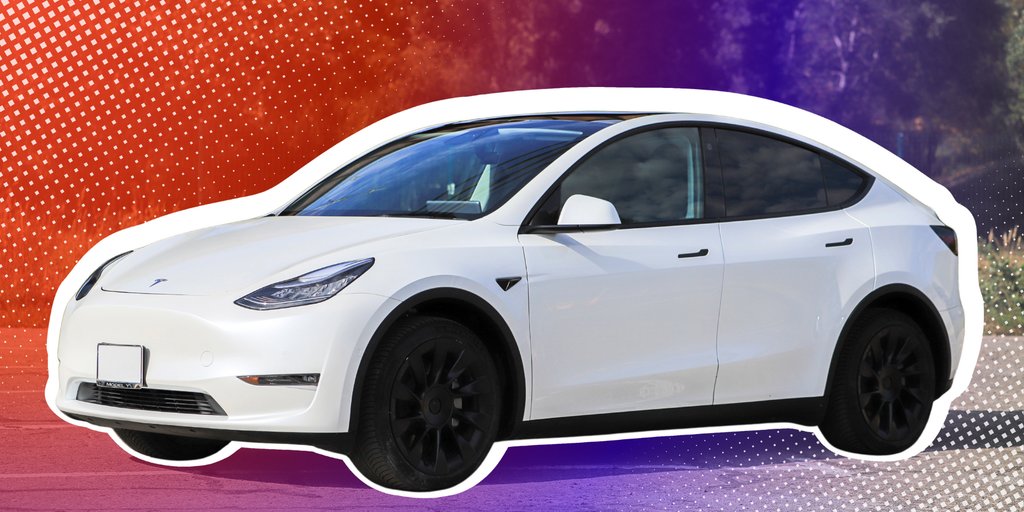
Tesla Autopilot Vulnerability Exposed in Demonstration Tests

Thumbnail Image

The information displayed in the AIM should not be reported as representing the official views of the OECD or of its member countries.

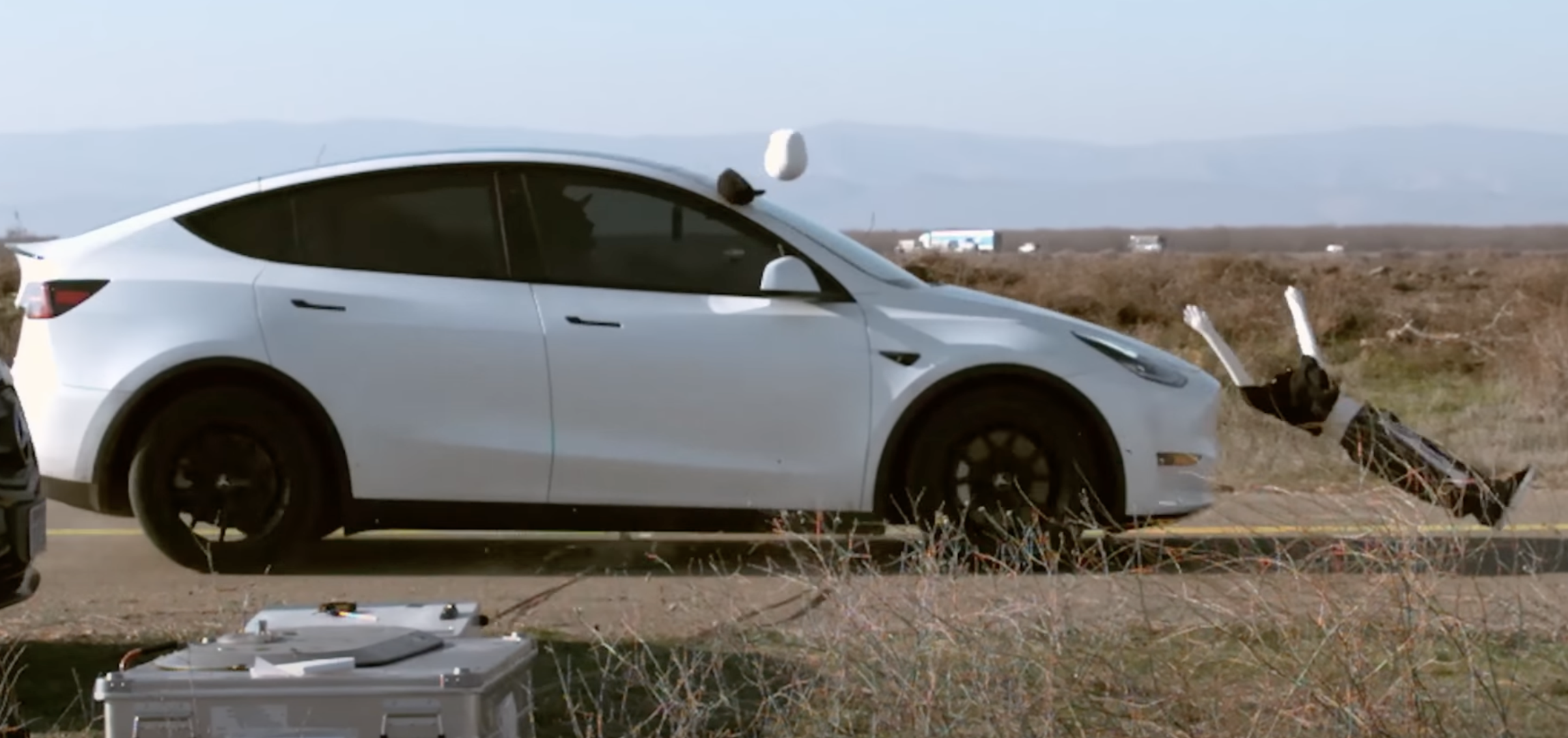
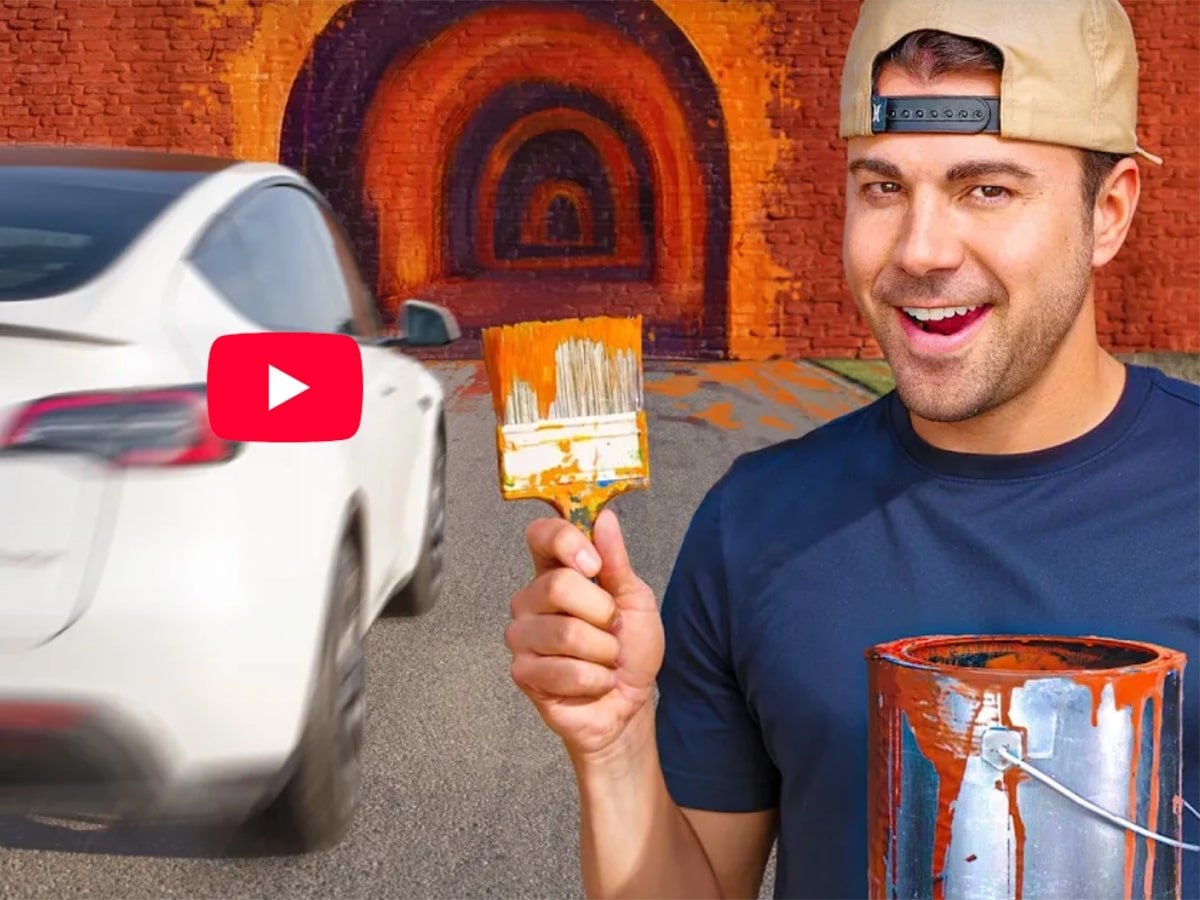
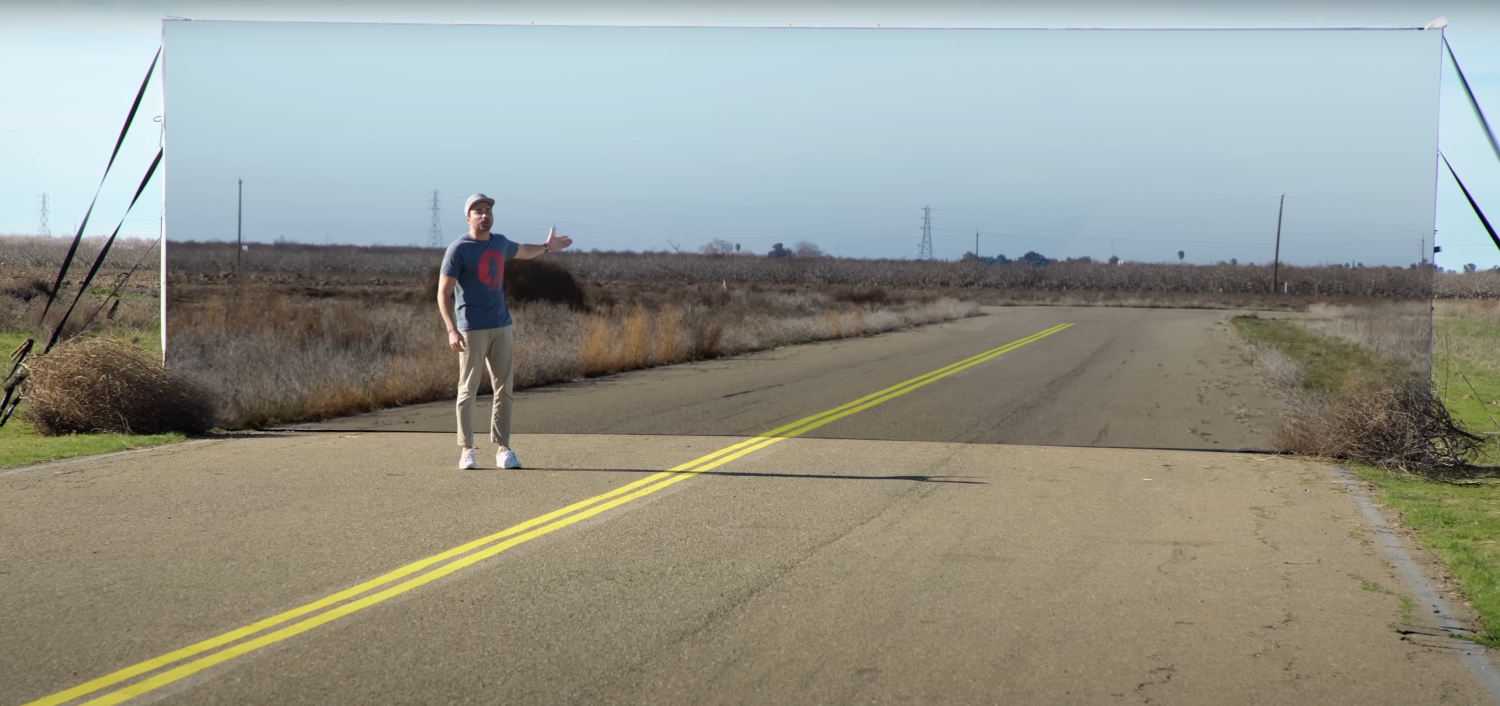
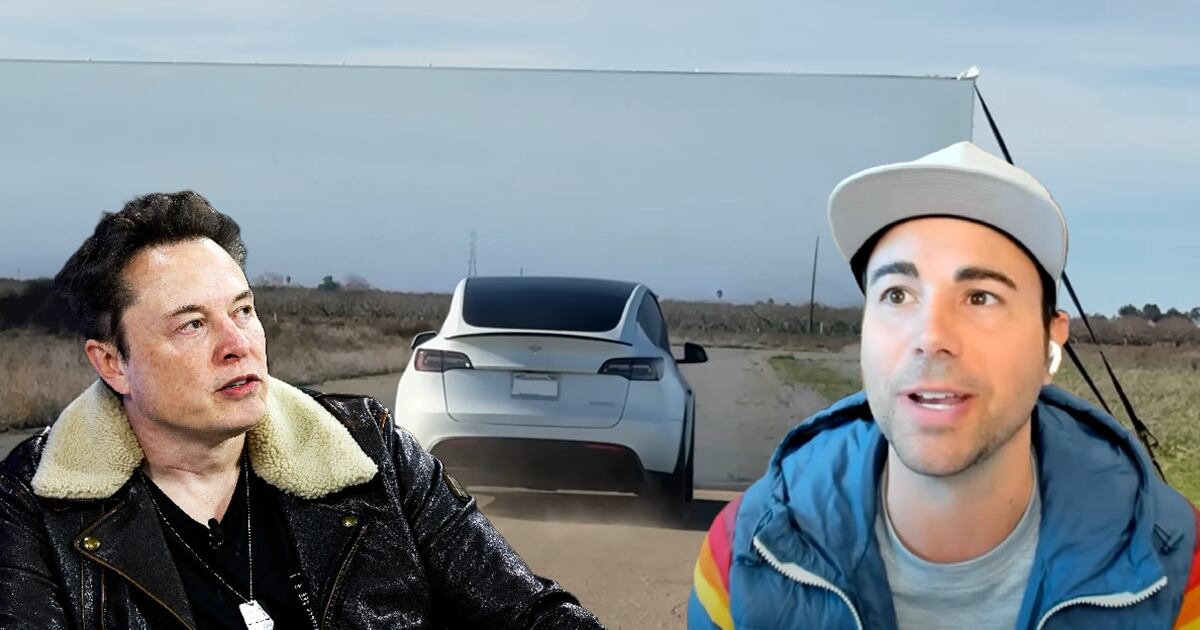
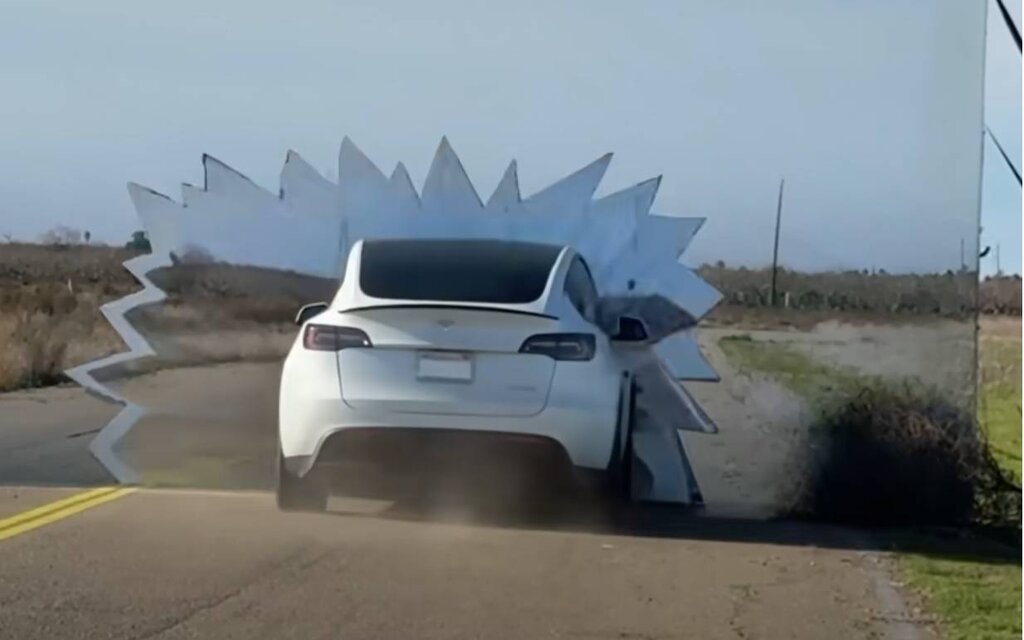
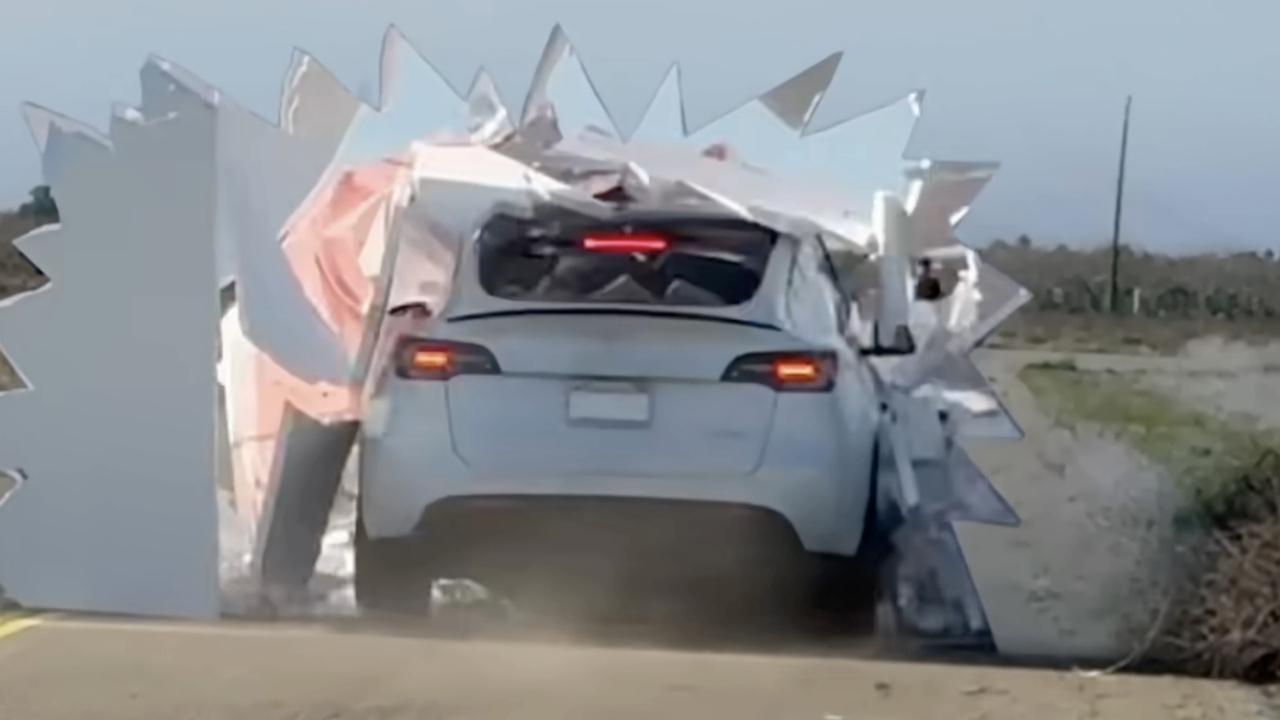
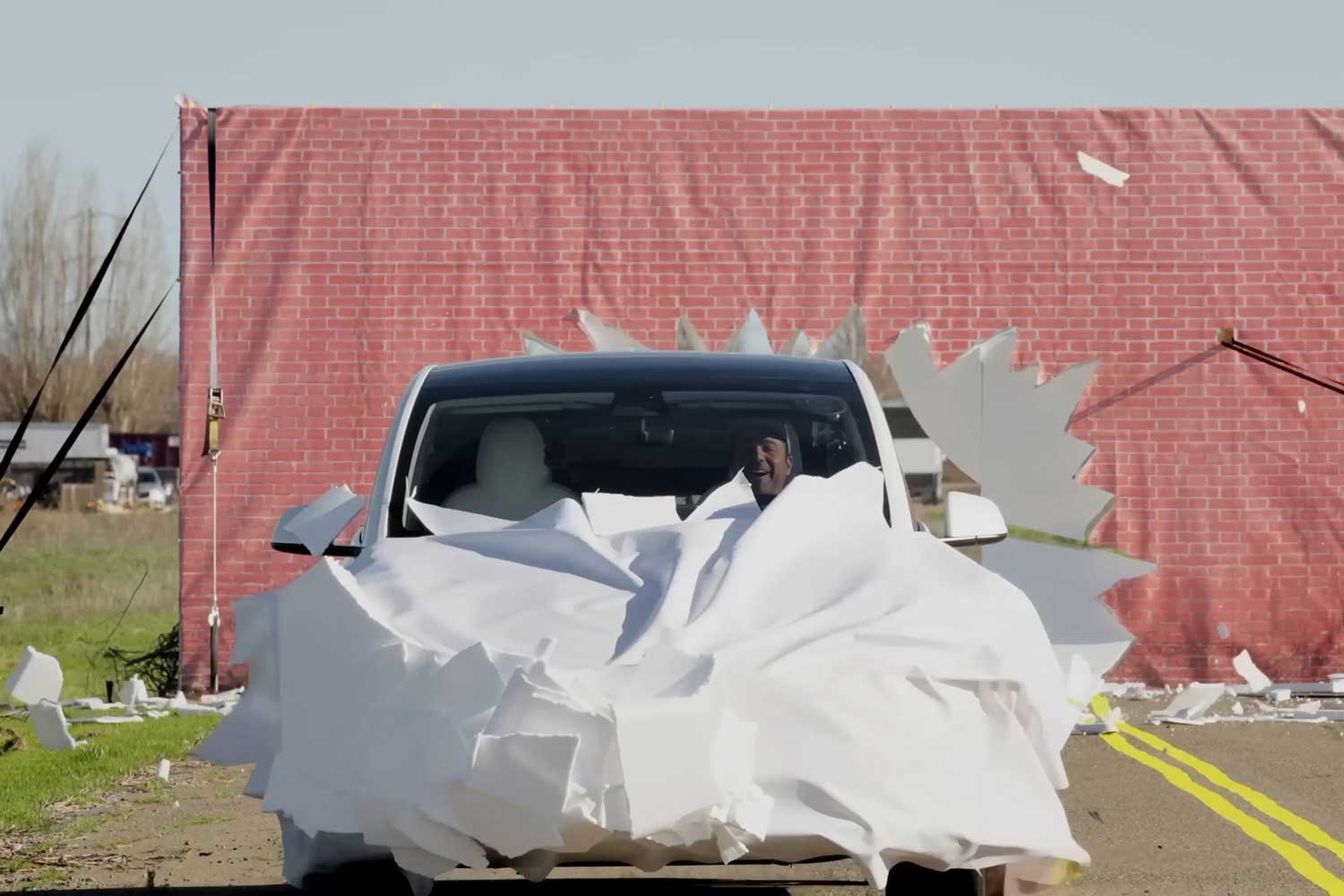
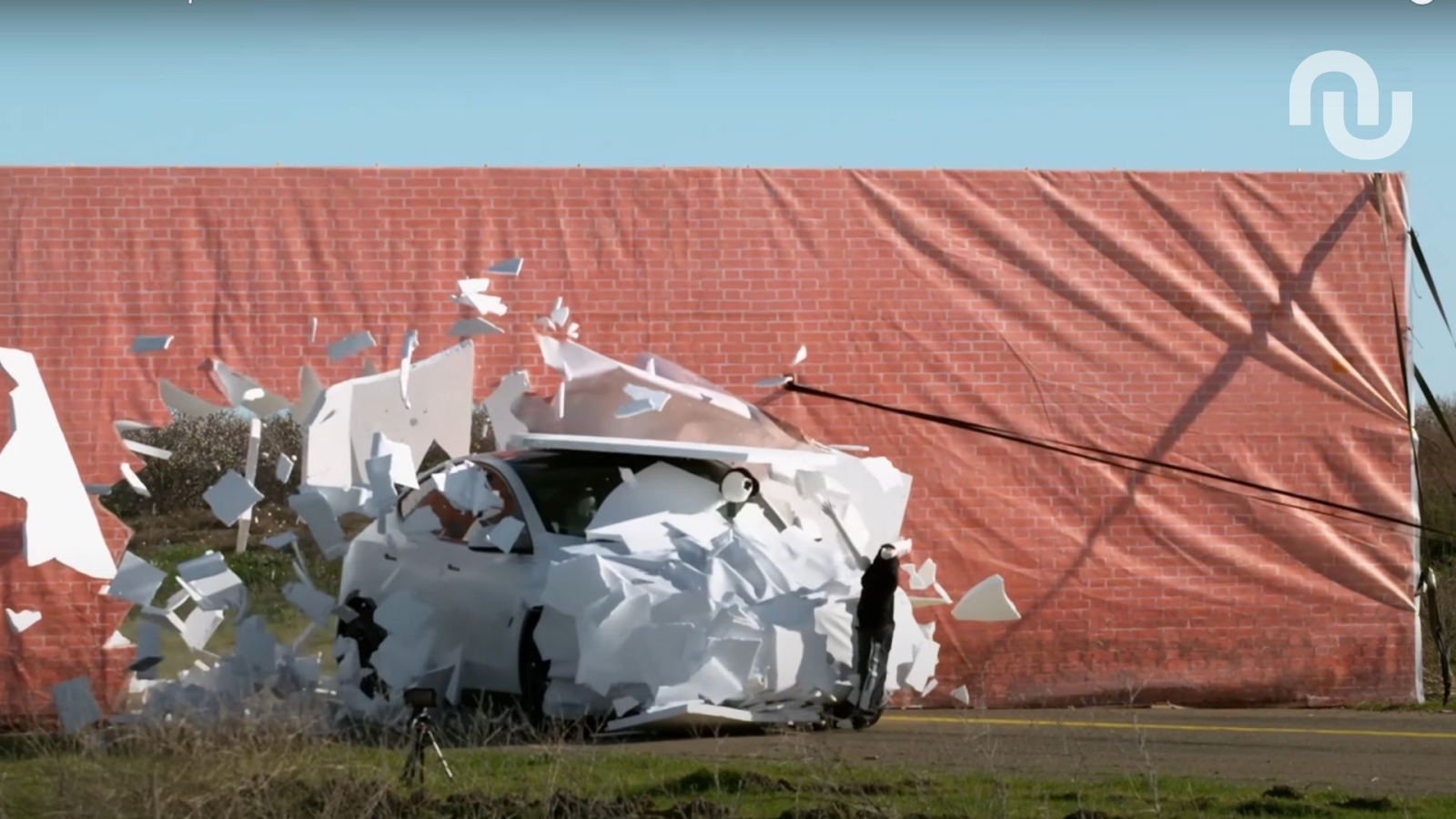
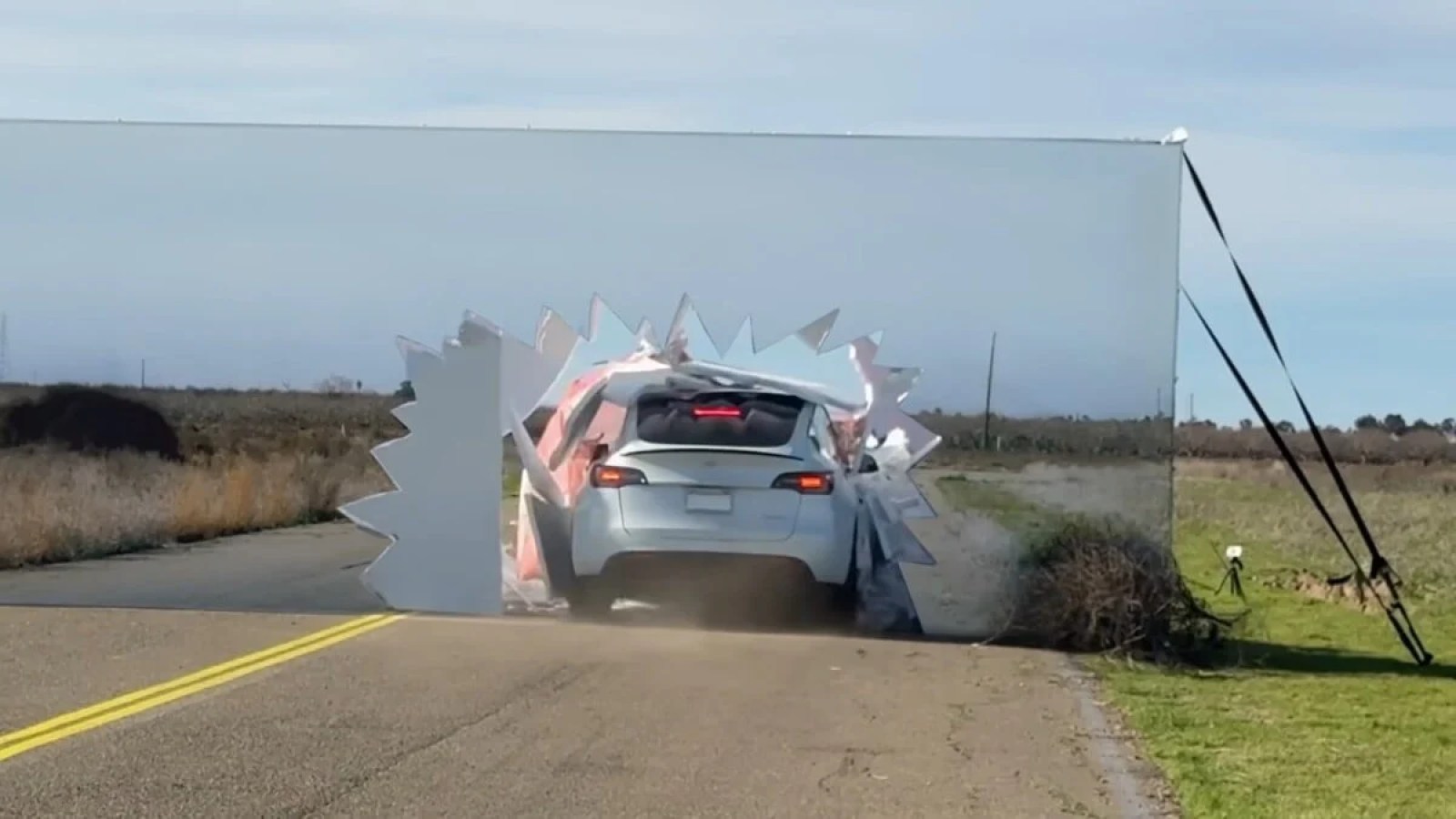
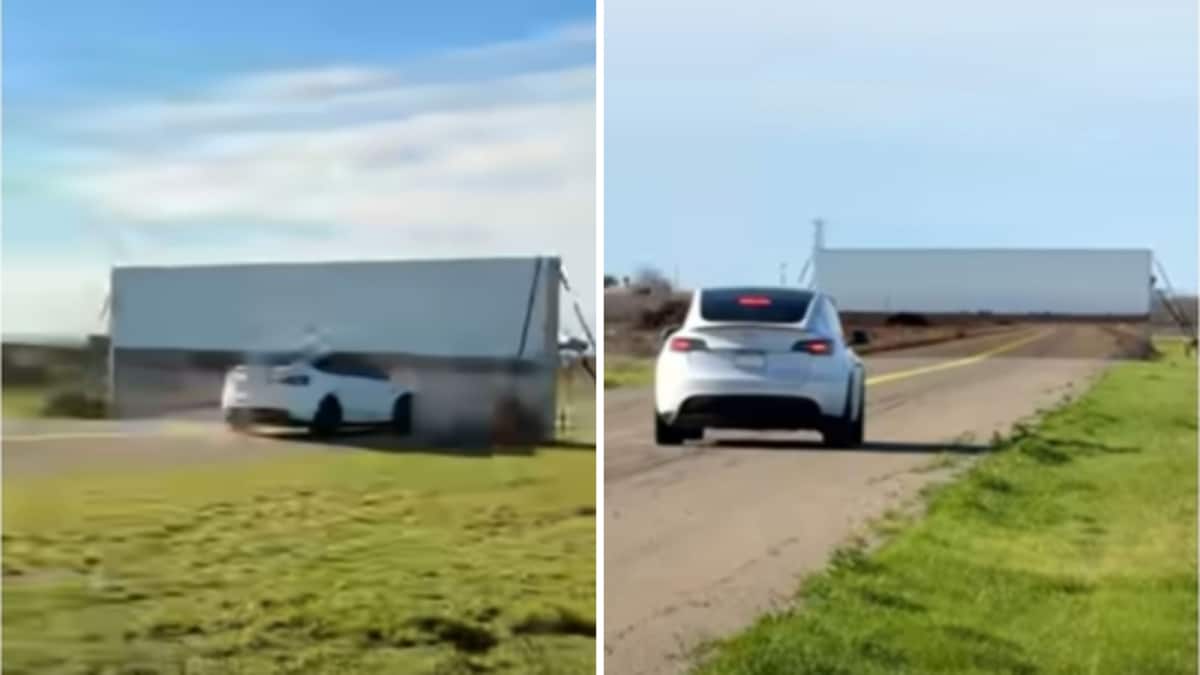
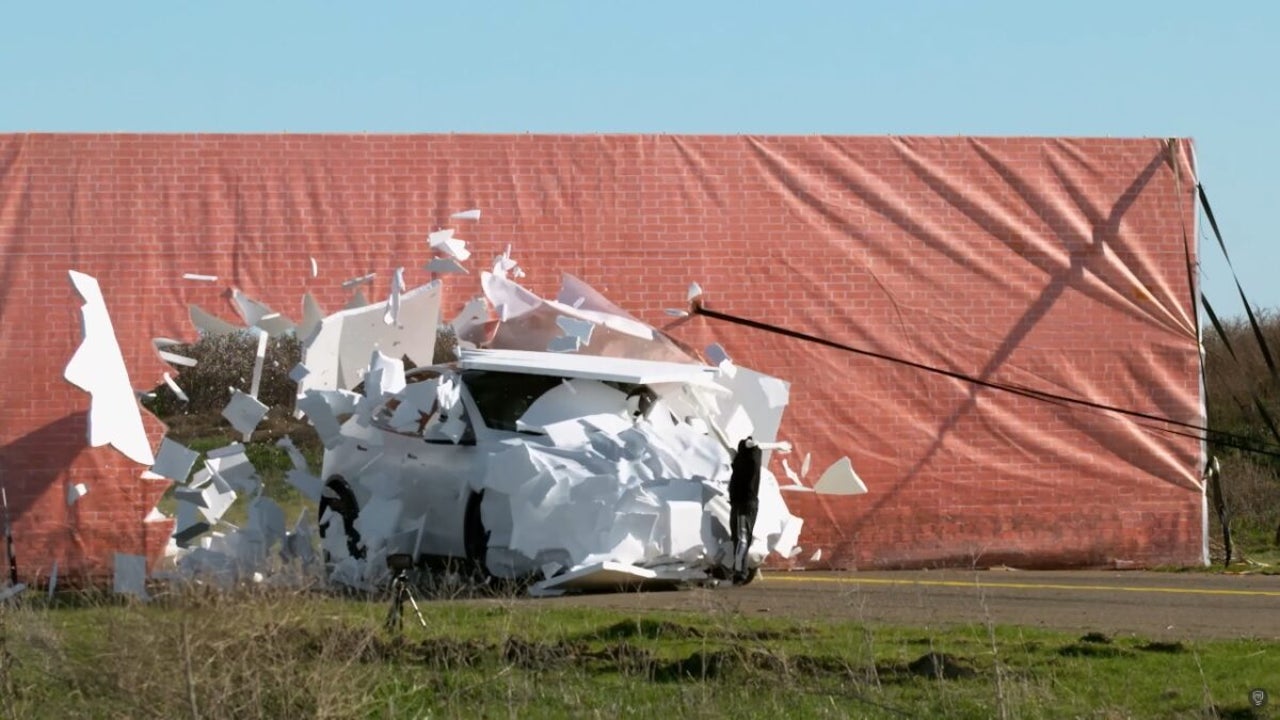
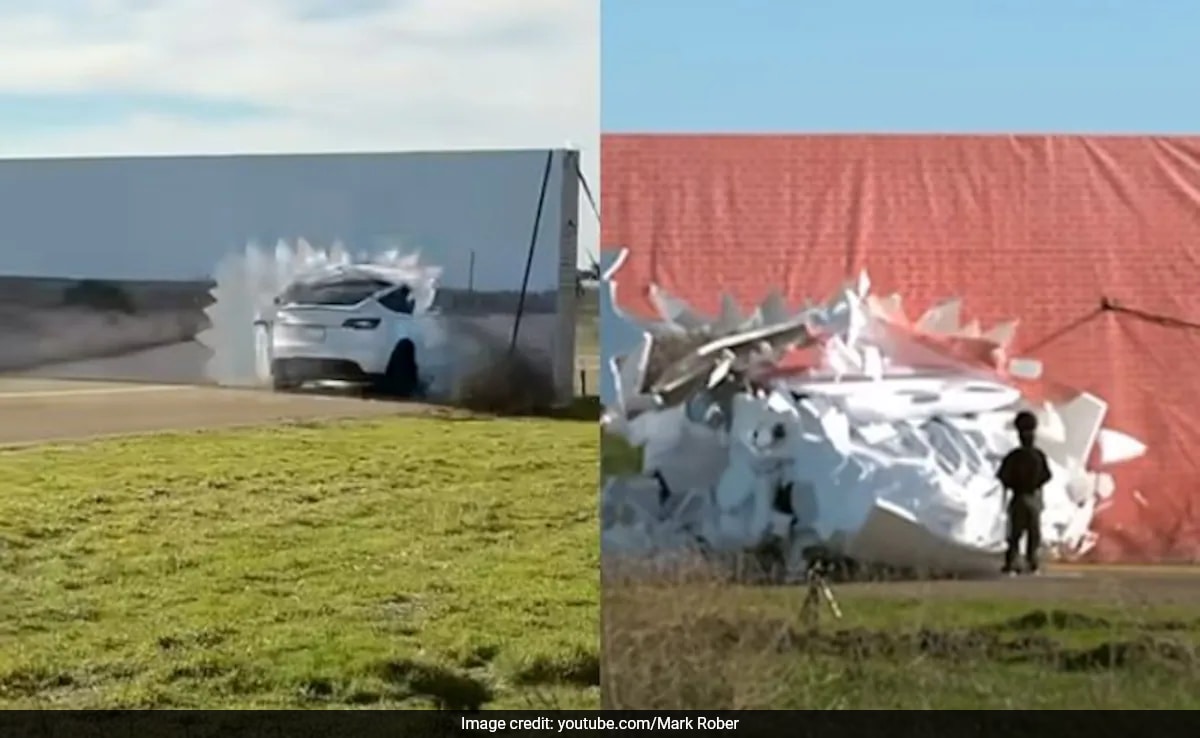
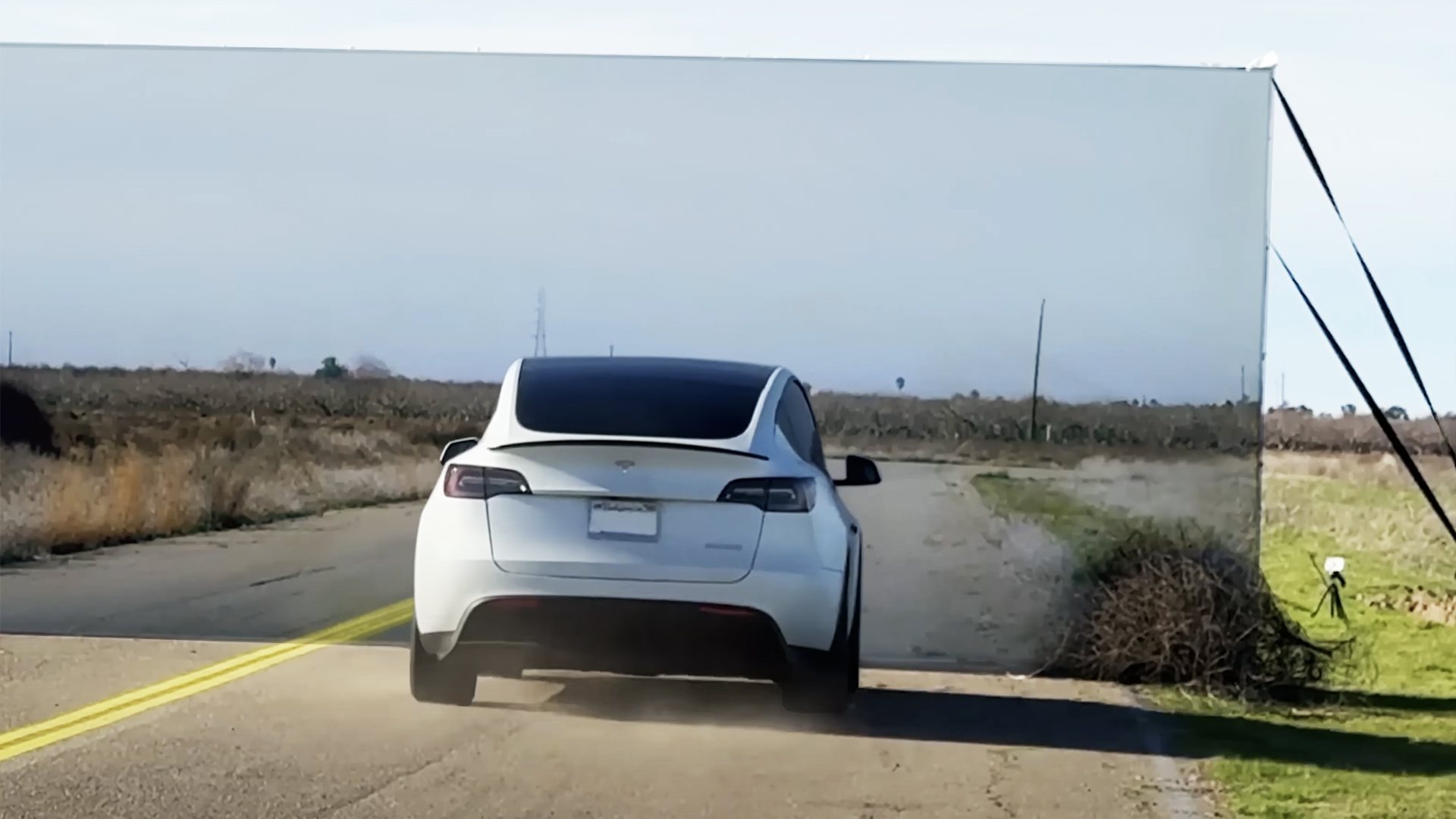
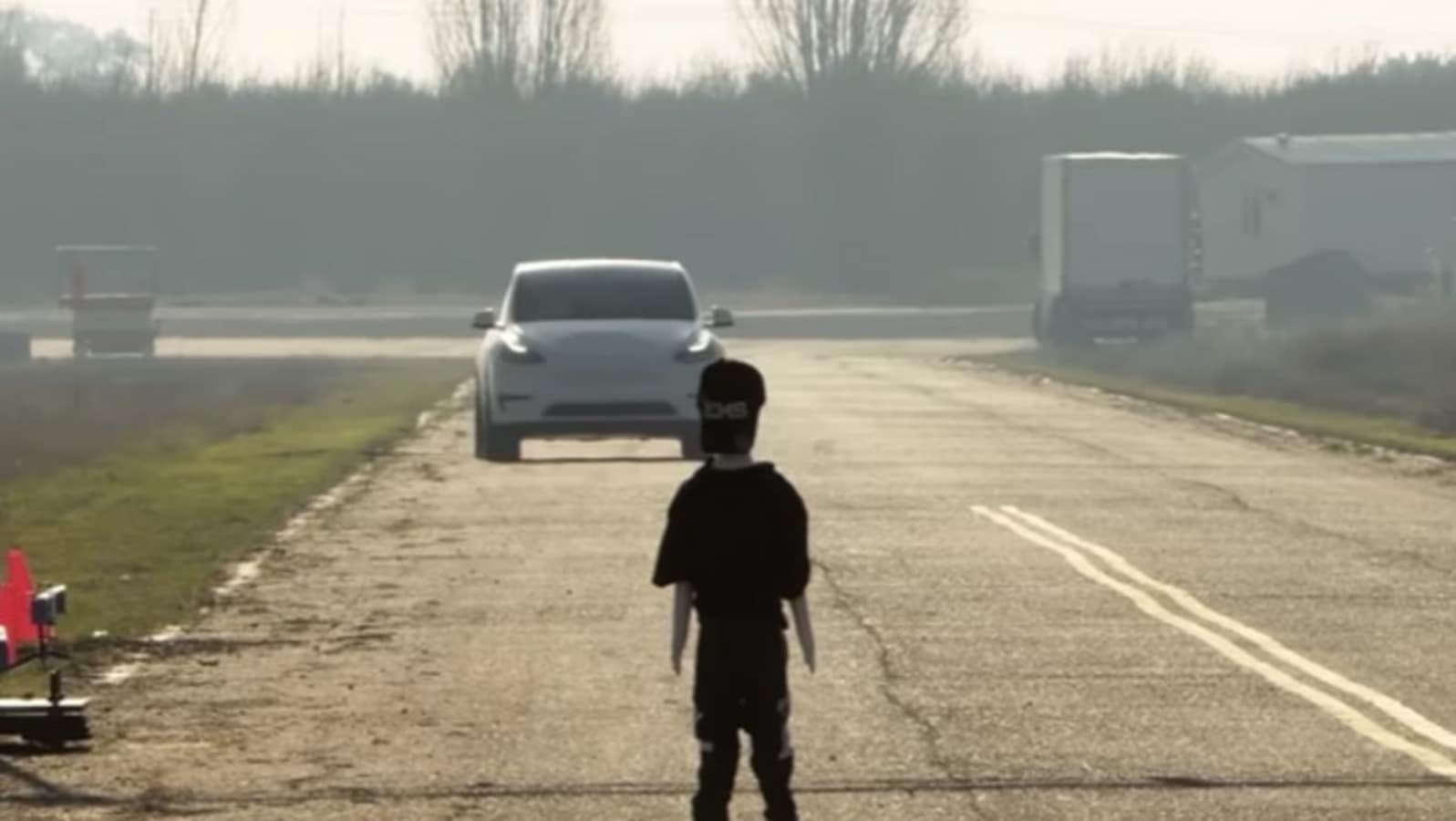
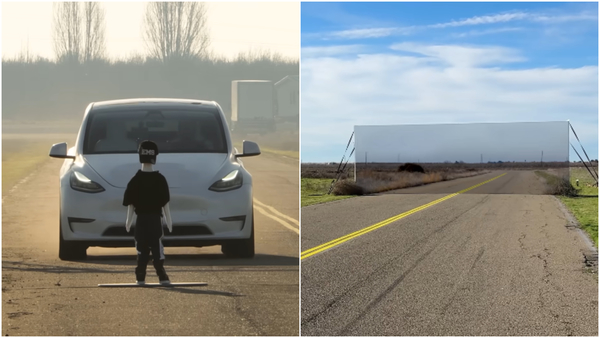
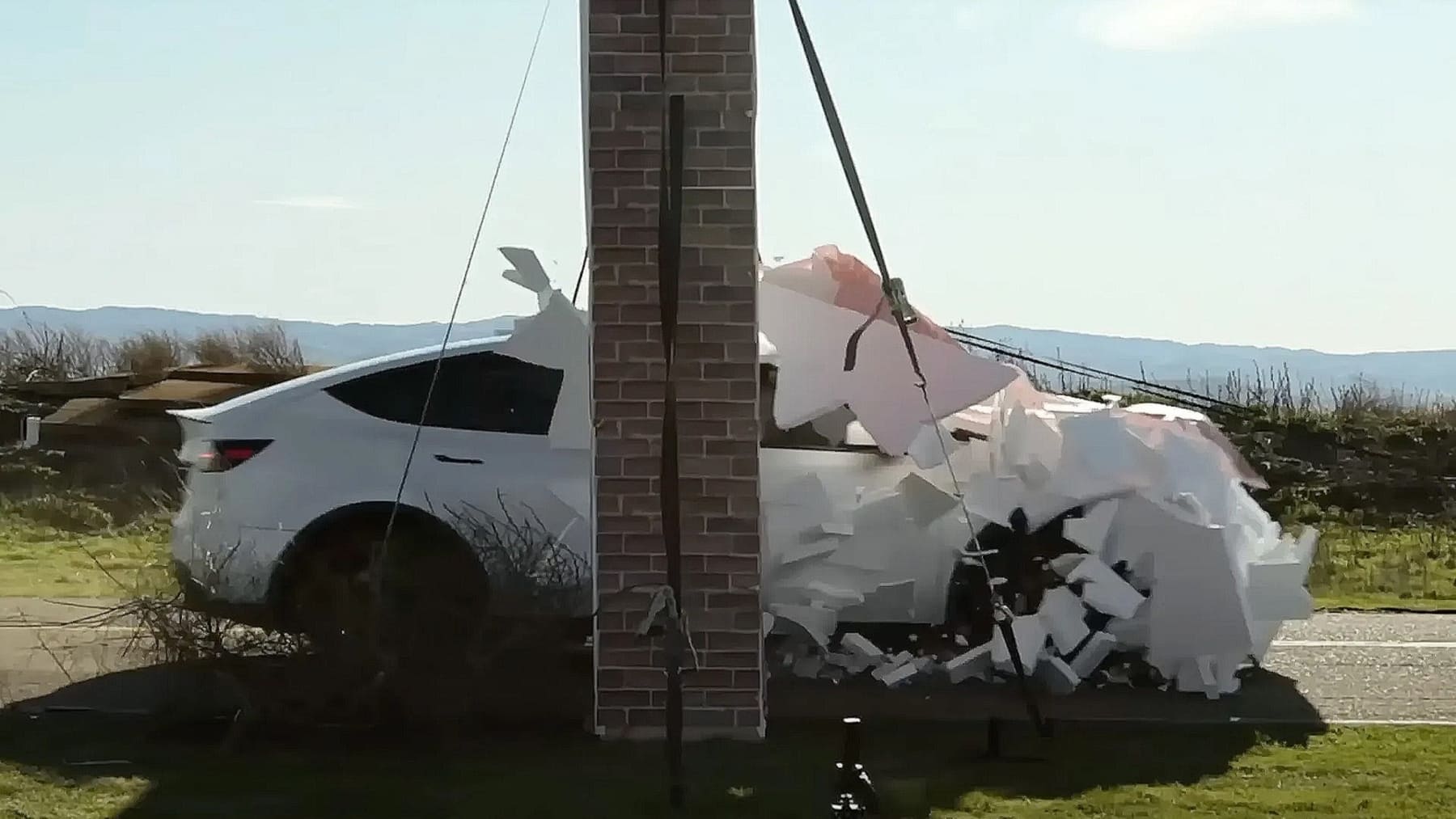
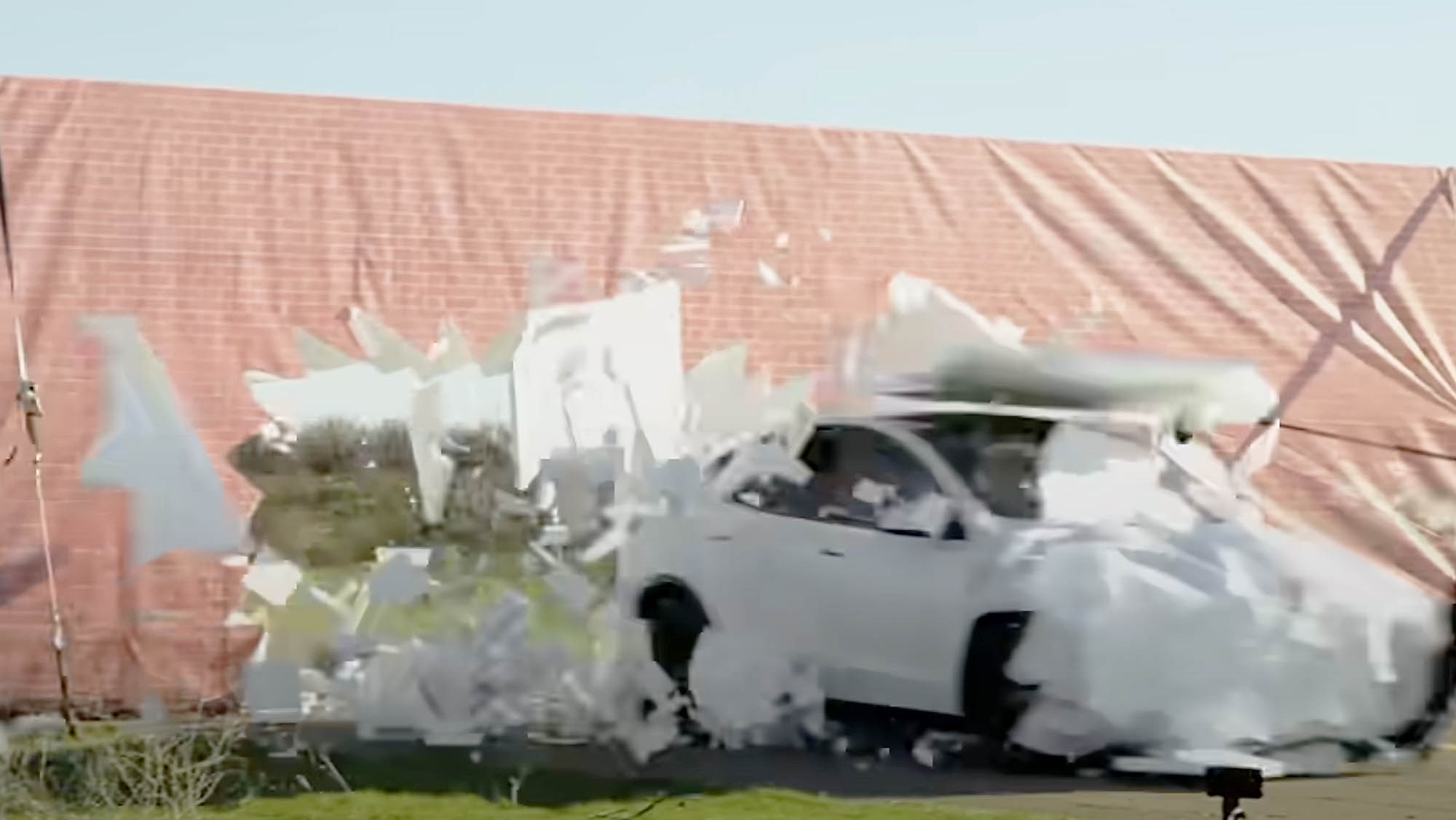
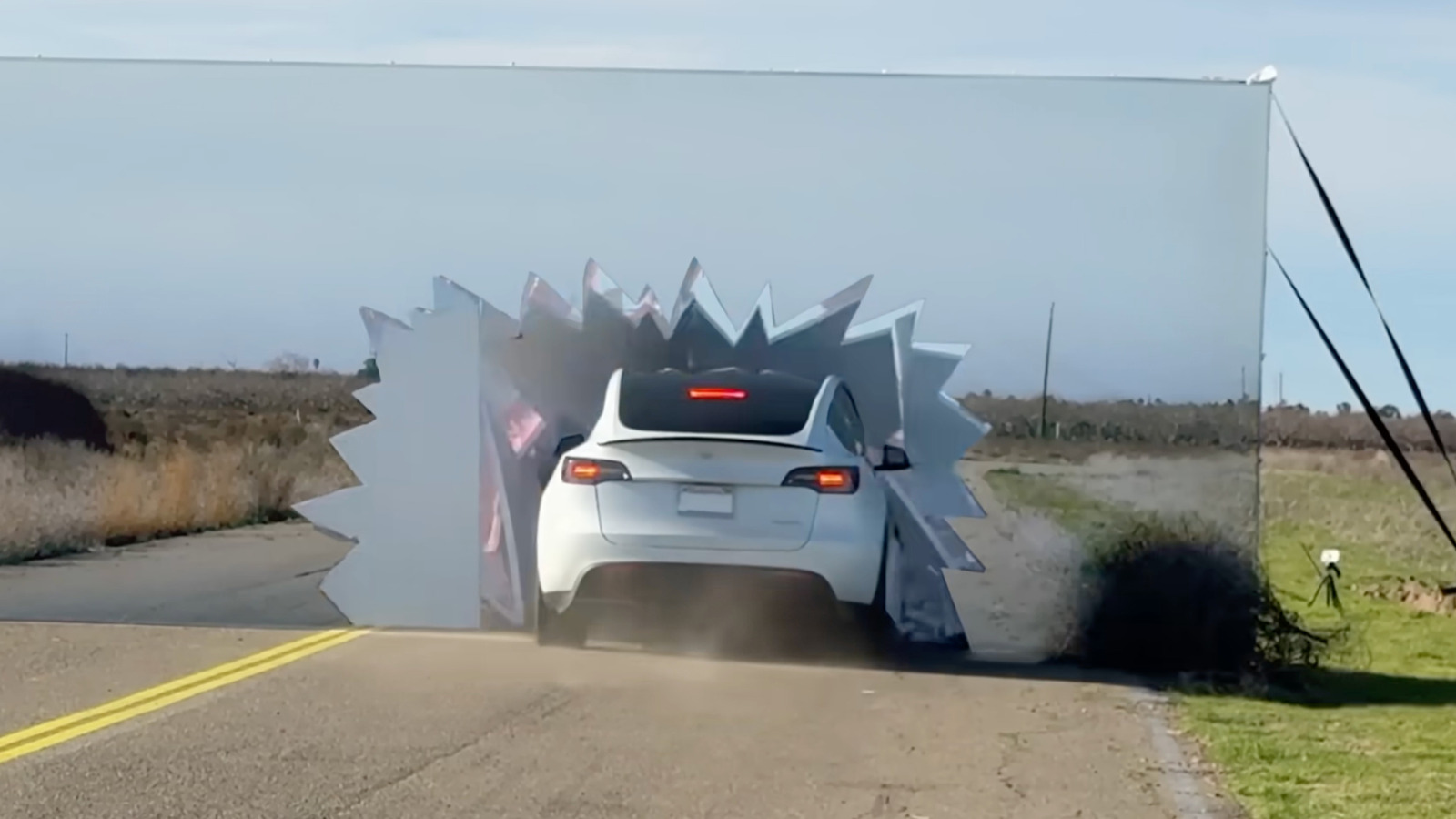
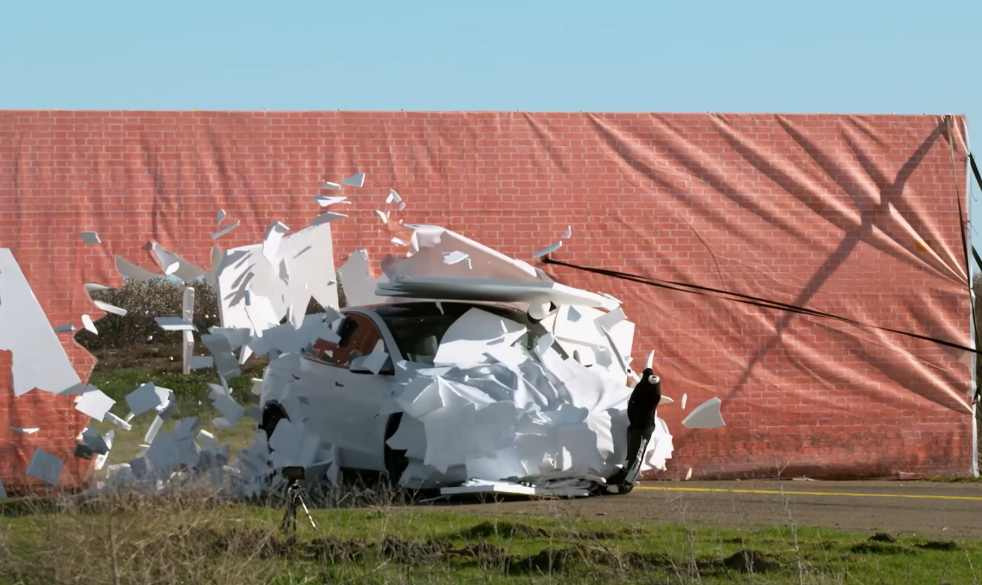
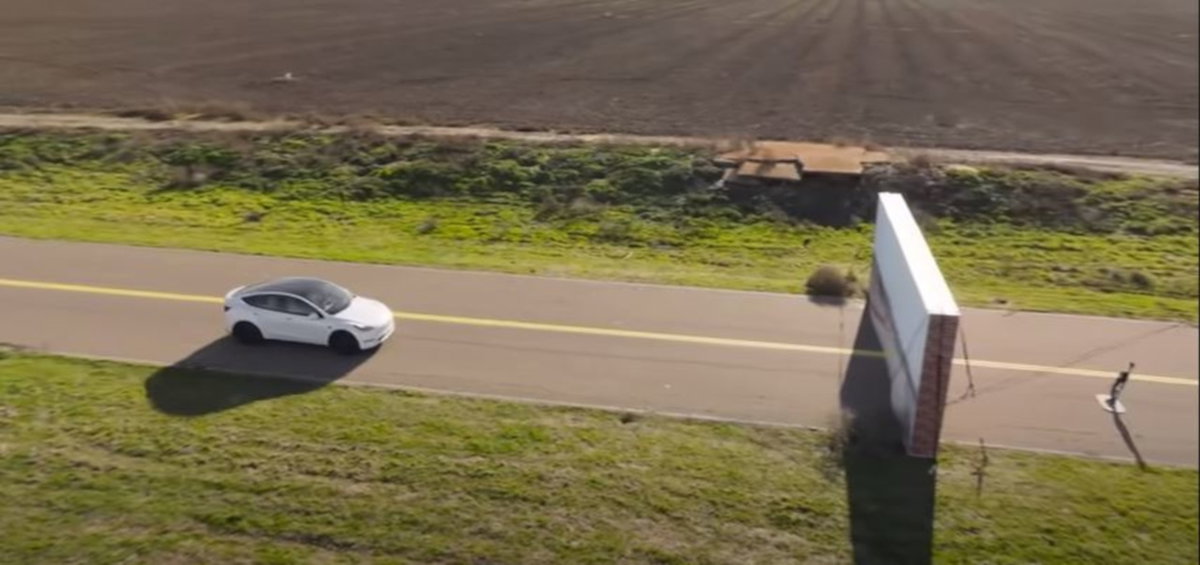
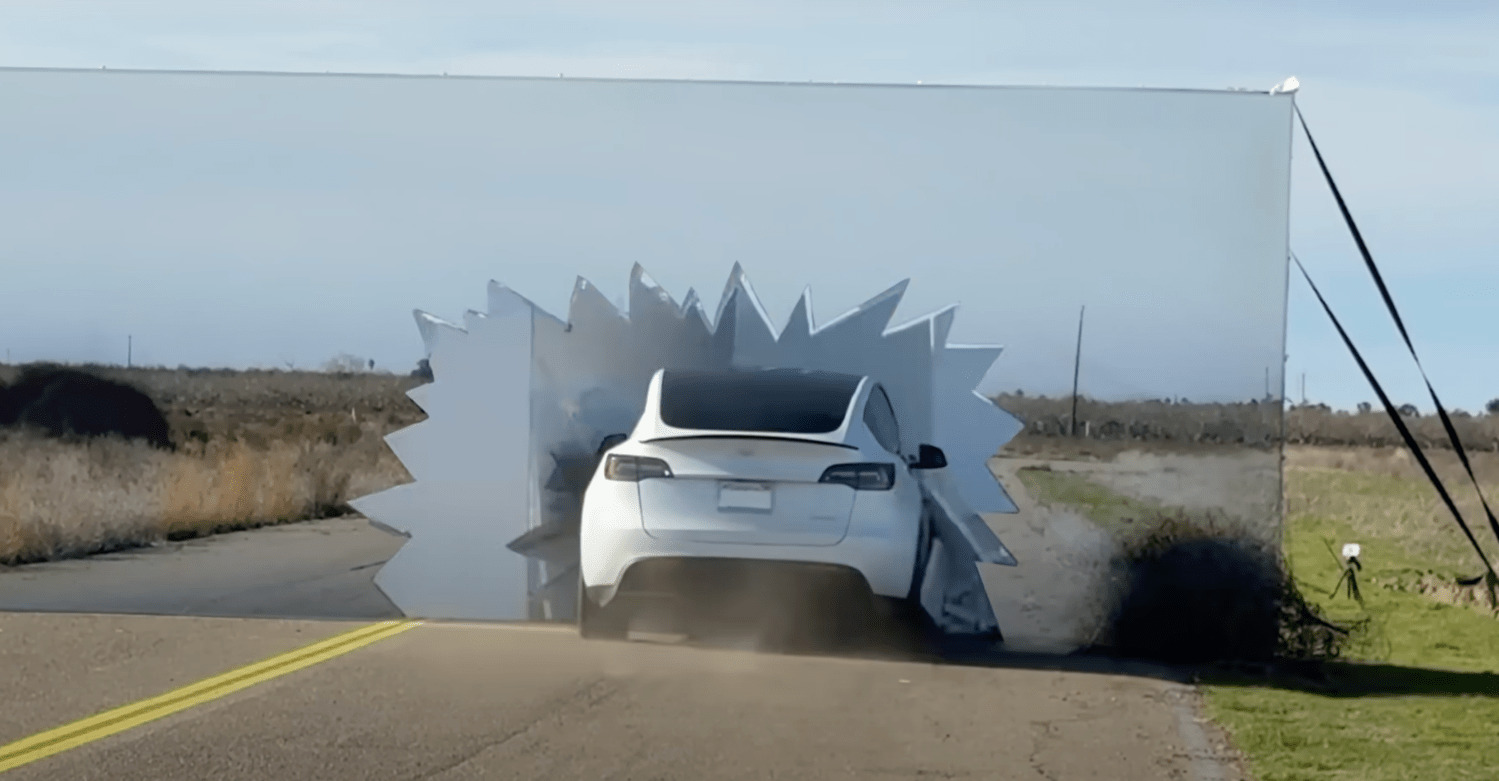
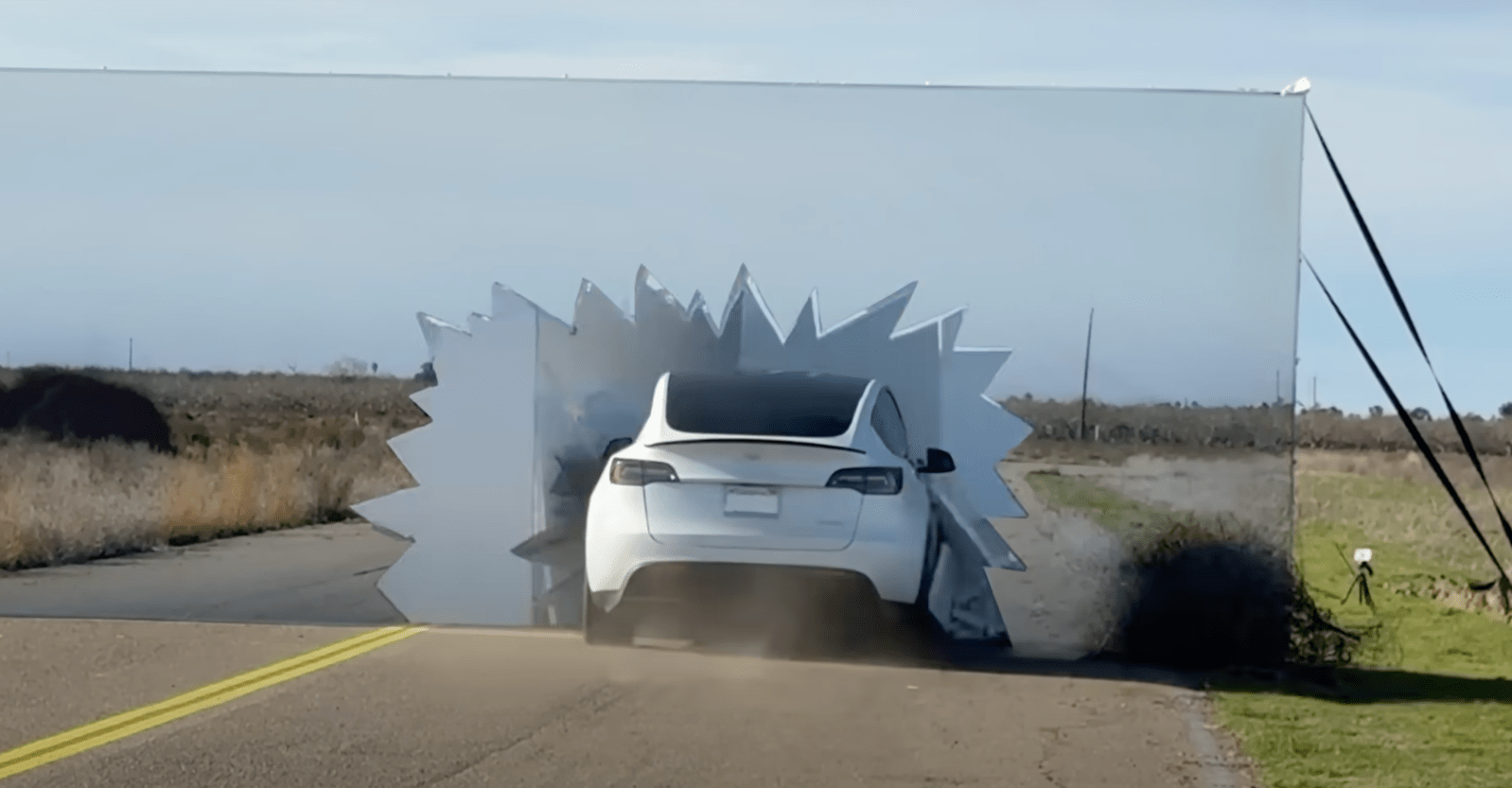
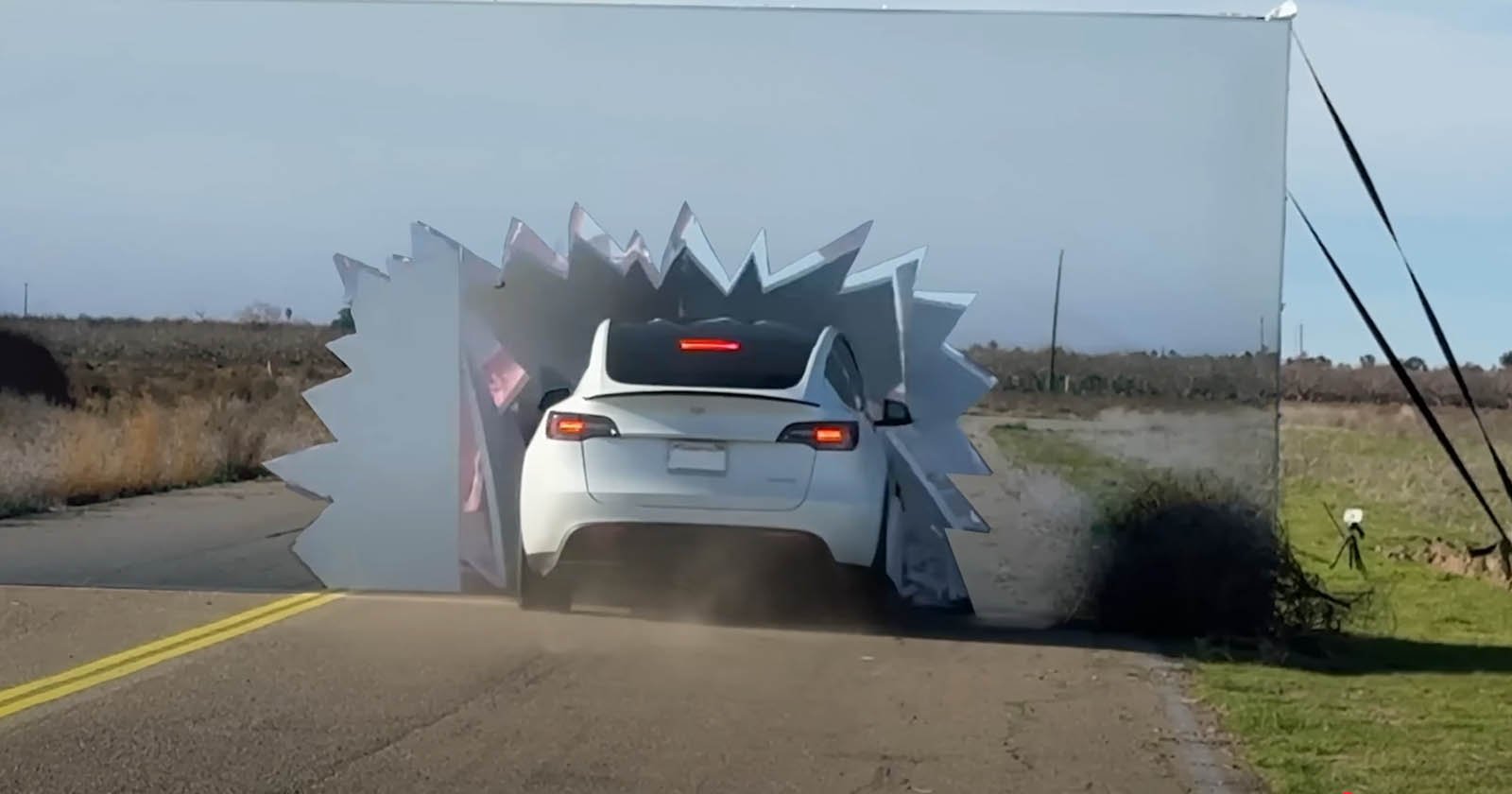
Former NASA engineer and YouTuber Mark Rober conducted tests comparing Tesla's camera-based Autopilot to a LIDAR-equipped Lexus. In adverse conditions like fog and heavy rain, Tesla's system failed to detect obstacles, including a painted wall, exposing critical AI vulnerabilities that could risk harm in real-world scenarios.[AI generated]

Why's our monitor labelling this an incident or hazard?

Tesla's Autopilot is an AI system used for autonomous driving. The described tests show that the AI system failed to detect and appropriately respond to obstacles under certain conditions, resulting in collisions during the experiment. Although the fake wall is a contrived scenario, the failure to stop for a child dummy obscured by fog or water jets indicates a malfunction that could cause injury or harm to people in real life. Therefore, this event involves an AI system malfunction that has directly led to harm in the test environment and plausibly indicates risk of harm in real-world use, qualifying it as an AI Incident.[AI generated]
AI principles
SafetyRobustness & digital securityAccountabilityTransparency & explainabilityHuman wellbeing

Industries
Mobility and autonomous vehiclesRobots, sensors, and IT hardware

Affected stakeholders
ConsumersGeneral public

Harm types
Physical (injury)Physical (death)ReputationalEconomic/Property

Severity
AI incident

Business function:
Monitoring and quality controlResearch and development

AI system task:
Recognition/object detectionGoal-driven organisation


Articles about this incident or hazard

Thumbnail Image

Tesla Autopilot Car Drove Into a Giant Photo of a Road

2025-03-17
PetaPixel
Why's our monitor labelling this an incident or hazard?
The Tesla Autopilot system is an AI system involved in autonomous vehicle operation. The event describes a test where the AI system was tricked into driving into a photo wall, demonstrating a malfunction or limitation. No actual harm or incident has occurred, but the demonstrated vulnerability plausibly could lead to harm in real-world scenarios. Hence, it fits the definition of an AI Hazard rather than an AI Incident. The article also discusses the broader implications for autonomous vehicle safety and the potential need for multi-sensor systems, but these are contextual and do not change the classification.
Thumbnail Image

Tesla Autopilot Drives A Model Y Full Blast Into Wall With A Road Painted On It

2025-03-17
BroBible
Why's our monitor labelling this an incident or hazard?
The Tesla autopilot system is an AI system involved in autonomous driving. The event involves the use and malfunction of this AI system, as it failed to correctly interpret the environment and caused a collision with the Styrofoam wall. However, since the wall was a test object and no injury, property damage beyond the test object, or other harm occurred, this does not constitute an AI Incident. The event demonstrates a malfunction that could plausibly lead to harm in real-world conditions if similar failures occur, thus it qualifies as an AI Hazard. The test highlights the limitations and risks of camera-only autopilot systems and the potential safety benefits of LiDAR integration.
Thumbnail Image

Mark Rober reveals Tesla decision to drop LiDAR may cost lives

2025-03-17
Notebookcheck
Why's our monitor labelling this an incident or hazard?
The Tesla Vision system is an AI system used for autonomous driving, making real-time decisions based on sensor input. The video demonstration reveals a malfunction or limitation in the AI system's perception capabilities, which could plausibly lead to harm (injury or death) to pedestrians or cyclists under certain conditions. Although no specific incident of harm is reported, the concerns raised about the system's inability to detect obstacles in adverse conditions constitute a credible risk of future harm. Therefore, this event qualifies as an AI Hazard rather than an AI Incident, as the harm is potential and not yet realized. The discussion about the system's design choices and their implications for safety fits the definition of an AI Hazard.
Thumbnail Image

Tesla Stock Drops 5% After YouTube Video Exposes Autopilot Flaws - EconoTimes

2025-03-18
EconoTimes
Why's our monitor labelling this an incident or hazard?
Tesla's autopilot is an AI system involved in autonomous driving. The video shows the system failing to detect obstacles in simulated fog, heavy rain, and unusual scenarios, which are conditions that could realistically occur on roads. These failures could plausibly lead to accidents causing injury or harm, meeting the criteria for an AI Hazard. Since no actual harm has been reported yet, and the event is about demonstrated system flaws and potential risks, it is not an AI Incident. The event is more than general news or complementary information because it highlights specific AI system failures with safety implications.
Thumbnail Image

Tesla Autopilot Fails the "Looney Tunes" Wall Test

2025-03-18
ProPakistani
Why's our monitor labelling this an incident or hazard?
Tesla's Autopilot is an AI system used for autonomous driving. The described tests show that the AI system failed to detect and appropriately respond to obstacles under certain conditions, resulting in collisions during the experiment. Although the fake wall is a contrived scenario, the failure to stop for a child dummy obscured by fog or water jets indicates a malfunction that could cause injury or harm to people in real life. Therefore, this event involves an AI system malfunction that has directly led to harm in the test environment and plausibly indicates risk of harm in real-world use, qualifying it as an AI Incident.
Thumbnail Image

Mark Rober Uncovers Disneyland's Space Mountain and Shows Why It's Dangerous to Drive a Tesla on Autopilot

2025-03-16
Johnny Jet
Why's our monitor labelling this an incident or hazard?
The article explicitly involves AI systems, specifically Tesla's autopilot, which is an AI-based driver assistance system relying on cameras for perception and decision-making. The tests show that Tesla's autopilot failed in multiple scenarios to detect obstacles and stop, which directly relates to the AI system's malfunction or limitations. These failures could lead to injury or harm to persons, fulfilling the criteria for an AI Incident. The harm is realized in the sense that the autopilot's inability to respond correctly is demonstrated and could cause accidents if used as is. Therefore, this event qualifies as an AI Incident due to the direct link between the AI system's malfunction and potential harm.
Thumbnail Image

Tesla stock plunges 5% Monday; is this YouTuber to blame? By Investing.com

2025-03-17
Investing.com
Why's our monitor labelling this an incident or hazard?
Tesla's autopilot is an AI system for autonomous driving. The YouTuber's tests show the autopilot failing to detect obstacles (child-sized dummy, painted wall) in simulated adverse conditions, which directly indicates malfunction of the AI system. Such failures could cause injury or harm to people if they occurred in real driving scenarios. The article reports these failures and the resulting stock market reaction, indicating the AI system's malfunction has materialized as a significant issue. Hence, this is an AI Incident due to the AI system's malfunction leading to or demonstrating harm potential.
Thumbnail Image

Tesla's Self-Driving Fails the Wile E. Coyote Test

2025-03-17
Gizmodo
Why's our monitor labelling this an incident or hazard?
Tesla's Autopilot is an AI system involved in autonomous driving. The described tests show it failing to respond safely to obstacles, including crashing through a wall and nearly running over a child dummy in fog and rain. These failures directly relate to the AI system's malfunction or limitations in perception and decision-making, which could cause injury or harm to people. The harm is either realized (crashing through the wall) or highly plausible (running over a child dummy). Hence, this is an AI Incident involving harm to health and safety caused by the AI system's malfunction during use.
Thumbnail Image

LiDAR Beats Tesla - Exposes Limitations Of Camera-Based ADAS

2025-03-19
RushLane
Why's our monitor labelling this an incident or hazard?
The article explicitly involves AI systems (Tesla's vision-based autopilot and LiDAR-based system) used for autonomous driving tasks. It describes a scenario where the Tesla system failed to detect an obstruction (optical illusion) and crashed into a wall, demonstrating a malfunction that could plausibly lead to harm if it occurred in real traffic. Since the event is a test and no actual injury, property damage, or other harm occurred beyond the controlled crash, it does not meet the threshold for an AI Incident. Instead, it highlights a credible risk of harm from AI system limitations, fitting the definition of an AI Hazard.
Thumbnail Image

Tesla Autopilot crash test against wall painted to look like a road

2025-03-18
TweakTown
Why's our monitor labelling this an incident or hazard?
Tesla's Autopilot is an AI system that uses visual data to detect obstacles and navigate. The tests showed that under fog and heavy rain conditions, the Autopilot failed to detect a child mannequin, leading to collisions. This is a direct malfunction of the AI system during its use, causing harm to property and posing potential injury risks. The presence of the AI system and its failure to act appropriately meets the criteria for an AI Incident. Although there is criticism about the test's fairness, the incident of the AI system failing and causing a crash is clear and materialized harm.
Thumbnail Image

Tesla Autopilot Crashes Model Y Into Wall With Painted Road

2025-03-18
COED
Why's our monitor labelling this an incident or hazard?
The Tesla autopilot is an AI system involved in the event, as it is an autonomous driving system relying on AI for perception and control. The event involves the use and malfunction of this AI system, as it failed to detect a painted wall and crashed into it. However, the crash occurred in a controlled test environment with no injury or real property damage, so no actual harm occurred. The article's main focus is to highlight the limitations of camera-based AI driving systems compared to LiDAR-based systems, providing context and understanding of AI capabilities and risks. This fits the definition of Complementary Information, as it enhances understanding of AI system performance and safety without reporting a new AI Incident or AI Hazard.
Thumbnail Image

YouTuber runs a Tesla through a fake wall to poke a hole in its camera-only, no LiDAR strategy

2025-03-17
Sherwood News
Why's our monitor labelling this an incident or hazard?
The Tesla autopilot system is an AI system that uses camera inputs and AI models to detect and respond to road obstacles. The event involves the use and malfunction of this AI system, as it failed to detect a fake wall, leading to a collision. The article references prior accidents involving injuries and death linked to this system, indicating realized harm. Therefore, this qualifies as an AI Incident because the AI system's malfunction has directly or indirectly led to harm to persons. The test by the YouTuber illustrates and confirms the AI system's limitations and risks, reinforcing the incident classification rather than merely a hazard or complementary information.
Thumbnail Image

Exingeniero de la NASA prueba piloto automático de Tesla con una pared falsa y el resultado es devastador para Elon Musk

2025-03-18
FayerWayer
Why's our monitor labelling this an incident or hazard?
The Tesla autopilot system is an AI system that uses cameras to perceive the environment and make driving decisions. The test showed that the AI system failed to prevent a collision with a fake wall, which if it happened on the road, would cause injury or harm to people. This is a direct link between the AI system's malfunction and potential harm, fitting the definition of an AI Incident. The event involves the use and malfunction of the AI system leading to harm (collision).
Thumbnail Image

Tesla Hits a Wall and Waymo Racks Up 600 Parking Tickets

2025-03-17
Inc
Why's our monitor labelling this an incident or hazard?
The Tesla Autopilot is an AI system that uses cameras and image processing to navigate autonomously. The crash into the wall was caused by the AI system's failure to correctly interpret visual input, leading to a collision. This is a direct harm to property caused by the AI system's malfunction. Therefore, this qualifies as an AI Incident under the definition of harm to property resulting from AI system malfunction.
Thumbnail Image

Watch: Tesla's Autopilot Fooled by Wile E. Coyote, er, Mark Rober

2025-03-17
Le Guide de l'auto
Why's our monitor labelling this an incident or hazard?
Tesla's Autopilot is an AI system involved in autonomous driving. The described experiment shows a failure of the AI system to correctly interpret its environment, leading to a collision in the test scenario. The article also mentions numerous real-world crashes involving Tesla's Autopilot, some fatal, which have been reported to safety regulators. These facts demonstrate that the AI system's malfunction or limitations have directly or indirectly caused harm to people, fulfilling the criteria for an AI Incident. The event is not merely a potential hazard or complementary information but documents actual harm linked to the AI system's use and malfunction.
Thumbnail Image

Tesla fails 'Roadrunner' test

2025-03-17
Herald Sun
Why's our monitor labelling this an incident or hazard?
Tesla's Autopilot is an AI system that uses camera-based visual processing to assist driving. The experiment showed that this AI system failed to detect a fake wall obstacle, causing the car to crash into it. This malfunction directly relates to the AI system's use and demonstrates a safety hazard that has already manifested in the test scenario. Given that such failures in real-world use could cause injury or harm to people, this qualifies as an AI Incident under the definition of harm to health due to AI system malfunction.
Thumbnail Image

Jokey Fake Wall Results in Tesla Crash, Serious NHTSA Investigation Reminder

2025-03-17
MotorTrend
Why's our monitor labelling this an incident or hazard?
Tesla's Autopilot is an AI system providing driver assistance through adaptive cruise control and lane-keeping with autonomous steering and braking. The NHTSA investigation reveals that in multiple crashes, Autopilot was active but aborted control less than a second before impact, which is a direct involvement of the AI system in the incidents. These crashes involve harm to persons and property, fulfilling the criteria for an AI Incident. The article also discusses the system's sensor limitations and driver engagement issues, reinforcing the AI system's role in the harm. Therefore, this event qualifies as an AI Incident due to the realized harm linked to the AI system's use and malfunction.
Thumbnail Image

Tesla falls for 'Wile E. Coyote-style' fake road wall

2025-03-17
Newsweek
Why's our monitor labelling this an incident or hazard?
The Tesla Autopilot system is an AI system that uses cameras and sensors to perform autonomous driving functions. The test by Mark Rober showed that the AI system failed to recognize a fake wall, causing the vehicle to crash into it. This is a direct malfunction of the AI system leading to harm (property damage and potential safety risk). Although the article notes that Tesla advises active driver supervision, the AI system's failure is central to the incident. Therefore, this qualifies as an AI Incident due to the realized harm caused by the AI system's malfunction.
Thumbnail Image

Ce test montre qu'un simple dessin peut tromper une Tesla en Autopilot et provoquer un grave accident

2025-03-17
PhonAndroid
Why's our monitor labelling this an incident or hazard?
The Tesla Autopilot is an AI system that uses camera-based perception and AI algorithms to interpret the driving environment and make autonomous driving decisions. The test demonstrates a malfunction or limitation of this AI system, where it was tricked by a visual illusion and failed to detect a real obstacle, which could directly lead to a serious accident and harm to persons. This fits the definition of an AI Incident because the AI system's malfunction has directly led to a significant safety hazard and potential injury. Although the test was controlled and no actual accident occurred, the event highlights a direct failure of the AI system that could cause harm in real-world use, thus qualifying as an AI Incident rather than a mere hazard or complementary information.
Thumbnail Image

Tesla : un mur en trompe-l'Å"il met à mal l'Autopilot

2025-03-17
Journal du Geek
Why's our monitor labelling this an incident or hazard?
The Tesla Autopilot is an AI system involved in semi-autonomous driving. The article describes its malfunction in a controlled test scenario (misinterpreting a painted false road) and its difficulties in poor weather conditions. These are clear examples of AI system malfunction or limitations. However, the article does not report any actual harm, injury, or accident caused by these malfunctions. The harm is potential, not realized. Hence, it fits the definition of an AI Hazard, where the AI system's malfunction could plausibly lead to harm in the future. There is no indication of a past or ongoing AI Incident, nor is the article primarily about responses or governance, so it is not Complementary Information. It is not unrelated because it clearly involves an AI system and its performance issues.
Thumbnail Image

Tesla fans exposes Tesla's own shadiness in attempt to defend Autopilot crash

2025-03-17
Electrek
Why's our monitor labelling this an incident or hazard?
The event involves Tesla's Autopilot, an AI system for advanced driver assistance. The crash occurred while Autopilot was engaged, and the system disengaged less than a second before impact, failing to prevent the collision. This is a direct harm to vehicle occupants and potentially others, fulfilling the harm criteria. The article also references official investigations confirming this behavior and Tesla's problematic reporting practices, indicating a breach of obligations under applicable law. Hence, the event meets the criteria for an AI Incident due to the AI system's malfunction and use leading to harm and regulatory violations.
Thumbnail Image

L'Autopilot de Tesla est victime d'un piège cartoonesque et cela pose problème

2025-03-17
Numerama
Why's our monitor labelling this an incident or hazard?
Tesla's Autopilot is an AI system involved in autonomous driving and advanced driver assistance. The described event involves the use and malfunction of this AI system, which failed to detect a fake obstacle and caused a collision. This constitutes direct harm to property. The event is not merely a hypothetical risk or a complementary update but an actual incident where the AI system's malfunction led to harm. Therefore, it qualifies as an AI Incident.
Thumbnail Image

Cette vidéo prouve que l'autopilot de Tesla sans LiDAR est dangereux

2025-03-17
Presse-citron
Why's our monitor labelling this an incident or hazard?
The Tesla Autopilot is an AI system that uses camera-based perception to enable autonomous driving. The video evidence shows that under certain conditions, the system fails to detect obstacles, leading to dangerous behavior such as driving into a painted illusion of a wall. This failure constitutes a malfunction of the AI system's perception capabilities, directly leading to a safety hazard that could cause injury or harm to people. The article's focus on the demonstrated dangerous behavior and the potential for fatal consequences meets the criteria for an AI Incident, as the AI system's malfunction has directly led to harm or risk of harm. Therefore, this event is classified as an AI Incident.
Thumbnail Image

Une Tesla s'écrase contre un mur fantôme : le test choc qui ridiculise l'Autopilot

2025-03-17
lesnumeriques.com
Why's our monitor labelling this an incident or hazard?
The Tesla Autopilot is an AI system that uses camera-based computer vision to navigate autonomously. The described test shows a malfunction where the AI system misinterprets a painted illusion as a drivable path, causing the vehicle to crash into a fake wall. This is a direct AI malfunction leading to harm (vehicle crash), fitting the definition of an AI Incident. Although the harm is to property (the vehicle) and potentially to occupants, it is a realized harm caused by the AI system's failure. Therefore, this event qualifies as an AI Incident.
Thumbnail Image

Caméras contre lidar : pourquoi le pilote automatique Tesla a échoué face à un faux mur

2025-03-16
Frandroid
Why's our monitor labelling this an incident or hazard?
The Tesla autopilot is an AI system that uses cameras and computer vision to navigate. The crash into the fake wall is a direct consequence of the AI system misinterpreting visual input, causing the vehicle to collide with an obstacle. This constitutes an AI Incident because the AI system's malfunction directly led to harm (collision). The article details a realized harm event involving an AI system's failure, not just a potential risk or general discussion, so it qualifies as an AI Incident rather than a hazard or complementary information.
Thumbnail Image

Tesla Autopilot drives into Wile E Coyote fake road wall in camera vs lidar test

2025-03-16
Electrek
Why's our monitor labelling this an incident or hazard?
The Tesla Autopilot is an AI system performing autonomous driving tasks. The event involves the AI system's use and malfunction in perceiving obstacles, directly causing the vehicle to drive into a fake wall. This constitutes a direct AI Incident because the AI system's failure to correctly interpret the environment led to a collision in the test, demonstrating a safety hazard that could cause injury or harm in real-world use. The article explicitly describes the AI system's limitations and the resulting harm potential, meeting the criteria for an AI Incident rather than a hazard or complementary information.
Thumbnail Image

YouTuber Mark Rober tests Tesla on autopilot, car hits wall painted as road. But, people cry 'It's a hoax'

2025-03-19
Hindustan Times
Why's our monitor labelling this an incident or hazard?
Tesla's Autopilot is an AI system that uses optical cameras for autonomous driving. The experiment shows the AI system failing to detect a painted wall, resulting in a collision. This is a direct malfunction of the AI system causing harm to property (the car). The incident is not merely a hypothetical risk but an actual event where the AI system's failure led to harm. Although there is public debate about the video's authenticity, the described event meets the criteria for an AI Incident because the AI system's malfunction directly caused harm. The controversy and accusations do not negate the fact that the AI system failed in this test, leading to harm.
Thumbnail Image

Tesla on Autopilot Runs Over Mannequin, Hits Wall In Viral Video. But Is It Legit?

2025-03-18
PCMAG
Why's our monitor labelling this an incident or hazard?
The Tesla Autopilot system is an AI system involved in autonomous driving and automatic braking. The video shows the system failing to detect mannequins and crashing into a wall, which directly demonstrates malfunction leading to potential harm to people (child mannequins representing pedestrians) and property (collision with wall). The involvement of the National Highway Traffic Safety Administration investigation further supports the recognition of harm or risk. Despite some debate about the fairness of the test and whether full self-driving was engaged, the AI system's failure in these tests constitutes an AI Incident because the AI system's malfunction has directly led to or could lead to injury or harm. The event is not merely a potential hazard or complementary information, but an incident demonstrating realized or imminent harm linked to AI system use.
Thumbnail Image

YouTuber Fools Tesla Autopilot With A Painted Wall

2025-03-18
Wonderful Engineering
Why's our monitor labelling this an incident or hazard?
The Tesla Autopilot system is an AI system relying on camera-based perception and AI algorithms to detect obstacles and navigate. The painted wall test shows the AI system failed to recognize a physical obstacle, causing the vehicle to crash into it. This is a direct malfunction of the AI system leading to harm (collision), fulfilling the criteria for an AI Incident. The event is not merely a potential hazard or complementary information but a demonstration of realized AI system failure with safety implications.
Thumbnail Image

'Tesla needs to...': YouTuber faces backlash on social media after posting video of failed 'crash test' of his Model Y | Today News

2025-03-19
mint
Why's our monitor labelling this an incident or hazard?
Tesla's autopilot is an AI system designed to autonomously navigate and avoid obstacles. The video shows a failure of this AI system to recognize a painted wall, resulting in a collision. This is a malfunction during use that directly led to harm (collision) and demonstrates a safety risk to people. The presence of a mannequin simulating a child underscores the potential for injury. Therefore, this event meets the criteria for an AI Incident due to the AI system's malfunction causing or demonstrating harm.
Thumbnail Image

LiDAR Car Beats Tesla Autopilot In YouTuber's Crash Test Showdown

2025-03-19
News18
Why's our monitor labelling this an incident or hazard?
The Tesla autopilot is an AI system involved in autonomous driving. The crash test shows the AI system's failure to detect an obstacle, leading to a collision with a mannequin, which simulates harm to a person. This constitutes an AI Incident because the AI system's malfunction directly led to harm or risk of harm. Although the mannequin is not a real person, the test simulates a scenario where human injury could occur, and the AI system's failure is central to the event. The comparison with the LiDAR-equipped vehicle highlights differences in AI system performance but does not negate the incident classification. The event is not merely a product announcement or general news; it documents a specific failure with safety implications.
Thumbnail Image

A Cartoonish Crash Test Raises Real Questions About Tesla's Autopilot

2025-03-19
ZME Science
Why's our monitor labelling this an incident or hazard?
Tesla's Autopilot is an AI system that uses neural networks trained on camera data to assist driving. The described crash test and referenced fatal accident demonstrate that the AI system's malfunction (misinterpretation of the environment) directly led to physical harm and death. The article provides evidence of actual harm caused by the AI system's failure to perform as intended, fulfilling the criteria for an AI Incident. The involvement is through the AI system's use and malfunction, and the harm is direct and significant (fatality and crash damage).
Thumbnail Image

YouTuber Proves Tesla's Camera-Only System Struggles in Adverse Conditions

2025-03-19
Softonic
Why's our monitor labelling this an incident or hazard?
The event involves an AI system (Tesla's Autopilot) used for autonomous driving, which is an AI system by definition. The test shows that the AI system's use in adverse conditions led to failure to detect obstacles, which could directly lead to harm (e.g., accidents or injury). Although no actual accident or injury is reported, the failure to stop in heavy fog and rainfall indicates a malfunction or limitation that poses a credible risk of harm. Since harm has not yet occurred but the AI system's malfunction plausibly could lead to injury or harm, this qualifies as an AI Hazard rather than an AI Incident. The event does not describe realized harm but highlights a credible risk due to AI system limitations.
Thumbnail Image

Watch: YouTuber Puts Tesla's Autopilot To 'Crash Test'. This Happens Next

2025-03-19
ndtv.com
Why's our monitor labelling this an incident or hazard?
The Tesla Autopilot is an AI system that uses optical cameras for navigation and object detection. The test showed that the AI system failed to detect a painted wall, leading to a collision. This is a malfunction during the use of the AI system that directly caused harm to property and a mannequin representing a person, which is a form of injury or harm. The event is not merely a potential hazard or complementary information; the harm has occurred. Although there is some dispute about the video's authenticity, the incident as described involves realized harm caused by the AI system's malfunction, fitting the definition of an AI Incident.
Thumbnail Image

Man tests if Tesla on Autopilot will slam through foam wall (spoiler: it did)

2025-03-19
Popular Science
Why's our monitor labelling this an incident or hazard?
The Tesla Autopilot is an AI system that uses camera-based perception to make driving decisions. The described event involves the AI system's failure to recognize a fake obstacle, causing the vehicle to crash through it. This is a malfunction of the AI system's perception and decision-making. The article also references prior crashes and a pedestrian fatality linked to Tesla's autonomous features, indicating that such malfunctions have led to injury or harm. The AI system's role is pivotal in these incidents, fulfilling the criteria for an AI Incident. The event is not merely a potential risk (hazard) but demonstrates realized malfunction with potential for harm, thus classifying it as an AI Incident.
Thumbnail Image

Tesla Fans Furious at Video of Tesla Crashing Into Wall Painted Like Road

2025-03-19
Futurism
Why's our monitor labelling this an incident or hazard?
The Tesla Autopilot is an AI system involved in autonomous driving decisions. The video shows the AI system failing to recognize a painted wall as an obstacle, leading to a crash through the wall and a mannequin, which simulates potential injury. This is a direct malfunction of the AI system causing harm or risk of harm to people. The event is not merely a potential hazard but an actual incident demonstrating the AI's failure in a safety-critical context. The discussion about Autopilot disengagement before the crash further supports the AI system's role in the incident. Hence, this is classified as an AI Incident.
Thumbnail Image

Pide al Autopilot de Tesla que se estrelle contra un muro y lo que pasa dice que no te fíes de la tecnología de Elon Musk

2025-03-17
elconfidencial.com
Why's our monitor labelling this an incident or hazard?
The Tesla Autopilot is an AI system involved in vehicle navigation and obstacle detection. The article reports on its failure to detect obstacles under certain adverse conditions, which could plausibly lead to accidents or injuries if the system is used without sufficient human oversight. Although no harm has occurred yet, the demonstrated failures indicate a credible risk of future harm (injury or property damage). Hence, this is an AI Hazard rather than an AI Incident. The article also discusses the company's strategic choices and the implications for safety, but does not report any realized harm or legal actions, so it is not Complementary Information or Unrelated.
Thumbnail Image

Mark Rober, exingeniero de la NASA, demuestra las deficiencias de la conducción autónoma de Tesla: no es tan segura como la pinta Elon Musk

2025-03-17
La Vanguardia
Why's our monitor labelling this an incident or hazard?
Tesla's Autopilot is an AI system for autonomous driving. The article details its malfunction in safety-critical scenarios, including failure to stop for a simulated child and crashing into a wall due to misinterpreting visual input. These malfunctions demonstrate direct risks to human safety, consistent with prior incidents causing injury or death. Therefore, this event qualifies as an AI Incident because the AI system's malfunction has directly led to harm or risk of harm to people.
Thumbnail Image

El enésimo ridículo de Tesla: falla el test del Coyote y el Correcaminos

2025-03-17
elconfidencial.com
Why's our monitor labelling this an incident or hazard?
The event involves an AI system (Tesla's autopilot) whose malfunction during use directly led to a collision, posing harm to the driver and potentially others. The AI system's reliance on cameras without LiDAR caused it to misinterpret the environment, resulting in a crash. This constitutes injury or harm risk to persons, fulfilling the criteria for an AI Incident. The article documents an actual incident of harm caused by the AI system's failure, not merely a potential hazard or complementary information.
Thumbnail Image

Tesla Autopilot Fails Wile E. Coyote Test, Drives Itself Into Picture of a Road

2025-03-17
The Drive
Why's our monitor labelling this an incident or hazard?
The Tesla Autopilot system is an AI system that processes camera input to assist driving. The test shows the system's failure to correctly interpret the environment, resulting in the vehicle crashing into a wall, causing property damage. This is a direct harm caused by the AI system's malfunction during its use. The event involves an AI system, the harm is realized, and the AI system's malfunction is the direct cause. Hence, it meets the criteria for an AI Incident.
Thumbnail Image

'Are you KIDDING?': Ex-NASA engineer and YouTuber Mark Rober tests Elon Musk's Tesla on autopilot mode, video goes viral

2025-03-19
IndiaTimes
Why's our monitor labelling this an incident or hazard?
The Tesla autopilot is an AI system that makes real-time driving decisions. The described test shows a malfunction where the AI failed to detect a wall, leading to a collision. Although the crash involved a mannequin and was a controlled test, it demonstrates a direct failure of the AI system that could cause injury or harm in real scenarios. Therefore, this qualifies as an AI Incident because the AI system's malfunction directly led to harm (simulated injury) and reveals safety risks that have implications for real-world harm.
Thumbnail Image

A popular YouTuber came up with a Tesla test straight out of Looney Tunes

2025-03-17
Business Insider
Why's our monitor labelling this an incident or hazard?
The Tesla Autopilot is an AI system involved in autonomous driving. The YouTuber's tests demonstrate scenarios where the AI system could plausibly fail to detect obstacles, potentially leading to harm (e.g., collisions). Since no actual harm or accident occurred, but the tests reveal credible risks of future harm, this qualifies as an AI Hazard. The event does not describe a realized incident but highlights plausible future harm from the AI system's limitations.
Thumbnail Image

YouTuber Mark Rober's Tesla Autopilot 'crash test' sparks hoax...

2025-03-18
New York Post
Why's our monitor labelling this an incident or hazard?
The Tesla Autopilot is an AI system involved in the event. However, the article does not report any actual injury, property damage beyond the test setup, or violation of rights caused by the AI system's malfunction. The crash was staged as part of a video test, and there is debate about the authenticity of the footage and whether Autopilot was engaged. No real-world harm or incident resulting from the AI system's failure is confirmed. The event mainly provides information about the AI system's performance, public scrutiny, and controversy, which fits the definition of Complementary Information rather than an AI Incident or AI Hazard. The focus is on the narrative and social response rather than a direct or plausible harm caused by the AI system.
Thumbnail Image

Tesla vs LiDar: Can cameras alone keep roads safe? Recent test reveals the truth

2025-03-18
https://auto.hindustantimes.com
Why's our monitor labelling this an incident or hazard?
The article explicitly involves AI systems used in autonomous driving (Tesla's camera-based system and Lexus's LiDar system). The Tesla system's failure to detect obstacles in low-visibility conditions and its collision with a mannequin during testing shows a malfunction leading to harm (simulated injury risk). Although the harm is in a controlled test, it directly demonstrates the AI system's failure to prevent harm, fulfilling the criteria for an AI Incident. The event is not merely a potential hazard or complementary information but a concrete demonstration of AI malfunction causing harm risk.
Thumbnail Image

Mark Rober's Tesla video was more than a little weird

2025-03-17
The Verge
Why's our monitor labelling this an incident or hazard?
Tesla's Autopilot is an AI system used for driver assistance. The video shows the system failing to stop before hitting a fake wall, demonstrating a malfunction or limitation in the AI's perception and decision-making. Although no real harm occurred in the test, the event highlights a credible risk of harm if such failures happen in real driving conditions. The article also references prior investigations into crashes involving Autopilot disengagement, reinforcing the plausibility of harm. Since the event shows a plausible future harm scenario without actual injury or damage, it fits the definition of an AI Hazard rather than an AI Incident. The article also includes discussion and speculation but does not focus on responses or governance measures, so it is not Complementary Information. It is clearly related to an AI system and its safety implications, so it is not Unrelated.
Thumbnail Image

Mark Rober faces backlash over Tesla autopilot test, accused of misleading viewers

2025-03-18
The Express Tribune
Why's our monitor labelling this an incident or hazard?
The event explicitly involves AI systems (Tesla's Autopilot and FSD) and their use in a public demonstration. However, the core issue is the alleged misleading portrayal of these AI systems' capabilities, not an AI system malfunction or harm caused by the AI system. There is no indication of injury, property damage, rights violation, or other harms directly or indirectly caused by the AI system's operation. The controversy is about public perception and misinformation, which is a societal response and governance issue related to AI. Hence, it fits the definition of Complementary Information, as it enhances understanding of AI's societal impact and communication challenges without describing a new AI Incident or Hazard.
Thumbnail Image

Tesla Autopilot Smashes Through Fake Road Wall While LiDar Lexus Stops Like A Pro | Carscoops

2025-03-17
Carscoops
Why's our monitor labelling this an incident or hazard?
The event involves AI systems explicitly: Tesla's Autopilot and the LiDar-equipped Lexus system. The Tesla AI system's failure to stop and collision with the dummy in the test is a direct malfunction leading to harm (damage to the dummy and foam wall). Although the test is controlled and uses a fake wall, the incident reveals a safety hazard in the AI system's operation that could translate to real-world injury or harm. The Lexus system's success highlights the difference in sensor technology and AI perception. Since harm occurred due to the AI system's malfunction during use, this is an AI Incident rather than a hazard or complementary information.
Thumbnail Image

YouTuber's Video Alleging Tesla FSD's Failure To Detect a Wall Backfires Spectacularly

2025-03-17
autoevolution
Why's our monitor labelling this an incident or hazard?
The article involves AI systems in the form of Tesla's FSD and Autopilot, and a lidar-equipped vehicle, but the incident described is a staged demonstration with misleading claims rather than an actual failure or malfunction of the AI systems causing harm. No injury, rights violation, infrastructure disruption, or other harms occurred. The event is about a misleading video and subsequent public backlash, which is informational and promotional in nature. Therefore, it does not meet the criteria for an AI Incident or AI Hazard. It is best classified as Complementary Information as it provides context and clarifies misunderstandings about AI system capabilities and public perception.
Thumbnail Image

Tesla's AI Fooled By A 'Looney Tunes'-Style Fake Road Test

2025-03-19
SAYS
Why's our monitor labelling this an incident or hazard?
The Tesla Autopilot system is an AI system involved in autonomous driving and obstacle detection. The event involves the AI system's malfunction during testing, which could plausibly lead to harm if such failures occurred in real-world driving. However, the article does not report any actual injury, property damage, or other harm resulting from the AI system's failure; the collisions occurred only in a controlled test environment designed for demonstration. Therefore, this event does not meet the criteria for an AI Incident (no direct or indirect harm has occurred). It does indicate plausible future harm if such AI failures happen on real roads, qualifying it as an AI Hazard. The event highlights limitations and risks of camera-based AI driver aids compared to LiDAR-based systems, suggesting potential safety concerns.
Thumbnail Image

YouTuber exposed Tesla pitfall with a Looney Tunes inspired test

2025-03-18
The Tribune
Why's our monitor labelling this an incident or hazard?
The Tesla FSD and Autopilot systems are AI systems that use machine learning and camera data to perceive and navigate the environment. The described test shows the AI system's failure to correctly interpret a painted wall as an obstacle, leading to the vehicle driving through it. This is a direct malfunction of the AI system that could cause injury or property damage, fulfilling the criteria for an AI Incident. The article also references real crashes linked to these AI systems, reinforcing the presence of actual harm caused by the AI's limitations.
Thumbnail Image

A popular YouTuber came up with a Tesla test straight out of Looney Tunes

2025-03-17
Business Insider Nederland
Why's our monitor labelling this an incident or hazard?
The Tesla Autopilot is an AI system involved in autonomous driving and obstacle detection. The YouTuber's tests demonstrate that the system struggles under certain adverse conditions, which could plausibly lead to accidents or injuries if the system fails to detect obstacles in real-world scenarios. Since no actual harm or accident is reported, but the tests reveal credible risks of malfunction leading to harm, this qualifies as an AI Hazard rather than an AI Incident. The event is not merely general AI news or complementary information, as it highlights a specific plausible risk of harm from the AI system's limitations.
Thumbnail Image

"The Unusual Nature of Mark Rober's Tesla Video" - Internewscast Journal

2025-03-17
internewscast.com
Why's our monitor labelling this an incident or hazard?
Tesla's Autopilot is an AI system that uses camera-based perception and decision-making to assist driving. The video demonstrates a malfunction where the AI system fails to detect and stop before a collision, directly leading to a crash with a wall. Although the crash is into a fake wall and no physical injury is reported, the incident reveals a safety failure of the AI system that could plausibly cause harm in real-world scenarios. The discussion about Autopilot disengagement and sensor removal further supports the AI system's role in the incident. Therefore, this qualifies as an AI Incident due to the AI system's malfunction directly leading to harm (collision) and raising safety concerns.
Thumbnail Image

Alerta: El Piloto Automático de Tesla falló en la prueba y se estrelló contra una pared

2025-03-18
Gizmodo en Español
Why's our monitor labelling this an incident or hazard?
The Tesla Autopilot is an AI system for autonomous driving. The article reports a real-world test where the AI system malfunctioned, causing a crash into a wall and failing to stop for a mannequin in poor weather conditions. This constitutes an AI Incident because the AI system's malfunction directly led to harm (damage to property and potential risk to human life). The event is not merely a potential hazard or complementary information but a concrete failure with realized harm. Therefore, the classification is AI Incident.
Thumbnail Image

Xe Tesla không phân biệt được bức tường giả

2025-03-18
vnexpress.net
Why's our monitor labelling this an incident or hazard?
The Tesla Autopilot system is an AI system that uses camera-based perception to make driving decisions. The failure to detect the fake wall and subsequent collision is a malfunction of the AI system's perception and decision-making, directly leading to a safety hazard. This constitutes an AI Incident because the AI system's malfunction has directly led to a harm scenario (collision risk). Although the event is a controlled test, it reveals a real risk of injury or harm to persons or property if the system were used in normal driving conditions without adequate safeguards. Therefore, it meets the criteria for an AI Incident.
Thumbnail Image

Will a Tesla crash into a wall painted as a road?

2025-03-21
The Business Standard
Why's our monitor labelling this an incident or hazard?
The Tesla's AI system, relying solely on cameras, misinterpreted a painted road illusion and failed to stop for a mannequin, indicating a malfunction or failure in the AI perception system. This directly led to a crash or near-crash scenario, posing injury risks. The involvement of AI in the vehicle's autonomous or driver-assistance functions and the resulting physical safety hazard qualifies this as an AI Incident under the framework, as harm to persons is directly linked to the AI system's malfunction.
Thumbnail Image

Will Tesla autopilot crash into wall painted to look like road?

2025-03-24
democraticunderground.com
Why's our monitor labelling this an incident or hazard?
The event describes a specific AI system (Tesla Autopilot) whose reliance on visual data alone leads to a demonstrated failure mode (being fooled by a painted wall), which could cause physical harm through crashes. The mention of an upcoming unsupervised Full Self-Driving rollout further heightens the risk of harm due to misuse or overreliance. Since the AI system's malfunction and use have directly or indirectly led or could lead to injury or harm to persons, this fits the definition of an AI Incident rather than a mere hazard or complementary information.
Thumbnail Image

Someone Else Tested Whether a Tesla Will Really Crash Into a Wall Painted Like a Road

2025-03-24
Futurism
Why's our monitor labelling this an incident or hazard?
The event involves AI systems (Tesla Autopilot and FSD) used in autonomous driving, which rely on AI perception from cameras. The tests show that older hardware versions can fail to detect a painted wall, leading to a plausible risk of collision and injury. While no actual crash occurred during these tests, the demonstrated failure mode and the fact that many vehicles still use the older hardware create a credible risk of harm. The event does not describe an actual incident where harm occurred, but it clearly shows a plausible future harm scenario due to AI system malfunction or limitations. Hence, it fits the definition of an AI Hazard rather than an AI Incident or Complementary Information.
Thumbnail Image

Cybertruck Sees A "Road Runner" Fake Wall, Here's Why

2025-03-20
Forbes
Why's our monitor labelling this an incident or hazard?
The event involves AI systems (Tesla's FSD) and their use in autonomous driving, with tests revealing detection challenges. However, no injury, property damage, rights violation, or other harm has occurred or is reported to have occurred. The tests are contrived and for demonstration purposes, not causing or leading to harm. The article focuses on analysis, comparison, and discussion of AI system performance and industry practices, without describing an incident or a hazard with plausible future harm. Therefore, it fits best as Complementary Information, providing context and expert insight into AI system capabilities and safety considerations in autonomous vehicles.
Thumbnail Image

Cybertruck versus Mark Rober's 'Wile E. Coyote-style' wall crash test

2025-03-21
TweakTown
Why's our monitor labelling this an incident or hazard?
The Tesla vehicles' object detection systems, including Full Self-Driving (FSD), are AI systems that infer from sensor inputs to generate outputs influencing vehicle behavior. The failure of the Model Y's system to detect the wall led to a crash, which is a direct harm to property and potentially to safety. The Cybertruck's system successfully avoided the crash, showing differences in AI system performance. Since the event involves an AI system's malfunction leading to a crash, it qualifies as an AI Incident under the definition of harm to property and potential harm to persons. The event is not merely a product announcement or general AI news, but a specific incident involving AI system failure and its consequences.
Thumbnail Image

People keep putting fake walls in front of Teslas

2025-03-21
The Verge
Why's our monitor labelling this an incident or hazard?
The event involves an AI system (Tesla's FSD) and its use in real-world driving scenarios. However, the described incidents are controlled tests without any actual harm or injury reported. The failure to detect the fake wall could plausibly lead to harm if it occurred in real driving conditions, but no harm has materialized in these tests. Therefore, this qualifies as an AI Hazard, as the AI system's malfunction could plausibly lead to an incident, but no incident has yet occurred.
Thumbnail Image

Everyone's missing the point of the Tesla Vision vs. LiDAR Wile E Coyote video

2025-03-23
Electrek
Why's our monitor labelling this an incident or hazard?
The article involves AI systems (Tesla's vision-based autopilot and LiDAR-based autonomous driving systems) and discusses their capabilities and limitations. However, it does not describe any incident where the AI systems caused injury, rights violations, property damage, or other harms. Nor does it describe a credible risk of future harm stemming from these systems. The discussion is primarily about technology comparison, public perception, and market reactions, which fall under complementary information about AI developments and societal responses. Hence, the classification is Complementary Information.
Thumbnail Image

Tesla Full Self-Driving is stagnating after Elon said it is going exponential

2025-03-23
Electrek
Why's our monitor labelling this an incident or hazard?
The article involves an AI system (Tesla's FSD) and discusses its development and use. However, it does not describe any realized harm (such as accidents or injuries caused by the AI system) or a specific event where the AI system's malfunction or use directly or indirectly led to harm. It also does not present a credible imminent risk of harm from the AI system's current state or planned use. The focus is on performance stagnation, strategic shifts, and public communication, which are informative but do not constitute an AI Incident or AI Hazard. Therefore, the article is best classified as Complementary Information, providing context and analysis about the AI system's development and deployment without reporting new harm or imminent risk.
Thumbnail Image

YouTuber Recreates Mark Rober's Fake Wall Test Using FSD With Surprising Results | Carscoops

2025-03-21
Carscoops
Why's our monitor labelling this an incident or hazard?
The Tesla FSD system is an AI system used for autonomous driving. The event reports that the system failed to detect a fake wall until very close, which is a malfunction or limitation of the AI system. This failure could directly lead to harm (collision or injury) if the vehicle does not stop in time. The event describes actual tests and results, not just potential risks, so it is an AI Incident rather than a hazard. The involvement of AI in the failure and the potential for injury or harm to people meets the criteria for an AI Incident under the OECD framework.
Thumbnail Image

Tesla Fan Recreates Mark Rober's "FSD" Wall Crash Video, the Results Still Inconclusive

2025-03-21
autoevolution
Why's our monitor labelling this an incident or hazard?
The event involves AI systems (Tesla's FSD and Autopilot) used in autonomous driving, which directly relate to AI systems as defined. The experiments show that the AI system failed to detect a painted wall, which could have led to a crash, representing a plausible risk of harm to persons or property. Although no actual harm occurred, the near-miss scenario and the system's failure to act appropriately constitute an AI Hazard. The event does not describe an actual incident with realized harm, so it is not an AI Incident. It is not merely complementary information or unrelated, as the focus is on the AI system's malfunction and its safety implications.
Thumbnail Image

Автопилотът на Tesla се провали на обикновени тестове

2025-03-19
AУТОМЕДИЯ
Why's our monitor labelling this an incident or hazard?
Tesla's autopilot is an AI system involved in autonomous vehicle operation. The described failure to detect obstacles and resulting collisions in tests demonstrate malfunction that could cause harm. The article also references real past incidents with injuries and fatalities linked to this system, confirming actual harm has occurred. Therefore, this event qualifies as an AI Incident due to direct or indirect harm to human health caused by the AI system's malfunction and use.
Thumbnail Image

Автопилотът на Tesla не разпозна и блъсна "дете" на пътя (+ВИДЕО)

2025-03-19
Bgonair
Why's our monitor labelling this an incident or hazard?
The Tesla autopilot is an AI system involved in autonomous or semi-autonomous driving. The failure to detect a pedestrian mannequin and the resulting collision is a direct malfunction of the AI system that could cause injury or harm to people. Although the test used a mannequin and no actual person was harmed, the event demonstrates a clear risk of harm due to the AI system's malfunction. Therefore, this qualifies as an AI Incident because the AI system's malfunction has directly led to harm or the potential for harm in a realistic scenario.
Thumbnail Image

Un Tesla con piloto autómatico cae en la trampa del Coyote: Hasta el Correcaminos es más inteligente

2025-03-24
ECOticias.com El Periódico Verde
Why's our monitor labelling this an incident or hazard?
The Tesla Autopilot is an AI system involved in autonomous driving. The article reports on its malfunction during tests, including crashing into a fake wall and failing to avoid a pedestrian dummy in fog and rain conditions. These malfunctions directly lead to harm or risk of harm to people and property, fulfilling the criteria for an AI Incident. The harm is realized in the form of collisions during testing, not just potential future harm. Therefore, this event qualifies as an AI Incident.
Thumbnail Image

Internet está debatiendo si un Tesla frenaría o no contra un muro. Y hay quien lo está comprobando empíricamente

2025-03-24
xataka.com
Why's our monitor labelling this an incident or hazard?
The event explicitly involves an AI system (Tesla's Autopilot) used in semi-autonomous driving. The tests show the AI system's malfunction in failing to detect a painted wall obstacle, which could directly lead to harm (collision). The AI system's failure to act appropriately in this scenario is a malfunction that poses a safety risk. Although the tests are controlled and no actual harm occurred, the demonstrated failure is a direct indication of potential injury or harm, meeting the criteria for an AI Incident. The event is not merely a potential hazard or complementary information, as it shows a concrete failure of the AI system with safety implications.
Thumbnail Image

El nuevo reto viral sobre el Tesla Cybertruck y la pared falsa que no le gusta a Elon Musk

2025-03-24
LA NACION
Why's our monitor labelling this an incident or hazard?
The article explicitly discusses Tesla's AI systems for autonomous driving (Autopilot and FSD), which are AI systems by definition. The viral tests demonstrate a malfunction of the Autopilot system causing a collision with a false wall, indicating a failure in the AI system's operation. This failure directly leads to harm (vehicle collision), fulfilling the criteria for an AI Incident. The successful detection by the FSD system shows a contrast but does not negate the incident caused by Autopilot. The recall by NHTSA is related to a physical defect, not AI, so it does not affect the classification. Overall, the event describes an AI system malfunction causing harm, thus an AI Incident.
Thumbnail Image

Para esto sirve 'estrellar' un Tesla contra un muro falso, más allá del sensacionalismo y el bulo - Híbridos y Eléctricos

2025-03-26
Híbridos y Eléctricos
Why's our monitor labelling this an incident or hazard?
The article explicitly involves AI systems in Tesla's Autopilot and driver assistance technology, describing their use and limitations. The tests reveal potential safety risks due to AI misinterpretation of the environment, which could plausibly lead to harm if such failures occur in real-world conditions. However, the article describes controlled experiments without actual incidents or injuries. Therefore, the event represents a credible potential risk (hazard) rather than a realized harm (incident). The article also provides context on the technological debate and regulatory environment, but its main focus is on the plausible future risks of Tesla's AI-only camera system in autonomous driving.
Thumbnail Image

Man Tests If Tesla Autopilot Will Crash Into Wall Painted to Look Like Road

2025-03-17
Futurism
Why's our monitor labelling this an incident or hazard?
The Tesla Autopilot is an AI system that uses camera-based perception to make driving decisions. The article documents its malfunction in controlled tests that simulate real-world hazards, showing it can fail to detect obstacles and stop, which has been linked to actual injuries and fatalities. This constitutes direct harm to people caused by the AI system's malfunction. Therefore, this event qualifies as an AI Incident rather than a hazard or complementary information.
Thumbnail Image

Youtuber Mark Rober Tests Cameras Vs. Lidar And Gets It Wrong

2025-03-17
Forbes
Why's our monitor labelling this an incident or hazard?
The event involves AI systems (Tesla's Autopilot and LIDAR-based self-driving technology) and their performance in simulated challenging conditions. However, the article does not describe any injury, property damage, rights violations, or other harms resulting from the AI systems' use or malfunction. It critiques the test methodology and the relevance of the systems tested but does not report an AI Incident or credible AI Hazard. Instead, it provides analysis and context about AI system capabilities and limitations, which fits the definition of Complementary Information.
Thumbnail Image

Tesla's Alleged Self-Driving Tech Defeated By YouTuber With Cartoon-Style Foam Wall - Jalopnik

2025-03-17
Jalopnik
Why's our monitor labelling this an incident or hazard?
The article involves AI systems (Tesla's Full Self-Driving software and LIDAR-based systems) and their performance in safety-critical scenarios. However, it only reports a demonstration of system limitations without any incident of injury, property damage, or other harm. Therefore, it does not qualify as an AI Incident. It also does not describe a plausible future harm event beyond the known limitations, so it is not an AI Hazard. The article provides complementary information about AI system capabilities and limitations in autonomous driving technology.
Thumbnail Image

LIDAR dramatically defeats Tesla, and maps Disney rides (video)

2025-03-15
Boing Boing
Why's our monitor labelling this an incident or hazard?
The event involves AI systems (Tesla's autonomous driving AI and LIDAR mapping AI). However, the 'harm' described is to mannequins in a controlled test environment, not real people or property, so no actual harm occurred. The article focuses on demonstrating the superiority of LIDAR over Tesla's system and showcasing mapping capabilities, which is informative and contextual. There is no indication that the AI systems caused injury, rights violations, or other harms, nor that they pose a credible risk of such harm imminently. Hence, this is best classified as Complementary Information.
Thumbnail Image

YouTuber Exposes Tesla's Autopilot Flaws: Here's Why Ditching LIDAR is a Dangerous Mistake

2025-03-18
Tech Times
Why's our monitor labelling this an incident or hazard?
Tesla's Autopilot is an AI system that uses camera-based perception to make driving decisions. The article details experiments where the system failed to detect obstacles and reacted incorrectly, causing a crash into a child mannequin and poor handling in fog and rain. These failures demonstrate malfunction and use-related risks of the AI system that have already been associated with injuries and fatalities. The direct link between the AI system's limitations and physical harm risks qualifies this as an AI Incident under the framework, as the AI system's malfunction and use have directly led to harm or risk of harm to people.
Thumbnail Image

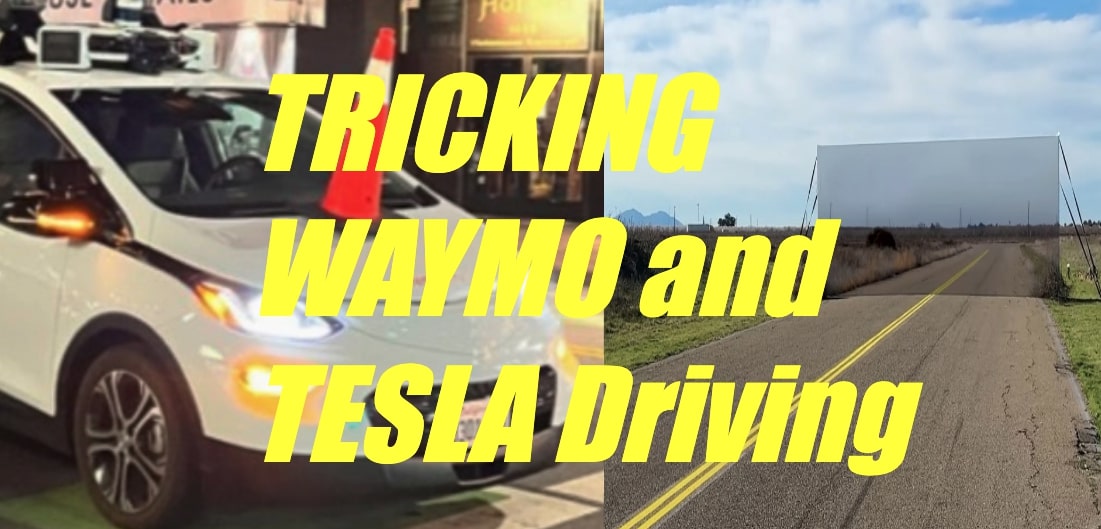
Tricking Waymo, Cruise and Tesla Driving Systems | NextBigFuture.com

2025-03-17
Next Big Future
Why's our monitor labelling this an incident or hazard?
The article involves AI systems (Tesla Autopilot/FSD and LIDAR-based robotaxis) and discusses their use and limitations. However, it does not describe any realized harm or injury caused by these systems, nor does it indicate a credible imminent risk of harm. The content mainly consists of performance evaluations, user videos, and descriptions of scenarios where AI systems may struggle, which aligns with providing complementary information about AI capabilities and challenges. There is no direct or indirect link to an AI Incident or a plausible AI Hazard as defined. Hence, the classification as Complementary Information is appropriate.
Thumbnail Image

سیستم خودران تسلا با یک دیوارِ نقاشی‌شده فریب خورد(+عکس)

2025-03-18
عصر ايران،سايت تحليلي خبري ايرانيان سراسر جهان www.asriran.com
Why's our monitor labelling this an incident or hazard?
The Tesla self-driving system is an AI system relying on camera-based vision and AI to interpret the environment and make driving decisions. The event involves the use and malfunction of this AI system, which failed to correctly identify a painted wall as an obstacle, resulting in a collision. This constitutes direct harm or risk to health and safety (harm to persons) due to AI malfunction. Therefore, this qualifies as an AI Incident under the framework, as the AI system's malfunction directly led to harm or risk of harm.
Thumbnail Image

سیستم خودران تسلا با یک دیوارِ نقاشی شده فریب خورد(+عکس)

2025-03-18
موتور جستجوی قطره
Why's our monitor labelling this an incident or hazard?
The Tesla self-driving system is an AI system that uses cameras and AI to interpret the environment and make driving decisions. The described event shows the AI system being deceived by a painted wall, a malfunction in its perception that could plausibly lead to accidents or injury if it occurred in real driving conditions. Although prior accidents have occurred, this article focuses on a demonstration of a vulnerability rather than a realized harm. Hence, it is an AI Hazard, indicating a credible risk of future harm due to AI malfunction.
Thumbnail Image

سیستم خودران تسلا با یک دیوارِ نقاشی‌شده فریب خورد

2025-03-17
جهان مانا - پایگاه خبری اطلاع رسانی
Why's our monitor labelling this an incident or hazard?
The Tesla self-driving system is an AI system using camera-based vision and AI to interpret the environment and make driving decisions. The described event shows the AI system malfunctioning by misinterpreting a painted wall as a drivable road, causing the vehicle to collide with the wall. This is a direct failure of the AI system's perception and decision-making, which can lead to injury or harm to persons or property. The article also references prior accidents and investigations related to Tesla's autopilot, reinforcing the real-world harm potential. Hence, this is an AI Incident as the AI system's malfunction has directly led to harm or risk of harm.
Thumbnail Image

چرا تسلا به‌رغم ادعای ایلان ماسک شرکت هوش مصنوعی بزرگی نیست؟

2025-03-19
جهان مانا - پایگاه خبری اطلاع رسانی
Why's our monitor labelling this an incident or hazard?
Tesla's AI systems for autonomous driving are explicitly mentioned, with the article detailing multiple fatal accidents associated with these systems. This constitutes direct harm to human health and safety, fulfilling the criteria for an AI Incident. The article also discusses the limitations and risks of Tesla's AI approach, but the presence of actual harm (fatal accidents) takes precedence over potential or future harm. Hence, the classification is AI Incident.
Thumbnail Image

Un ingeniero de la NASA ha probado el Autopilot de Elon Musk contra una pared pintada como las del Coyote y el Correcaminos

2025-03-17
3D Juegos
Why's our monitor labelling this an incident or hazard?
The event involves an AI system (Tesla's Autopilot) whose use and malfunction have directly led to a safety hazard demonstrated by the failure to brake for a painted wall obstacle. This failure could plausibly cause injury or harm to persons if the system is deployed without adequate safeguards. The article explicitly discusses the AI system's inability to correctly interpret its environment, leading to a dangerous situation. Therefore, this qualifies as an AI Incident due to the direct link between the AI system's malfunction and potential harm to human safety.
Thumbnail Image

La fiabilidad de Tesla se estrella frente a la seguridad de los coches autónomos chinos

2025-03-17
Urban Tecno
Why's our monitor labelling this an incident or hazard?
The article explicitly involves AI systems in autonomous vehicles (Tesla Vision and LiDAR-based systems). It describes the use and malfunction (or performance limitations) of Tesla's AI system in detecting obstacles, which is critical for safety. The failure to detect obstacles in certain conditions can lead to injury or harm to persons, fulfilling the harm criterion for an AI Incident. The article references actual tests demonstrating these issues, indicating realized or imminent harm rather than just potential. Hence, this is an AI Incident due to the AI system's role in safety-critical failures.
Thumbnail Image

¿Tesla se equivoca? Prueban el sistema Autopilot frente a un vehículo con sensores LiDAR | Teknófilo

2025-03-17
Teknófilo
Why's our monitor labelling this an incident or hazard?
Tesla's Autopilot is an AI system using neural networks to interpret camera data for autonomous driving decisions. The article reports that in controlled tests, Tesla's system failed to detect children and respond adequately to sudden hazards, which are safety-critical functions. While no actual harm occurred during the tests, these failures demonstrate plausible risks of injury or harm if the system is relied upon in real-world driving. The event does not describe an actual incident causing harm but highlights credible potential for harm due to AI system limitations. Hence, it fits the definition of an AI Hazard rather than an AI Incident or Complementary Information.
Thumbnail Image

Tesla AutoPilot conduce a Wile e Coyote Fake Road Wall in Camera Vs LiDar Prueba - Notiulti

2025-03-16
Notiulti
Why's our monitor labelling this an incident or hazard?
Tesla Autopilot is an AI system used for autonomous driving assistance. The article discusses its malfunction or limitations in perception compared to LiDAR-based systems, including failure to detect obstacles in fog, heavy rain, and visual illusions (fake road wall). These limitations represent a safety hazard that could plausibly lead to injury or harm to persons if the system is used as intended for autonomous driving. Since no actual harm or accident is reported, but the risk is credible and demonstrated, this qualifies as an AI Hazard rather than an AI Incident. The event focuses on the potential for harm due to AI system limitations rather than reporting a realized harm or incident.
Thumbnail Image

YouTube-Gigant stellt Tesla auf die Probe - mit erschütterndem Ergebnis

2025-03-19
GIGA
Why's our monitor labelling this an incident or hazard?
Tesla's driver assistance system is an AI system that processes sensor data to make driving decisions. The article reports a test where Tesla's system failed to detect a physical obstacle (a wall with a cartoon image) and did not brake, resulting in the vehicle crashing into it. This is a direct malfunction of the AI system leading to potential harm (collision), which qualifies as an AI Incident under the definition of harm to a person or group (potential injury from collision) and harm to property. Although the article discusses the test and some debate about the test's validity, the core event is a malfunction of an AI system causing harm or risk of harm. Therefore, this is classified as an AI Incident.
Thumbnail Image

Tesla: Aktie zieht vorbörslich an - das ist der Grund

2025-03-19
Der Aktionär
Why's our monitor labelling this an incident or hazard?
The article discusses Tesla obtaining a permit to manage a fleet and transport passengers, which is a regulatory step toward future autonomous ride-hailing services. However, Tesla is not yet allowed to operate fully autonomous vehicles or public robotaxi services. There is no indication of any harm or incident caused by AI systems at this stage. The event concerns potential future use of AI in autonomous vehicles, which could plausibly lead to harm if deployed prematurely or unsafely, but currently no harm or malfunction is reported. Therefore, this is best classified as an AI Hazard, reflecting the plausible future risk associated with the planned deployment of autonomous AI-driven robotaxis.
Thumbnail Image

Tesla erhält Genehmigung für Transportdienst in Kalifornien

2025-03-19
IT BOLTWISE® x Artificial Intelligence
Why's our monitor labelling this an incident or hazard?
Tesla's permit allows operation of a transport service with human drivers and does not involve autonomous vehicle deployment or testing in California at this time. Although Tesla plans to deploy autonomous Robotaxi services in the future, this article does not describe any realized harm or direct risk from AI systems. The information is primarily about regulatory approval and future intentions, which fits the definition of Complementary Information rather than an AI Incident or AI Hazard.