Taobao Launches Crackdown on AI-Generated Fake Product Images

Thumbnail Image

The information displayed in the AIM should not be reported as representing the official views of the OECD or of its member countries.

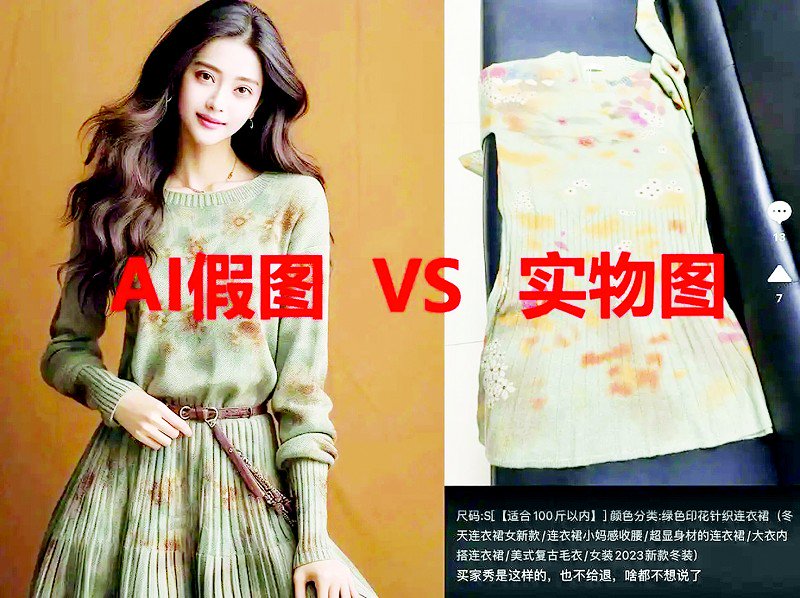
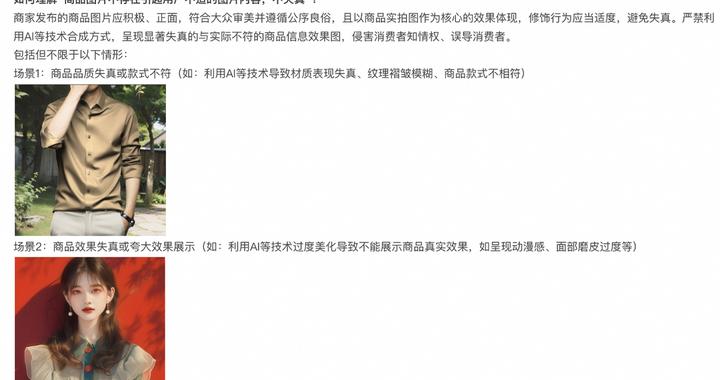
Taobao launched an initiative on March 27 to curb AI-generated fake product images deceiving consumers and harming original brands. Using real-time detection models, the platform intercepted nearly 100,000 manipulated images through source blocking, data cleanup, and AI tagging, urging industry-wide governance and protecting consumer rights.[AI generated]

Why's our monitor labelling this an incident or hazard?

An AI system is involved as the misuse of AI-generated images is explicitly mentioned. The harm includes deception of consumers (harm to communities) and infringement of intellectual property rights, both of which are recognized harms under the AI Incident definition. Since the event describes ongoing misuse leading to harm and the platform's response to it, it qualifies as an AI Incident rather than a hazard or complementary information.[AI generated]
AI principles
AccountabilityTransparency & explainabilitySafetyDemocracy & human autonomyRobustness & digital securityHuman wellbeing

Industries
Consumer productsConsumer servicesMedia, social platforms, and marketing

Affected stakeholders
ConsumersBusiness

Harm types
Economic/PropertyReputational

Severity
AI incident

Business function:
Marketing and advertisement

AI system task:
Content generation


Articles about this incident or hazard

Thumbnail Image

淘宝:严厉打击利用AI假图欺骗消费者等违规行为

2025-03-27
finance.sina.com.cn
Why's our monitor labelling this an incident or hazard?
An AI system is involved as the misuse of AI-generated images is explicitly mentioned. The harm includes deception of consumers (harm to communities) and infringement of intellectual property rights, both of which are recognized harms under the AI Incident definition. Since the event describes ongoing misuse leading to harm and the platform's response to it, it qualifies as an AI Incident rather than a hazard or complementary information.
Thumbnail Image

你网购曾经被"照骗"吗?打击AI假图!这家平台已源头拦截近10万张

2025-03-27
yangtse.com
Why's our monitor labelling this an incident or hazard?
The event involves AI systems explicitly used to detect and block AI-generated fake images that have caused harm to consumers and brands by misleading them about product quality and authenticity. The harms described (consumer deception, violation of rights, market disruption) have already occurred due to AI-generated fake images. However, the AI system mentioned is used as a tool to mitigate these harms, not as the cause of harm. The article focuses on the platform's governance and regulatory responses to AI-generated fake content, which is complementary information about societal and governance responses to AI harms rather than a new incident or hazard. Therefore, this is Complementary Information.
Thumbnail Image

淘宝宣布启动AI假图治理 严厉打击欺骗消费者行为 - cnBeta.COM 移动版

2025-03-27
cnBeta.COM
Why's our monitor labelling this an incident or hazard?
The event explicitly involves AI systems used to generate fake product images that mislead consumers and harm original brands, constituting a violation of intellectual property rights and consumer protection laws. Since the AI-generated images have already caused harm by deceiving consumers and infringing on rights, this qualifies as an AI Incident. The announcement focuses on the governance and mitigation of this harm, but the harm itself is occurring due to AI misuse.
Thumbnail Image

淘宝,大动作!

2025-03-27
finance.ifeng.com
Why's our monitor labelling this an incident or hazard?
The event involves AI systems used to generate fake or distorted product images that mislead consumers, causing harm to consumer rights and intellectual property rights, which are violations of fundamental rights. The article explicitly states that such AI-generated fake images have been intercepted and that the platform is taking measures to prevent further harm. Since the harm is realized and the AI system's misuse is a direct cause, this is an AI Incident rather than a hazard or complementary information. The article also discusses governance responses, but the primary focus is on the existing harm caused by AI misuse in product images.
Thumbnail Image

淘宝发布新规率先启动AI假图治理

2025-03-28
k.sina.com.cn
Why's our monitor labelling this an incident or hazard?
The article explicitly mentions AI systems being used to create fake product images that misrepresent products, misleading consumers and infringing on original brand rights. These harms have already occurred, as consumers have been deceived and original merchants have suffered from image theft and unfair competition. The platform's response involves AI detection models to mitigate the issue, but the core problem is the existing harm caused by AI-generated fake images. Hence, this is an AI Incident due to realized harm caused by AI system use.
Thumbnail Image

虚假"照骗"套路终结!淘宝今起启动并倡议全行业共同治理AI假图

2025-03-27
k.sina.com.cn
Why's our monitor labelling this an incident or hazard?
The article explicitly mentions AI-generated fake images as a problem in e-commerce that misleads consumers and harms original brands, which fits the definition of AI-related harm. However, the article focuses on Taobao's new rules and AI detection models to combat this issue, describing ongoing and planned mitigation efforts rather than a specific incident of harm occurring or a direct AI malfunction. The event is about governance and response to AI misuse, not a new AI Incident or Hazard. Hence, it fits the definition of Complementary Information, as it details societal and governance responses to AI harms rather than reporting a new harm or plausible future harm event.
Thumbnail Image

保护原创!淘宝率先打击AI假图,已源头拦截假图近10万张

2025-03-27
k.sina.com.cn
Why's our monitor labelling this an incident or hazard?
An AI system is explicitly involved as Taobao uses AI recognition models to detect and intercept AI-generated fake images. The use of AI-generated fake images has directly led to harm in the form of consumer deception (harm to consumers' rights and interests) and infringement on original brand merchants' rights (intellectual property violations). The platform's intervention is a response to an ongoing AI Incident involving harm caused by AI-generated fake images. Therefore, this event qualifies as an AI Incident because the AI system's use and misuse have directly led to realized harms, and the platform's AI-based mitigation is part of addressing this incident.
Thumbnail Image

淘宝率先打击AI假图,倡议全行业共同治理

2025-03-27
k.sina.com.cn
Why's our monitor labelling this an incident or hazard?
The article explicitly mentions AI-generated fake product images that mislead consumers and infringe on original brand rights, causing realized harm to consumers and merchants. Taobao's deployment of AI detection models to combat these fake images confirms the involvement of AI systems both in the harm (generation of fake images) and in the mitigation efforts. The harms include violation of consumer rights and intellectual property rights, fitting the definition of an AI Incident. The event is not merely a potential risk or a complementary update but a concrete case of AI misuse causing harm.
Thumbnail Image

淘宝全平台启动AI假图治理

2025-03-27
k.sina.com.cn
Why's our monitor labelling this an incident or hazard?
The article explicitly mentions the use of AI technology to generate fake product images that significantly distort the actual product appearance, misleading consumers and harming brand owners. This is a direct harm caused by the use of AI systems in image synthesis. The platform's response to start governance and crack down on such AI fake images confirms the recognition of harm. Therefore, this event meets the criteria for an AI Incident due to realized harm from AI system use.
Thumbnail Image

电商行业首次对AI假图出手:淘宝发布新规、倡议全行业共同治理

2025-03-27
k.sina.com.cn
Why's our monitor labelling this an incident or hazard?
The event involves AI systems generating fake product images that mislead consumers and infringe on intellectual property rights, causing realized harm to consumers and original brands. Taobao's new rules and AI detection models are responses to this ongoing issue. Since the AI-generated fake images have directly led to consumer deception and rights violations, this qualifies as an AI Incident. The article's main focus is on the harm caused by AI misuse and the platform's measures to mitigate it, not merely on governance or complementary information.
Thumbnail Image

淘天:严厉打击利用AI假图欺骗用户行为

2025-03-27
k.sina.com.cn
Why's our monitor labelling this an incident or hazard?
The article discusses the use of AI-generated fake images that mislead consumers and harm original brand owners, which constitutes harm to communities and violation of intellectual property rights. However, the article primarily reports on the platform's policy and enforcement actions to address this issue rather than describing a specific incident of harm or a new hazard event. Therefore, this is best classified as Complementary Information, as it provides context and response to an ongoing AI-related harm issue rather than reporting a new AI Incident or AI Hazard.
Thumbnail Image

淘宝启动AI假图治理 严厉打击欺骗消费者等违规行为

2025-03-27
k.sina.com.cn
Why's our monitor labelling this an incident or hazard?
An AI system is explicitly involved as Taobao deploys AI models to detect AI-generated fake images. The use of AI-generated fake images has directly led to consumer deception and infringement on brand rights, which are violations of consumer rights and harm to communities. The event reports ongoing harm and active mitigation measures, thus qualifying as an AI Incident rather than a hazard or complementary information.
Thumbnail Image

网友抱怨"看到是丝绸,买到是麻袋",淘宝宣布:全平台打击 AI假图治理启动

2025-03-28
news.china.com
Why's our monitor labelling this an incident or hazard?
The event explicitly involves AI systems generating fake product images that misrepresent product quality, causing direct harm to consumers (who receive products not matching the images) and to brand owners (whose original products are misrepresented). The use of AI to create these images is central to the harm described. Therefore, this qualifies as an AI Incident because the AI system's use has directly led to harm (consumer deception and rights violations).
Thumbnail Image

【AI】淘天集團:淘寶即日起全面啟動AI假圖治理

2025-03-27
etnet 經濟通|香港新聞財經資訊和生活平台
Why's our monitor labelling this an incident or hazard?
The event involves the use of AI systems generating fake product images that mislead consumers and infringe on intellectual property rights of original brands, which constitutes harm to consumers and violation of rights. The harm is occurring as these AI-generated fake images are widespread and causing consumer deception and brand infringement. Therefore, this qualifies as an AI Incident. The article describes the harm caused by AI-generated fake images and Taobao's response to govern and combat this issue, indicating the harm is realized and ongoing.
Thumbnail Image

淘宝率先打击AI假图,倡议全行业共同治理

2025-03-28
tech.ifeng.com
Why's our monitor labelling this an incident or hazard?
The event involves AI systems explicitly: AI is used to generate fake product images that mislead consumers and infringe on brand rights, causing realized harm (consumer deception and IP violations). The platform's use of AI detection models to identify and block such images is a response to this harm. The harms fall under violations of rights (consumer rights and intellectual property) and harm to communities (consumer trust and market fairness). Therefore, this is an AI Incident because the AI system's misuse has directly led to harm, and the article describes concrete impacts and mitigation efforts.
Thumbnail Image

淘宝最新声明:严厉打击这种违规行为! 2025-03-28 10:45

2025-03-28
nbd.com.cn
Why's our monitor labelling this an incident or hazard?
The article explicitly involves AI systems generating synthetic images used in e-commerce, which have caused or could cause harm by deceiving consumers and infringing on brand rights. However, the article does not report a specific AI Incident (i.e., a concrete event where harm has directly or indirectly occurred) but rather details the launch of governance actions, detection models, and regulatory frameworks to prevent and mitigate such harms. This fits the definition of Complementary Information, as it provides updates on responses to AI-related harms and regulatory developments rather than reporting a new incident or hazard.
Thumbnail Image

淘宝倡议全行业共同治理AI假图 规范使用保障真实

2025-03-28
news.china.com
Why's our monitor labelling this an incident or hazard?
The article explicitly mentions AI-generated fake product images that deceive consumers and infringe on brand and portrait rights, causing realized harm. The AI system's use in creating these fake images is central to the harm described. Therefore, this qualifies as an AI Incident because the AI system's use has directly led to violations of rights and harm to consumers and original brands. The platform's response is complementary but does not negate the incident classification.
Thumbnail Image

失真图横行、"照骗"货不对板?电商行业首次对AI假图"开枪"

2025-03-27
finance.sina.com.cn
Why's our monitor labelling this an incident or hazard?
The article explicitly mentions AI-generated fake images (AI systems synthesizing product photos) that have led to consumer deception and harm to brand owners, which constitutes violations of consumer rights and harms communities. The use and misuse of AI-generated images have directly led to realized harm (misleading consumers, causing them to receive products that do not match images). Therefore, this qualifies as an AI Incident due to direct harm caused by AI system use in generating fake product images and the resulting consumer and brand harm.
Thumbnail Image

淘宝全平台启动AI假图治理

2025-03-27
jjckb.xinhuanet.com
Why's our monitor labelling this an incident or hazard?
The event involves the use of AI systems to generate deceptive product images that mislead consumers and infringe on intellectual property rights of original brands. This constitutes a violation of intellectual property rights and causes harm to consumers and communities by misleading them, which fits the definition of an AI Incident. The AI system's use in generating fake images directly leads to harm (misleading consumers, infringing rights). The platform's governance response is complementary but the core event is the ongoing harm caused by AI-generated fake images.
Thumbnail Image

你网购曾经被"照骗"吗?打击AI假图!这家平台已源头拦截近10万张

2025-03-27
finance.sina.com.cn
Why's our monitor labelling this an incident or hazard?
The event involves AI systems used to generate fake product images that mislead consumers, constituting a violation of consumer rights and harm to communities (consumers and merchants). The platform's detection and interception of these images confirm the AI system's role in causing harm. Therefore, this qualifies as an AI Incident because the AI system's use has directly led to realized harm through deception and rights violations in e-commerce.
Thumbnail Image

淘宝新规拒绝AI"照骗" 已拦截10万AI假图

2025-03-27
jjckb.xinhuanet.com
Why's our monitor labelling this an incident or hazard?
The event involves the use and misuse of AI systems to generate fake product images that mislead consumers, causing harm to consumer rights and intellectual property rights. The AI system's role in generating these fake images has directly led to harm (misleading consumers, infringing rights). The platform's new rules and AI detection models are a response to this harm. Therefore, this qualifies as an AI Incident because the AI system's use has directly led to realized harm, and the event focuses on addressing this harm.
Thumbnail Image

淘宝:正式在全平台启动AI假图治理行动

2025-03-27
tech.ifeng.com
Why's our monitor labelling this an incident or hazard?
The article explicitly mentions AI-generated fake images causing harm by misleading consumers and infringing on brand rights, which fits the definition of an AI Incident due to realized harm (misleading consumers and IP violations). The platform's action to govern and regulate this misuse is a response to an ongoing AI Incident rather than a mere hazard or complementary information. Therefore, this event qualifies as an AI Incident.
Thumbnail Image

美女成畸形!淘宝宣布启动AI假图治理:严厉打击欺骗消费者行为

2025-03-27
快科技
Why's our monitor labelling this an incident or hazard?
The article explicitly mentions AI-generated fake images causing consumer deception and infringement on brand rights, which are harms related to AI use. However, it does not describe a specific realized incident of harm but rather announces Taobao's platform-wide governance measures to address these issues. This fits the definition of Complementary Information, as it details a governance response to a known AI-related problem rather than reporting a new AI Incident or AI Hazard.
Thumbnail Image

淘宝发布电商行业首个AI假图治理规则

2025-03-27
finance.eastmoney.com
Why's our monitor labelling this an incident or hazard?
An AI system is explicitly involved as Taobao uses AI models to detect AI-generated fake images. The event concerns the use and governance of AI-generated content that has caused harm by misleading consumers and infringing on their right to accurate information, which is a violation of consumer rights and harms communities. The event describes realized harm (misleading consumers) and the platform's response to mitigate it. Therefore, this qualifies as an AI Incident because the AI system's use has directly led to harm (misinformation and consumer deception).
Thumbnail Image

人民财讯3月27日电,淘天集团发文称,从今天开始,淘宝全平台启动AI假图治理,严厉打击利用AI假图欺骗消费者、侵害原创品牌商家的违规行为。

2025-03-27
stock.stockstar.com
Why's our monitor labelling this an incident or hazard?
The event involves the use of AI systems to generate fake product images that mislead consumers and harm brand owners, which constitutes a violation of intellectual property rights and consumer trust. However, the article describes the launch of a governance or mitigation effort rather than a specific incident of harm occurring. Therefore, this is complementary information about societal and governance responses to AI misuse rather than a direct AI Incident or Hazard.
Thumbnail Image

淘宝:严厉打击利用AI假图欺骗消费者等违规行为

2025-03-27
finance.eastmoney.com
Why's our monitor labelling this an incident or hazard?
The article involves AI systems used to generate fake product images that mislead consumers and infringe on brand rights, which constitutes violations of intellectual property rights and consumer deception. However, the article focuses on the platform's policy and enforcement measures to address these issues rather than describing a specific incident of harm occurring. Therefore, this is best classified as Complementary Information about societal and governance responses to AI misuse, rather than a direct AI Incident or AI Hazard.
Thumbnail Image

当AI假图涌入购物平台,人们反感的是什么?

2025-03-28
k.sina.com.cn
Why's our monitor labelling this an incident or hazard?
The event involves the use of AI systems to generate fake product images that mislead consumers, which constitutes a violation of consumer rights and harms the community by degrading trust and the shopping experience. The AI system's use directly leads to harm (consumer deception and loss of trust), fulfilling the criteria for an AI Incident. The platform's governance response is complementary information but the core event is the realized harm caused by AI-generated fake images on the platform.
Thumbnail Image

淘宝宣布:整治AI假图!商品图片要避免失真,网友:难怪现在退货率高,货不对板!

2025-03-28
k.sina.com.cn
Why's our monitor labelling this an incident or hazard?
The event involves the use of AI systems to generate fake or distorted product images that mislead consumers, which constitutes harm to consumers and communities through deception and economic loss. Since the AI-generated images have directly led to consumer harm (e.g., receiving products that do not match the images), this qualifies as an AI Incident. The announcement of Taobao's governance measures is a response to this ongoing harm, but the core issue is the realized harm caused by AI-generated fake images.
Thumbnail Image

虚假"照骗"套路终结!淘宝今起启动并倡议全行业共同治理AI假图__新快网

2025-03-30
xkb.com.cn
Why's our monitor labelling this an incident or hazard?
The event involves AI systems generating fake product images that deceive consumers and infringe on brand rights, which constitutes realized harm under the definitions of AI Incident (violations of rights and harm to communities). The article also describes the use of AI detection models to combat this issue, but the primary focus is on the harm caused by AI-generated fake images and the platform's efforts to address it. Since the harm is occurring and the AI system's use is a direct factor, this is an AI Incident rather than a hazard or complementary information.
Thumbnail Image

AI可能没有价值判断,但平台必须具有价值取向" 淘宝率先打击AI假图

2025-03-27
t.cj.sina.com.cn
Why's our monitor labelling this an incident or hazard?
An AI system is involved as the issue centers on AI-generated fake images (AI fake images). The use of these AI-generated images has directly led to harm: consumer deception and infringement on original merchants' rights, which are violations of intellectual property and consumer protection laws. Therefore, this constitutes an AI Incident because the AI system's use has directly led to harm to consumers and businesses. The platform's response is part of addressing this incident but does not negate the fact that harm has occurred.
Thumbnail Image

合规科技 "卖家秀"失真,电商平台首次针对AI假图出台措施|合规周报(184期)

2025-03-30
21jingji.com
Why's our monitor labelling this an incident or hazard?
The Taobao case involves the use and misuse of AI systems to generate product images that are significantly distorted or misleading, directly harming consumers by infringing on their right to accurate information and potentially leading to economic harm. The platform's response includes deploying AI detection models and labeling, indicating the presence of an AI system and its role in causing harm. This fits the definition of an AI Incident because the AI system's use has directly led to harm (consumer deception). Other parts of the article provide complementary information about regulatory and legal developments related to AI but do not themselves describe new incidents or hazards. Therefore, the overall classification is AI Incident, focusing on the Taobao AI fake image governance as the primary incident.