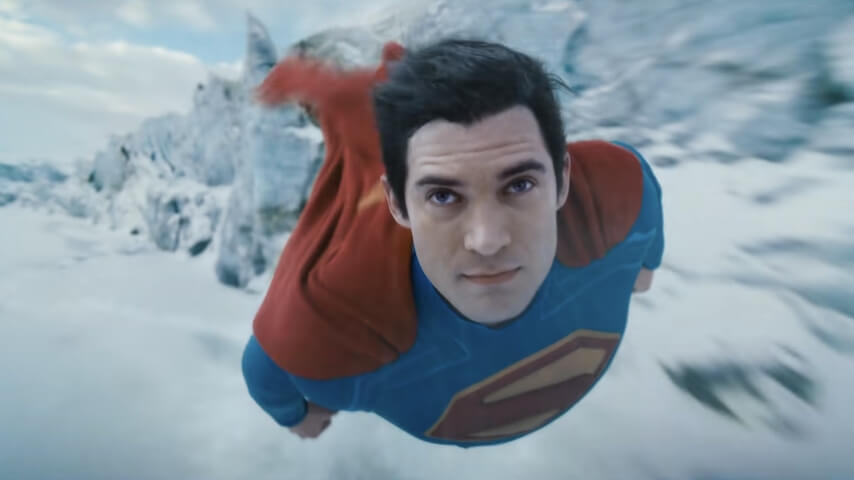
YouTube demonetizes AI-generated fake movie trailers

Thumbnail Image

The information displayed in the AIM should not be reported as representing the official views of the OECD or of its member countries.

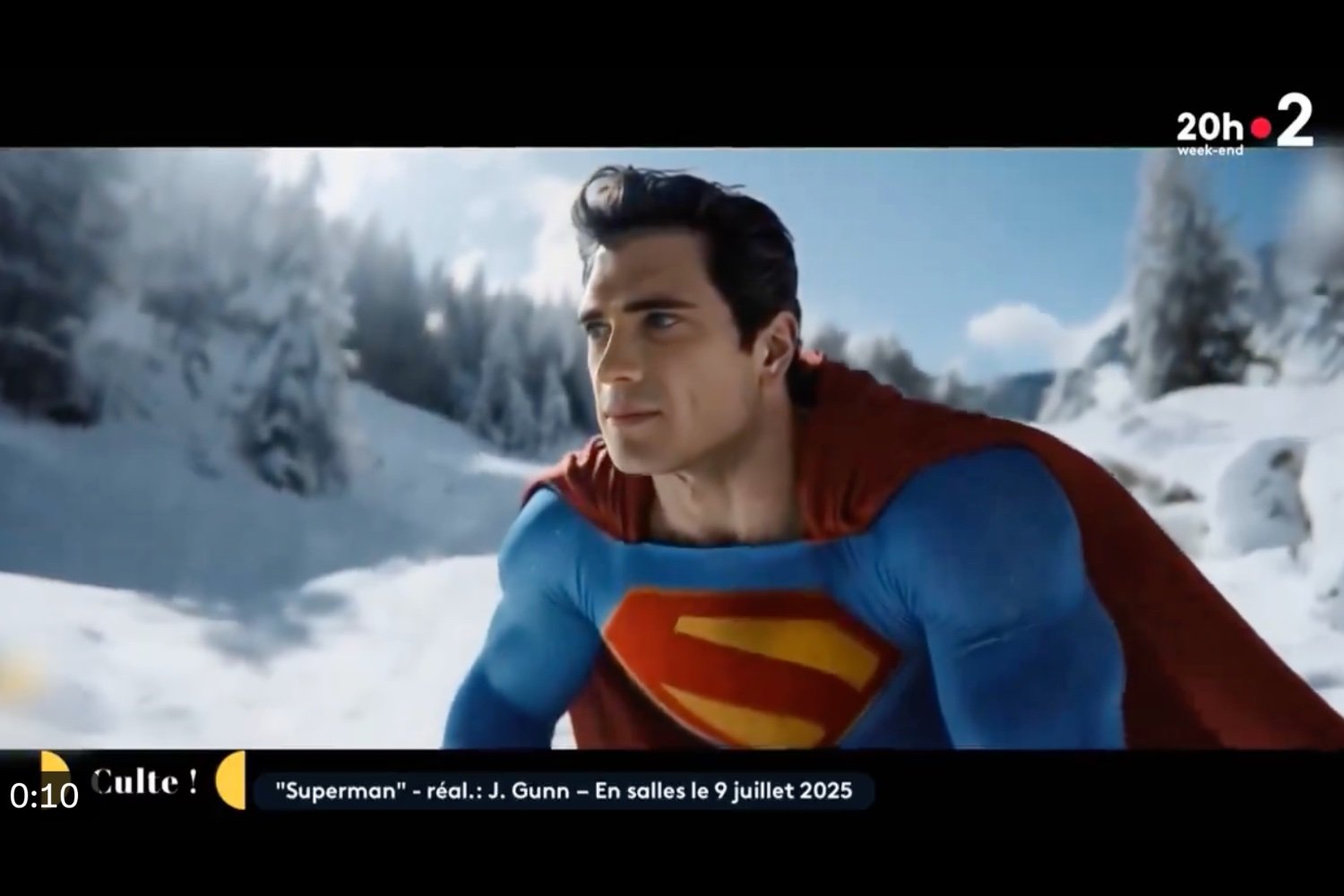
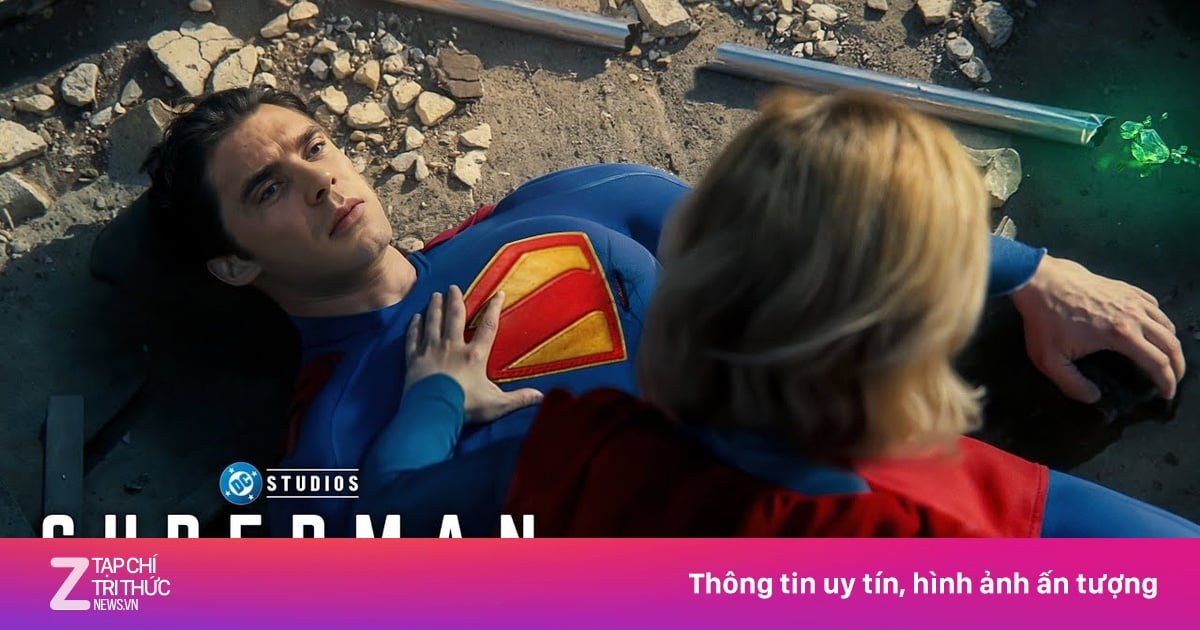
Popular YouTube channels like Screen Culture and KH Studio used generative AI to create realistic but unauthorized trailers for franchises such as Superman and Fantastic Four, misleading viewers and violating intellectual property rights. After a Deadline investigation, YouTube demonetized both channels to curb misinformation and protect creators’ rights.[AI generated]

Why's our monitor labelling this an incident or hazard?

The event involves AI systems (AI video generators) used to create unauthorized content that exploits actors' likenesses, violating their rights and intellectual property. The studios' decision to monetize rather than enforce copyright protections directly leads to harm to actors and their union, fulfilling the criteria for an AI Incident under violations of human rights and intellectual property rights. The harm is realized as the unauthorized use and monetization are ongoing, and the union's response confirms the breach of rights. Therefore, this is classified as an AI Incident.[AI generated]
AI principles
AccountabilityTransparency & explainabilitySafetyRespect of human rights

Industries
Media, social platforms, and marketing

Affected stakeholders
ConsumersBusiness

Harm types
Economic/PropertyReputational

Severity
AI incident

Business function:
Marketing and advertisement

AI system task:
Content generation


Articles about this incident or hazard

Thumbnail Image

Movie studios are being financially rewarded for AI slop on YouTube

2025-03-31
The Verge
Why's our monitor labelling this an incident or hazard?
The event involves AI systems (AI video generators) used to create unauthorized content that exploits actors' likenesses, violating their rights and intellectual property. The studios' decision to monetize rather than enforce copyright protections directly leads to harm to actors and their union, fulfilling the criteria for an AI Incident under violations of human rights and intellectual property rights. The harm is realized as the unauthorized use and monetization are ongoing, and the union's response confirms the breach of rights. Therefore, this is classified as an AI Incident.
Thumbnail Image

Hollywood studios can't make money from AI-powered fake movie trailers on YouTube anymore

2025-03-31
TechRadar
Why's our monitor labelling this an incident or hazard?
The event describes AI-generated fake movie trailers that infringe on intellectual property rights by using AI to create unauthorized replicas of films and actors, misleading viewers and generating ad revenue improperly. This constitutes a violation of intellectual property rights (harm category c) directly caused by the use of AI systems. The removal of monetization and legal measures further confirm the recognition of harm. Therefore, this qualifies as an AI Incident rather than a hazard or complementary information, as the harm has already occurred and is being addressed.
Thumbnail Image

Movie studios have been making serious money from AI slop on YouTube

2025-03-31
engadget
Why's our monitor labelling this an incident or hazard?
The event involves AI systems generating fake movie trailers that have been widely viewed and monetized, leading to confusion and misleading viewers, which constitutes harm to communities and intellectual property rights. The involvement of AI in creating misleading content that has been monetized and caused brand dilution and public confusion meets the criteria for an AI Incident. The harm is realized, not just potential, as evidenced by the confusion of French national television and the industry's response. Hence, it is not merely a hazard or complementary information but an incident.
Thumbnail Image

The Depressing Reason Those Terrible Fake Movie Trailers Are Never Going Away

2025-03-28
Gizmodo
Why's our monitor labelling this an incident or hazard?
The event involves AI systems used to generate or manipulate video content (AI-generated imagery and deepfakes), which directly leads to harm by misleading audiences and infringing on actors' likeness rights. The studios' monetization of these fake trailers further normalizes and perpetuates this harm. The harm is realized and ongoing, not merely potential, fitting the definition of an AI Incident. Although the harm is not physical injury, it constitutes violations of intellectual property rights and harm to communities through misinformation and deception, which are recognized forms of AI harm under the framework.
Thumbnail Image

YouTube Pauses Monetization for 2 Fake Movie Trailer Accounts

2025-03-30
Gizmodo
Why's our monitor labelling this an incident or hazard?
The event clearly involves AI systems (generative AI creating fake trailers) and their use (content creation and monetization). However, the article does not describe any actual harm occurring to individuals or communities, nor does it indicate a direct or indirect AI Incident. The focus is on YouTube's enforcement action to prevent policy violations and potential misinformation, which is a governance response. This fits the definition of Complementary Information, as it updates on societal and platform responses to AI-related issues without reporting a new AI Incident or AI Hazard.
Thumbnail Image

Major Studios Are Profiting From Fake AI Trailers While Artists Have to Just Sit Back and Watch

2025-03-29
Movieweb
Why's our monitor labelling this an incident or hazard?
The article explicitly discusses AI-generated fake trailers that use actors' likenesses and copyrighted material without authorization, leading to monetization by studios and harm to artists and unions. The AI systems are used to create content that infringes on intellectual property and labor rights, fulfilling the criteria for an AI Incident under violations of human rights or breach of obligations protecting intellectual property and labor rights. The harm is realized as the content is already being monetized and causing discontent among creators and unions. Hence, this is not merely a potential hazard or complementary information but a direct AI Incident.
Thumbnail Image

Inside YouTube's Weird World Of Fake Movie Trailers -- And How Studios Are Secretly Cashing In On The AI-Fuelled Videos

2025-03-28
Deadline
Why's our monitor labelling this an incident or hazard?
The article explicitly describes AI systems being used to generate fake movie trailers that infringe on studios' intellectual property and actors' likeness rights. The studios' monetization of these unauthorized videos indicates a breach of rights and legal frameworks protecting IP and labor rights. The harm is realized as these videos exploit human-centered IP without permission, and the actors' union SAG-AFTRA condemns this practice as harmful. The AI system's use in creating and distributing these videos directly leads to violations of rights and exploitation, meeting the criteria for an AI Incident under violations of human rights and intellectual property rights.
Thumbnail Image

YouTube Turns Off Ad Revenue For Fake Movie Trailer Channels After Deadline Investigation

2025-03-30
Deadline
Why's our monitor labelling this an incident or hazard?
The channels use AI to generate fake trailers that imitate official marketing material, misleading viewers and infringing on copyright, which constitutes a violation of intellectual property rights (a form of harm under the framework). YouTube's demonetization is a response to this harm. The AI system's development and use directly contribute to the creation and dissemination of misleading content, fulfilling the criteria for an AI Incident. The harm is realized (misleading content and copyright violation), not just potential, so it is not merely a hazard or complementary information.
Thumbnail Image

YouTube demonetizes fake movie trailer channels after investigation

2025-03-31
TechSpot
Why's our monitor labelling this an incident or hazard?
The event explicitly mentions the use of AI in creating fake movie trailers that mislead viewers and exploit actors without permission, which constitutes a violation of intellectual property rights and actors' rights. The monetization of these videos directly leads to harm by incentivizing unauthorized use of human-centered IP and misleading content. The involvement of AI in generating or manipulating video content is central to the incident. Hence, this qualifies as an AI Incident under the category of violations of human rights or breach of obligations under applicable law (intellectual property rights).
Thumbnail Image

YouTube cracking down on AI film trailers as studios secretly cash in on fake clips - Daily Star

2025-03-31
Daily Star
Why's our monitor labelling this an incident or hazard?
The event involves AI systems used to generate fake film trailers that have directly led to harm by misleading audiences and potentially violating intellectual property rights. The harm includes deception of viewers and misuse of copyrighted material, which fits the definition of an AI Incident under violations of intellectual property rights and harm to communities through misinformation. The studios' monetization of these fake trailers further complicates the issue but does not negate the harm caused. Therefore, this qualifies as an AI Incident.
Thumbnail Image

YouTube demonetized two of its sloppiest fake trailer accounts

2025-03-30
The A.V. Club
Why's our monitor labelling this an incident or hazard?
The event explicitly involves generative AI systems creating fake trailers that use the likenesses of actors and studios' IP without authorization, constituting a violation of intellectual property rights. The widespread dissemination of such misleading AI-generated content harms the user community by cluttering the platform and misleading viewers. The studios' claims and union statements confirm the legal and rights-based harms. YouTube's demonetization is a response to these harms, not the primary event. Hence, the AI system's use has directly led to violations of rights and harm to communities, fitting the AI Incident definition.
Thumbnail Image

Studios are reportedly profiting off of fake AI trailers on YouTube

2025-03-28
The A.V. Club
Why's our monitor labelling this an incident or hazard?
The event explicitly involves AI-assisted creation of fake trailers, indicating AI system involvement. The harm is a violation of intellectual property rights, as unauthorized use of copyrighted material is occurring and monetized by studios, which is a breach of legal protections for IP. The studios' monetization of these AI-generated trailers directly leads to harm by incentivizing unauthorized use and undermining creators' rights. This meets the criteria for an AI Incident because the AI system's use has directly led to a breach of intellectual property rights and associated harms.
Thumbnail Image

The Rise And Fall Of AI-Generated Trailers

2025-03-31
Inverse
Why's our monitor labelling this an incident or hazard?
The event involves AI systems used to generate fake movie trailers that infringe on copyright and use actors' likenesses and voices without permission, violating intellectual property rights. The AI-generated trailers have been removed due to copyright claims, and YouTube has taken action against channels monetizing such content. The harm is realized in the form of rights violations and potential deception of viewers, which fits the definition of an AI Incident. The AI system's use in creating these trailers directly led to these harms, fulfilling the criteria for an AI Incident rather than a hazard or complementary information.
Thumbnail Image

Fake Movie Trailers Made With AI Are Being Demonetized on YouTube

2025-03-31
ComingSoon.net
Why's our monitor labelling this an incident or hazard?
The event describes AI-generated fake movie trailers that exploit copyrighted material and actors' likeness without authorization, leading to violations of intellectual property and labor rights. The monetization of such content further incentivizes misuse. YouTube's demonetization is a response to these harms. Since the AI system's use has directly or indirectly led to violations of rights and exploitation, this qualifies as an AI Incident under the definitions provided.
Thumbnail Image

Movie studios are making money from fake AI trailers popping up on YouTube

2025-03-31
The Manual
Why's our monitor labelling this an incident or hazard?
The event describes the use of AI systems (AI tools like OpenAI's Sora and Google's Veo) to create fake movie trailers, which are then monetized by studios. The harm includes violation of intellectual property rights and unauthorized use of actors' likenesses, which are breaches of applicable laws protecting fundamental and labor rights. Since the harm is occurring (studios profiting from misleading AI-generated content and actors' rights being violated), this qualifies as an AI Incident under the framework.
Thumbnail Image

Studios are making money off of fake AI trailers on YouTube

2025-03-30
JoBlo's Movie Emporium
Why's our monitor labelling this an incident or hazard?
The event involves AI systems generating fake trailers that use copyrighted material without authorization, constituting a violation of intellectual property rights. The harm is realized as these videos mislead viewers and infringe on studios' rights, and the studios' acceptance of ad revenue indirectly encourages this misuse. Therefore, this qualifies as an AI Incident due to the direct involvement of AI-generated content causing violations of intellectual property rights and misleading the public.
Thumbnail Image

Movie Studios Cashing In on Fan-Made AI Movie Trailers - Superman Homepage

2025-03-28
Superman Homepage
Why's our monitor labelling this an incident or hazard?
The article explicitly discusses AI-generated movie trailers that have been created and monetized, involving the use of AI systems to produce synthetic content. The monetization by studios and the concerns raised by SAG-AFTRA about risks to creative professionals and intellectual property rights indicate realized harm or at least ongoing harm. The AI system's development and use have directly led to these harms, fulfilling the criteria for an AI Incident. The event is not merely a potential risk or a general update but involves actual AI-generated content causing or contributing to harm, thus it is not an AI Hazard or Complementary Information. It is not unrelated because AI systems are central to the event.
Thumbnail Image

YouTube Demonetizes 2 Channels Making 'Fake Trailers'

2025-03-31
Country 102.5
Why's our monitor labelling this an incident or hazard?
The article describes AI-generated fake trailers that mislead some viewers and monetize content without clear disclosure, implicating intellectual property rights and potential misinformation. However, there is no explicit mention of realized harm such as injury, rights violations, or operational disruption. The main focus is on YouTube's demonetization response and studios' revenue claims, which are governance and societal responses to AI-related challenges. Thus, it fits the definition of Complementary Information rather than an AI Incident or AI Hazard.
Thumbnail Image

YouTube Cuts Ad Revenue Payments For AI-Generated Trailers

2025-03-31
Broadcast Media Africa
Why's our monitor labelling this an incident or hazard?
The event describes AI-generated fake movie trailers that mislead viewers and violate YouTube's monetisation policies, leading to suspension and ad revenue cuts. While the AI system's use has caused deceptive content dissemination, the article does not report direct harm such as injury, rights violations, or community harm. The platform's response is a governance action to mitigate potential misinformation and deceptive practices. Therefore, this is best classified as Complementary Information, as it details a governance response to AI-generated content issues rather than a direct AI Incident or Hazard.
Thumbnail Image

YouTube Punishes AI-Generated False Trailers - News Directory 3

2025-04-01
News Directory 3
Why's our monitor labelling this an incident or hazard?
The channels use AI to generate fake trailers that have fooled viewers and even a broadcaster, indicating the AI system's outputs have directly caused misinformation harm. YouTube's policy enforcement and monetization suspension are responses to this harm. The AI-generated content's role in misleading viewers and the resulting platform actions demonstrate a direct link between AI use and harm, fitting the definition of an AI Incident.
Thumbnail Image

Youtube entra en guerra contra los tráilers ficticios creados por IA

2025-03-31
Digital Trends Español
Why's our monitor labelling this an incident or hazard?
The event involves AI systems generating synthetic video content (fake trailers) that could mislead viewers, constituting a form of misinformation and potential harm to communities. However, the article focuses on YouTube's policy enforcement and mitigation measures rather than describing a specific incident of harm occurring. Therefore, this is best classified as Complementary Information, as it provides context on societal and platform governance responses to AI-generated misinformation rather than reporting a direct AI Incident or a plausible future hazard.
Thumbnail Image

Golpe de YouTube contra los molestos tráilers falsos hechos por IA que han inundado la plataforma

2025-03-31
20 minutos
Why's our monitor labelling this an incident or hazard?
The article explicitly mentions the use of AI to generate fake movie trailers that mislead viewers, which is a direct use of AI systems. The harm includes misinformation to the public (harm to communities) and violation of intellectual property rights, as studios have requested demonetization to protect their rights. The AI system's use has directly led to these harms, fulfilling the criteria for an AI Incident. The event is not merely a potential risk or a complementary update but a realized harm caused by AI-generated content.
Thumbnail Image

YouTube, en contra de las películas generadas con IA: ha retirado la monetización de varios canales especializados

2025-04-01
La Razón
Why's our monitor labelling this an incident or hazard?
The article explicitly mentions the use of AI to generate fan-made movie trailers that use actors' images without authorization, leading to copyright and image rights violations. This constitutes a breach of intellectual property and personal rights, which are recognized harms under the AI Incident definition (c). The economic harm to actors and rights holders is direct and has prompted YouTube to act by removing monetization. The AI system's use in generating this content is central to the harm, making this an AI Incident rather than a hazard or complementary information.
Thumbnail Image

YouTube carga contra los trailers falsos de películas generados con IA

2025-04-01
Hipertextual
Why's our monitor labelling this an incident or hazard?
The event explicitly involves AI-generated fake movie trailers that deceive viewers, constituting misinformation and harm to communities. The AI system's use in creating misleading content that is monetized and widely viewed directly leads to harm. YouTube's demonetization action is a response to this harm. The harm is realized, not just potential, as the content misleads audiences. Hence, this is an AI Incident due to the direct link between AI-generated content and harm through deception and misinformation.
Thumbnail Image

Inside el extraño mundo de YouTube de trailers de películas falsas de IA

2025-03-28
esdelatino.com
Why's our monitor labelling this an incident or hazard?
The article explicitly involves AI systems used to generate fake movie trailers that are realistic enough to deceive viewers and media, indicating AI system involvement in content creation. The use of AI-generated content exploits intellectual property and actors' likeness without consent, which is a violation of intellectual property and personal rights (human rights). The monetization of such content by studios without authorization exacerbates the harm. The harm is realized as viewers are misled, actors' rights are violated, and the integrity of official marketing is undermined, fulfilling the criteria for an AI Incident under violations of rights and harm to communities. Thus, the event is classified as an AI Incident.
Thumbnail Image

YouTube apaga los ingresos en la cultura de la pantalla del canal de avance falso de la película

2025-03-30
esdelatino.com
Why's our monitor labelling this an incident or hazard?
The event describes AI-generated fake movie trailers that have led to YouTube disabling monetization due to policy violations. While the AI system's use is central, the harms described relate to copyright and monetization policy enforcement rather than direct or indirect harm to health, infrastructure, human rights, property, or communities. The event does not describe realized harm as defined under AI Incident, nor does it present a plausible future harm scenario beyond existing policy enforcement. Therefore, it is best classified as Complementary Information, as it provides context on platform governance and responses to AI-generated content misuse rather than a new AI Incident or Hazard.
Thumbnail Image

KH Studios y Screen Culture AI Canales de trailer falsos desmonetizados

2025-03-30
esdelatino.com
Why's our monitor labelling this an incident or hazard?
The event describes the use of AI systems to create fake movie trailers that infringe on intellectual property rights and potentially mislead viewers. YouTube's demonetization action is a governance response to these concerns. Although there is a clear risk of harm related to rights violations and misinformation, the article does not document actual realized harm such as legal rulings or confirmed damages. Instead, it reports on the platform's preventive measures and the broader societal debate. Therefore, this is best classified as Complementary Information, as it provides context and updates on responses to AI-generated content issues rather than reporting a new AI Incident or AI Hazard.
Thumbnail Image

YouTube detiene la monetización para 2 cuentas de tráiler de películas falsas - Notiulti

2025-03-30
Notiulti
Why's our monitor labelling this an incident or hazard?
The article describes the use of generative AI to create fake movie trailers, which could mislead viewers, thus posing a risk of misinformation. However, there is no indication that actual harm has occurred yet; rather, YouTube's demonetization is a preventive measure addressing potential policy violations. The main focus is on the platform's response to the AI-generated content and the creators' defense, which fits the definition of Complementary Information as it provides context and updates on governance responses to AI-related content issues without reporting a new AI Incident or Hazard.
Thumbnail Image

YouTube recorta pagos de ingresos publicitarios para remolques generados por IA - Notiulti

2025-03-31
Notiulti
Why's our monitor labelling this an incident or hazard?
The event involves AI systems generating fake movie trailers that mislead viewers and violate YouTube's monetization policies. The AI-generated content has directly led to platform enforcement actions due to policy violations related to misleading content and originality claims. The harm includes potential misinformation and intellectual property violations, which fall under violations of rights and harm to communities. The direct link between AI-generated content and the platform's response confirms this as an AI Incident rather than a hazard or complementary information.
Thumbnail Image

YouTube desativa receita de anúncios para canais de trailers de filmes falsos * Tecnoblog

2025-04-01
Tecnoblog
Why's our monitor labelling this an incident or hazard?
The event explicitly involves AI systems used to generate fake movie trailers, which are then monetized on YouTube. The use of AI-generated content to create misleading trailers that deceive viewers and infringe on studios' rights constitutes a violation of intellectual property rights and harms communities by spreading misinformation. YouTube's demonetization and revenue redirection are responses to this harm. Since the AI-generated fake trailers have already caused harm (deception, IP violation, monetization of unauthorized content), this qualifies as an AI Incident under the framework, specifically under violation of intellectual property rights and harm to communities.
Thumbnail Image

YouTube começa a desmonetizar canais de trailers falsos feitos com IA

2025-04-01
TecMundo
Why's our monitor labelling this an incident or hazard?
The event explicitly involves AI systems used to generate fake trailers that infringe on copyrights and mislead viewers, causing harm to intellectual property rights holders and potentially deceiving the public. The demonetization by YouTube is a direct consequence of these harms. The AI system's use in creating this content is central to the incident, fulfilling the criteria for an AI Incident due to realized harm (copyright violation and deceptive content).
Thumbnail Image

YouTube desmonetiza canais de trailers falsos feitos com inteligência artificial (IA)

2025-04-01
TudoCelular.com
Why's our monitor labelling this an incident or hazard?
The event involves AI systems used to generate fake movie trailers, which directly leads to violations of intellectual property rights, a recognized harm under the AI Incident category. The demonetization is a response to this harm, indicating that the AI-generated content caused actual rights violations. Therefore, this qualifies as an AI Incident rather than a hazard or complementary information.
Thumbnail Image

YouTube desativa monetização de canais de TRAILERS FALSOS criados por Inteligência Artificial

2025-03-31
CinePOP
Why's our monitor labelling this an incident or hazard?
The event involves AI systems generating fake trailers that infringe on copyrights and mislead viewers, which constitutes a violation of intellectual property rights and deceptive content dissemination. The harm is realized as these videos attract large audiences and generate revenue, prompting platform intervention. The AI system's use in creating these trailers is central to the incident. Hence, it meets the criteria for an AI Incident due to direct harm caused by AI-generated content violating rights and misleading communities.
Thumbnail Image

Estúdios de cinema lucram (muito) com conteúdo IA de baixa qualidade no YouTube | TugaTech

2025-04-01
TugaTech
Why's our monitor labelling this an incident or hazard?
The article explicitly mentions AI-generated fake trailers that infringe on copyright, which is a violation of intellectual property rights (a form of harm under AI Incident definition). The AI system's use in generating these videos directly leads to this harm. Additionally, users are potentially misled by fake content, causing harm to communities. The studios' monetization agreements and YouTube's removal of monetization from original channels are responses but do not negate the incident. Hence, this is an AI Incident.
Thumbnail Image

YouTube corta receita de canais que enganavam com trailers falsos de cinema

2025-03-31
B9
Why's our monitor labelling this an incident or hazard?
The article describes AI-generated fake movie trailers that deceive viewers and infringe on intellectual property rights. The AI system's use directly leads to harm by misleading audiences and violating copyright laws. The monetization of these videos by studios indicates complicity in this harm. The YouTube platform's action to suspend monetization confirms recognition of the harm. Hence, this is an AI Incident involving violation of intellectual property rights and harm to communities through misinformation and deception.
Thumbnail Image

'Titanic 2'? YouTube bane canais por trailers falsos criad

2025-04-02
Marketeer
Why's our monitor labelling this an incident or hazard?
The event involves AI systems used to generate fake movie trailers, which mislead viewers and cause economic harm to movie studios by diverting advertising revenue. This constitutes a violation of intellectual property rights and harms the community by spreading misinformation. The harm is realized as these videos have millions of views and generate ad revenue, and the platform's demonetization is a response to this harm. Therefore, this qualifies as an AI Incident due to the direct involvement of AI-generated content causing harm to rights holders and the community.
Thumbnail Image

YouTube punishes major fake movie trailer channels by disabling ad revenue

2025-04-01
9to5Google
Why's our monitor labelling this an incident or hazard?
The event describes AI-generated or AI-augmented fake movie trailers that mislead viewers and exploit copyrighted material, which constitutes a violation of intellectual property rights (a form of harm under the AI Incident definition). The involvement of AI in creating these trailers is explicit or reasonably inferred from the description. The harm is realized as these videos misrepresent real movie releases and generate revenue by exploiting IP. YouTube's action to disable ad revenue is a response to this harm but does not negate the incident itself. Hence, this is an AI Incident rather than a hazard or complementary information.
Thumbnail Image

How Movie Studios Cash In on Fake AI Movie 'Trailers' on YouTube

2025-04-02
PetaPixel
Why's our monitor labelling this an incident or hazard?
The article explicitly mentions AI-generated fake movie trailers that infringe on copyrights by using unauthorized footage and characters. The AI systems (e.g., Midjourney, ElevenLabs) are used to create these trailers, which have amassed billions of views and generate ad revenue. The studios' choice to monetize rather than remove these videos means the AI-generated content is directly causing harm by violating intellectual property rights. This meets the definition of an AI Incident because the AI system's use has directly led to a breach of intellectual property rights, a recognized harm under the framework.
Thumbnail Image

WB, Sony allegedly wanted YouTube to pay them money from fake movie trailers

2025-04-01
Neowin
Why's our monitor labelling this an incident or hazard?
The event explicitly involves AI systems generating fake movie trailers that mislead viewers, which is a direct harm to communities by spreading misinformation. The use of AI to create deceptive content that manipulates viewers and ad revenue is a clear AI Incident. The alleged actions of studios benefiting financially from these AI-generated misleading videos further compound the harm, potentially violating intellectual property rights and ethical standards. Therefore, this qualifies as an AI Incident due to realized harm caused by the AI-generated misleading content and its monetization.
Thumbnail Image

YouTube hits fake movie trailer channels where it hurts, and I'm so happy

2025-04-01
Chrome Unboxed - The Latest Chrome OS News
Why's our monitor labelling this an incident or hazard?
The event describes the use of AI-generated elements in fake movie trailers that mislead viewers, constituting a violation of intellectual property rights and misleading content policies. The harm is realized as viewers are deceived, and studios profit from this misuse, which is a breach of legal and ethical standards protecting intellectual property. YouTube's demonetization is a response to these harms. Since the AI system's use directly contributes to the creation and dissemination of misleading content causing harm, this qualifies as an AI Incident under the framework.
Thumbnail Image

YouTube Cracks Down on Fake Movie Trailer Channels, Cuts Ad Revenue ~ My Mobile India

2025-04-02
My Mobile
Why's our monitor labelling this an incident or hazard?
The event explicitly mentions AI-generated footage used to create fake movie trailers that mislead viewers, which is a direct violation of intellectual property rights and monetization policies. The misleading content harms the rights of movie studios and potentially deceives the audience, fulfilling the criteria for harm to rights and communities. The involvement of AI in generating or modifying content is clear, and the harm is realized as these channels have been penalized for their actions. Therefore, this qualifies as an AI Incident rather than a hazard or complementary information.
Thumbnail Image

Millions Ripped Off on YouTube - News Directory 3

2025-04-03
News Directory 3
Why's our monitor labelling this an incident or hazard?
The article describes AI-generated videos that closely imitate official film trailers, leading to millions of dollars in advertising revenue for channels using this content. This constitutes a violation of intellectual property rights and platform policies, causing economic harm to original content owners and misleading viewers. The AI system's development and use directly contributed to these harms, qualifying this event as an AI Incident under the definitions provided.
Thumbnail Image

Hollywoods Geschäft mit Millionen Klicks: Jetzt zahlt YouTube kein Geld mehr für Fake-Film-Trailer

2025-03-31
GameStar
Why's our monitor labelling this an incident or hazard?
The event clearly involves AI systems generating fake film trailers, which are used misleadingly to attract views and ad revenue. This use of AI-generated misinformation has led to YouTube's decision to demonetize the channels, indicating that harm has occurred in the form of misinformation and deceptive practices. The involvement of Hollywood studios profiting indirectly from these videos adds to the ethical concerns. Although the harm is primarily reputational and related to misinformation rather than physical injury or legal rights violations, it fits within the scope of harm to communities through misinformation. Therefore, this qualifies as an AI Incident due to the realized harm caused by AI-generated deceptive content.
Thumbnail Image

YouTube dreht populären Seiten mit Fake-Filmtrailern den Geldhahn ab

2025-03-31
WinFuture.de
Why's our monitor labelling this an incident or hazard?
The event explicitly involves AI systems used to generate fake film trailers, which are unauthorized uses of copyrighted material, thus violating intellectual property rights. The monetization of these videos and the platform's response to stop monetization directly relate to harms under the AI Incident definition, specifically violations of intellectual property rights. The use of AI tools to create these trailers and the resulting financial and rights-related harms confirm this classification as an AI Incident rather than a hazard or complementary information.
Thumbnail Image

Diese YouTube-Kanäle täuschten Millionen Zuschauer - jetzt geht es ihnen an den Kragen

2025-04-01
Buffed
Why's our monitor labelling this an incident or hazard?
The event involves AI systems generating or modifying video content to create fake trailers that mislead millions of viewers, causing harm by deception and misinformation. The harm is realized, not just potential, as millions have been deceived. The AI system's use in content creation is central to the incident. The platform's enforcement action confirms the harm and the role of AI-generated misleading content. Therefore, this is an AI Incident due to realized harm to communities through misinformation and deception caused by AI-generated content.
Thumbnail Image

Hollywoods Profit aus KI-generierten Filmtrailern auf YouTube

2025-03-31
IT BOLTWISE® x Artificial Intelligence
Why's our monitor labelling this an incident or hazard?
The event involves AI systems generating realistic fake film trailers, which mislead viewers and cause reputational harm to film studios, thus constituting harm to communities and potentially violating intellectual property rights indirectly. The monetization of such content by studios and the subsequent platform response indicate realized harm related to AI use. Although no physical injury or direct legal violation is detailed, the misleading nature and brand dilution represent significant harms attributable to AI-generated content. Therefore, this qualifies as an AI Incident due to the realized harm from AI-generated misleading content and monetization practices.
Thumbnail Image

KI-Fake-Trailer auf YouTube: Wie Hollywood mitverdient

2025-04-03
Mimikama
Why's our monitor labelling this an incident or hazard?
The article explicitly describes AI systems (e.g., Midjourney, Leonardo, ElevenLabs) generating fake trailers that infringe on copyrights and use actors' likenesses without consent, which is a violation of intellectual property rights and labor rights. The harm is realized as these fake trailers are widely distributed and monetized, misleading audiences and exploiting creative professionals. The studios' complicity in monetizing these unauthorized AI-generated contents further confirms the direct involvement of AI in causing harm. Hence, this is an AI Incident rather than a hazard or complementary information.
Thumbnail Image

YouTube dreht populären Seiten mit Fake-Filmtrailern den Geldhahn ab

2025-03-31
m.winfuture.de
Why's our monitor labelling this an incident or hazard?
The event involves AI systems explicitly used to create fake film trailers, which are monetized and generate significant revenue. This use of AI directly leads to violations of intellectual property rights, a recognized category of AI harm. The monetization and widespread dissemination of these AI-generated trailers cause economic harm to the original content owners and mislead viewers about the authenticity of the content. The involvement of AI in generating the content and the resulting harm to rights holders meets the criteria for an AI Incident. Although there is no physical injury or direct health harm, the violation of intellectual property rights and the economic impact on the film industry constitute significant harm under the framework. Hence, the classification is AI Incident.