Germany to Acquire AI-Enabled Kamikaze Drones

Thumbnail Image

The information displayed in the AIM should not be reported as representing the official views of the OECD or of its member countries.

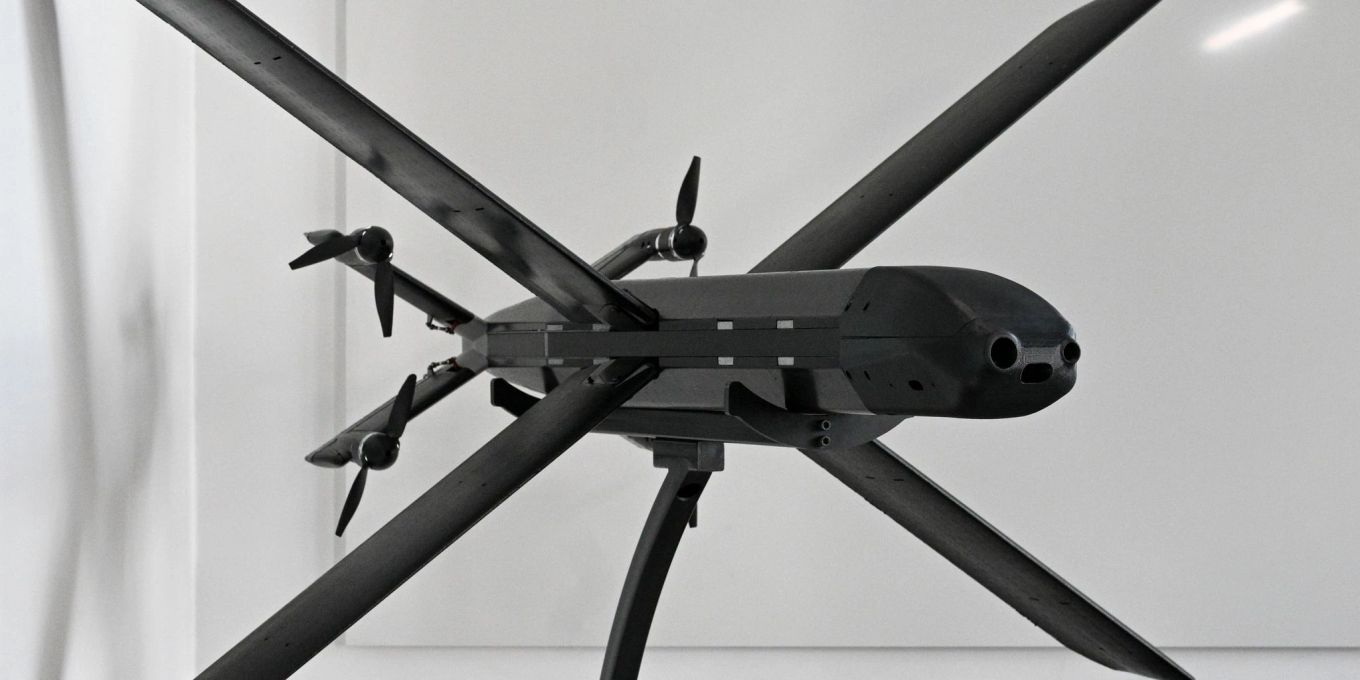
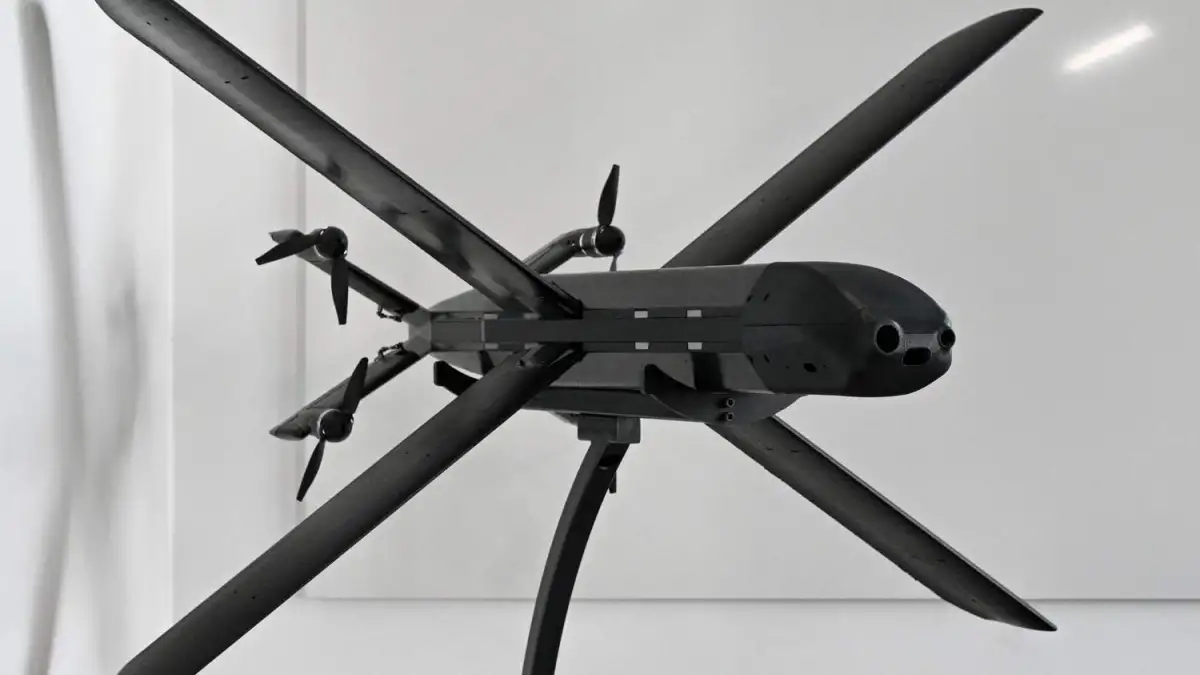
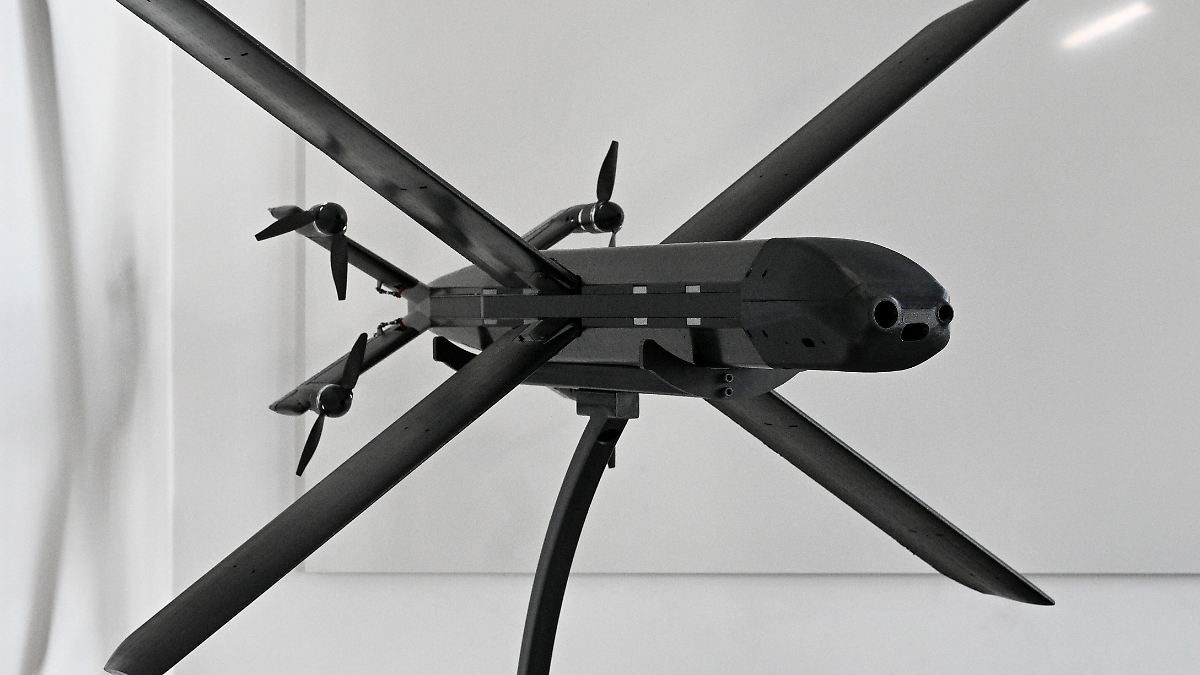
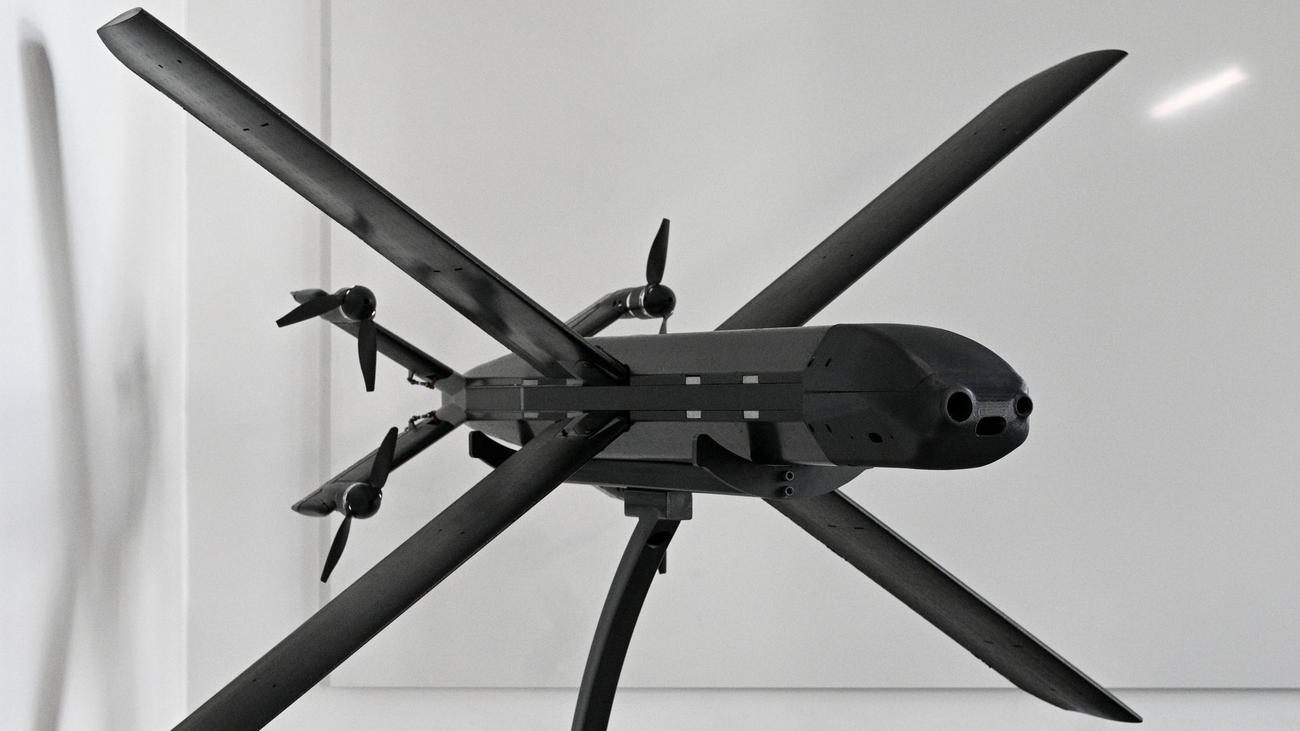
Germany's Defense Ministry, led by Boris Pistorius, is set to sign contracts for AI-enabled, semi-autonomous kamikaze drones—loitering munitions used in the Ukraine conflict. This marks a shift from previous policy and raises future concerns regarding the potential risks associated with deploying such systems.[AI generated]

Why's our monitor labelling this an incident or hazard?

The article explicitly mentions AI-enabled attack drones that autonomously identify and engage targets, which are lethal weapons. Although no harm has yet occurred from their use by the Bundeswehr, the development and acquisition of such AI-powered autonomous weapons systems pose a credible risk of causing injury, harm to people, and violations of human rights in the future. Therefore, this event constitutes an AI Hazard due to the plausible future harm from the deployment of these AI systems in military operations.[AI generated]
AI principles
AccountabilitySafetyRobustness & digital securityRespect of human rightsTransparency & explainabilityDemocracy & human autonomyHuman wellbeing

Industries
Government, security, and defenceRobots, sensors, and IT hardwareDigital security

Affected stakeholders
General public

Harm types
Physical (death)Physical (injury)Human or fundamental rightsPublic interestPsychologicalReputationalEconomic/Property

Severity
AI hazard

AI system task:
Recognition/object detectionGoal-driven organisationReasoning with knowledge structures/planning


Articles about this incident or hazard

Thumbnail Image

Verteidigung: Verteidigungsministerium will Angriffsdrohnen beschaffen

2025-04-03
ZEIT ONLINE
Why's our monitor labelling this an incident or hazard?
The article explicitly mentions AI-enabled attack drones that autonomously identify and engage targets, which are lethal weapons. Although no harm has yet occurred from their use by the Bundeswehr, the development and acquisition of such AI-powered autonomous weapons systems pose a credible risk of causing injury, harm to people, and violations of human rights in the future. Therefore, this event constitutes an AI Hazard due to the plausible future harm from the deployment of these AI systems in military operations.
Thumbnail Image

Verteidigungsministerium will Angriffsdrohnen beschaffen

2025-04-03
stern.de
Why's our monitor labelling this an incident or hazard?
The article explicitly mentions AI-enabled attack drones (loitering munitions) that autonomously identify and attack targets, which qualifies as an AI system. The event concerns the planned acquisition and deployment of these systems, which have a high potential to cause injury or harm to persons, thus fitting the definition of an AI Hazard. Since the harm is plausible but not yet realized, this is an AI Hazard rather than an AI Incident. The article does not describe any realized harm or incident yet, only the intention to procure and use such systems.
Thumbnail Image

Verteidigungsministerium will Angriffsdrohnen beschaffen - Politik - DIE RHEINPFALZ

2025-04-03
rheinpfalz.de
Why's our monitor labelling this an incident or hazard?
The article explicitly mentions the use of AI in attack drones that autonomously guide explosives to targets, indicating the presence of an AI system. The event concerns the planned procurement and deployment of these AI-enabled weapons, which could plausibly lead to significant harm, including injury or death, and potential violations of international law or human rights. Although no harm has yet occurred, the nature of these AI systems and their intended use in military operations constitute a credible risk of future harm. Therefore, this event qualifies as an AI Hazard rather than an AI Incident, as the harm is plausible but not yet realized.
Thumbnail Image

Deutsches Verteidigungsministerium will Angriffsdrohnen beschaffen

2025-04-03
Nau
Why's our monitor labelling this an incident or hazard?
The event involves the planned acquisition and deployment of AI-enabled attack drones that use artificial intelligence for target guidance, which are autonomous weapon systems. Although no harm has yet occurred, the development and intended use of such AI-powered lethal autonomous weapons plausibly pose significant risks of harm, including injury or death, and thus constitute an AI Hazard under the framework. There is no indication that harm has already occurred, so it is not an AI Incident. The article is not merely complementary information or unrelated, as it highlights the procurement of AI-enabled autonomous weapons with potential for harm.
Thumbnail Image

Deutschland rüstet auf: Pistorius lässt Kamikaze-Drohnen anschaffen

2025-04-03
Merkur.de
Why's our monitor labelling this an incident or hazard?
The event involves the planned acquisition and use of AI-enabled autonomous kamikaze drones by the German military. These drones use AI to identify and attack targets autonomously, fitting the definition of an AI system. The article does not report any actual harm caused by these drones yet, but the intended use in military conflict clearly poses a plausible risk of injury, death, and other harms. Therefore, this is an AI Hazard, as the development and deployment of such systems could plausibly lead to an AI Incident involving harm to persons and communities. The article focuses on the planned procurement and strategic implications, not on realized harm or incidents, so it is not an AI Incident or Complementary Information.
Thumbnail Image

ROUNDUP: Verteidigungsministerium will Angriffsdrohnen beschaffen

2025-04-03
onvista
Why's our monitor labelling this an incident or hazard?
The event involves the planned acquisition and use of AI-enabled attack drones by the military, which are semi-autonomous weapons capable of selecting and attacking targets. Although no incident of harm has yet occurred, the deployment of such AI systems in lethal autonomous weapons is widely recognized as a significant AI hazard due to the credible risk of injury, death, and violations of human rights. The article focuses on the procurement and intended use, not on an actual incident, so it does not qualify as an AI Incident. It is not merely complementary information because the main focus is on the potential for harm from these AI systems. Therefore, the classification as an AI Hazard is appropriate.
Thumbnail Image

Verteidigung: Bundeswehr soll erstmals teilautonome Angriffsdrohnen erhalten

2025-04-03
ZEIT ONLINE
Why's our monitor labelling this an incident or hazard?
The article explicitly mentions AI-enabled semi-autonomous attack drones that can autonomously identify and attack targets, which fits the definition of an AI system. The event concerns the planned acquisition and deployment of these weapons by the Bundeswehr, which could plausibly lead to harm such as injury or death and violations of human rights. Since the harm is not yet realized but the AI system's use in lethal autonomous weapons is imminent and poses credible risks, this is best classified as an AI Hazard. There is no indication that harm has already occurred, so it is not an AI Incident. The event is not merely complementary information or unrelated, as it concerns the development and intended use of AI systems with significant potential for harm.
Thumbnail Image

Bundeswehr plant Aufrüstung mit "Kamikaze"-Drohnen

2025-04-03
Süddeutsche.de
Why's our monitor labelling this an incident or hazard?
The article explicitly mentions AI-enabled kamikaze drones intended for attack missions, which are autonomous or semi-autonomous weapon systems. Their deployment in military operations inherently carries the risk of injury or death (harm to persons) and escalation of conflict. Since the article discusses plans and procurement rather than an actual incident causing harm, this constitutes a plausible future risk rather than a realized harm. Therefore, this event qualifies as an AI Hazard due to the credible potential for harm arising from the development and intended use of these AI systems in weaponized drones.
Thumbnail Image

Ukraine-Liveticker: Selenskyj: Bundeswehr will Verträge für Drohnen unterschreiben

2025-04-03
FAZ.NET
Why's our monitor labelling this an incident or hazard?
The event involves the planned acquisition and deployment of AI-powered autonomous weapon systems (loitering munitions) by the Bundeswehr. Such systems use AI to identify and engage targets, which inherently carries significant risks of harm including injury or death, and potential violations of human rights. Although no harm has yet occurred, the development and deployment of these AI-enabled weapons plausibly could lead to AI Incidents involving injury, violations of rights, or other harms. Therefore, this event qualifies as an AI Hazard due to the credible risk posed by the use of AI in lethal autonomous weapons systems.
Thumbnail Image

Bundeswehr setzt auf moderne Angriffsdrohnen zur Stärkung der Verteidigungsfähigkeit

2025-04-03
IT BOLTWISE® x Artificial Intelligence
Why's our monitor labelling this an incident or hazard?
The event involves the development and planned use of AI-enabled autonomous attack drones (armed kamikaze drones) by the Bundeswehr. These systems qualify as AI systems due to their autonomous targeting and navigation capabilities powered by AI. The article highlights the intended military use of these drones, which could directly lead to injury, death, or other harms in conflict scenarios. Since no actual harm is reported yet but the deployment of such systems plausibly leads to significant harm, this event fits the definition of an AI Hazard. The article does not describe an incident where harm has already occurred, so it is not an AI Incident. It is not merely complementary information or unrelated news, as the focus is on the acquisition and deployment of AI-enabled autonomous weapons with inherent risks.
Thumbnail Image

Bundeswehr wird mit Drohnenmunition für den Kampf gerüstet

2025-04-03
weser-kurier-de
Why's our monitor labelling this an incident or hazard?
The event involves the development and imminent use of AI-enabled semi-autonomous attack drones by the Bundeswehr. The AI system's role in guiding explosive payloads to targets is explicitly stated. Although no incident of harm has yet occurred, the nature of these weapons and their AI capabilities create a credible risk of injury, death, and other harms associated with autonomous weapons systems. The article does not report any realized harm or malfunction but highlights the strategic and operational implications of deploying such AI systems. Hence, it fits the definition of an AI Hazard rather than an AI Incident or Complementary Information.
Thumbnail Image

Bundeswehr bekommt Angriffsdrohnen - Ministerium spricht von "Gamechanger"

2025-04-03
GMX
Why's our monitor labelling this an incident or hazard?
The event involves AI systems explicitly, as the drones use AI to guide explosive payloads to targets. The article discusses the development and planned use of these AI-enabled attack drones by the Bundeswehr, which could plausibly lead to harm such as injury, death, or disruption in military contexts. No actual harm or incident has yet occurred according to the article, so it does not meet the criteria for an AI Incident. It is not merely complementary information because the main focus is on the acquisition and deployment of potentially harmful AI systems, not on responses or updates to past incidents. Therefore, the event is best classified as an AI Hazard due to the credible risk posed by the introduction of AI-powered autonomous weapons.
Thumbnail Image

Verteidigungsministerium will Angriffsdrohnen für Bundeswehr kaufen

2025-04-03
tagesschau.de
Why's our monitor labelling this an incident or hazard?
The article explicitly mentions AI-enabled attack drones that use AI to guide explosives to targets, which qualifies as an AI system. The event concerns the planned acquisition and deployment of these systems by the Bundeswehr, which is a development and intended use scenario. No actual harm or incident is reported yet, but the nature of armed autonomous or semi-autonomous drones inherently carries a credible risk of causing injury or death, disruption, and other harms. Hence, this is an AI Hazard rather than an AI Incident. It is not merely complementary information because the focus is on the imminent acquisition of potentially harmful AI systems, not on responses or ecosystem context. It is not unrelated because the AI system and plausible harm are central to the report.
Thumbnail Image

Deutschland wird für den Kampf gerüstet

2025-04-03
oe24
Why's our monitor labelling this an incident or hazard?
The article explicitly mentions AI-enabled loitering munitions that autonomously select and attack targets, which qualifies as an AI system. The event concerns the planned acquisition and deployment of these weapons, which could plausibly lead to harm such as injury or death in military operations and collateral damage to civilians. Since no actual harm has yet occurred or been reported, but the potential for significant harm is credible and foreseeable, this fits the definition of an AI Hazard. The article does not describe a realized incident or harm, nor is it primarily about responses or updates to past incidents, so it is not an AI Incident or Complementary Information.
Thumbnail Image

Verteidigung: Bundeswehr wird mit Drohnenmunition für den Kampf gerüstet

2025-04-03
stuttgarter-zeitung.de
Why's our monitor labelling this an incident or hazard?
The event involves AI systems explicitly: loitering munitions using AI for autonomous target identification and attack. The Bundeswehr's acquisition and planned use of these weapons indicate development and use of AI systems with lethal capabilities. Although no incident of harm is reported yet, the nature of these AI-enabled weapons inherently carries a credible risk of causing injury, death, and disruption in conflict zones. The article's focus is on the introduction and strategic implications of these AI weapons, not on an actual harm event. Hence, it fits the definition of an AI Hazard, as the AI system's use could plausibly lead to an AI Incident involving harm to persons or communities in the future.
Thumbnail Image

Bundeswehr wird mit Drohnenmunition für den Kampf gerüstet - Politik - DIE RHEINPFALZ

2025-04-03
rheinpfalz.de
Why's our monitor labelling this an incident or hazard?
The article explicitly mentions AI-enabled attack drones (loitering munitions) that use AI to guide explosives to targets, which qualifies as an AI system. The event concerns the Bundeswehr's decision to acquire and deploy these systems, which have not yet been used by Germany but are being introduced following experiences in Ukraine and other countries. No actual harm or incident is described, but the nature of these AI systems as autonomous lethal weapons means their deployment could plausibly lead to injury, death, or violations of rights. Hence, this is an AI Hazard rather than an AI Incident. The article does not focus on responses or updates to prior incidents, so it is not Complementary Information. It is clearly related to AI systems and their military use, so it is not Unrelated.
Thumbnail Image

Verteidigung: Bundeswehr wird mit Drohnenmunition für den Kampf gerüstet - Politik - Rhein-Zeitung

2025-04-03
Rhein-Zeitung
Why's our monitor labelling this an incident or hazard?
The article explicitly mentions AI use in the HX-2 drone to guide explosive payloads to targets, indicating the presence of an AI system. The event concerns the Bundeswehr's planned acquisition and deployment of these AI-enabled loitering munitions, which are weapon systems with autonomous targeting capabilities. Although no harm has yet occurred in Germany, the article discusses the potential for these weapons to be used in combat, which could lead to injury or death (harm to persons). The challenges in defending against such drones over populated areas further underscore plausible future harm. Since the harm is potential and not yet realized, this fits the definition of an AI Hazard rather than an AI Incident. The article is not merely general AI news or a complementary update but focuses on the introduction of a new AI-enabled weapon system with inherent risks.
Thumbnail Image

Verteidigungsministerium will Angriffsdrohnen beschaffen

2025-04-03
onvista
Why's our monitor labelling this an incident or hazard?
The article explicitly mentions AI being used in the HX-2 attack drone to autonomously guide explosives to targets. The deployment of such AI-powered autonomous weapons directly relates to potential harm, including injury or death, and thus falls under the definition of an AI Hazard because the harm is plausible but not yet realized. Since the drones are planned for procurement and not yet deployed or causing harm, this is a credible future risk rather than an incident. Therefore, this event is best classified as an AI Hazard due to the plausible future harm from the use of AI in autonomous lethal weapons.
Thumbnail Image

Bundeswehr soll Angriffsdrohnen mit intelligenter Munition erhalten

2025-04-04
heise online
Why's our monitor labelling this an incident or hazard?
The event involves AI systems explicitly: the HX-2 drone uses AI to autonomously steer explosives to targets. The use of loitering munitions with AI for autonomous target engagement is a clear example of AI system use in a military context. While no actual harm has yet occurred, the deployment of such systems inherently carries a credible risk of causing injury or death (harm to persons) and other harms. The article focuses on the planned acquisition and initial testing phase, not on an incident of realized harm. Hence, it is best classified as an AI Hazard, reflecting the plausible future harm from these AI-enabled autonomous weapons.
Thumbnail Image

Bundeswehr bekommt Angriffsdrohnen - Ministerium spricht von "Gamechanger"

2025-04-03
WEB.DE
Why's our monitor labelling this an incident or hazard?
The article explicitly mentions AI-enabled attack drones being procured and deployed by the Bundeswehr, which are autonomous or semi-autonomous weapon systems capable of lethal action. Although no incident of harm is reported, the nature of these systems and their intended use in military operations present a credible risk of injury, death, or other harms. The article discusses the strategic implications and acknowledges challenges in defense, indicating plausible future harm. Hence, this event fits the definition of an AI Hazard, as it involves AI system development and use that could plausibly lead to an AI Incident, but no actual harm has yet occurred.
Thumbnail Image

Zwei Anbieter im Fokus: Bundeswehr will Kamikaze-Drohnen beschaffen

2025-04-03
N-tv
Why's our monitor labelling this an incident or hazard?
The event involves AI systems explicitly: kamikaze drones that use AI to autonomously identify and attack targets. The Bundeswehr is planning to acquire and deploy these systems, which are armed and capable of lethal force. While no actual harm has been reported yet, the nature of these AI-enabled autonomous weapons clearly poses a credible risk of injury or death (harm to persons) and disruption in military contexts. This fits the definition of an AI Hazard, as the development and intended use of these AI systems could plausibly lead to an AI Incident involving harm. There is no indication that harm has already occurred, so it is not an AI Incident. The article is not primarily about responses, updates, or research findings, so it is not Complementary Information. It is clearly related to AI systems and their potential harms, so it is not Unrelated.
Thumbnail Image

Deutscher Kurswechsel: Pistorius lässt Kampfdrohnen kaufen - Ministerium spricht von "Gamechanger"

2025-04-03
Der Tagesspiegel
Why's our monitor labelling this an incident or hazard?
The article explicitly mentions AI-enabled armed drones that use AI to guide explosives to targets, which qualifies as an AI system. The event concerns the development and planned use of these systems by the Bundeswehr, which could plausibly lead to harm including injury or death in military contexts. No actual harm or incident is reported yet, only the decision to acquire and deploy these systems and the challenges in defending against drones. Therefore, this is an AI Hazard, not an AI Incident. The article does not focus on responses or updates to past incidents, so it is not Complementary Information. It is clearly related to AI systems and their potential military harm, so it is not Unrelated.
Thumbnail Image

Verteidigung: Bundeswehr wird mit Drohnenmunition für den Kampf gerüstet

2025-04-03
Trierischer Volksfreund. Die Zeitung für die Region Trier/Mosel
Why's our monitor labelling this an incident or hazard?
The event involves the Bundeswehr's decision to procure armed drones, which are typically equipped with AI systems for autonomous navigation, targeting, and attack functions. Although no harm has yet occurred, the introduction of such AI-enabled weapon systems plausibly leads to future harms such as injury, disruption, or violations of rights due to their offensive capabilities. Therefore, this event constitutes an AI Hazard because it reflects a credible risk of harm stemming from the deployment of AI-powered autonomous weapons.
Thumbnail Image

Revolution bei der Bundeswehr: Truppe kauft Kamikaze-Drohnen

2025-04-03
Braunschweiger Zeitung
Why's our monitor labelling this an incident or hazard?
The event involves the Bundeswehr's decision to purchase and deploy kamikaze drones, which are AI systems used for autonomous or semi-autonomous lethal targeting. While no harm has yet occurred from this procurement, the nature of these AI-enabled weapons carries a credible risk of causing injury, harm to persons, and disruption in conflict scenarios. Therefore, this event represents a plausible future risk of harm due to the use of AI in autonomous weapons, qualifying it as an AI Hazard rather than an AI Incident, since no actual harm has been reported yet.
Thumbnail Image

Pistorius rüstet auf: Kamikaze-Drohnen für Deutschland

2025-04-04
https://www.mannheim24.de
Why's our monitor labelling this an incident or hazard?
The article explicitly mentions AI-enabled kamikaze drones with autonomous targeting capabilities being procured by the German military. These systems qualify as AI systems due to their autonomous decision-making in targeting. The event concerns the planned acquisition and future use of these weapons, which could plausibly lead to harms including injury, death, or disruption in conflict scenarios. Since no actual harm or incident has yet occurred from their use by Germany, but the potential for harm is credible and significant, the event fits the definition of an AI Hazard. It is not Complementary Information because it is not an update or response to a prior incident, nor is it unrelated as it clearly involves AI systems with military applications and associated risks.
Thumbnail Image

Bundeswehr plant Anschaffung moderner Angriffsdrohnen

2025-04-03
IT BOLTWISE® x Artificial Intelligence
Why's our monitor labelling this an incident or hazard?
The event involves AI systems explicitly: the HX-2 drone uses AI to guide explosives to targets. The Bundeswehr's planned acquisition is a development and intended use of AI-enabled autonomous weapon systems. Although no incident of harm has yet occurred, the article highlights plausible future harms such as increased militarization, escalation of conflict, and ethical issues related to autonomous lethal force. This fits the definition of an AI Hazard, as the AI system's use could plausibly lead to harms including injury, disruption of security, and violations of international norms. There is no indication of realized harm yet, so it is not an AI Incident. The article is not merely complementary information or unrelated news, as it focuses on the potential risks of deploying AI-enabled attack drones.