Waymo robotaxi blocks Chick-fil-A drive-thru after navigation failure

Thumbnail Image

The information displayed in the AIM should not be reported as representing the official views of the OECD or of its member countries.

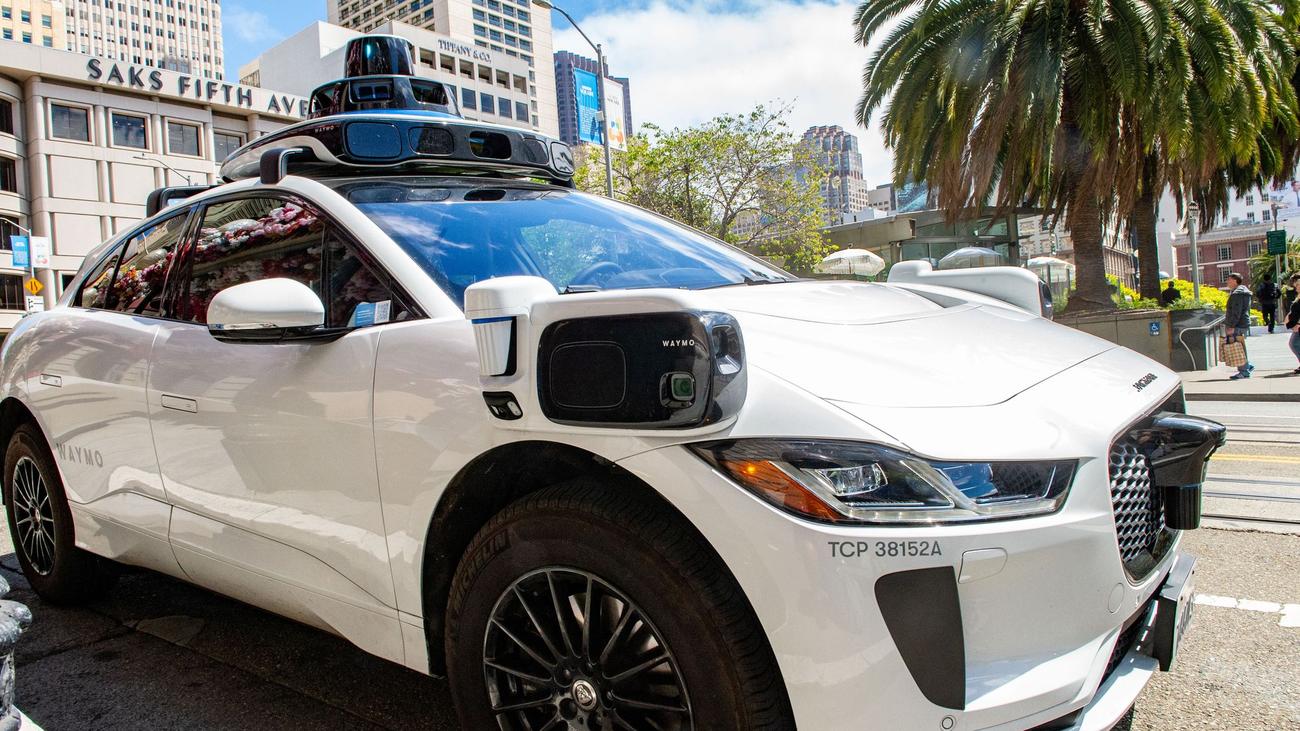
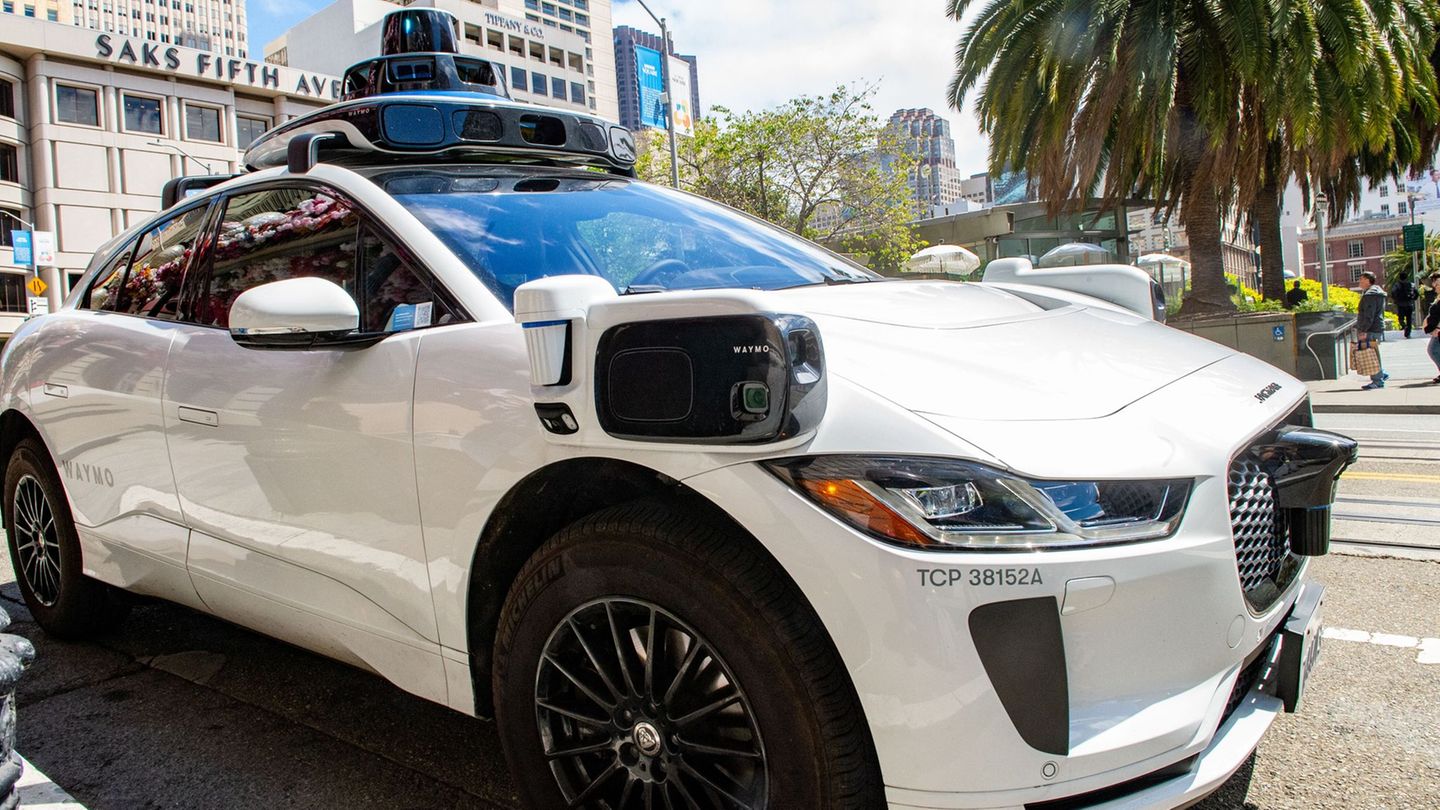
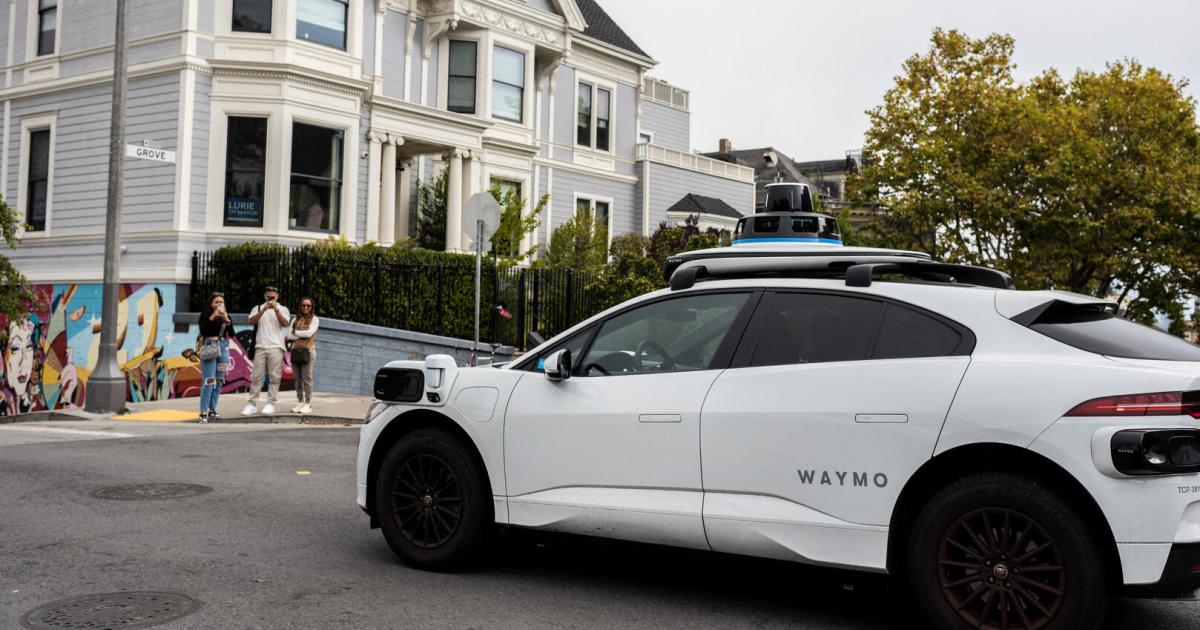
A Waymo autonomous vehicle became stuck in a Chick-fil-A drive-thru lane in Los Angeles after dropping off a passenger, blocking service for over 30 minutes. Staff closed the drive-thru to remove the driverless car, which failed to navigate out of the tight space. No injuries were reported.[AI generated]

Why's our monitor labelling this an incident or hazard?

An AI system (Waymo's autonomous driving AI) is explicitly involved, and its use has directly led to disruption of traffic flow, which can be considered a disruption of management and operation of critical infrastructure (road traffic). Although the harm is minor and mostly inconvenience, it fits under disruption of operation. There is no indication of injury or property damage, so the harm is limited to disruption. Therefore, this qualifies as an AI Incident due to the direct impact of the AI system's behavior causing disruption.[AI generated]
AI principles
SafetyRobustness & digital securityAccountability

Industries
Mobility and autonomous vehiclesFood and beverages

Affected stakeholders
ConsumersBusiness

Harm types
Economic/PropertyReputational

Severity
AI incident

Business function:
Other

AI system task:
Recognition/object detectionForecasting/predictionGoal-driven organisationReasoning with knowledge structures/planning


Articles about this incident or hazard

Thumbnail Image

Ohne Passagier: Robotaxi blockiert Drive-Thru von Fast-Food-Restaurant

2025-04-10
Kurier
Why's our monitor labelling this an incident or hazard?
An AI system (Waymo's autonomous driving AI) is explicitly involved, and its use has directly led to disruption of traffic flow, which can be considered a disruption of management and operation of critical infrastructure (road traffic). Although the harm is minor and mostly inconvenience, it fits under disruption of operation. There is no indication of injury or property damage, so the harm is limited to disruption. Therefore, this qualifies as an AI Incident due to the direct impact of the AI system's behavior causing disruption.
Thumbnail Image

Tücken der Technik: Leeres Robotaxi blockiert Fast-Food-Autoschalter

2025-04-10
RP Online
Why's our monitor labelling this an incident or hazard?
The event involves an AI system (the autonomous driving system of the Waymo robotaxi) malfunctioning or failing to navigate properly, which directly led to a disruption of the operation of a critical service infrastructure (the fast-food drive-thru). Although the harm is limited to operational disruption and not physical injury, it fits the definition of an AI Incident due to the direct impact caused by the AI system's malfunction in a real-world environment.
Thumbnail Image

Leeres Robotaxi blockiert Fast-Food-Autoschalter

2025-04-10
Yahoo!
Why's our monitor labelling this an incident or hazard?
The event involves an AI system (Waymo's autonomous vehicle) malfunctioning or failing to navigate properly, leading to a traffic disruption at a fast-food drive-thru. This disruption constitutes harm to property or community by blocking access and causing delays. The AI system's malfunction directly led to this harm. Therefore, this qualifies as an AI Incident under the framework, as the AI system's malfunction caused a tangible disruption to the operation of a service and inconvenience to the community.
Thumbnail Image

Leeres Robotaxi blockiert Drive-thru - Chaos auf Parkplatz in Los Angeles

2025-04-10
Spiegel Online
Why's our monitor labelling this an incident or hazard?
The event involves an AI system (Waymo's autonomous driving AI) malfunctioning or failing to navigate properly, resulting in a blockage that disrupted the operation of a drive-thru service. This disruption constitutes harm to the management and operation of critical infrastructure (the drive-thru service as part of food service infrastructure). Although no physical injury or property damage is reported, the disruption and operational impact qualify as harm under the framework. Therefore, this event is classified as an AI Incident due to the direct involvement of an AI system causing operational disruption.
Thumbnail Image

Tücken der Technik: Leeres Robotaxi blockiert Fast-Food-Autoschalter

2025-04-10
ZEIT ONLINE
Why's our monitor labelling this an incident or hazard?
The robotaxi is an AI system as it autonomously navigates and makes driving decisions. Its inability to leave the drive-thru lane caused a disruption to the operation of the fast-food restaurant's drive-thru, which is a form of disruption to management and operation of critical infrastructure (traffic flow and public access). Although no physical injury or property damage occurred, the event caused a significant operational disruption and inconvenience to the public. Therefore, this qualifies as an AI Incident due to the direct involvement of an AI system's malfunction leading to harm in the form of disruption.
Thumbnail Image

Leeres Robotaxi blockiert Drive-Thru-Spur

2025-04-10
Blick.ch
Why's our monitor labelling this an incident or hazard?
The event involves an AI system (Waymo's autonomous vehicle) whose malfunction (failure to navigate out of a tight parking spot) directly caused a disruption of a critical service (drive-thru operation). The AI system's role is pivotal as the vehicle's autonomous behavior led to the blockage and operational disruption. Although no physical harm occurred, the disruption of service fits within the definition of an AI Incident under category (b).
Thumbnail Image

Leeres Robotaxi blockiert Fast-Food-Autoschalter

2025-04-10
stern.de
Why's our monitor labelling this an incident or hazard?
The event involves an AI system (Waymo's autonomous driving AI) malfunctioning during its use, leading to a blockage and disruption at a fast-food drive-thru. This caused a tangible operational disruption and inconvenience, which qualifies as harm to property or community operations. Therefore, this is an AI Incident due to the direct impact of the AI system's malfunction causing harm (disruption) to the community and property (the restaurant's drive-thru operation).
Thumbnail Image

Waymos Robotaxi bleibt bei Drive-In stecken

2025-04-10
futurezone.at
Why's our monitor labelling this an incident or hazard?
The event involves an AI system explicitly (Waymo's autonomous robotaxi) whose malfunction (failure to navigate and get unstuck) directly led to a disruption of the operation of a critical public infrastructure (the drive-in restaurant and its service) and harm to the community (customers unable to order food). Although no physical injury occurred, the disruption and inconvenience are harms under the framework's category (d) harm to communities or property. The AI system's role is pivotal as the robotaxi's autonomous driving software caused the blockage. Hence, this is an AI Incident rather than a hazard or complementary information.
Thumbnail Image

Leeres Robotaxi blockiert Fast-Food-Autoschalter - Web-News - Reutlinger General-Anzeiger - gea.de

2025-04-10
Reutlinger General-Anzeiger
Why's our monitor labelling this an incident or hazard?
The event involves an AI system (Waymo's autonomous vehicle) whose malfunction (getting stuck and blocking the drive-thru lane) directly caused a disruption to the operation of a critical infrastructure component (the fast-food drive-thru). The disruption lasted for at least half an hour and required intervention to remove the vehicle. Although no physical injury or legal violation is reported, the disruption of service and community inconvenience is a recognized harm under the framework. Therefore, this is an AI Incident due to the AI system's malfunction leading to operational disruption and community harm.
Thumbnail Image

Tücken der Technik: Leeres Robotaxi blockiert Fast-Food-Autoschalter - Verlagshaus Jaumann

2025-04-10
Die Oberbadische - Markgräfler Tagblatt - Weiler Zeitung
Why's our monitor labelling this an incident or hazard?
The event involves an AI system (the autonomous driving system of the Waymo robotaxi) malfunctioning by getting stuck in a drive-thru lane, which directly caused disruption to the operation of a critical service (the fast-food drive-thru). This disruption constitutes harm under the category of disruption to management and operation of infrastructure (albeit not critical infrastructure in the strictest sense, but a public service). The AI system's malfunction is the direct cause of the incident. Therefore, this qualifies as an AI Incident.
Thumbnail Image

Waymo plant Nutzung von Innenraumdaten zur KI-Entwicklung und Werbung

2025-04-07
IT BOLTWISE® x Artificial Intelligence
Why's our monitor labelling this an incident or hazard?
The article explicitly mentions the use of AI systems (generative AI models) trained on interior camera data from autonomous vehicles, which qualifies as AI system involvement. The event concerns the planned use (development and use) of AI systems with personal data, which could plausibly lead to violations of privacy and human rights (harm category c). Since no realized harm is reported yet, but the potential for significant harm is credible and directly linked to the AI system's use, this qualifies as an AI Hazard rather than an AI Incident. The article does not describe a response or update to a past incident, so it is not Complementary Information. It is not unrelated because it involves AI systems and potential harm.
Thumbnail Image

Waymo-Robotaxi blockiert Chick-fil-A Drive-Thru in Kalifornien

2025-04-10
IT BOLTWISE® x Artificial Intelligence
Why's our monitor labelling this an incident or hazard?
The event involves an AI system (an autonomous vehicle) whose malfunction (inability to complete a maneuver) directly caused a disruption to traffic flow, leading to delays for other drivers. Although no physical injuries or property damage occurred, the disruption of traffic management in a public space qualifies as a disruption of operation, which fits the definition of an AI Incident under category (b) "Disruption of the management and operation of critical infrastructure" or more broadly as a disruption to public traffic flow. The incident is a realized harm caused by the AI system's malfunction, not merely a potential risk, so it is classified as an AI Incident rather than an AI Hazard or Complementary Information.