AI-Generated Lawyer Impersonation in New York Court

Thumbnail Image

The information displayed in the AIM should not be reported as representing the official views of the OECD or of its member countries.

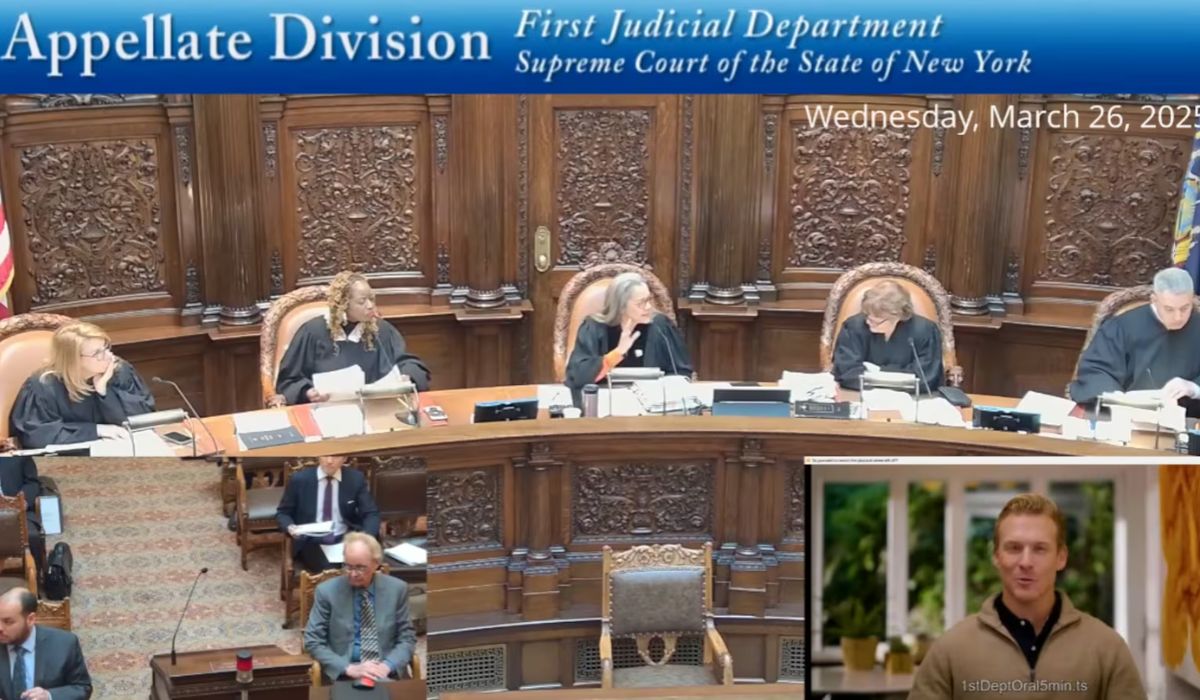
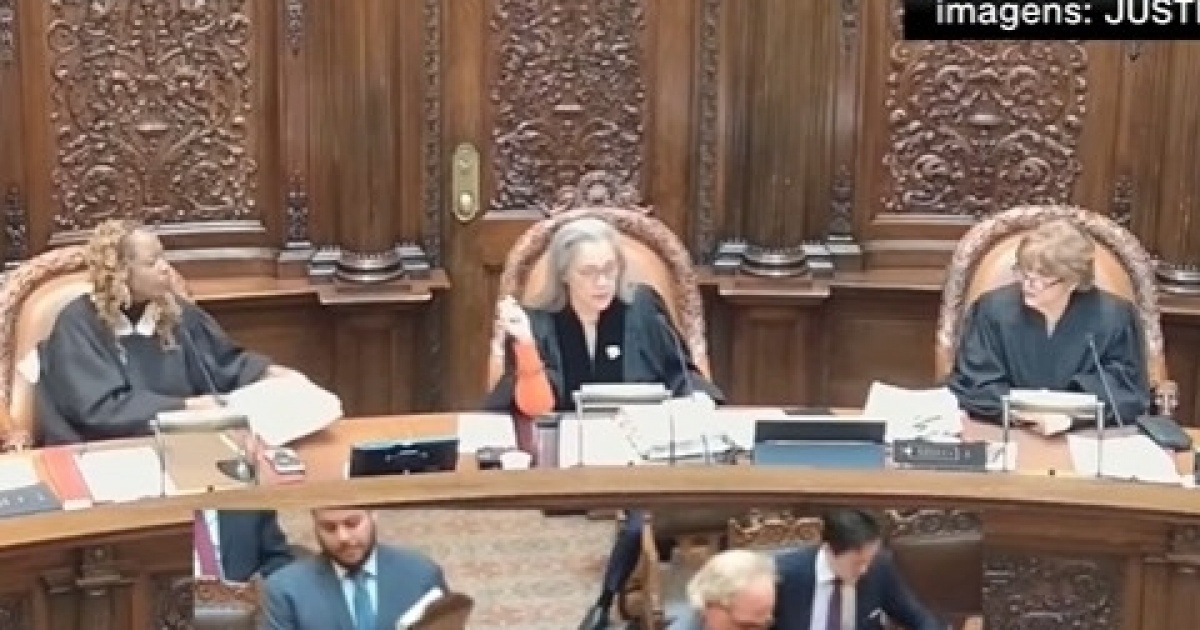
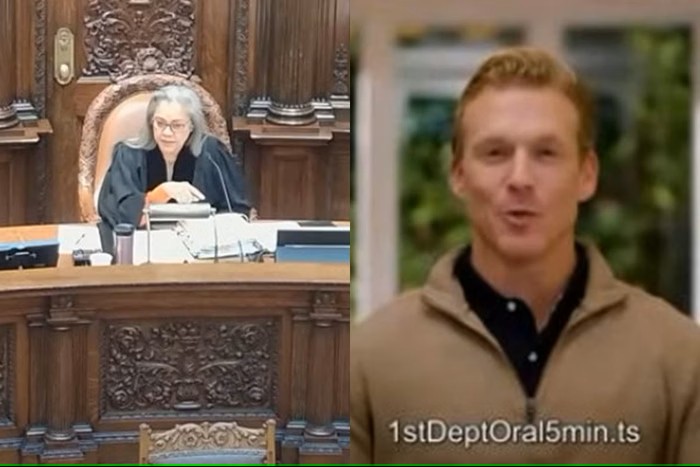
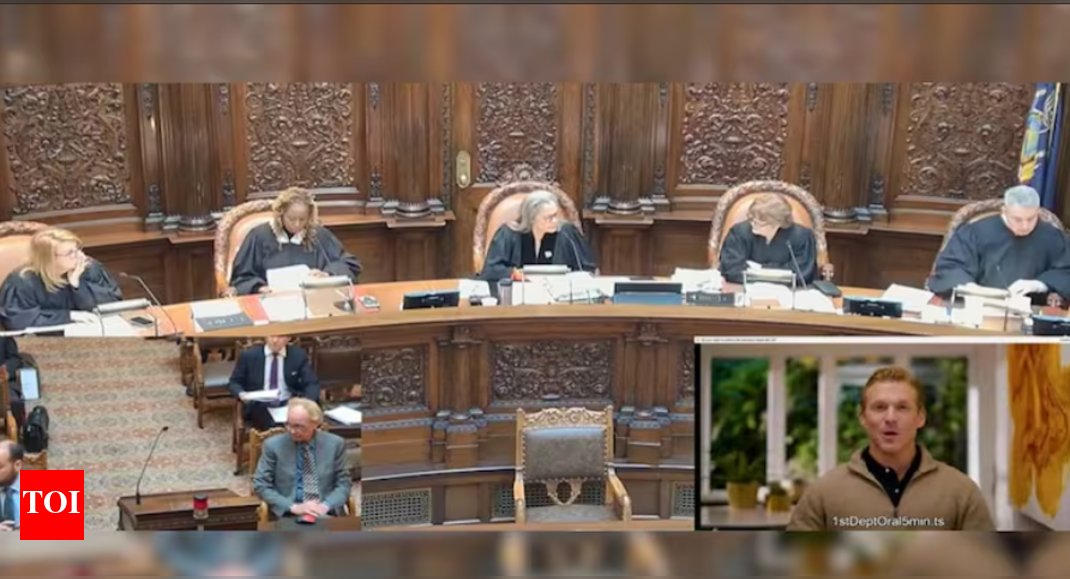
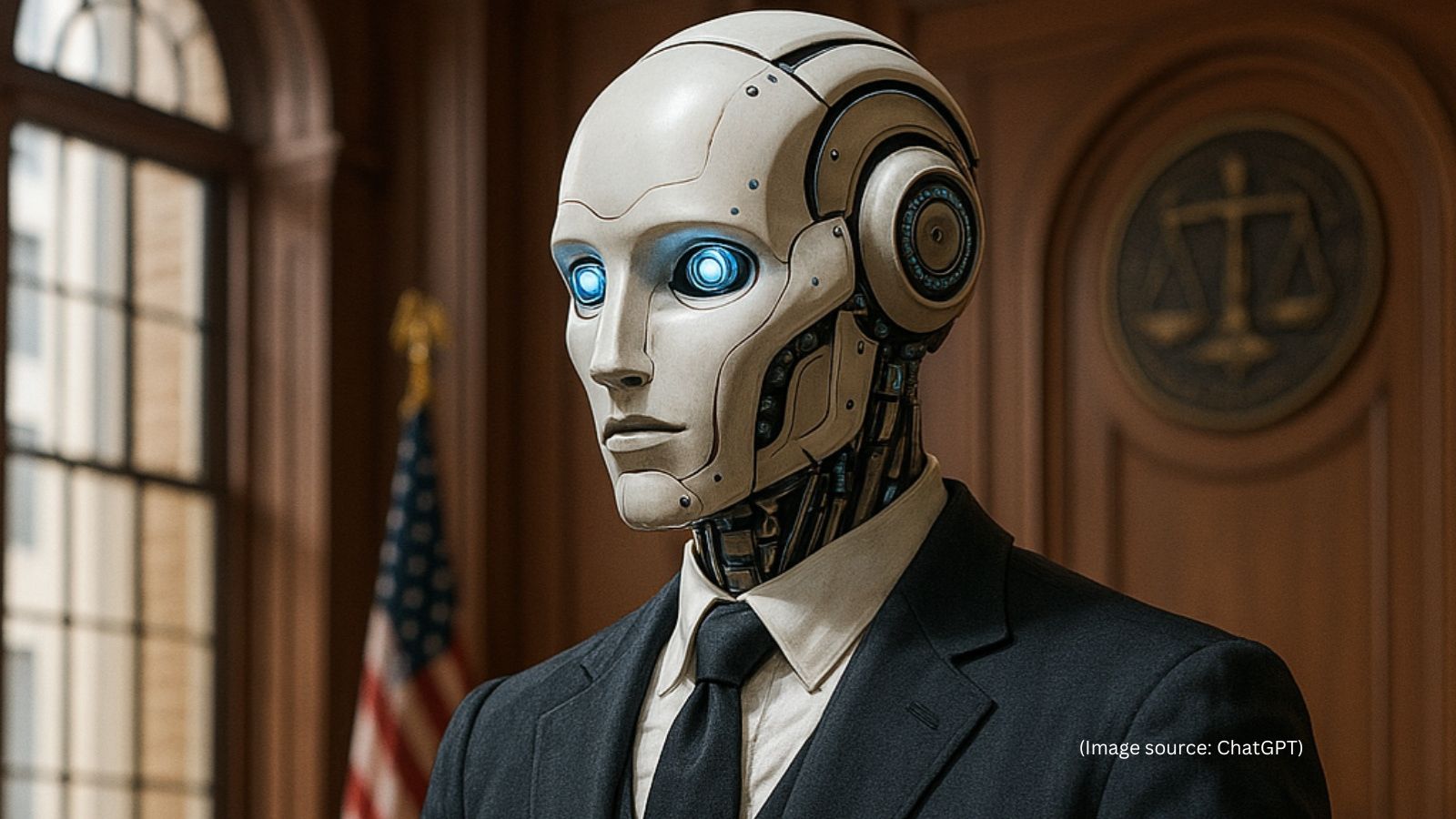
During a labor lawsuit hearing in New York on March 26, Jerome Dewald used an AI-generated avatar to impersonate a lawyer. Judge Sallie Manzanet-Daniels interrupted the session upon discovering the deception, raising serious concerns about the misuse of AI in legal proceedings.[AI generated]

Why's our monitor labelling this an incident or hazard?

The event involves the use of an AI system to generate a fake lawyer avatar that was presented in court, misleading the judge and disrupting judicial proceedings. The AI system's use directly caused harm by deceiving the court, violating legal norms and obligations. This fits the definition of an AI Incident because the AI system's use led to a breach of legal obligations and undermined the judicial process. The incident is not merely a potential hazard or complementary information but a realized harm involving AI misuse in a critical legal context.[AI generated]

AI principles
AccountabilityTransparency & explainabilityRobustness & digital securitySafetyDemocracy & human autonomyRespect of human rights

Industries
Government, security, and defenceDigital security

Affected stakeholders
GovernmentGeneral public

Harm types
Public interestReputationalHuman or fundamental rights

Severity
AI incident

AI system task:
Content generation


Articles about this incident or hazard

Thumbnail Image

Juíza interrompe audiência ao descobrir 'advogado falso' gerado por IA

2025-04-07
TNH1
Why's our monitor labelling this an incident or hazard?
The event involves the use of an AI system to generate a fake lawyer avatar that was presented in court, misleading the judge and disrupting judicial proceedings. The AI system's use directly caused harm by deceiving the court, violating legal norms and obligations. This fits the definition of an AI Incident because the AI system's use led to a breach of legal obligations and undermined the judicial process. The incident is not merely a potential hazard or complementary information but a realized harm involving AI misuse in a critical legal context.
Thumbnail Image

Homem tenta enganar juíza com falso advogado criado por inteligência artificial

2025-04-08
CidadeVerde.com
Why's our monitor labelling this an incident or hazard?
The event involves the use of an AI system (an AI-generated video avatar) in a legal setting to impersonate a lawyer, which is a misuse of AI technology. This misuse directly led to harm by disrupting the court's management and operation (harm category b) and constitutes a violation of legal obligations and rights (harm category c). The judge's reaction and the interruption of the hearing demonstrate that the AI system's use caused actual harm. Therefore, this qualifies as an AI Incident.
Thumbnail Image

Juíza interrompe audiência após uso de 'advogado' gerado por IA

2025-04-08
Portal Em Tempo
Why's our monitor labelling this an incident or hazard?
An AI system was involved as it generated a video simulating a human lawyer. The use of this AI system was part of the process (use) but did not directly or indirectly cause harm such as injury, rights violation, or disruption. The judge's interruption and admonishment reflect concerns about transparency and procedural integrity, but no harm meeting the criteria for an AI Incident occurred. The event highlights a plausible risk of misuse of AI-generated representations in legal contexts, which could lead to harm if such practices become widespread or deceptive. However, since no harm occurred, and the event is a specific case illustrating potential misuse, it is best classified as an AI Hazard rather than an Incident or Complementary Information.
Thumbnail Image

VÍDEO: Homem usa advogado criado por IA, causa polêmica e toma esculacho em tribunal dos EUA

2025-04-08
ND Mais
Why's our monitor labelling this an incident or hazard?
An AI system was explicitly used to generate a digital avatar lawyer presenting arguments in court, which is a clear use of AI in a critical legal setting. The judge's reaction and order to stop the video indicate that the AI's use disrupted the court's management and operation, fulfilling the criterion of harm to critical infrastructure. The lack of disclosure and the misleading nature of the AI avatar also represent a breach of legal procedural norms, implicating violations of obligations under applicable law. Therefore, this event qualifies as an AI Incident due to the realized harm caused by the AI system's use in the judicial process.
Thumbnail Image

VÍDEO: Homem tenta enganar juíza com advogado criado por IA - Bahia Notícias

2025-04-10
bahianoticias.com.br
Why's our monitor labelling this an incident or hazard?
The event involves the use of an AI system to generate a fake lawyer video, which was used in a legal proceeding to mislead the court. This misuse of AI directly led to harm in the form of undermining the judicial process and potentially violating legal rights, fitting the definition of an AI Incident.
Thumbnail Image

Homem é descoberto usando 'advogado' criado por IA em julgamento nos EUA

2025-04-08
R7 Notícias
Why's our monitor labelling this an incident or hazard?
The AI system (the digital avatar generated by AI) was used in the court proceeding to represent the defendant, which is a direct use of AI in a context where legal rights and procedural fairness are critical. The judge's interruption and reprimand indicate that the AI's use caused a disruption and a breach of trust and transparency in the legal process, which constitutes harm under the framework's category of violations of human rights or breach of legal obligations. The event describes realized harm (disruption and breach of legal norms) caused directly by the AI system's use, not merely a potential risk. Hence, it is classified as an AI Incident.
Thumbnail Image

Homem usa 'advogado' gerado por IA durante audiência e é interrompido por juíza: 'Enganada'

2025-04-08
Terra
Why's our monitor labelling this an incident or hazard?
An AI system was explicitly used to generate a virtual avatar presenting legal arguments, which is a use of AI in a formal judicial setting. The judge's reaction indicates the AI use was not properly disclosed, causing procedural issues and a sense of deception. However, there is no indication of injury, rights violation, or other significant harm as defined by the framework. The event is a clear AI Incident because the AI system's use directly led to a disruption in court proceedings and a breach of procedural expectations, which can be considered a harm to the operation of the judicial process (a form of harm to institutional integrity). Therefore, it qualifies as an AI Incident rather than a hazard or complementary information.
Thumbnail Image

"Advogado" gerado por IA é utilizado durante audiência nos EUA

2025-04-09
Terra
Why's our monitor labelling this an incident or hazard?
The article explicitly mentions the use of an AI-generated video (an AI system) in a court hearing, which is a novel application raising important issues. However, the incident did not result in any direct or indirect harm as defined by the framework (no injury, rights violation, or disruption). The main focus is on the implications, challenges, and the need for guidelines and education regarding AI use in courts. This fits the definition of Complementary Information, as it informs about societal and governance responses and the evolving understanding of AI's role in the legal system without reporting an AI Incident or Hazard.
Thumbnail Image

Homem usa advogado criado por IA e é repreendido por juíza - Migalhas

2025-04-08
Migalhas
Why's our monitor labelling this an incident or hazard?
An AI system was explicitly involved as the avatar was generated by AI to act as a virtual lawyer. The use was during the legal proceeding (use of AI system). However, the event did not lead to any of the defined harms (injury, rights violations, disruption, property/community/environmental harm, or other significant harms). The judge's reprimand and interruption of the hearing are procedural responses rather than harms. There is no indication of plausible future harm from this specific event. Therefore, it does not meet the criteria for AI Incident or AI Hazard. It is not merely general AI news but a specific event involving AI use with no harm, so it is best classified as Complementary Information, as it provides context on societal and governance responses to AI use in courts.
Thumbnail Image

Homem usa avatar de IA como advogado e leva bronca de juíza

2025-04-08
Poder360
Why's our monitor labelling this an incident or hazard?
The event involves the use of an AI system (an AI-generated avatar) in a legal proceeding to represent a party, which directly influenced the court session. The judge's reaction indicates that the AI use was inappropriate and caused disruption and potential harm to the integrity of the judicial process. This fits the definition of an AI Incident because the AI system's use led to a violation of legal procedural norms and a breach of obligations under applicable law protecting fundamental rights to fair legal representation and due process. The incident is not merely a potential hazard or complementary information, but a realized event with direct consequences.
Thumbnail Image

Vídeo: Homem usa advogado criado por IA em tribunal, e leva invertida afiada de juíza nos EUA: "Não gosto de ser enganada" - Hugo Gloss

2025-04-08
Hugo Gloss
Why's our monitor labelling this an incident or hazard?
The event clearly involves an AI system (an AI-generated avatar) used in a legal proceeding, fulfilling the AI system involvement criterion. The AI system was used in the 'use' phase, as a tool to present arguments. However, the AI's involvement did not lead to any of the defined harms (injury, rights violations, disruption, property/community/environmental harm, or other significant harms). The judge's reprimand reflects a governance or societal response to the unconventional AI use rather than harm caused by the AI. There is no indication of plausible future harm from this specific use. Therefore, the event is not an AI Incident or AI Hazard but rather Complementary Information, as it informs about the legal and societal reaction to AI use in court.
Thumbnail Image

Homem usa advogado criado por IA em processo nos EUA e recebe reprimenda de juíza

2025-04-08
RD - Jornal Repórter Diário
Why's our monitor labelling this an incident or hazard?
The AI system (avatar) was explicitly used in a legal proceeding to represent a party, misleading the court and causing disruption. This use of AI directly led to a reprimand and procedural issues, constituting a violation of legal norms and potentially human rights related to fair legal process. The event involves the use of AI, its direct impact on a legal process, and realized harm in terms of procedural disruption and deception. Hence, it meets the criteria for an AI Incident rather than a hazard or complementary information.
Thumbnail Image

Juíza dos EUA interrompe audiência após uso de "advogado" gerado por IA

2025-04-08
CNN Brasil
Why's our monitor labelling this an incident or hazard?
An AI system was used to generate a synthetic video of a lawyer, which was presented in court without disclosure, constituting use of AI. Although the AI use was inappropriate and led to the judge interrupting the hearing, no actual harm (such as legal rights violations or procedural disruption) occurred. The event highlights a plausible risk of harm to judicial integrity and fairness if AI-generated representations are used deceptively in legal settings. Therefore, it fits the definition of an AI Hazard rather than an AI Incident or Complementary Information.
Thumbnail Image

Advogado gerado por IA interrompe audiência em tribunal

2025-04-08
O Antagonista
Why's our monitor labelling this an incident or hazard?
An AI system (an AI-generated virtual lawyer) was used in a court hearing to represent a party without disclosure, which directly led to judicial dissatisfaction and raised concerns about transparency and authenticity. This misuse of AI in a legal setting constitutes a violation of legal and ethical obligations, fitting the definition of an AI Incident due to the breach of obligations under applicable law and potential harm to the integrity of the judicial process. Therefore, this event qualifies as an AI Incident rather than a hazard or complementary information.
Thumbnail Image

Juíza fica revoltada após homem usar 'advogado' gerado por IA

2025-04-08
Aqui
Why's our monitor labelling this an incident or hazard?
An AI system (the AI-generated avatar) was used in a court proceeding, which is a misuse of AI in a legal context. The judge's reaction and the interruption of the hearing indicate that the AI's involvement directly led to disruption and a breach of procedural expectations. Although no physical harm or direct legal rights violation is explicitly stated, the misuse of AI in court undermines the integrity of the judicial process, which can be considered a violation of legal obligations and rights. Therefore, this event qualifies as an AI Incident due to the realized harm in the legal domain caused by the AI system's use.
Thumbnail Image

See moment man presents AI-generated 'lawyer' to furious courtroom judge

2025-04-16
The Independent
Why's our monitor labelling this an incident or hazard?
An AI system (an AI-generated avatar) was used in the court proceeding, which is a misuse of AI in a legal context. This misuse directly led to a violation of legal procedural norms and could be considered a breach of obligations under applicable law protecting the integrity of judicial processes. The judge's reaction indicates harm to the administration of justice, which falls under disruption of management and operation of critical infrastructure (the legal system). Therefore, this qualifies as an AI Incident due to the direct harm caused by the AI system's use in this context.
Thumbnail Image

AI-generated lawyer makes waves in New York

2025-04-16
CBS News
Why's our monitor labelling this an incident or hazard?
The event involves the use of an AI system (an AI-generated avatar) in a legal context, specifically to present an argument in court. However, there is no indication that this use caused any harm or legal violation, nor that it led to injury, rights violations, or other harms. The article describes a new application of AI but does not report any incident or harm resulting from it. Therefore, it does not meet the criteria for an AI Incident or AI Hazard. It is best classified as Complementary Information as it provides context on AI's evolving role in society and legal systems.
Thumbnail Image

Judge Goes Ballistic When Man Shows AI-Generated Video in Court

2025-04-13
Futurism
Why's our monitor labelling this an incident or hazard?
An AI system (the video avatar) was used in court to represent a person, which is a clear use of AI. The judge's reaction and the controversy illustrate societal and governance challenges related to AI use in legal settings. However, the article does not report any injury, rights violation, disruption, or other harm caused by the AI system. The AI use was permitted by the court, and no harm or risk of harm is described. Therefore, this event is best classified as Complementary Information, as it provides context on societal and governance responses to AI use in courts rather than describing an AI Incident or Hazard.
Thumbnail Image

A 74-Year-Old Man Sent an AI Avatar to Argue His Court Case and Judges Were Not Amused

2025-04-14
ZME Science
Why's our monitor labelling this an incident or hazard?
The AI system (synthetic avatar) was explicitly used in the courtroom, fulfilling the AI system involvement criterion. However, the event did not result in direct or indirect harm as defined (no injury, no violation of rights, no disruption of critical infrastructure, no harm to property or communities). The judges' irritation and the video being stopped represent procedural disruption but not a legally recognized harm or violation caused by the AI. The event mainly informs about the challenges and societal responses to AI use in legal settings, fitting the definition of Complementary Information. There is no indication of plausible future harm from this specific event, nor is there evidence of an AI Incident. Hence, the classification is Complementary Information.
Thumbnail Image

AI-generated lawyer does not please the court

2025-04-15
gorgenewscenter.com
Why's our monitor labelling this an incident or hazard?
The event describes the use of an AI-generated lawyer video in court without disclosure, which misled the judges and caused upset. While the AI system was involved in the use phase, the harm is limited to procedural and reputational issues rather than injury, rights violations, or significant harm as defined. There is no indication of physical harm, legal rights breach, or critical infrastructure disruption. The event is a concrete example of AI misuse with consequences but does not meet the criteria for an AI Incident or AI Hazard. It provides useful context on societal and legal responses to AI use, fitting the definition of Complementary Information.
Thumbnail Image

74-year-old man uses a younger-looking AI lawyer in court to represent him, what happened next will shock you-Watch viral video - The Times of India

2025-04-10
The Times of India
Why's our monitor labelling this an incident or hazard?
An AI system (the AI-generated avatar lawyer) was used in a court proceeding without informing the court, which led to disruption of the hearing and judicial displeasure. Although no physical harm or legal rights violation occurred, the AI's use caused a significant disruption and raised issues of transparency and trust in legal processes. This qualifies as an AI Incident because the AI system's use directly led to disruption and a breach of procedural expectations in a critical institutional setting (court).
Thumbnail Image

Don't get used to seeing AI lawyers in the courtroom

2025-04-11
Business Insider
Why's our monitor labelling this an incident or hazard?
An AI system was explicitly involved (the AI-generated avatar), and its use was part of the event. However, the AI's involvement did not lead to any realized harm or violation; the court quickly stopped the AI avatar's use and required the human to present. The event mainly illustrates a potential future issue regarding AI use in legal proceedings and judicial responses. Therefore, it fits the definition of an AI Hazard, as the use of AI in courtrooms could plausibly lead to incidents or harms in the future if not properly regulated or managed. There is no indication of actual harm or rights violations occurring in this case, so it is not an AI Incident. The article also discusses expert opinions and judicial concerns, which support the hazard classification rather than complementary information or unrelated news.
Thumbnail Image

Judge left outraged by man's bizarre trick to try and win court case

2025-04-08
Daily Mail Online
Why's our monitor labelling this an incident or hazard?
The AI system (an AI-generated avatar) was explicitly used in the court proceeding to present legal arguments. The use of this AI system directly misled the court, violating procedural norms and the court's expectations, which constitutes a breach of legal obligations. The harm here is non-physical but significant, as it undermines the judicial process and the rights of the parties involved to a fair and transparent hearing. This meets the criteria for an AI Incident because the AI system's use directly led to a violation of legal obligations and rights. There is no indication that this is merely a potential risk or a complementary information update; the event describes a realized harm caused by the AI system's use.
Thumbnail Image

AI-generated attorney outrages judge who scolds man over courtroom fake: 'not a real person'

2025-04-09
Fox News
Why's our monitor labelling this an incident or hazard?
An AI system (the AI-generated avatar) was used in court to represent a party, which is a misuse of AI in a legal context. However, the article does not describe any direct or indirect harm resulting from this use, such as injury, rights violations, or other significant harms. The judges expressed disapproval and the plaintiff apologized, but no harm meeting the definitions of an AI Incident is reported. Therefore, this event does not qualify as an AI Incident or AI Hazard. It is best classified as Complementary Information because it provides context on societal and legal responses to AI use in courtrooms, illustrating challenges and reactions to AI misuse in legal settings.
Thumbnail Image

A Man Used an A.I. Video to Argue His Case in Court -- and Judge Was Not Happy

2025-04-08
Yahoo
Why's our monitor labelling this an incident or hazard?
The AI system was explicitly used to generate a video of a synthetic person to argue a legal case, which misled the court and caused judicial frustration. This misuse of AI directly led to a procedural harm in the legal process, which can be interpreted as a violation of legal procedural rights and obligations. Although no physical harm or injury occurred, the harm to the integrity of the judicial process and the judge's reaction constitute a breach of obligations under applicable law protecting fair legal proceedings. Therefore, this event meets the criteria for an AI Incident due to the direct harm caused by the AI system's use in this context.
Thumbnail Image

"Don't Appreciate Being...": US Judge Halts Hearing After Man Uses AI Lawyer

2025-04-10
NDTV
Why's our monitor labelling this an incident or hazard?
An AI system (digital avatar generated by AI) was used in court proceedings, which is an explicit AI involvement. However, the event did not lead to any direct or indirect harm such as injury, rights violations, or disruption of critical infrastructure. The judges were confused and frustrated, but no legal harm or breach occurred. The man's apology and explanation indicate no malicious intent or misuse causing harm. The event is primarily a report on AI use in court and its procedural implications, without materialized or plausible harm. Hence, it is best classified as Complementary Information, providing context on AI's emerging role in legal processes without constituting an incident or hazard.
Thumbnail Image

2025-04-10
News18
Why's our monitor labelling this an incident or hazard?
An AI system (the AI avatar) was explicitly used to present a case in court, which is a use of AI. However, the event did not result in any direct or indirect harm as defined by the framework (no injury, rights violation, or other significant harm). The judge's reaction was due to the lack of disclosure and perceived deception, not harm caused by the AI's malfunction or outputs. There is no indication that this use of AI could plausibly lead to harm beyond procedural concerns. Therefore, this event does not meet the criteria for an AI Incident or AI Hazard. It is best classified as Complementary Information because it provides context on societal and governance responses to AI use in legal settings, highlighting transparency and ethical considerations.
Thumbnail Image

Judge berates AI entrepreneur for using a generated 'lawyer' in court

2025-04-10
The Verge
Why's our monitor labelling this an incident or hazard?
An AI system (the AI-generated avatar) was used in court without disclosure, misleading the judge and disrupting the legal process. This misuse of AI directly led to a judicial reprimand and raises concerns about transparency and fairness in legal proceedings, which can be considered a violation of legal procedural rights and obligations. Although no physical harm or injury occurred, the event caused harm to the integrity of the judicial process and could undermine trust in legal systems. Therefore, it qualifies as an AI Incident due to the realized harm linked to the AI system's use in court.
Thumbnail Image

Bizarre! Man uses AI lawyer to argue in court, leaves judges shocked | Watch | Today News

2025-04-09
mint
Why's our monitor labelling this an incident or hazard?
An AI system (the AI-generated avatar) was used in the court proceeding, which is a use of AI. However, the event does not describe any injury, rights violation, or other harm caused by the AI system. The judges were confused and displeased, but this does not meet the threshold for an AI Incident. There is also no indication of plausible future harm or risk stemming from this use. The event is primarily a report on an unusual AI use and the court's reaction, without harm or credible risk of harm. Therefore, it is best classified as Complementary Information, as it provides context on AI's growing role and societal reactions without describing an incident or hazard.
Thumbnail Image

Pro Tip: Don't Send Your AI Avatar to Testify for You in Court

2025-04-10
Gizmodo
Why's our monitor labelling this an incident or hazard?
The AI system (AI-generated avatar) was used in court proceedings without prior approval, leading to the court's rejection and a reprimand to the user. While no physical harm or direct violation of rights is reported, the misuse of AI in a legal setting undermines the integrity of the judicial process and could be seen as a harm to the legal rights of the parties involved. The AI's role was pivotal in causing the court's negative reaction and procedural disruption. Therefore, this qualifies as an AI Incident due to indirect harm to the legal process and rights, stemming from the AI system's use.
Thumbnail Image

AI-Generated Avatar Sparks Courtroom Clash, Judge Slams Legal Tech Tactic

2025-04-11
english
Why's our monitor labelling this an incident or hazard?
An AI system (the avatar platform Tavus) was used to generate a digital speaker to argue a legal case, and this use was not disclosed to the court, misleading the judge and disrupting the legal process. This constitutes a violation of legal procedural rights and obligations, which falls under violations of applicable law intended to protect fundamental rights. The AI's involvement directly led to this harm, making it an AI Incident rather than a hazard or complementary information. The event is not merely a product launch or general AI news but a specific incident where AI use caused harm in a legal context.
Thumbnail Image

Man uses AI avatar in court, raising fresh concerns over ethical boundaries

2025-04-10
Business Standard
Why's our monitor labelling this an incident or hazard?
An AI system (the AI-generated avatar) was used in court to represent a person without informing the court, which directly led to disruption and ethical concerns. The AI's involvement caused a procedural disruption and misled the court, which can be considered harm to the operation of the judicial process (a form of disruption to critical infrastructure or institutional function). Although no physical harm or legal rights violation with formal consequences is reported, the disruption and misleading use in a legal context is significant. Therefore, this qualifies as an AI Incident due to the direct impact on the court's operation and ethical/legal standards being breached through AI misuse.
Thumbnail Image

An AI avatar tried to argue a case before a New York court. The judges weren't having it

2025-04-08
St. Louis Post-Dispatch
Why's our monitor labelling this an incident or hazard?
The event involves an AI system (an AI-generated avatar) used in court proceedings, which misled judges and caused procedural disruption. However, the harm is limited to court displeasure and procedural concerns without direct or indirect injury, rights violations, or significant harm as defined by the framework. The article also discusses broader context about AI use in law and responses, making the main focus on societal and governance implications rather than a specific AI Incident or Hazard. Hence, it fits the definition of Complementary Information.
Thumbnail Image

AI shows up in court with a deepfake smile and a sweater

2025-04-11
The Drum
Why's our monitor labelling this an incident or hazard?
An AI system (synthetic video avatar created by Tavus) was used in a legal proceeding to present arguments on behalf of a litigant. The AI's involvement directly led to disruption and confusion in the courtroom, which can be considered harm to the operation of critical infrastructure (the judicial process) and a violation of procedural norms. Although the harm is not physical, it affects the integrity and trust in the legal system, which is a significant harm under the framework. Therefore, this qualifies as an AI Incident due to the realized harm caused by the AI system's use in this context.
Thumbnail Image

Judge slams AI entrepreneur for having avatar testify

2025-04-09
TheRegister.com
Why's our monitor labelling this an incident or hazard?
The AI system was used to generate a video avatar to present arguments, which is a clear AI involvement. However, the judge's reaction was due to surprise and perceived lack of transparency, not because the AI caused harm or legal violation. No injury, rights violation, or other harms occurred. The article focuses on the implications, challenges, and responses to AI use in legal proceedings rather than describing an incident or hazard. Hence, it fits the definition of Complementary Information, providing insight into governance and societal responses to AI in the judiciary.
Thumbnail Image

An AI avatar tried to argue a case before a New York court. The judges weren't having it

2025-04-08
Roanoke Times
Why's our monitor labelling this an incident or hazard?
The event involves an AI system explicitly: an AI-generated avatar used to present legal arguments. The AI system's use (development and deployment) directly led to harm in the form of misleading the court and disrupting judicial proceedings, which can be considered a violation of procedural norms and potentially a breach of legal obligations regarding court conduct. Although no physical or direct legal harm to persons occurred, the incident caused reputational and procedural harm to the justice system, which qualifies as harm to communities or a breach of obligations under applicable law. Therefore, this qualifies as an AI Incident. The article also references other AI-related legal misuses, reinforcing the context of realized harm from AI misuse in legal settings.
Thumbnail Image

An AI avatar tried to argue a case before a New York court. The judges weren't having it

2025-04-08
Channel 3000
Why's our monitor labelling this an incident or hazard?
The event involves the use of an AI system (an AI-generated avatar) in a legal proceeding. The AI system's use directly led to a disruption and a violation of court procedural expectations, which can be considered a breach of obligations under applicable law protecting the integrity of judicial processes. The harm is indirect but material, as it misled the court and disrupted the management and operation of a critical legal infrastructure. Therefore, this qualifies as an AI Incident due to the realized harm related to legal procedural violations and disruption of court operations.
Thumbnail Image

An AI avatar tried to argue a case before a New York court. The judges weren't having it

2025-04-08
madison.com
Why's our monitor labelling this an incident or hazard?
The event involves the use of an AI system (an AI-generated avatar) in a legal proceeding, which directly influenced the court's operation by misleading the judges and disrupting the normal process. Although no physical harm occurred, the misuse of AI in this context led to a violation of legal procedural rights and ethical norms, fitting the definition of an AI Incident under violations of obligations intended to protect fundamental rights and legal processes. The harm is indirect but clearly linked to the AI system's use.
Thumbnail Image

Judges Furious After Man Sends AI Attorney to Court Hearing [WATCH]

2025-04-10
LifeZette
Why's our monitor labelling this an incident or hazard?
The AI system (an AI-generated avatar) was used in the court hearing, which is a clear involvement of AI. The event stems from the use of the AI system (use) in a legal proceeding without proper disclosure, causing procedural disruption and judicial frustration. Although no direct harm such as injury, rights violation, or property damage occurred, the misuse of AI in this context could plausibly lead to harm in the future, such as undermining legal processes or misleading courts. Since no actual harm has occurred yet, this fits the definition of an AI Hazard rather than an AI Incident. The article also references prior incidents involving AI hallucinations in legal research, but those are background context and not the main event here.
Thumbnail Image

An AI avatar tried to argue a case before a New York court. The judges weren't having it

2025-04-08
JournalStar.com
Why's our monitor labelling this an incident or hazard?
The event involves the use of an AI system (an AI-generated avatar) in a legal proceeding, which is a clear use of AI technology. The AI system's use indirectly led to harm in the form of misleading the court and disrupting judicial procedures, which can be considered a violation of procedural norms and potentially a breach of legal obligations regarding court conduct. Although no physical injury or direct legal rights violation occurred, the misleading use of AI in court undermines trust and transparency, which are critical in legal contexts. Therefore, this qualifies as an AI Incident due to the realized harm caused by the AI system's use in a sensitive and regulated environment.
Thumbnail Image

An AI avatar tried to argue a case before a New York court. The judges weren't having it

2025-04-08
nwi.com
Why's our monitor labelling this an incident or hazard?
An AI system (the avatar generator) was used in the legal setting to present an argument falsely representing a non-existent person without a law degree. This use of AI directly misled the court, violating legal norms and potentially undermining the judicial process, which is a breach of obligations under applicable law protecting fundamental rights and the integrity of legal proceedings. The harm is realized and direct, as the court was misled and had to respond by shutting off the video and reprimanding the user. Hence, this event meets the criteria for an AI Incident.
Thumbnail Image

Don't get used to seeing AI lawyers in the courtroom

2025-04-11
Business Insider Nederland
Why's our monitor labelling this an incident or hazard?
An AI system (the AI-generated avatar) was explicitly used to present legal arguments, indicating AI system involvement. However, the judges quickly rejected the AI avatar's use, preventing any harm or legal disruption. There is no indication that the AI system caused injury, rights violations, or other harms. The event mainly illustrates a novel use of AI and the judicial system's response, with concerns about potential misuse or misunderstanding of AI outputs (hallucinations). Since no harm occurred and the AI use was blocked, this event does not qualify as an AI Incident or AI Hazard. It is best classified as Complementary Information because it provides context on societal and governance responses to AI use in legal settings and highlights emerging challenges and debates.
Thumbnail Image

An AI avatar tried to argue a case before a New York court. The judges weren't having it

2025-04-08
The Daily Progress
Why's our monitor labelling this an incident or hazard?
The AI system (avatar) was used in the court proceeding, which involves AI system use. However, the event does not describe any direct or indirect harm caused by the AI avatar. The judges' displeasure and the litigant's apology indicate procedural and ethical concerns but no realized harm such as injury, rights violations, or property/community harm. The article also references other AI-related legal issues and the use of AI avatars for public communication by courts, which further contextualizes the evolving AI landscape in law. Since no harm occurred and the focus is on the societal and procedural implications, this fits the definition of Complementary Information rather than an Incident or Hazard.
Thumbnail Image

An AI avatar tried to argue a case before a New York court. The judges weren't having it

2025-04-08
pantagraph.com
Why's our monitor labelling this an incident or hazard?
The event involves the use of an AI system (an AI-generated avatar) to present a legal argument in court, which misled the judges about the identity of the speaker. This use of AI directly influenced the legal process and caused disruption and procedural issues in the court. While no physical injury or direct violation of rights is reported, the misleading use of AI in a formal legal setting constitutes a harm related to the integrity of judicial proceedings, which falls under harm to the operation of critical infrastructure (the legal system). Therefore, this qualifies as an AI Incident due to the realized harm caused by the AI system's use in court.
Thumbnail Image

An AI avatar tried to argue a case before a New York court. The judges weren't having it

2025-04-08
Waterloo Cedar Falls Courier
Why's our monitor labelling this an incident or hazard?
The event involves the use of an AI system (an AI-generated avatar) in a legal proceeding, which is a clear use of AI technology. The AI system was used to present an argument, but the court was misled about the nature of the speaker. Although no physical harm, rights violation, or operational disruption occurred, the misleading use of AI in a formal legal setting constitutes a breach of procedural norms and could undermine trust in the judicial process. This misuse directly led to judicial displeasure and an apology, indicating realized harm related to procedural integrity and potential legal rights. Therefore, this qualifies as an AI Incident due to the direct involvement of AI in causing harm related to legal process and trust.
Thumbnail Image

An AI avatar tried to argue a case before a New York court. The judges weren't having it

2025-04-08
La Crosse Tribune
Why's our monitor labelling this an incident or hazard?
The event involves the use of an AI system (an AI-generated avatar) in a legal proceeding, which directly led to a disruption and misrepresentation before the court. This constitutes a violation of legal procedural norms and could be considered a breach of obligations under applicable law protecting the integrity of judicial processes. The harm is indirect but material, as it undermines trust and proper conduct in the justice system. Therefore, this qualifies as an AI Incident under the framework, as the AI system's use directly led to a harm related to legal rights and court operation.
Thumbnail Image

An AI avatar tried to argue a case before a New York court. The judges weren't having it

2025-04-08
Sioux City Journal
Why's our monitor labelling this an incident or hazard?
The event involves the use of an AI system (an AI-generated avatar) in a legal proceeding, where the AI was used to present an argument without disclosure. This use directly led to harm in the form of misleading the court and disrupting judicial operations, which falls under harm to communities and violation of legal procedural rights. The AI's role was pivotal in causing this harm. Therefore, this qualifies as an AI Incident rather than a hazard or complementary information.
Thumbnail Image

An AI avatar tried to argue a case before a New York court. The judges weren't having it

2025-04-08
Magic Valley
Why's our monitor labelling this an incident or hazard?
An AI system (an AI-generated avatar) was used to present a legal argument in court without disclosure, misleading the judges. This use of AI directly caused harm by violating court rules and misleading officials, which constitutes a breach of legal obligations and rights. The event involves the AI system's use leading to harm in the legal context, meeting the criteria for an AI Incident. The article also references other AI-related legal misuses, reinforcing the context of harm caused by AI misuse in legal settings.
Thumbnail Image

An AI avatar tried to argue a case before a New York court. The judges weren't having it

2025-04-08
SCNow
Why's our monitor labelling this an incident or hazard?
The event involves the use of an AI system (an AI-generated avatar) in a legal proceeding, where the AI's involvement directly misled the court. This misuse led to harm in the form of disruption to the judicial process and a breach of procedural transparency, which can be seen as a violation of legal obligations and rights. The AI system's role was pivotal in causing this harm, fulfilling the criteria for an AI Incident. Although no physical harm occurred, the harm to the legal process and potential violation of court rules and rights are significant and clearly articulated.
Thumbnail Image

An AI avatar tried to argue a case before a New York court. The judges weren't having it

2025-04-08
McDowellNews.com
Why's our monitor labelling this an incident or hazard?
The event involves the use of an AI system (an AI-generated avatar) in a legal proceeding, which directly caused harm in the form of misleading the court and disrupting judicial proceedings. This constitutes a violation of procedural norms and could be seen as a breach of legal rights or obligations, fitting the definition of an AI Incident. The harm is realized and directly linked to the AI system's use, not merely a potential risk or complementary information.
Thumbnail Image

An AI avatar tried to argue a case before a New York court. The judges weren't having it

2025-04-08
Culpeper Star-Exponent
Why's our monitor labelling this an incident or hazard?
The event involves the use of an AI system (an AI-generated avatar) in a legal proceeding, which is a clear use of AI technology. The AI system's use indirectly led to disruption and procedural concerns in the court, as the judges were misled about the identity of the speaker. Although no physical injury or legal rights violation occurred, the misleading use of AI in a formal judicial context constitutes a significant harm related to trust and procedural integrity. Therefore, this qualifies as an AI Incident due to the realized harm of misleading the court and disrupting judicial process.
Thumbnail Image

New York Man Attempts To Use AI Lawyer in Court

2025-04-09
WNBF News Radio 1290
Why's our monitor labelling this an incident or hazard?
The AI system (an AI-generated avatar) was used in court to present arguments, but this use was unauthorized and misleading, leading to procedural disruption. However, no direct or indirect harm as defined (injury, rights violation, property/community/environmental harm, or other significant harms) occurred. The event is primarily about misuse and ethical concerns rather than actual harm or credible future harm. Therefore, it does not meet the criteria for an AI Incident or AI Hazard. It is not merely general AI news but focuses on the misuse and its implications, which is best classified as Complementary Information regarding societal and governance responses to AI use in legal contexts.
Thumbnail Image

AI-generated attorney outrages judge who scolds man over courtroom fake: 'not a real person' - WFIN Local News

2025-04-09
WFIN
Why's our monitor labelling this an incident or hazard?
The AI system (an AI-generated avatar) was used in the courtroom, fulfilling the AI system involvement criterion. The use was a misuse or deceptive use rather than a malfunction or development issue. The judges' reaction and the plaintiff's apology indicate the AI's role was pivotal in the event. However, no direct or indirect harm as defined (injury, rights violation, disruption, property/community/environmental harm, or other significant harms) is reported. The event is more about ethical and procedural concerns and judicial response to AI misuse, which fits the definition of Complementary Information. There is no indication of plausible future harm beyond this incident, so it is not an AI Hazard. Therefore, the classification is Complementary Information.
Thumbnail Image

New York State Court Judge Blocks Use of AI Avatar - Internewscast Journal

2025-04-10
internewscast.com
Why's our monitor labelling this an incident or hazard?
An AI system (AI-generated avatar) was explicitly used to present a legal argument, which is a clear use of AI. The event stems from the use of the AI system without prior disclosure, leading to disruption and judicial disapproval. However, there is no indication of direct or indirect harm as defined (e.g., injury, rights violation, or other significant harm). The event does not describe a plausible future harm scenario but rather an actual occurrence that caused disruption and ethical concerns. Therefore, it does not meet the threshold for an AI Incident or AI Hazard. It is not merely general AI news or product announcement, so it is not Unrelated. The main focus is on the court's response and the implications of AI use in legal proceedings, which is a societal and governance response to AI use. Hence, it qualifies as Complementary Information.
Thumbnail Image

Judge Rebukes Man for Using AI-Generated Attorney in Courtroom: 'Not a Real Person' - Internewscast Journal

2025-04-09
internewscast.com
Why's our monitor labelling this an incident or hazard?
An AI system was used to generate a digital attorney avatar to present arguments in court, which is a clear use of AI. The judges' negative reaction and the controversy indicate harm to the legal process and potential violation of procedural norms, which can be considered harm to the operation of critical infrastructure (the judicial system). The event describes realized harm (judicial disruption and contempt), so it qualifies as an AI Incident rather than a hazard or complementary information. The AI's role was pivotal in causing the incident, as the digital attorney was not a real person and led to the court's upset response.
Thumbnail Image

New York court halts hearing after 74-year-old man uses AI attorney; leaves judges fuming: 'I don't appreciate being misled'

2025-04-11
The Indian Express
Why's our monitor labelling this an incident or hazard?
An AI system (the AI-generated avatar) was used in a courtroom to present legal arguments, which directly caused disruption and judicial dissatisfaction. This constitutes an AI Incident because the AI system's use led to a disruption of the management and operation of a critical institution (the court) and raised ethical concerns about misleading the court. Although no physical harm or legal rights violations are explicitly stated, the disruption and misleading nature of the AI use in a legal proceeding fits within the scope of AI Incident under disruption of critical infrastructure and breach of legal procedural norms. Therefore, this event is best classified as an AI Incident.
Thumbnail Image

Η τεχνητή νοημοσύνη δεν πέρασε το τεστ του... δικαστηρίου: Ενάγων έβαλε στη θέση του ΑΙ | in.gr

2025-04-06
in.gr
Why's our monitor labelling this an incident or hazard?
An AI system (the AI-generated avatar) was used in a legal proceeding to present arguments, misleading the court about the presenter's identity and qualifications. This misuse of AI directly caused a breach of legal process and deception, which is a violation of legal obligations and rights. The event involves the AI system's use leading to harm in the form of legal procedural violations and undermining trust in the judicial process. Therefore, it qualifies as an AI Incident under the framework's definition.
Thumbnail Image

Πρωτοφανές περιστατικό σε δικαστήριο της Νέας Υόρκης: Χρησιμοποίησε A.I για την υπεράσπισή του

2025-04-05
SDNA
Why's our monitor labelling this an incident or hazard?
An AI system (the avatar generated by AI) was used in the court proceeding, which is an AI system involvement. The use caused disruption and was considered deceptive, but no harm as defined (injury, rights violation, property damage, etc.) occurred. The event is a novel societal/legal development and response to AI use, without materialized or plausible harm. Therefore, it fits best as Complementary Information, providing context on AI's impact on legal processes and governance responses.
Thumbnail Image

Διακοπή ακρόασης σε δικαστήριο της Νέας Υόρκης - Διάδικος χρησιμοποίησε avatar τεχνητής νοημοσύνης για την παρουσίαση της υπόθεσης του

2025-04-05
TheCaller.Gr
Why's our monitor labelling this an incident or hazard?
An AI system (the avatar generated by AI) was used in the court proceeding, which is a use of AI. The event involved the development and use of the AI system to present legal arguments. The judges stopped the hearing upon realizing the avatar was not a real person, indicating the AI use was inappropriate and misleading. However, the article does not describe any realized harm such as injury, rights violations, or disruption. The litigant apologized and explained the motivation was to overcome personal difficulties in speech. Since no harm occurred but the AI use was deceptive and could plausibly lead to harm in similar contexts, this event is best classified as Complementary Information, as it provides context on AI misuse and judicial response rather than constituting an AI Incident or Hazard itself.
Thumbnail Image

Διακοπή ακρόασης σε δικαστήριο της Νέας Υόρκης - Διάδικος χρησιμοποίησε avatar τεχνητής νοημοσύνης για την υπεράσπισή του

2025-04-05
ertnews.gr
Why's our monitor labelling this an incident or hazard?
The event explicitly involves an AI system (an AI-generated avatar) used in a courtroom setting. However, the AI's use did not directly or indirectly cause harm as defined by the framework. The main issue was procedural and ethical concerns about transparency and deception, not harm to persons, rights, infrastructure, or property. The litigant apologized and explained the motivation, and the court stopped the video. This is a novel use of AI that raises governance and societal response issues but does not constitute an incident or hazard under the definitions. Hence, it is Complementary Information about AI's societal impact and legal system adaptation.