Ukraine Tests Advanced AI-Enabled Ground Robotic Systems

Thumbnail Image

The information displayed in the AIM should not be reported as representing the official views of the OECD or of its member countries.

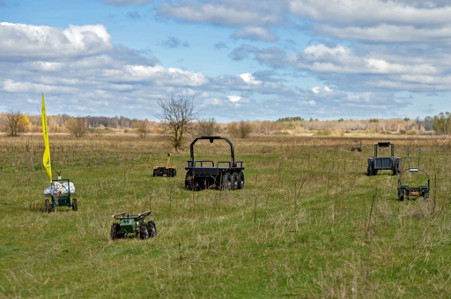
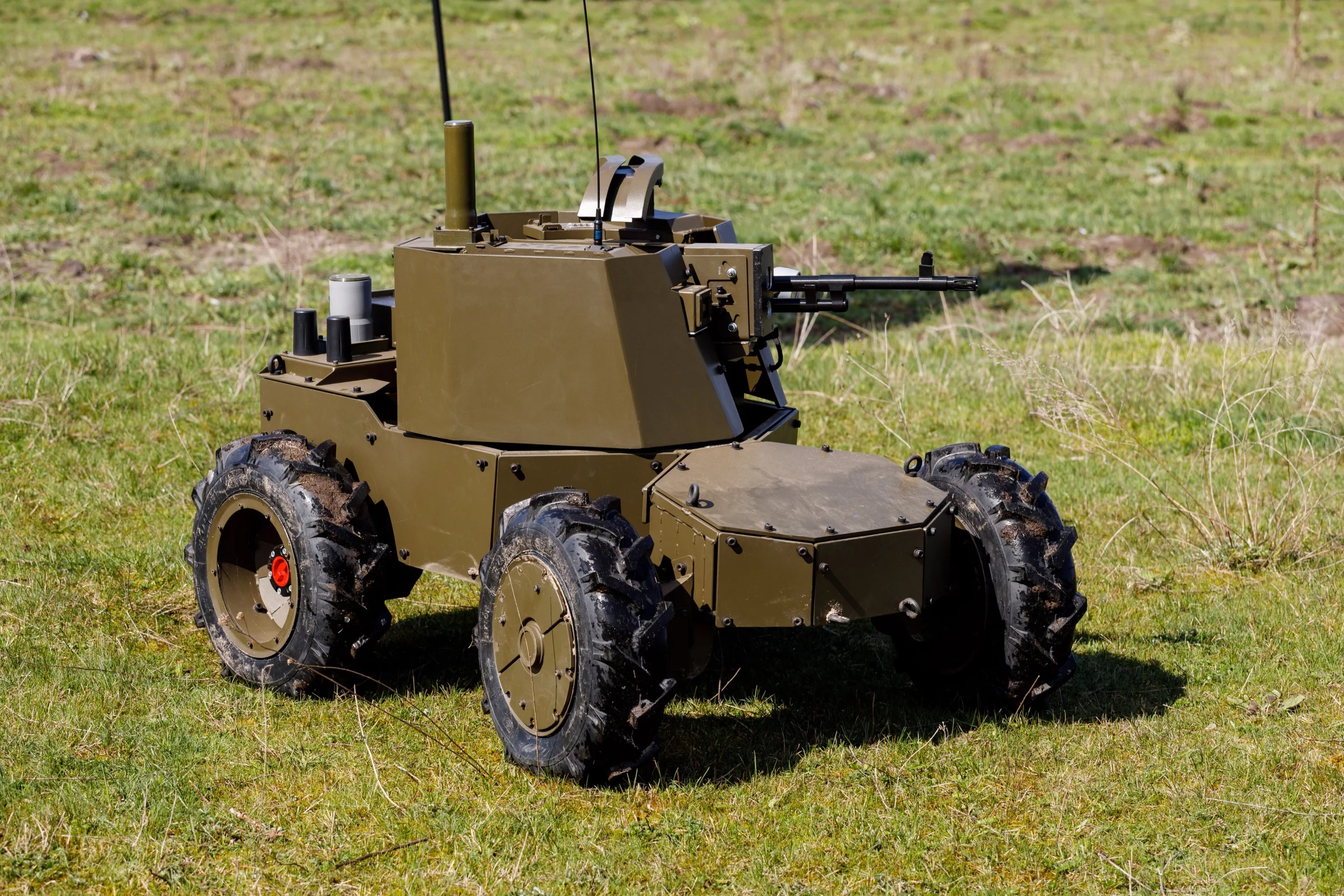
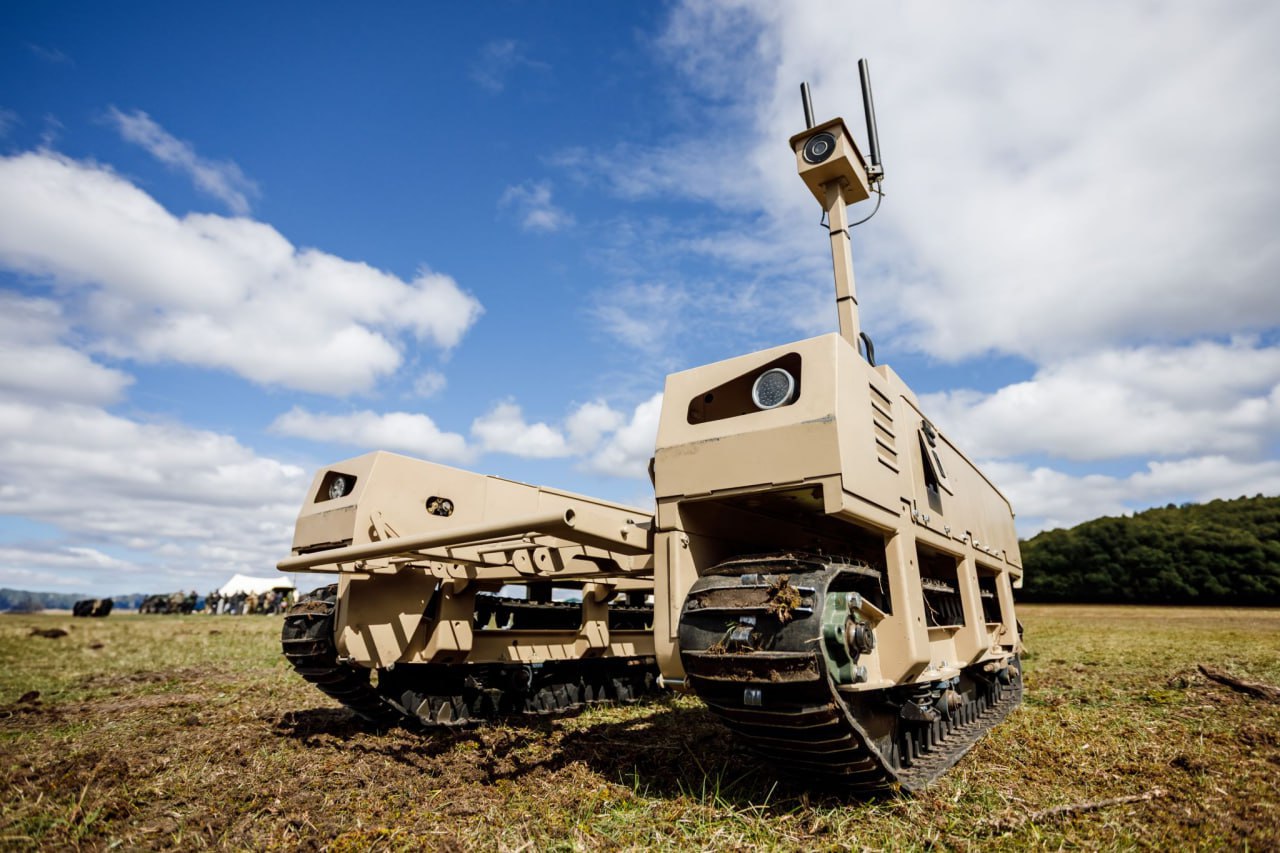
Ukraine's Brave1 cluster and government officials, including Vice Prime Minister Mykhailo Fedorov, conducted large-scale tests of over 70 AI-enabled ground robotic platforms under simulated combat conditions. The trials involved challenging scenarios such as variable electronic warfare, demonstrating advanced operational potential while highlighting future AI hazard concerns.[AI generated]

Why's our monitor labelling this an incident or hazard?

The ground robotic platforms described are AI systems as they perform autonomous or semi-autonomous tasks such as navigation on unknown routes, payload transport, reconnaissance, and combat-related functions. Their use in combat and testing under electronic warfare conditions indicates active deployment and operational use. The article does not report any realized harm or incidents caused by these systems but highlights their capabilities and ongoing development. Given the military context and the potential for these AI-enabled robots to cause harm in combat scenarios, the event plausibly leads to AI-related harms in the future. Therefore, this qualifies as an AI Hazard rather than an AI Incident or Complementary Information, as no harm has yet occurred or been reported.[AI generated]
AI principles
SafetyRobustness & digital securityAccountabilityRespect of human rightsTransparency & explainabilityDemocracy & human autonomy

Industries
Government, security, and defenceRobots, sensors, and IT hardware

Affected stakeholders
General public

Harm types
Physical (death)Physical (injury)Human or fundamental rightsPublic interestPsychological

Severity
AI hazard

Business function:
Research and developmentMonitoring and quality control

AI system task:
Recognition/object detectionGoal-driven organisationReasoning with knowledge structures/planningEvent/anomaly detection


Articles about this incident or hazard

Thumbnail Image

Ukraine conducts large-scale testing of ground robotic platforms

2025-04-15
ukrinform.net
Why's our monitor labelling this an incident or hazard?
The ground robotic platforms described are AI systems as they perform autonomous or semi-autonomous tasks such as navigation on unknown routes, payload transport, reconnaissance, and combat-related functions. Their use in combat and testing under electronic warfare conditions indicates active deployment and operational use. The article does not report any realized harm or incidents caused by these systems but highlights their capabilities and ongoing development. Given the military context and the potential for these AI-enabled robots to cause harm in combat scenarios, the event plausibly leads to AI-related harms in the future. Therefore, this qualifies as an AI Hazard rather than an AI Incident or Complementary Information, as no harm has yet occurred or been reported.
Thumbnail Image

Ukraine runs largest ground drone trial yet

2025-04-15
Defence Blog
Why's our monitor labelling this an incident or hazard?
The article explicitly involves AI systems in the form of autonomous or semi-autonomous unmanned ground vehicles used in military operations. While no direct harm or malfunction is reported, the deployment of armed autonomous ground robots in an active conflict zone inherently carries plausible risks of injury, violation of human rights, and harm to communities. The event focuses on testing and deployment rather than any realized harm, so it does not meet the criteria for an AI Incident. However, the credible potential for these systems to cause harm in the future, especially given their combat roles and operation in contested environments, qualifies this as an AI Hazard under the framework.
Thumbnail Image

How Ukraine Is Replacing Human Soldiers With A Robot Army

2025-04-18
Forbes
Why's our monitor labelling this an incident or hazard?
The article explicitly discusses AI-enabled robotic systems (UGVs) used in active military operations by Ukraine, including a robot-only assault and casualty evacuation under fire. These AI systems are directly involved in combat roles and logistical support in a war zone, which inherently involves harm to persons and communities. The use of AI in these systems has already led to realized harm in the context of armed conflict. The article also highlights challenges and future potential of AI autonomy in warfare, but the current deployment and use already constitute an AI Incident as defined by the framework, since the AI systems' use has directly led to harm in a military conflict setting.
Thumbnail Image

Ukraine Runs Large Scale Ground Drone Trial - Results Exceed Expectations

2025-04-16
KyivPost
Why's our monitor labelling this an incident or hazard?
The article explicitly discusses the use of unmanned ground vehicles, which are AI systems due to their autonomous navigation and battlefield roles. However, it only reports on testing and evaluation outcomes, with no mention of harm, malfunction, or misuse. The focus is on assessing capabilities and integration into military operations, which is informative about AI system development and deployment. Since no harm has occurred or is implied as plausible in the near term, and the article does not focus on risks or incidents, it fits the definition of Complementary Information rather than an AI Incident or AI Hazard.
Thumbnail Image

Ukraine Tests Over 70 Systems In Largest-Ever Ground Drones Demo

2025-04-17
The Defense Post
Why's our monitor labelling this an incident or hazard?
The article explicitly discusses the testing and deployment of AI-enabled unmanned ground vehicles with military applications, including combat roles. Although no harm has yet occurred, the nature of these systems and their intended use in conflict zones plausibly could lead to injury, disruption, or other harms. The event is about the development and operational testing phase, not about an incident causing harm. Hence, it fits the definition of an AI Hazard rather than an AI Incident or Complementary Information.
Thumbnail Image

Ukraine tests over 70 land drones

2025-04-15
Euromaidan Press
Why's our monitor labelling this an incident or hazard?
The event involves the use of AI-enabled ground drones in active military operations, including combat roles such as carrying machine guns and grenade launchers. The article states these systems are already adopted on the battlefield, implying realized harm or risk of harm to persons and infrastructure. The AI systems' development, testing, and deployment in warfare directly relate to injury or harm to people and disruption of critical infrastructure, meeting the criteria for an AI Incident. Although the article focuses on testing and development, the mention of active battlefield use confirms realized harm potential, not just plausible future harm.
Thumbnail Image

Forbes: Ukraine's robot dogs failed the war test - they couldn't hide from Russians. Humanoid robots are up next

2025-04-18
Euromaidan Press
Why's our monitor labelling this an incident or hazard?
The article involves AI systems (UGVs, robotic weapons, quadruped and humanoid robots) used in military operations, which clearly involve AI for autonomous or semi-autonomous functions. However, the article does not report any actual harm or incident caused by these AI systems. It discusses operational challenges, costs, and strategic plans, as well as some failed applications (robot dogs unable to hide), but no direct or indirect harm has occurred or is described. The article also discusses future potential and ongoing experimentation, which could imply plausible future harm but the main focus is on current deployment and challenges rather than a specific hazard scenario. Therefore, the article is best classified as Complementary Information, as it provides important context and updates on AI use in warfare without describing a specific AI Incident or AI Hazard.
Thumbnail Image

Over 70 Ukrainian Unmanned Ground Vehicles Tested for Battlefield Use - Oj

2025-04-17
odessa-journal.com
Why's our monitor labelling this an incident or hazard?
The article details the development, testing, and deployment of AI-enabled unmanned ground vehicles in military operations, which inherently carry risks of harm due to their use in combat. However, no actual harm, malfunction, or violation is reported in the article. The event describes ongoing use and trials, indicating potential for harm but no realized incident. Therefore, it constitutes an AI Hazard, as the AI systems could plausibly lead to harm in battlefield contexts, but no specific AI Incident is described.