Aurora launches commercial driverless trucking service in Texas

Thumbnail Image

The information displayed in the AIM should not be reported as representing the official views of the OECD or of its member countries.

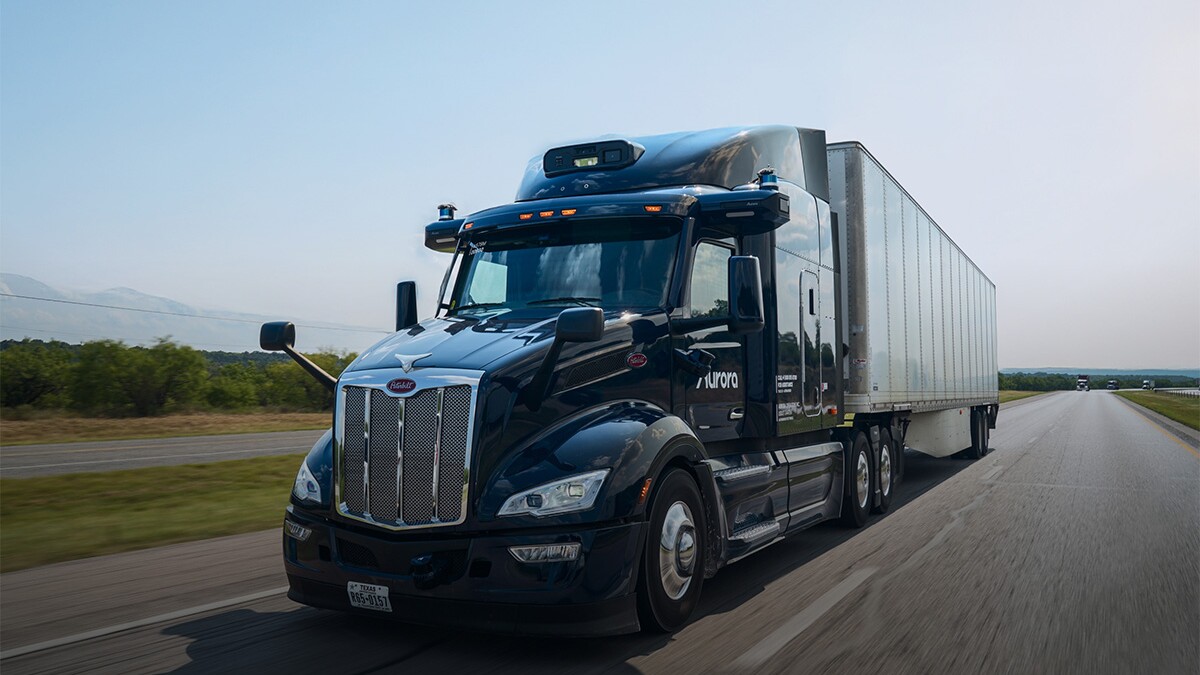
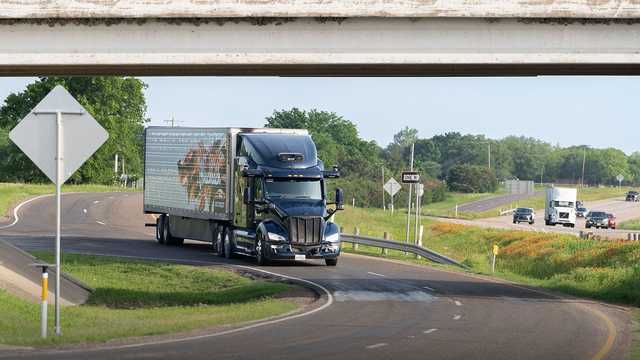
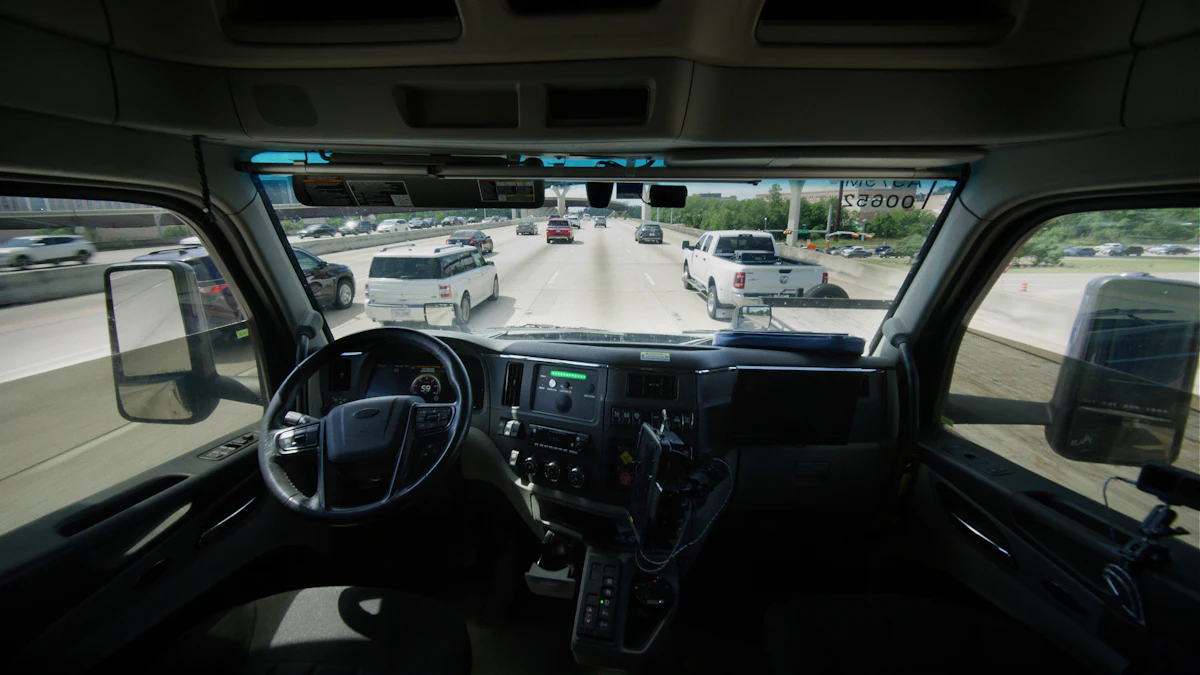
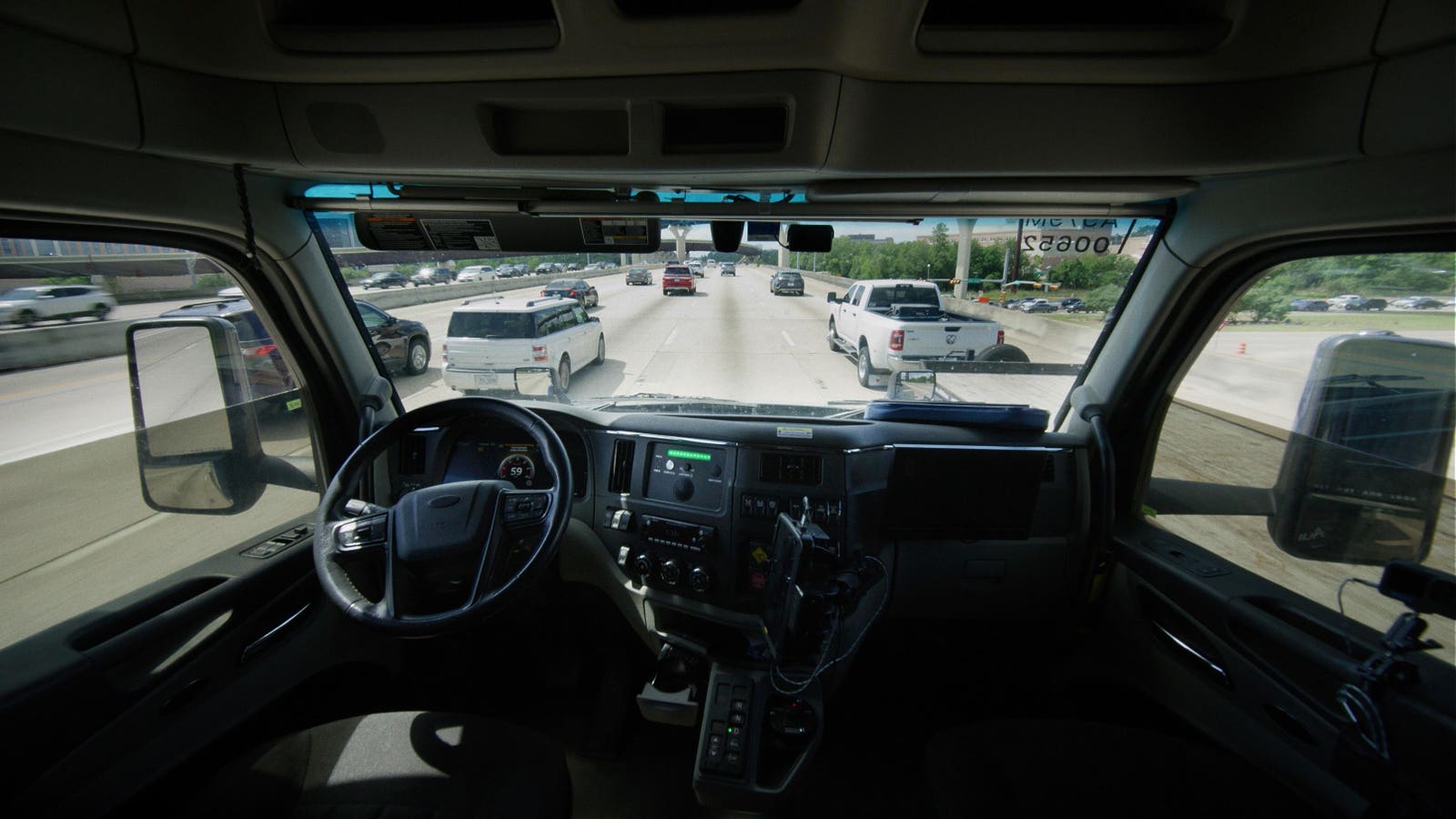
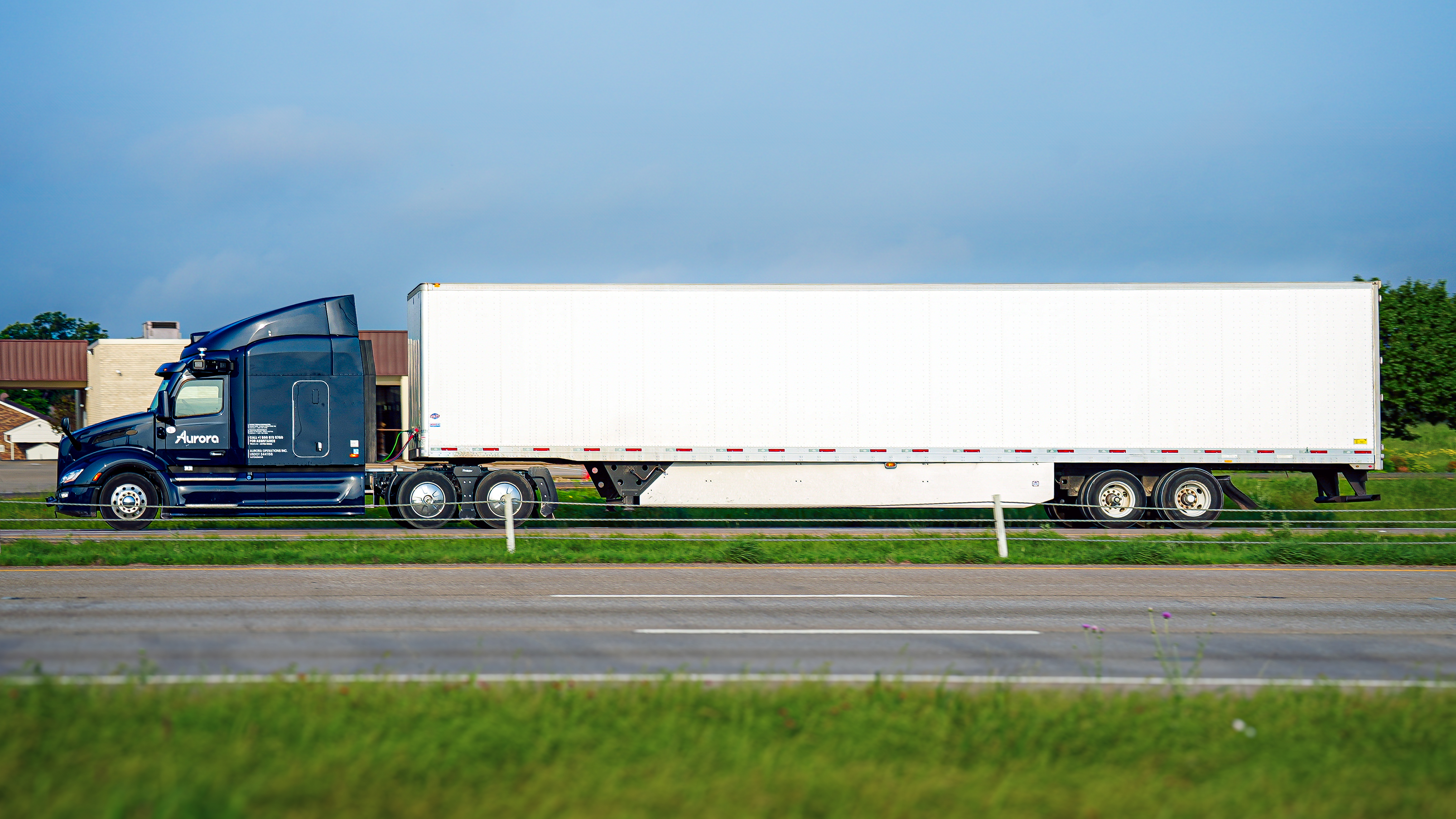
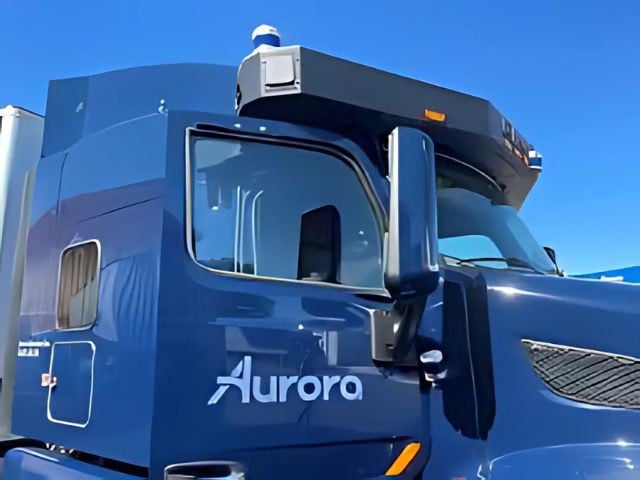
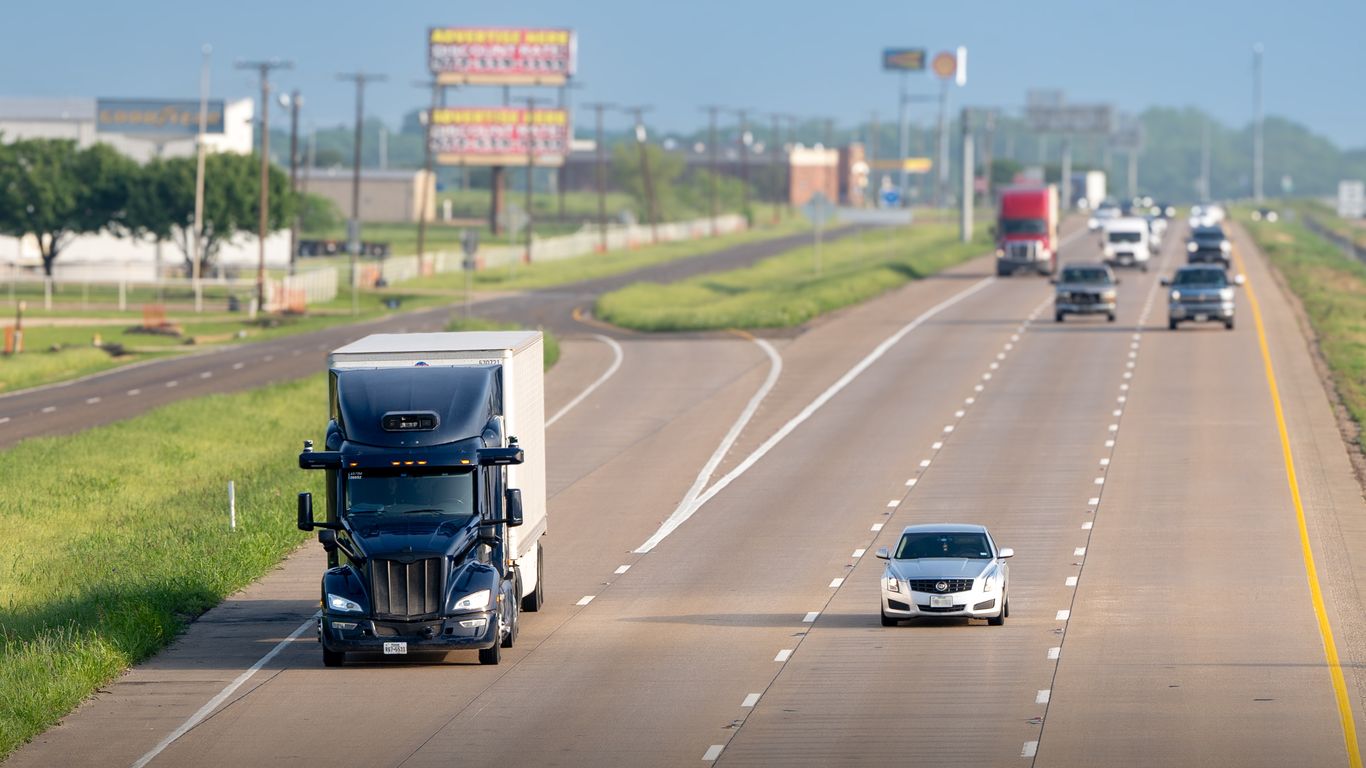
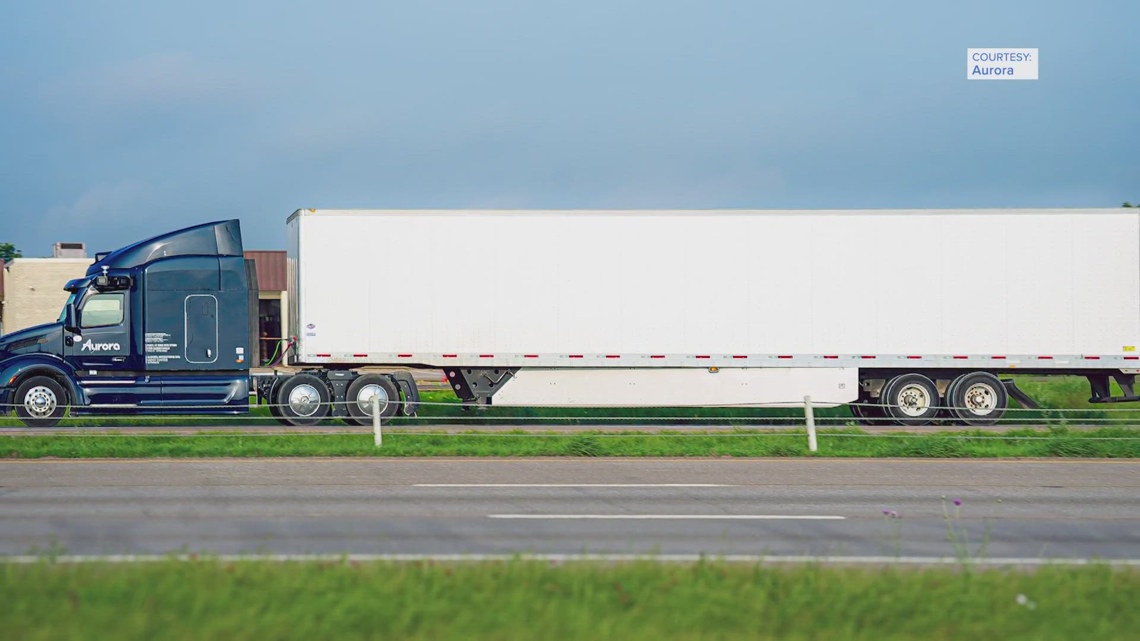
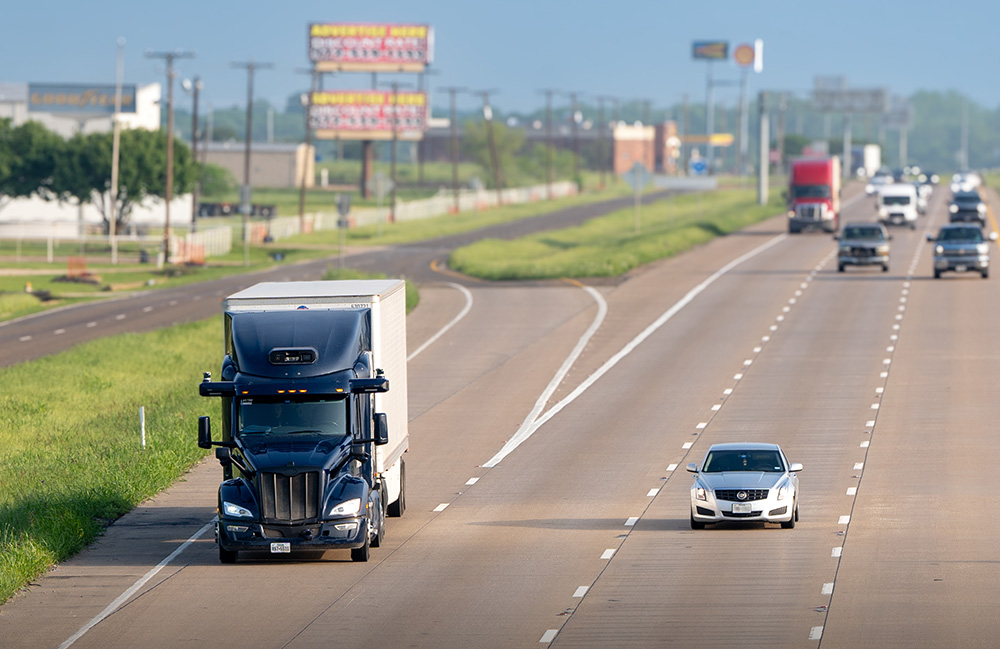
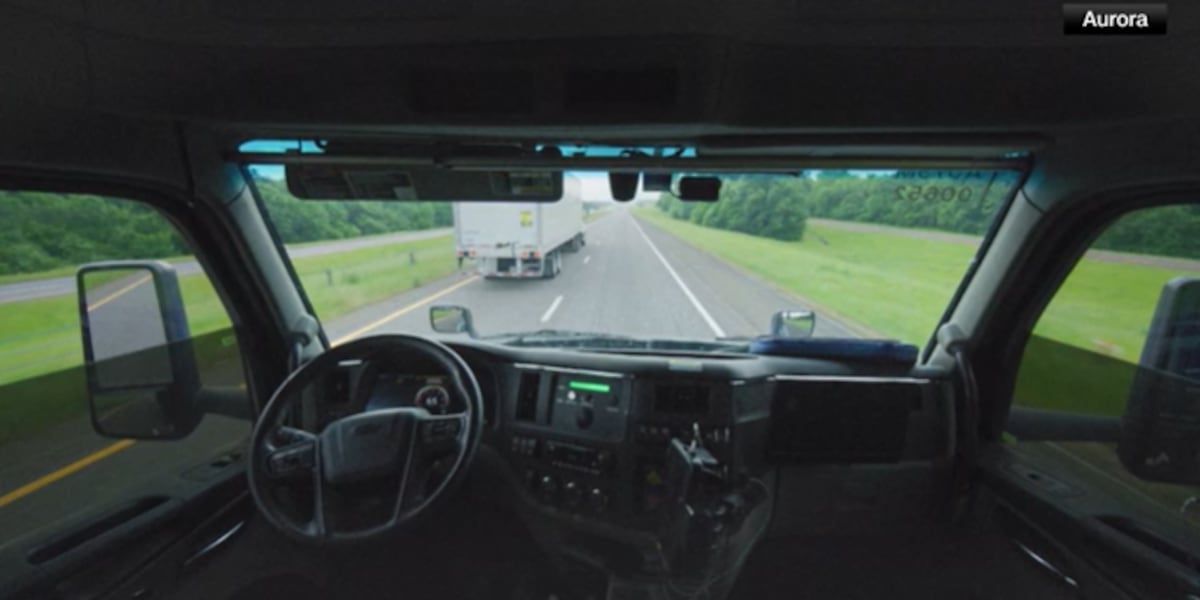
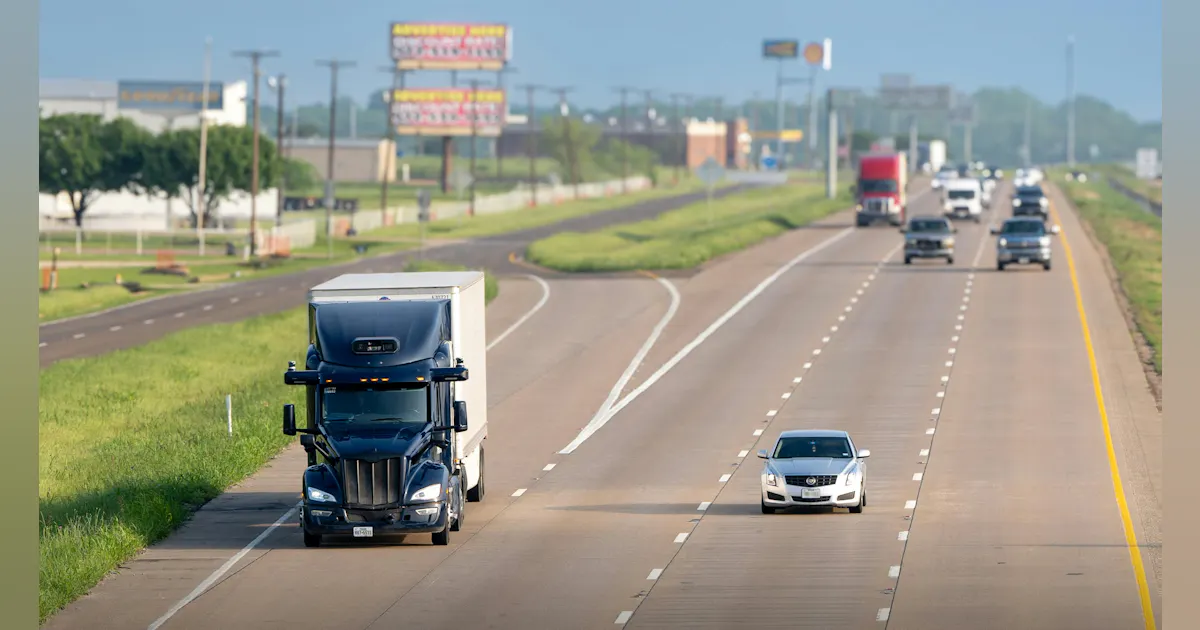
Aurora Innovation has launched its commercial self-driving trucking service in Texas, using its L4 Aurora Driver on heavy-duty trucks for driverless deliveries between Dallas and Houston. After completing over 1,200 autonomous miles, Aurora plans to expand to El Paso and Phoenix by late 2025. No safety incidents reported so far.[AI generated]

Why's our monitor labelling this an incident or hazard?

The event involves the use of an AI system (the Aurora Driver) for autonomous trucking. Although the article does not report any actual harm or incidents, the operation of driverless trucks on public roads inherently carries plausible risks of accidents or other harms. Therefore, this event qualifies as an AI Hazard due to the credible potential for harm arising from the use of autonomous heavy-duty vehicles in commercial freight transport.[AI generated]
AI principles
SafetyRobustness & digital securityAccountabilityTransparency & explainabilityPrivacy & data governanceHuman wellbeingDemocracy & human autonomy

Industries
Mobility and autonomous vehiclesLogistics, wholesale, and retail

Harm types
Physical (injury)Physical (death)Economic/PropertyReputationalPublic interestHuman or fundamental rights

Severity
AI hazard

Business function:
LogisticsMonitoring and quality control

AI system task:
Recognition/object detectionEvent/anomaly detectionForecasting/predictionGoal-driven organisationReasoning with knowledge structures/planning


Articles about this incident or hazard

Thumbnail Image

Aurora Begins Commercial Driverless Trucking in Texas, Ushering in a New Era of Freight

2025-05-01
Eagle-Tribune
Why's our monitor labelling this an incident or hazard?
The event involves the use of an AI system (the Aurora Driver) for autonomous trucking. Although the article does not report any actual harm or incidents, the operation of driverless trucks on public roads inherently carries plausible risks of accidents or other harms. Therefore, this event qualifies as an AI Hazard due to the credible potential for harm arising from the use of autonomous heavy-duty vehicles in commercial freight transport.
Thumbnail Image

Aurora Innovation stock rises following driverless truck launch By Investing.com

2025-05-01
Investing.com
Why's our monitor labelling this an incident or hazard?
The Aurora Driver is an AI system (an SAE Level 4 autonomous driving system) actively used in commercial operations, which fits the definition of an AI system. However, the article does not report any injury, disruption, rights violation, property/community/environmental harm, or other significant harms caused by the AI system. Instead, it focuses on the successful deployment, safety validation, and partnerships, which are updates on AI system use and governance. There is no indication of plausible future harm or hazards either, as the system has been safety-assessed and is operating under regulatory oversight. Hence, the article is Complementary Information rather than an AI Incident or AI Hazard.
Thumbnail Image

End Of The Beginning: Aurora Launches Commercial Driverless Trucks

2025-05-02
Forbes
Why's our monitor labelling this an incident or hazard?
The event involves the use of an AI system (the Aurora Driver, an SAE L4 autonomous driving system) in commercial driverless trucks. However, the article does not describe any injury, harm, violation of rights, disruption, or other negative outcomes caused by the AI system. It reports a successful launch with safety validations and regulatory approvals, focusing on the positive milestone and future plans. Therefore, this is not an AI Incident or AI Hazard. It is not unrelated because it clearly involves AI systems. The article mainly provides an update on the deployment and safety approach, which fits the definition of Complementary Information as it enhances understanding of AI deployment and governance without reporting harm or plausible future harm.
Thumbnail Image

Aurora Starts Self-Driving Commercial Service In Texas

2025-05-01
Forbes
Why's our monitor labelling this an incident or hazard?
The article explicitly mentions the use of AI systems for fully autonomous driving of heavy trucks without human drivers onboard, which fits the definition of an AI system. The event involves the use of this AI system in real-world commercial operations. Although no actual harm or accident is reported, the article highlights the significant potential for serious harm due to the physics of heavy trucks and the challenges of autonomous driving. This potential for harm makes the event an AI Hazard rather than an AI Incident. The article also notes safety measures like remote monitoring and restrictions on driving conditions, but these do not eliminate the plausible risk of future harm. Hence, the event is best classified as an AI Hazard.
Thumbnail Image

The first driverless semis have started running regular longhaul routes

2025-05-02
Aol
Why's our monitor labelling this an incident or hazard?
The article explicitly describes an AI system (Aurora Driver) controlling driverless trucks on public roads without safety drivers, indicating AI system involvement in use. No actual harm or incidents are reported, so it is not an AI Incident. However, the deployment of autonomous trucks in commercial long-haul routes plausibly could lead to harm such as accidents or safety issues, which fits the definition of an AI Hazard. The article also mentions safety concerns and regulatory scrutiny, supporting the plausibility of future harm. Thus, the event is best classified as an AI Hazard rather than an Incident or Complementary Information.
Thumbnail Image

Aurora's driverless trucks are making deliveries in Texas

2025-05-01
The Verge
Why's our monitor labelling this an incident or hazard?
The article clearly describes the use of AI systems in fully autonomous trucks operating on public highways, fulfilling the AI System criterion. However, there is no mention of any harm, accident, or violation caused by these AI systems, nor any plausible risk of harm described. The focus is on the successful deployment and operational milestones, as well as the company's financial and strategic context. Since no AI Incident or AI Hazard is reported or implied, and the article provides an update on AI system deployment and industry progress, it fits the definition of Complementary Information.
Thumbnail Image

Semis are taking to Texas roads -- with no one behind the wheel

2025-05-01
The Dallas Morning News
Why's our monitor labelling this an incident or hazard?
The article explicitly mentions the use of an AI system (Aurora Driver) for autonomous driving of semi trucks. Although no actual accident or injury has occurred yet, critics and industry groups express concerns about safety risks, lack of mandatory crash reporting, and insufficient regulatory oversight. These factors indicate a credible risk that the AI system's use could lead to harm, fulfilling the criteria for an AI Hazard. There is no indication that harm has already occurred, so it is not an AI Incident. The article is not merely complementary information because the main focus is on the deployment and associated safety concerns, not on responses or updates to past incidents.
Thumbnail Image

Aurora launches commercial self-driving truck service in Texas | TechCrunch

2025-05-01
TechCrunch
Why's our monitor labelling this an incident or hazard?
The article clearly involves an AI system—autonomous driving technology controlling heavy-duty trucks without drivers. The deployment on public roads and the regulatory challenges highlight potential safety and operational risks. However, there is no mention of any accident, injury, rights violation, or other harm caused by the AI system. The company is still working to prove its safety case and comply with regulations. Thus, while the technology could plausibly lead to harm in the future (e.g., accidents or operational failures), no such harm has yet occurred or been reported. This fits the definition of an AI Hazard rather than an AI Incident or Complementary Information, as the article focuses on the launch and potential risks rather than responses to past harm or broader ecosystem updates.
Thumbnail Image

Americans can soon have driverless SUVs, Texas testing goes next level

2025-04-30
Firstpost
Why's our monitor labelling this an incident or hazard?
The article explicitly mentions AI systems in autonomous vehicles being tested and planned for deployment without human drivers. Although no actual harm or incident has occurred yet, the article highlights concerns about vulnerabilities to cyberattacks, regulatory gaps, and economic impacts like job reductions. These concerns indicate plausible future harms that could arise from the use of these AI systems. Hence, the event fits the definition of an AI Hazard, as the development and use of these AI systems could plausibly lead to harms such as safety incidents, infrastructure disruption, or social harms like unemployment.
Thumbnail Image

Driverless freight trucks begin barreling through Texas

2025-05-02
New Atlas
Why's our monitor labelling this an incident or hazard?
The article clearly involves an AI system—an autonomous driving system operating heavy-duty trucks commercially. However, there is no indication of any injury, disruption, rights violation, or other harm caused or occurring due to the AI system's use. The potential job displacement is discussed as a forecast, not a realized harm, and the article does not suggest any plausible immediate harm or hazard from the deployment. Hence, it does not meet the criteria for AI Incident or AI Hazard. The article mainly provides information about the AI system's deployment and its broader economic context, fitting the definition of Complementary Information.
Thumbnail Image

Aurora Begins Commercial Driverless Trucking in Texas, Ushering in a New Era of Freight

2025-05-01
wallstreet:online
Why's our monitor labelling this an incident or hazard?
The event involves the use of an AI system (the Aurora Driver) in commercial driverless trucking, which is an AI system performing complex autonomous navigation and decision-making tasks. However, the article does not report any harm, injury, disruption, violation of rights, or other negative consequences resulting from this deployment. It describes a milestone in AI deployment but does not indicate any incident or plausible harm occurring or imminent. Therefore, this is not an AI Incident or AI Hazard. It is not merely unrelated, as it involves AI use, but since it is a report on deployment without harm or risk, it is best classified as Complementary Information, providing context on AI ecosystem developments and responses.
Thumbnail Image

The first driverless semis have started running regular longhaul routes in the U.S.

2025-05-02
East Bay Times
Why's our monitor labelling this an incident or hazard?
The article explicitly involves an AI system (autonomous driving technology) in active use (commercial driverless trucking). Although no harm or accident is reported, the removal of safety drivers and operation on public roads introduces plausible risks of harm (e.g., accidents, injury, disruption). The concerns from unions and officials underscore the potential for future incidents. Since no actual harm has occurred yet, this event is best classified as an AI Hazard rather than an AI Incident. It is not Complementary Information because the main focus is the launch of the service and its implications, not a response or update to a prior incident. It is not Unrelated because the AI system is central to the event and its potential risks.
Thumbnail Image

A New Era of Driverless Trucking Just Launched in Dallas

2025-05-01
D Magazine
Why's our monitor labelling this an incident or hazard?
The article clearly involves an AI system (Aurora Driver) used in autonomous heavy-duty trucks operating on public roads. However, there is no mention of any injury, accident, rights violation, or other harm caused by the AI system. The deployment is ongoing and presented as safe and successful, with regulatory frameworks evolving to support it. Although autonomous trucks could plausibly lead to future harms (e.g., accidents), the article does not describe any such event or credible near miss. Therefore, this event is best classified as Complementary Information, providing context and updates on AI deployment and governance without reporting an AI Incident or AI Hazard.
Thumbnail Image

Fully Driverless Trucks Hit Texas Highways (This Time With No Human Oversight)

2025-04-28
ZME Science
Why's our monitor labelling this an incident or hazard?
The event involves AI systems (autonomous driving software integrating LiDAR, radar, and cameras) actively operating trucks without human drivers, which is a clear use of AI. Although no actual harm or incident has been reported, the article discusses credible safety concerns and regulatory uncertainties that could plausibly lead to harm such as accidents or disruptions on highways. Therefore, it fits the definition of an AI Hazard, as the AI system's use could plausibly lead to injury, disruption, or other harms in the future. There is no indication that harm has already occurred, so it is not an AI Incident. The article is not merely complementary information or unrelated news, as it focuses on the deployment and associated risks of the AI system.
Thumbnail Image

The first driverless semis have started running regular longhaul routes

2025-05-01
Erie News Now - Your News Team
Why's our monitor labelling this an incident or hazard?
The article explicitly mentions the use of an AI system ('Aurora Driver') for autonomous trucking. Although no harm has occurred yet, the deployment of fully driverless trucks on public roads presents a credible risk of future harm such as accidents or disruptions. Therefore, this event qualifies as an AI Hazard because it plausibly could lead to an AI Incident involving injury or property damage.
Thumbnail Image

Aurora Debuts First Driverless Trucking Service in US

2025-05-01
Transport Topics
Why's our monitor labelling this an incident or hazard?
The event describes the deployment and operation of AI-driven autonomous trucks (an AI system) on public roads without human drivers, which inherently carries risks of harm to people or property if malfunctions or failures occur. However, the article does not report any actual harm, accident, or incident caused by the AI system. Instead, it highlights safety measures, regulatory compliance, and controlled operational domains. Thus, the event is best classified as an AI Hazard, reflecting the plausible risk of future harm from the use of autonomous trucks, rather than an AI Incident or Complementary Information.
Thumbnail Image

The first driverless semis have started running regular longhaul routes

2025-05-01
KOCO5
Why's our monitor labelling this an incident or hazard?
The event involves an AI system (autonomous driving technology) in active use, but there is no indication that the AI system has caused any injury, disruption, rights violation, or other harm. The concerns raised are about potential safety risks and job displacement, but these are not realized harms or incidents. The article also mentions regulatory decisions and union opposition, which are governance and societal responses. Therefore, this is best classified as Complementary Information, as it provides context and updates on AI deployment and related societal and regulatory issues without reporting an AI Incident or Hazard.
Thumbnail Image

Driverless Semis Have Arrived as Regular Long-Haul Routes Start Up

2025-05-01
WTTW News
Why's our monitor labelling this an incident or hazard?
The article clearly involves an AI system (autonomous driving technology) being used in commercial driverless trucks. However, there is no indication that any injury, property damage, or rights violation has occurred due to the AI system's malfunction or misuse. The concerns raised are about potential safety risks and job loss, but these are prospective and not realized harms. Therefore, this event represents a plausible risk of harm from the AI system's use, qualifying it as an AI Hazard rather than an AI Incident. It is not Complementary Information because the main focus is not on responses or updates to a past incident, nor is it Unrelated as it directly involves AI systems and their deployment.
Thumbnail Image

In U.S. First, Aurora Launches Fully Driverless Trucking Deliveries Between Dallas and Houston

2025-05-01
Dallas Innovates
Why's our monitor labelling this an incident or hazard?
The article explicitly involves an AI system (Aurora Driver) used in autonomous trucking. However, it does not report any injury, disruption, rights violation, property/community/environmental harm, or other significant harm caused by the AI system. The launch is presented as a successful, safe milestone following rigorous testing and safety validation. Although autonomous trucks could plausibly lead to future harms, the article does not focus on potential risks or hazards but rather on the achievement and ongoing deployment plans. Thus, it does not meet the criteria for AI Incident or AI Hazard. Instead, it provides complementary information about AI system deployment, safety validation, and industry adoption, fitting the Complementary Information category.
Thumbnail Image

Aurora launches commercial self-driving truck service in Texas - RocketNews

2025-05-01
RocketNews | Top News Stories From Around the Globe
Why's our monitor labelling this an incident or hazard?
The event describes the deployment and use of an AI system (autonomous driving technology) in commercial trucking on public roads. No actual harm or incident is reported, but the nature of autonomous vehicles inherently carries plausible risks of accidents or safety failures that could lead to injury or property damage. Since the article focuses on the launch and operation without reporting any realized harm, it fits the definition of an AI Hazard, where the AI system's use could plausibly lead to an AI Incident in the future. There is no indication of complementary information or unrelated content.
Thumbnail Image

Aurora deploys self-driving trucks in commercial operations in Texas

2025-05-02
Commercial Carrier Journal
Why's our monitor labelling this an incident or hazard?
The article explicitly describes the deployment and operation of an AI system (Aurora Driver) in commercial trucking, confirming AI system involvement. However, it does not report any injury, harm, rights violation, disruption, or other significant harm caused or plausibly caused by the AI system. The focus is on the successful launch, safety validation, and operational details, which are updates and context rather than harm or risk events. Hence, it fits the definition of Complementary Information rather than an Incident or Hazard.
Thumbnail Image

The first driverless semis have started running regular longhaul routes

2025-05-02
WAAY TV 31
Why's our monitor labelling this an incident or hazard?
The event involves an AI system (autonomous driving technology) actively used in commercial operations. However, there is no indication that any injury, property damage, rights violation, or other harm has occurred due to the AI system's use. The article highlights potential safety concerns and regulatory challenges, which imply plausible future risks. Therefore, this qualifies as an AI Hazard because the deployment of driverless trucks could plausibly lead to harm, but no harm has been reported so far. It is not Complementary Information because the main focus is on the launch and operation of the AI system with potential risks, not on responses or updates to past incidents.
Thumbnail Image

Aurora begins commercial driverless trucking in Texas, ushering in a new era of freight

2025-05-01
American Journal of Transportation | AJOT | 1-800-599-6358
Why's our monitor labelling this an incident or hazard?
The article explicitly describes the use of an AI system (the Aurora Driver) in commercial driverless trucking, confirming AI system involvement. There is no mention of any injury, accident, or harm caused by the AI system, so it does not meet the criteria for an AI Incident. However, the deployment of autonomous trucks on public roads inherently carries plausible risks of harm (e.g., accidents, disruption, injury) if the AI system malfunctions or fails, which fits the definition of an AI Hazard. The article focuses on the launch and safety assurances rather than reporting any harm or legal/governance responses, so it is not Complementary Information. It is not unrelated because it clearly involves an AI system and its real-world deployment with potential safety implications.
Thumbnail Image

Aurora Launches Commercial Driverless Trucks | Tech Biz Web

2025-05-02
TechBizWeb
Why's our monitor labelling this an incident or hazard?
Aurora's commercial driverless trucks clearly involve AI systems for autonomous navigation and decision-making. The operation of these trucks on public roads inherently carries risks of harm to people, property, or infrastructure if malfunctions or errors occur. Although the article discusses these challenges and the importance of safety, it does not report any actual incidents or harms resulting from the AI system's use. Therefore, the event represents a plausible future risk (hazard) rather than a realized harm (incident). The article is primarily about the deployment and expansion of AI-driven autonomous trucks, highlighting potential risks but no direct or indirect harm has occurred yet.
Thumbnail Image

Aurora begins commercial driverless trucking in Texas

2025-05-01
Safe Car News
Why's our monitor labelling this an incident or hazard?
The article describes the deployment and operation of an AI system (Aurora Driver) in autonomous trucks performing driverless deliveries on public roads. Although no harm or incident is reported, the use of SAE Level 4 autonomous driving AI in commercial trucking carries credible risks of injury, disruption, or property damage if the system malfunctions or fails. Since the event involves the use of an AI system with plausible potential to cause harm in the future, it fits the definition of an AI Hazard rather than an AI Incident or Complementary Information. It is not unrelated because the AI system is central to the event.
Thumbnail Image

Aurora Begins Commercial Driverless Trucking in Texas, Ushering in a New Era of Freight

2025-05-01
Green Stock News
Why's our monitor labelling this an incident or hazard?
The article describes the deployment and operation of an AI system (Aurora Driver) for autonomous trucking, which clearly qualifies as an AI system. However, there is no mention of any injury, disruption, rights violation, property/community/environmental harm, or other significant harm caused by the AI system. The company has taken steps to ensure safety and transparency, and the service is operating under regulatory approval. While the technology could plausibly lead to future harms (e.g., accidents, disruptions), the article does not report any such events occurring. Therefore, this event is best classified as an AI Hazard due to the plausible future risks of autonomous trucking, but since no harm has materialized, it is not an AI Incident. It is not Complementary Information because the article is not an update or response to a prior incident or hazard, but a report of a new deployment with potential risks.
Thumbnail Image

Self-Driving Semi Trucks Now Operating on Texas Highways

2025-05-01
103.3 The G.O.A.T.
Why's our monitor labelling this an incident or hazard?
The article explicitly mentions the use of an AI system (Aurora's autonomous driving technology) controlling large semi-trucks without human drivers. Although no harm or accident is reported, the deployment of such AI systems on public highways inherently carries risks that could plausibly lead to harm (e.g., accidents causing injury or disruption). Since no actual harm has occurred yet, but the potential for harm is credible and foreseeable, this event fits the definition of an AI Hazard rather than an AI Incident. It is not merely complementary information because the focus is on the launch and operation of the autonomous trucks, which implies potential future harm.
Thumbnail Image

Driverless Trucks Are Now Rolling Down Texas Highways

2025-05-04
Breitbart
Why's our monitor labelling this an incident or hazard?
The event involves the use of an AI system (Aurora Driver) that autonomously navigates trucks on public roads. Although no incident or harm has been reported yet, the deployment of autonomous vehicles in real-world conditions could plausibly lead to harm such as accidents or injury. Therefore, this event qualifies as an AI Hazard due to the credible risk associated with the use of autonomous driving AI systems in public transportation.
Thumbnail Image

The Beginning Of The Self-Driving Freight Revolution

2025-05-02
Forbes
Why's our monitor labelling this an incident or hazard?
The event involves an AI system (Aurora Driver) used in autonomous trucking, which is a clear AI system by definition. However, the article does not report any injury, harm, violation of rights, disruption, or other significant harm caused by the AI system. Instead, it reports a milestone in deployment and safety validation, with plans for future expansion. Therefore, it does not qualify as an AI Incident or AI Hazard. It is not merely unrelated, as it involves AI deployment, but since it does not report harm or plausible harm, and focuses on the development and deployment progress, it fits best as Complementary Information, providing context and updates on AI system deployment and safety practices.
Thumbnail Image

First Driverless Heavy Duty Trucking Service Launched on US Public Roads

2025-05-04
www.theepochtimes.com
Why's our monitor labelling this an incident or hazard?
The article explicitly involves an AI system (Aurora Driver) used in autonomous heavy-duty trucks operating on public roads. Although the system has completed many miles without incident and has undergone safety assessments, the deployment of Level 4 autonomous trucks inherently carries risks of malfunction or failure that could lead to injury or harm. The concerns raised by advocacy groups about potential "deadly consequences" and the employment issues for truck drivers further support the plausibility of future harm. Since no actual harm or incident is reported yet, but credible risks exist, the event fits the definition of an AI Hazard rather than an AI Incident. It is not merely complementary information because the main focus is on the launch and its implications, not on responses or updates to past incidents.
Thumbnail Image

First Driverless Heavy Duty Trucking Service Launched On US Public Roads

2025-05-05
ZeroHedge
Why's our monitor labelling this an incident or hazard?
The event involves an AI system (Aurora Driver) actively deployed in commercial driverless trucking, which fits the definition of an AI system. The article does not describe any direct or indirect harm caused by the AI system so far, but it discusses credible concerns about potential safety risks and employment impacts, as well as regulatory and advocacy responses. Since the AI system's use could plausibly lead to harms such as injury, disruption, or labor rights violations in the future, this qualifies as an AI Hazard. It is not an AI Incident because no harm has yet occurred, nor is it Complementary Information since the article's main focus is the launch and associated risks rather than updates or responses to a past incident. It is not Unrelated because the AI system and its deployment are central to the event.
Thumbnail Image

First self-driving trucks hit America's roads

2025-05-03
Newsweek
Why's our monitor labelling this an incident or hazard?
The event involves AI systems (autonomous driving technology) actively used in commercial trucking, which fits the definition of an AI system. However, the article does not describe any realized harm or injury caused by these AI systems. It mentions concerns about potential job losses and safety issues, which are plausible future harms, but no incidents or accidents have been reported. Therefore, this event represents an AI Hazard, as the deployment of autonomous trucks could plausibly lead to harms such as job displacement or safety incidents in the future, but no direct or indirect harm has yet occurred.
Thumbnail Image

First Driverless Freight Trucks Make Deliveries

2025-05-04
InfoWars
Why's our monitor labelling this an incident or hazard?
The event involves the use of an AI system (the Aurora Driver) in autonomous freight trucks, which is explicitly mentioned. There is no report of any actual harm or incident caused by the AI system so far, so it does not qualify as an AI Incident. However, the concerns raised by labor unions about safety and job loss, along with regulatory changes easing safety requirements, point to plausible future harms that could arise from the use of this AI system. Therefore, the event fits the definition of an AI Hazard, as the development and deployment of autonomous trucks could plausibly lead to harms such as accidents or labor rights violations in the future.
Thumbnail Image

Aurora launches US's first fully driver-less commercial truck

2025-05-04
The Express Tribune
Why's our monitor labelling this an incident or hazard?
The event involves the use of an AI system (Aurora Driver, an SAE Level 4 autonomous driving AI) in real-world commercial operations. Although no harm or incident is reported, the deployment of fully autonomous trucks on public roads could plausibly lead to harms such as injury, disruption, or property damage if the AI system malfunctions or fails. The article highlights the readiness and safety case but does not describe any actual harm or incident. Hence, it fits the definition of an AI Hazard rather than an AI Incident or Complementary Information. It is not unrelated because the AI system is central to the event.
Thumbnail Image

Pittsburgh's Aurora rolls out driverless trucks in Texas

2025-05-06
Axios
Why's our monitor labelling this an incident or hazard?
The article explicitly involves an AI system: the autonomous driving AI controlling trucks without human drivers. The event is the first driverless freight run completed successfully, indicating use of the AI system. No harm or incident is reported; the article mentions potential concerns but no realized injury, disruption, or rights violations. Given the nature of autonomous vehicles, there is a credible risk that future use could lead to incidents involving safety or other harms. Thus, the event represents a plausible future risk (AI Hazard) rather than an actual incident or complementary information. It is not unrelated because the AI system is central to the event.
Thumbnail Image

Self-driving trucks start making the rounds in Texas

2025-05-02
Washington Times
Why's our monitor labelling this an incident or hazard?
The article explicitly involves an AI system (autonomous driving technology) in active use (commercial driverless trucking). However, no direct or indirect harm has occurred yet; the article only discusses potential safety concerns and labor impacts as debated by regulators and unions. Since no harm has materialized, but plausible future harm exists due to the nature of autonomous vehicles operating without human monitors, this qualifies as an AI Hazard rather than an AI Incident. It is not Complementary Information because the article is not primarily about responses or updates to a past incident, nor is it unrelated as it clearly involves AI systems.
Thumbnail Image

Autonomous Trucking Operations

2025-05-02
Trend Hunter
Why's our monitor labelling this an incident or hazard?
The article explicitly involves AI systems in the form of autonomous self-driving trucks operating commercially without safety drivers. Although no direct harm or incident is reported, the nature of the AI system's deployment in real-world freight hauling without human oversight introduces plausible risks of accidents, operational disruptions, or labor market harms. The potential for injury or disruption from AI malfunction or failure, as well as workforce displacement, fits the definition of an AI Hazard, as these harms could plausibly occur in the future. Since no actual harm has yet occurred, this is not an AI Incident. The article is not merely complementary information or unrelated, as it focuses on the deployment and implications of an AI system with potential for harm.
Thumbnail Image

Commercial driverless trucking rolls out on I-45 corridor between Houston and Dallas

2025-05-05
KHOU 11 Houston
Why's our monitor labelling this an incident or hazard?
The article explicitly mentions the use of an AI system (Aurora Driver) enabling fully autonomous operation of heavy-duty trucks without human drivers. Although no incident or harm has occurred yet, the deployment of such systems on public roads could plausibly lead to injury, property damage, or disruption if the AI malfunctions or encounters unforeseen scenarios. The event is about the start of commercial operations, not about any realized harm or malfunction, so it does not qualify as an AI Incident. It is not merely complementary information because the focus is on the launch and operation of a system with inherent risks. Hence, it fits the definition of an AI Hazard.
Thumbnail Image

Driverless semis have begun running regular long haul routes

2025-05-02
End Time Headlines
Why's our monitor labelling this an incident or hazard?
The article clearly involves an AI system (autonomous driving technology) in active use. The event is about the deployment of this AI system in commercial operations without human drivers, which could plausibly lead to harms such as accidents (injury or harm to people) or labor market disruptions. However, no actual harm or incident has occurred or been reported. Therefore, this qualifies as an AI Hazard due to the plausible future risks associated with the technology's use on public roads and the concerns raised by stakeholders. It is not an AI Incident because no harm has materialized, nor is it Complementary Information or Unrelated.
Thumbnail Image

Aurora begins driverless commercial trucking in Texas

2025-05-05
The Robot Report
Why's our monitor labelling this an incident or hazard?
The article explicitly describes the use of an AI system (Aurora Driver) for autonomous trucking, which is now operating commercially without human drivers on public roads. The system's development and deployment are detailed, including safety cases and regulatory approvals. Although no harm or incident has occurred yet, the nature of autonomous heavy-duty trucks operating driverlessly on public roads presents a credible risk of injury, property damage, or disruption if the AI system malfunctions or fails. Hence, the event fits the definition of an AI Hazard, as it plausibly could lead to an AI Incident in the future. It is not an AI Incident because no harm has been reported, nor is it Complementary Information or Unrelated, as the focus is on the deployment and associated risks of an AI system.
Thumbnail Image

First driverless semitrucks are running regular long-haul routes

2025-05-04
https://www.wbrc.com
Why's our monitor labelling this an incident or hazard?
The event involves AI systems (autonomous driving technology) in active use on public highways. Although no harm or incident is described, the use of AI in driverless trucks on long-haul routes carries plausible risks of harm to people, property, or infrastructure in the future. Therefore, this qualifies as an AI Hazard due to the credible potential for harm stemming from the AI system's operation in a safety-critical context.
Thumbnail Image

Aurora begins commercial driverless trucking in Texas

2025-05-02
FleetOwner
Why's our monitor labelling this an incident or hazard?
The event involves the use of an AI system (Aurora Driver, an SAE L4 autonomous driving system) in commercial driverless trucking, which is a clear AI system involvement. The system's deployment on public roads could plausibly lead to harm (e.g., accidents, injury), but the article states that safety validations have been completed and no harm has been reported. Since no harm has occurred yet, but there is a credible risk inherent in deploying autonomous trucks, this qualifies as an AI Hazard rather than an AI Incident. The article does not focus on responses to past incidents or broader governance issues, so it is not Complementary Information. It is not unrelated because it clearly involves AI systems and their deployment.
Thumbnail Image

Aurora Launches America's First Driverless Trucking Service on Public Roads

2025-05-02
IoT World Today
Why's our monitor labelling this an incident or hazard?
The event involves the use of an AI system (Aurora Driver) for fully autonomous heavy-duty trucking on public roads, which is a complex AI application with potential safety risks. Although the company has completed significant testing and emphasizes safety, the deployment of driverless trucks inherently carries plausible risks of accidents or harm. Since no actual harm or incident is reported, but the AI system's use could plausibly lead to injury or disruption, this fits the definition of an AI Hazard. The event is not merely general AI news or a complementary update, as it concerns the operational use of AI with potential safety implications.
Thumbnail Image

Aurora launches its driverless commercial trucking service, and a surprise bidder joins Canoo's bankruptcy case - RocketNews

2025-05-02
RocketNews | Top News Stories From Around the Globe
Why's our monitor labelling this an incident or hazard?
The event describes the deployment and operation of AI-powered autonomous trucks transporting freight. Although no harm or incident is reported, the use of AI in driverless trucks could plausibly lead to incidents such as accidents or operational disruptions. Hence, it fits the definition of an AI Hazard rather than an AI Incident or Complementary Information. The article does not focus on harm or legal/governance responses, nor is it unrelated to AI systems.
Thumbnail Image

Self-Driving 18-Wheelers Now Running Routes in Texas

2025-05-05
KPEL 96.5
Why's our monitor labelling this an incident or hazard?
The event involves the use of an AI system (Aurora Driver) for autonomous driving of heavy freight trucks. Although the article does not describe any actual harm or incidents, the operation of driverless semis on public highways could plausibly lead to harm such as injury, disruption, or property damage if the AI system malfunctions or fails. Therefore, this event qualifies as an AI Hazard because it describes the deployment and use of an AI system with credible potential for future harm, but no harm has yet occurred or been reported.
Thumbnail Image

Aurora begins commercial driverless trucking in Texas | ADAS & Autonomous Vehicle International

2025-05-02
Autonomous Vehicle International
Why's our monitor labelling this an incident or hazard?
The article describes the deployment and operation of an AI system (Aurora Driver) in commercial driverless trucking, which involves AI-based autonomous driving technology. However, there is no mention of any injury, harm, violation of rights, disruption, or other negative outcomes caused by the AI system. The article focuses on the launch, safety validation, and operational details, with no indication of realized or potential harm. Therefore, this event does not qualify as an AI Incident or AI Hazard. It is best classified as Complementary Information because it provides context and updates about the deployment and safety assurance of an AI system in a critical application area, enhancing understanding of the AI ecosystem and governance efforts.
Thumbnail Image

Aurora starts driverless delivery in Texas

2025-05-02
ITS International
Why's our monitor labelling this an incident or hazard?
The event involves the use of an AI system (Aurora Driver, an SAE Level 4 autonomous driving AI) in commercial driverless trucking operations. Although no harm or incident is reported, the deployment of autonomous heavy trucks on public roads could plausibly lead to harm such as accidents or disruptions if the AI system malfunctions or fails. Therefore, this event fits the definition of an AI Hazard, as it describes the launch of a potentially impactful AI system whose use could plausibly lead to harm, even though no harm has yet occurred.
Thumbnail Image

First driverless semi hits the highways in Texas

2025-05-02
Straight Arrow News
Why's our monitor labelling this an incident or hazard?
The article clearly involves an AI system (autonomous driving technology) in active use on public roads, which fits the definition of an AI system. However, it does not describe any injury, accident, violation of rights, or other harm caused by the AI system. It also does not describe a near miss or credible risk event that plausibly could lead to harm. Instead, it focuses on the deployment, testing, regulatory environment, and societal responses to autonomous trucks. Therefore, it is best classified as Complementary Information, as it provides important context and updates on AI system deployment and governance without reporting an AI Incident or AI Hazard.