Meta's AI Smart Glasses Spark Privacy Concerns

Thumbnail Image

The information displayed in the AIM should not be reported as representing the official views of the OECD or of its member countries.

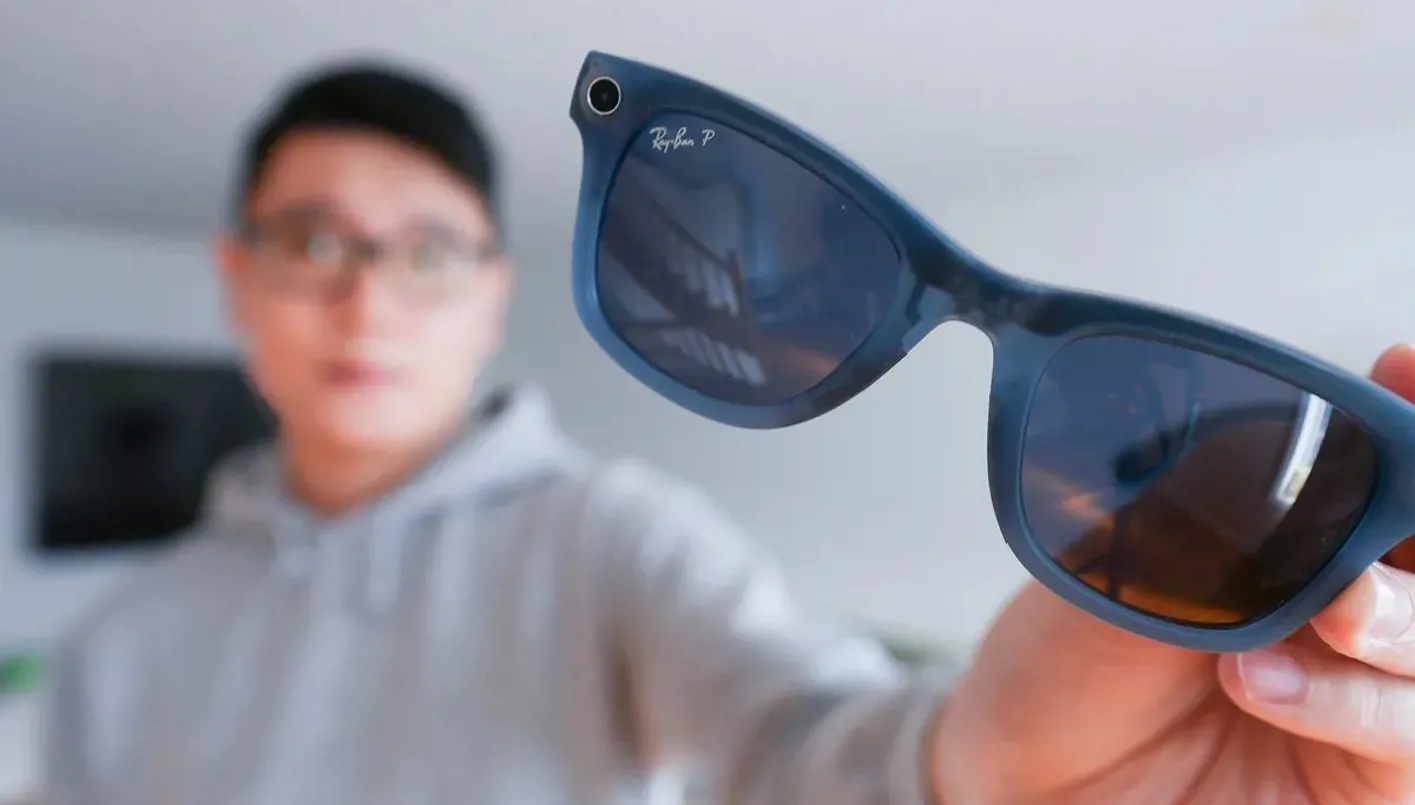
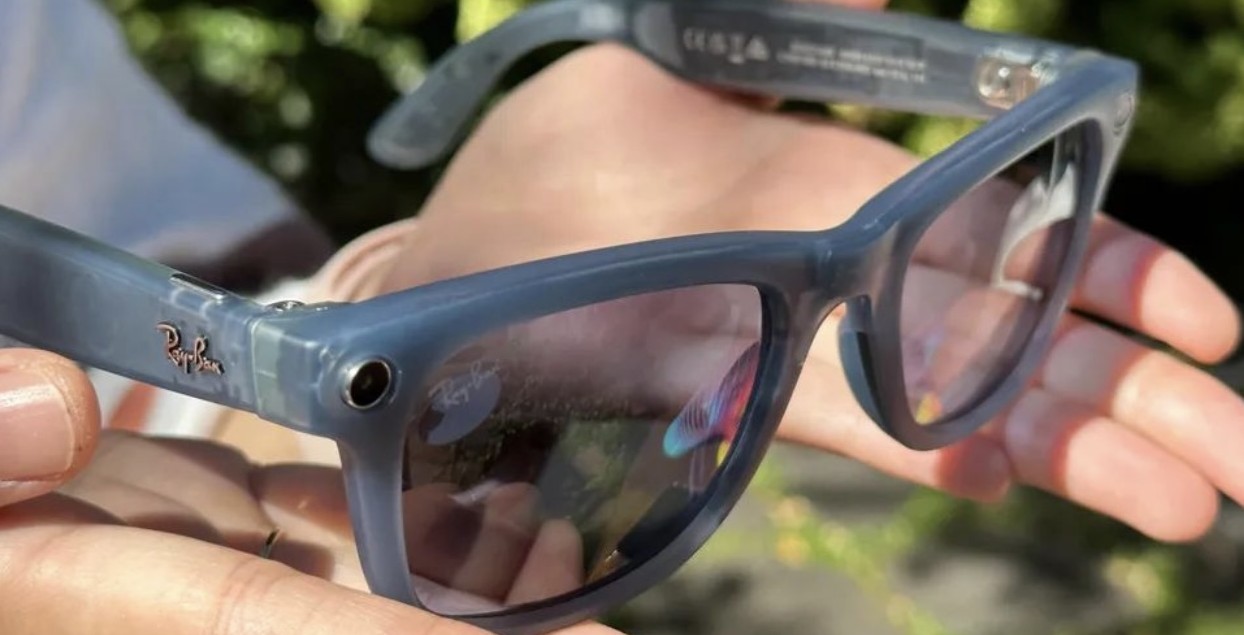
Meta is advancing AI-powered smart glasses, such as revamped Ray-Ban models, featuring always-on facial recognition and continuous environmental analysis. The technology has raised serious privacy issues, especially after an incident where an influencer covertly filmed passersby. Critics warn these capabilities may infringe on individual privacy and data rights.[AI generated]

Why's our monitor labelling this an incident or hazard?

The event describes the development and potential future use of an AI system (facial recognition integrated into smart glasses) that could plausibly lead to violations of privacy rights and unauthorized surveillance, which are harms under the framework. While no actual harm has been reported yet, the credible risk of such harm is clear given the technology's capabilities and the concerns raised by privacy experts and demonstrations. The AI system's development and intended use create a plausible pathway to an AI Incident, but since harm is not yet realized, the classification is AI Hazard. The article also discusses regulatory and privacy concerns, but these are contextual and do not constitute Complementary Information as the main focus is on the potential risks of the technology under development.[AI generated]
AI principles
Privacy & data governanceRespect of human rightsTransparency & explainabilityAccountabilityRobustness & digital securityDemocracy & human autonomyFairness

Industries
Media, social platforms, and marketingConsumer productsDigital security

Affected stakeholders
General public

Harm types
Human or fundamental rightsPsychological

Severity
AI hazard

Business function:
Marketing and advertisement

AI system task:
Recognition/object detection


Articles about this incident or hazard

Thumbnail Image

Un monde de tech - La reconnaissance faciale intégrerait les futures lunettes de Meta

2025-05-09
RFI
Why's our monitor labelling this an incident or hazard?
The event involves an AI system (facial recognition AI integrated into smart glasses) whose use directly leads to violations of human rights and privacy (harm category c). The system identifies individuals without their knowledge or consent, stores their data, and uses it for AI training, constituting a breach of privacy rights. The article describes ongoing use and policy changes that enforce default activation, indicating realized harm rather than just potential. Therefore, this qualifies as an AI Incident rather than a hazard or complementary information.
Thumbnail Image

Meta serait en train de développer des capacités de reconnaissance faciale pour ses lunettes IA intelligentes Ray-Ban~? une technologie qu'elle évitait jusque-là pour des raisons de protection de la vie privée

2025-05-12
Developpez.com
Why's our monitor labelling this an incident or hazard?
The event describes the development and potential future use of an AI system (facial recognition integrated into smart glasses) that could plausibly lead to violations of privacy rights and unauthorized surveillance, which are harms under the framework. While no actual harm has been reported yet, the credible risk of such harm is clear given the technology's capabilities and the concerns raised by privacy experts and demonstrations. The AI system's development and intended use create a plausible pathway to an AI Incident, but since harm is not yet realized, the classification is AI Hazard. The article also discusses regulatory and privacy concerns, but these are contextual and do not constitute Complementary Information as the main focus is on the potential risks of the technology under development.
Thumbnail Image

Meta prépare des lunettes avec une IA toujours allumée : pourquoi ça inquiète ?

2025-05-12
LEBIGDATA.FR
Why's our monitor labelling this an incident or hazard?
The event involves an AI system (the AI-enabled smart glasses) whose use (continuous recording and analysis) could plausibly lead to violations of human rights, specifically privacy rights, and breaches of data protection laws. The article does not report a realized harm or incident but focuses on the potential for harm due to the AI's always-on surveillance and data collection capabilities. Therefore, this situation fits the definition of an AI Hazard, as the development and intended use of the AI system could plausibly lead to an AI Incident involving privacy violations and related harms.
Thumbnail Image

ميتا تسمح لأصحاب نظاراتها الذكية تحديد هوية الأشخاص المحيطين من خلال أسمائهم - اليوم السابع

2025-05-08
اليوم السابع
Why's our monitor labelling this an incident or hazard?
The event involves the use of AI systems (facial recognition and AI models) in the development and use phases, directly leading to violations of privacy and fundamental rights by identifying individuals without their consent and without clear notification. This constitutes a breach of obligations under applicable laws protecting fundamental and privacy rights, thus qualifying as an AI Incident. The harm is realized, not just potential, as the feature is reportedly available and used, and the inability of bystanders to opt out or be informed exacerbates the harm.
Thumbnail Image

ميتا تطوّر تقنية التعرف على الوجوه لنظاراتها الذكية

2025-05-10
الوفد
Why's our monitor labelling this an incident or hazard?
The article explicitly mentions the use of AI-based facial recognition technology embedded in Meta's smart glasses, which scans and identifies people nearby without their knowledge or consent. This constitutes a violation of privacy and potentially human rights, which are recognized harms under the AI Incident definition. The AI system's development and use have directly led to these harms, especially given the default activation of AI features and the inability for users to opt out of data storage and training. The presence of AI is clear, the harm is direct and ongoing, and the event fits the criteria for an AI Incident rather than a hazard or complementary information.
Thumbnail Image

وكالة سرايا : "ميتا" تُتيح ميّزات الذكاء الاصطناعيّ في نظّاراتها الذكيّة

2025-05-09
(وكالة أنباء سرايا (حرية سقفها السماء
Why's our monitor labelling this an incident or hazard?
The article explicitly discusses an AI system (facial recognition AI integrated into smart glasses) that is used to scan and identify people nearby without their consent, which is a violation of human rights (privacy and consent). The AI system's use directly leads to harm by breaching fundamental rights. The inability for individuals to opt out and the potential disabling of camera-use indicators further confirm the direct involvement of AI in causing harm. Hence, this event meets the criteria for an AI Incident under violations of human rights.
Thumbnail Image

تشمل التعرف على الوجوه.. "ميتا" تطور نظارات ذكية بقدرات استشعار فائقة - الوئام

2025-05-09
صحيفة الوئام الالكترونية
Why's our monitor labelling this an incident or hazard?
The event involves AI systems explicitly (AI-powered smart glasses with facial recognition and activity tracking). However, there is no indication that any harm has occurred yet, such as privacy violations causing direct harm, data breaches, or misuse of the AI system. The article mainly discusses the development phase, testing, and privacy considerations, which aligns with providing contextual and governance-related information. Therefore, this is best classified as Complementary Information, as it enhances understanding of AI developments and privacy implications without reporting an AI Incident or AI Hazard.
Thumbnail Image

'ميتا' تُعيد إحياء تقنية التعرف على الوجوه في نظاراتها الذكية المدعومة بالذكاء الاصطناعي

2025-05-11
annahar.com
Why's our monitor labelling this an incident or hazard?
The event involves the development and intended use of an AI system (facial recognition AI integrated into smart glasses) that continuously collects and processes biometric data. Although no actual harm is reported, the nature of the technology and its continuous operation imply a credible risk of privacy violations and potential human rights breaches. Therefore, this qualifies as an AI Hazard because the AI system's use could plausibly lead to significant harms, even if these harms have not yet materialized.
Thumbnail Image

تطور تقنية قراءة بصمة الوجه في نظارات Ray-Ban Meta

2025-05-09
مانكيش نت
Why's our monitor labelling this an incident or hazard?
The event involves an AI system (face recognition and activity monitoring AI in smart glasses) and discusses its development and use, including privacy and security risk assessments. However, there is no indication that any harm has occurred or that the AI system has directly or indirectly caused injury, rights violations, or other harms. The article mainly provides information about ongoing development and policy changes, which fits the definition of Complementary Information rather than an Incident or Hazard.
Thumbnail Image

ميتا تطور تقنية جديدة لقراءة بصمة الوجه على نظارات Ray-Ban Meta

2025-05-09
Asharq News
Why's our monitor labelling this an incident or hazard?
The event involves an AI system explicitly described as using advanced AI for facial recognition and continuous monitoring via smart glasses. The use of always-on cameras and AI to track user activities, combined with data retention policies that limit user control, directly implicates potential violations of privacy rights, a form of harm under human rights and legal protections. Although no specific harm has yet been reported, the described capabilities and data practices plausibly lead to privacy harms and rights violations, qualifying this as an AI Hazard rather than an Incident, since the harms are potential and concerns are raised but no direct harm is documented yet.
Thumbnail Image

ميزة جديدة في نظارات ميتا قد تغير مفهوم الخصوصية الرقمية

2025-05-10
elsiyasa.com
Why's our monitor labelling this an incident or hazard?
The feature involves an AI system capable of facial recognition and identification, which directly implicates privacy and data protection rights. Although the feature is still under evaluation and not yet deployed, the described capability could plausibly lead to violations of privacy and personal data rights if implemented without adequate safeguards. This represents a credible risk of harm to individuals' rights and privacy, fitting the definition of an AI Hazard rather than an Incident, as no harm has yet occurred but plausible future harm is evident.
Thumbnail Image

نظارات ميتا الذكية في التعرّف على الوجوه

2025-05-11
https://lebanontab.com/ar
Why's our monitor labelling this an incident or hazard?
The event involves an AI system (Meta's smart glasses with AI-based face recognition and continuous sensing). The use of this AI system could plausibly lead to violations of privacy rights and other human rights due to continuous surveillance and face recognition without consent from bystanders. Since no actual harm or incident is reported, but there is a credible risk of harm in the future, this qualifies as an AI Hazard rather than an AI Incident. The article focuses on the potential privacy implications and ongoing development rather than a realized harm or incident.