South Korea's National Security at Risk Over Google Map Data and AI Threats

Thumbnail Image

The information displayed in the AIM should not be reported as representing the official views of the OECD or of its member countries.

South Korean officials face a critical decision on allowing Google to export high-precision map data. Experts warn that integrating this data with AI systems may expose vital infrastructure, potentially enabling AI-powered drone attacks and compromising national security, thereby raising serious concerns over digital sovereignty and emerging AI hazards.[AI generated]

Why's our monitor labelling this an incident or hazard?

The event involves AI-related technology (high-precision map data used in AI applications like autonomous vehicles and drones), and there is a plausible risk of harm to national security and digital sovereignty if the data is exported improperly. However, no actual harm or incident has occurred yet; the article centers on the potential future risks and political decision-making. Therefore, this qualifies as an AI Hazard, as the development and use of AI-related data could plausibly lead to harm, but no direct or indirect harm has materialized at this stage.[AI generated]

AI principles
Robustness & digital securitySafetyPrivacy & data governanceAccountabilityTransparency & explainabilityRespect of human rightsDemocracy & human autonomyHuman wellbeing

Industries
Government, security, and defenceDigital securityRobots, sensors, and IT hardwareMobility and autonomous vehiclesIT infrastructure and hostingEnergy, raw materials, and utilities

Affected stakeholders
GovernmentBusinessGeneral public

Harm types
Physical (death)Physical (injury)Economic/PropertyPublic interestEnvironmentalHuman or fundamental rights

Severity
AI hazard

Business function:
ICT management and information securityMonitoring and quality controlCompliance and justice

AI system task:
Recognition/object detectionGoal-driven organisationForecasting/prediction


Articles about this incident or hazard

Thumbnail Image

구글 정밀지도 반출 요청...민주당 "차기 정부가 결정해야" - 매일경제

2025-05-08
mk.co.kr
Why's our monitor labelling this an incident or hazard?
The event involves AI-related technology (high-precision map data used in AI applications like autonomous vehicles and drones), and there is a plausible risk of harm to national security and digital sovereignty if the data is exported improperly. However, no actual harm or incident has occurred yet; the article centers on the potential future risks and political decision-making. Therefore, this qualifies as an AI Hazard, as the development and use of AI-related data could plausibly lead to harm, but no direct or indirect harm has materialized at this stage.
Thumbnail Image

"한국 유일 분단국가... 구글 지도반출 시 국가안보 심대 위협"

2025-05-08
국민일보
Why's our monitor labelling this an incident or hazard?
The event involves AI systems indirectly, as the high-precision map data could be used for AI training and AI-powered applications like drone attacks. The article centers on the potential national security and sovereignty harms that could plausibly arise if the data is exported and used maliciously or without adequate control. No actual harm or incident has occurred yet, so this fits the definition of an AI Hazard rather than an AI Incident. The concerns about AI data use and national security risks are credible and plausible future harms linked to AI development and use.
Thumbnail Image

"구글에 정밀지도 반출 땐, 드론 공격 등 안보에 심각한 위협"

2025-05-08
First-Class 경제신문 파이낸셜뉴스
Why's our monitor labelling this an incident or hazard?
The event involves the potential export of high-precision mapping data that Google intends to use to improve AI systems. The article explicitly discusses the risk that such data could be exploited for drone attacks or other military actions, which would constitute harm to national security and critical infrastructure. Although no incident has yet occurred, the credible risk of such harm is clearly articulated. The AI system's development and use (AI-enhanced mapping and data processing) are central to the concern. Since the harm is potential and not realized, this fits the definition of an AI Hazard rather than an AI Incident. The article does not report any actual harm or incident caused by AI, nor does it focus on responses or updates, so it is not Complementary Information. It is not unrelated because the AI system's role is pivotal in the potential harm scenario.
Thumbnail Image

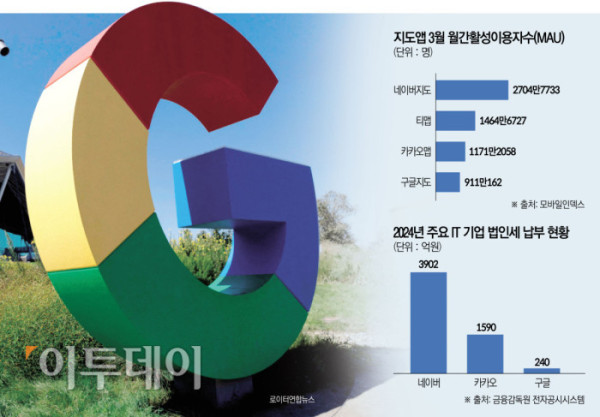
[지도發 패권전] 韓 '디지털 속국' 전락은 시간문제

2025-05-08
이투데이
Why's our monitor labelling this an incident or hazard?
The article explicitly mentions AI systems and their reliance on high-precision digital maps, which are critical for autonomous driving and AI-based traffic management. The export of this data to a foreign company could plausibly lead to harm by undermining domestic AI and mobility ecosystems, causing economic harm to local businesses and potentially leading to a form of digital dependency or 'digital colony' status. Since the harm is not yet realized but is a credible and significant risk, this fits the definition of an AI Hazard rather than an AI Incident. The article does not describe any actual injury, rights violation, or disruption that has already occurred, but warns of plausible future harm from the AI system's use and control.