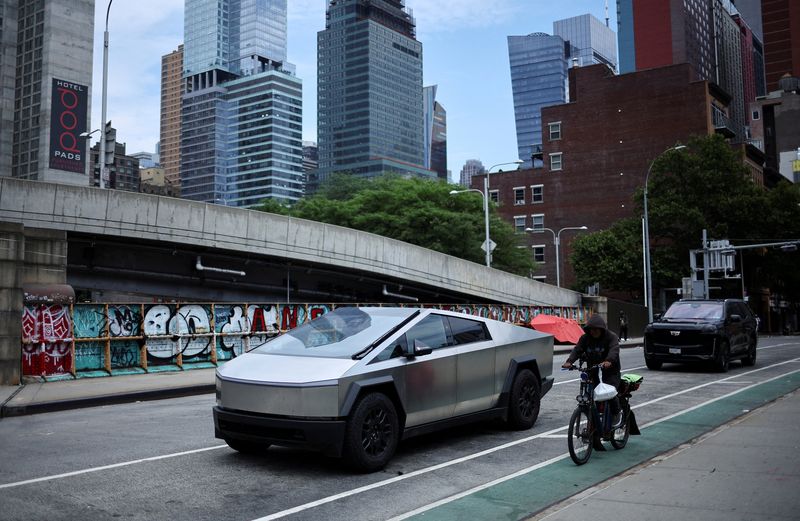
NHTSA Probes Tesla Robotaxi AI Performance in Adverse Weather

Thumbnail Image

The information displayed in the AIM should not be reported as representing the official views of the OECD or of its member countries.

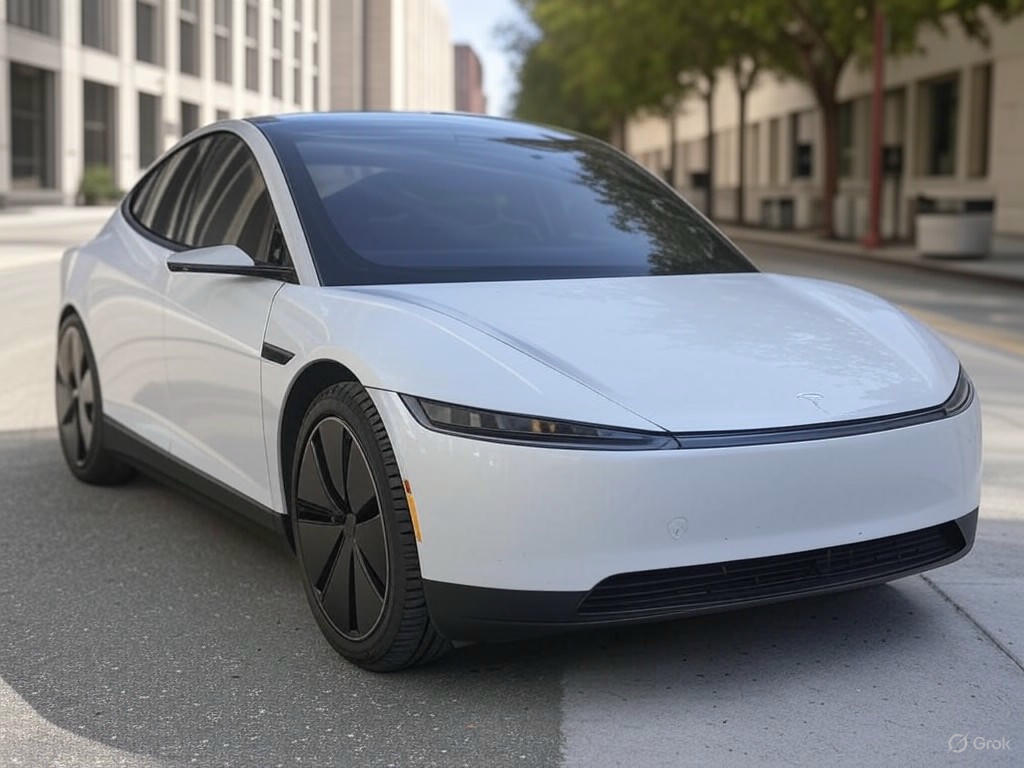
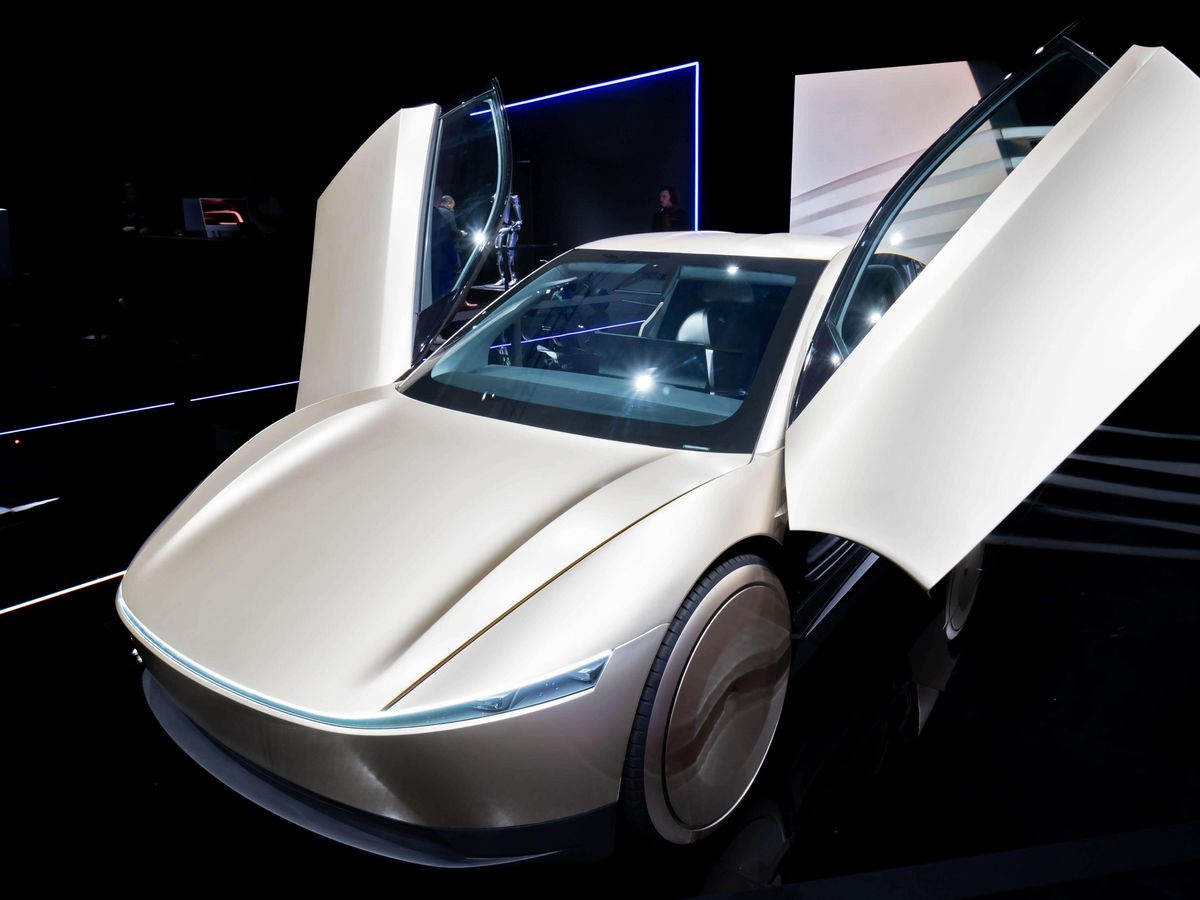
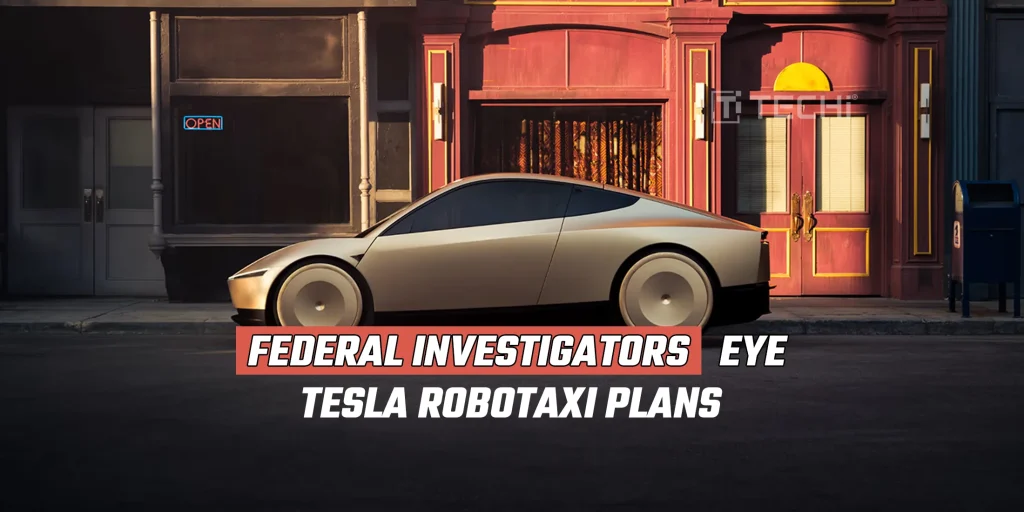
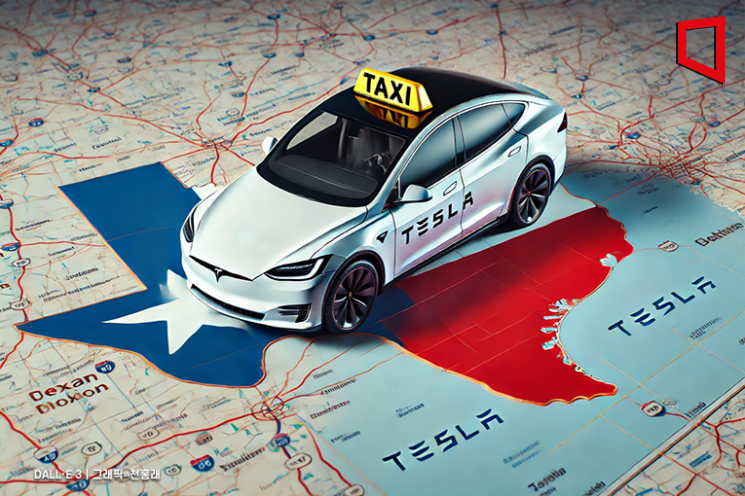
The NHTSA has questioned Tesla's planned rollout of its robotaxi service in Austin, Texas, focusing on how the autonomous AI system handles poor weather conditions. The agency is seeking detailed operational and technical data to ensure the system's reliability and safety on public roads.[AI generated]

Why's our monitor labelling this an incident or hazard?

Tesla's robotaxi service involves AI systems for autonomous driving. The US traffic authority's doubts and safety questions indicate potential risks related to the AI system's operation, especially in critical scenarios. Although no harm has yet occurred, the unresolved safety concerns and the planned deployment of fully autonomous vehicles without human drivers plausibly could lead to incidents causing injury or harm. Therefore, this situation constitutes an AI Hazard due to the credible risk of future harm from the AI system's use in robotaxis.[AI generated]
AI principles
SafetyRobustness & digital securityTransparency & explainabilityAccountability

Industries
Mobility and autonomous vehiclesRobots, sensors, and IT hardware

Affected stakeholders
ConsumersGeneral public

Harm types
Physical (injury)Physical (death)ReputationalEconomic/Property

Severity
AI hazard

Business function:
Research and developmentMonitoring and quality controlCompliance and justice

AI system task:
Recognition/object detectionForecasting/predictionGoal-driven organisationReasoning with knowledge structures/planning


Articles about this incident or hazard

Thumbnail Image

US agency ask Tesla to answer questions on robotaxi deployment plan

2025-05-12
Reuters
Why's our monitor labelling this an incident or hazard?
Tesla's Full-Self Driving system is an AI system used for autonomous vehicle operation. The NHTSA's inquiry into its performance in adverse weather and visibility conditions relates to the AI system's ability to safely operate and avoid collisions, which are harms to persons and property. Although no new harm is reported in this article, the investigation reflects concerns about potential safety risks and possible future harm from the AI system's deployment. Therefore, this event is best classified as Complementary Information, as it provides an update on regulatory scrutiny and safety assessment related to an AI system, without reporting a new incident or hazard.
Thumbnail Image

Autonome Taxis: US-Verkehrsbehörde zweifelt Robotaxi-Pläne von Elon Musk an

2025-05-13
ZEIT ONLINE
Why's our monitor labelling this an incident or hazard?
Tesla's robotaxi service involves AI systems for autonomous driving. The US traffic authority's doubts and safety questions indicate potential risks related to the AI system's operation, especially in critical scenarios. Although no harm has yet occurred, the unresolved safety concerns and the planned deployment of fully autonomous vehicles without human drivers plausibly could lead to incidents causing injury or harm. Therefore, this situation constitutes an AI Hazard due to the credible risk of future harm from the AI system's use in robotaxis.
Thumbnail Image

US agency ask Tesla to answer questions on robotaxi deployment plan By Reuters

2025-05-12
Investing.com
Why's our monitor labelling this an incident or hazard?
Tesla's Full-Self Driving system qualifies as an AI system due to its autonomous driving capabilities. The NHTSA's inquiry relates to the system's development and use, focusing on safety concerns in adverse weather. Since no actual harm or accident is reported, but there is a credible risk that the system could fail and cause harm in poor visibility, this situation constitutes an AI Hazard rather than an AI Incident. The investigation reflects concern about potential future harm rather than a realized incident.
Thumbnail Image

US agency asks Tesla to answer questions on Texas robotaxi plan

2025-05-12
Daily Mail Online
Why's our monitor labelling this an incident or hazard?
Tesla's full self-driving technology is an AI system involved in autonomous vehicle operation. The reported crashes, including fatalities, are direct harms caused by the AI system's malfunction or failure to operate safely under certain conditions (reduced visibility). The NHTSA investigation and questioning of Tesla about robotaxi deployment plans are responses to these incidents. Since actual harm has occurred due to the AI system's use, this qualifies as an AI Incident rather than a hazard or complementary information.
Thumbnail Image

U.S. Auto Safety Investigator Asks for Additional Info Regarding Tesla's Plan to Launch Robotaxis

2025-05-12
Morningstar
Why's our monitor labelling this an incident or hazard?
Tesla's Full-Self Driving system is an AI system involved in autonomous vehicle operation. The NHTSA's investigation into collisions involving this system indicates that harm has occurred or is occurring due to the AI system's malfunction or use. The request for additional information and documentation is part of the regulatory response to these incidents. Since the AI system's use has led to actual safety incidents, this qualifies as an AI Incident rather than a mere hazard or complementary information. The investigation and information request are responses to realized harms, not just potential future risks.
Thumbnail Image

US safety investigators query Tesla on Texas robotaxi plans

2025-05-13
Irish Independent
Why's our monitor labelling this an incident or hazard?
Tesla's full self-driving technology is an AI system involved in autonomous vehicle operation. The National Highway Traffic Safety Administration's investigation into collisions involving this technology in poor visibility conditions suggests potential safety risks. Since the letter and investigation focus on assessing how the AI system might perform and the risks it poses, but no actual harm or incident is reported, this qualifies as an AI Hazard. The event does not describe a realized harm (incident) but a credible potential for harm due to AI system performance in challenging conditions.
Thumbnail Image

NHTSA wants to know how Tesla Robotaxi will perform in poor weather

2025-05-12
TESLARATI
Why's our monitor labelling this an incident or hazard?
The event involves an AI system (Tesla's Robotaxi autonomous driving technology) and concerns its use and safety in challenging conditions. However, no actual harm or incident has been reported yet; the NHTSA is seeking information to assess potential risks. Therefore, this is a plausible future risk scenario (AI Hazard) rather than an incident. The investigation and information request indicate concern about possible harm but do not describe realized harm or malfunction leading to harm at this stage.
Thumbnail Image

Tesla's Robotaxi Quest Faces Scrutiny Over Safety Concerns | Law-Order

2025-05-12
Devdiscourse
Why's our monitor labelling this an incident or hazard?
Tesla's Full-Self Driving technology is an AI system designed for autonomous vehicle operation. The investigation by NHTSA into its performance in reduced visibility conditions relates to the AI system's use and potential malfunction. Although no harm has been reported yet, the inquiry highlights plausible safety risks that could lead to injury or harm if the system fails in adverse weather. Therefore, this situation constitutes an AI Hazard, as the AI system's use could plausibly lead to an AI Incident involving harm to persons.
Thumbnail Image

Tesla's Robotaxi Ambitions Under Scrutiny: NHTSA Seeks Answers | Business

2025-05-12
Devdiscourse
Why's our monitor labelling this an incident or hazard?
Tesla's full self-driving technology qualifies as an AI system as it autonomously controls vehicles. The NHTSA's probe is a response to actual accidents, including a fatality, caused by this AI system's malfunction or failure to operate safely, which constitutes direct harm to human health. Hence, this is an AI Incident, as the AI system's use has directly led to injury and death, fulfilling the criteria for an AI Incident under the OECD framework.
Thumbnail Image

Report: Safety officials may halt Musk's robotaxi launch

2025-05-14
Daily Mail Online
Why's our monitor labelling this an incident or hazard?
The Tesla Full Self-Driving system is an AI system enabling autonomous vehicle operation. The NHTSA's investigations into crashes and pedestrian incidents linked to Tesla's FSD demonstrate that harm has occurred or is occurring due to the AI system's use. The planned rollout of an unsupervised version of this AI system without a human driver increases the risk of harm. The regulatory scrutiny and potential halting of the launch are responses to these realized or imminent harms. Thus, the event meets the criteria for an AI Incident as the AI system's use has directly or indirectly led to harm or significant risk of harm to human health and safety.
Thumbnail Image

Elon Musk could be forced to 'cancel' long-awaited dream

2025-05-14
Daily Mail Online
Why's our monitor labelling this an incident or hazard?
Tesla's Full Self-Driving software is an AI system designed to enable autonomous vehicle operation. The NHTSA's investigations into crashes and a pedestrian incident linked to Tesla's FSD indicate that the AI system's use has already led to harm or significant safety concerns. The planned rollout of an unsupervised robotaxi service based on this AI system, without sufficient regulatory approval or demonstrated safety, represents a direct link between the AI system's use and potential or realized harm. The regulatory scrutiny and potential cancellation of the launch are responses to these harms. Hence, this event is best classified as an AI Incident rather than a hazard or complementary information, as harm has occurred or is ongoing and the AI system's role is pivotal.
Thumbnail Image

Feds ask Musk's car company how its driverless taxis will avoid...

2025-05-13
Daily Mail Online
Why's our monitor labelling this an incident or hazard?
Tesla's driverless taxis are AI systems whose safe operation is under scrutiny due to prior accidents involving Tesla's driver-assistance AI. The article focuses on regulators seeking information to ensure safety before the robotaxi launch. No new accident or harm is reported from the robotaxi service itself, so this is not an AI Incident. However, the potential for accidents in challenging conditions like fog or rain means there is a credible risk of harm. Thus, the event represents an AI Hazard, highlighting plausible future harm from the AI system's use.
Thumbnail Image

'Explain How': Feds Demand Answers From Tesla Over Austin 'Robotaxi' Launch

2025-05-13
The Daily Caller
Why's our monitor labelling this an incident or hazard?
The event involves Tesla's AI-based Full Self-Driving system, an AI system controlling autonomous vehicles. The article details past fatal and near-fatal crashes linked to this AI system's malfunction or limitations, constituting direct harm to people (harm to health). The federal investigation and recall are responses to these incidents, confirming realized harm. The Robotaxi launch with unsupervised AI driving further implicates potential ongoing or future harm. Hence, this qualifies as an AI Incident due to the AI system's use directly leading to harm and regulatory action.
Thumbnail Image

'Explain how': Feds demand answers from Tesla over Austin 'Robotaxi' launch

2025-05-14
Conservative News Today
Why's our monitor labelling this an incident or hazard?
The event explicitly involves an AI system—Tesla's Full Self-Driving software and the planned Robotaxi fleet—which is an AI system designed to autonomously navigate and transport passengers. The ongoing investigation is due to crashes and fatalities linked to the AI system's malfunction or failure to operate safely under certain conditions, such as poor visibility. These incidents have caused harm to people, fulfilling the criteria for an AI Incident. The regulators' demand for detailed safety information and the context of prior crashes indicate that harm has already occurred due to the AI system's use. Therefore, this event qualifies as an AI Incident because the AI system's malfunction has directly or indirectly led to injury and death, and the investigation is focused on preventing further harm.
Thumbnail Image

Autonome Taxis von Tesla: US-Verkehrsbehörde sieht ungeklärte Fragen

2025-05-13
heise online
Why's our monitor labelling this an incident or hazard?
Tesla's autonomous taxi service involves an AI system for self-driving cars. The NHTSA's investigation and questions about safety and system readiness indicate potential risks that could plausibly lead to harm, such as accidents or injuries, if the system malfunctions or is not sufficiently safe. Since no harm has yet occurred but there is credible concern about future risks, this event qualifies as an AI Hazard rather than an Incident or Complementary Information.
Thumbnail Image

Tesla has yet to start testing its robotaxi service without driver weeks before launch

2025-05-15
Electrek
Why's our monitor labelling this an incident or hazard?
The article explicitly involves an AI system (Tesla's autonomous driving AI) whose use is central to the robotaxi service. The delay in testing without safety drivers and the known limitations of the AI system create a credible risk of harm to public safety if the system is launched prematurely. No actual injury or harm has been reported yet, so it is not an AI Incident. The concerns about potential harm and the lack of adequate testing fit the definition of an AI Hazard, as the AI system's use could plausibly lead to injury or harm to people. The article does not focus on responses or updates to past incidents, so it is not Complementary Information. It is not unrelated as it clearly involves AI and potential harm.
Thumbnail Image

Tesla Is Seriously Struggling With Its Robotaxi Service

2025-05-14
Futurism
Why's our monitor labelling this an incident or hazard?
The article discusses Tesla's development and use of an AI system for autonomous driving in its robotaxi service. While no direct harm has been reported, the company's reliance on safety drivers and operational difficulties suggest that premature deployment could plausibly lead to incidents involving injury or harm. Therefore, this situation represents an AI Hazard, as the AI system's malfunction or incomplete development could plausibly lead to harm in the future.
Thumbnail Image

Autonomes Fahren: US-Verkehrsbehörde hat viele Fragen zu Musks Robotaxi-Plänen

2025-05-13
Handelsblatt
Why's our monitor labelling this an incident or hazard?
The event involves an AI system (Tesla's autonomous driving Robotaxi software) whose deployment is imminent but not yet realized. The NHTSA's inquiries highlight concerns about safety and potential risks, indicating that the AI system could plausibly lead to harm such as accidents or injuries once deployed. Since no harm has yet occurred, but credible concerns exist about future harm, this qualifies as an AI Hazard rather than an AI Incident. The article does not focus on responses or updates to past incidents, so it is not Complementary Information, nor is it unrelated to AI.
Thumbnail Image

NHTSA Asks Tesla To Clarify Robotaxi Plans as Part of Its Safety Investigation

2025-05-13
autoevolution
Why's our monitor labelling this an incident or hazard?
An AI system is clearly involved: Tesla's Full Self-Driving (FSD) software, which is an AI system designed for autonomous driving. The event concerns the use and potential malfunction of this AI system, as the NHTSA is investigating collisions linked to FSD in poor visibility conditions. The planned robotaxi service would use this AI system potentially without human supervision, raising plausible safety risks. However, no new harm has yet occurred from the robotaxi service itself, as it is not yet launched, and the investigation is ongoing. Therefore, this event represents an AI Hazard, as the AI system's use could plausibly lead to harm (e.g., accidents) if deployed without sufficient safety assurances. The event is not Complementary Information because it focuses on the investigation and potential risks rather than updates or responses to past incidents. It is not an AI Incident because no new harm has been reported from the robotaxi service yet.
Thumbnail Image

US agency asks Tesla to answer questions on Texas robotaxi plan

2025-05-13
Times LIVE
Why's our monitor labelling this an incident or hazard?
Tesla's Full Self-Driving technology qualifies as an AI system because it involves autonomous vehicle operation with real-time decision-making. The reported fatal crashes and collisions where FSD was engaged constitute direct harm to persons, fulfilling the criteria for an AI Incident. The NHTSA's investigation and request for information are responses to these harms. Since the harms have already occurred and are linked to the AI system's use, this event is classified as an AI Incident rather than a hazard or complementary information.
Thumbnail Image

US agency asks Tesla questions about its Austin 'robotaxi' plan

2025-05-13
KXAN.com
Why's our monitor labelling this an incident or hazard?
Tesla's autonomous driving system qualifies as an AI system due to its automated driving capabilities. The NHTSA's letter references an ongoing defect investigation into FSD collisions, indicating prior incidents, but this article itself does not report new harm or incidents. Instead, it details regulatory questions and oversight regarding Tesla's planned robotaxi service, focusing on safety evaluation and compliance. Since no new harm or plausible immediate harm is described, and the main focus is on regulatory inquiry and information gathering, this fits the definition of Complementary Information rather than an AI Incident or AI Hazard.
Thumbnail Image

Elon Musk's Tesla robotaxi service in TX could screech to a halt

2025-05-13
mySA
Why's our monitor labelling this an incident or hazard?
The event involves an AI system—Tesla's full self-driving autopilot and autonomous robotaxi fleet. The NHTSA's investigation and request for information indicate concerns about the AI system's ability to operate safely, especially in challenging conditions, which could plausibly lead to harm such as traffic accidents or injuries. However, the article does not report any realized harm or incidents caused by the AI system at this time. Therefore, the event represents a credible potential risk (hazard) rather than an actual incident. The focus is on the possibility of future harm due to the AI system's deployment and performance limitations, fitting the definition of an AI Hazard.
Thumbnail Image

Feds ask Musk's car company how its driverless taxis will avoid causing accidents in Texas rollout

2025-05-13
Court House News Service
Why's our monitor labelling this an incident or hazard?
Tesla's driverless taxis involve AI systems for autonomous driving. The regulators' questions and investigation stem from past accidents linked to Tesla's AI driver-assistance software, indicating a history of harm. The upcoming rollout in Texas could plausibly lead to accidents or injuries if the AI system malfunctions or fails to handle adverse conditions. Since no new harm has yet occurred but there is a credible risk of future harm, this event fits the definition of an AI Hazard rather than an AI Incident. The article does not focus on responses or governance changes but on the potential risk and regulatory scrutiny before deployment.
Thumbnail Image

U.S. regulators demand details from Tesla on upcoming robotaxi launch - Profit by Pakistan Today

2025-05-13
Profit by Pakistan Today
Why's our monitor labelling this an incident or hazard?
The article describes a regulatory inquiry into Tesla's AI-driven autonomous driving system (FSD) and its planned robotaxi deployment. The FSD system qualifies as an AI system due to its autonomous driving capabilities. The past fatal crashes linked to FSD indicate prior AI Incidents, but this article focuses on the regulatory demand for information and safety assurances before the robotaxi launch. Since no new harm or incident is reported here, but there is a credible concern about potential harm from the AI system's deployment, this event constitutes an AI Hazard. The regulators' scrutiny reflects plausible future harm from the AI system's use in robotaxis, especially under adverse conditions. Therefore, the event is best classified as an AI Hazard rather than an Incident or Complementary Information.
Thumbnail Image

ROUNDUP: US-Verkehrsbehörde hat viele Fragen zu Musks Robotaxi-Plänen

2025-05-13
Börse Online
Why's our monitor labelling this an incident or hazard?
The article centers on the planned deployment of Tesla's AI-based autonomous driving system in a robotaxi service and the regulatory concerns about its safety, especially given past investigations into Tesla's Autopilot system. Although no incident or harm has yet occurred, the concerns and investigations by the NHTSA highlight a credible risk that the AI system could lead to harm in the future, such as accidents or safety failures. Therefore, this event qualifies as an AI Hazard because it plausibly could lead to an AI Incident involving injury or harm to people if the system malfunctions or is insufficiently safe.
Thumbnail Image

US-Verkehrsbehörde hat viele Fragen zu Musks Robotaxi-Plänen

2025-05-13
Börse Online
Why's our monitor labelling this an incident or hazard?
The event involves an AI system (Tesla's autonomous driving software) and its planned use in a Robotaxi service. The NHTSA's investigations into past accidents linked to Tesla's Autopilot and their questions about the Robotaxi system's safety imply a credible risk of harm (e.g., injury or accidents) that could plausibly occur once the Robotaxi service starts. Since no actual incident or harm has been reported yet, but there is a clear potential for harm, this qualifies as an AI Hazard rather than an AI Incident. The article focuses on regulatory concerns and potential risks rather than realized harm or a response to a past incident, so it is not Complementary Information.
Thumbnail Image

US agency asks Tesla to answer questions on Texas robotaxi plan

2025-05-14
Sowetan LIVE
Why's our monitor labelling this an incident or hazard?
Tesla's FSD technology qualifies as an AI system because it involves autonomous vehicle control and decision-making. The NHTSA's investigation is related to the use and potential malfunction of this AI system, which has already been linked to collisions and a fatal accident, constituting direct harm to people. Therefore, this event describes an AI Incident due to the realized harm caused by the AI system's operation and the ongoing investigation into its safety.
Thumbnail Image

Feds Probe Tesla on Robotaxi Rollout Weeks Before Launch

2025-05-14
The State
Why's our monitor labelling this an incident or hazard?
The article describes Tesla's planned rollout of an AI-based robotaxi system using FSD software, which is under investigation due to previous incidents including a fatal crash. The NHTSA's inquiries focus on safety and operational details to assess risks. No new incident or harm is reported from the upcoming launch itself, but the concerns and regulatory scrutiny indicate a credible risk of future harm from the AI system's deployment. Hence, this qualifies as an AI Hazard rather than an AI Incident or Complementary Information. It is not unrelated because the AI system and its potential safety implications are central to the event.
Thumbnail Image

Feds ask Musk's car company how its driverless taxis will avoid causing accidents in Texas rollout

2025-05-13
Colorado Springs Gazette
Why's our monitor labelling this an incident or hazard?
The article explicitly discusses Tesla's AI-based autonomous driving system (driverless taxis) and its involvement in accidents, including a fatal one, which triggered a federal investigation. The regulators' inquiry focuses on how the AI system will avoid causing accidents in the upcoming rollout. Since the AI system's malfunction or use has directly or indirectly led to harm (fatality and accidents), this meets the criteria for an AI Incident. The ongoing regulatory scrutiny and potential for future harm reinforce this classification. The event is not merely a hazard or complementary information because harm has already occurred and the AI system's role is central.
Thumbnail Image

Tesla-Aktie: Tesla bereitet Robotaxi-Start vor - NHTSA verlangt weitere Details zur Software und Notfallsystemen

2025-05-13
finanzen.at
Why's our monitor labelling this an incident or hazard?
The event involves the use and development of an AI system (Tesla's Autopilot and Robotaxi software) for autonomous driving. Although no new harm or accident is reported, the NHTSA's demand for more details and ongoing investigations indicate concerns about safety and potential future incidents. Therefore, this situation represents an AI Hazard, as the deployment of these AI-driven Robotaxis could plausibly lead to incidents causing injury or harm. There is no indication of realized harm in this article, so it is not an AI Incident. It is more than just complementary information because it highlights regulatory concerns and potential risks rather than only updates or responses.
Thumbnail Image

Automobilindustrie: US-Verkehrsbehörde hat viele Fragen zu Musks Robotaxi-Plänen

2025-05-13
News.de
Why's our monitor labelling this an incident or hazard?
The event involves an AI system (Tesla's autonomous driving software) whose use is planned but not yet realized. The NHTSA's questions indicate concerns about plausible future harm related to the system's deployment without full safety assurances. Since no harm has occurred yet but there is a credible risk that the AI system could lead to harm if deployed prematurely, this qualifies as an AI Hazard. There is no indication of an actual incident or realized harm, nor is the article primarily about responses or updates to past incidents, so it is not an AI Incident or Complementary Information.
Thumbnail Image

Automobilindustrie: US-Verkehrsbehörde hat viele Fragen zu Musks Robotaxi-Plänen

2025-05-13
News.de
Why's our monitor labelling this an incident or hazard?
The event involves the use and development of an AI system (Tesla's autonomous driving software) that is planned to be deployed as a Robotaxi service. The NHTSA's questions indicate concerns about potential safety risks and the system's readiness, implying plausible future harm if the system malfunctions or is unsafe. However, no actual harm, accident, or violation has been reported so far. Therefore, this situation qualifies as an AI Hazard, as the AI system's use could plausibly lead to harm, but no incident has yet occurred.
Thumbnail Image

Tesla's Robotaxi Dreams Hit Regulatory Roadblock as NHTSA Intensifies Safety Scrutiny

2025-05-13
WebProNews
Why's our monitor labelling this an incident or hazard?
The article explicitly mentions a fatal crash involving Tesla's AI-based Full Self-Driving system, where the AI failed to detect a motorcyclist, leading to death. This is a direct harm to a person caused by the AI system's malfunction. The event involves the use and malfunction of an AI system leading to injury and death, which fits the definition of an AI Incident. The regulatory investigation is a response to this incident and the potential for further harm. Therefore, the event is classified as an AI Incident.
Thumbnail Image

Feds Question Tesla on Safety of Driverless Taxis

2025-05-13
Transport Topics
Why's our monitor labelling this an incident or hazard?
Tesla's driverless taxis involve AI systems for autonomous driving. The article references prior accidents linked to Tesla's driver-assistance AI, including a fatal pedestrian accident, which constitutes harm to persons. The current event involves regulators seeking information to prevent further harm before the launch of a new AI system deployment. Since harm has already occurred due to the AI system's use (previous accidents), and the current event is about safety concerns and regulatory scrutiny before a new deployment, this is an AI Incident. The AI system's use has directly or indirectly led to harm, and the ongoing investigation and regulatory questioning relate to that harm and potential future harm. Therefore, the event qualifies as an AI Incident rather than a hazard or complementary information.
Thumbnail Image

Regulator asks Tesla how driverless taxis will avoid causing accidents in Texas - Jersey Evening Post

2025-05-13
Jersey Evening Post
Why's our monitor labelling this an incident or hazard?
Tesla's driverless taxis employ AI systems for autonomous navigation. The National Highway Traffic Safety Administration (NHTSA) is requesting detailed safety information before the launch, highlighting concerns about potential accidents under low-visibility conditions, which have previously caused harm including a pedestrian fatality. Since the taxis have not yet been launched and no new harm has occurred, but there is a credible risk of harm if the AI system malfunctions or is insufficiently safe, this event fits the definition of an AI Hazard rather than an AI Incident. The regulatory scrutiny and the potential for accidents linked to the AI system's operation justify classifying this as an AI Hazard.
Thumbnail Image

US-Verkehrsbehörde hat viele Fragen zu Musks Robotaxi-Plänen

2025-05-13
Handelszeitung
Why's our monitor labelling this an incident or hazard?
The event involves an AI system (Tesla's autonomous driving software) intended for use in robotaxis. The US transportation authority's questions reflect concerns about the readiness and safety of this AI system. Since the robotaxi service has not yet started and no harm has been reported, the situation represents a plausible risk of harm from the AI system's use. Therefore, this qualifies as an AI Hazard rather than an AI Incident. The article focuses on potential future harm and regulatory oversight rather than a realized incident or harm.
Thumbnail Image

US-Verkehrsbehörde hat viele Fragen zu Musks Robotaxi-Plänen

2025-05-13
Freie Presse
Why's our monitor labelling this an incident or hazard?
The event involves an AI system (Tesla's autonomous driving and Robotaxi system) and its development and intended use. However, no direct or indirect harm has been reported so far. The NHTSA's investigations and questions indicate regulatory concern and potential future risks, but no incident has occurred. Therefore, this qualifies as an AI Hazard because the autonomous driving system could plausibly lead to harm in the future, especially given past accidents involving Tesla's Autopilot. It is not Complementary Information because the article is not primarily about responses or updates to a past incident, nor is it unrelated or an AI Incident since no harm has materialized yet.
Thumbnail Image

Regulator asks Tesla how driverless taxis will avoid causing accidents in Texas

2025-05-13
Shropshire Star
Why's our monitor labelling this an incident or hazard?
Tesla's driverless taxis rely on AI systems for autonomous navigation. The article references prior accidents involving Tesla's AI driver-assistance software, including a fatal pedestrian accident, which led to a federal investigation. The current regulatory scrutiny is directly related to the AI system's safety and its potential to cause further harm. The AI system's malfunction or limitations have already resulted in harm, and the inquiry is about preventing future incidents. Hence, this is an AI Incident because the AI system's use has directly led to harm and continues to pose a risk.
Thumbnail Image

Selbstfahrende Autos: US-Verkehrsbehörde hat viele Fragen zu Musks Robotaxi-Plänen

2025-05-13
Trierischer Volksfreund. Die Zeitung für die Region Trier/Mosel
Why's our monitor labelling this an incident or hazard?
The event involves the use of an AI system (autonomous driving software) whose deployment could plausibly lead to harm if the system malfunctions or behaves unexpectedly, especially without a human driver present. Although no harm has yet occurred, the regulatory inquiry highlights credible concerns about safety and potential future incidents. Therefore, this situation qualifies as an AI Hazard because it concerns plausible future harm from the AI system's use, but no actual harm or incident has been reported yet.
Thumbnail Image

'Explain How': Feds Demand Answers From Tesla Over Austin 'Robotaxi' Launch

2025-05-13
dailycallernewsfoundation.org
Why's our monitor labelling this an incident or hazard?
The article explicitly discusses Tesla's AI Full Self-Driving system and its deployment in a real-world setting. The NHTSA's investigation is a direct response to crashes and fatalities involving Tesla vehicles operating under this AI system, demonstrating direct harm to people caused by the AI's malfunction or failure to handle certain conditions. The focus on safety compliance and fallback strategies further confirms the AI system's role in these incidents. Hence, this is an AI Incident due to the realized harm (fatalities and injuries) linked to the AI system's use.
Thumbnail Image

US-Verkehrsbehörde hat viele Fragen zu Musks Robotaxi-Plänen

2025-05-13
TAH - Täglicher Anzeiger Holzminden
Why's our monitor labelling this an incident or hazard?
The article centers on regulatory scrutiny and safety questions regarding Tesla's autonomous driving AI system before its deployment. There is no mention of any realized harm, injury, or violation caused by the AI system so far. The concerns raised by the NHTSA indicate plausible future risks related to the AI system's use, such as how it handles emergencies and its readiness for driverless operation. Therefore, this situation fits the definition of an AI Hazard, as the AI system's development and intended use could plausibly lead to harm, but no harm has yet occurred.
Thumbnail Image

Tesla Austin Self-Driving Taxi Plan Faces NHTSA Probe

2025-05-13
IoT World Today
Why's our monitor labelling this an incident or hazard?
The event involves an AI system (Tesla's Full Self Driving technology) intended for autonomous taxi operations. The NHTSA's investigation and request for information indicate concerns about the system's safety and its ability to handle challenging conditions, such as reduced visibility. However, the article does not report any new harm or incidents caused by the system's deployment; rather, it focuses on regulatory oversight and the potential risks before launch. Therefore, this situation represents an AI Hazard, as the AI system's use could plausibly lead to harm if not properly managed, but no harm has yet occurred according to the article.
Thumbnail Image

Tesla's Self-Driving Taxis Face Federal Questions Before Hitting Austin Streets

2025-05-14
IVCPOST
Why's our monitor labelling this an incident or hazard?
The article describes Tesla's upcoming deployment of fully autonomous taxis, which are AI systems. The NHTSA's investigation and demand for detailed safety information highlight concerns about potential malfunctions or failures in the AI system that could lead to accidents and harm. Since no actual harm from this specific rollout is reported yet, but credible risks exist, the event fits the definition of an AI Hazard. It is not an AI Incident because harm has not yet occurred, nor is it Complementary Information or Unrelated, as the focus is on potential safety risks from AI system use.
Thumbnail Image

Regulator Probes Tesla Safety Ahead Of Robotaxi Launch | Silicon

2025-05-13
Silicon UK
Why's our monitor labelling this an incident or hazard?
The article involves an AI system, Tesla's FSD, which is an advanced driver-assistance system with autonomous driving capabilities. The regulator's investigation and concerns about safety, especially in reduced visibility conditions, indicate plausible future harm if the system malfunctions or is misused. However, the robotaxi service has not yet launched, and no harm has been reported from it so far. Therefore, this event is best classified as an AI Hazard, as it highlights credible potential risks related to the AI system's use in a new context but does not describe a realized harm or incident.
Thumbnail Image

Feds ask Musk's car company how its driverless taxis will avoid causing accidents in Texas rollout

2025-05-13
Colorado Hometown Weekly
Why's our monitor labelling this an incident or hazard?
The article explicitly discusses Tesla's driverless taxis, which are AI systems capable of autonomous driving without human controls. The federal regulators' request for detailed safety information highlights concerns about the AI system's ability to operate safely and avoid accidents, especially given past incidents linked to Tesla's driver-assistance AI. Although no new harm has occurred yet, the potential for accidents and harm is credible and plausible if the AI system fails under certain conditions. Thus, the event fits the definition of an AI Hazard, as it concerns plausible future harm from the AI system's use. It is not an AI Incident because no new harm has materialized, nor is it Complementary Information or Unrelated, as the focus is on potential safety risks from the AI system's deployment.
Thumbnail Image

NHTSA Probes Tesla's Robotaxi Plan Over Safety Concerns

2025-05-13
るなてち
Why's our monitor labelling this an incident or hazard?
Tesla's robotaxi service relies on an AI system (automated driving system) that makes real-time decisions affecting passenger and public safety. The NHTSA's formal inquiry into the safety and design of this system indicates credible concerns that the AI system could lead to harm if deployed prematurely or without adequate safeguards. Since no actual incident of harm is reported but there is a clear potential for harm, this event qualifies as an AI Hazard under the framework, as the AI system's use could plausibly lead to injury or harm to people.
Thumbnail Image

Teslas Robotaxi-Pläne unter der Lupe der US-Verkehrsbehörde

2025-05-13
IT BOLTWISE® x Artificial Intelligence
Why's our monitor labelling this an incident or hazard?
The event involves an AI system, specifically Tesla's autonomous driving technology intended for Robotaxi services. The NHTSA's inquiry reflects concerns about the AI system's use and its safety implications. No actual harm or incident has occurred yet, but the potential for harm is credible given the nature of autonomous vehicle operation and past investigations into Tesla's Autopilot. Therefore, this situation constitutes an AI Hazard, as the development and planned use of the AI system could plausibly lead to an AI Incident if safety issues are not resolved.
Thumbnail Image

Feds ask Musk's car company how its driverless taxis will avoid causing accidents in Texas rollout

2025-05-13
2 News Nevada
Why's our monitor labelling this an incident or hazard?
Tesla's driverless taxis involve AI systems for autonomous driving. The federal regulators' request for safety information reflects concern about potential risks and harms that could arise from the use of these AI systems, especially under challenging conditions like fog or rain. Since no new accidents or harms have occurred yet with the driverless taxis in Texas, but there is a credible risk of such harm if safety is not ensured, this situation qualifies as an AI Hazard. The article focuses on the plausible future risk and regulatory scrutiny rather than an actual incident or harm caused by the AI system.
Thumbnail Image

Elon Musk: US Traffic Authority Questions Tesla Robotaxis - News Directory 3

2025-05-13
News Directory 3
Why's our monitor labelling this an incident or hazard?
The article explicitly discusses Tesla's robotaxi, an autonomous vehicle system that uses AI for self-driving capabilities. The regulatory scrutiny focuses on safety, reliability, cybersecurity, and privacy, all critical factors that could lead to harm if the system malfunctions or is inadequately controlled. No actual harm or incident is reported yet; the article centers on the potential risks and regulatory challenges before deployment. Hence, this is an AI Hazard, reflecting plausible future harm from the AI system's use if unresolved issues remain.
Thumbnail Image

Tesla unter Beobachtung: Robotaxi-Pläne ziehen Aufmerksamkeit der Behörden auf sich

2025-05-12
IT BOLTWISE® x Artificial Intelligence
Why's our monitor labelling this an incident or hazard?
Tesla's Full Self-Driving software is an AI system designed to perform autonomous driving tasks. The NHTSA investigation is prompted by four reported accidents involving the system in limited visibility conditions, indicating realized harm linked to the AI system's use. The planned Robotaxi service will use an even less supervised AI version, raising further safety concerns. Since the AI system's use has directly led to accidents (harm to health) and the investigation focuses on these harms and safety measures, this qualifies as an AI Incident rather than a hazard or complementary information.
Thumbnail Image

Federal safety agency asks Tesla for details of its planned robotaxis

2025-05-15
Smart Cities Dive
Why's our monitor labelling this an incident or hazard?
The article involves AI systems (Tesla's AI-based autonomous driving and Waymo's automated driving system) and discusses their development, use, and safety oversight. However, no actual harm or incident caused by these AI systems is reported. The NHTSA's request for information and the Waymo recall are proactive safety and regulatory measures, not descriptions of AI incidents or hazards causing or plausibly leading to harm. Thus, the event is Complementary Information, providing important context on governance and safety responses in AI autonomous vehicle deployment.
Thumbnail Image

Report: Musk's Robotaxi Launch Might Be Delayed by Safety Officials - Internewscast Journal

2025-05-15
internewscast.com
Why's our monitor labelling this an incident or hazard?
Tesla's Full Self-Driving program is an AI system that enables autonomous vehicle operation. The planned launch of robotaxis involves the use of this AI system in a real-world setting. The intervention by safety officials reflects concerns about potential safety risks, implying that the AI system's deployment could plausibly lead to incidents causing injury or harm. Since no actual harm has been reported yet, but credible risk exists, this event fits the definition of an AI Hazard rather than an AI Incident.
Thumbnail Image

Why Elon Musk's Tesla Robotaxi Rollout In Austin Could Be A Disaster | Tech Biz Web

2025-05-16
TechBizWeb
Why's our monitor labelling this an incident or hazard?
Tesla's robotaxi service relies on AI systems for autonomous driving (FSD and Autopilot). The article details concerns about the safety record, lack of transparent crash data, and the possibility of accidents caused by the AI system's failures or limitations. These factors indicate that the AI system's use and potential malfunction have directly or indirectly led to or could lead to harm to people and traffic disruptions. Given the described risks and the mention of crashes or near-crashes, this qualifies as an AI Incident rather than just a hazard or complementary information. The article does not merely discuss potential risks but suggests that incidents or failures have occurred or are imminent, fulfilling the criteria for an AI Incident.
Thumbnail Image

Elon Musk's Tesla Robotaxi Rollout Looks Like A Disaster Waiting To Happen

2025-05-16
Forbes
Why's our monitor labelling this an incident or hazard?
Tesla's Full Self-Driving software is an AI system involved in autonomous vehicle operation. The article details past fatal accidents linked to this AI system, indicating realized harm (AI Incident). The planned robotaxi rollout in Austin, despite safety concerns and lack of transparency, could plausibly lead to further incidents. However, since harm has already occurred and is ongoing, the classification prioritizes AI Incident over AI Hazard. The article does not focus on responses or updates but on the risks and harms associated with the AI system's use and malfunction.
Thumbnail Image

Elon Musk's Bold Move: Leased Teslas to Power Robotaxi Fleet

2025-05-15
Republic World
Why's our monitor labelling this an incident or hazard?
The article discusses Tesla's intention to use AI-powered autonomous driving technology (FSD) to operate a robotaxi fleet composed of recalled leased vehicles. While the AI system is not yet fully autonomous and no harm has occurred, the plan's realization could plausibly lead to AI incidents such as accidents or regulatory violations. Since the event concerns a future potential harm from AI system use, it fits the definition of an AI Hazard rather than an Incident or Complementary Information.
Thumbnail Image

US agency asks Tesla to answer questions on Texas robotaxi plan

2025-05-12
CNA
Why's our monitor labelling this an incident or hazard?
Tesla's full self-driving technology qualifies as an AI system as it autonomously controls vehicles and makes real-time driving decisions. The reported collisions and fatalities where FSD was engaged constitute direct harm to persons, fulfilling the criteria for an AI Incident. The NHTSA's investigation and request for information are responses to these realized harms. Therefore, this event is best classified as an AI Incident because the AI system's use has directly led to injury and death, and the investigation is part of addressing these harms.
Thumbnail Image

Musk Pitches Tesla's Robotaxi to Saudi Arabia As Growth-Driven Global Expansion Heats Up - Tekedia

2025-05-14
Tekedia
Why's our monitor labelling this an incident or hazard?
Tesla's robotaxi service is an AI system involving autonomous driving technology. The article centers on plans and ambitions to deploy this AI system in Saudi Arabia and globally, with no mention of any harm or malfunction occurring yet. While safety concerns and regulatory scrutiny are noted, these are prospective challenges rather than realized harms. Thus, the event fits the definition of an AI Hazard, as the deployment of autonomous vehicles could plausibly lead to incidents in the future, but no incident has occurred yet.
Thumbnail Image

Feds ask Musk's car company how its driverless taxis will avoid causing accidents in Texas rollout

2025-05-13
Market Beat
Why's our monitor labelling this an incident or hazard?
Tesla's driverless taxis use AI systems for autonomous navigation, which is explicitly mentioned. The regulators' inquiry is about how these AI systems will avoid causing accidents, indicating concern about potential harm. No actual accidents or injuries are reported in the article related to the robotaxi service's deployment; the focus is on pre-launch safety assurances. Therefore, the event involves the use of an AI system with a plausible risk of causing harm (accidents) in the near future, fitting the definition of an AI Hazard. There is no indication of realized harm or violation of rights yet, so it is not an AI Incident. The article is not merely complementary information since it centers on the potential safety risks and regulatory scrutiny before deployment, not on responses or ecosystem updates. Hence, the classification is AI Hazard.
Thumbnail Image

Feds ask Tesla how its driverless taxis will avoid causing accidents

2025-05-13
Spectrum News Bay News 9
Why's our monitor labelling this an incident or hazard?
The event involves an AI system, namely Tesla's autonomous driving software used in driverless taxis. The regulators' inquiry is prompted by past incidents involving Tesla's driver-assistance AI, which have caused harm, including a fatal accident. However, the current event is about the regulatory process and Tesla's response before the launch of a new robotaxi service. No new harm has occurred yet from the driverless taxis themselves, but there is a plausible risk of harm if the system fails under conditions like fog or rain. Therefore, this situation represents a potential risk or hazard rather than a realized incident. The article's main focus is on the regulatory inquiry and the potential safety concerns, not on a new accident or harm caused by the AI system. Hence, the classification is AI Hazard.
Thumbnail Image

美, 테슬라 무인택시 안전성 평가 - 전파신문

2025-05-12
jeonpa.co.kr
Why's our monitor labelling this an incident or hazard?
The event involves an AI system (Tesla's FSD software) used for autonomous driving in robo-taxis. The article details actual incidents where the AI system's operation under poor visibility conditions caused pedestrian death and injury, constituting direct harm to persons. The NHTSA's ongoing investigation and safety evaluation further confirm the AI system's role in these harms. Therefore, this qualifies as an AI Incident because the AI system's use has directly led to injury and death, fulfilling the criteria for harm to persons under the AI Incident definition.
Thumbnail Image

"테슬라 무인택시, 시야 나쁠때도 안전한가"...美당국, 답변 요구 | 연합뉴스

2025-05-12
연합뉴스
Why's our monitor labelling this an incident or hazard?
Tesla's FSD is an AI system used for autonomous driving. The article explicitly states that accidents, including a pedestrian fatality and injury, occurred while FSD was active under low visibility conditions, indicating direct harm caused by the AI system's malfunction or failure to respond appropriately. The ongoing investigation and safety evaluation further confirm the AI system's role in these harms. The planned deployment of robo-taxis using this AI system also relates to the incident context but does not negate the fact that harm has already occurred. Hence, this is an AI Incident.
Thumbnail Image

美 교통 당국, 테슬라 무인 시야 나쁠 때도 안전한지 답변 요구

2025-05-12
아시아경제
Why's our monitor labelling this an incident or hazard?
Tesla's FSD is an AI system used for autonomous driving. The article mentions that crashes, including pedestrian deaths, have occurred while the system was active, directly causing harm to people. This meets the criteria for an AI Incident because the AI system's use has directly led to injury and death. The ongoing investigation and regulatory scrutiny further confirm the incident nature of the event rather than a mere hazard or complementary information.
Thumbnail Image

테슬라 무인택시 시야 나쁠때도 안전한가당국 답변 요구

2025-05-12
Wow TV
Why's our monitor labelling this an incident or hazard?
The article explicitly involves an AI system—Tesla's Full Self-Driving (FSD) software—used in autonomous vehicles (robo-taxis). It details actual harms caused by the AI system's failure to respond adequately in low visibility conditions, including pedestrian death and injury, which are direct harms to human health. The regulatory investigation and demand for safety information further confirm the significance of these harms. Since the harms have already occurred and are linked to the AI system's use and malfunction, this event is classified as an AI Incident rather than a hazard or complementary information.
Thumbnail Image

NHTSA緊盯特斯拉機器人計程車!要求說明惡劣天氣下自駕安全細節 | 鉅亨網 - 美股雷達

2025-05-13
Anue鉅亨
Why's our monitor labelling this an incident or hazard?
The event involves an AI system (Tesla's full self-driving technology) and concerns about its safety and regulatory compliance. However, no new harm or incident has occurred from the robotaxi service yet; the article discusses potential risks and regulatory oversight. Therefore, this is an AI Hazard because the development and planned use of the AI system could plausibly lead to harm, especially under adverse weather conditions, but no new incident is reported. The ongoing investigations and recalls relate to past incidents but are background context rather than the main event here.
Thumbnail Image

所有特斯拉都是計程車!特斯拉「Project Alicorn」顛覆叫車模式 | 鉅亨網 - 美股雷達

2025-05-14
Anue鉅亨
Why's our monitor labelling this an incident or hazard?
Tesla's Project Alicorn involves AI systems (FSD autonomous driving) controlling vehicles for passenger transport, which fits the definition of an AI system. The event concerns the imminent deployment and use of these AI systems in a public transportation context. Although no harm has yet occurred, the use of autonomous vehicles in ride-hailing services carries plausible risks of injury, disruption, or other harms if the AI malfunctions or is misused. Since the article focuses on the upcoming launch and potential impact rather than reporting actual harm, it qualifies as an AI Hazard rather than an AI Incident.
Thumbnail Image

被歐美討厭的馬斯克 在中東竟雙喜臨門 | 聯合新聞網

2025-05-14
UDN
Why's our monitor labelling this an incident or hazard?
The article explicitly mentions Tesla's plan to deploy autonomous driving taxis in Saudi Arabia, which involves AI systems. While no harm or incident has occurred yet, the deployment of such AI systems in public transportation carries plausible risks of accidents or other harms, qualifying it as an AI Hazard. The mention of Starlink's approval involves AI-enabled technology but no harm or risk is described. The political and market perception aspects do not relate to AI harms. Hence, the event is not an AI Incident or Complementary Information but an AI Hazard due to the credible potential for future harm from the autonomous taxi deployment.
Thumbnail Image

自動駕駛商業化步入關鍵年 2025年五大焦點企業迎來轉捩點

2025-05-14
星島日報 加拿大 多倫多
Why's our monitor labelling this an incident or hazard?
The article clearly involves AI systems, specifically autonomous driving AI technologies (Level 4 or above) used in Robotaxi services. However, it does not describe any realized harm, injury, rights violation, or disruption caused by these AI systems. Nor does it report any near-miss or credible risk event that could plausibly lead to harm. The content is primarily informative about the commercial and technological landscape of autonomous driving in 2025, without focusing on incidents or hazards. Therefore, it fits best as Complementary Information, providing context and updates on AI system deployment and market evolution rather than reporting an AI Incident or AI Hazard.
Thumbnail Image

跟進Uber?馬斯克喊想在沙國推出自駕計程車-MoneyDJ理財網

2025-05-14
MoneyDJ理財網
Why's our monitor labelling this an incident or hazard?
The article focuses on announcements and plans for deploying AI-powered autonomous taxis in Saudi Arabia, which involves AI systems (self-driving cars). However, there is no indication of any harm occurring or any direct or indirect incident caused by these AI systems. The article also does not highlight any credible or imminent risk of harm from these developments. Therefore, it does not meet the criteria for an AI Incident or AI Hazard. Instead, it provides contextual information about AI system deployment and regulatory progress, which fits the definition of Complementary Information.
Thumbnail Image

特斯拉無人車隊上線倒數兩星期,卻還沒進行道路測試

2025-05-15
TechNews 科技新報 | 市場和業內人士關心的趨勢、內幕與新聞
Why's our monitor labelling this an incident or hazard?
The article clearly involves an AI system—Tesla's autonomous driving AI for the Robotaxi service. The event concerns the use and development of this AI system, specifically the fact that it has not yet undergone fully driverless road testing. Although no harm has occurred yet, the article implies a plausible risk of future harm due to premature deployment without sufficient safety validation. This fits the definition of an AI Hazard, as the AI system's use could plausibly lead to incidents causing injury or other harms if launched without adequate testing and safeguards. There is no indication of realized harm or incident, so it is not an AI Incident. The article is not merely complementary information or unrelated, as it focuses on the potential risks of the AI system's deployment.
Thumbnail Image

Dueña de un Tesla Model Y 2026 cuenta su aterradora experiencia cuando el vehículo se apagó en medio del viaje: "fue un milagro no tener un accidente"

2025-05-15
EL UNIVERSO
Why's our monitor labelling this an incident or hazard?
The Tesla Model Y 2026 includes advanced AI-based autonomous driving and driver-assist systems that control steering and vehicle operation. The reported incident involved the vehicle's AI system malfunctioning, causing loss of steering control and erratic behavior, which directly endangered the driver's safety. This fits the definition of an AI Incident because the AI system's malfunction directly led to a harm to the health and safety of a person. The event is not merely a potential hazard or complementary information, but a realized incident with direct harm risk.
Thumbnail Image

Los federales le preguntan a la compañía de automóviles de Musk cómo sus taxis sin conductor evitarán causar accidentes en el despliegue de Texas - Notiulti

2025-05-13
Notiulti
Why's our monitor labelling this an incident or hazard?
The event involves an AI system (Tesla's autonomous driving software) and concerns its use and safety. However, no new harm or accident caused by the AI system is reported in this article. The regulators' inquiry and the potential for safety issues represent a plausible risk of future harm but not a realized incident. Therefore, this situation fits the definition of an AI Hazard, as the development and deployment of the autonomous taxis could plausibly lead to harm, but no direct or indirect harm has yet occurred as described in the article.