U.S. lawmakers push mandatory tracking in exported AI chips

Thumbnail Image

The information displayed in the AIM should not be reported as representing the official views of the OECD or of its member countries.

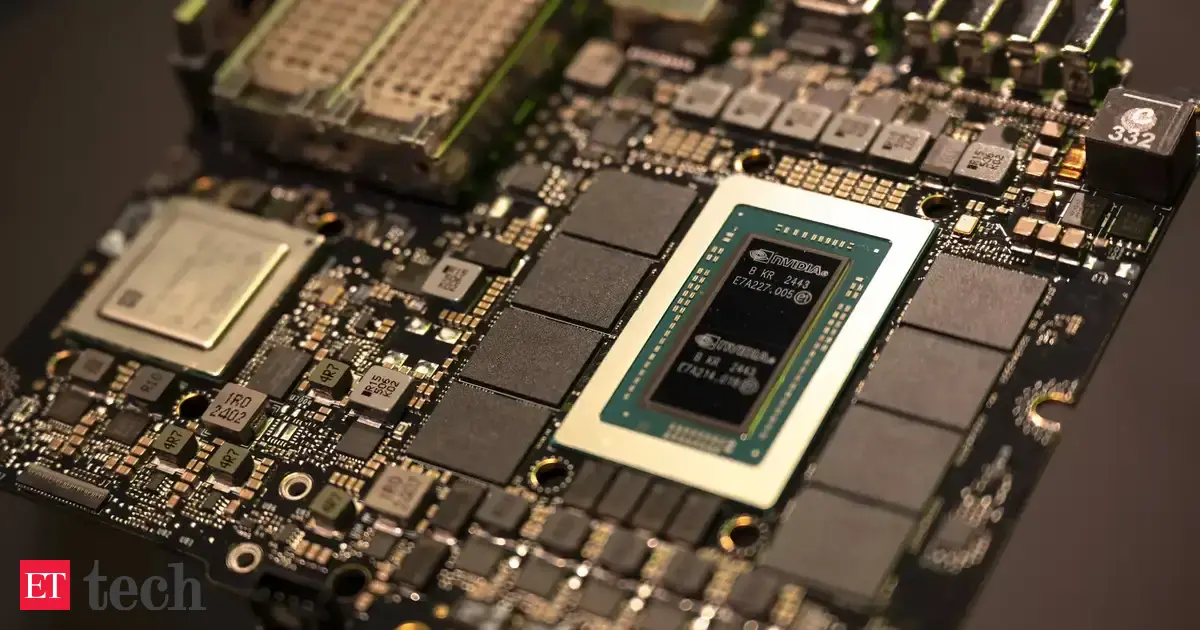
A bipartisan group of eight U.S. House members introduced the Chip Security Act, mandating advanced AI chips to embed location verification technology before export. Aimed at curbing smuggling to adversaries like China and safeguarding U.S. tech advantage, the proposal raises concerns over privacy, trade disruptions and geopolitical tensions.[AI generated]

Why's our monitor labelling this an incident or hazard?

The article involves AI systems in the form of AI chips and their export controls, which relate to the development and use of AI technology. However, no direct or indirect harm has occurred yet; the bill is a preventive measure to mitigate plausible future risks of AI chips being used by nefarious actors. Therefore, this event constitutes an AI Hazard because it concerns a credible risk of harm related to AI technology that could plausibly lead to an AI Incident if unaddressed. It is not an AI Incident since no harm has materialized, nor is it merely Complementary Information or Unrelated, as the focus is on preventing potential AI-related harm through legislation.[AI generated]
AI principles
Privacy & data governanceRespect of human rightsTransparency & explainabilityRobustness & digital securityDemocracy & human autonomyAccountability

Industries
Robots, sensors, and IT hardwareDigital securityGovernment, security, and defenceIT infrastructure and hostingConsumer products

Affected stakeholders
BusinessGeneral public

Harm types
Human or fundamental rightsEconomic/PropertyReputationalPublic interest

Severity
AI hazard


Articles about this incident or hazard

Thumbnail Image

U.S. lawmakers introduce bill to address AI chip smuggling

2025-05-15
Reuters
Why's our monitor labelling this an incident or hazard?
The article involves AI systems in the form of AI chips and their export controls, which relate to the development and use of AI technology. However, no direct or indirect harm has occurred yet; the bill is a preventive measure to mitigate plausible future risks of AI chips being used by nefarious actors. Therefore, this event constitutes an AI Hazard because it concerns a credible risk of harm related to AI technology that could plausibly lead to an AI Incident if unaddressed. It is not an AI Incident since no harm has materialized, nor is it merely Complementary Information or Unrelated, as the focus is on preventing potential AI-related harm through legislation.
Thumbnail Image

US lawmakers introduce bill to address AI chip smuggling

2025-05-15
Economic Times
Why's our monitor labelling this an incident or hazard?
The event involves AI systems in the form of AI chips and their export controls, focusing on preventing potential misuse that could lead to harm. However, the article does not report any realized harm or incident caused by AI systems but rather a legislative response to a plausible future risk. Therefore, it qualifies as an AI Hazard because it concerns a credible risk that AI chips could be smuggled and misused, potentially leading to harms such as technological advantage loss or use by nefarious actors. It is not an AI Incident since no harm has yet occurred, nor is it Complementary Information or Unrelated.
Thumbnail Image

U.S. Lawmakers Introduce Bill to Address AI Chip Smuggling

2025-05-15
U.S. News & World Report
Why's our monitor labelling this an incident or hazard?
The article discusses a legislative response to the potential misuse of AI chips through smuggling, which could plausibly lead to significant harms if advanced AI technology falls into the wrong hands. However, the event itself is about a proposed law and preventive measures, not about an actual harm or incident caused by AI systems. Therefore, it represents a governance and policy response to a potential risk rather than a realized AI Incident or an immediate AI Hazard. It fits best as Complementary Information because it provides context on societal and governance responses to AI-related risks.
Thumbnail Image

Bipartisan House lawmakers propose bill to 'stop smuggling' of AI chips

2025-05-15
The Hill
Why's our monitor labelling this an incident or hazard?
The event involves AI systems in the form of AI chips, which are essential hardware for AI development and deployment. The bill aims to prevent unauthorized diversion and misuse of these AI chips, which could plausibly lead to harms such as national security threats or misuse of AI technology by adversaries. Since the event concerns a legislative effort to mitigate potential future harms rather than reporting an actual harm or incident, it fits the definition of an AI Hazard. There is no indication of realized harm or incident yet, so it is not an AI Incident. It is more than just complementary information because it focuses on a credible risk and preventive measure related to AI technology.
Thumbnail Image

Congress introduces bills to track AI chips and battle Chinese smuggling amid national security concerns - NaturalNews.com

2025-05-12
NaturalNews.com
Why's our monitor labelling this an incident or hazard?
The event involves AI systems in the form of advanced AI chips used for military and surveillance AI applications. The bills focus on preventing illicit use and smuggling of these AI chips, which could lead to significant harms such as military advantage to adversaries and threats to national security. Since the legislation is proactive and the harms are potential rather than realized, this constitutes an AI Hazard. There is no indication of an actual AI Incident (harm realized) or complementary information about past incidents. The focus is on plausible future harm and risk mitigation through legislation.
Thumbnail Image

GPU tracking bill gains bipartisan support in US House

2025-05-15
TheRegister.com
Why's our monitor labelling this an incident or hazard?
The article discusses a legislative proposal to mandate location verification mechanisms in AI chips to prevent their diversion and misuse, which could lead to national security harms. The AI systems involved are the advanced AI chips (GPUs and AI accelerators) that would be tracked. Since the bill is proposed and no harm has yet occurred, but the risk of misuse and diversion is credible and could lead to significant harm, this qualifies as an AI Hazard. It is not an AI Incident because no harm has materialized, nor is it Complementary Information or Unrelated, as the focus is on a potential AI-related risk and regulatory response.
Thumbnail Image

US bill targets smuggling of NVIDIA's AI chips to China

2025-05-16
NewsBytes
Why's our monitor labelling this an incident or hazard?
The article involves AI systems in the form of advanced AI chips whose illegal export is being targeted by legislation. Although no actual harm has been reported, the smuggling of these AI chips could plausibly lead to AI incidents in the future, such as misuse by nefarious actors or threats to national security. Hence, this event fits the definition of an AI Hazard, as it concerns a plausible future risk stemming from AI system proliferation and misuse.
Thumbnail Image

USA plans Kill switch for Nvidia chips - Research Snipers

2025-05-14
Research Snipers
Why's our monitor labelling this an incident or hazard?
The event involves AI systems (Nvidia AI chips used for AI development) and concerns the development and use of control mechanisms (kill switch, location tracking) to prevent unauthorized or harmful use. Although no direct harm has occurred yet, the article highlights the plausible future harm that could arise from misuse of these AI chips, including for dangerous applications like biological weapons. Therefore, this event fits the definition of an AI Hazard, as it describes measures to mitigate a credible risk of AI-related harm that could plausibly occur without such controls.
Thumbnail Image

US Plans to Track Location of Every Exported Advanced AI Chip - Overkill?

2025-05-14
The Tech Report
Why's our monitor labelling this an incident or hazard?
The event involves AI systems (advanced AI chips) and their development and use, specifically the proposed embedding of location tracking technology. However, no direct or indirect harm has occurred yet; the article discusses potential future harms such as privacy issues, trade disruption, and geopolitical risks. Therefore, this qualifies as an AI Hazard because the development and use of these tracking-enabled AI chips could plausibly lead to harms in the future. It is not an AI Incident since no harm has materialized, nor is it Complementary Information or Unrelated, as the article centers on a specific legislative proposal with AI system implications and potential harms.
Thumbnail Image

The US Congress is demanding AI chip tracking technology

2025-05-16
TechHQ
Why's our monitor labelling this an incident or hazard?
The event involves the development and intended use of AI systems embedded in semiconductor chips for tracking and surveillance purposes. Although the legislation is not yet law and no direct harm has been reported, the proposed surveillance capabilities could plausibly lead to harms including violations of rights (privacy and sovereignty), harm to communities (through geopolitical tensions and market disruptions), and broader societal impacts. The article focuses on the potential consequences and risks of this technology becoming mandatory, fitting the definition of an AI Hazard rather than an Incident or Complementary Information. There is no realized harm yet, so it is not an Incident, and the content is more than general AI news, so it is not Unrelated.
Thumbnail Image

Congress pushes GPS tracking for every exported semiconductor

2025-05-16
AI News
Why's our monitor labelling this an incident or hazard?
The event involves AI systems (AI chips with embedded location verification mechanisms) and their use for continuous surveillance, which is a novel and invasive application of AI technology. Although the article does not report any realized harm, the proposed legislation could plausibly lead to significant harms including privacy violations, geopolitical conflicts, and economic disruptions. The continuous monitoring and reporting obligations extend the AI system's influence beyond traditional use, raising credible risks. Since the harms are potential and the event concerns a legislative proposal rather than an actual incident, the classification as an AI Hazard is appropriate.
Thumbnail Image

U.S. lawmakers introduce bill to address AI chip smuggling

2025-05-15
Denver Gazette
Why's our monitor labelling this an incident or hazard?
The article discusses a legislative initiative to address potential risks associated with AI chip smuggling, which could lead to misuse of advanced AI technology. However, the event itself does not describe any realized harm or incident caused by AI systems, nor does it describe a direct or indirect AI-related harm occurring at this time. Instead, it is a proactive governance measure to prevent future harm. Therefore, it fits the category of Complementary Information as it provides context on societal and governance responses to AI-related risks.
Thumbnail Image

U.S. lawmakers propose Chip Security Act to track technology exports

2025-05-16
Dimsum Daily
Why's our monitor labelling this an incident or hazard?
The article involves AI systems indirectly through advanced AI chips that could be used to develop AI weaponry and surveillance technology. The event concerns the development and use of AI-related technology and the potential for misuse that could lead to significant harms such as military aggression and repression. Since the harm is potential and the legislation aims to prevent future incidents, this qualifies as an AI Hazard rather than an Incident. The presence of AI systems is reasonably inferred from the context of advanced AI chips and their applications.
Thumbnail Image

U.S. Lawmakers Introduce Chip Security Act to Prevent NVIDIA's AI Chips From Reaching China; Proposes Chip Tracking & Kill Switch As Possible Measures

2025-05-15
Wccftech
Why's our monitor labelling this an incident or hazard?
The article involves AI systems (NVIDIA's AI chips) and discusses their potential misuse by foreign actors (China) that could lead to national security risks. The proposed legislation aims to prevent such misuse by tracking and disabling chips if they reach unauthorized users. Since no actual harm or incident has occurred yet, but there is a credible risk of harm if these chips are used by adversaries, this qualifies as an AI Hazard. The event is not merely general AI news or product launch, but a legislative measure addressing plausible future harm from AI system misuse. Hence, the classification is AI Hazard.
Thumbnail Image

US senator introduces bill calling for location-tracking on AI chips to limit China access - ET Telecom

2025-05-10
ETTelecom.com
Why's our monitor labelling this an incident or hazard?
The bill concerns AI chips and their export control, which involves AI systems. The location-tracking requirement is intended to prevent unauthorized use, which could plausibly lead to harm if not controlled. However, the article does not report any actual harm or incident caused by AI systems, nor does it describe a specific AI hazard event. Therefore, this is best classified as Complementary Information, as it provides information about governance and policy responses related to AI technology security and export control.
Thumbnail Image

How Do You Keep Advanced US GPUs Out of China? How About Location Tracking?

2025-05-13
PC Mag Middle East
Why's our monitor labelling this an incident or hazard?
The article focuses on a legislative proposal (the Chips Security Act) that would require location tracking in advanced GPUs to prevent unauthorized export and tampering. This is a preventive regulatory measure addressing potential future risks associated with AI chips, particularly regarding national security and export control. There is no indication that any harm has occurred yet, nor that an AI system has malfunctioned or been misused to cause harm. Therefore, this event is best classified as an AI Hazard, as it plausibly addresses future risks related to AI system misuse or exploitation but does not describe an actual AI Incident. It is not Complementary Information because it is not an update or response to a past incident, and it is not Unrelated because it clearly involves AI systems and their security implications.
Thumbnail Image

US senator announces a bill requiring geotracking in high-end GPUs to prevent the Chinese government from wielding the ruinous power of your Nvidia RTX 4090

2025-05-12
pcgamer
Why's our monitor labelling this an incident or hazard?
The event involves AI systems insofar as it concerns AI processors (GPUs used for AI tasks) and their export control. However, the event is about a proposed bill to require geotracking to prevent future misuse or diversion of AI hardware. There is no indication that any harm has yet occurred due to AI system development, use, or malfunction. The focus is on preventing plausible future harm related to AI hardware falling into adversarial hands. Therefore, this qualifies as an AI Hazard because it concerns a credible risk that could plausibly lead to an AI Incident (e.g., adversaries using advanced AI hardware for harmful purposes). It is not an AI Incident since no harm has materialized, nor is it Complementary Information or Unrelated.
Thumbnail Image

US seeks to thwart smuggling of Nvidia GPUs with location tracking

2025-05-13
PCWorld
Why's our monitor labelling this an incident or hazard?
The event involves AI systems in the form of high-end AI chips (GPUs) used for AI applications like large language models. However, the article focuses on a proposed law to prevent future unauthorized use and smuggling of these AI chips, which could plausibly lead to harms such as technology transfer to rival countries and misuse. Since no actual harm or incident has occurred yet, and the article centers on a legislative and governance response to a potential risk, this qualifies as an AI Hazard. It is not an AI Incident because no direct or indirect harm has materialized, nor is it Complementary Information since it is not an update or response to a past incident but a new proposed measure addressing potential future harm.
Thumbnail Image

Chip Security Act Would Mandate Location Trackers On Advanced Chips

2025-05-11
WebProNews
Why's our monitor labelling this an incident or hazard?
The article discusses a proposed law to require location tracking on advanced chips to prevent their unauthorized transfer to China, especially chips relevant to AI development. While the chips are related to AI, the event is about a policy proposal to prevent potential misuse or unauthorized access, not about an AI system causing harm or malfunction. There is no direct or indirect harm described, nor a plausible immediate hazard from AI system malfunction or misuse. Therefore, this is best classified as Complementary Information, as it provides context on governance and security measures related to AI-relevant technology but does not report an AI Incident or AI Hazard.
Thumbnail Image

US politician proposes tracking export AI chips

2025-05-12
Mobile World Live
Why's our monitor labelling this an incident or hazard?
The article discusses a proposed law to regulate AI chip exports to prevent them from being used by adversaries, which is a preventive governance measure. There is no indication that any harm has yet occurred or that an AI system malfunction or misuse has directly or indirectly caused harm. The focus is on potential future risks and safeguarding technology, which fits the definition of Complementary Information as it relates to societal and governance responses to AI-related risks.