Waymo Recalls Over 1,200 Robotaxis After AI Glitch Causes Collisions

Thumbnail Image

The information displayed in the AIM should not be reported as representing the official views of the OECD or of its member countries.

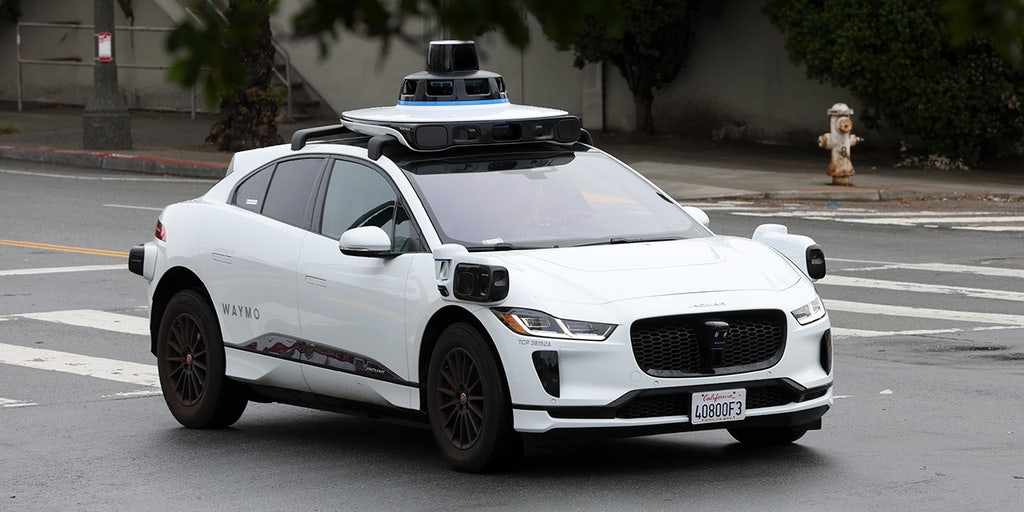
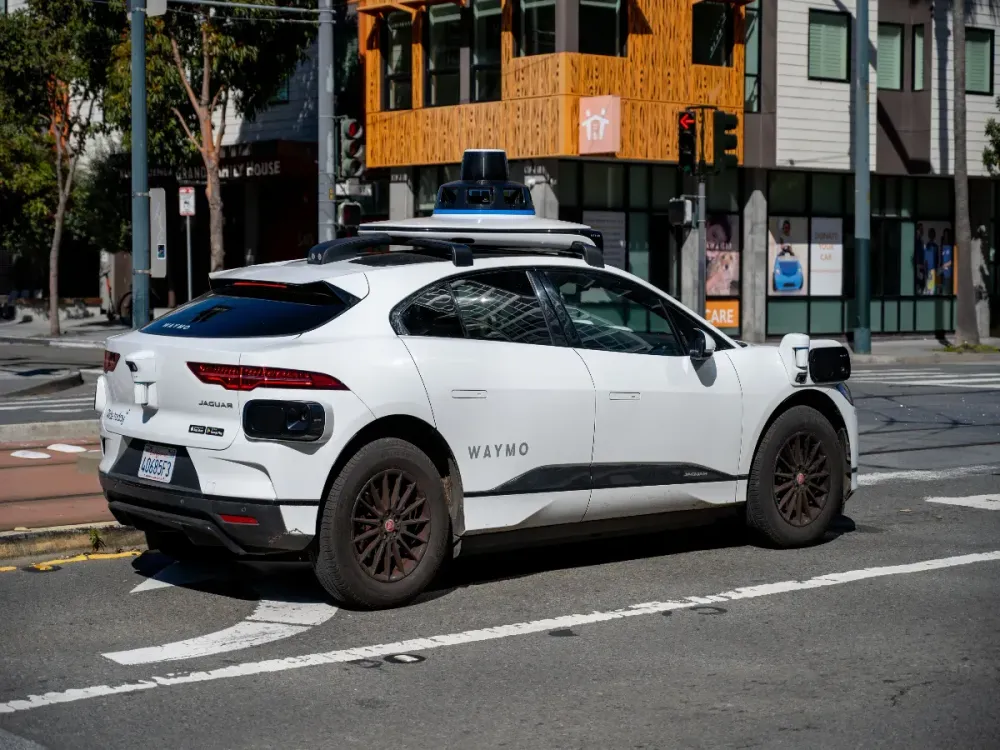
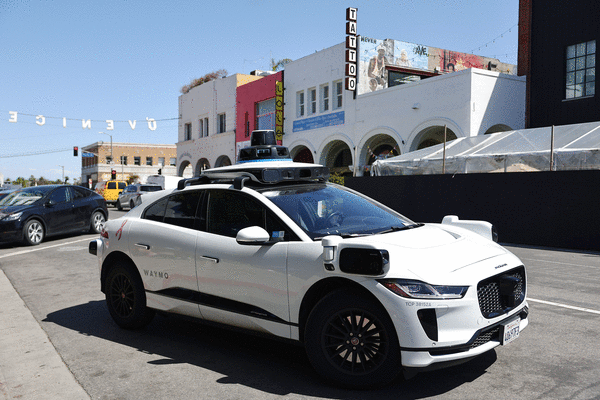
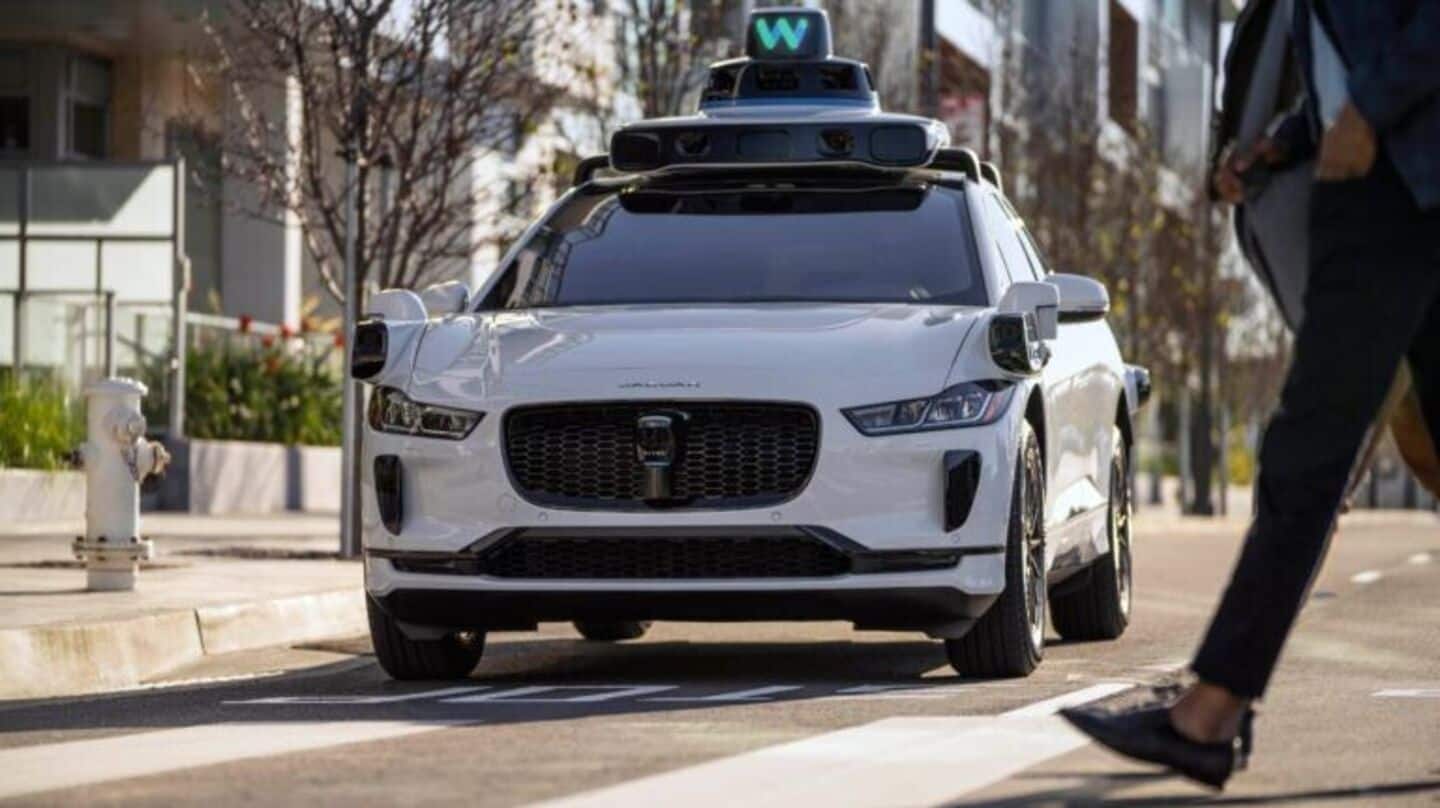
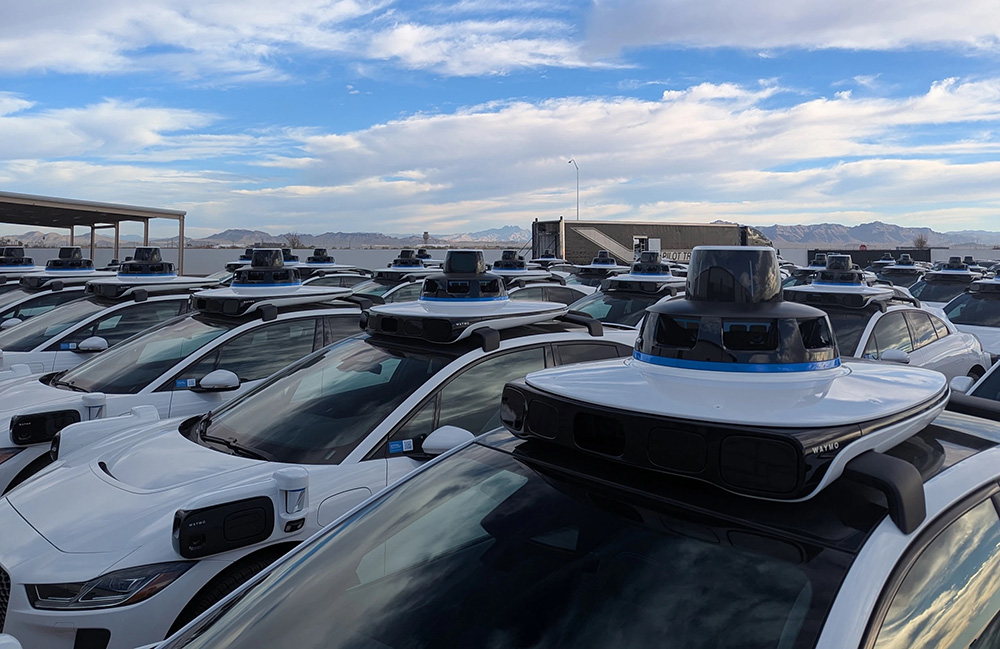
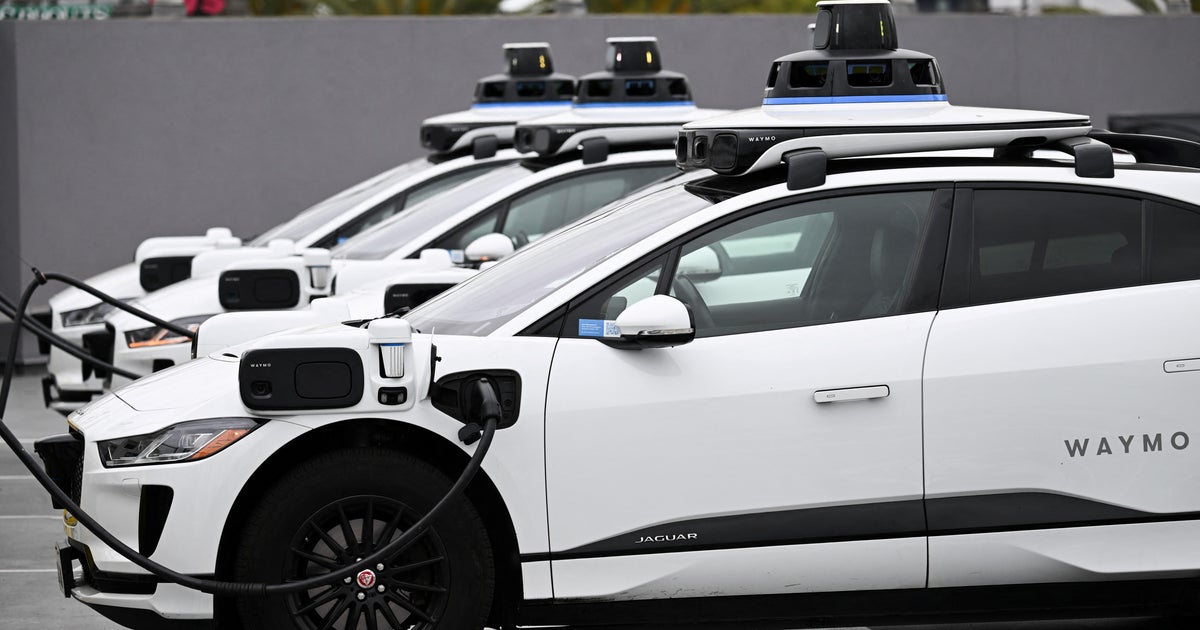
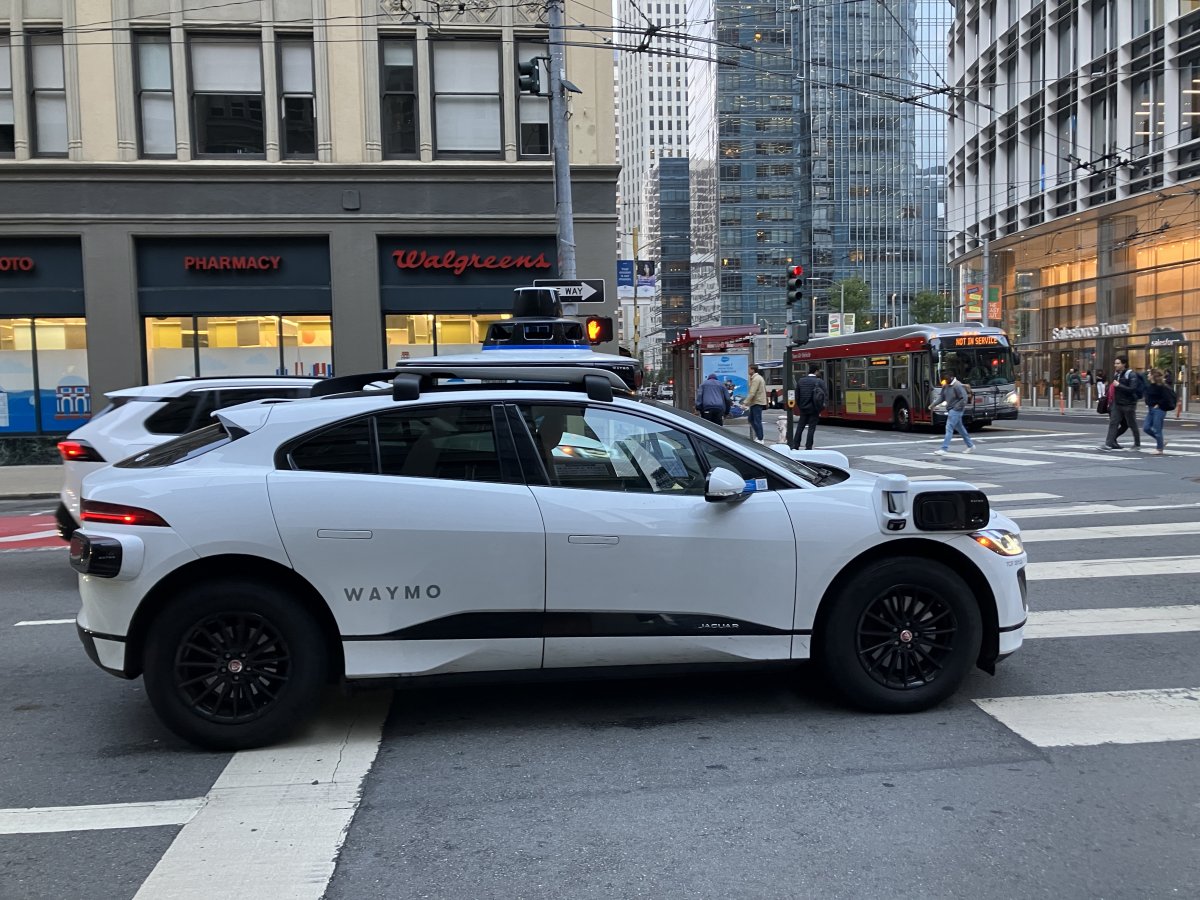
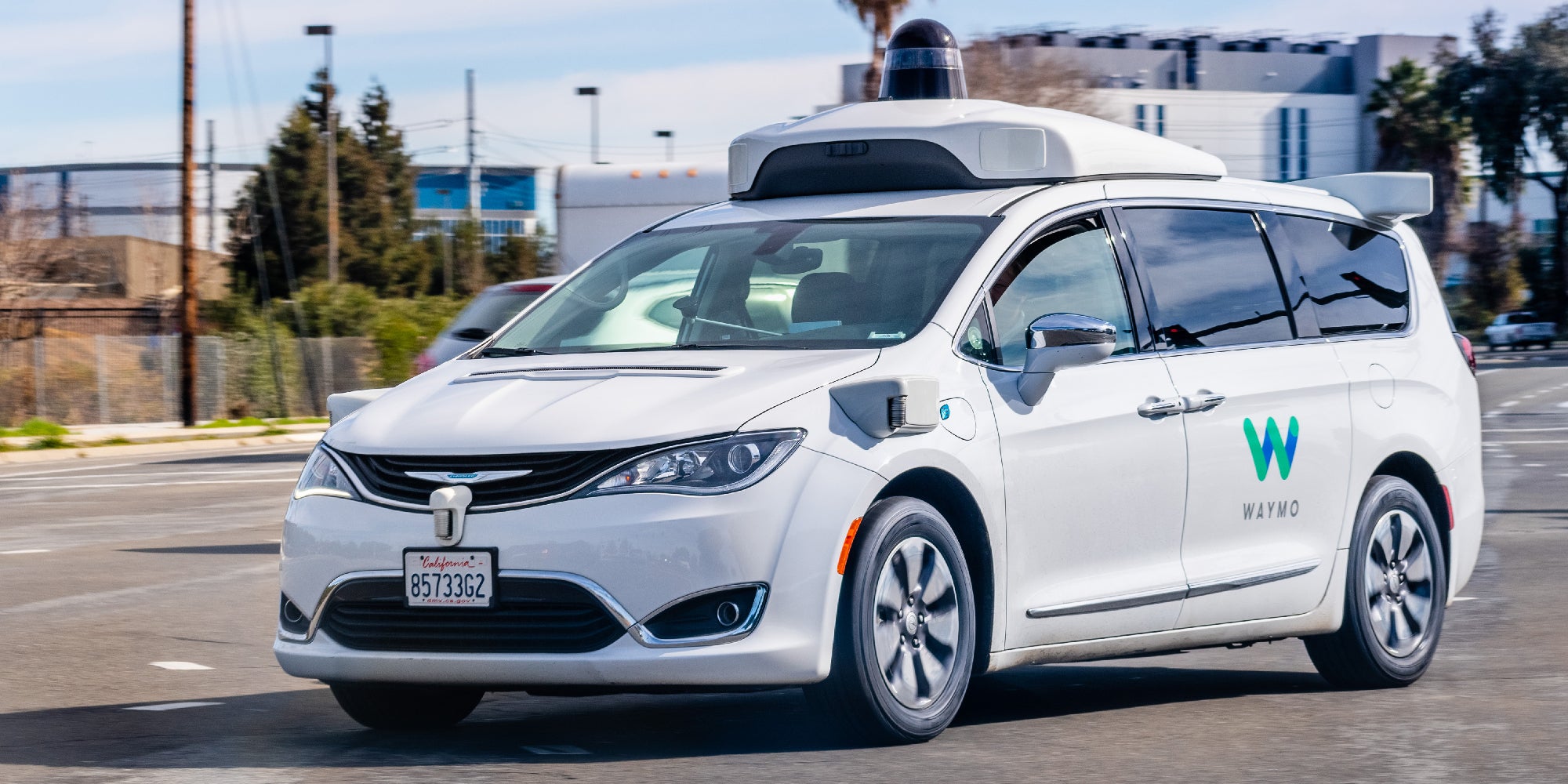
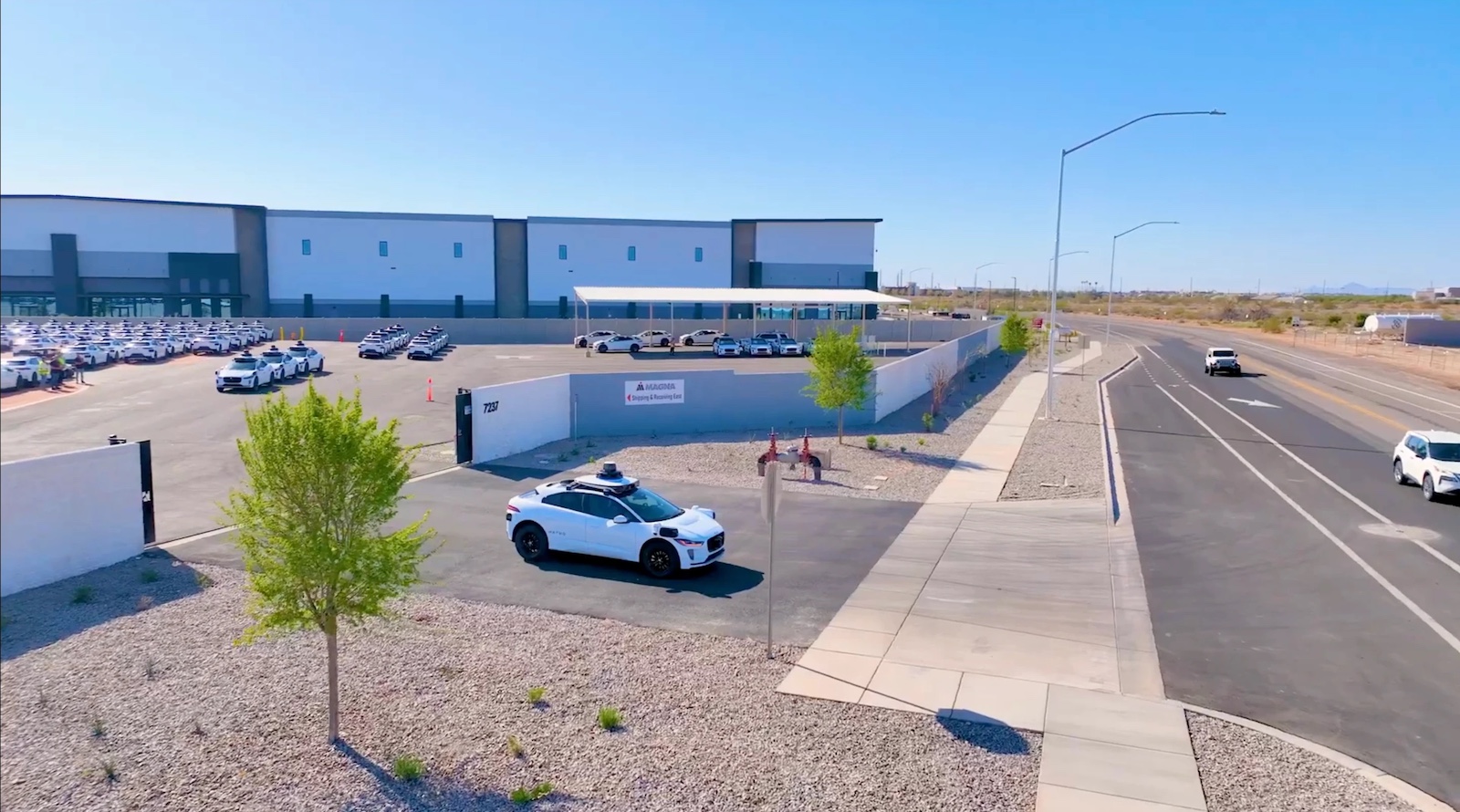
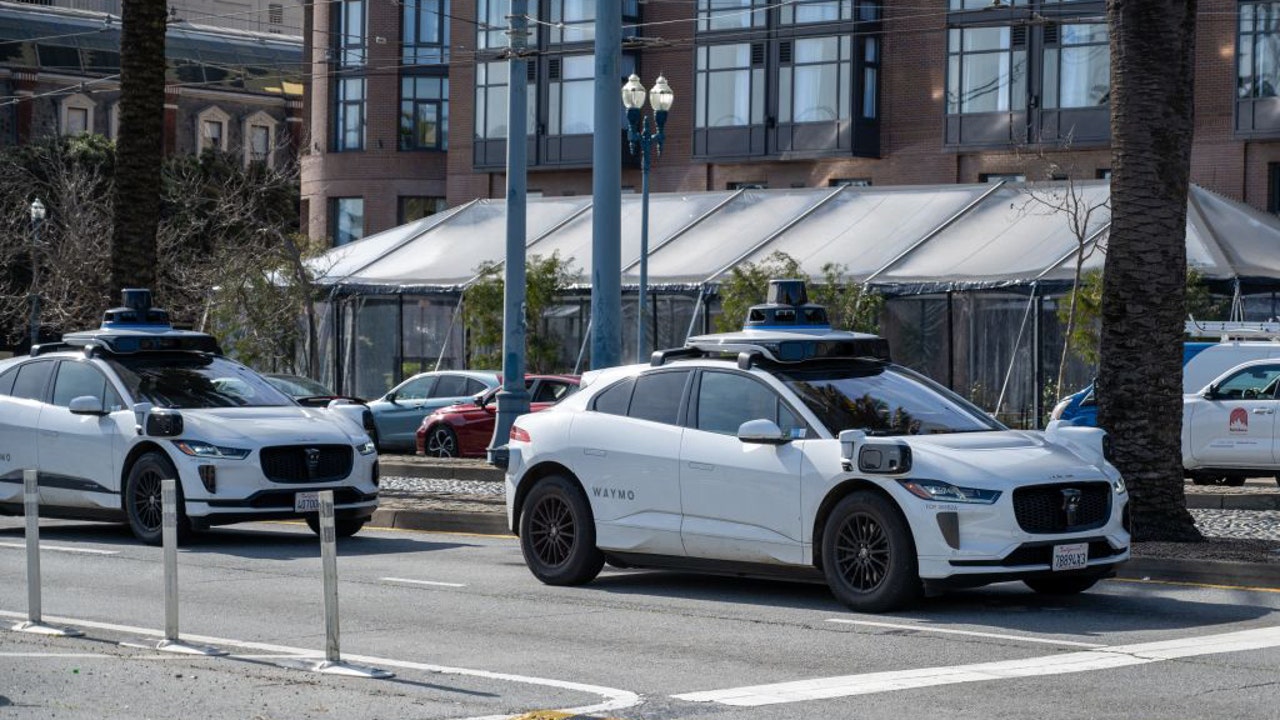
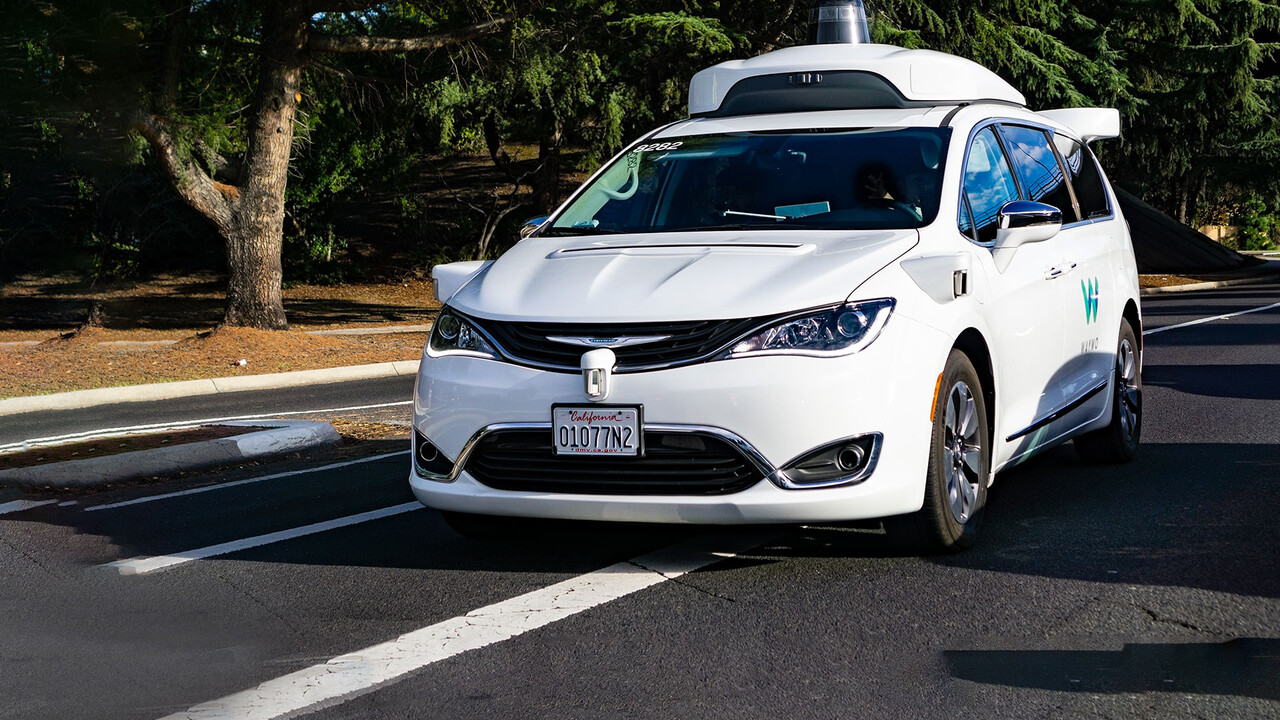
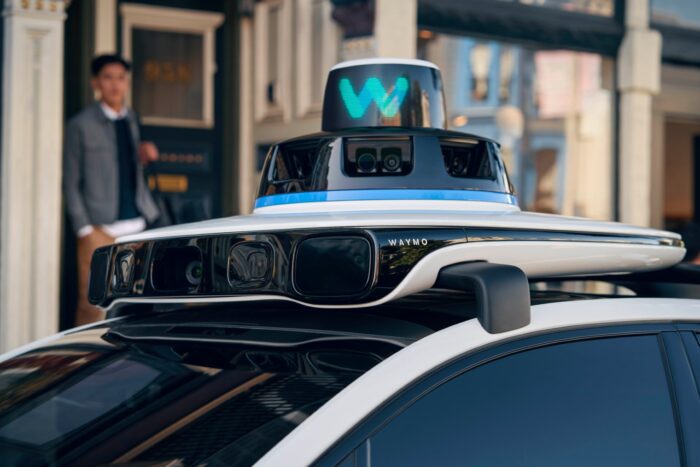
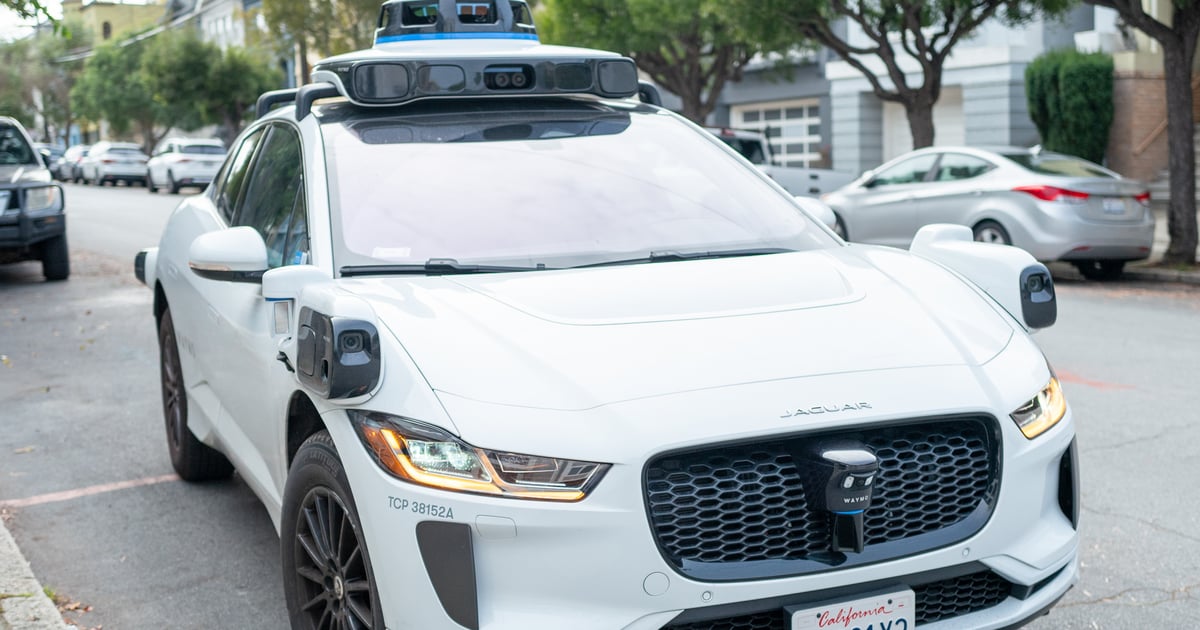
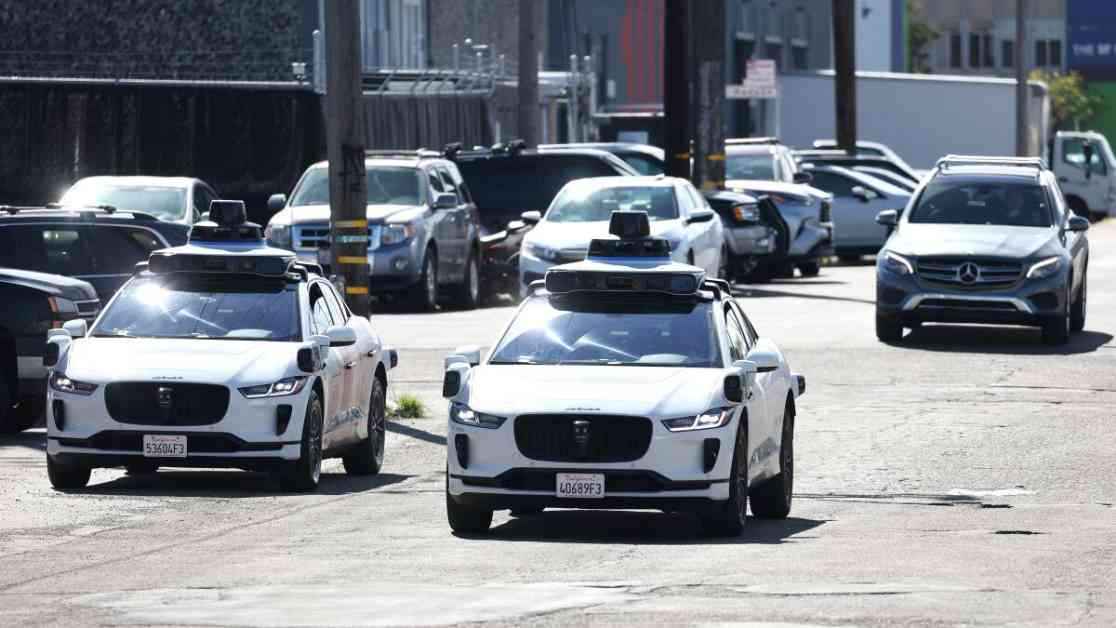
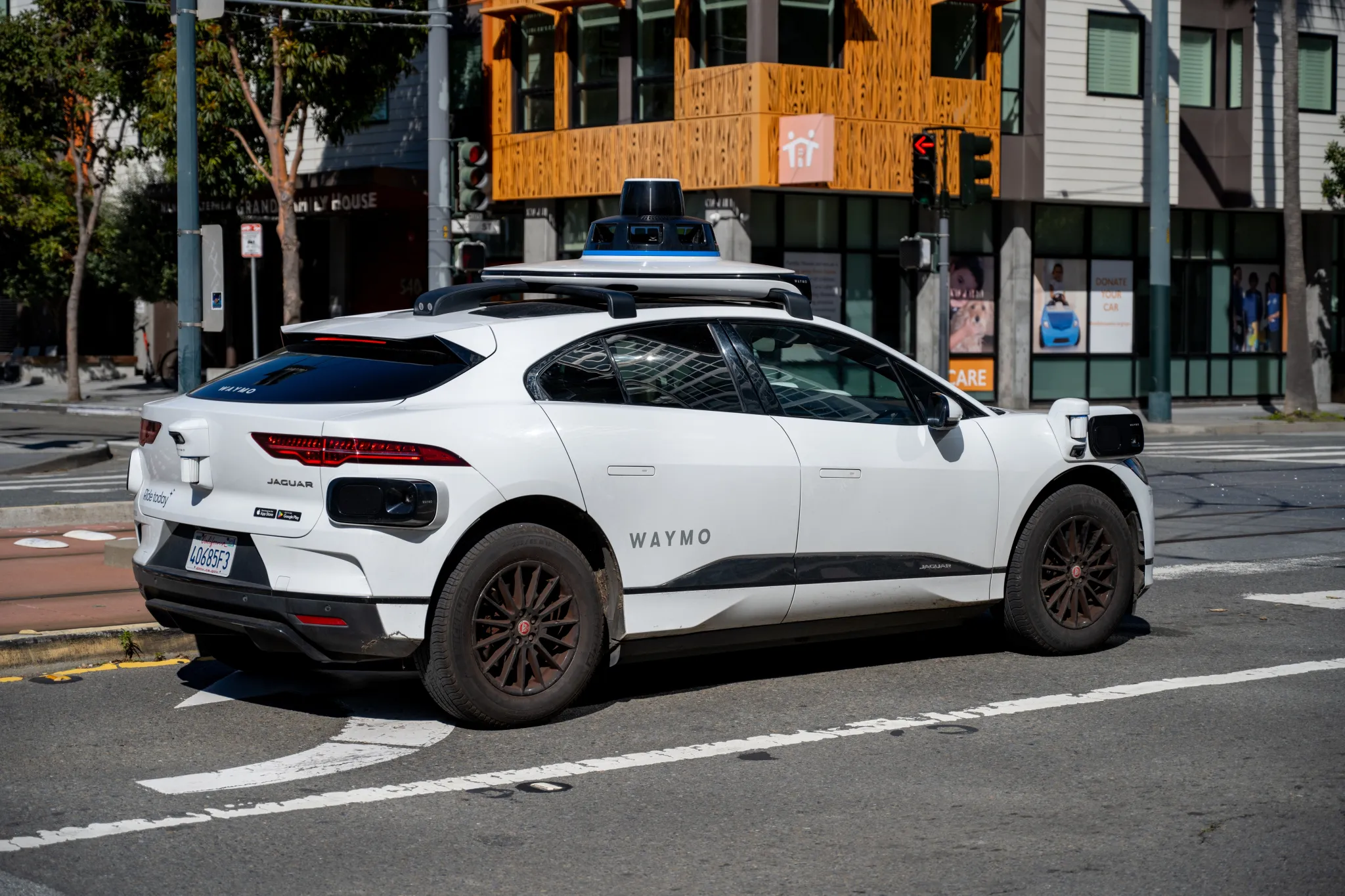
Waymo recalled over 1,200 self-driving taxis following a software glitch that led to collisions with road barriers, such as chains and gates, across several cities. The issue, identified through 16 reported incidents and additional near-collisions, prompted software updates and an NHTSA investigation, though no serious injuries were reported.[AI generated]

Why's our monitor labelling this an incident or hazard?

The event involves an AI system (Waymo's 5th Generation Automated Driving System) whose malfunction has directly led to multiple collisions, a form of harm to property and potential risk to people. The recall is a response to these incidents, confirming that harm has occurred or was imminent. The AI system's role is pivotal as it controls the vehicle autonomously. Hence, this is an AI Incident rather than a hazard or complementary information.[AI generated]
AI principles
Robustness & digital securitySafetyAccountabilityTransparency & explainability

Industries
Mobility and autonomous vehiclesRobots, sensors, and IT hardware

Affected stakeholders
Business

Harm types
Economic/PropertyReputationalPublic interest

Severity
AI incident

Business function:
Other

AI system task:
Recognition/object detectionForecasting/predictionGoal-driven organisationReasoning with knowledge structures/planning


Articles about this incident or hazard

Thumbnail Image

Driverless Car Company Waymo Recalls More Than 1,200 Vehicles After Collisions

2025-05-14
Yahoo Tech
Why's our monitor labelling this an incident or hazard?
The event involves an AI system (Waymo's 5th Generation Automated Driving System) whose malfunction has directly led to multiple collisions, a form of harm to property and potential risk to people. The recall is a response to these incidents, confirming that harm has occurred or was imminent. The AI system's role is pivotal as it controls the vehicle autonomously. Hence, this is an AI Incident rather than a hazard or complementary information.
Thumbnail Image

Driverless Car Company Waymo Recalls More Than 1,200 Vehicles After Collisions

2025-05-14
CNET
Why's our monitor labelling this an incident or hazard?
The event involves an AI system explicitly: Waymo's 5th Generation Automated Driving Systems controlling driverless cars. The collisions with road barriers are a direct consequence of the AI system's malfunction or failure to navigate safely, leading to harm to property (the vehicles and barriers) and potential risk to people. The recall is a mitigation measure following these incidents. Since harm has already occurred due to the AI system's use, this is classified as an AI Incident rather than a hazard or complementary information.
Thumbnail Image

Waymo recalls more than 1,200 robotaxis over software glitch linked...

2025-05-14
New York Post
Why's our monitor labelling this an incident or hazard?
The article explicitly mentions that Waymo's autonomous driving software malfunctioned, causing collisions with roadway barriers and other objects. These collisions are direct harms linked to the AI system's malfunction. The recall and software update are responses to these incidents but do not negate the fact that harm occurred. The AI system's role is pivotal as it controls the vehicle's driving decisions. Hence, this event meets the criteria for an AI Incident due to direct harm caused by the AI system's malfunction.
Thumbnail Image

Waymo recalled 1,200 robotaxis following collisions with road barriers

2025-05-15
Digital Trends
Why's our monitor labelling this an incident or hazard?
The event explicitly involves an AI system—Waymo's autonomous driving software—that malfunctioned, causing multiple collisions with road barriers. The collisions, while low-speed and without injuries, constitute harm to property and potential risk to health. The recall and regulatory probe confirm the seriousness of the issue. Hence, this is an AI Incident due to the direct link between the AI system's malfunction and realized harm.
Thumbnail Image

Waymo Recalls 1,200 Self-Driving Taxis After Collisions With Gates, Road Barriers

2025-05-14
The Daily Caller
Why's our monitor labelling this an incident or hazard?
The event explicitly involves an AI system (Waymo's autonomous driving software) whose malfunction (collisions with barriers) has directly led to harm in the form of property damage and potential safety hazards. The recall and federal investigation confirm the seriousness of the issue. Although no injuries occurred, the harm to property and the risk to safety meet the criteria for an AI Incident. The AI system's development and use are central to the event, and the malfunction has materialized harm rather than just a plausible future risk.
Thumbnail Image

Waymo recalls more than 1,200 automated vehicles after minor crashes

2025-05-14
Los Angeles Times
Why's our monitor labelling this an incident or hazard?
The autonomous vehicles operate using AI systems (fifth-generation automated driving software) that control driving decisions. The software defect caused minor collisions, which constitute harm to property. Although no injuries occurred, the direct link between the AI system malfunction and the crashes qualifies this as an AI Incident under the harm to property category. The recall and software update are responses to this incident. Therefore, this event is classified as an AI Incident.
Thumbnail Image

Waymo recalls 1,200 driverless vehicles for software update

2025-05-14
Fox Business
Why's our monitor labelling this an incident or hazard?
The event involves an AI system (Waymo's autonomous driving system) whose malfunction (software issues in object detection and response) directly led to collisions, which constitute harm to property and potential harm to persons (risk of injury). Even though no injuries occurred, the risk and actual collisions qualify as harm under the AI Incident definition. Therefore, this is an AI Incident due to the realized harm and malfunction of the AI system.
Thumbnail Image

Over 1,200 Self-Driving Robotaxis Recalled Due To Software Glitch That Led To Crashes

2025-05-14
The Daily Wire
Why's our monitor labelling this an incident or hazard?
The event involves an AI system explicitly (Waymo's self-driving software) whose malfunction led to multiple crashes, causing harm to property and potential risk to people. The recalls and regulatory investigations confirm the AI system's role in causing harm. The harm is realized, not just potential, so this is an AI Incident rather than a hazard or complementary information.
Thumbnail Image

Over 1,200 driverless cars recalled over crashes in the US

2025-05-14
Metro
Why's our monitor labelling this an incident or hazard?
The event involves an AI system (automated driving software) that malfunctioned, causing over two dozen minor crashes with roadway barriers. Although no injuries were reported, the collisions represent harm to property and potential risk to safety. The recall and regulatory investigation confirm the AI system's role in these incidents. This fits the definition of an AI Incident because the AI system's malfunction directly led to harm (property damage and safety risk).
Thumbnail Image

Waymo Recalls Over 1,200 Robotaxis Over Software Issue: Retail Sentiment Dips On Parent Alphabet

2025-05-14
Asianet News Network Pvt Ltd
Why's our monitor labelling this an incident or hazard?
The recalled vehicles use an AI-based automated driving system whose software malfunction has caused 17 collisions and 22 reports of unexpected driving behavior. The AI system's faulty software directly led to these incidents, posing a risk of injury, which fits the definition of an AI Incident. The recall and software update are responses to this malfunction. The presence of actual collisions and the risk of injury confirm realized harm rather than just a potential hazard.
Thumbnail Image

Waymo recalls 1,200 vehicles citing minor collisions

2025-05-14
Quartz
Why's our monitor labelling this an incident or hazard?
The event involves an AI system (Waymo's autonomous driving software) whose malfunction directly led to minor collisions with roadway barriers, causing harm to property. Although no injuries occurred, the collisions are a form of harm under the framework. The recall is a response to this incident, but the primary event is the realized harm caused by the AI system's malfunction. Hence, it meets the criteria for an AI Incident rather than a hazard or complementary information.
Thumbnail Image

Waymo issues recall after disturbing crashes & rolls out new 'road safety' tech

2025-05-14
The US Sun
Why's our monitor labelling this an incident or hazard?
The event involves an AI system explicitly: Waymo's fifth-generation automated driving system (ADS) software controlling autonomous vehicles. The collisions, although without reported injuries, represent harm to property and potential risk to human safety. The recall is due to the AI system's malfunction or failure to avoid collisions, directly leading to these incidents. Therefore, this is an AI Incident as the AI system's malfunction has directly led to harm and safety concerns.
Thumbnail Image

Waymo to recall over 80% of its robotaxis after over a dozen minor collisions

2025-05-14
Electrek
Why's our monitor labelling this an incident or hazard?
The event involves an AI system (Waymo's autonomous driving software) whose malfunction has directly caused multiple minor collisions, which constitute harm to property and potential safety risks. The presence of an official recall following an investigation confirms the materialization of harm linked to the AI system's use. Although no injuries occurred, the collisions themselves are harms under the framework. Therefore, this event meets the criteria for an AI Incident rather than a hazard or complementary information.
Thumbnail Image

Waymo recalls most of its self-driving vehicles due to software glitch

2025-05-14
Times LIVE
Why's our monitor labelling this an incident or hazard?
The event explicitly involves an AI system—the self-driving vehicle's automated driving software. The software glitch caused collisions with physical barriers, which is a direct malfunction of the AI system leading to harm to property and potential risk to human safety. Although no injuries occurred, the collisions and regulatory recalls indicate realized harm and safety concerns. Therefore, this qualifies as an AI Incident rather than a hazard or complementary information.
Thumbnail Image

Waymo recalls more than 1,200 automated vehicles after minor crashes

2025-05-15
ArcaMax
Why's our monitor labelling this an incident or hazard?
The event involves an AI system explicitly described as Waymo's fifth-generation automated driving software controlling autonomous vehicles. The software defect caused minor crashes, which are harms to property and the environment. Although no injuries occurred, the AI system's malfunction directly led to these incidents, fulfilling the criteria for an AI Incident. The recall and software update are responses to this malfunction. The presence of an AI system, the direct link to harm (minor crashes), and the malfunction justify classification as an AI Incident rather than a hazard or complementary information.
Thumbnail Image

Why Waymo has recalled over 1,200 of its self-driving cars

2025-05-14
NewsBytes
Why's our monitor labelling this an incident or hazard?
The event involves an AI system explicitly described as the fifth-generation automated driving system software in Waymo's autonomous vehicles. The software glitch caused the cars to crash into barriers, which is a malfunction of the AI system leading directly to harm (property damage and potential injury). The recall is a response to this malfunction. Since harm has occurred (crashes) and the AI system's malfunction is the cause, this qualifies as an AI Incident rather than a hazard or complementary information.
Thumbnail Image

Waymo recalls 1,200 autonomous vehicles, Reuters says

2025-05-15
KXAN.com
Why's our monitor labelling this an incident or hazard?
The event involves an AI system explicitly described as the fifth-generation automated driving system software controlling autonomous vehicles. The recall is due to actual collisions caused by these vehicles, which is a direct harm to property and potentially to people. The AI system's malfunction or failure to prevent these collisions directly led to harm, fulfilling the definition of an AI Incident rather than a hazard or complementary information.
Thumbnail Image

Waymo recalls more than 1,200 driverless vehicles after minor crashes

2025-05-14
NBC Bay Area
Why's our monitor labelling this an incident or hazard?
The event involves an AI system (Waymo's 5th Generation Automated Driving Systems) whose malfunction caused collisions with physical barriers. This constitutes harm to property and potential harm to people, even though no injuries occurred. The recall and software update are responses to this malfunction. Since harm has occurred (collisions) and the AI system's malfunction is the cause, this qualifies as an AI Incident.
Thumbnail Image

Waymo recalls 1,200 self-driving vehicles after minor collisions

2025-05-14
BusinessLIVE
Why's our monitor labelling this an incident or hazard?
The event explicitly involves an AI system—the self-driving software of Waymo vehicles—that malfunctioned, causing multiple collisions. While no injuries occurred, the collisions with physical objects constitute harm to property and potential risk to people. The recall is a response to these realized harms. Therefore, this qualifies as an AI Incident because the AI system's malfunction directly led to harm and safety concerns.
Thumbnail Image

Waymo recalls over 1200 self-driving vehicles over software issues - Profit by Pakistan Today

2025-05-14
Profit by Pakistan Today
Why's our monitor labelling this an incident or hazard?
The event explicitly involves an AI system (Waymo's automated driving software) whose malfunction caused multiple collisions with physical objects, constituting harm to property and safety risks. The recall and regulatory inquiry confirm the AI system's role in these incidents. Although no injuries occurred, the harm to property and the safety risk meet the criteria for an AI Incident. The event is not merely a potential hazard or complementary information but a realized incident involving AI malfunction and harm.
Thumbnail Image

Waymo recalls 1,200 self-driving vehicles after minor collisions

2025-05-14
Colorado Springs Gazette
Why's our monitor labelling this an incident or hazard?
The event involves an AI system explicitly: Waymo's self-driving vehicles operating with automated driving system (ADS) software. The reported collisions with chains, gates, and utility poles are direct consequences of the AI system's malfunction or errors in perception and decision-making. Although no injuries occurred, the collisions represent harm to property and potential risk to public safety, fulfilling the criteria for harm under AI Incident definition (d). The recalls and regulatory investigation further confirm the AI system's role in causing these harms. Hence, this is classified as an AI Incident.
Thumbnail Image

Waymo Recalls 1,200 Self-Driving Vehicles After Minor Collisions

2025-05-14
Insurance Journal
Why's our monitor labelling this an incident or hazard?
The article explicitly mentions Waymo's self-driving vehicles, which use AI-based automated driving systems. The collisions with chains, gates, and poles are directly linked to software errors in the AI system. These incidents caused harm to property and posed safety risks, fulfilling the criteria for an AI Incident. The recall and software update are responses to the malfunction, but the harm has already occurred. Therefore, this event is classified as an AI Incident rather than a hazard or complementary information.
Thumbnail Image

Recall Alert: Waymo's Robotaxis Need a Software Update To Better Avoid Road Hazards

2025-05-14
The Truth About Cars
Why's our monitor labelling this an incident or hazard?
The event clearly involves an AI system—Waymo's automated driving system software. The collisions between the autonomous vehicles and obstacles indicate a malfunction or failure of the AI system to properly detect and avoid hazards. Although no injuries have been reported, the collisions represent harm to property and potential risk to safety. Since harm has occurred (collisions) and the AI system's malfunction is directly linked to these incidents, this qualifies as an AI Incident.
Thumbnail Image

Waymo recalls more than 1,200 automated vehicles after minor crashes

2025-05-15
Eagle-Tribune
Why's our monitor labelling this an incident or hazard?
The event involves an AI system (Waymo's autonomous driving software) whose malfunction directly caused minor crashes, constituting harm to property. Although no injuries occurred, the software defect led to realized harm, qualifying this as an AI Incident under the framework. The recall is a response to this incident, but the primary event is the malfunction causing harm.
Thumbnail Image

Waymo Recalls 1,200 Robotaxis to Stop Them From Crashing Into Barriers

2025-05-16
PC Mag Middle East
Why's our monitor labelling this an incident or hazard?
The event involves an AI system explicitly (Waymo's automated driving system) whose malfunction caused multiple collisions with barriers. Although no injuries occurred, the collisions represent harm to property and potential risk to safety, fitting the definition of an AI Incident. The recall and software update are responses to mitigate this harm. The presence of multiple incidents and regulatory investigation further supports classification as an AI Incident rather than a hazard or complementary information.
Thumbnail Image

Waymo recalled software for more than 1,200 robotaxis after several cars were involved in collisions with barriers

2025-05-14
Business Insider
Why's our monitor labelling this an incident or hazard?
The event involves an AI system (Waymo's autonomous driving software) whose malfunction caused multiple collisions with barriers and other objects. These collisions, while not causing injuries, resulted in property damage and safety concerns, which are harms under the AI Incident definition. The recalls and NHTSA investigation confirm the AI system's role in these incidents. Hence, this is an AI Incident rather than a hazard or complementary information.
Thumbnail Image

Waymo recalled software for more than 1,200 robotaxis after several cars were involved in collisions with barriers

2025-05-14
Business Insider Nederland
Why's our monitor labelling this an incident or hazard?
Waymo's robotaxis operate using AI-based autonomous driving systems. The collisions with barriers are directly linked to software malfunctions in these AI systems, causing harm to property and posing safety risks. The recall and investigation confirm the AI system's role in these incidents. Although no injuries occurred, the damage and safety implications meet the criteria for an AI Incident as the AI system's malfunction directly led to harm. The event is not merely a potential risk (hazard) nor a general update without harm (complementary information).
Thumbnail Image

Waymo updates 1,200+ robotaxis in software recall

2025-05-14
The Robot Report
Why's our monitor labelling this an incident or hazard?
The autonomous driving software is an AI system as it makes real-time decisions to navigate complex environments. The collisions with physical barriers are harms to property and the environment, fulfilling harm category (d). Although no injuries occurred, the collisions represent direct harm caused by the AI system's malfunction. The recall and software update are responses to mitigate this harm. Since harm has occurred and is linked to the AI system's malfunction, this event is classified as an AI Incident rather than a hazard or complementary information.
Thumbnail Image

Waymo Recalls 1,200 Self-Driving Taxis After Collisions With Gates, Road Barriers

2025-05-14
dailycallernewsfoundation.org
Why's our monitor labelling this an incident or hazard?
The event involves an AI system (Waymo's autonomous driving software) whose malfunction (collisions with barriers) has directly caused harm in the form of vehicle damage and safety risks. The recall is a response to these incidents. The presence of a federal investigation and the recall itself confirm the materialization of harm linked to the AI system's operation. Although no injuries occurred, the collisions with physical barriers constitute harm to property and potential risk to safety, meeting the criteria for an AI Incident rather than a hazard or complementary information.
Thumbnail Image

Waymo Recalls 1,200 Self-Driving Vehicles In US After Minor Colissions

2025-05-14
Geek News Central
Why's our monitor labelling this an incident or hazard?
The event involves an AI system explicitly: Waymo's fifth-generation automated driving system software controlling self-driving vehicles. The malfunction of this AI system caused 16 reported collisions with stationary or semi-stationary objects, which directly relates to harm risks (potential injury) and actual property damage. The recall and software update are responses to these incidents. Since the AI system's malfunction directly led to these harms, this is classified as an AI Incident rather than a hazard or complementary information.
Thumbnail Image

Over 1,200 Self-Driving Robotaxis Recalled Due To Software Glitch That Led To Crashes - Conservative Angle

2025-05-14
Brigitte Gabriel
Why's our monitor labelling this an incident or hazard?
The article explicitly mentions a software glitch in Waymo's autonomous driving AI system that led to multiple crashes into physical barriers. These crashes represent harm to property and potential risk to people, fulfilling the criteria for harm under the AI Incident definition. The AI system's malfunction directly caused these incidents, and the recall is a response to this harm. The involvement of the AI system is clear and central to the event, and the harm is realized, not just potential. Hence, the event is classified as an AI Incident.
Thumbnail Image

Waymo's 1,200 Robotaxis Damaged by Road Barriers - News Directory 3

2025-05-15
News Directory 3
Why's our monitor labelling this an incident or hazard?
The presence of an AI system is explicit (Waymo's self-driving technology). The incidents involve collisions or near-collisions, indicating malfunction or failure in the AI system's operation. Although injury details are unavailable, the collisions with road barriers imply harm to property and potential risk to human safety. The AI system's role is pivotal as it controls the vehicle and its navigation decisions. The frequency and scale (1,200 incidents) further support classification as an AI Incident rather than a hazard or complementary information. The article's focus is on realized incidents, not just potential risks or responses, confirming the classification.
Thumbnail Image

Waymo recalls roughly 1,200 self-driving vehicles prone to hitting road barriers

2025-05-15
CBS News
Why's our monitor labelling this an incident or hazard?
The event involves an AI system (Waymo's fifth-generation automated driving system) whose malfunction caused collisions with stationary objects, posing a risk of injury and property damage. This meets the criteria for an AI Incident because the AI system's malfunction directly led to harm or risk of harm. The recall and software fix are mitigating actions but do not negate the incident classification since the harm or risk was realized prior to the fix.
Thumbnail Image

Waymo recalls 1,200 robotaxis following low-speed collisions with gates and chains | TechCrunch

2025-05-14
TechCrunch
Why's our monitor labelling this an incident or hazard?
The event clearly involves an AI system (Waymo's autonomous driving software) whose malfunction or failure has directly led to multiple collisions causing harm to property and potential safety risks, even though no injuries occurred. The recalls and software updates are responses to these incidents. Since harm has occurred and is linked to the AI system's use and malfunction, this qualifies as an AI Incident rather than a hazard or complementary information.
Thumbnail Image

Waymo Recalls Over 1,200 Robotaxis Over Software Issue: Retail Sentiment Dips On Parent Alphabet By Stocktwits

2025-05-14
Investing.com India
Why's our monitor labelling this an incident or hazard?
The recalled vehicles operate with AI-based automated driving software that has caused or could cause collisions, posing injury risks. The NHTSA investigation and multiple collision reports confirm realized harm or near harm. The recall is a response to this malfunction. Since the AI system's malfunction has directly led to safety hazards and actual collisions, this meets the criteria for an AI Incident. The event is not merely a potential hazard or complementary information but a concrete incident involving AI system malfunction and associated harm risks.
Thumbnail Image

Waymo recalled 1,200 self-driving vehicles. How does this affect Austin?

2025-05-15
Austin American-Statesman
Why's our monitor labelling this an incident or hazard?
The event involves an AI system explicitly (Waymo's autonomous driving software) whose malfunction led to minor collisions with physical objects, constituting harm to property and potential safety risks. The recall is a corrective action following these incidents. The involvement of the NHTSA and the description of the software update to fix the issue confirm that the AI system's malfunction was a contributing factor. Although no injuries occurred, the collisions and safety concerns meet the criteria for an AI Incident as defined by the framework.
Thumbnail Image

Waymo Issues 'Recall' On Robotaxis, But That's The Wrong Word

2025-05-15
Forbes
Why's our monitor labelling this an incident or hazard?
The event involves an AI system (Waymo's autonomous driving software) whose use led to minor incidents (hitting small objects) but no significant harm. The recall is a response to regulatory inquiry and involves a software update to improve safety. Since no actual injury or major damage occurred, and the update mitigates plausible future harm, this does not qualify as an AI Incident. It also does not present a new AI Hazard because the risk is being addressed. The article mainly provides context on recalls and regulatory practices, making it Complementary Information enhancing understanding of AI system safety management and governance.
Thumbnail Image

Driverless Car Maker Waymo Recalls More Than 1,200 Vehicles: Here's The Problem That Caused It

2025-05-15
CNET
Why's our monitor labelling this an incident or hazard?
The event involves an AI system (Waymo's autonomous driving software) that has directly led to multiple vehicle collisions, which are harms to property and potentially to people. The recall is a response to these incidents, indicating the AI system's malfunction or failure. The presence of actual collisions confirms realized harm, not just potential harm, so this is an AI Incident rather than a hazard or complementary information. The involvement of the AI system in causing these crashes is explicit and central to the event.
Thumbnail Image

Waymo升级自动驾驶软件应对碰撞风险

2025-05-15
中关村在线
Why's our monitor labelling this an incident or hazard?
The event involves an AI system (Waymo's autonomous driving system) whose malfunction or limitations have directly caused harm in the form of collisions with physical objects. The harm is realized and documented, and the company has responded with a software update to reduce such incidents. Since the AI system's use has directly led to harm (property damage), this qualifies as an AI Incident rather than a hazard or complementary information.
Thumbnail Image

Waymo正在召回1200辆自动驾驶汽车 | ADS | 自动驾驶 | 无人驾驶 | 大纪元

2025-05-14
The Epoch Times
Why's our monitor labelling this an incident or hazard?
The event explicitly involves an AI system—the autonomous driving software used in Waymo vehicles. The reported collisions with obstacles are directly linked to the AI system's malfunction or failure to correctly perceive or respond to the environment, leading to property damage and potential safety risks. Although no injuries occurred, the harm to property and the risk to passenger and public safety meet the criteria for an AI Incident. The recall and software update are responses to these incidents but do not negate the classification of the event as an AI Incident. Additionally, the ongoing investigation by NHTSA into these collisions further supports the significance of the harm caused by the AI system's malfunction.
Thumbnail Image

多次与闸门、铁链低速碰撞 Waymo软件召回1200辆自动驾驶出租车

2025-05-15
驱动之家
Why's our monitor labelling this an incident or hazard?
The event involves an AI system (Waymo's autonomous driving software) whose malfunction has directly caused harm to property through multiple collisions. The software recall and regulatory evaluation confirm the AI system's role in these incidents. Therefore, this qualifies as an AI Incident because the AI system's malfunction has directly led to harm (property damage).
Thumbnail Image

Waymo voluntarily recalled 1,200 robotaxis

2025-05-15
Mashable
Why's our monitor labelling this an incident or hazard?
The recalled vehicles are autonomous vehicles relying on AI systems for navigation and decision-making. The collisions with objects and disobedience of traffic controls are direct consequences of the AI system's malfunction or errors. Although the accidents occurred at low speeds without injuries, the incidents represent harm to property and potential risk to people, fulfilling the criteria for an AI Incident. The recall and ongoing investigation further confirm the materialization of harm linked to the AI system's use and malfunction.
Thumbnail Image

Waymo recalls 1,200 self-driving taxis after collisions with gates, road barriers

2025-05-15
Conservative News Today
Why's our monitor labelling this an incident or hazard?
The event involves an AI system (Waymo's autonomous driving software) whose malfunction (collisions with barriers) has directly led to harm to property and potential safety risks. The recall and federal investigation confirm the AI system's involvement in these incidents. Although no injuries occurred, the repeated collisions and safety concerns meet the criteria for an AI Incident as the AI system's malfunction has caused harm and necessitated corrective action.
Thumbnail Image

【财经简讯】鸿海Q1净利大增 德国汽车业消减开支 尼桑汽车将裁员两万人 | 英特尔 | 谷歌 | 辛斯纳 | 新唐人电视台

2025-05-14
www.ntdtv.com
Why's our monitor labelling this an incident or hazard?
Waymo's autonomous vehicles use AI for object detection and driving decisions. The malfunction in the AI system caused collisions, which is a direct harm to property and potentially to persons. The recall and software fix indicate the AI system's role in the incident. Hence, this event meets the criteria for an AI Incident due to the direct harm caused by the AI system's malfunction.
Thumbnail Image

Nach kleineren Unfällen: Waymo ruft 1.200 selbstfahrende Fahrzeuge zurück

2025-05-14
heise online
Why's our monitor labelling this an incident or hazard?
The article explicitly mentions the use of AI-driven autonomous driving software (ADS) in Waymo's vehicles. The reported collisions with fixed objects and other vehicles are direct harms caused by the AI system's malfunction or errors in operation. The involvement of the US traffic safety authority (NHTSA) investigation and the recall to update the AI software further confirm the AI system's role in these incidents. Although no injuries occurred, the property damage and traffic safety risks meet the criteria for harm under the AI Incident definition. Therefore, this event is classified as an AI Incident.
Thumbnail Image

Waymo von Alphabet ruft über 1.200 Fahrzeuge nach Kollisionen mit Straßenbarrieren zurück

2025-05-14
de.marketscreener.com
Why's our monitor labelling this an incident or hazard?
The event involves an AI system (Waymo's self-driving technology) whose malfunction (failure in object detection or reaction) directly caused collisions with road barriers, posing safety risks. This constitutes an AI Incident because the AI system's malfunction led to harm or potential harm to persons and property. The recall and software update are responses to this incident.
Thumbnail Image

"I would never get in a car with no driver": Waymo recalls more than 1,200 driverless vehicles after minor crashes

2025-05-15
The Daily Dot
Why's our monitor labelling this an incident or hazard?
The event involves an AI system explicitly (Waymo's driverless vehicle software) whose malfunction caused multiple crashes, leading to property damage. Although no injuries occurred, the crashes represent harm to property and potential risk to passenger safety. The recall and software update are responses to this malfunction. The AI system's role is pivotal as it controls the autonomous driving functions that led to these incidents. Hence, this is an AI Incident rather than a hazard or complementary information.
Thumbnail Image

The Huge Waymo Recall That Wasn't

2025-05-15
CleanTechnica
Why's our monitor labelling this an incident or hazard?
The event involves an AI system (Waymo's autonomous driving software) that malfunctioned, leading to minor physical impacts (bumps into barriers) but no injury or significant harm. The issue was self-reported and fixed through a software update, preventing further incidents. Since the harm was minor and no injury or significant damage occurred, and the problem was promptly addressed, this does not rise to the level of an AI Incident. It also does not represent a plausible future harm scenario beyond the resolved issue, so it is not an AI Hazard. The article mainly provides an update and context on the situation, making it Complementary Information.
Thumbnail Image

Waymo issues update for 1,200 cars so they don't crash into gates, chains

2025-05-15
AZfamily.com
Why's our monitor labelling this an incident or hazard?
The event describes a malfunction of an AI system (Waymo's autonomous driving system) that directly led to minor crashes with road obstacles, which constitutes harm to property. Although no injuries were reported, the crashes are a realized harm caused by the AI system's malfunction. Therefore, this qualifies as an AI Incident due to the direct link between the AI system's malfunction and the harm caused. The recall and software update are responses to this incident but do not change the classification of the event itself.
Thumbnail Image

Waymo recalls 1,200 self-driving vehicles for software update in US

2025-05-15
autotechinsight.ihsmarkit.com
Why's our monitor labelling this an incident or hazard?
The event involves an AI system explicitly described as Waymo's fifth-generation automated driving system software. The system's malfunction or inadequacy caused 16 collisions with physical barriers, which is harm to property. Although no injuries occurred, the collisions represent realized harm linked directly to the AI system's use. The recall and safety probe confirm the AI system's role in these incidents. Therefore, this qualifies as an AI Incident rather than a hazard or complementary information.
Thumbnail Image

Waymo recalls over 1,200 self-driving cars after minor crashes

2025-05-15
FOX 4 News Dallas-Fort Worth
Why's our monitor labelling this an incident or hazard?
The event explicitly involves an AI system (Waymo's autonomous driving software) whose malfunction caused minor crashes, constituting harm to property. The AI system's development and use directly led to these incidents, fulfilling the criteria for an AI Incident. The presence of multiple collisions and a formal recall by the company and investigation by NHTSA further confirm the realized harm linked to the AI system's malfunction.
Thumbnail Image

Waymo recalled 1,200 robotaxis after repeated crashes with road barriers, filings show

2025-05-15
The Fresno Bee
Why's our monitor labelling this an incident or hazard?
The event involves an AI system explicitly: Waymo's autonomous driving software controlling robotaxis. The incidents are malfunctions of this AI system, causing repeated collisions with road barriers. While no injuries occurred, the collisions constitute harm to property and potential risk to public safety. The recall and software update indicate the AI system's role in causing the harm and the need for remediation. This fits the definition of an AI Incident, as the AI system's malfunction directly led to harm and regulatory action. The presence of multiple incidents and a federal investigation further supports this classification.
Thumbnail Image

Alphabet: Rückruf bei Robotaxi-Tochter Waymo - wie schlimm ist es?

2025-05-15
Der Aktionär
Why's our monitor labelling this an incident or hazard?
The event explicitly involves an AI system—Waymo's autonomous driving software—that malfunctioned, leading to 16 minor incidents. Even though no injuries occurred, the incidents represent harm to property and potential safety risks. The recall and investigation confirm the AI system's role in these incidents. Therefore, this qualifies as an AI Incident due to the direct link between the AI system's malfunction and realized harm (minor accidents and safety concerns).
Thumbnail Image

Waymo recalls more than 1,200 automated vehicles after minor crashes

2025-05-15
The Columbian
Why's our monitor labelling this an incident or hazard?
The event explicitly involves an AI system—Waymo's autonomous driving software—that malfunctioned, causing minor crashes with physical obstacles. Although no injuries occurred, the crashes caused harm to property, which fits the definition of harm under AI Incident criteria. The recall and software update are mitigation measures but do not negate the fact that harm occurred due to the AI system's malfunction. Hence, this is classified as an AI Incident.
Thumbnail Image

Waymo Updates Software in 1,200 Self-Driving Cars After Barrier Collisions

2025-05-15
Technology Org
Why's our monitor labelling this an incident or hazard?
The article explicitly mentions that Waymo's autonomous driving AI system caused 16 collisions with barriers, which is a direct harm to property and a safety concern. The involvement of the AI system in the development and use phases (software errors leading to collisions) is clear. Although no injuries occurred, the collisions themselves constitute harm under the framework. The recall and software update are responses to these incidents but do not negate the fact that harm occurred. Hence, this is classified as an AI Incident.
Thumbnail Image

多次与闸门、铁链低速碰撞 Waymo软件召回1200辆自动驾驶出租车

2025-05-15
证券之星
Why's our monitor labelling this an incident or hazard?
The event involves an AI system (Waymo's autonomous driving software) whose malfunction led to multiple collisions with physical objects, causing harm to property and potential safety risks. The recall and software update indicate recognition of the AI system's role in these incidents. The harm is realized, not just potential, and directly linked to the AI system's use and malfunction. Hence, it meets the criteria for an AI Incident.
Thumbnail Image

Waymo recalls more than 1,200 autonomous vehicles in the US - electrive.com

2025-05-15
electrive.com
Why's our monitor labelling this an incident or hazard?
The event explicitly involves an AI system—the Waymo autonomous driving system—whose malfunction (software limitations in detecting and interpreting roadside objects) directly caused minor collisions with physical property. The harm is realized (collisions occurred), and the AI system's role is pivotal. Although no injuries were reported, the damage to property and the safety risk meet the criteria for harm under the AI Incident definition. The recall and regulatory investigation further confirm the significance of the issue. Therefore, this event is classified as an AI Incident.
Thumbnail Image

Waymo recalls 1,200 self-driving vehicles

2025-05-15
Just-Auto
Why's our monitor labelling this an incident or hazard?
The event involves an AI system explicitly (Waymo's automated driving system) whose malfunction has directly led to collisions with roadway barriers, constituting harm to property and potential risk to public safety. The recall and investigation confirm the AI system's role in these incidents. Although no injuries occurred, the collisions themselves are harms under the framework. Hence, this is an AI Incident rather than a hazard or complementary information.
Thumbnail Image

Waymo Recalls 1,200 Self-Driving Taxis Over Crash Risk

2025-05-15
IoT World Today
Why's our monitor labelling this an incident or hazard?
The event involves an AI system explicitly described as Waymo's Automated Driving System, which malfunctioned and caused collisions with physical objects. This malfunction directly led to harm to property and posed potential risk to human safety, even though no injuries were reported. The recall and software update were responses to this harm. Therefore, this qualifies as an AI Incident because the AI system's malfunction directly caused harm and required remediation.
Thumbnail Image

Waymo Issues Recall for 1,200 Autonomous Vehicles After Minor Accidents

2025-05-15
IVCPOST
Why's our monitor labelling this an incident or hazard?
The event involves an AI system (Waymo's fifth-generation self-driving system) whose malfunction in detecting and avoiding obstacles caused minor accidents. This constitutes direct harm to property and potential risk to public safety, fulfilling the criteria for an AI Incident. The recall and software update are responses to the realized harm, but the primary event is the AI system's failure leading to crashes, not just a complementary update or hazard.
Thumbnail Image

Recall Of Over 1,200 Waymo Automated Vehicles Due To Minor Crashes News

2025-05-15
USANews Press Release Network
Why's our monitor labelling this an incident or hazard?
The event involves an AI system explicitly described as the autonomous driving software in Waymo's vehicles. The software glitch caused multiple minor crashes, which constitute harm to property. Although no injuries occurred, the crashes and subsequent recall demonstrate that the AI system's malfunction directly led to harm. Therefore, this event meets the criteria for an AI Incident as the AI system's malfunction has directly led to harm (property damage).
Thumbnail Image

Waymo Recalls 1,200 Accident Prone Robotaxis

2025-05-15
AutoSpies.com
Why's our monitor labelling this an incident or hazard?
The event involves an AI system (autonomous driving technology) whose malfunction (failure to correctly identify obstacles) has directly caused minor collisions, which are harms to property and potentially to people. The recall indicates the problem is widespread across the fleet, confirming the AI system's role in causing harm. Therefore, this qualifies as an AI Incident under the framework.
Thumbnail Image

Waymo Recalls Vehicles After Minor Collisions | Silicon UK Tech

2025-05-15
Silicon UK
Why's our monitor labelling this an incident or hazard?
The event explicitly involves AI systems in self-driving vehicles that malfunctioned by crashing into stationary objects, which is a direct safety hazard. Even though no injuries occurred, the collisions themselves constitute harm to property and risk to health, fulfilling the criteria for an AI Incident. The recall and software update are responses to this malfunction. The AI system's failure to avoid obstacles is a direct cause of the incidents, meeting the definition of an AI Incident rather than a hazard or complementary information.
Thumbnail Image

Waymo升级自动驾驶软件应对碰撞风险

2025-05-15
k.sina.com.cn
Why's our monitor labelling this an incident or hazard?
The event involves an AI system (Waymo's fifth-generation autonomous driving system) whose use has directly led to seven minor collision incidents with static or semi-static objects, causing harm to property. This fits the definition of an AI Incident because the AI system's malfunction or failure to avoid collisions has caused harm. The software update is a response to these incidents but does not negate the fact that harm occurred. Therefore, the event is classified as an AI Incident.
Thumbnail Image

Waymo因轻微碰撞事故在美召回近1200辆自动驾驶出租车

2025-05-15
k.sina.com.cn
Why's our monitor labelling this an incident or hazard?
The event involves an AI system explicitly (Waymo's autonomous driving software) whose malfunction or failure to detect or avoid obstacles led to 16 collisions with physical objects. While no injuries occurred, the collisions constitute harm to property and operational safety, fulfilling the criteria for an AI Incident. The recall to update software is a mitigation measure but does not negate the fact that harm occurred. Hence, this is not merely a hazard or complementary information but an AI Incident.
Thumbnail Image

Waymo ruft 1.200 selbstfahrende Autos wegen kleinerer Kollisionen zurück

2025-05-14
Quartz auf Deutsch
Why's our monitor labelling this an incident or hazard?
The event explicitly involves an AI system—Waymo's Level 5 autonomous driving software. The software malfunction caused actual minor collisions with physical infrastructure (barriers, gates), which is harm to property and potentially to communities if such collisions were widespread. Although no injuries occurred, the direct link between the AI system's malfunction and the collisions qualifies this as an AI Incident under the framework. The recall and fix confirm the issue was real and materialized, not just a potential hazard. The mention of Zoox's similar recall further supports the context but does not change the classification of the main event.
Thumbnail Image

Waymo zieht 1.200 Robotaxis nach Softwareproblemen zurück

2025-05-14
IT BOLTWISE® x Artificial Intelligence
Why's our monitor labelling this an incident or hazard?
The event explicitly involves an AI system—Waymo's autonomous driving software—that malfunctioned, causing multiple collisions with stationary objects. These collisions represent harm to property and potential harm to passengers, fulfilling the criteria for an AI Incident. The recall and regulatory investigation further confirm the seriousness of the issue. Although no injuries occurred, the collisions themselves are harms under the framework. The AI system's malfunction is the direct cause of these incidents, making this a clear AI Incident rather than a hazard or complementary information.
Thumbnail Image

California's autonomous vehicles recalled after numerous crashes

2025-05-15
audacy.com
Why's our monitor labelling this an incident or hazard?
The autonomous driving system is an AI system as it makes real-time decisions to navigate and control the vehicle. The recall is due to software faults causing collisions, which are direct harms linked to the AI system's malfunction. Although no serious injuries have been reported, the collisions with barriers constitute harm to property and potential risk to people, fulfilling the criteria for an AI Incident. The event involves the use and malfunction of the AI system leading to realized harm, not just potential harm, so it is not merely a hazard or complementary information.
Thumbnail Image

Waymo召回1200辆自动驾驶出租车 原因是其会与类似大门物体发生轻微碰撞 - cnBeta.COM 移动版

2025-05-14
cnBeta.COM
Why's our monitor labelling this an incident or hazard?
The article explicitly involves an AI system—Waymo's autonomous driving system—that malfunctioned by causing collisions with stationary objects. These collisions, while not causing injury, resulted in property damage, which fits the definition of harm to property. The recall and software update indicate the AI system's role in causing these incidents. Hence, this is an AI Incident due to realized harm caused by the AI system's malfunction.
Thumbnail Image

Austin Waymo Riders: Should You Be Worried About The Recent Recall?

2025-05-15
103.3 The G.O.A.T.
Why's our monitor labelling this an incident or hazard?
Waymo's self-driving cars are AI systems that make real-time decisions for navigation and obstacle avoidance. The documented collisions with chains, gates, and barriers indicate a malfunction or failure in the AI system's perception or decision-making. These collisions represent harm to property and potential risk to people, fulfilling the criteria for an AI Incident. The recall and ongoing investigation further confirm the seriousness of the issue. Although Austin vehicles are not affected, the recall and incidents elsewhere in the US demonstrate realized harm caused by the AI system's malfunction.
Thumbnail Image

Waymo's Driverless Cars Kept Hitting Objects You See But They Don't | Carscoops

2025-05-16
Carscoops
Why's our monitor labelling this an incident or hazard?
The event involves an AI system (Waymo's automated driving software) whose malfunction (failure to detect visible obstacles) directly led to incidents of collisions or near collisions, posing a risk of injury or harm to people and property. Even though no injuries are reported, the presence of multiple incident reports and the nature of the malfunction meet the criteria for an AI Incident because the AI system's malfunction has directly led to potential harm. The recall and internal fixes are responses to this incident. Therefore, this qualifies as an AI Incident rather than a hazard or complementary information.
Thumbnail Image

We put Tesla's FSD and Waymo's robotaxi to the test. One shocking mistake made the winner clear.

2025-05-17
Business Insider Nederland
Why's our monitor labelling this an incident or hazard?
The event involves AI systems explicitly (Tesla's FSD and Waymo's Driver) used in autonomous vehicles. The Tesla FSD system malfunctioned by running a red light, a critical error that directly relates to potential harm to human life and safety, fulfilling the criteria for an AI Incident. The article reports an actual occurrence of this malfunction, not just a potential risk, and discusses the implications for safety when no human driver is present to intervene. Therefore, this is an AI Incident due to the direct link between the AI system's malfunction and a safety-critical error with potential for harm.
Thumbnail Image

Waymo recalls 1,200 self-driving vehicles after minor collisions

2025-05-14
CNA
Why's our monitor labelling this an incident or hazard?
The event involves an AI system explicitly (Waymo's automated driving system) whose malfunction has directly led to collisions with roadway barriers, constituting harm to property and potential safety risks. The recalls are responses to these incidents, but the harm has already occurred. Therefore, this qualifies as an AI Incident because the AI system's malfunction has directly caused harm, even if no injuries resulted. The presence of multiple collisions and regulatory investigation further supports this classification.
Thumbnail Image

Make Waymo for robot cars

2025-05-13
Axios
Why's our monitor labelling this an incident or hazard?
The article involves an AI system (autonomous vehicle technology) in development and use for mapping and future deployment. However, there is no indication of any harm or malfunction caused by the AI system at this stage. The event is about preparation and potential future use, which could plausibly lead to incidents if not managed properly, but no such harm is described or implied as having occurred. Therefore, this is best classified as an AI Hazard, reflecting the plausible future risk of harm from deploying autonomous vehicles in a complex urban environment.
Thumbnail Image

Waymo's driverless rides coming to Atlanta with updated software already in place

2025-05-15
WXIA-TV 11
Why's our monitor labelling this an incident or hazard?
The article involves an AI system (Waymo's autonomous driving system) whose earlier version caused collisions (property harm) but no injuries. Since no harm to persons or significant property damage is reported, and the issue has been fixed with a recall and software update, the event does not describe a current AI Incident. It also does not describe a plausible future harm since the updated system is in place. The main focus is on the rollout and the safety update, which is a response to a past issue. Therefore, this is Complementary Information providing context and updates on a previously reported AI-related safety issue.
Thumbnail Image

Tesla Takes on Waymo: Austin Robotaxi Faceoff Ignites

2025-05-14
WebProNews
Why's our monitor labelling this an incident or hazard?
The article explicitly discusses AI systems in autonomous vehicles and their deployment but does not report any realized harm or credible imminent risk of harm. The focus is on competition, production capacity, and market positioning, which fits the definition of Complementary Information as it enhances understanding of the AI ecosystem without describing a specific incident or hazard. There is no direct or indirect link to harm, nor plausible future harm detailed in the article.
Thumbnail Image

Waymo Mapping Boston for Self-Driving Taxis

2025-05-13
IoT World Today
Why's our monitor labelling this an incident or hazard?
The article explicitly involves an AI system (Waymo's self-driving technology) in its development and testing phase. However, the vehicles are currently human-driven for mapping and data collection, and no autonomous operation or deployment causing harm is reported. There is no indication of injury, rights violations, property damage, or other harms, nor any credible risk of such harm occurring imminently. The article mainly provides an update on the company's testing plans and scaling efforts, which fits the definition of Complementary Information rather than an AI Incident or AI Hazard.
Thumbnail Image

Tesla is supposed to offer driverless robotaxis next month. As of last month, it reportedly hasn't tested a single driverless ride.

2025-05-13
Sherwood News
Why's our monitor labelling this an incident or hazard?
The event involves an AI system—Tesla's autonomous driving technology intended for robotaxis. The lack of testing of fully driverless rides before launch indicates a potential malfunction or insufficient validation of the AI system's safety. The deployment of untested autonomous vehicles on public roads could plausibly lead to harm such as injury to people or disruption of critical infrastructure. Since no actual harm has been reported yet but the risk is credible and imminent, this qualifies as an AI Hazard rather than an AI Incident.
Thumbnail Image

We put Tesla's FSD and Waymo's robotaxi to the test. One shocking mistake made the winner clear.

2025-05-17
DNyuz
Why's our monitor labelling this an incident or hazard?
The article explicitly involves AI systems (Tesla's FSD and Waymo's Driver) used in autonomous vehicles. The Tesla FSD system malfunctioned by running a red light, a critical traffic violation that poses a direct risk of injury or harm to people. The event is not hypothetical or a near miss; the AI system actually performed the unsafe action during the test. Although no collision occurred, the AI's failure to obey traffic signals is a direct cause of potential harm, fulfilling the criteria for an AI Incident. The article does not merely discuss potential risks or future hazards but reports an actual event where the AI system's malfunction led to a safety-critical error. Therefore, this is classified as an AI Incident.
Thumbnail Image

Waymo recalls majority of its self-driving vehicles due to software glitch

2025-05-14
Colorado Springs Gazette
Why's our monitor labelling this an incident or hazard?
The event involves an AI system (Waymo's automated driving system) whose malfunction caused collisions with physical barriers, constituting harm to property and potential risk to human safety. The recall is a response to these incidents, confirming the AI system's involvement in causing harm. Although no injuries occurred, the property damage and safety risks meet the criteria for an AI Incident under harm to property and potential injury. Hence, the classification is AI Incident.
Thumbnail Image

Tesla's FSD vs. Waymo's robotaxi: One pulled a move that would tank any driving test

2025-05-17
Business Insider
Why's our monitor labelling this an incident or hazard?
The event involves an AI system explicitly (Tesla's FSD) and describes its use in autonomous driving. The system malfunctioned by running a red light after detecting it, which is a direct failure of the AI system's decision-making. This error poses a direct risk of injury or harm to people, fulfilling the criteria for an AI Incident under harm category (a). The article confirms the error occurred and was observed, not just a potential risk, so it is not merely an AI Hazard. The incident is significant because it involves a safety-critical failure in an AI system intended for public autonomous driving, with direct implications for human safety. Hence, the classification is AI Incident.
Thumbnail Image

Waymo recolhe cerca de 1.200 robotáxis devido a pequenas colisões

2025-05-16
SAPO
Why's our monitor labelling this an incident or hazard?
The autonomous vehicles use AI systems for driving. The reported collisions with physical objects are a direct consequence of the AI system's malfunction or failure to correctly navigate, which poses a risk of injury. Although no injuries have occurred yet, the collisions themselves are a form of harm to property and indicate a safety issue. The recall is a mitigation measure but does not negate the fact that the AI system's malfunction has already led to incidents involving harm or risk thereof. Therefore, this event is best classified as an AI Incident.
Thumbnail Image

Waymo faz recall de 1.200 carros autônomos nos EUA após colisões

2025-05-14
uol.com.br
Why's our monitor labelling this an incident or hazard?
The event involves an AI system explicitly: Waymo's automated driving system (ADS) used in autonomous vehicles. The collisions with objects, despite no injuries, represent harm risks linked directly to the AI system's malfunction or performance issues. The NHTSA investigation and recall demonstrate that the AI system's use led to safety violations and potential harm. Therefore, this is an AI Incident due to the realized safety risks and regulatory response to the AI system's malfunction.
Thumbnail Image

Waymo faz recall de 1.200 carros autônomos nos EUA após colisões

2025-05-14
Terra
Why's our monitor labelling this an incident or hazard?
The event involves an AI system explicitly: Waymo's automated driving system (ADS) software controlling autonomous vehicles. The recalls are due to software errors causing collisions, which are malfunctions of the AI system. The collisions caused harm to property (vehicles and physical barriers) and posed safety risks, fulfilling the harm criteria for an AI Incident. Although no injuries were reported, the direct link between the AI system malfunction and the collisions justifies classification as an AI Incident rather than a hazard or complementary information. The recalls and investigations confirm the realized harm and the AI system's role in causing it.
Thumbnail Image

Waymo faz recall após colisões de robotáxis

2025-05-15
Olhar Digital - O futuro passa primeiro aqui
Why's our monitor labelling this an incident or hazard?
The robotaxis are AI systems as they operate autonomously using AI for navigation and decision-making. The collisions with static objects indicate malfunctions or failures in the AI system's operation, directly leading to harm to property. Since harm has occurred due to the AI system's malfunction, this qualifies as an AI Incident. The recall and updates are complementary actions but do not change the classification of the original harm event.
Thumbnail Image

Waymo recolhe 1,2 mil carros autônomos nos EUA após colisões

2025-05-14
CNN Brasil
Why's our monitor labelling this an incident or hazard?
The event involves an AI system explicitly: Waymo's autonomous driving software (ADS). The recalls are due to malfunctions in this AI system that caused collisions, which are harms to property and potential safety hazards. Even though no injuries occurred, the direct link between the AI system's malfunction and collisions qualifies this as an AI Incident under the framework, as harm to property and potential risk to health are included. The investigation and recalls confirm the AI system's role in causing these harms.
Thumbnail Image

Recall: mais de 1,2 mil carros autônomos são chamados após colisões

2025-05-14
Vrum
Why's our monitor labelling this an incident or hazard?
The recall is due to a malfunction in the AI-based automated driving system, which has directly caused collisions, fulfilling the criteria for an AI Incident under harm to property and potential harm to people. The presence of an AI system is explicit (ADS with AI-based decision-making). The harm has already occurred (collisions), even if no severe injuries were reported. The legislative discussion is background information and does not change the classification.
Thumbnail Image

Waymo召回1200辆机器人出租车,因低速碰撞门和链

2025-05-16
ai.zhiding.cn
Why's our monitor labelling this an incident or hazard?
The event involves an AI system (autonomous driving software) whose malfunction (failure to avoid collisions with stationary objects) has directly caused harm to property (damage to doors, chains, and other obstacles). The harm is materialized and has led to a regulatory recall and software updates. The involvement of the AI system is explicit and central to the event. Although no injuries occurred, the damage to property and the regulatory response meet the criteria for an AI Incident. Therefore, this event is classified as an AI Incident rather than a hazard or complementary information.
Thumbnail Image

因闸门和铁链碰撞,Waymo召回1200辆自动驾驶出租车

2025-05-17
chinaz.com
Why's our monitor labelling this an incident or hazard?
The event involves an AI system explicitly (Waymo's autonomous driving software) whose malfunction caused multiple collisions with physical obstacles. These collisions, while not causing injury, constitute harm to property and demonstrate a failure in the AI system's operation. The recall and software update are responses to these incidents. Hence, the event meets the criteria for an AI Incident due to realized harm caused by the AI system's malfunction.
Thumbnail Image

全民智驾,宣告结束

2025-05-16
凤凰网(凤凰新媒体)
Why's our monitor labelling this an incident or hazard?
The article centers on the strategic, technical, and marketing aspects of AI-enabled intelligent driving systems, without reporting any realized harm or safety incidents linked to these AI systems. It discusses regulatory measures to prevent misleading marketing and the industry's shift towards more responsible communication and technology development. This constitutes complementary information that enhances understanding of the AI ecosystem and governance responses but does not describe a new AI Incident or AI Hazard. Therefore, the event is best classified as Complementary Information.
Thumbnail Image

元戎启行周光:智驾的降本要基于正确的选择去做

2025-05-16
21jingji.com
Why's our monitor labelling this an incident or hazard?
The article involves AI systems related to intelligent driving and their development and use. However, it does not report any direct or indirect harm caused by these AI systems, nor does it describe any plausible future harm or hazard. Instead, it focuses on industry cooperation, regulatory guidance, and safety considerations, which are contextual and supportive information about AI development and governance. Therefore, it fits the definition of Complementary Information rather than an Incident or Hazard.
Thumbnail Image

国内哪些智驾系统公司最有潜力?Momenta又与两家企业官宣彰显实力

2025-05-16
大江网
Why's our monitor labelling this an incident or hazard?
The article discusses AI systems (autonomous driving technology) and their use in commercial Robotaxi services, which involve AI system development and deployment. However, it does not report any actual harm, malfunction, or violation caused by these AI systems. Nor does it describe any credible risk or near-miss event that could plausibly lead to harm. Instead, it provides information on collaborations, strategic plans, and technological capabilities, which fits the definition of Complementary Information as it enhances understanding of AI ecosystem developments and responses without introducing new incidents or hazards.
Thumbnail Image

手机营销套路在汽车行业行不通,吹牛结果是牛皮破了!

2025-05-17
k.sina.com.cn
Why's our monitor labelling this an incident or hazard?
The article explicitly mentions AI-related autonomous driving technology (L2 level) and its exaggerated marketing leading to fatal accidents and consumer harm. The misuse and overstatement of AI capabilities in driving assistance have directly or indirectly caused injury and loss of life, as well as financial harm to consumers. Regulatory responses to curb misleading claims further confirm the recognition of harm. Therefore, this qualifies as an AI Incident due to the realized harm stemming from the development, use, and misuse of AI systems in autonomous driving.
Thumbnail Image

中国首份AI汽车产品报告:智能辅助驾驶五星标准来了

2025-05-17
新浪财经
Why's our monitor labelling this an incident or hazard?
The content centers on the development, deployment, and market trends of AI-assisted driving systems, describing their capabilities and standards. There is no mention or implication of any realized harm, violation, or malfunction caused by these AI systems, nor any credible risk of future harm. The article is informational and contextual, providing an overview of AI automotive product standards and market evolution, which fits the definition of Complementary Information rather than an Incident or Hazard.
Thumbnail Image

元戎启行周光:系统是否有监管意愿,可以成为衡量智驾优劣的标准之一

2025-05-16
k.sina.com.cn
Why's our monitor labelling this an incident or hazard?
The content centers on the development and cooperation in AI-driven intelligent driving technology and opinions on safety and regulation. There is no mention of any realized harm, malfunction, or potential harm caused by the AI systems. It is primarily an update on industry and regulatory context, thus it qualifies as Complementary Information rather than an Incident or Hazard.
Thumbnail Image

天津公交智能驾驶启动载人试运行(图)

2025-05-16
k.sina.com.cn
Why's our monitor labelling this an incident or hazard?
The event clearly involves an AI system (L4 autonomous driving technology) in active use (carrying passengers) and thus fits the definition of an AI System. The use of this AI system in public transport with passengers on board means the AI system's operation directly affects human safety and health. Although no harm is reported, the event is a real-world deployment of AI with potential safety implications. Since the article does not report any injury, malfunction, or violation, but describes the start of a trial operation with safety measures in place, it is best classified as an AI Hazard because the AI system's use could plausibly lead to harm (e.g., accidents or injuries) in the future during the trial. There is no indication of realized harm yet, so it is not an AI Incident. It is not merely complementary information because the main focus is the start of the trial operation, not a response or update to a prior incident. Therefore, the classification is AI Hazard.