UK Navy to Deploy AI-Powered System for Underwater Surveillance

Thumbnail Image

The information displayed in the AIM should not be reported as representing the official views of the OECD or of its member countries.

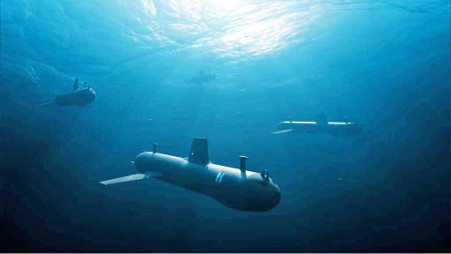
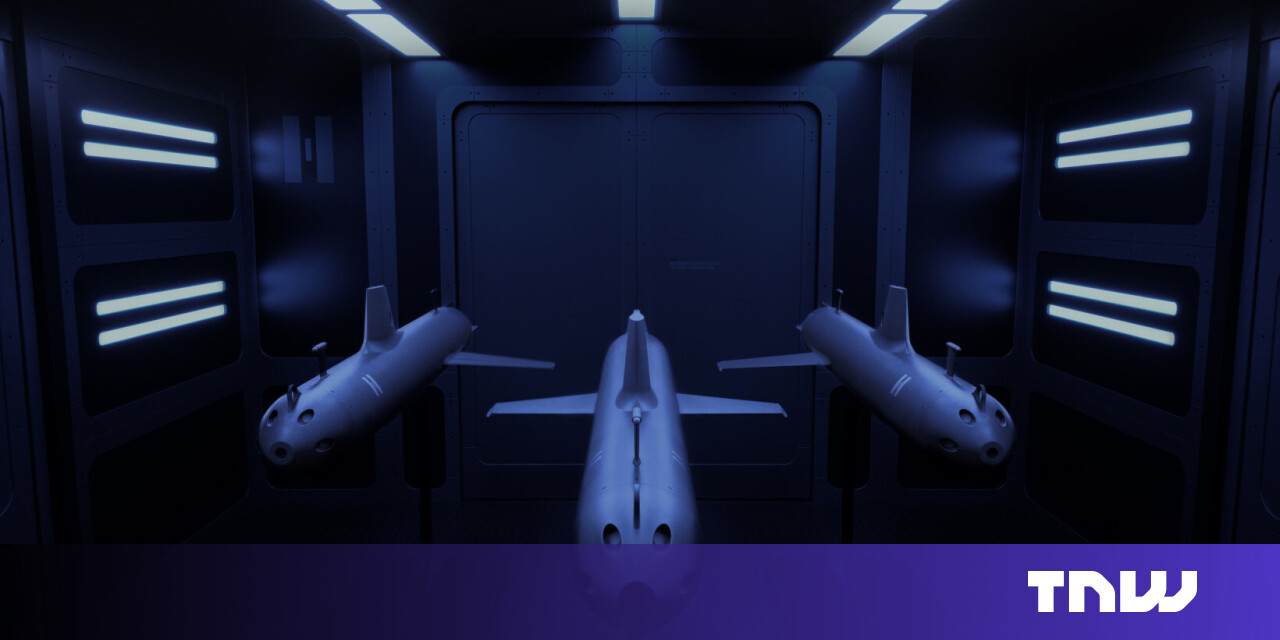
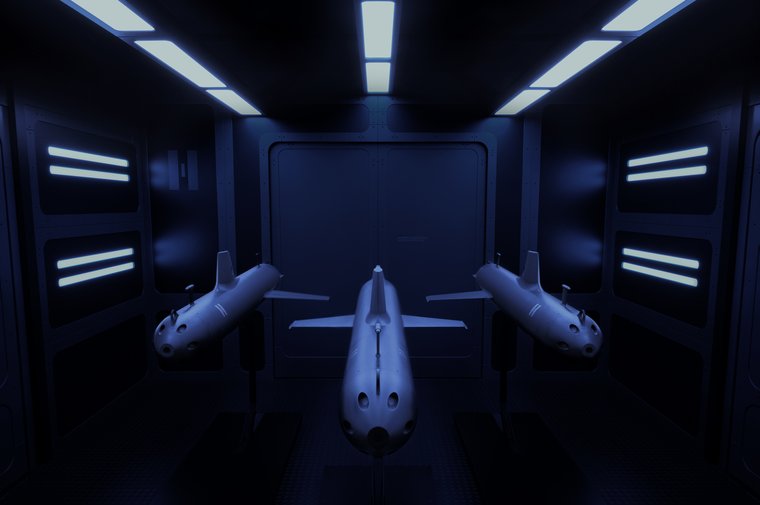
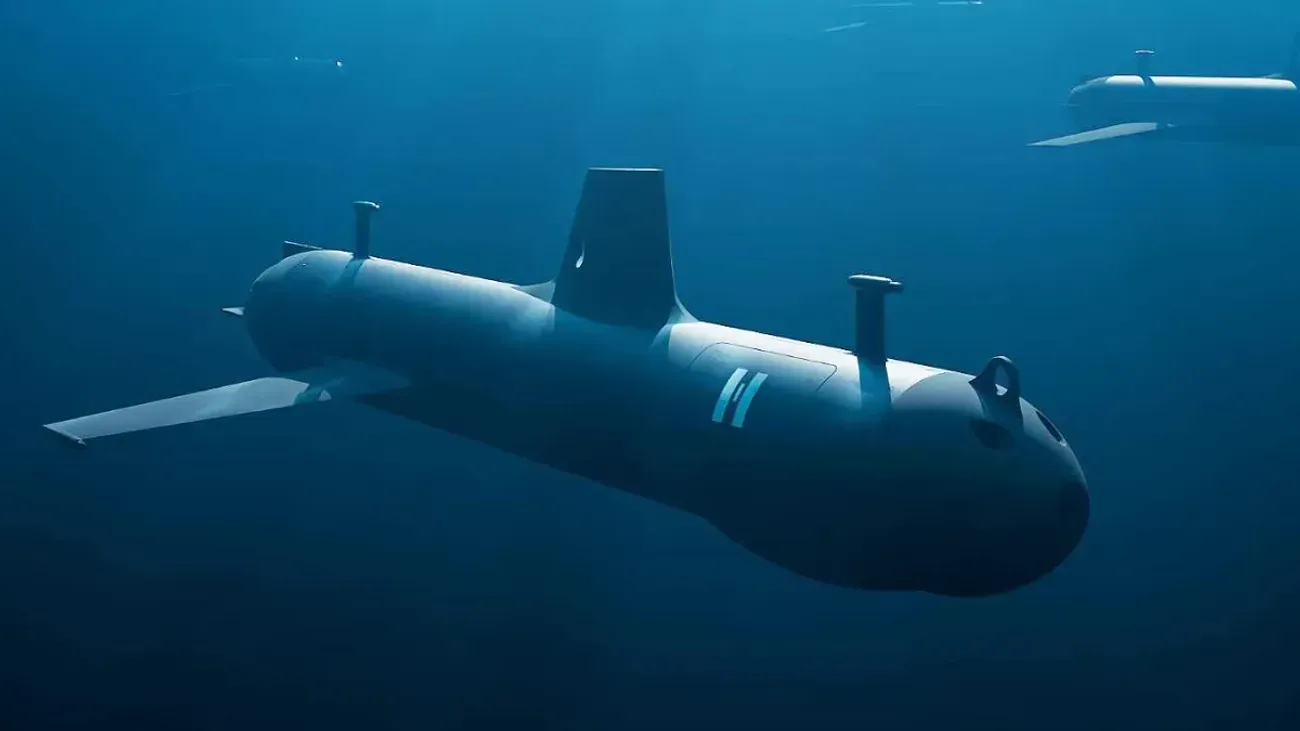
The British Navy plans to deploy an AI-driven surveillance system, Lura, developed by Germany’s Helsing. Using hundreds of SG-1 Fathom underwater drones from Blue Ocean, the system will track Russian submarines by analyzing acoustic signals. No incident has occurred, but potential risks from misidentification or malfunction are noted.[AI generated]

Why's our monitor labelling this an incident or hazard?

The event involves an AI system (Lura) integrated into autonomous underwater drones (SG-1 Fathom) designed for naval surveillance and anti-submarine warfare. The AI's role in detecting acoustic signatures is central to the system's function. Although no harm has yet occurred, the deployment of such autonomous AI systems in military contexts could plausibly lead to incidents involving harm to critical infrastructure, escalation of conflicts, or violations of rights. The article focuses on the planned use and capabilities rather than any realized harm, fitting the definition of an AI Hazard rather than an Incident or Complementary Information.[AI generated]
AI principles
Robustness & digital securitySafetyAccountabilityTransparency & explainabilityDemocracy & human autonomyPrivacy & data governanceRespect of human rights

Industries
Government, security, and defenceRobots, sensors, and IT hardwareMobility and autonomous vehiclesDigital security

Affected stakeholders
WorkersGeneral publicGovernment

Harm types
Physical (injury)Physical (death)Public interestReputationalEconomic/Property

Severity
AI hazard

Business function:
Monitoring and quality control

AI system task:
Recognition/object detectionEvent/anomaly detection


Articles about this incident or hazard

Thumbnail Image

Helsing outlines plan for unmanned mini submarines for naval surveillance

2025-05-13
Financial Times News
Why's our monitor labelling this an incident or hazard?
The event involves an AI system (Lura) integrated into autonomous underwater drones (SG-1 Fathom) designed for naval surveillance and anti-submarine warfare. The AI's role in detecting acoustic signatures is central to the system's function. Although no harm has yet occurred, the deployment of such autonomous AI systems in military contexts could plausibly lead to incidents involving harm to critical infrastructure, escalation of conflicts, or violations of rights. The article focuses on the planned use and capabilities rather than any realized harm, fitting the definition of an AI Hazard rather than an Incident or Complementary Information.
Thumbnail Image

UK Navy's New AI Weapon Will 'Illuminate the Oceans' to Hunt Russian Subs

2025-05-14
KyivPost
Why's our monitor labelling this an incident or hazard?
The event involves an AI system explicitly described as autonomous underwater drones using AI to detect submarines. The system is in development or early deployment and aims to protect critical infrastructure and national security. No direct or indirect harm from the AI system's use is reported; rather, it is intended to deter threats. Therefore, it does not meet the criteria for an AI Incident. However, the deployment of AI-enabled autonomous weapons systems with potential military and geopolitical consequences constitutes a plausible future risk of harm, qualifying it as an AI Hazard. The article does not focus on responses, updates, or broader governance issues, so it is not Complementary Information. It is clearly related to AI systems, so it is not Unrelated.
Thumbnail Image

A European defence startup is making drone submarines that can lurk underwater for 3 months at a time

2025-05-15
Business Insider
Why's our monitor labelling this an incident or hazard?
The article explicitly mentions an AI system (Lura) integrated into autonomous underwater drones designed for military defense purposes. The AI system's role is in threat detection and identification, which is a clear AI system involvement. No actual harm or incident is reported; the drones are still in development and testing phases, with deployment expected in about a year. The potential for these AI-enabled drones to be used in defense and surveillance of critical infrastructure implies a credible risk of future harm, such as disruption of critical infrastructure or escalation of military conflicts. Hence, the event fits the definition of an AI Hazard, as it plausibly could lead to an AI Incident in the future. It is not Complementary Information because the article is not primarily about responses or updates to past incidents, nor is it unrelated as it clearly involves AI systems with potential impacts.
Thumbnail Image

A European defense startup is making drone submarines that can lurk underwater for 3 months at a time

2025-05-15
Business Insider Nederland
Why's our monitor labelling this an incident or hazard?
The article explicitly mentions an AI system integrated into underwater drones designed for military surveillance and protection of critical infrastructure. Although no direct harm has been reported yet, the context of intensifying threats to subsea cables and the military application of these AI systems imply a credible risk of future harm, such as disruption of critical infrastructure or escalation of conflict. The AI system's role in autonomous detection and monitoring, combined with potential vulnerabilities like electronic jamming, supports classification as an AI Hazard. There is no indication of realized harm or incident, so it is not an AI Incident. The article is not merely complementary information or unrelated, as it focuses on the development and potential implications of the AI system.
Thumbnail Image

Helsing unveils AI-driven drone to track submarines

2025-05-15
Defence Blog
Why's our monitor labelling this an incident or hazard?
The article explicitly describes an AI system (Lura) and autonomous underwater gliders (SG-1 Fathom) used for maritime surveillance and defense. The system's use involves AI-driven detection and classification of underwater vessels, which fits the definition of an AI system. However, there is no mention of any harm, injury, violation of rights, or disruption caused by the system so far. The event is about the introduction and demonstration of the technology, implying potential future use and associated risks, but no realized harm. Hence, it qualifies as an AI Hazard due to the plausible future risk of harm related to military and defense applications of AI-enabled autonomous systems.
Thumbnail Image

AI company Helsing unveils swarming underwater surveillance drones

2025-05-13
Yahoo
Why's our monitor labelling this an incident or hazard?
The event involves an AI system (the Lura AI tool integrated with swarming underwater drones) used for military surveillance. While the system's use could plausibly lead to harms such as disruption of critical infrastructure or escalation of conflict (AI Hazard), no direct or indirect harm has been reported or occurred so far. Therefore, this event fits the definition of an AI Hazard, as it describes a credible potential for harm stemming from the AI system's deployment and use in sensitive military contexts.
Thumbnail Image

Australian underwater AI drones could soon bolster UK naval surveillance

2025-05-14
Australian Broadcasting Corporation
Why's our monitor labelling this an incident or hazard?
The event involves an AI system (the SG-1 Fathom autonomous underwater drone with AI software) used for military surveillance. However, there is no indication that the AI system has caused any injury, disruption, rights violations, or other harms. The article focuses on showcasing the technology and its potential future use, without reporting any realized or imminent harm. Therefore, it does not meet the criteria for an AI Incident or AI Hazard. It is best classified as Complementary Information, as it provides context and updates on AI technology development and its strategic implications in the defense sector.
Thumbnail Image

Helsing's AI submarine joins Europe's growing ocean drone fleet

2025-05-13
The Next Web
Why's our monitor labelling this an incident or hazard?
The event involves an AI system explicitly described as powering an autonomous underwater drone used for reconnaissance and potentially combat-related surveillance. Although no direct harm or incident is reported, the system's military application and deployment in a geopolitical context with ongoing conflicts imply a credible risk of harm, including disruption of critical infrastructure or escalation of hostilities. The article focuses on the development and planned deployment rather than an actual incident, fitting the definition of an AI Hazard rather than an AI Incident or Complementary Information.
Thumbnail Image

Helsing unveils AI underwater surveillance system

2025-05-14
UK Defence Journal
Why's our monitor labelling this an incident or hazard?
The article explicitly mentions the use of AI in the Lura platform for underwater threat detection and autonomous operation of underwater gliders. Although no harm or incident has occurred yet, the system's nature as a military surveillance and defense tool implies plausible future risks, including potential misuse or escalation in military tensions. The event focuses on the system's capabilities and strategic importance rather than any realized harm or incident. Hence, it fits the definition of an AI Hazard, as the AI system's development and intended use could plausibly lead to harms related to critical infrastructure or security.
Thumbnail Image

Helsing Unveils AI-Based Underwater Detection System for Quieter Threats

2025-05-14
The Defense Post
Why's our monitor labelling this an incident or hazard?
The event involves the use of an AI system (the Lura software platform combined with the SG-1 Fathom autonomous underwater glider) for underwater threat detection. The AI system's use is intended to protect critical infrastructure and national waters by detecting threats that are otherwise difficult to identify. While no harm has been reported as occurring, the deployment of such AI-enabled surveillance systems directly relates to the protection of critical infrastructure and national security. Given the potential for this AI system to prevent harm by detecting threats, and the strategic implications of its use, this event represents an AI Hazard, as the AI system's use could plausibly lead to incidents involving harm or disruption if threats are not detected or if the system is misused or malfunctions. There is no indication of realized harm or incident in the article, so it is not an AI Incident. It is more than just complementary information because it describes a new AI system with potential significant impact on security and infrastructure protection, thus qualifying as an AI Hazard.
Thumbnail Image

Helsing unveils new AI-enabled uncrewed underwater glider

2025-05-13
Shephard Media
Why's our monitor labelling this an incident or hazard?
The article explicitly mentions an AI system (Lura) integrated into an autonomous underwater glider for surveillance and threat detection, which fits the definition of an AI system. No direct or indirect harm has occurred yet, but the nature of the system and its intended use for surveillance and threat detection plausibly could lead to harms such as violations of rights or conflict escalation. Since no harm has materialized, but plausible future harm exists, this event is best classified as an AI Hazard.
Thumbnail Image

German defence tech firm Helsing unveils new underwater drone

2025-05-13
dpa International
Why's our monitor labelling this an incident or hazard?
The article clearly involves an AI system integrated into an autonomous underwater drone designed for defense and protection of critical infrastructure, which fits the definition of an AI system. However, there is no indication that the AI system has caused any direct or indirect harm yet. The potential for future harm exists given the military and surveillance nature of the technology, but the article focuses on the unveiling and capabilities rather than any realized harm or incident. Therefore, this event is best classified as an AI Hazard because the development and deployment of such AI-enabled autonomous defense drones could plausibly lead to incidents involving harm or violations in the future, even though no harm has yet occurred.
Thumbnail Image

Helsing unveils Lura and SG-1 Fathom Autonomous mass to surveil and defend the depths - Naval News

2025-05-13
Naval News
Why's our monitor labelling this an incident or hazard?
The article explicitly describes an AI system (Lura) integrated with autonomous underwater gliders (SG-1 Fathom) performing complex tasks such as acoustic detection and classification of underwater vessels, which clearly involves AI. There is no mention of any actual harm or incident caused by the system yet; it is newly unveiled and planned for deployment. However, the nature of the system—autonomous military surveillance and defense—implies plausible future harm, including risks of conflict escalation or unintended consequences in critical maritime infrastructure or environments. Hence, it fits the definition of an AI Hazard rather than an AI Incident or Complementary Information.
Thumbnail Image

AI beneath the waves: Helsing's AI submarine Lura redefines Europe's undersea defence -- TFN

2025-05-14
Tech Funding News
Why's our monitor labelling this an incident or hazard?
The article explicitly involves AI systems integrated into autonomous underwater vehicles used for military surveillance and defence, fulfilling the AI System criterion. The AI system Lura is used operationally, indicating use rather than development only. However, the article does not describe any direct or indirect harm resulting from these AI systems; no incidents of injury, rights violations, or property/community/environmental harm are reported. The focus is on the strategic deployment and potential of these systems, which plausibly could lead to harms such as military escalation, accidental engagements, or misuse. Given the credible risk inherent in autonomous weaponized AI systems and their deployment in sensitive defence contexts, this qualifies as an AI Hazard rather than an Incident. It is not Complementary Information because it is not updating or responding to a prior incident, nor is it unrelated as it clearly concerns AI systems with defence applications and potential risks.
Thumbnail Image

Britanska mornarica lansira flotu AI dronova za lov na ruske podmornice

2025-05-14
IndexHR
Why's our monitor labelling this an incident or hazard?
The event involves an AI system explicitly described as autonomous underwater drones using AI to detect submarines and protect critical infrastructure. There is no report of actual harm caused by the AI system or its malfunction. The article focuses on the system's intended use to prevent threats and protect infrastructure, implying a plausible future risk scenario rather than a realized incident. Hence, it qualifies as an AI Hazard because the AI system's use could plausibly lead to preventing or responding to harms related to critical infrastructure security, but no direct or indirect harm from the AI system itself has occurred yet.
Thumbnail Image

Kreće lov na ruske podmornice: Britanska mornarica lansira tajno AI oružje da patrolira obalama

2025-05-14
Radio Sarajevo
Why's our monitor labelling this an incident or hazard?
The described AI system is explicitly mentioned as being used for autonomous underwater surveillance and identification of submarines, which is a critical infrastructure protection task. The use of AI in this military application directly relates to the management and operation of critical infrastructure (maritime security). Although no harm has yet occurred, the deployment of such AI systems in military defense is a significant event with potential for direct impact on national security. Since the article focuses on the deployment and use of AI systems for defense purposes, and the AI system's role is pivotal in protecting critical infrastructure, this qualifies as an AI Incident under category (b).
Thumbnail Image

Britanci lansiraju stotine dronova da patroliraju oceanima. Kreće lov na ruske podmornice

2025-05-17
vecernji.ba
Why's our monitor labelling this an incident or hazard?
The event involves an AI system (Lura) that uses autonomous drones and AI for underwater surveillance and threat detection. Although no harm or incident has occurred yet, the system is designed to address real and credible threats (e.g., sabotage of underwater infrastructure, hostile submarine activity). The article focuses on the deployment and capabilities of this AI system as a strategic defense measure, indicating a plausible potential for harm if threats escalate or if the system's use leads to unintended consequences. Since no actual harm has been reported, this qualifies as an AI Hazard rather than an AI Incident. It is not merely complementary information because the article centers on the AI system's deployment and its potential impact on security, not on responses or updates to past incidents.
Thumbnail Image

Britanska mornarica šalje paklenu flotu AI dronova na ruske podmornice

2025-05-14
Raport.ba
Why's our monitor labelling this an incident or hazard?
The event involves the use of AI systems (autonomous underwater drones with AI for acoustic detection and identification) actively deployed to protect critical infrastructure (undersea cables and pipelines) from hostile actions. The AI system's use is directly linked to preventing harm to critical infrastructure, which qualifies as harm under the framework. Although no specific harm caused by the AI system is reported, the deployment is a response to real incidents of infrastructure damage and aims to prevent further harm. Since the AI system is actively used in a context involving potential harm and defense, this qualifies as an AI Incident due to the direct involvement of AI in managing and protecting critical infrastructure against hostile threats.
Thumbnail Image

Секретна сенсорна зброя Британії "полює" на підводні човни РФ, - The Times

2025-05-14
unian
Why's our monitor labelling this an incident or hazard?
The article explicitly mentions an AI system integrated into autonomous underwater drones used for military surveillance and defense against Russian submarines. The AI system analyzes acoustic data to detect and classify vessels, which is a clear AI system involvement. The system is currently deployed and operational, but the article does not describe any realized harm or incident caused by the AI system. Instead, it highlights the potential for enhanced maritime security and deterrence. Given the military context and the autonomous nature of the drones, there is a plausible risk that the AI system's use could lead to incidents involving harm or escalation in the future. Thus, the event fits the definition of an AI Hazard rather than an AI Incident or Complementary Information.
Thumbnail Image

Британія розробила ШІ-дрони для полювання за російськими підводними човнами - The Times

2025-05-14
Лига Новости
Why's our monitor labelling this an incident or hazard?
The event involves an AI system explicitly described as part of autonomous underwater drones used for military surveillance and identification of submarines. The AI system's use is in a defense context with potential for significant harm if escalations or malfunctions occur. Although no direct harm is reported, the plausible future risk of harm related to military operations and critical infrastructure protection justifies classification as an AI Hazard rather than an Incident. The article does not report realized harm or incidents caused by the AI system, nor does it focus on responses or updates to prior events, so it is not Complementary Information. It is clearly related to AI systems, so it is not Unrelated.
Thumbnail Image

Нова зброя: на російські човни полюватимуть дрони з системою Lura

2025-05-14
ФОКУС
Why's our monitor labelling this an incident or hazard?
The article explicitly mentions an AI system (Lura) integrated into autonomous underwater drones for military surveillance and identification of enemy vessels. The system's use is intended for strategic defense, which involves potential risks to critical infrastructure and national security. Although no direct harm or incident is reported, the nature of the AI system and its military application plausibly could lead to harms such as escalation of conflict or disruption of critical maritime infrastructure. Hence, it fits the definition of an AI Hazard rather than an Incident or Complementary Information. It is not unrelated because the AI system and its implications are central to the article.
Thumbnail Image

Секретна сенсорна зброя: як британський флот відстежуватиме російські підводні човни

2025-05-14
Прямий
Why's our monitor labelling this an incident or hazard?
The event involves an AI system used for military surveillance and threat detection, which is a clear AI system involvement. However, there is no indication that the AI system has caused any injury, disruption, violation of rights, or harm. The article focuses on the potential use of the AI system to enhance security and deter threats, implying a plausible future benefit rather than realized harm. Therefore, this qualifies as an AI Hazard because the AI system's use could plausibly lead to incidents related to national security or conflict, but no incident has yet occurred.
Thumbnail Image

Британія випробувала секретну сенсорну зброю для полювання на підводні човни рф | УНН

2025-05-14
unn.ua
Why's our monitor labelling this an incident or hazard?
The event involves an AI system (Lura) explicitly described as using AI to detect and identify submarines by their acoustic signatures, deployed on autonomous underwater drones. The system's use is directly linked to defense against Russian submarines, which are a real and ongoing threat. This relates to harm category (b) - disruption of critical infrastructure and national security. The AI system's use is active and operational, not hypothetical, and it directly influences defense responses. Hence, this qualifies as an AI Incident due to the direct involvement of AI in managing and mitigating harm related to critical infrastructure and national security threats.
Thumbnail Image

Британія може поставити на озброєння нові "човни-мисливці", здатні уражати російські підводні судна - The Times

2025-05-14
uainfo.org
Why's our monitor labelling this an incident or hazard?
The event involves AI systems explicitly described as autonomous underwater drones using AI for acoustic detection and identification of submarines, which are intended to be armed and used in military operations. Although the article does not report any realized harm, the deployment of such AI-enabled autonomous weapons systems inherently carries a credible risk of causing injury, disruption, or escalation in military conflict. Hence, it fits the definition of an AI Hazard, as the AI system's use could plausibly lead to an AI Incident involving harm. There is no indication of actual harm yet, so it is not an AI Incident. The article is not merely complementary information or unrelated, as it focuses on the development and potential use of AI systems with significant risk implications.
Thumbnail Image

​Британія випробувала сенсорну зброю для полювання на російські підводні човни, - The Times

2025-05-14
LB.ua
Why's our monitor labelling this an incident or hazard?
The event involves an AI system explicitly described as analyzing underwater sounds via autonomous drones to detect submarines and other vessels, fulfilling the AI System criterion. The use of this AI system is for military defense purposes, which could plausibly lead to harms such as escalation of conflict or damage to critical infrastructure if used in hostile engagements, fitting the AI Hazard definition. However, the article does not describe any realized harm or incidents caused by the AI system, so it does not meet the criteria for an AI Incident. The focus is on the deployment and testing of the technology, not on any harm or legal/social responses, so it is not Complementary Information. Hence, the classification is AI Hazard.