Pony.ai Robotaxi Fire Incident in Beijing

Thumbnail Image

The information displayed in the AIM should not be reported as representing the official views of the OECD or of its member countries.

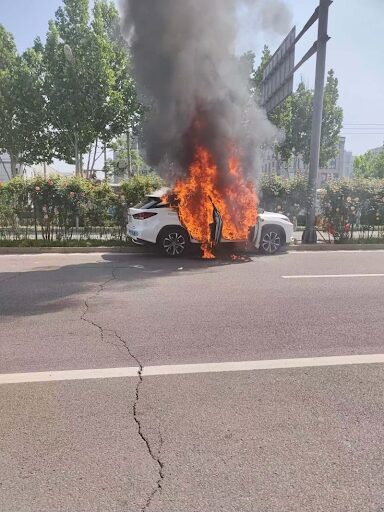
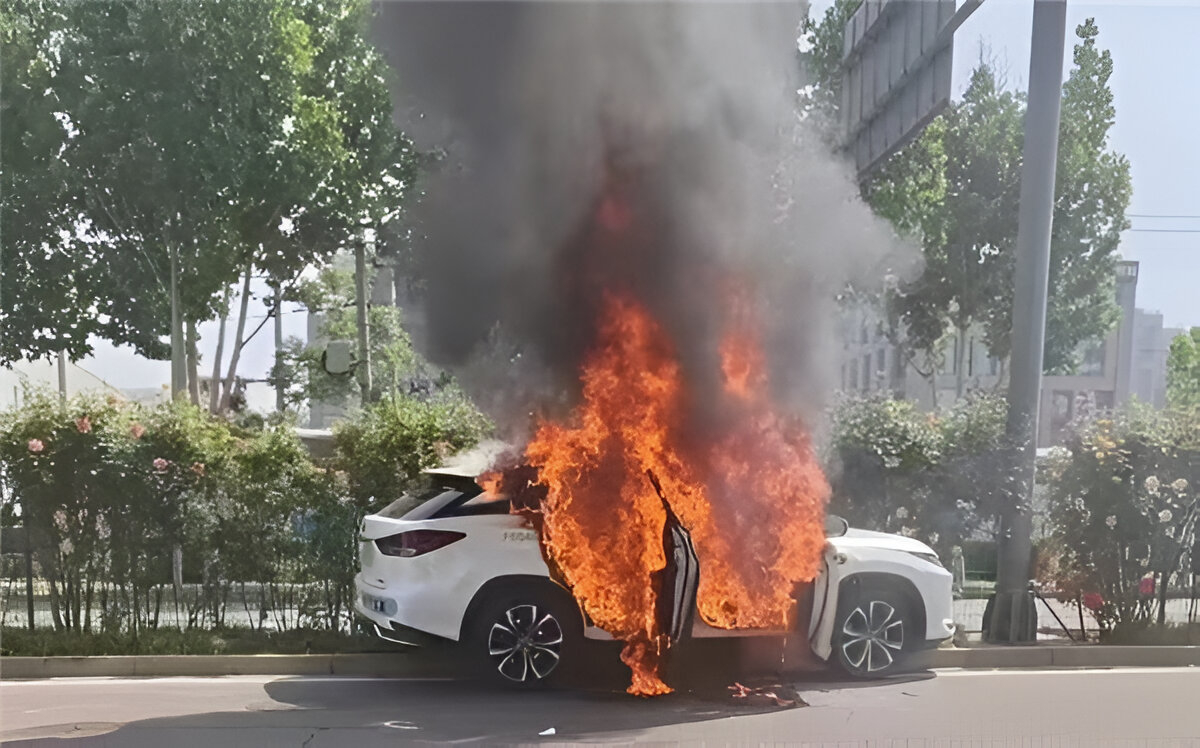
In May 2025, Pony.ai's autonomous robotaxi in Beijing malfunctioned and initiated an emergency stop, leading to a fire during service staff handling. The unoccupied vehicle sustained property damage without injuries, prompting an investigation into the incident and raising safety concerns regarding the AI system.[AI generated]

Why's our monitor labelling this an incident or hazard?

The event explicitly involves an AI system (an autonomous robotaxi) that malfunctioned, triggering safety mechanisms and ultimately resulting in the vehicle catching fire. Although no physical injuries occurred, the fire caused harm to property. The AI system's malfunction is a direct contributing factor to the incident. Therefore, this qualifies as an AI Incident under the definition of harm to property caused directly or indirectly by the AI system's malfunction.[AI generated]
AI principles
SafetyRobustness & digital securityAccountabilityTransparency & explainabilityHuman wellbeing

Industries
Mobility and autonomous vehiclesRobots, sensors, and IT hardware

Affected stakeholders
Business

Harm types
Economic/PropertyReputational

Severity
AI incident

Business function:
MaintenanceMonitoring and quality control

AI system task:
Recognition/object detectionGoal-driven organisationEvent/anomaly detection


Articles about this incident or hazard

Thumbnail Image

Chinese robotaxi operator Pony.ai says one of its cars caught fire, no injuries

2025-05-14
Reuters
Why's our monitor labelling this an incident or hazard?
The event explicitly involves an AI system (an autonomous robotaxi) that malfunctioned, triggering safety mechanisms and ultimately resulting in the vehicle catching fire. Although no physical injuries occurred, the fire caused harm to property. The AI system's malfunction is a direct contributing factor to the incident. Therefore, this qualifies as an AI Incident under the definition of harm to property caused directly or indirectly by the AI system's malfunction.
Thumbnail Image

Chinese robotaxi operator Pony.ai says one of its cars caught fire, no injuries

2025-05-14
CNA
Why's our monitor labelling this an incident or hazard?
The event describes a malfunction of an AI system (the autonomous robotaxi) that directly led to a fire, which is a harm to property and a safety hazard. Although no injuries or collisions occurred, the fire itself constitutes harm to property and potential risk to people. The AI system's malfunction was the initiating factor. Therefore, this qualifies as an AI Incident because the AI system's malfunction directly led to harm (fire damage).
Thumbnail Image

Pony.ai Robotaxi Fire Prompts Suspension of Autonomous Services in China

2025-05-15
TechBullion
Why's our monitor labelling this an incident or hazard?
The event involves an AI system (autonomous driving technology) whose malfunction (fire) directly caused harm to property and led to suspension of services by regulators. Although no injuries were reported, the fire represents a realized harm linked to the AI system's use. Therefore, this qualifies as an AI Incident due to the direct harm caused by the AI system's malfunction and its operational consequences.
Thumbnail Image

Chinese robotaxi operator Pony.ai says one of its cars caught fire, no injuries

2025-05-15
The Star
Why's our monitor labelling this an incident or hazard?
The incident directly involves an AI system (the autonomous robotaxi) whose malfunction led to a fire, causing harm to property. Although no physical injuries occurred, the fire damage to the vehicle qualifies as harm under the framework. The AI system's malfunction was the initiating factor, and the event is a realized harm, not just a potential risk. Therefore, this qualifies as an AI Incident rather than a hazard or complementary information.
Thumbnail Image

Chinese startup Pony.ai reports first robotaxi fire, no injuries

2025-05-14
NBC New York
Why's our monitor labelling this an incident or hazard?
The event explicitly involves an AI system (the fully self-driving robotaxi software) whose use and malfunction led to a vehicle fire, causing harm to property. Although no injuries occurred, the fire is a clear harm to property, fulfilling the criteria for an AI Incident. The AI system's role is pivotal as it detected the abnormal status and initiated an emergency stop, but the vehicle still caught fire during incident handling. This direct link to harm from the AI system's operation and malfunction justifies classification as an AI Incident rather than a hazard or complementary information.
Thumbnail Image

Pony.ai robotaxi catches fire in Beijing test amid expansion push

2025-05-15
CarNewsChina.com
Why's our monitor labelling this an incident or hazard?
The incident involves a Level 4 autonomous vehicle, which is an AI system. The fire and damage to the vehicle occurred during the use of this AI system, constituting a malfunction. Although no injuries occurred, the damage to property and the safety risk posed by the fire are harms directly linked to the AI system's malfunction. Hence, this event meets the criteria for an AI Incident as it involves realized harm caused by the AI system's use and malfunction.
Thumbnail Image

Chinese robotaxi operator Pony.ai says one of its cars caught fire, no injuries

2025-05-14
1470 & 100.3 WMBD
Why's our monitor labelling this an incident or hazard?
The incident directly involves the use and malfunction of an AI system (the autonomous driving system of the robotaxi). The malfunction triggered an emergency stop, and the vehicle caught fire during handling, which is a harm to property and potentially to public safety. Although no injuries occurred, the event constitutes an AI Incident because the AI system's malfunction directly led to a harmful event (vehicle fire). The presence of the AI system is explicit, and the harm to property is clear. Therefore, this qualifies as an AI Incident rather than a hazard or complementary information.
Thumbnail Image

Pony.ai's Robotaxi Experiences First Fire Incident, Everyone Safe - Internewscast Journal

2025-05-15
internewscast.com
Why's our monitor labelling this an incident or hazard?
The robotaxi is an AI system as it is a fully self-driving vehicle controlled by software that can be centrally monitored. The fire incident is a malfunction during the use of this AI system, which directly caused harm to property (the vehicle). Although no people were harmed, the event meets the criteria for an AI Incident because the AI system's malfunction led to a tangible harm (fire damage). Therefore, this is classified as an AI Incident.
Thumbnail Image

Chinese robotaxi operator Pony.ai says one of its cars caught fire, no injuries - ET Auto

2025-05-15
ETAuto.com
Why's our monitor labelling this an incident or hazard?
The event explicitly involves an AI system—Pony.ai's autonomous driving system controlling the robotaxi. The malfunction of this AI system directly led to the vehicle stopping and subsequently catching fire during handling. Although no injuries occurred, the fire caused harm to property. This meets the criteria for an AI Incident because the AI system's malfunction directly led to harm (property damage).
Thumbnail Image

Pony.ai's Beijing Robotaxi Fire: No Injuries, Stock Impact

2025-05-14
TechnoCodex
Why's our monitor labelling this an incident or hazard?
The incident involves an AI system (autonomous robotaxi) that malfunctioned, resulting in a fire. Although no injuries occurred, the fire caused harm to property (the vehicle). The AI system's malfunction is directly linked to the harm, fulfilling the criteria for an AI Incident. The event is not merely a potential risk or future hazard, as the harm has already occurred. It is not complementary information since the main focus is the incident itself, not a response or update to a prior event. Hence, the classification is AI Incident.