Major Newspapers Publish AI-Generated Fake Book List

Thumbnail Image

The information displayed in the AIM should not be reported as representing the official views of the OECD or of its member countries.

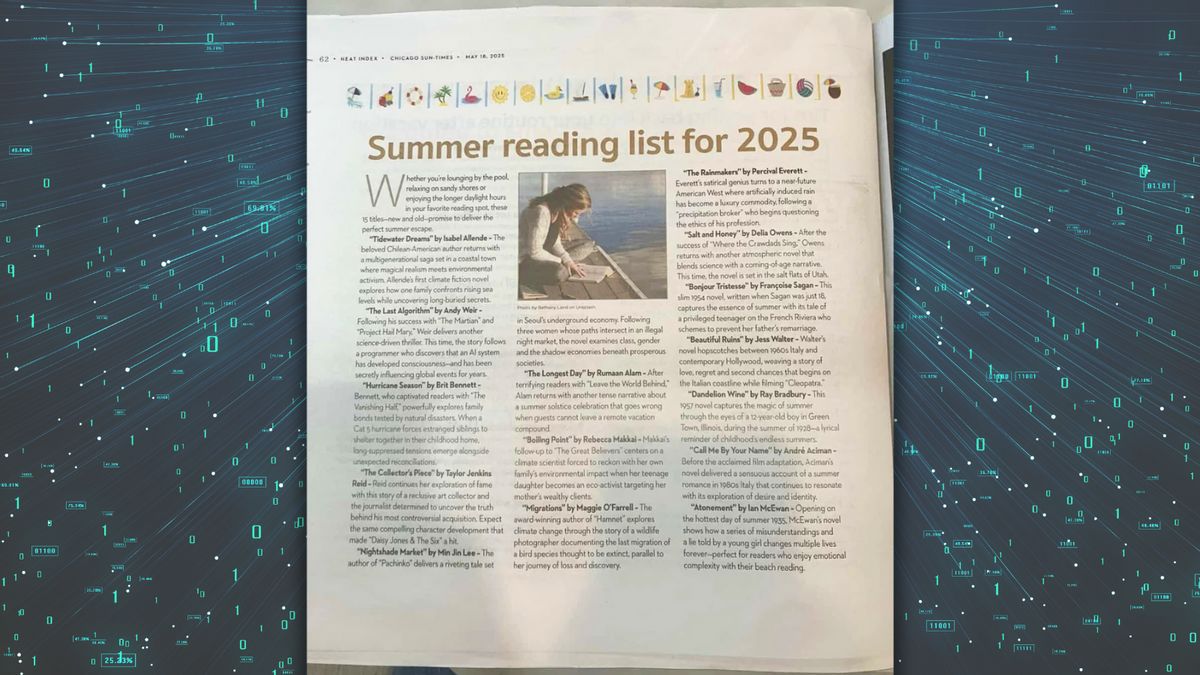
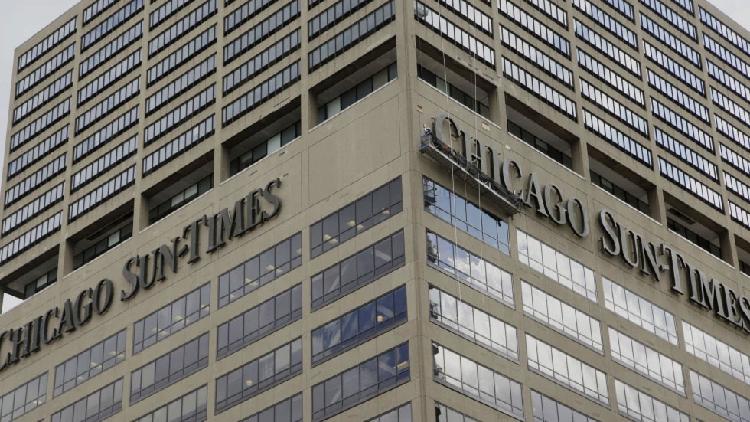
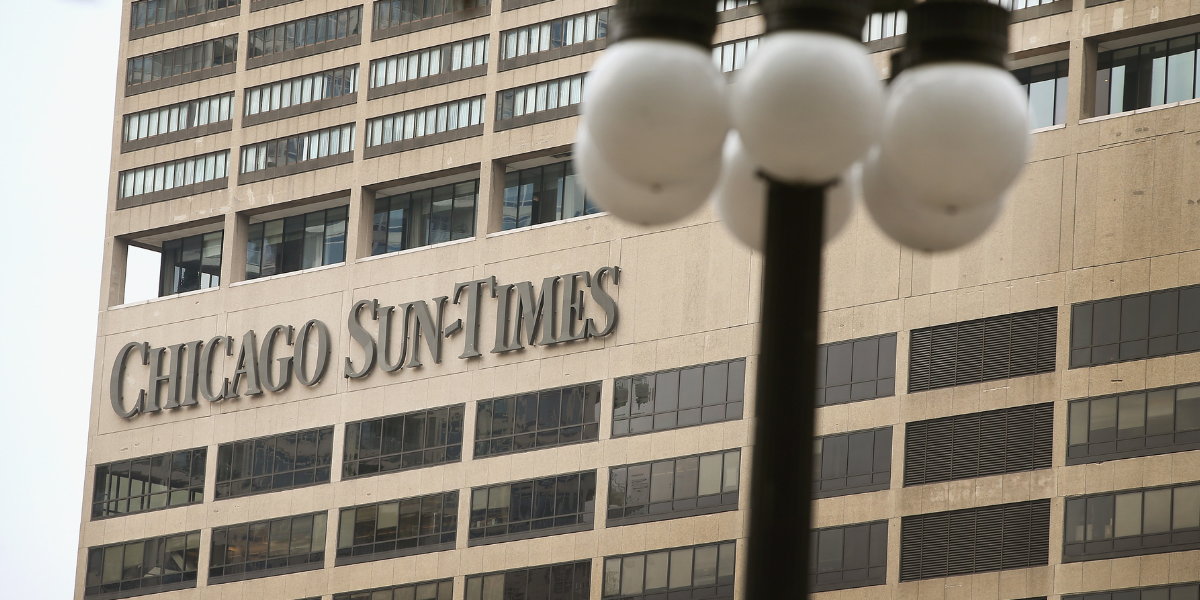
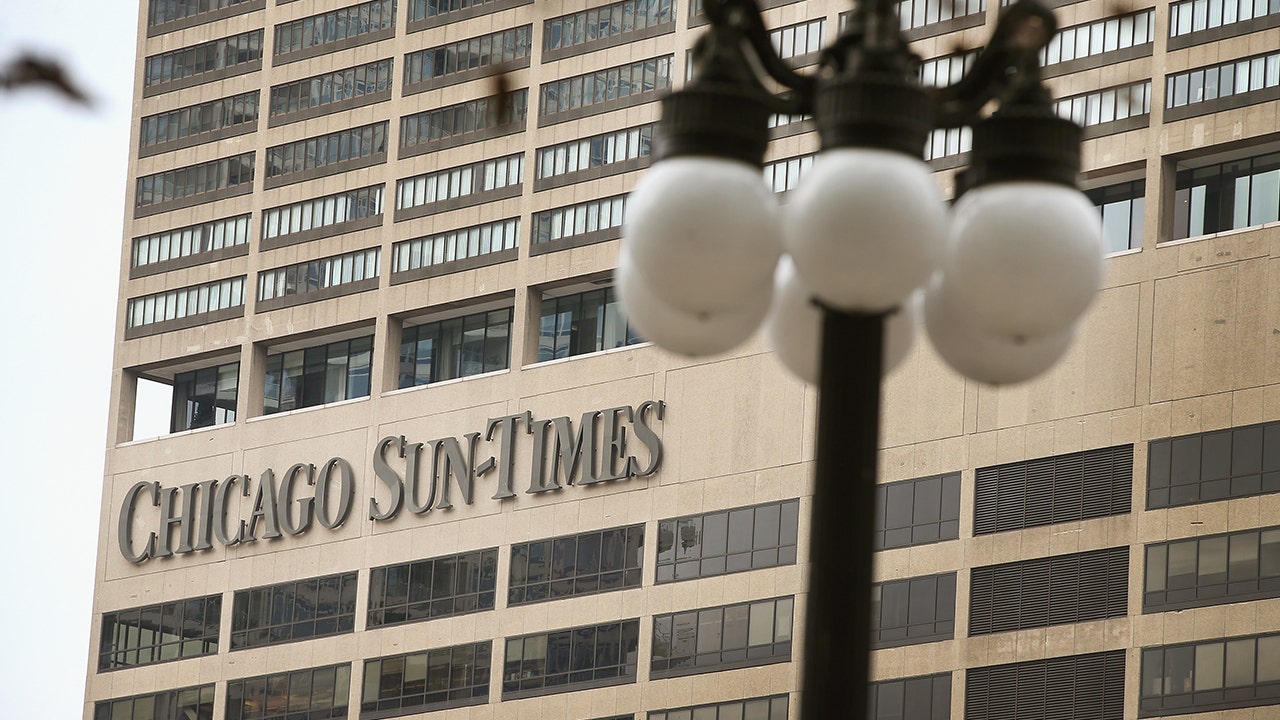
The Chicago Sun-Times and Philadelphia Inquirer faced backlash for publishing an AI-generated summer reading list. The list included fictitious book titles attributed to real authors like Isabel Allende and Andy Weir, leading to criticism for misleading readers and raising concerns over intellectual property and editorial oversight.[AI generated]

Why's our monitor labelling this an incident or hazard?

The event describes the use of AI to generate false content (fake books, fake experts) that was published in a reputable news outlet, misleading readers. The AI system's outputs directly caused misinformation, which harms communities by eroding trust in media and spreading false information. Although no physical harm is reported, the harm to communities and violation of informational integrity qualifies as an AI Incident. The AI system's use in content generation and the resulting publication of fabricated information directly led to this harm.[AI generated]
AI principles
AccountabilityTransparency & explainabilityRobustness & digital security

Industries
Media, social platforms, and marketingArts, entertainment, and recreation

Affected stakeholders
General publicOther

Harm types
ReputationalPublic interest

Severity
AI incident

Business function:
Other

AI system task:
Content generationOrganisation/recommenders


Articles about this incident or hazard

Thumbnail Image

Chicago Sun-Times publishes made-up books and fake experts in AI debacle

2025-05-20
The Verge
Why's our monitor labelling this an incident or hazard?
The event describes the use of AI to generate false content (fake books, fake experts) that was published in a reputable news outlet, misleading readers. The AI system's outputs directly caused misinformation, which harms communities by eroding trust in media and spreading false information. Although no physical harm is reported, the harm to communities and violation of informational integrity qualifies as an AI Incident. The AI system's use in content generation and the resulting publication of fabricated information directly led to this harm.
Thumbnail Image

AI-Hallucinated "Summer Reading List" in Hearst-Supplied Insert Published by Chicago Sun Times and Philadelphia Inquirer

2025-05-20
Reason
Why's our monitor labelling this an incident or hazard?
The event involves an AI system (a large language model) generating false content (non-existent book titles) that was published and presented as factual information by major newspapers. This constitutes misinformation harming the accuracy and reliability of information available to the public, which can be considered harm to communities. Since the AI system's use directly led to the dissemination of false information, this qualifies as an AI Incident under the framework.
Thumbnail Image

CEO breaks silence after Chicago Sun-Times shares AI-generated list of fake books: 'Unacceptable'

2025-05-21
Hindustan Times
Why's our monitor labelling this an incident or hazard?
An AI system was used to generate false content (fake book titles) that was published as factual by a reputable newspaper, misleading readers. This constitutes harm to the community through misinformation and breaches journalistic standards, which can be considered a form of harm to communities and a violation of trust. The incident directly resulted from the use of AI-generated content without proper oversight or disclosure. Therefore, this qualifies as an AI Incident due to the realized harm caused by the AI system's outputs and the failure in editorial processes.
Thumbnail Image

Jornal publica matéria com livros inventados por IA e enfurece leitores; entenda

2025-05-22
InfoMoney
Why's our monitor labelling this an incident or hazard?
An AI system was explicitly used to generate fabricated content that was published and disseminated to the public, causing harm in the form of misinformation and breach of trust, which can be considered harm to communities. The AI's misuse and lack of editorial oversight directly led to this harm. Therefore, this qualifies as an AI Incident because the AI system's use directly led to harm through misinformation and deception of readers.
Thumbnail Image

Chicago Sun-Times Published A.I.-Generated Summer Reading List With Books That Don't Exist - Conservative Angle

2025-05-22
Brigitte Gabriel
Why's our monitor labelling this an incident or hazard?
An AI system was used to generate a list of book recommendations, some of which were entirely fabricated. This AI-generated misinformation was published and distributed to readers, causing harm by misleading the public and damaging the newspaper's credibility. The harm is realized and directly linked to the AI system's outputs. Therefore, this qualifies as an AI Incident due to the direct harm to community trust and the spread of false information.
Thumbnail Image

Chicago Newspaper Caught Publishing a "Summer Reads" Guide Full of AI Slop

2025-05-20
Futurism
Why's our monitor labelling this an incident or hazard?
An AI system was explicitly used to generate the content (the fabricated book list). The use of this AI system led directly to the publication of false information, which harmed the community's trust and misrepresented authorship, thus causing harm. Although the harm is non-physical, it fits within the framework's definition of harm to communities and violations of rights. Therefore, this event qualifies as an AI Incident.
Thumbnail Image

Chicago Sun-Times accused of using AI to create reading list of books that don't exist

2025-05-20
The Guardian
Why's our monitor labelling this an incident or hazard?
An AI system (ChatGPT) was used to generate an article with fabricated book titles and false quotes, which was published and circulated, causing misinformation and reputational harm. The AI system's outputs directly led to harm to the community's trust and the integrity of information, which fits the definition of an AI Incident. Although the newsroom denies responsibility, the AI-generated content was published and caused harm, so this is not merely a hazard or complementary information.
Thumbnail Image

Major newspapers ran a summer reading list. AI made up book titles.

2025-05-20
Washington Post
Why's our monitor labelling this an incident or hazard?
An AI system (generative AI/chatbots) was used in the development and writing of articles that contained fabricated information, including fake book titles and quotes. This misinformation was published and disseminated to the public, causing harm to the community by spreading false information and undermining trust in media. The harm is realized and directly linked to the AI system's outputs. Therefore, this qualifies as an AI Incident due to the direct harm caused by AI-generated misinformation in a public information context.
Thumbnail Image

Chicago Sun-Times Faces Backlash After Promoting Fake Books In AI-Generated Summer Reading List

2025-05-20
Yahoo
Why's our monitor labelling this an incident or hazard?
An AI system was used to generate content that included fabricated book titles, which were published and promoted by the Chicago Sun-Times. The AI-generated misinformation directly led to harm in the form of misleading the public and damaging the newspaper's credibility. The harm is realized and significant, affecting the community's access to accurate information and violating journalistic integrity. The involvement of AI in producing false content that was not properly vetted meets the criteria for an AI Incident under the definitions provided.
Thumbnail Image

Chicago Newspaper Publishes Reading List With Fake, AI-Generated Books

2025-05-20
PC Magazine
Why's our monitor labelling this an incident or hazard?
An AI system was used to generate fake book titles that were published in a newspaper's reading list, misleading readers. However, the harm is limited to misinformation without evidence of injury, rights violations, or other significant harms. The newspaper has acknowledged the issue and is investigating, which aligns with a response or update rather than a new incident. Thus, this event does not meet the threshold for an AI Incident or AI Hazard but provides important context about AI hallucinations and editorial challenges, fitting the definition of Complementary Information.
Thumbnail Image

Chicago Paper Publishes 'Summer Reading List' of Fake Books Created With AI

2025-05-20
Gizmodo
Why's our monitor labelling this an incident or hazard?
An AI system was used to generate fabricated book titles and descriptions that were published as if factual by a reputable newspaper. This constitutes misinformation caused by AI outputs, which harms the community by eroding trust in media and spreading false information. According to the definitions, harm to communities through misinformation is a recognized form of AI Incident. The AI system's use directly led to this harm, even if no physical injury or legal violation occurred. Therefore, this event qualifies as an AI Incident due to the realized harm to community trust and information integrity.
Thumbnail Image

Slop the Presses

2025-05-20
The Atlantic
Why's our monitor labelling this an incident or hazard?
The article explicitly states that AI (ChatGPT) was used to generate content that contained fabricated and false information, which was then published in newspapers and distributed to readers. This misinformation harms the community by misleading readers and damaging trust in journalistic institutions. The harm is realized, not just potential, as the fabricated content was printed and disseminated. The AI system's use and the failure of human oversight directly contributed to this harm. Hence, this event meets the criteria for an AI Incident rather than a hazard or complementary information.
Thumbnail Image

Did the Chicago Sun-Times Use AI to Create Its 2025 Summer Reading List?

2025-05-20
Lifehacker
Why's our monitor labelling this an incident or hazard?
The article explicitly suggests that the Chicago Sun-Times used generative AI to create a reading list with many fabricated books, which is a direct result of AI hallucination. This misinformation can mislead readers, causing harm by wasting their time and potentially damaging trust in media. The AI system's malfunction (hallucination) directly led to the publication of false information, fulfilling the criteria for an AI Incident involving harm to communities through misinformation. The event is not merely a potential risk but a realized harm, so it is not an AI Hazard or Complementary Information.
Thumbnail Image

Yes, Chicago Sun-Times published AI-generated 'summer reading list' with books that don't exist

2025-05-20
Snopes
Why's our monitor labelling this an incident or hazard?
The event clearly involves AI systems generating false content that was published and disseminated, causing misinformation harm to the community. The AI-generated fake book titles and summaries were presented as legitimate recommendations, misleading readers. The harm is realized, not just potential, as the misinformation was published and distributed. The AI system's use and the failure to verify or disclose its involvement directly led to this harm. This fits the definition of an AI Incident because the AI system's use directly caused harm to communities through misinformation. The event is not merely a hazard or complementary information, as the harm has already occurred and is significant.
Thumbnail Image

Chicago Sun-Times prints summer reading list full of fake books

2025-05-20
Ars Technica
Why's our monitor labelling this an incident or hazard?
An AI system was explicitly used to generate the fake book titles, which were then published and disseminated to the public, causing misinformation and reputational harm to the newspaper and confusion among readers. This is a direct harm to communities through the spread of false information. The incident stems from the use and misuse of the AI system in content creation without adequate fact-checking. Therefore, this qualifies as an AI Incident under the framework, as the AI system's use directly led to harm to communities through misinformation.
Thumbnail Image

Newspapers Run AI-Written Book Section That Lists Nonexistent Titles

2025-05-21
MediaPost
Why's our monitor labelling this an incident or hazard?
The event involves the use of an AI system to generate content (book recommendations) that included false information (nonexistent books). The AI-generated misinformation has already been published and disseminated, causing harm to the community by misleading readers and damaging trust in media sources. This constitutes harm to communities and a violation of informational integrity, fitting the definition of an AI Incident.
Thumbnail Image

Major newspapers ran a summer reading list. AI made up book titles.

2025-05-21
The Seattle Times
Why's our monitor labelling this an incident or hazard?
The event explicitly involves the use of generative AI chatbots (likely ChatGPT or Claude) to produce fabricated content that was published and disseminated by reputable newspapers. The AI system's outputs directly led to the publication of false information, including fake book titles and quotes from non-existent experts, which misled readers and damaged trust in the media. This is a clear case of harm to communities through misinformation, fulfilling the criteria for an AI Incident. The harm is realized, not just potential, as the misinformation was published and distributed. The involvement of AI in the creation of the false content is explicit and central to the incident.
Thumbnail Image

The Chicago Sun-Times, Philadelphia Inquirer fall victim to AI slop with error-ridden "summer guide"

2025-05-20
The A.V. Club
Why's our monitor labelling this an incident or hazard?
The event explicitly involves the use of generative AI to produce fabricated and erroneous content that was published by reputable newspapers, leading to misinformation harm. The AI system's outputs directly caused the harm by spreading false narratives and fake information to readers. This fits the definition of an AI Incident because the AI system's use directly led to harm to communities through misinformation dissemination. The event is not merely a potential risk or a complementary update but a realized harm caused by AI misuse and lack of editorial control.
Thumbnail Image

Major newspapers ran a summer reading list. AI made up its book titles. - The Boston Globe

2025-05-21
The Boston Globe
Why's our monitor labelling this an incident or hazard?
The article describes how AI chatbots were used by a freelance writer to generate fake book titles and quotes that were published in major newspapers' summer reading lists. The AI-generated misinformation was disseminated to the public, causing harm by misleading readers and violating journalistic integrity. The AI system's involvement in content creation directly led to this harm. Although the harm is non-physical, it affects the community's trust and the accuracy of information, fitting the definition of harm to communities. Hence, this event is classified as an AI Incident.
Thumbnail Image

Chicago Sun-Times Apologizes to Readers for AI-Created Summer Reading List That Was Mostly Nonexistent Books

2025-05-21
Mediaite
Why's our monitor labelling this an incident or hazard?
The article describes a case where an AI system was used to generate a reading list containing mostly nonexistent books, which was published and disseminated to the public. This led to misinformation and a breach of trust with readers, constituting harm to communities. The AI system's outputs were directly responsible for the harm, as the fabricated content was not properly vetted before publication. The incident also involved misuse of AI by a freelancer and failure of editorial oversight. These factors meet the criteria for an AI Incident because the AI system's use directly led to harm (misinformation and reputational damage).
Thumbnail Image

Readers outraged after AI-generated 'summer reading list' featuring fake novels appears in U.S. newspapers: 'This damages all of us'

2025-05-20
The Star
Why's our monitor labelling this an incident or hazard?
The event clearly involves an AI system generating false content that was published and distributed, causing harm through misinformation and loss of trust in media. The AI's role in producing fabricated book titles and descriptions directly led to the harm. Although no physical harm occurred, the reputational and informational harm to communities and media credibility fits within the definition of an AI Incident under harm to communities and violation of rights (right to accurate information). Therefore, this event qualifies as an AI Incident rather than a hazard or complementary information.
Thumbnail Image

AI hallucinated a "best summer reading" list and, the Chicago Sun-Times published it

2025-05-20
Boing Boing
Why's our monitor labelling this an incident or hazard?
An AI system was used to generate a list of books that do not exist or were misattributed, and this content was published unedited, causing misinformation. While this is a misuse of AI and a failure in editorial oversight, the article does not report any actual harm such as injury, rights violations, or disruption. The harm is reputational and related to misinformation but does not meet the threshold for an AI Incident. It is also not a plausible future harm scenario (AI Hazard) since the event already occurred without significant harm. Therefore, this is best classified as Complementary Information illustrating challenges in AI content generation and editorial processes.
Thumbnail Image

Book Reviews News | Slashdot

2025-05-21
Slashdot
Why's our monitor labelling this an incident or hazard?
An AI system was explicitly used to generate false book titles attributed to real authors, which were then published in a newspaper supplement. This led to misinformation being spread to readers, damaging trust and misleading the community. The harm is realized and directly linked to the AI system's use in content creation without adequate oversight. Therefore, this qualifies as an AI Incident due to the direct harm caused by AI-generated misinformation affecting the community and violating ethical standards in publishing.
Thumbnail Image

Artificial Intelligence and Real Stupidity: AI Generated Reading Guide Contains Non-Existent Books

2025-05-21
Twitchy
Why's our monitor labelling this an incident or hazard?
An AI system was used to generate content that included fabricated book titles and incorrect author attributions, which constitutes misinformation and could harm trust in media and authors. However, there is no indication of direct injury, violation of rights, or disruption of critical infrastructure. The harm is reputational and informational, but since misinformation affecting communities can be considered harm to communities, and the AI system's use directly led to this misinformation being published, this qualifies as an AI Incident.
Thumbnail Image

Syndicated content in Sun-Times special section included AI-generated misinformation

2025-05-20
Chicago Sun-Times
Why's our monitor labelling this an incident or hazard?
An AI system was used to generate false book titles and reviews that were published in a syndicated newspaper section, leading to misinformation being spread to the public. This misinformation harms the community by misleading readers and damaging trust in the media. The incident stems from the use and misuse of the AI system's outputs without adequate fact-checking, directly causing harm. Therefore, this qualifies as an AI Incident due to realized harm caused by AI-generated misinformation.
Thumbnail Image

Chicago Sun-Times features non-existent books, people: How it happened

2025-05-20
WGN-TV
Why's our monitor labelling this an incident or hazard?
The article explicitly states that AI-generated content with hallucinations (fabricated books, experts, and quotes) was published without proper editorial oversight, resulting in misinformation reaching the public. This constitutes harm to communities through the spread of false information and breaches journalistic integrity, which aligns with the definition of an AI Incident. The involvement of AI in content creation and the resulting harm is direct and materialized, not merely potential or speculative. The organization's response and policy changes further confirm the recognition of harm caused.
Thumbnail Image

How a false, AI-generated reading list ended up in the Sun-Times

2025-05-20
Crain's Chicago Business
Why's our monitor labelling this an incident or hazard?
The event describes the use of AI systems to create false content that was published and distributed, resulting in misinformation. This constitutes harm to communities by spreading false information, which is a form of harm under the framework. Since the AI-generated false content has already been published and disseminated, the harm is realized, making this an AI Incident rather than a potential hazard or complementary information.
Thumbnail Image

Chicago Sun-Times Prints AI-Generated Summer Reading List With Books That Don't Exist

2025-05-20
Democratic Underground
Why's our monitor labelling this an incident or hazard?
An AI system was explicitly used to generate the reading list content, which included fabricated books and false author attributions. The publication of this false information has directly led to harm by misleading readers and violating intellectual property rights. The harm is realized, not just potential, as the misinformation was printed and disseminated. This fits the definition of an AI Incident because the AI system's use directly caused harm to the community through misinformation and rights violations.
Thumbnail Image

404 Media: Chicago Sun-Times Prints AI-Generated Summer Reading List With Books That Don't Exist

2025-05-20
Democratic Underground
Why's our monitor labelling this an incident or hazard?
An AI system was explicitly used to generate the reading list, which included false information about books and authors. The publication of this AI-generated misinformation has caused harm by misleading the public and damaging the credibility of the newspaper. This fits the definition of an AI Incident because the AI system's use directly led to harm to communities through misinformation dissemination.
Thumbnail Image

The Chicago Sun-Times Published an AI-Generated Summer Reading List Full of Fake Books -- And This is Just the Beginning

2025-05-20
Democratic Underground
Why's our monitor labelling this an incident or hazard?
An AI system was used to generate content (book titles and descriptions) that were fabricated and published without proper verification, leading to misinformation. This misinformation harms the community by spreading false information and undermining trust in media sources. According to the definitions, harm to communities through misinformation is a recognized form of AI Incident. Since the AI-generated false content was actually published and disseminated, this constitutes realized harm rather than a potential risk. Therefore, this event qualifies as an AI Incident due to the direct role of the AI system in causing harm through misinformation.
Thumbnail Image

Chicago Sun-Times issues response after publication of fake book list generated by AI

2025-05-21
FOX 32 Chicago
Why's our monitor labelling this an incident or hazard?
An AI system was used to generate content that directly led to misinformation being published and disseminated to the public. This constitutes harm to communities by spreading false information. Although the harm is non-physical, it is significant and clearly articulated, and the AI system's role is pivotal as it generated the fake book entries. Therefore, this qualifies as an AI Incident.
Thumbnail Image

Sun-Times in AI flap

2025-05-20
Rich Miller
Why's our monitor labelling this an incident or hazard?
An AI system was used to generate parts of the newspaper's 'Best of Summer' section, producing false book titles and fabricated academic citations. The publication of this AI-generated misinformation misleads the public, causing harm to the community's access to truthful information and potentially damaging the newspaper's credibility. The harm is realized as the misinformation was published and disseminated. Therefore, this qualifies as an AI Incident due to the direct link between the AI-generated content and the harm caused by misinformation.
Thumbnail Image

How an AI-generated summer reading list got published in major newspapers

2025-05-20
KGOU 106.3
Why's our monitor labelling this an incident or hazard?
The event involves the use of AI to generate false book titles and descriptions that were published as legitimate content in reputable newspapers. This misuse of AI led to misinformation, deceiving readers and damaging trust in media sources, which is a harm to communities. Additionally, the creation and publication of fake works attributed to real authors implicates violations of intellectual property rights. The AI system's role in generating this false content directly led to these harms, qualifying this as an AI Incident.
Thumbnail Image

Chicago Sun-Times faces backlash over AI-generated book list controversy

2025-05-20
Dimsum Daily
Why's our monitor labelling this an incident or hazard?
An AI system was explicitly used to generate the book list content, which included fictitious titles presented as real. The resulting misinformation caused reputational harm to the newspaper and misled readers, constituting harm to communities through the spread of false information. The event involves the use of AI and the resulting harm is realized, not just potential. Therefore, this qualifies as an AI Incident under the framework, as the AI system's use directly led to harm through misinformation and erosion of trust in media.
Thumbnail Image

Chicago Sun-Times Prints AI-Generated Summer Reading List With Books That Don't Exist

2025-05-20
404 Media
Why's our monitor labelling this an incident or hazard?
The AI system was used to generate content that included false information (fake books and incorrect author attributions), which constitutes misinformation. While misinformation can harm communities or violate rights, the article does not indicate that this misinformation caused significant harm, injury, or legal breaches. Therefore, this event does not meet the threshold for an AI Incident. It also does not represent a plausible future harm scenario (AI Hazard) since the harm is already realized but not significant or clearly articulated as per the definitions. The event is best classified as Complementary Information because it provides context about AI-generated misinformation in media, enhancing understanding of AI's societal impacts without reporting a significant harm incident or hazard.
Thumbnail Image

Two Big City Papers Publish AI-Generated Reading List With Fake Books

2025-05-20
DNyuz
Why's our monitor labelling this an incident or hazard?
An AI system was used to generate the reading list, which included non-existent books falsely attributed to real authors. This constitutes the use of AI in content creation that directly led to misinformation being published and disseminated. The harm is realized in the form of misleading information and erosion of trust in the newspapers, which qualifies as harm to communities (informational harm). Therefore, this event meets the criteria for an AI Incident due to the direct role of AI-generated content causing harm through misinformation.
Thumbnail Image

A.I.-Generated Reading List in Chicago Sun-Times Recommends Nonexistent Books

2025-05-21
The New York Times
Why's our monitor labelling this an incident or hazard?
The event explicitly involves the use of a generative AI system to produce false content that was published and disseminated, causing misinformation harm. The AI system's outputs directly led to the publication of fabricated information, which harmed the community's access to truthful information and damaged the reputation of the news outlets. This fits the definition of an AI Incident because the AI system's use directly led to harm to communities through misinformation. The apologies and content removal are responses but do not negate the incident itself. Therefore, this is classified as an AI Incident.
Thumbnail Image

How did an AI-generated list of fake books end up in a major newspaper? Do we have to doubt everything we read now?

2025-05-21
Economic Times
Why's our monitor labelling this an incident or hazard?
The event describes an AI system generating false content that was published as factual in a major newspaper, misleading readers and causing harm to the community's trust in journalism. The AI-generated fake books and fabricated experts represent a clear case of misinformation caused by AI use without adequate human oversight. This misinformation harms the community by eroding trust and spreading falsehoods, fitting the definition of harm to communities. The AI system's role is pivotal as the false content originated from AI generation. Hence, this is an AI Incident rather than a hazard or complementary information.
Thumbnail Image

Jornal americano publica matéria com livros inventados por IA e enfurece leitores; entenda

2025-05-21
uol.com.br
Why's our monitor labelling this an incident or hazard?
An AI system was used to generate false content that was published and disseminated to the public, causing harm to the community by spreading misinformation and undermining trust in the media. This constitutes a violation of informational integrity and harms the community, fitting the definition of an AI Incident where the AI's use directly led to harm.
Thumbnail Image

Chicago Sun-Times Publishes Summer Reading List Filled with AI-Generated Fake Books

2025-05-21
Breitbart
Why's our monitor labelling this an incident or hazard?
An AI system was used to generate false content (fake books) that was published as factual, misleading readers and damaging the newspaper's reputation. This is a direct consequence of the AI system's outputs being used without adequate human verification, leading to misinformation and reputational harm. The harm is realized and directly linked to the AI system's use, qualifying this as an AI Incident rather than a hazard or complementary information. The reputational harm and misinformation impact the community's trust and information integrity, which is a significant harm under the framework.
Thumbnail Image

Fictional Fiction: A Newspaper's Summer Book List Recommends Nonexistent Books. Blame AI

2025-05-21
U.S. News & World Report
Why's our monitor labelling this an incident or hazard?
The article describes a clear case where an AI system was used to generate a list of book recommendations, many of which were fabricated. This led to the publication of false information in reputable newspapers, misleading readers and damaging the credibility of the news organizations. The AI system's outputs were not properly verified, constituting misuse and failure in the use of AI. The harm is realized in the form of misinformation and reputational damage, which falls under harm to communities and informational harm. Although no physical or legal rights violations are reported, the direct link between AI-generated content and the harm caused meets the criteria for an AI Incident. The event is not merely a potential risk or a complementary update but a realized harm caused by AI misuse.
Thumbnail Image

Newspaper apologizes for AI-generated summer reading list with nonexistent books

2025-05-21
The Hill
Why's our monitor labelling this an incident or hazard?
An AI system was used to generate content that included false information (nonexistent books), which was published and caused public criticism. This constitutes an AI Incident because the AI-generated content directly led to misinformation and reputational harm, which can be considered harm to the community's trust in information sources. Although the harm is not physical or severe, misinformation and erosion of trust in journalism are recognized harms under the framework. The newspaper's apology and acknowledgment are responses but do not negate the incident itself.
Thumbnail Image

Major Papers Publish AI-Hallucinated Summer Reading List Of Nonexistent Books

2025-05-21
ZeroHedge
Why's our monitor labelling this an incident or hazard?
The event describes an AI system (ChatGPT) generating fabricated content that was published as factual by newspapers, leading to misinformation being spread. This misinformation harms communities by misleading readers and undermining trust in media institutions. The AI's role in producing hallucinated content that was accepted without verification directly caused this harm. Therefore, this qualifies as an AI Incident due to realized harm caused by the AI system's outputs and their use in published content.
Thumbnail Image

Jornal americano publica matéria com livros inventados por IA e enfurece leitores; entenda

2025-05-21
Home
Why's our monitor labelling this an incident or hazard?
An AI system was used to generate false content (nonexistent books and fabricated sources) that was published and caused harm by misleading readers and damaging the credibility of the newspaper. This constitutes harm to communities through misinformation and a violation of informational rights, fitting the definition of an AI Incident where the AI's use directly led to harm.
Thumbnail Image

I Talked to the Writer Who Got Caught Publishing ChatGPT-Written Slop. I Get Why He Did It.

2025-05-21
Slate Magazine
Why's our monitor labelling this an incident or hazard?
The article describes a case where AI-generated content was published as factual in major newspapers, including fabricated book titles and fake expert quotes. The AI system was used to produce this content, and the harm realized is misinformation and erosion of trust in journalism, which qualifies as harm to communities. The AI system's use directly led to this harm, making this an AI Incident. Although the harm is non-physical, it is significant and clearly articulated, fitting the definition of an AI Incident under violations of rights and harm to communities.
Thumbnail Image

Newspaper's Summer Reading List Was Filled With Fake, AI-Generated Books

2025-05-21
VICE
Why's our monitor labelling this an incident or hazard?
An AI system was explicitly used to generate fake book titles and descriptions that were published in reputable newspapers, misleading readers. This misuse of AI led directly to harm in the form of misinformation and reputational damage, which fits the definition of an AI Incident under harm to communities. The event is not merely a potential risk but a realized harm, as the fake content was published and caused confusion and criticism. Therefore, this event qualifies as an AI Incident.
Thumbnail Image

Newspaper publishes AI-created summer reading list of mostly nonexistent books

2025-05-21
Conservative News Today
Why's our monitor labelling this an incident or hazard?
An AI system was used to generate content that was factually incorrect, resulting in the publication of false information. This constitutes harm to the community in the form of misinformation and reputational damage to the newspaper. Since the AI system's use directly led to this misinformation being disseminated, it qualifies as an AI Incident under the category of harm to communities or informational harm. The newspaper's apology and commitment to transparency further confirm the recognition of harm caused by the AI system's outputs.
Thumbnail Image

Jornal dos EUA publica matéria com livros inventados por IA e enfurece leitores

2025-05-21
Correio Braziliense
Why's our monitor labelling this an incident or hazard?
An AI system was explicitly used to generate fabricated content that was published and disseminated, causing harm by misleading readers and damaging trust in the media. The harm is realized as the misinformation was published and caused public outrage. The AI's role in generating false information and the failure to verify it directly led to this harm. Hence, this event meets the criteria for an AI Incident due to violation of rights to accurate information and harm to communities.
Thumbnail Image

Fictional fiction: A newspaper's summer book list recommends nonexistent books. Blame AI

2025-05-21
Market Beat
Why's our monitor labelling this an incident or hazard?
An AI system was used to generate content that included fabricated book titles and authors, which were then published by reputable newspapers. This misuse of AI led to the dissemination of false information, constituting harm to communities through misinformation and a breach of journalistic standards. The AI's role was pivotal as the fabricated content originated from its outputs, and the failure to verify these outputs before publication directly caused the harm. Therefore, this qualifies as an AI Incident due to realized harm stemming from AI use in journalism.
Thumbnail Image

A US newspaper just released its summer reading list. But the books don't exist

2025-05-21
7NEWS.com.au
Why's our monitor labelling this an incident or hazard?
An AI system was used in content creation, and its outputs directly led to the publication of false information, misleading readers. This misinformation harms the community by undermining trust and spreading inaccurate content. Although no physical harm occurred, the harm to community information integrity and potential reputational damage to authors and the newspaper qualifies this as an AI Incident. The event is not merely a potential risk but a realized harm due to the AI-generated false content being published and disseminated.
Thumbnail Image

Journalists at Chicago Newspaper "Deeply Disturbed" That "Disaster" AI Slop Was Printed Alongside Their Real Work

2025-05-21
Futurism
Why's our monitor labelling this an incident or hazard?
The article describes an AI system generating false and fabricated content that was published in a major newspaper, misleading readers and damaging trust. The AI-generated misinformation was not caught due to lack of editorial review, leading to harm in the form of misinformation dissemination and reputational damage. This meets the criteria for an AI Incident because the AI system's use directly led to harm to communities (misinformation) and indirectly harmed the newspaper's reputation and reader trust. The event is not merely a potential risk or a complementary update but a realized harm caused by AI-generated misinformation.
Thumbnail Image

Fictional fiction: A newspaper's summer book list recommends nonexistent books. Blame AI

2025-05-22
Newsday
Why's our monitor labelling this an incident or hazard?
An AI system was used to generate a reading list containing fake books, which were then published by reputable newspapers. This led to misinformation being disseminated to the public, damaging the credibility of the news organizations and causing professional consequences for the writer. The AI's role in producing false content that was not verified directly led to reputational harm and misinformation, which fits within the scope of harm to communities. Therefore, this event is classified as an AI Incident rather than a hazard or complementary information.
Thumbnail Image

Jornal americano publica matéria com livros inventados por IA e enfurece leitores; entenda

2025-05-21
Estadão
Why's our monitor labelling this an incident or hazard?
An AI system was used to generate fabricated content that was published as factual in a reputable newspaper, leading to misinformation and deception of readers. This constitutes harm to communities by spreading false information and violating journalistic integrity. The AI's role in generating the false content is direct and pivotal. Therefore, this event qualifies as an AI Incident due to the realized harm from the AI-generated misinformation disseminated to the public.
Thumbnail Image

Whoops: Chicago Sun-Times Publishes 'AI' Generated 'Summer Guide' Full Of Made Up Recommended Books, Nonexistent People

2025-05-21
Techdirt
Why's our monitor labelling this an incident or hazard?
An AI system was explicitly used to generate the summer reading list content, which included false and fabricated information. The AI's outputs were published without adequate human review, leading to the dissemination of misinformation to the public. This misinformation harms the community by misleading readers and damaging journalistic integrity, fitting the definition of harm to communities. The involvement of the AI system in producing and publishing false content directly led to this harm, making it an AI Incident rather than a hazard or complementary information. The article also discusses the apology and acknowledgment of the mistake, but the primary event is the realized harm caused by AI-generated false content.
Thumbnail Image

Fictional fiction: A newspaper's summer book list recommends nonexistent books. Blame AI

2025-05-21
Spectrum News Bay News 9
Why's our monitor labelling this an incident or hazard?
An AI system was used by a writer to generate a list of book recommendations, many of which were fabricated. The AI-generated content was published without proper verification, leading to misinformation disseminated to the public. This caused reputational damage to the news organizations involved and misled readers, which constitutes harm to communities through misinformation. The AI system's involvement in producing false content that was published and subsequently retracted meets the criteria for an AI Incident due to the realized harm from the AI's outputs.
Thumbnail Image

Summer Reading Picks That Don't Exist: Chicago Sun-Times Apologises For Promoting Fake Books

2025-05-21
eWEEK
Why's our monitor labelling this an incident or hazard?
An AI system (chatbot) was explicitly used to generate content that included fabricated book titles and descriptions, which were published by a reputable newspaper. This led to the dissemination of false information to the public, harming the newspaper's credibility and misleading readers, which qualifies as harm to communities. The AI system's outputs were not properly vetted, indicating misuse or failure in the use of the AI system. Therefore, this event meets the criteria for an AI Incident as the AI system's use directly led to realized harm.
Thumbnail Image

Fictional fiction: A newspaper's summer book list recommends nonexistent books. Blame AI

2025-05-21
KOB 4
Why's our monitor labelling this an incident or hazard?
The article describes a clear case where AI was used to generate false content (nonexistent books) that was published and distributed, misleading readers and damaging the credibility of the news organizations. The AI system's outputs were not properly verified, leading to the publication of fabricated information. This constitutes harm to communities through misinformation and reputational damage, fitting the definition of an AI Incident. The involvement of AI in the creation and dissemination of false information is explicit, and the harm has already occurred. There is no indication that this is merely a potential risk or a complementary update; it is a realized incident involving AI misuse and failure to ensure accuracy.
Thumbnail Image

Chicago Sun-Times Sunday insert contains 10 AI-generated fake books in summer reading list

2025-05-21
Bradenton Herald
Why's our monitor labelling this an incident or hazard?
The AI system (ChatGPT or similar) was explicitly used to generate fake book titles and summaries, which were then published in a widely distributed newspaper insert. This led to misinformation being spread to the public, causing reputational harm to the newspaper and misleading readers. The AI's role in creating false content that was published and consumed by the public constitutes an AI Incident because the AI system's use directly led to harm in the form of misinformation and loss of trust. Although the harm is non-physical, it affects the community's trust and the integrity of information, which fits within the definition of harm to communities. The event is not merely a hazard or complementary information, as the harm has already occurred and is significant.
Thumbnail Image

AI-Fabricated Books Make Their Way Into Chicago Sun-Times Summer Reading List

2025-05-21
La Voce di New York
Why's our monitor labelling this an incident or hazard?
The event explicitly mentions the use of AI by a freelance writer to generate content that included false information, which was then published by a newspaper supplement without adequate editorial oversight. This led to the publication of fabricated books and fictional experts, misleading readers and damaging trust. The harm is realized as misinformation and breach of journalistic integrity, affecting the community and violating rights related to truthful information. Therefore, this qualifies as an AI Incident due to the direct role of AI-generated content causing harm through misinformation dissemination.
Thumbnail Image

Fictional fiction: A newspaper's summer book list recommends nonexistent books. Blame AI

2025-05-21
KULR-8 Local News
Why's our monitor labelling this an incident or hazard?
An AI system was used to produce a story recommending books, many of which were fabricated by the AI. This caused misinformation to be disseminated to the public, which constitutes harm to communities through false information. The incident involved the use and misuse of AI-generated content without adequate human oversight, leading to realized harm. Therefore, this qualifies as an AI Incident due to the direct link between AI use and harm caused by misinformation in a journalistic context.
Thumbnail Image

How did an AI-generated list of fake books end up in a major newspaper? Do we have to doubt everything we read now? - ET CIO

2025-05-22
ETCIO.com
Why's our monitor labelling this an incident or hazard?
An AI system generated fake book titles that were published by a major newspaper without proper fact-checking, resulting in the spread of false information to the public. This constitutes harm to communities by undermining trust in journalism and spreading misinformation. The AI's role in creating the fabricated content is pivotal to the incident. Hence, this qualifies as an AI Incident due to realized harm caused by the AI system's outputs being used in a harmful way.
Thumbnail Image

Fictional fiction: A newspaper's summer book list recommends nonexistent books. Blame AI

2025-05-21
2 News Nevada
Why's our monitor labelling this an incident or hazard?
The event involves the use of an AI system to generate content that included false information (nonexistent books). While this is a misuse of AI leading to misinformation, the harm is primarily reputational and related to journalistic integrity rather than physical injury, legal rights violations, or significant societal harm. The news organizations responded by removing the content and investigating, which are governance and remediation actions. Therefore, this event does not constitute an AI Incident or AI Hazard but rather Complementary Information about AI's impact on media and the importance of human oversight.
Thumbnail Image

Jornal americano publica matéria com livros inventados por IA e enfurece leitores; entenda

2025-05-21
band.com.br
Why's our monitor labelling this an incident or hazard?
An AI system was explicitly used to generate false content that was published and disseminated to the public, causing harm through misinformation and deception. The harm is realized as readers were misled by fabricated books and sources, which impacts the community's right to accurate information and trust in media institutions. Therefore, this event qualifies as an AI Incident due to the direct role of AI-generated false content causing harm to the community.
Thumbnail Image

Fictional fiction: A newspaper's summer book list recommends nonexistent books. Blame AI

2025-05-21
Denver Gazette
Why's our monitor labelling this an incident or hazard?
An AI system was used by a writer to generate a list of book recommendations, many of which were fabricated. This led to the publication of false information in reputable newspapers, misleading readers and damaging the credibility of the news organizations. The AI's involvement directly caused the misinformation, constituting harm to communities through the spread of false information. Although the harm is non-physical, it is significant and clearly articulated. Hence, this event meets the criteria for an AI Incident.
Thumbnail Image

A.I.-Generated Reading List in Chicago Sun-Times Recommends Nonexistent Books

2025-05-21
DNyuz
Why's our monitor labelling this an incident or hazard?
The event involves a generative AI system producing false content (nonexistent book titles and fake expert quotes) that was published and disseminated by major newspapers. This misinformation constitutes harm to communities by misleading the public and damaging trust in media. The AI system's outputs directly caused this harm. The newspapers' responses and removal of the content confirm the harm was realized. Hence, this is an AI Incident rather than a hazard or complementary information.
Thumbnail Image

Fictional fiction: A newspaper's summer book list recommends nonexistent books. Blame AI

2025-05-21
WV News
Why's our monitor labelling this an incident or hazard?
The AI system was used in content creation and produced false information (nonexistent books), which was published and later retracted. This caused misinformation and reputational damage but did not lead to injury, rights violations, or other significant harms as per the definitions. Therefore, this event does not meet the threshold for an AI Incident or AI Hazard. It is best classified as Complementary Information because it highlights challenges and errors in AI use in journalism, providing context and lessons for the industry without constituting a direct harm incident.
Thumbnail Image

AI-Generated Sun-Times Content Had Errors - News Directory 3

2025-05-21
News Directory 3
Why's our monitor labelling this an incident or hazard?
The article explicitly states that AI was used to generate content that included false information (nonexistent books) which was published and distributed, causing misinformation and reputational harm. The failure to fact-check the AI-generated content led directly to the harm. The involvement of AI in content generation and the resulting dissemination of false information meets the criteria for an AI Incident, as the harm to the community (readers) is realized and directly linked to the AI system's outputs and the misuse (lack of verification) of those outputs.
Thumbnail Image

Chicago paper publishes AI-generated 'summer reading list' with books that don't exist

2025-05-22
Fox News
Why's our monitor labelling this an incident or hazard?
An AI system was used to generate content that was published without proper review, leading to the spread of false information about books that do not exist. This misinformation harms the community by misleading readers and undermining trust in media, fitting the definition of an AI Incident due to harm to communities. The involvement of AI in generating the false content and the resulting harm is clear and direct. The newspaper's response is complementary information but does not negate the incident classification.
Thumbnail Image

AI is a danger to the book world. Chicago Sun-Times AI summer reading list proved that.

2025-05-22
USA Today
Why's our monitor labelling this an incident or hazard?
An AI system was explicitly used to generate a reading list with fabricated book titles that were published in print newspapers, misleading readers and potentially harming authors by misrepresenting their work or omitting new releases. The AI-generated content directly led to misinformation and erosion of trust in journalism, which is a harm to communities and a violation of the journalistic duty to provide accurate information. The harm is realized, not just potential, as the fake titles appeared in print and were consumed by the public. Hence, this is an AI Incident due to the direct harm caused by the AI-generated false content.
Thumbnail Image

How an AI-generated summer reading list exposed a crisis in journalism

2025-05-22
The Indian Express
Why's our monitor labelling this an incident or hazard?
An AI system was explicitly used by a freelance writer to generate a reading list with fabricated content that was published in reputable newspapers without proper editorial review or disclosure. This led to misinformation being spread to the public, damaging trust in journalism and misleading readers. The harm is realized and directly linked to the AI system's use. The event fits the definition of an AI Incident because it caused harm to communities (misinformation and loss of trust) and violated journalistic standards, which can be considered a breach of obligations protecting rights to truthful information. The subsequent responses by the newspapers are complementary information but do not change the classification of the original event.
Thumbnail Image

AI blunder: US newspaper's book list recommends non-existent books

2025-05-22
Euronews English
Why's our monitor labelling this an incident or hazard?
An AI system was used by a freelance writer to generate a reading list containing non-existent books, which was published in reputable newspapers. The AI-generated false content misled readers, constituting harm to the community by spreading misinformation. The incident led to the firing of the writer and removal of the content, indicating recognition of harm caused. The AI system's involvement in producing false information that was disseminated to the public meets the criteria for an AI Incident, as the harm is realized and directly linked to AI use.
Thumbnail Image

Chicago Sun-Times Published A.I.-Generated Summer Reading List With Books That Don't Exist

2025-05-22
The Daily Wire
Why's our monitor labelling this an incident or hazard?
An AI system was used to generate a reading list containing non-existent books, which was published and disseminated to the public, misleading readers. The AI's role in creating false content that was not properly vetted led to harm in the form of misinformation and erosion of trust, which is a violation of rights and journalistic integrity. The harm is realized, not just potential, as the false information was published and consumed. The organization's response and investigation confirm the incident's seriousness. Hence, this is an AI Incident rather than a hazard or complementary information.
Thumbnail Image

Major newspapers publish AI-generated summer reading list with fabricated books - NaturalNews.com

2025-05-22
NaturalNews.com
Why's our monitor labelling this an incident or hazard?
The event involves the use of an AI system (ChatGPT) to generate fabricated content that was published by major newspapers, directly leading to misinformation and erosion of public trust in journalism. The harm is realized and significant, affecting the integrity of information and the public's right to accurate news, which falls under harm to communities and violation of rights. The AI's hallucinations caused the incident, and the misuse of AI-generated content without proper verification led to the harm. Hence, this qualifies as an AI Incident rather than a hazard or complementary information.
Thumbnail Image

The Chicago Sun-Times' Summer Reading List Exposed, Allegedly Generated By Artificial Intelligence

2025-05-22
Black Enterprise
Why's our monitor labelling this an incident or hazard?
An AI system was explicitly used to generate the book titles, which were fabricated and falsely attributed to real authors. The AI-generated content was published without verification, leading to misinformation being spread to the public. This misinformation harms the community by misleading readers and undermining trust in media. The harm has already occurred, fulfilling the criteria for an AI Incident rather than a hazard or complementary information. The event involves the use of AI and its direct role in causing harm through misinformation dissemination.
Thumbnail Image

Chicago Sun-Times Sunday insert contains 10 AI-generated fake books in summer reading list

2025-05-22
Democratic Underground
Why's our monitor labelling this an incident or hazard?
An AI system was used to generate fictional book titles and summaries that were published as if real, misleading readers. This constitutes harm to the community through misinformation and erosion of trust, which fits under harm to communities. Since the AI system's use directly led to this misinformation being disseminated, this qualifies as an AI Incident. There is no indication that the event is merely a potential risk or a response/update to a prior incident, so it is not an AI Hazard or Complementary Information. It is not unrelated because AI-generated content is central to the event and its consequences.
Thumbnail Image

News Outlets Respond to AI-Generated Summer Reading List Insert

2025-05-22
PRNEWS
Why's our monitor labelling this an incident or hazard?
An AI system (large language models like ChatGPT and Claude) was explicitly used to generate content that included false information (nonexistent books). This misuse of AI directly led to reputational harm and misinformation, which qualifies as harm to communities and a violation of journalistic integrity. The event describes realized harm caused by AI-generated misinformation disseminated through established media channels. Therefore, it meets the criteria for an AI Incident rather than a hazard or complementary information. The harm is indirect but clearly linked to the AI system's outputs and the failure to properly vet AI-generated content.
Thumbnail Image

Fictional fiction: A newspaper's summer book list recommends nonexistent books. Blame AI

2025-05-22
Sentinel Colorado
Why's our monitor labelling this an incident or hazard?
The event clearly involves the use of AI in content creation, which led to the publication of false information (nonexistent books) in a widely distributed newspaper supplement. This misinformation can be considered a form of harm to communities by spreading false information, but the article does not report any direct or significant harm resulting from this incident. The harm is reputational and informational rather than physical or legal. Since the AI's use directly led to the dissemination of false content, this qualifies as an AI Incident due to the realized harm of misinformation dissemination. The newspapers' removal of the supplement and investigation are responses to the incident, but the main event is the AI-generated misinformation publication.
Thumbnail Image

Fictional fiction: A newspaper's summer book list recommends nonexistent books. Blame AI

2025-05-23
Tribune Chronicle, Warren OH
Why's our monitor labelling this an incident or hazard?
An AI system was used by a writer to generate a list of book recommendations, which included many nonexistent books. This led to the publication of false information in a widely distributed newspaper supplement, misleading readers. The AI's role in producing fabricated content that was not checked constitutes a direct cause of misinformation harm. This fits the definition of an AI Incident because the AI system's use directly led to harm to communities (through misinformation).
Thumbnail Image

Fictional fiction: A newspaper reporter's summer book list recomendatoin includes nonexistent books. Blames himself and artificial intelligence for the errors

2025-05-22
DRGNews
Why's our monitor labelling this an incident or hazard?
The event describes a clear case where the use of AI in content creation caused the publication of false information (non-existent books) in widely read newspapers. This misinformation harms the community by misleading readers and undermining trust in news media. The AI system's involvement is explicit, as the writer admitted to using AI to help produce the story and failed to verify the outputs. The resulting harm is realized and significant, meeting the criteria for an AI Incident. Although the harm is non-physical, it affects the community and journalistic integrity, which falls under harm to communities or violation of rights. Therefore, this event qualifies as an AI Incident rather than a hazard or complementary information.
Thumbnail Image

Big city papers struggle with AI after fake books found on summer reading list

2025-05-22
Straight Arrow News
Why's our monitor labelling this an incident or hazard?
An AI system was explicitly used to generate the book list, and its outputs included fabricated information that was published and distributed widely. This misinformation constitutes harm to communities by misleading readers and undermining trust in media, which fits the definition of an AI Incident. The harm is realized, not just potential, as the fake books were actually listed and disseminated. The lack of editorial review and fact-checking allowed the AI-generated false content to cause reputational damage and public confusion, fulfilling the criteria for an AI Incident rather than a hazard or complementary information.
Thumbnail Image

Donovan Vincent: Book reviews for books that don't exist? More proof why journalists must be careful when using AI

2025-05-23
The Star
Why's our monitor labelling this an incident or hazard?
The article explicitly states that the journalist relied on AI-generated content that contained fabricated information, which was published and caused harm by misleading readers and damaging media credibility. The AI system's malfunction (hallucination) and the failure to verify its output directly caused this harm. This fits the definition of an AI Incident, as the AI system's use directly led to harm to communities (misinformation) and undermined trust, a significant clearly articulated harm.
Thumbnail Image

Fictional fiction: A newspaper's summer book list recommends nonexistent books. Blame AI

2025-05-23
news.cgtn.com
Why's our monitor labelling this an incident or hazard?
The article describes a case where an AI system was used to generate a list of book recommendations, many of which were fabricated. The AI's outputs were not verified, leading to the publication of false information in a widely distributed newspaper supplement. This misinformation can harm the community by misleading readers and damaging trust in media sources. The AI system's use directly led to this harm, fulfilling the criteria for an AI Incident. Although the harm is non-physical, it is significant and clearly articulated as misinformation affecting the public. Therefore, the event is classified as an AI Incident.
Thumbnail Image

Séamas O'Reilly: We have elevated AI that almost never works as well as what it replaces

2025-05-24
Irish Examiner
Why's our monitor labelling this an incident or hazard?
The article centers on AI-generated hallucinated content (non-existent books) being published as fact, which is a form of misinformation and could harm public trust. However, it does not document a specific event where this misinformation caused direct or indirect harm as defined (e.g., injury, rights violations, or disruption). The AI involvement is clear (use of generative AI to create false content), but the harm is more systemic and potential rather than a concrete incident. The article also includes broader reflections and examples of AI's societal impact, making it a form of Complementary Information that provides context and critique rather than reporting a new AI Incident or Hazard.
Thumbnail Image

Chicago Sun-Times apologizes for AI-generated summer reading list

2025-05-23
Celebitchy
Why's our monitor labelling this an incident or hazard?
An AI system was used by a freelancer to generate a reading list containing non-existent books, which was then published in a major newspaper without proper review or disclosure. This led to misinformation being spread to the public, harming the community's right to accurate information and trust in journalism. The harm is realized and directly linked to the AI system's use in content creation. Therefore, this qualifies as an AI Incident due to harm to communities through misinformation.
Thumbnail Image

Thanks to AI, newspaper's summer book list recommends nonexistent books | Jefferson City News-Tribune

2025-05-23
Jefferson City News Tribune
Why's our monitor labelling this an incident or hazard?
The article describes an AI system used to generate a book list that included fake books, which is a misuse of AI leading to misinformation. However, the harm is limited to reputational damage and misinformation without direct or indirect harm to health, rights, infrastructure, or property. The event does not describe a realized AI Incident causing significant harm but rather an example of AI misuse and its consequences in journalism. The main focus is on the implications for the media industry and the response to the error, fitting the definition of Complementary Information rather than an Incident or Hazard.
Thumbnail Image

Jornalista é enganado por IA e passa vergonha

2025-05-23
O Antagonista
Why's our monitor labelling this an incident or hazard?
An AI system was explicitly used to generate content that was published without adequate human oversight, resulting in the dissemination of false information. This misinformation harms the community by misleading readers and undermining trust in the media, which aligns with harm to communities under the AI Incident definition. The harm is realized, not just potential, as the false content was published and shared publicly. Therefore, this event qualifies as an AI Incident rather than a hazard or complementary information.
Thumbnail Image

Opinion: Read it and weep -- AI-generated fictional book list an uncomfortable reality

2025-05-24
Winnipeg Free Press
Why's our monitor labelling this an incident or hazard?
The event involves the use of an AI system (generative AI) to create fictional book titles and descriptions, which were published without proper verification. This led to misinformation and a breach of trust, but no physical, legal, or significant societal harm occurred. The article focuses on the implications for media integrity and the challenges posed by AI-generated content, which fits the definition of Complementary Information. There is no evidence of injury, rights violations, or other significant harms directly or indirectly caused by the AI system's use in this context, so it does not qualify as an AI Incident or AI Hazard.
Thumbnail Image

AI Can Do a Lot of Things. But a Recent Snafu Shows It Definitely Can't Do My Job

2025-05-21
Yahoo
Why's our monitor labelling this an incident or hazard?
An AI system was explicitly involved in generating false information (fake book titles and authors) that was published and consumed by the public. This led to harm to the community in the form of misinformation and erosion of trust in media outlets. The harm is realized and directly linked to the AI system's use in content generation. Therefore, this qualifies as an AI Incident due to harm to communities through misinformation dissemination.
Thumbnail Image

Chicago Sun-Times Sunday insert contains 10 AI-generated fake books in summer reading list

2025-05-21
Eagle-Tribune
Why's our monitor labelling this an incident or hazard?
An AI system was explicitly used to generate fake book titles that were published in a widely distributed newspaper insert. This constitutes the use of AI to produce misleading content that can harm the community by spreading false information. Since the AI-generated fake books were actually published and presented as real, this is a realized harm to the community's trust and information integrity, fitting the definition of an AI Incident involving harm to communities.
Thumbnail Image

Chicago Sun-Times admits summer book guide included fake AI-generated titles

2025-05-21
NBC News
Why's our monitor labelling this an incident or hazard?
An AI system was explicitly used to generate fake book titles, which were then published and recommended by a reputable newspaper. This led to misinformation, a form of harm to the community, as readers were misled about the existence of these books. The harm is realized, not just potential, as the false information was disseminated. Therefore, this qualifies as an AI Incident due to the direct role of AI-generated content causing harm through misinformation dissemination.
Thumbnail Image

Fake Books, Real Deception: How AI-Generated Summer Reading List Fooled Google, Readers

2025-05-23
Yahoo! Finance
Why's our monitor labelling this an incident or hazard?
An AI system was used to generate fabricated book titles and descriptions that were published and accepted as real, leading to misinformation affecting readers and Google's search results. This misinformation constitutes harm to communities by spreading false information and deceiving the public. The AI's role in generating the false content is direct and pivotal to the incident. Hence, this event meets the criteria for an AI Incident as defined by the framework.
Thumbnail Image

Chicago Newspaper Publishes Reading List With Fake, AI-Generated Books

2025-05-20
PC Mag Middle East
Why's our monitor labelling this an incident or hazard?
An AI system was used to generate false content (fake book titles) that was published in a reputable newspaper's reading list. This misinformation was disseminated to the public, constituting harm to communities by spreading false information. The AI system's use and the failure to fact-check directly led to this harm. Although the harm is non-physical, it fits within the framework's definition of harm to communities. Therefore, this qualifies as an AI Incident rather than a hazard or complementary information.
Thumbnail Image

Chicago newspaper prints a summer reading list. The problem? The books don't exist | CBC News

2025-05-20
CBC News
Why's our monitor labelling this an incident or hazard?
An AI system was used to generate the reading list content, which included fabricated book titles and authors. The publication of this false information misled readers, damaging trust and spreading misinformation, which is a form of harm to communities. The harm is realized, not just potential, as the false content was printed and distributed. The event involves the use of AI leading directly to this harm, meeting the criteria for an AI Incident rather than a hazard or complementary information.
Thumbnail Image

"Summer reading list" with AI-generated titles of books that don't exist runs in Chicago Sun-Times

2025-05-21
CBS News
Why's our monitor labelling this an incident or hazard?
An AI system was used by a freelancer to generate false content that was published as genuine, misleading the public. This misuse of AI led to misinformation, which is a form of harm to the community's trust and information environment. Although the harm is non-physical and reputational, it is significant and directly linked to the AI system's use. Therefore, this qualifies as an AI Incident due to the realized harm from AI-generated misinformation published in a major news outlet.
Thumbnail Image

A writer used AI to generate this widely circulated summer reading list which includes fake books, and is published in the Chicago Sun-Times

2025-05-22
pcgamer
Why's our monitor labelling this an incident or hazard?
An AI system (language model) was used to generate a reading list containing fabricated content that was published and widely circulated, causing misinformation and confusion. This constitutes harm to communities (harm category d) due to the spread of false information and erosion of trust in journalism. The AI's hallucination and the failure to properly check and verify the AI-generated content directly led to this harm. Therefore, this qualifies as an AI Incident.
Thumbnail Image

Chicago Sun-Times Sunday insert contains 10 fake books in summer reading list

2025-05-20
Chicago Tribune
Why's our monitor labelling this an incident or hazard?
The article explicitly mentions AI's role in generating fake book summaries, indicating AI system involvement in content creation. However, the harm is limited to misinformation and potential reader disappointment, which does not constitute injury, rights violations, or significant harm as defined. The newspaper is investigating and addressing the issue, which aligns with a governance or societal response. Thus, the event is Complementary Information rather than an AI Incident or Hazard.
Thumbnail Image

Which will be the first LLM to win a Pulitzer?

2025-05-21
Boing Boing
Why's our monitor labelling this an incident or hazard?
An AI system (ChatGPT) was used to generate content that was published by a major newspaper without proper verification, resulting in the dissemination of false information to the public. This constitutes harm to communities by misleading readers and undermining journalistic integrity. The AI's role in producing the inaccurate content and the failure of human oversight to catch the errors directly led to this harm, meeting the criteria for an AI Incident.
Thumbnail Image

A syndicated supplement published in The Inquirer had AI-generated content, violating company policy

2025-05-20
The Philadelphia Inquirer
Why's our monitor labelling this an incident or hazard?
The event clearly involves an AI system used to generate content, which was published and later found to contain fabricated information. This constitutes an AI system's use leading to misinformation. However, the article does not describe direct or indirect harm such as physical injury, legal rights violations, or significant community harm. The main issue is a policy violation and misinformation dissemination, which while problematic, does not meet the threshold for an AI Incident under the given definitions. It is not merely general AI news or product launch, so it is not unrelated. The event is best classified as Complementary Information because it provides context on the misuse of AI-generated content and the responses by the involved organizations, enhancing understanding of AI's impact on media integrity and editorial policies.
Thumbnail Image

Romance writers aren't hot for AI

2025-05-22
Chicago Sun-Times
Why's our monitor labelling this an incident or hazard?
An AI system was used to generate a list of book titles that were not real, and these were published as factual, misleading readers and violating journalistic standards. This constitutes harm to the community by spreading misinformation and undermining trust in media, fulfilling the criteria for an AI Incident. The harm is realized, not just potential, as the AI-generated false information was disseminated to the public.
Thumbnail Image

2 major newspapers unknowingly publish AI book list with imaginary book titles

2025-05-21
TribLIVE
Why's our monitor labelling this an incident or hazard?
The event explicitly involves the use of AI to generate content that was published as factual, resulting in misinformation. The harm is realized in the form of reputational damage to the newspapers and misinformation to the public, which constitutes harm to communities. The AI system's use directly led to this harm. Although the harm is non-physical, it fits within the definition of an AI Incident due to harm to communities and violation of journalistic standards. Therefore, the event is classified as an AI Incident.
Thumbnail Image

FACT OR FICTION: Summer reading list full of AI-generated titles that don't exist?

2025-05-22
KGTV
Why's our monitor labelling this an incident or hazard?
An AI system was used to generate false book titles and content that were published, which is a misuse of AI leading to misinformation. However, the article does not describe any realized harm such as physical injury, rights violations, or significant community harm. The newspaper is updating policies to prevent recurrence, which is a response to the incident. Therefore, this is best classified as Complementary Information about an AI-related issue involving misinformation and journalistic standards, rather than an AI Incident or Hazard.
Thumbnail Image

'Chicago Sun-Times' Slammed After Letting AI Generate Summer Reading List -- Full Of Fake Book Titles

2025-05-22
Comic Sands
Why's our monitor labelling this an incident or hazard?
An AI system was used to generate content that included fabricated book titles and synopses, which were published and presented as genuine recommendations. This caused misinformation harm to the community of readers and authors, damaging trust and potentially misleading the public. The harm is realized and directly linked to the AI system's use in content generation and the failure of editorial oversight. Hence, this event meets the criteria for an AI Incident due to the direct harm caused by AI-generated misinformation.
Thumbnail Image

SZA Reveals She Had To Bribe A 'Child' Into Throwing Away His 'Whippet Drugs'

2025-05-22
Comic Sands
Why's our monitor labelling this an incident or hazard?
The article explicitly states that AI (ChatGPT) was used to generate content that included false information (nonexistent books and incorrect synopses). This misinformation was published and caused reputational harm to authors and the publication, misleading readers. The AI system's use and the failure of editorial oversight directly led to this harm. Although the harm is non-physical, it is significant and clearly articulated, fitting the definition of harm to communities (informational harm) and reputational harm. Therefore, this event is classified as an AI Incident.
Thumbnail Image

Newspaper's summer book list recommended nonexistent books

2025-05-22
FOX 4 News Dallas-Fort Worth
Why's our monitor labelling this an incident or hazard?
The article explicitly states that AI was used to generate a story containing fabricated book titles, which were published and distributed to readers. This misinformation constitutes harm to communities by spreading false information and violates journalistic standards and intellectual property rights by falsely attributing works to real authors. The AI system's involvement in generating the false content directly led to this harm. Although the harm is non-physical, it is significant and clearly articulated, fitting the definition of an AI Incident. The event is not merely a potential risk or a complementary update but a realized harm caused by AI use.
Thumbnail Image

A Major Newspaper Just Published an AI Book List With 10 Fake Books

2025-05-21
The State
Why's our monitor labelling this an incident or hazard?
The event involves the use of AI to generate content that was published as factual, causing misinformation harm to the community of readers and potentially undermining trust in media sources. The AI system's use directly led to the harm of spreading false information, which qualifies as harm to communities. Therefore, this is an AI Incident.
Thumbnail Image

AI-created gaffe embarrasses US mainstream newspapers with phony experts and phony books

2025-05-22
MoneyControl
Why's our monitor labelling this an incident or hazard?
The event involves the use of generative AI (likely large language models such as ChatGPT or Claude) to produce fabricated content that was published and then retracted. The AI system's outputs directly caused misinformation to be disseminated, which harms the public's right to accurate information and damages trust in media institutions. This fits the definition of an AI Incident because the AI system's use directly led to harm to communities (misinformation and erosion of trust). The event is not merely a product launch or general AI news, nor is it a potential future harm; the harm has already occurred. Therefore, the classification is AI Incident.