Google's Veo 3: AI Video Generator Raises Misinformation Concerns

Thumbnail Image

The information displayed in the AIM should not be reported as representing the official views of the OECD or of its member countries.

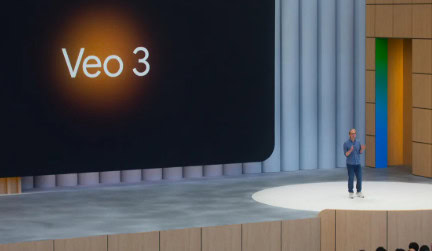
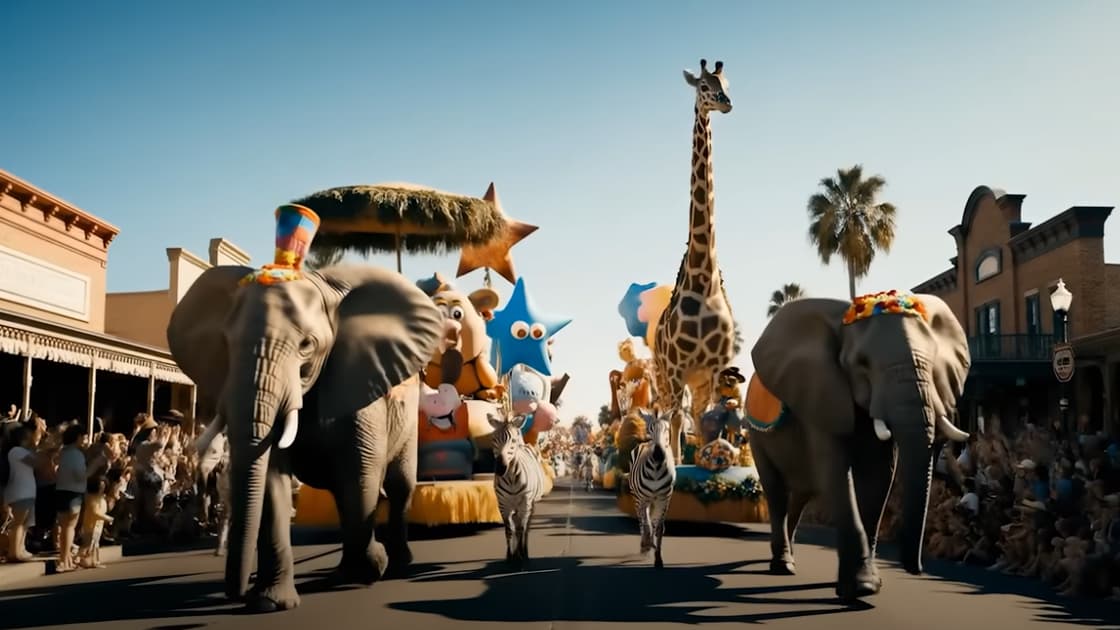
Google unveiled its new AI video tool Veo 3, powered by DeepMind's Gemini model, which produces hyper-realistic videos with sound and dialogue from text prompts. Although no harm has occurred yet, experts warn the technology could facilitate disinformation and rights violations in the future.[AI generated]

Why's our monitor labelling this an incident or hazard?

The article explicitly mentions an AI system (Google Veo 3) that generates realistic videos, which can be used for creative purposes but also raises concerns about potential misuse, such as creating fake news and ethical issues. Although Google has implemented some safeguards, experts consider these insufficient to fully prevent abuse. Since no actual harm has been reported yet, but plausible future harms are credible and discussed, this fits the definition of an AI Hazard rather than an Incident or Complementary Information. It is not unrelated because the AI system and its potential impacts are central to the article.[AI generated]

AI principles
AccountabilityHuman wellbeingPrivacy & data governanceRespect of human rightsRobustness & digital securitySafetyTransparency & explainabilityDemocracy & human autonomy

Industries
Media, social platforms, and marketingDigital securityGovernment, security, and defenceArts, entertainment, and recreation

Affected stakeholders
General public

Harm types
ReputationalHuman or fundamental rightsPublic interestPsychologicalEconomic/Property

Severity
AI hazard

Business function:
Marketing and advertisementResearch and development

AI system task:
Content generation


Articles about this incident or hazard

Thumbnail Image

Google Veo 3 rappresenta il futuro dei video generati dall'AI, tutti i dettagli

2025-05-26
HTML.it
Why's our monitor labelling this an incident or hazard?
The article explicitly mentions an AI system (Google Veo 3) that generates realistic videos, which can be used for creative purposes but also raises concerns about potential misuse, such as creating fake news and ethical issues. Although Google has implemented some safeguards, experts consider these insufficient to fully prevent abuse. Since no actual harm has been reported yet, but plausible future harms are credible and discussed, this fits the definition of an AI Hazard rather than an Incident or Complementary Information. It is not unrelated because the AI system and its potential impacts are central to the article.
Thumbnail Image

Google Veo 3 genera video senza filtri

2025-05-25
Punto Informatico
Why's our monitor labelling this an incident or hazard?
The event involves an AI system (Veo 3) explicitly described as generating deepfake videos with realistic audio-visual synchronization. The misuse of this system by users to create false and misleading videos that have been shared on social media platforms constitutes direct harm to communities by spreading misinformation and potentially causing reputational or social harm. The article reports that harmful outputs have already been produced and disseminated, fulfilling the criteria for an AI Incident under the framework, as the AI system's use has directly led to realized harm.
Thumbnail Image

Video IA indistinguibili da quelli veri: succede con Veo 3 di Google

2025-05-27
tecnologia.libero.it
Why's our monitor labelling this an incident or hazard?
The article clearly involves an AI system (Veo 3) that generates highly realistic synthetic videos. Although no actual harm has been reported, the plausible future misuse of this technology to create convincing fake content that could mislead or harm communities fits the definition of an AI Hazard. The article focuses on the potential risks and the measures taken to mitigate them, without describing any realized harm or incident. Hence, it is best classified as an AI Hazard rather than an AI Incident or Complementary Information.
Thumbnail Image

Inquietante: tutti i personaggi in questo video sono fatti con l'intelligenza artificiale (di Google) | Corriere TV

2025-05-27
Video: ultime notizie - Corriere TV
Why's our monitor labelling this an incident or hazard?
The event involves an AI system (Veo 3) capable of generating realistic videos, which can plausibly lead to harms such as misinformation, deception, or copyright violations. However, the article focuses on the introduction of the technology and the ethical questions it raises, without describing any realized harm or incident. Therefore, it fits the definition of an AI Hazard, as the AI system's use could plausibly lead to harm in the future, but no direct or indirect harm has yet occurred according to the article.
Thumbnail Image

After Deepfaking YouTube, Google’s Veo 3 Could Slop-ify Video Games Next

2025-05-28
Gizmodo
Why's our monitor labelling this an incident or hazard?
The article describes an AI system (Google's Veo 3) and its current and potential uses in generating video game content. While it raises concerns about copyright issues and the possible negative effects on game development and industry labor, these harms are speculative and have not yet materialized. Therefore, the event represents a plausible risk of harm due to AI use, fitting the definition of an AI Hazard rather than an AI Incident. It is not merely general AI news or a complementary update, as it focuses on potential harms related to AI use in gaming.
Thumbnail Image

I video della nuova intelligenza artificiale di Google sono molto realistici e molto inquietanti - Il Post

2025-05-27
Il Post
Why's our monitor labelling this an incident or hazard?
The article focuses on the introduction and capabilities of an AI system (Veo 3) that generates realistic videos, which can plausibly lead to harms such as economic disruption for workers and copyright violations. However, no direct or indirect harm has been reported as having occurred. The concerns are prospective and speculative, relating to possible future impacts rather than realized incidents. Therefore, this event qualifies as an AI Hazard because the AI system's use could plausibly lead to harms, but no incident has yet materialized.
Thumbnail Image

Googles Veo 3: KI-Videos, die niemand mehr erkennt - ihr vielleicht?

2025-05-25
WinFuture.de
Why's our monitor labelling this an incident or hazard?
The event involves an AI system (Google's Veo 3) that generates realistic videos and audio. While no direct harm has been reported, experts warn about plausible future harms such as misinformation and political manipulation enabled by the technology. Google's safety measures are noted but considered potentially insufficient by critics. Since the article focuses on the potential for harm rather than an actual incident, this qualifies as an AI Hazard under the framework.
Thumbnail Image

Is newly launched Google Veo 3 a threat to reality?

2025-05-28
Daily Pakistan Global
Why's our monitor labelling this an incident or hazard?
The event involves an AI system (Veo 3) that can generate synthetic video and audio content, which fits the definition of an AI system. The article does not report any actual harm or incident caused by the system but raises credible concerns about the potential for misuse leading to misinformation, political manipulation, and erosion of trust in media. These concerns represent plausible future harms that could arise from the use of this AI system. Therefore, the event qualifies as an AI Hazard because it describes a credible risk of harm stemming from the AI system's capabilities and potential applications, but no realized harm is documented yet.
Thumbnail Image

Is newly launched Google's Veo 3 the future of creativity or a threat to reality?

2025-05-28
Daily Pakistan Global
Why's our monitor labelling this an incident or hazard?
The article clearly describes an AI system (Veo 3) that generates synthetic video and audio content, which can be used to create realistic but fabricated scenes and conversations. Although no direct harm or incident is reported, the article raises credible concerns about the potential for misuse leading to misinformation, impersonation, and manipulation, which could harm communities and violate rights in the future. Therefore, this event fits the definition of an AI Hazard, as the development and deployment of Veo 3 could plausibly lead to significant harms related to misinformation and social disruption.
Thumbnail Image

Google ha rotto il silenzio dell'intelligenza artificiale

2025-05-27
HuffPost Italia
Why's our monitor labelling this an incident or hazard?
The event involves an AI system (Veo 3) that generates realistic audiovisual content. The article highlights the potential for misuse of this technology to create deceptive deepfakes that could mislead people and spread misinformation, which constitutes harm to communities and possibly violations of rights. Since no actual harm is reported but the risk is credible and significant, this qualifies as an AI Hazard under the framework. The article does not describe a realized incident but warns about plausible future harms from the AI system's use.
Thumbnail Image

So täuschend echt sehen die KI-Videos des neuen Google-Programms aus

2025-05-27
watson.de/
Why's our monitor labelling this an incident or hazard?
The article explicitly involves an AI system (Veo 3) that generates realistic synthetic videos. Although it does not report a concrete incident of harm, it discusses the potential for these AI-generated videos to be used maliciously to spread false information, which could plausibly lead to harm to communities and societal trust. Therefore, this event fits the definition of an AI Hazard, as the AI system's use could plausibly lead to an AI Incident involving harm from misinformation and deception.
Thumbnail Image

I video ultra realistici realizzati dalla nuova AI di Google fanno discutere

2025-05-28
Wired
Why's our monitor labelling this an incident or hazard?
The event involves an AI system (Google's Veo 3) that generates ultra-realistic videos with audio, which can plausibly lead to harm through disinformation and misinformation campaigns. Since no actual harm or incident is reported, but the potential for harm is credible and recognized, this qualifies as an AI Hazard. The article focuses on the plausible future risks rather than describing a realized AI Incident or a response to one.
Thumbnail Image

This street interview video is creeping people out - Find out why

2025-05-28
News9live
Why's our monitor labelling this an incident or hazard?
The article details the use of an AI system (Google's Veo 3 powered by DeepMind's Gemini model) that generates realistic videos with sound and dialogue. While the videos are impressively realistic and have caused unease among viewers, there is no indication that any harm has occurred yet. The concern is about the potential for misinformation or deception due to the realism of the AI-generated videos, but no actual harm or incident is reported. Therefore, this qualifies as an AI Hazard because the AI system's use could plausibly lead to harms such as misinformation or manipulation, but no direct harm has been documented in the article.
Thumbnail Image

Video AI: perché Google Veo 3 è una rivoluzione

2025-05-26
IlSoftware.it
Why's our monitor labelling this an incident or hazard?
The article explicitly mentions that Veo 3 is an AI system capable of generating realistic video content, which could plausibly lead to harms such as misinformation and fake news dissemination, especially in political contexts. Although Google has implemented safeguards like watermarks and content restrictions, experts believe these may be insufficient, indicating a credible risk of future harm. Since no actual harm or misuse is reported, and the focus is on potential ethical and societal risks, the event fits the definition of an AI Hazard. It is not Complementary Information because it is not primarily about responses or updates to a past incident, nor is it unrelated as it clearly involves an AI system and its societal implications.
Thumbnail Image

Veo 3, le nouveau générateur de vidéos de Google, inquiète autant qu'il impressionne

2025-06-02
Daily Geek Show
Why's our monitor labelling this an incident or hazard?
The article explicitly mentions an AI system (Veo 3) and its advanced capabilities, fulfilling the AI System criterion. However, it does not describe any direct or indirect harm caused by the system, nor does it report a specific event where harm has occurred or is imminent. The concerns raised are speculative and ethical in nature, focusing on potential future challenges rather than a concrete AI Incident or Hazard. Hence, it fits the definition of Complementary Information, as it informs about the AI ecosystem and societal implications without reporting a new incident or hazard.
Thumbnail Image

Le patron de Mac Guff s'alarme des progrès de l'IA pour les studios d'animation

2025-06-03
BFMTV
Why's our monitor labelling this an incident or hazard?
The article primarily provides an analysis and opinion on the evolving capabilities of AI in animation and video generation, emphasizing potential future impacts rather than describing any realized harm or incident. There is no mention of any AI system causing injury, rights violations, or other harms, nor any event where AI use or malfunction led to harm. The discussion is about the implications and challenges posed by AI advancements, making it a form of complementary information about AI's societal and industry impact rather than an incident or hazard. Therefore, it fits best as Complementary Information.
Thumbnail Image

I Tested Out Google's Veo 3 AI Video Generator. The Internet Is Not Prepared for What's Coming

2025-06-10
PCMag Australia
Why's our monitor labelling this an incident or hazard?
The event involves an AI system (Google's Gemini Veo 3) capable of generating realistic videos and audio, which can be used to create deepfakes. While the article does not report a specific incident of harm occurring, it clearly outlines the plausible future harms such as misinformation, harassment, and erosion of trust in video evidence. This fits the definition of an AI Hazard, as the development and use of this AI system could plausibly lead to significant harms to communities and public discourse. The article's focus is on the potential risks and implications rather than a realized incident, so it is not an AI Incident. It is also not merely complementary information or unrelated, as the core narrative centers on the hazard posed by the AI system.
Thumbnail Image

Is AI coming to eat Hollywood's lunch?

2025-06-14
The South African
Why's our monitor labelling this an incident or hazard?
The article centers on the introduction and use of AI video generation technology and its transformative potential for the film industry. While it discusses the possible end of traditional Hollywood structures and job displacement in animation and filmmaking, it does not report any actual harm or incident resulting from AI use. The content is primarily a forward-looking commentary and contextual analysis of AI's impact on the industry, without detailing any realized AI Incident or imminent hazard. Therefore, it fits best as Complementary Information, providing context and insight into AI developments and their societal implications rather than reporting a specific AI Incident or AI Hazard.