Autonomous Attack Drones Unveiled as US Tightens Airspace Security

Thumbnail Image

The information displayed in the AIM should not be reported as representing the official views of the OECD or of its member countries.

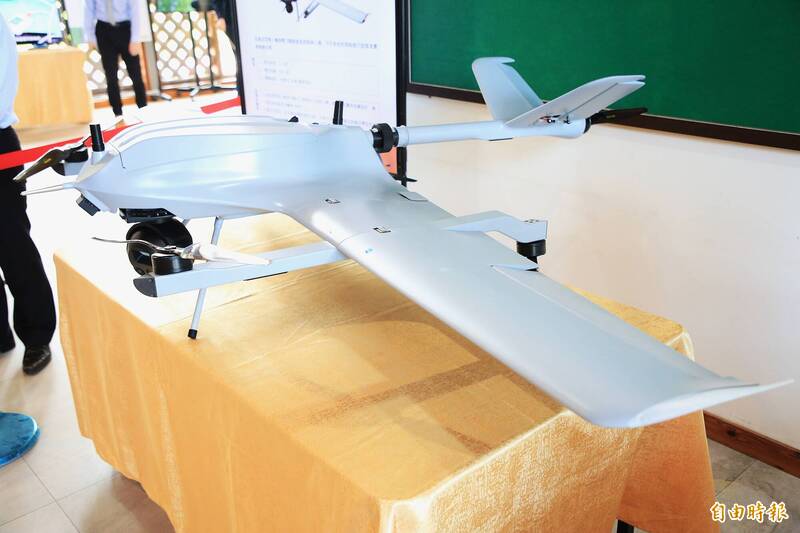
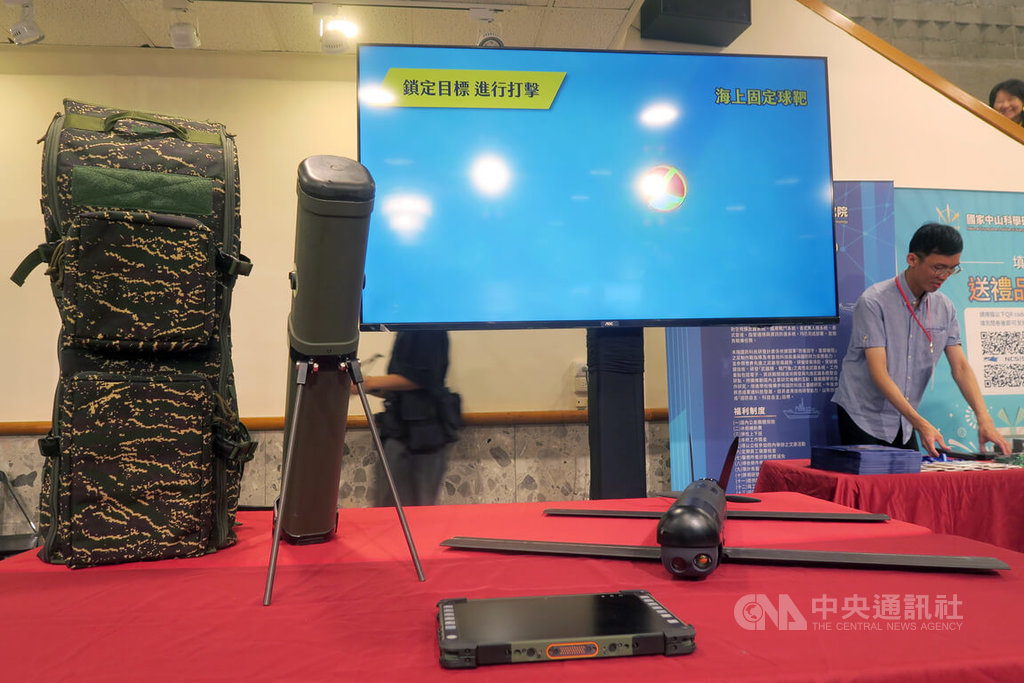
Taiwan’s CSIST revealed its Red Sparrow III and Jin-Feng attack drones featuring vertical takeoff, AI-based target tracking and precision strikes. Similar tests show autonomous navigation and EO/IR–AI target recognition. In response to a 2024 New Jersey drone incursion, US President Trump signed three executive orders strengthening drone defenses, manufacturing and regulation.[AI generated]

Why's our monitor labelling this an incident or hazard?

The event involves the use of an AI system integrated into an attack drone that performs autonomous or semi-autonomous target recognition and engagement, which directly relates to military operations with lethal outcomes. The AI's role in assisting target identification and strike implies potential harm to persons and property in conflict scenarios. Since the article reports successful testing and operational use of the AI-assisted attack drone, this constitutes an AI Incident due to the realized harm potential inherent in the system's use for lethal military strikes.[AI generated]
AI principles
AccountabilitySafetyRespect of human rightsDemocracy & human autonomyTransparency & explainability

Industries
Government, security, and defenceRobots, sensors, and IT hardwareMobility and autonomous vehicles

Affected stakeholders
GovernmentGeneral public

Harm types
Physical (death)Physical (injury)

Severity
AI incident

AI system task:
Recognition/object detectionGoal-driven organisation


Articles about this incident or hazard

Thumbnail Image

中科院公布「紅雀三型」無人機 可垂直起降、監控目標 | 聯合新聞網

2025-06-03
UDN
Why's our monitor labelling this an incident or hazard?
The article explicitly mentions AI systems integrated into military drones for autonomous target recognition and attack. While no actual harm or incident is reported, the described capabilities clearly indicate a plausible risk of harm to people due to autonomous lethal operations. The development and potential use of such AI-enabled attack drones fit the definition of an AI Hazard, as they could plausibly lead to injury or harm. There is no indication of a realized incident yet, so it is not an AI Incident. The article is not merely complementary information or unrelated, as it focuses on the AI system's potential for harm in a military context.
Thumbnail Image

【影】中科院紅雀三型無人機動態影像曝光 可垂直起降、追蹤目標 - 自由軍武頻道

2025-06-03
def.ltn.com.tw
Why's our monitor labelling this an incident or hazard?
The article clearly involves an AI system, as the UAV's autonomous flight control and target tracking capabilities imply AI-based systems. However, the article only describes the UAV's features and demonstration without any reported harm or incident. Since the UAV is not yet deployed operationally and no harm or malfunction is reported, the event represents a plausible future risk (hazard) due to the military nature and autonomous capabilities of the drone. Therefore, it qualifies as an AI Hazard rather than an Incident or Complementary Information.
Thumbnail Image

川普解禁超音速內陸飛行 強化無人機防禦 | eVTOL | 超音速飛行 | 領空主權 | 大紀元

2025-06-07
The Epoch Times
Why's our monitor labelling this an incident or hazard?
The article involves AI systems in the context of drone operations and regulatory acceleration but does not report any realized harm or incident caused by AI. It outlines government policy actions and strategic initiatives to promote AI and drone technology development and to strengthen airspace security. No specific AI Incident or AI Hazard is described; rather, the article provides updates on governance and policy responses, fitting the definition of Complementary Information.
Thumbnail Image

國造「勁蜂」攻擊無人機擊殺畫面曝 全天候作戰、AI輔助搜索標定

2025-06-04
中時新聞網
Why's our monitor labelling this an incident or hazard?
The event involves the use of an AI system integrated into an attack drone that performs autonomous or semi-autonomous target recognition and engagement, which directly relates to military operations with lethal outcomes. The AI's role in assisting target identification and strike implies potential harm to persons and property in conflict scenarios. Since the article reports successful testing and operational use of the AI-assisted attack drone, this constitutes an AI Incident due to the realized harm potential inherent in the system's use for lethal military strikes.
Thumbnail Image

中科院首度公開勁蜂無人機測試影片 精準攻擊目標 | 政治 | 中央社 CNA

2025-06-03
Central News Agency
Why's our monitor labelling this an incident or hazard?
The article explicitly describes an AI-enabled attack drone that autonomously searches for, identifies, and attacks targets with precision. The AI system is integral to the drone's operation, including autonomous navigation and target recognition. While the article does not report any actual harm or injury caused by the drone, the system's intended military use and capability to inflict physical harm make it a credible potential source of harm. The event is about the development and testing of such a system, which could plausibly lead to an AI Incident in the future. Hence, it fits the definition of an AI Hazard rather than an AI Incident or Complementary Information.
Thumbnail Image

為強化美國空域安全!美國總統川普簽署三項無人機行政命令

2025-06-07
TechNews 科技新報 | 市場和業內人士關心的趨勢、內幕與新聞
Why's our monitor labelling this an incident or hazard?
The article involves AI systems insofar as drones typically rely on AI for autonomous navigation, detection, and operational capabilities. The 2024 New Jersey drone incident referenced suggests a realized event where drone use caused public concern and potential security threats, indicating harm or risk to critical infrastructure and public safety. The executive orders aim to mitigate these harms and regulate drone use, which involves AI system use and potential misuse. Since the article describes an actual incident (the New Jersey drone event) that triggered these orders and ongoing harm concerns, this qualifies as an AI Incident. The focus is on harm caused or ongoing from AI-enabled drone use, not just potential future harm or general policy updates, so it is not merely a hazard or complementary information.
Thumbnail Image

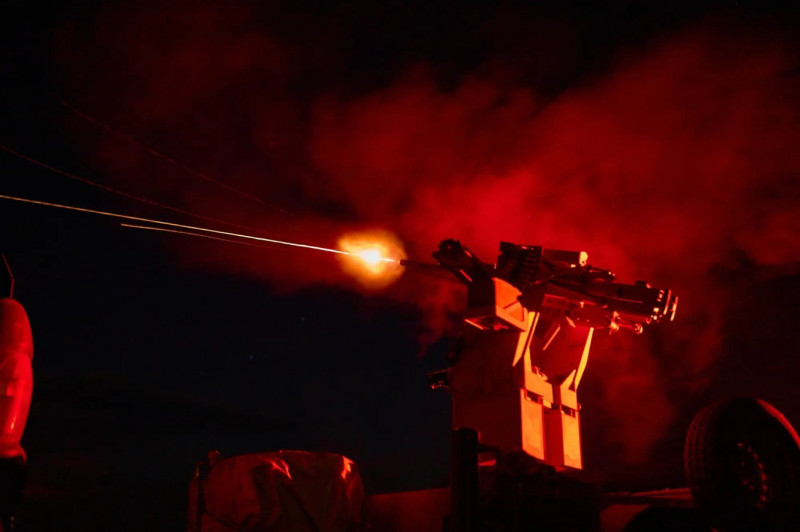
烏克蘭部署AI自動砲塔「天空哨兵」 成功擊殺6架俄製無人機 - 自由軍武頻道

2025-06-05
def.ltn.com.tw
Why's our monitor labelling this an incident or hazard?
The event involves an AI system explicitly described as autonomously detecting and engaging aerial threats, which is a direct application of AI in a lethal military system. The system's use has resulted in the destruction of enemy drones, which is a realized harm to property and contributes to the defense of communities. Therefore, this qualifies as an AI Incident because the AI system's use has directly led to harm (destruction of property and defense-related harm).