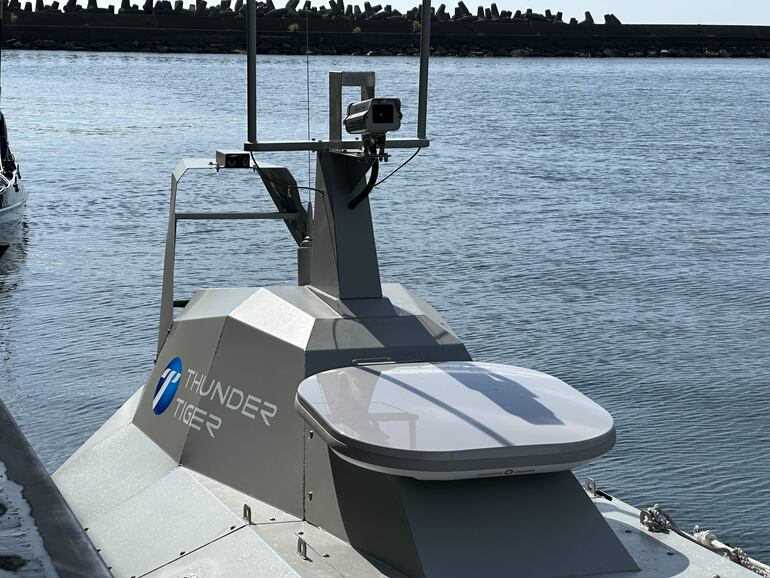
Taiwan Advances AI-Assisted Autonomous Attack Drones

Thumbnail Image

The information displayed in the AIM should not be reported as representing the official views of the OECD or of its member countries.

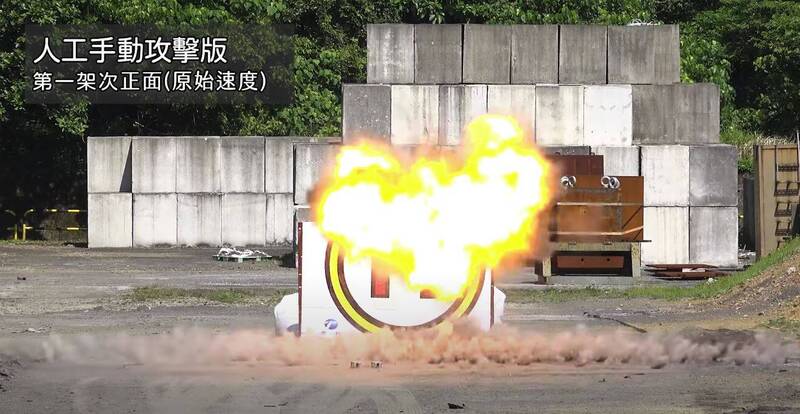
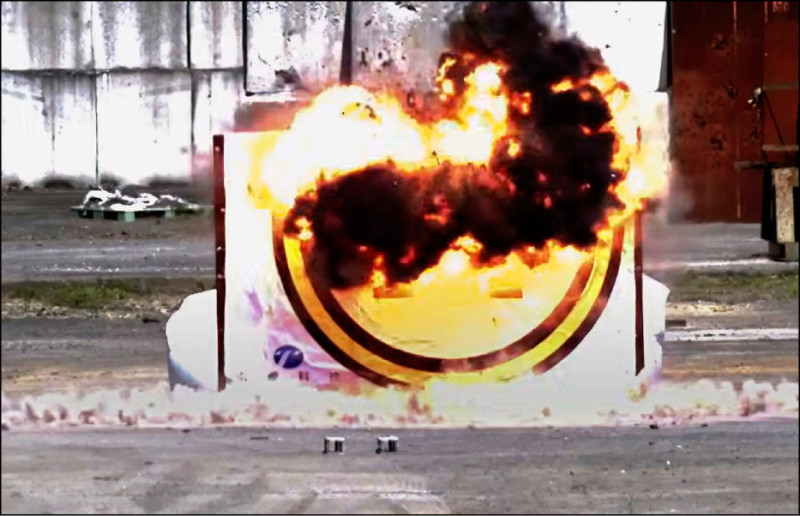
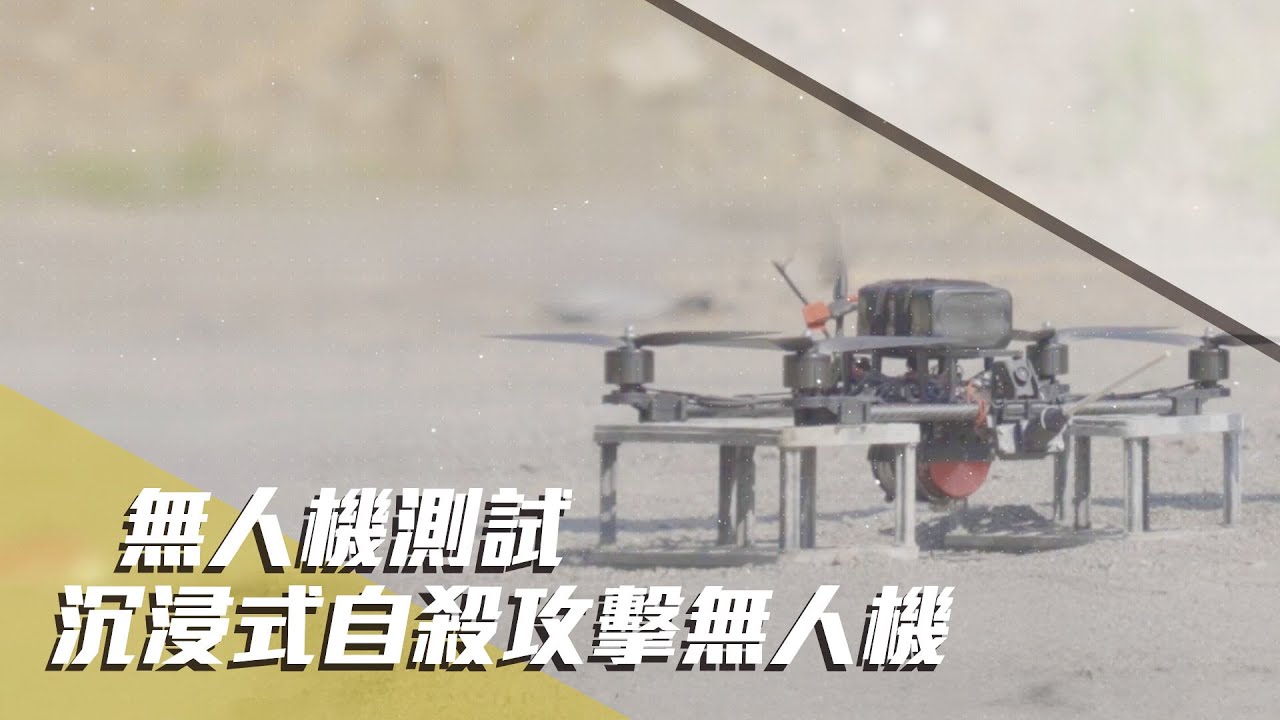
Multiple Taiwanese agencies and academic institutions have demonstrated AI-assisted attack drones in controlled tests. The systems showcased autonomous target recognition and precision strike capabilities, emphasizing both manual and programmed attack modes. Although all tests were successful, experts warn that AI-enabled weapons could pose hazards if misused or malfunction.[AI generated]

Why's our monitor labelling this an incident or hazard?

The event involves an AI system integrated into a suicide attack drone used for precise bombing, which is a lethal military application. Although the article only reports a test and no actual harm has occurred, the AI system's development and intended use could plausibly lead to injury or harm to people and damage to property, fulfilling the criteria for an AI Hazard. Since no harm has yet materialized, it is not an AI Incident. The event is not merely complementary information because it focuses on the AI system's development and demonstration with clear potential for harm, nor is it unrelated.[AI generated]

AI principles
SafetyAccountabilityRespect of human rightsTransparency & explainabilityRobustness & digital securityDemocracy & human autonomy

Industries
Government, security, and defenceRobots, sensors, and IT hardware

Affected stakeholders
General public

Harm types
Physical (death)Physical (injury)Human or fundamental rightsPublic interest

Severity
AI hazard

Business function:
Research and development

AI system task:
Recognition/object detectionGoal-driven organisation


Articles about this incident or hazard

Thumbnail Image

【財經新聞】萬名工程師打造超强壁壘 台積電無懼技術外流 | 小米 | EDA禁令 | 無人機 | 新唐人电视台

2025-06-03
www.ntdtv.com
Why's our monitor labelling this an incident or hazard?
The article explicitly mentions the development and testing of AI-enabled suicide attack drones by Taiwan's research institutes, demonstrating AI autonomous attack capabilities with successful target hits. This indicates the use of an AI system in a military context with potential for harm. Since the drones have been tested successfully in hitting targets, this implies the AI system's use has directly led to a form of harm (destruction of targets), which qualifies as harm to property or communities. Therefore, this event qualifies as an AI Incident. Other parts of the article about EDA bans, political elections, and TSMC's overseas manufacturing confidence do not describe direct or plausible AI-related harm or hazards in this context.
Thumbnail Image

雷虎攜手中科院 發展出沉浸式自殺攻擊無人機 - 自由財經

2025-06-03
自由時報電子報
Why's our monitor labelling this an incident or hazard?
The event involves an AI system used in a military drone for autonomous attack, which has been tested successfully to destroy targets. The AI system's use in autonomous lethal weaponry directly relates to potential harm, including injury or death, and disruption of critical infrastructure or security. Since the AI system's use has directly led to successful attack tests, this constitutes an AI Incident under the framework, as it involves realized harm potential through autonomous lethal action.
Thumbnail Image

國產無人機 精準打擊 - 政治 - 自由時報電子報

2025-06-03
Liberty Times Net
Why's our monitor labelling this an incident or hazard?
The event involves an AI system integrated into a military drone capable of autonomous attack, which has been tested successfully to hit targets. This constitutes the use of an AI system in a weaponized context with direct potential for harm to persons or property. Since the AI autonomous attack function has been demonstrated to successfully hit targets, this is a realized use of AI leading to potential harm, qualifying as an AI Incident under the framework.
Thumbnail Image

雷虎與中科院合作執行「自殺式攻擊無人機」AI 精準炸射 | 聯合新聞網

2025-06-03
UDN
Why's our monitor labelling this an incident or hazard?
The event involves an AI system integrated into a suicide attack drone used for precise bombing, which is a lethal military application. Although the article only reports a test and no actual harm has occurred, the AI system's development and intended use could plausibly lead to injury or harm to people and damage to property, fulfilling the criteria for an AI Hazard. Since no harm has yet materialized, it is not an AI Incident. The event is not merely complementary information because it focuses on the AI system's development and demonstration with clear potential for harm, nor is it unrelated.
Thumbnail Image

影/台灣奇襲實力 中科院+雷虎自殺攻擊無人機測試曝 | 聯合新聞網

2025-06-03
UDN
Why's our monitor labelling this an incident or hazard?
The event involves the use of AI systems in autonomous attack drones that have been tested to successfully hit targets. These drones combine AI guidance and immersive control to perform high-precision strikes. The development and testing of such AI-enabled autonomous weapons systems directly relate to potential harm through their military application, including injury or harm to persons and disruption of critical infrastructure in conflict scenarios. Although the article describes tests rather than actual combat use, the AI system's involvement in autonomous attack capabilities presents a plausible risk of harm, qualifying this as an AI Hazard. However, since the tests successfully hit targets (even if in controlled conditions), and the system is intended for lethal use, this constitutes a direct link to harm potential. Given the successful strikes and the military offensive context, this is best classified as an AI Incident due to the direct involvement of AI in autonomous lethal operations demonstrating realized capability to cause harm.
Thumbnail Image

台版自殺式無人機亮相!雷虎攜手中科院打造國防新利器 | 產業動態 | 財經 | NOWnews今日新聞

2025-06-03
NOWnews 今日新聞
Why's our monitor labelling this an incident or hazard?
The event involves an AI system explicitly described as an autonomous or semi-autonomous suicide attack drone using AI for precision targeting and strike. Although the article reports a successful test rather than an incident causing harm, the development and potential deployment of such AI-enabled lethal weapons inherently carry a credible risk of injury or harm to persons and communities. This aligns with the definition of an AI Hazard, as the AI system's use could plausibly lead to an AI Incident involving physical harm or disruption. There is no indication of realized harm yet, so it is not an AI Incident. The article is not merely complementary information or unrelated, as it focuses on the AI system's development with clear implications for future harm.
Thumbnail Image

影》擊殺畫面曝!雷虎FPV「沉浸式自殺無人機」 AI精準奇襲

2025-06-04
中時新聞網
Why's our monitor labelling this an incident or hazard?
The event involves an AI system explicitly described as autonomously controlling a suicide attack drone to precisely strike targets, which is a lethal application causing or capable of causing injury or death (harm to persons). The article reports successful tests where the AI system directly controlled the drone to hit targets, demonstrating realized harm potential. The use of AI in autonomous weapons systems is a clear case of AI Incident under the definition, as it involves direct use of AI leading to harm. The export and marketing of such systems further underline the realized and ongoing nature of the harm. Therefore, this event is classified as an AI Incident.
Thumbnail Image

雷虎中科院合作開發攻擊無人機 軍聞社公布精準炸射測試片[影] | 產經 | 中央社 CNA

2025-06-03
Central News Agency
Why's our monitor labelling this an incident or hazard?
The event involves the use of an AI system (AI-guided drone) in a military context with the capability to cause physical harm through precise attacks. The development and testing of such an AI-enabled weapon system that can autonomously or semi-autonomously conduct attack missions poses a plausible risk of harm to persons and property. Although the article does not report an actual incident of harm occurring, the nature of the AI system and its intended use clearly present a credible potential for harm. Therefore, this qualifies as an AI Hazard under the framework, as it plausibly could lead to an AI Incident involving injury, harm, or destruction.
Thumbnail Image

中科院與中正大學簽MOU 打造無人機非紅供應鏈

2025-06-03
公共電視
Why's our monitor labelling this an incident or hazard?
The event involves AI systems explicitly mentioned as integrated into autonomous attack drones capable of target recognition and autonomous attack. The use of AI in military drones for attack purposes directly relates to potential harm, including injury or harm to persons and disruption of security. Although the article reports successful tests without mentioning actual harm, the development and deployment of AI-powered attack drones inherently pose a credible risk of harm. Therefore, this event qualifies as an AI Hazard because the AI system's use in autonomous attack drones could plausibly lead to harm, even if no incident has yet occurred.
Thumbnail Image

【影】全天候作戰、還能AI目獲 「勁蜂」攻擊無人機實測畫面曝光 - 自由軍武頻道

2025-06-03
def.ltn.com.tw
Why's our monitor labelling this an incident or hazard?
The article explicitly mentions an AI-assisted target recognition system integrated into the "勁蜂" attack drone, which is designed for military use to identify and strike high-value targets. Although no actual harm or incident is reported, the AI system's role in enabling autonomous or semi-autonomous lethal operations implies a credible risk of future harm. The development and operational testing of such AI-enabled attack drones align with the definition of an AI Hazard, as they could plausibly lead to injury, violations of rights, or other significant harms if deployed in conflict. There is no indication of realized harm yet, so it is not an AI Incident. The article is not merely complementary information since it focuses on the testing and capabilities of the AI system in a weaponized context, nor is it unrelated.
Thumbnail Image

雷虎攻擊無人機日本參展 歐美訂單第2季交貨 | 產業熱點 | 產業 | 經濟日報

2025-06-05
Udnemoney聯合理財網
Why's our monitor labelling this an incident or hazard?
The article explicitly mentions AI integration in autonomous lethal drones (suicide attack drones) with target recognition and autonomous flight, which are AI systems by definition. The drones are intended for military use and have already secured orders for delivery, indicating imminent deployment. The use of AI in lethal autonomous weapons systems is widely recognized as a significant AI hazard due to the plausible risk of injury, death, and human rights violations. Since the article does not report any actual harm or incident but highlights the development, exhibition, and upcoming delivery of these AI-enabled lethal drones, this qualifies as an AI Hazard rather than an AI Incident.
Thumbnail Image

雷虎攻擊無人機日本參展 歐美訂單第2季交貨 | 產經 | 中央社 CNA

2025-06-05
Central News Agency
Why's our monitor labelling this an incident or hazard?
The event involves AI systems integrated into suicide attack drones with autonomous flight and target recognition capabilities. The article highlights the development, use, and planned delivery of these AI-enabled lethal drones, which could plausibly lead to injury or death and other significant harms. Since the harm is not yet realized but is a credible and foreseeable risk due to the nature of the AI system and its military application, this event qualifies as an AI Hazard rather than an AI Incident. There is no indication of actual harm having occurred yet, only the potential for such harm.
Thumbnail Image

軍聞社公布雷虎攜手中科院 自殺攻擊無人機精準炸射 | 基金天地 | 理財 | 經濟日報

2025-06-03
Udnemoney聯合理財網
Why's our monitor labelling this an incident or hazard?
The article explicitly mentions AI-guided suicide attack drones capable of precise strikes, which are lethal autonomous or semi-autonomous weapons. The development and use of such AI systems directly relate to harm to persons in conflict scenarios, fulfilling the criteria for an AI Incident. The AI system's role is pivotal in enabling precise targeting and attack execution. The article describes actual testing and deployment, not just potential future risks, so it is not merely a hazard. It is not complementary information because the focus is on the AI system's operational use and harm potential, not on responses or governance. Hence, the classification is AI Incident.
Thumbnail Image

赴日國際無人機展 雷虎「沉浸式自殺攻擊無人機」獲歐美訂單 | 聯合新聞網

2025-06-05
UDN
Why's our monitor labelling this an incident or hazard?
The article explicitly mentions an AI-enabled autonomous attack drone designed for military use, with capabilities like target recognition and autonomous flight. While no actual harm is reported as having occurred yet, the deployment and sale of such AI-powered lethal drones pose a credible and significant risk of injury or harm to persons and communities. The event concerns the development, use, and proliferation of an AI system that could plausibly lead to serious harm, fitting the definition of an AI Hazard rather than an AI Incident, as no realized harm is described. It is not merely complementary information because the main focus is on the product's capabilities and orders, not on responses or governance. Therefore, the classification is AI Hazard.
Thumbnail Image

Taiwán con la mira en el ejemplo de Ucrania: prioriza el desarrollo de una flota de drones para frenar a China

2025-07-03
RPP noticias
Why's our monitor labelling this an incident or hazard?
The article explicitly discusses AI-equipped drones being developed and produced for military defense by Taiwan, with the potential to be used in conflict against China. Although no incident or harm has yet occurred, the use of AI in autonomous or semi-autonomous drones for military purposes carries a credible risk of causing injury, disruption, or other harms if deployed in warfare. The event is about the development and intended use of AI systems that could plausibly lead to significant harm, fitting the definition of an AI Hazard rather than an Incident or Complementary Information. It is not unrelated because AI systems are central to the described scenario.
Thumbnail Image

Con la vista puesta en Ucrania, Taiwán desarrolla una flota de drones para frenar a China

2025-07-03
Diario1
Why's our monitor labelling this an incident or hazard?
The article explicitly mentions drones equipped with AI chips being developed and produced for military defense by Taiwan. The use of AI in autonomous or semi-autonomous drones for intelligence and combat roles implies the presence of AI systems. Although no incident or harm has yet occurred, the potential use of these AI-enabled drones in a conflict with China could plausibly lead to injury, disruption, or other harms. The article focuses on the strategic buildup and potential future use, not on an actual incident or harm. Hence, it fits the definition of an AI Hazard rather than an AI Incident or Complementary Information.
Thumbnail Image

Con la vista puesta en Ucrania, Taiwán desarrolla una flota de drones para frenar a China - Mundo - ABC Color

2025-07-03
ABC Digital
Why's our monitor labelling this an incident or hazard?
The article explicitly mentions AI-equipped drones being developed for military purposes, which are intended to be used in defense scenarios that could involve conflict with China. Although no incident has occurred, the potential use of these AI-enabled drones in warfare could plausibly lead to injury, disruption, or other harms. The development and scaling of such AI systems with military applications constitute an AI Hazard as per the definitions, since the AI system's use could plausibly lead to significant harm in the future. There is no indication of realized harm yet, so it is not an AI Incident. The article is not merely complementary information or unrelated, as it focuses on the strategic development of AI systems with potential for harm.
Thumbnail Image

Con la vista puesta en Ucrania, Taiwán desarrolla una flota de drones para frenar a China

2025-07-03
Última Hora
Why's our monitor labelling this an incident or hazard?
The article explicitly mentions AI-equipped drones being developed and produced for military defense, which involves AI systems. The focus is on the strategic buildup and potential use of these drones in a future conflict with China, implying plausible future harm such as injury, disruption, or harm to communities if these drones are deployed in warfare. However, no actual incident or harm has occurred yet. Thus, this qualifies as an AI Hazard rather than an AI Incident. It is not Complementary Information because it is not an update or response to a past incident, nor is it unrelated as it clearly involves AI systems with potential for harm.
Thumbnail Image

Con la vista puesta en Ucrania, Taiwán desarrolla una flota de drones para frenar a China

2025-07-03
eju.tv
Why's our monitor labelling this an incident or hazard?
The article clearly involves AI systems, specifically drones equipped with AI chips for intelligence, surveillance, and combat roles. The development and planned use of these AI-enabled drones for military defense against China is a credible scenario that could plausibly lead to harm if conflict occurs. However, since no actual incident or harm has been reported, and the focus is on future capabilities and strategic planning, this qualifies as an AI Hazard rather than an AI Incident. It is not Complementary Information because it is not updating or responding to a past incident, nor is it unrelated as it directly concerns AI systems with potential for harm.