UK to Launch Driverless Taxi Pilots with Wayve AI and Uber in 2026

Thumbnail Image

The information displayed in the AIM should not be reported as representing the official views of the OECD or of its member countries.

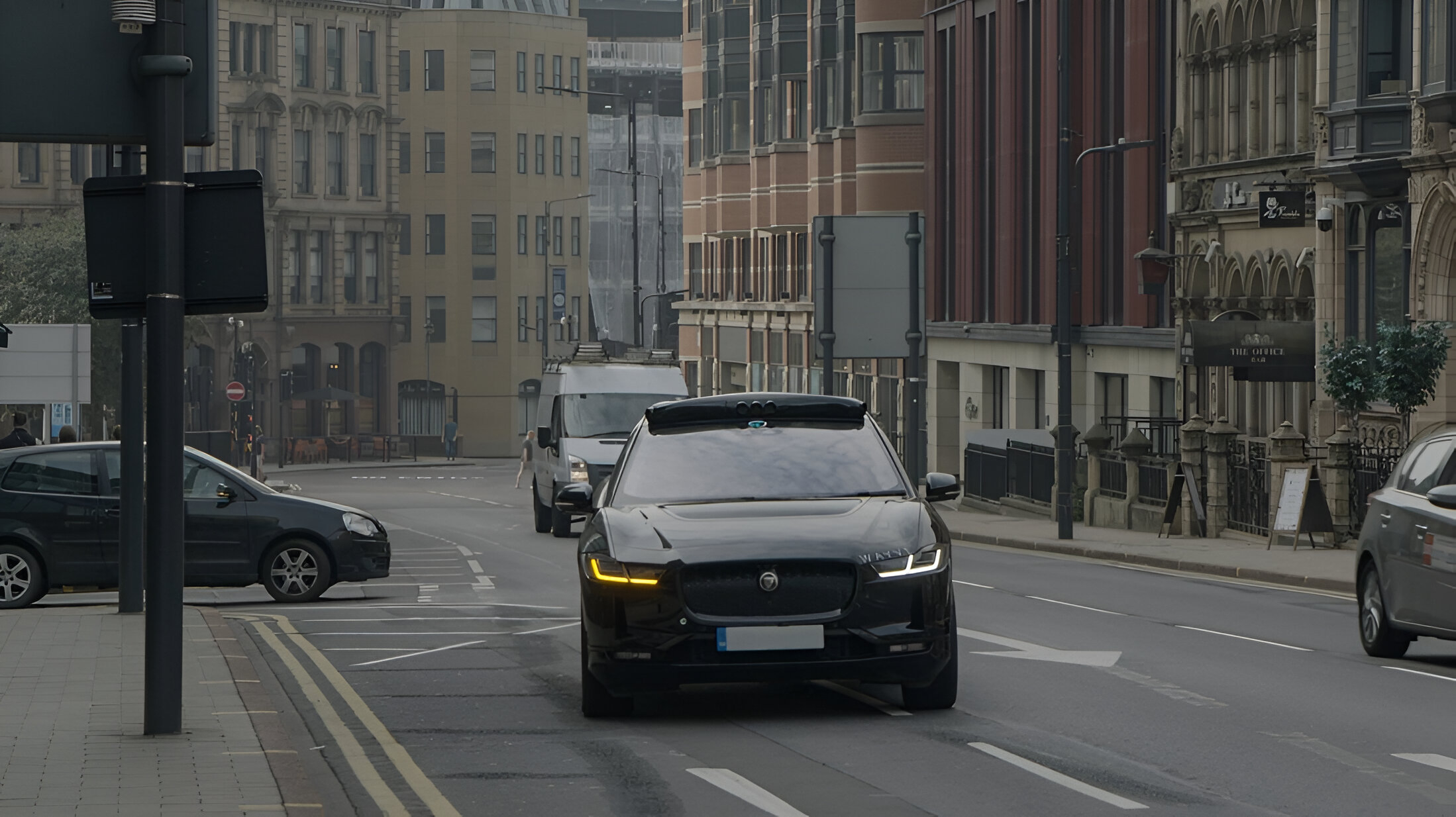
Uber and Wayve will begin trials of fully autonomous, AI-powered taxis in the UK from spring 2026, operating without safety drivers. Supported by new government regulations, these Level 4 self-driving vehicles present future risks but no current incidents, as the UK accelerates its self-driving vehicle ambitions.[AI generated]

Why's our monitor labelling this an incident or hazard?

The event involves AI systems (Level 4 autonomous vehicles) being tested on public roads, which inherently carry risks of harm to people or property if the AI malfunctions or fails. However, the article only discusses the start of trials and the development phase, with no mention of accidents, injuries, or other harms caused by the AI systems. Thus, it fits the definition of an AI Hazard, as the use of AI in autonomous vehicles could plausibly lead to incidents, but no incident has yet occurred.[AI generated]

AI principles
AccountabilitySafetyRobustness & digital securityTransparency & explainabilityPrivacy & data governanceDemocracy & human autonomy

Industries
Mobility and autonomous vehicles

Affected stakeholders
ConsumersWorkersGeneral publicBusinessGovernment

Severity
AI hazard

Business function:
Citizen/customer service

AI system task:
Recognition/object detectionForecasting/predictionGoal-driven organisationReasoning with knowledge structures/planning


Articles about this incident or hazard

Thumbnail Image

Uber and Wayve to begin UK road trials for autonomous vehicles - ET Auto

2025-06-10
ETAuto.com
Why's our monitor labelling this an incident or hazard?
The event involves AI systems (Level 4 autonomous vehicles) being tested on public roads, which inherently carry risks of harm to people or property if the AI malfunctions or fails. However, the article only discusses the start of trials and the development phase, with no mention of accidents, injuries, or other harms caused by the AI systems. Thus, it fits the definition of an AI Hazard, as the use of AI in autonomous vehicles could plausibly lead to incidents, but no incident has yet occurred.
Thumbnail Image

Uber To Test Robotaxis In London With AI-startup Wayve: Retail Sees Stock Touching 'Triple Digits' By Stocktwits

2025-06-10
Investing.com India
Why's our monitor labelling this an incident or hazard?
The article explicitly mentions the use of an AI system (Wayve's Embodied AI platform) integrated into autonomous vehicles for public-road trials. While no harm or incident has occurred, the nature of autonomous vehicle deployment on public roads inherently involves plausible risks of injury, disruption, or other harms if the AI system malfunctions or fails. The event is about planned trials and regulatory processes, indicating potential future harm rather than realized harm. Hence, it fits the definition of an AI Hazard rather than an AI Incident or Complementary Information. It is not unrelated because it clearly involves AI systems and their deployment with potential safety implications.
Thumbnail Image

Uber: vers des essais d'autonomie L4 à Londres

2025-06-10
ABC Bourse
Why's our monitor labelling this an incident or hazard?
The event describes the planned deployment and testing of Level 4 autonomous vehicles, which are AI systems capable of high autonomy in driving. While no harm has been reported yet, the use of such AI systems in public road trials carries credible risks of accidents or other harms. Therefore, this situation qualifies as an AI Hazard because it plausibly could lead to an AI Incident in the future, but no incident has occurred yet.
Thumbnail Image

Uber partners with Wayve for self-driving car trials in the U.K. By Investing.com

2025-06-10
Investing.com
Why's our monitor labelling this an incident or hazard?
The article details the start of a pilot program involving AI-driven autonomous vehicles but does not mention any realized harm, malfunction, or misuse. Since no injury, disruption, violation of rights, or other harm has occurred or is reported, and the event is about the deployment and regulatory process of an AI system, it does not qualify as an AI Incident or AI Hazard. It is not merely general AI news but a significant development in AI deployment, yet without harm or plausible imminent harm described. Therefore, it is best classified as Complementary Information, providing context and updates on AI system deployment and governance.
Thumbnail Image

Uber UK trial of self-driving taxis brought forward to spring 2026

2025-06-10
The Guardian
Why's our monitor labelling this an incident or hazard?
The event involves AI systems (self-driving cars with autonomous navigation AI) and their use in public transport trials. However, the article describes planned future trials and potential benefits and risks, with no actual harm or incidents reported in the UK context yet. The mention of past incidents in the US is background information and does not indicate a current incident in the UK. Therefore, this event represents a plausible future risk of harm from AI systems (e.g., accidents or injuries from autonomous taxis) but no realized harm at this stage. Hence, it qualifies as an AI Hazard rather than an AI Incident or Complementary Information.
Thumbnail Image

Uber is teaming up with a Microsoft-backed startup to launch robotaxis on the chaotic roads of London

2025-06-10
Business Insider
Why's our monitor labelling this an incident or hazard?
The event involves the use of an AI system (Wayve's AI-powered self-driving technology) in a real-world, complex environment (London's chaotic roads) without safety drivers, which could plausibly lead to accidents or other harms. Since the deployment is planned and no actual harm is reported yet, it fits the definition of an AI Hazard rather than an AI Incident. The article focuses on the upcoming trial and the potential challenges and risks, indicating plausible future harm from the AI system's use.
Thumbnail Image

Here's how you'll be able to book a self-driving Uber from next year

2025-06-10
Daily Mail Online
Why's our monitor labelling this an incident or hazard?
The event involves AI systems (self-driving vehicles) whose use is planned and regulated but has not yet caused any realized harm. The article highlights potential future benefits and risks but does not report any direct or indirect harm resulting from AI system malfunction or misuse. Therefore, it fits the definition of an AI Hazard, as the deployment of autonomous vehicles could plausibly lead to incidents in the future, but no incident has yet occurred. It is not Complementary Information because it is not an update on a past incident or hazard, nor is it unrelated since it clearly involves AI systems and their societal impact.
Thumbnail Image

Here's how you'll be able to book a self-driving Uber from next year

2025-06-10
Daily Mail Online
Why's our monitor labelling this an incident or hazard?
The event involves the imminent use of AI systems (self-driving vehicles) on public roads, which is a clear AI system involvement. The article discusses the planned use and regulatory framework but does not report any actual harm or incidents occurring in the UK from these systems yet. It mentions past accidents in the US as a source of public concern, indicating plausible future harm. Since the AI systems' deployment could plausibly lead to injury or harm (road accidents), this fits the definition of an AI Hazard. It is not an AI Incident because no direct or indirect harm has yet occurred in the described context. It is not Complementary Information because the article is not primarily about responses or updates to past incidents but about the upcoming deployment and its implications. It is not Unrelated because the event clearly involves AI systems and their potential impacts.
Thumbnail Image

Uber self-driving robotaxis are coming to UK roads NEXT YEAR

2025-06-10
The Sun
Why's our monitor labelling this an incident or hazard?
The event involves the use of AI systems (autonomous driving AI) in a real-world setting. While no harm has yet occurred, the deployment of driverless robotaxis on public roads carries plausible risks of injury, disruption, or other harms if the AI malfunctions or fails to perform safely. Therefore, this situation constitutes an AI Hazard, as it could plausibly lead to an AI Incident in the future. There is no indication of realized harm or incident at this stage, nor is the article primarily about responses or updates to past incidents, so it is not an AI Incident or Complementary Information.
Thumbnail Image

Uber to launch self-driving taxis in London next year

2025-06-10
Daily Mail Online
Why's our monitor labelling this an incident or hazard?
The article explicitly involves AI systems in the form of self-driving taxi technology. The event concerns the planned use of these AI systems in a real-world, complex environment, which could plausibly lead to harms such as injury or disruption if the AI malfunctions or fails. However, there is no indication that any harm has yet occurred, so it does not meet the criteria for an AI Incident. The event is not merely general AI news or a product launch without risk, as it involves government-enabled trials and legislation acknowledging safety concerns. Thus, it fits the definition of an AI Hazard due to the credible potential for harm from the AI system's use in public transport.
Thumbnail Image

Uber to launch self-driving taxis in London next year

2025-06-10
Daily Mail Online
Why's our monitor labelling this an incident or hazard?
The event involves an AI system (self-driving taxis) whose use is planned but not yet realized. There is no indication of any harm or malfunction at this stage. However, the deployment of autonomous vehicles in a complex urban environment plausibly could lead to AI incidents in the future, such as accidents or safety issues. Therefore, this event qualifies as an AI Hazard because it describes a credible future risk stemming from the use of AI systems in self-driving taxis, but no harm has yet occurred.
Thumbnail Image

Uber taps AI firm Wayve to pilot fully driverless rides in the UK

2025-06-10
CNBC
Why's our monitor labelling this an incident or hazard?
The event involves an AI system (Wayve's autonomous driving software) used in a real-world application (Uber rides) with explicit mention of Level 4 autonomy, confirming AI system involvement. However, the article only announces the start of trials and regulatory cooperation without any reported accidents, injuries, rights violations, or other harms. Since no harm has occurred, but the deployment of fully autonomous vehicles could plausibly lead to future harm (e.g., accidents, safety issues), this event fits the definition of an AI Hazard rather than an AI Incident. It is not merely complementary information because the focus is on the launch of a pilot with potential safety implications, not on responses or updates to past incidents.
Thumbnail Image

UK to launch trials of driverless taxi services next spring

2025-06-10
Financial Times News
Why's our monitor labelling this an incident or hazard?
The event involves the use of AI systems in autonomous vehicles (driverless taxis) whose deployment is planned imminently. Although no harm has yet occurred, the nature of autonomous driving AI systems and their operation on public roads without safety drivers plausibly could lead to injury or harm to people or disruption of transport infrastructure. Hence, this is best classified as an AI Hazard, reflecting the credible risk of future harm from the use of these AI systems in real-world conditions.
Thumbnail Image

Uber (UBER) to Test Fully Driverless Rides in the UK With Wayve

2025-06-10
Yahoo! Finance
Why's our monitor labelling this an incident or hazard?
The article describes the upcoming use of an AI system (Wayve's AI Driver) for fully autonomous vehicles in public trials. While no harm has yet occurred, the deployment of fully driverless cars inherently carries risks of accidents or other harms due to AI malfunction or errors. Therefore, this event represents a plausible future risk of harm stemming from AI use, fitting the definition of an AI Hazard rather than an AI Incident or Complementary Information.
Thumbnail Image

Uber, Wayve to Test Self-Driving Vehicles in London

2025-06-10
Yahoo! Finance
Why's our monitor labelling this an incident or hazard?
The article clearly involves AI systems, specifically Wayve's Embodied AI technology for autonomous vehicles. However, the event is about planned trials and partnerships, with no mention of any accidents, malfunctions, or harms caused by the AI systems. Since no harm has occurred yet, but the deployment of autonomous vehicles could plausibly lead to harm in the future (e.g., accidents, safety risks), this qualifies as an AI Hazard. The article focuses on the upcoming trials and the potential for future autonomous vehicle use, which could plausibly lead to incidents, but no incident has occurred yet.
Thumbnail Image

Uber to bring self-driving cars on to Britain's streets next year

2025-06-10
Yahoo! Finance
Why's our monitor labelling this an incident or hazard?
The event involves the use of AI systems (level 4 autonomous driving technology) in self-driving taxis. The article does not report any actual harm occurring in the UK trials yet, but the planned deployment without safety drivers on public roads presents a credible risk of injury or harm to people, as evidenced by prior accidents involving similar AI systems in the US. The AI system's use in this context could plausibly lead to an AI Incident (harm), making this an AI Hazard. It is not an AI Incident because no harm has yet materialized in the UK trials, nor is it Complementary Information or Unrelated, as the focus is on the potential risks of AI deployment in autonomous vehicles.
Thumbnail Image

Uber To Launch Self-Driving Taxis In London Next Year

2025-06-10
NDTV
Why's our monitor labelling this an incident or hazard?
The event involves AI systems (self-driving taxis) whose deployment is imminent but not yet realized. While the article highlights potential benefits and safety measures, it does not report any actual harm or incidents caused by the AI systems. The possibility of future harm (e.g., accidents, disruption, or safety failures) is credible given the nature of autonomous vehicles operating in complex urban environments. Hence, the event is best classified as an AI Hazard, reflecting the plausible future risk associated with the use of AI in driverless taxis.
Thumbnail Image

Uber, Wayve to Test Autonomous Vehicles in London

2025-06-10
Investopedia
Why's our monitor labelling this an incident or hazard?
The article clearly involves AI systems, specifically autonomous vehicle AI software. However, it only discusses future testing and regulatory approval without any mention of accidents, malfunctions, or harms caused by these AI systems. Since no harm has occurred yet, but the deployment of autonomous vehicles could plausibly lead to harm in the future (e.g., accidents, injuries), this event fits the definition of an AI Hazard rather than an AI Incident. It is not merely complementary information because the focus is on the upcoming deployment and testing, which carries plausible risk of harm.
Thumbnail Image

Uber, SoftBank-Backed Wayve Plan Trial of Driverless Cars in UK

2025-06-10
Bloomberg Business
Why's our monitor labelling this an incident or hazard?
The event describes the planned trial of fully autonomous vehicles, which are AI systems capable of making real-time driving decisions. Although no incident or harm has occurred yet, the nature of autonomous vehicles means there is a credible risk that their use could lead to injury, accidents, or other harms. Since the article focuses on the planned trial and potential future deployment, it fits the definition of an AI Hazard rather than an Incident or Complementary Information.
Thumbnail Image

Fully driverless cars are coming to London.

2025-06-10
The Verge
Why's our monitor labelling this an incident or hazard?
The article explicitly mentions Level 4 autonomous vehicles, which are AI systems capable of fully driverless operation. The deployment on public roads without safety drivers introduces a plausible risk of accidents or other harms related to AI decision-making in real-world traffic. Although no incident has yet occurred, the potential for injury, property damage, or disruption is credible and foreseeable. Hence, this qualifies as an AI Hazard rather than an AI Incident or Complementary Information.
Thumbnail Image

Voitures autonomes : Uber va faire des essais au Royaume-Uni, avant un déploiement en Europe

2025-06-10
Le Figaro.fr
Why's our monitor labelling this an incident or hazard?
The article describes the planned use of autonomous vehicles, which are AI systems, for testing in London. No actual harm or incidents are reported, so it is not an AI Incident. However, the deployment of autonomous vehicles inherently carries risks that could plausibly lead to harm (e.g., accidents, injury), making this an AI Hazard. There is no indication of realized harm or incident yet, nor is the article focused on responses or updates to prior incidents, so it is not Complementary Information. It is not unrelated as it clearly involves AI systems and potential harm.
Thumbnail Image

The UK Accelerates Its Self-Driving Car Ambitions

2025-06-10
Wired
Why's our monitor labelling this an incident or hazard?
The event involves AI systems (autonomous vehicles) and their planned use on public roads, which could plausibly lead to harm if safety issues arise. However, the article only discusses future plans and pilot programs with safety precautions, without any actual harm or malfunction reported. Therefore, this is a potential risk scenario rather than an incident. It fits the definition of an AI Hazard because the development and use of autonomous vehicles could plausibly lead to incidents involving injury, disruption, or other harms, but no such harm has yet occurred or been reported.
Thumbnail Image

Uber to bring self-driving cars on to Britain's streets next year

2025-06-10
The Telegraph
Why's our monitor labelling this an incident or hazard?
The article describes the planned use of fully self-driving cars by Uber on public roads, involving AI systems controlling vehicles without human drivers. Although no incidents have occurred yet in the UK, the history of accidents and vandalism involving similar AI systems in the US demonstrates plausible future harm. The AI system's use in real-world conditions without a safety driver could lead to injury, property damage, or social disruption, fitting the definition of an AI Hazard. Since no actual harm has been reported yet, it is not an AI Incident. The article is not merely complementary information as it focuses on the upcoming deployment and associated risks, not on responses or updates to past events.
Thumbnail Image

Driverless Uber cars to be trialled in the UK

2025-06-10
EXPRESS
Why's our monitor labelling this an incident or hazard?
The event involves the use of AI systems for autonomous driving, which fits the definition of an AI system. The trial phase with human oversight reduces immediate risk, but the intention to transition to fully driverless vehicles implies a credible risk of future harm (e.g., accidents, injuries) due to AI system malfunction or failure. Since no actual harm is reported yet, but plausible future harm exists, this event qualifies as an AI Hazard.
Thumbnail Image

Driverless Uber taxis coming to UK in MONTHS - all you need to know - The Mirror

2025-06-10
Mirror
Why's our monitor labelling this an incident or hazard?
The event involves AI systems (autonomous vehicles) whose deployment is planned but has not yet resulted in any harm or incidents. The article focuses on the government's plans, safety regulations, and expected positive impacts, without reporting any realized harm or malfunction. Therefore, this is a plausible future scenario where AI systems could lead to incidents or benefits, but no incident or hazard has materialized yet. Since the article describes planned pilots and regulatory frameworks aiming to ensure safety, it is best classified as Complementary Information providing context and updates on AI deployment and governance rather than an AI Incident or AI Hazard.
Thumbnail Image

Wayve and Uber plan London robotaxi launch after UK speeds up autonomous vehicle rollout | TechCrunch

2025-06-10
TechCrunch
Why's our monitor labelling this an incident or hazard?
The event involves the use of AI systems (autonomous driving AI) in a real-world application (robotaxi service). However, the article focuses on the announcement and plans for future deployment, with no indication that any harm or malfunction has occurred yet. Given the nature of autonomous vehicles, there is a plausible risk of future harm (e.g., accidents, injuries) if the technology fails or is misused. Therefore, this qualifies as an AI Hazard rather than an AI Incident or Complementary Information. It is not unrelated because it clearly involves AI systems and their deployment.
Thumbnail Image

Uber va expérimenter des voitures sans chauffeur au Royaume-Uni à partir de 2026

2025-06-10
Ouest France
Why's our monitor labelling this an incident or hazard?
The event involves the use of AI systems (autonomous driving AI) in vehicles planned for deployment. However, since the vehicles are not yet in operation without drivers and no harm has been reported from this new initiative, it does not qualify as an AI Incident. Given the known risks of autonomous vehicles and the government's pilot program to deploy driverless cars, there is a credible potential for future harm (e.g., accidents, injuries) once these vehicles operate without drivers. Therefore, this event fits the definition of an AI Hazard, as it plausibly could lead to an AI Incident in the future. The article is not merely general AI news or complementary information because it focuses on the imminent deployment and regulatory framework for driverless cars, highlighting potential risks.
Thumbnail Image

Uber experimentará autos sin conductor en Londres desde el año próximo

2025-06-10
France 24
Why's our monitor labelling this an incident or hazard?
The event involves the planned use of AI systems (autonomous vehicles) whose deployment could plausibly lead to harm (e.g., traffic accidents causing injury or death). Although no harm has yet occurred in the UK pilot, the referenced past accident demonstrates the credible risk. The article focuses on future testing and regulatory plans, not on a realized incident in the UK. Hence, it fits the definition of an AI Hazard rather than an AI Incident or Complementary Information.
Thumbnail Image

Uber sets its eyes on Spring 2025 for first-ever robotaxi service in UK

2025-06-10
TechSpot
Why's our monitor labelling this an incident or hazard?
The event involves the use of an AI system (autonomous driving AI) and its deployment in public urban environments, which could plausibly lead to harm such as injury or disruption if the system malfunctions or is misused. However, since the article only describes planned trials and regulatory approval processes without any realized harm or malfunction, it fits the definition of an AI Hazard rather than an AI Incident. It is not Complementary Information because it is not updating or responding to a past incident but announcing a future deployment with potential risks. It is not Unrelated because it clearly involves AI systems and their societal implications.
Thumbnail Image

Uber To Test Robotaxis In London With AI-startup Wayve: Retail Sees Stock Touching 'Triple Digits'

2025-06-10
Asianet News Network Pvt Ltd
Why's our monitor labelling this an incident or hazard?
The event involves the development and planned use of an AI system (autonomous driving AI) that could plausibly lead to harm in the future (e.g., accidents, safety issues) once trials begin. However, since no harm has occurred yet and the trials are only planned, this constitutes a potential risk rather than an actual incident. Therefore, the event qualifies as an AI Hazard due to the plausible future risk associated with deploying autonomous vehicles in complex urban environments. The article does not describe any realized harm or incident, nor does it focus on responses or updates to past incidents, so it is not an AI Incident or Complementary Information.
Thumbnail Image

Wayve, Uber Announce Level 4 Autonomous Vehicle Trials In London

2025-06-10
NASDAQ Stock Market
Why's our monitor labelling this an incident or hazard?
The event involves the use of an AI system (Level 4 autonomous vehicles with Embodied AI) and its deployment in public-road trials, which could plausibly lead to harm in the future (e.g., accidents, disruptions). However, the article does not report any actual harm, malfunction, or incident resulting from the AI system's use. It focuses on the announcement and regulatory cooperation, which is preparatory and contextual. Therefore, this is best classified as an AI Hazard, reflecting the plausible future risk associated with deploying autonomous vehicles in complex urban environments.
Thumbnail Image

Self-driving cars are coming to London as Uber announces pilot program

2025-06-10
Morningstar
Why's our monitor labelling this an incident or hazard?
The event involves the use of AI systems (self-driving cars) in a real-world pilot, which could plausibly lead to harm in the future given the complexity of urban driving environments. However, the article does not report any actual harm, malfunction, or violation caused by the AI system at this stage. Therefore, it qualifies as an AI Hazard due to the plausible future risk of harm from autonomous vehicle deployment, but not an AI Incident or Complementary Information since no harm or response to harm is described.
Thumbnail Image

Uber, Wayve to Test Self-Driving Vehicles in London -- Update

2025-06-10
Morningstar
Why's our monitor labelling this an incident or hazard?
The event involves AI systems (self-driving vehicles with Wayve's Embodied AI) and their use in public-road trials. However, the article does not describe any realized harm or incidents resulting from these AI systems. The focus is on the planned trials and regulatory processes, indicating potential future risks but no current harm. Therefore, this qualifies as an AI Hazard, as the development and use of autonomous vehicles could plausibly lead to incidents involving injury, disruption, or other harms, but no incident has yet occurred.
Thumbnail Image

Uber, Wayve to Test Self-Driving Vehicles in London

2025-06-10
Morningstar
Why's our monitor labelling this an incident or hazard?
The event involves the use of AI systems (self-driving vehicles with AI technology) in public-road trials. While no harm has yet occurred, the nature of autonomous vehicle testing on public roads inherently carries plausible risks of injury or disruption, qualifying this as an AI Hazard. There is no indication of actual harm or incidents at this stage, so it is not an AI Incident. The article is not merely complementary information since it focuses on the planned trials and their potential implications rather than updates or responses to past events.
Thumbnail Image

Uber experimentará autos sin conductor en Londres desde el año próximo

2025-06-10
El Comercio Perú
Why's our monitor labelling this an incident or hazard?
The article explicitly involves AI systems in the form of autonomous vehicles (self-driving taxis) planned for deployment by Uber. While no incident has yet occurred in London, the article acknowledges the potential for harm (e.g., traffic accidents) and references a recent fatal accident involving a similar AI system in the US. The event is about the planned use and regulatory framework for AI-driven autonomous taxis, which could plausibly lead to injury or harm to people if accidents occur. Since no actual harm has yet been reported in this context, it does not meet the criteria for an AI Incident but clearly fits the definition of an AI Hazard due to the credible risk of future harm from AI system use in transportation.
Thumbnail Image

Uber to launch driverless taxis in London next year

2025-06-10
The New Indian Express
Why's our monitor labelling this an incident or hazard?
The event involves AI systems (driverless taxis) being introduced and trialed, which could plausibly lead to harms such as accidents or disruptions if the technology malfunctions or is misused. However, the article only describes planned trials and future rollout without any reported incidents or harms. Therefore, it constitutes an AI Hazard due to the plausible future risk of harm from autonomous vehicle deployment, but not an AI Incident or Complementary Information.
Thumbnail Image

Self-driving Uber 'robotaxis' set to launch in UK - and they will be driverless - Daily Star

2025-06-10
Daily Star
Why's our monitor labelling this an incident or hazard?
The article explicitly involves AI systems in the form of self-driving technology for robotaxis, which are planned to operate without human drivers. There is no mention of any actual harm or incidents caused by these AI systems yet, so it is not an AI Incident. The article focuses on the upcoming launch and regulatory framework, highlighting the potential for future deployment and associated risks. This fits the definition of an AI Hazard, as the use of AI in fully autonomous vehicles could plausibly lead to harm (e.g., accidents, injuries) in the future. It is not merely complementary information because the main focus is on the imminent deployment and its implications, not on responses or updates to past incidents. It is not unrelated because the AI system's use is central to the event.
Thumbnail Image

Uber and Wayve announce self-driving pilot in London

2025-06-10
London South East
Why's our monitor labelling this an incident or hazard?
The article details a planned pilot involving AI systems for autonomous vehicles but does not report any realized harm or incident resulting from the AI system's use or malfunction. The event involves the use of AI systems in a complex urban environment, which could plausibly lead to harm in the future (e.g., accidents or disruptions), but no such harm has occurred or is described. Therefore, this is an AI Hazard, as the development and deployment of level-four autonomous vehicles on public roads could plausibly lead to incidents, but no incident has yet occurred.
Thumbnail Image

Uber va expérimenter des voitures sans chauffeur à Londres à partir de l'an prochain

2025-06-10
DH.be
Why's our monitor labelling this an incident or hazard?
The event involves the use of AI systems in autonomous vehicles, which are explicitly mentioned as being tested and potentially deployed. Although no incident or harm has yet occurred, the deployment of autonomous taxis and shuttles inherently carries plausible risks of causing injury or other harms due to AI system failures or errors. Since the article focuses on planned experimentation and future deployment, with no realized harm, it fits the definition of an AI Hazard rather than an AI Incident or Complementary Information.
Thumbnail Image

Self-driving Ubers coming to UK roads within months - Manchester Evening News

2025-06-10
Manchester Evening News
Why's our monitor labelling this an incident or hazard?
The event involves AI systems (autonomous driving AI) whose use is planned imminently on public roads. No harm has yet occurred, but the deployment of fully driverless taxis inherently carries plausible risks of accidents or other harms related to AI malfunction or misuse. The article focuses on the upcoming trials and regulatory approval, indicating a credible potential for future harm. There is no mention of realized harm or incidents, so it is not an AI Incident. It is not merely complementary information because the main focus is on the imminent deployment and associated risks, not on responses or updates to past incidents. Therefore, the classification as AI Hazard is appropriate.
Thumbnail Image

While LA Burns Waymos, London Teases Driverless Car Pilot - Decrypt

2025-06-10
Decrypt
Why's our monitor labelling this an incident or hazard?
The article describes the planned use and testing of AI systems (self-driving cars) and references a recent incident involving AI systems (Waymo cars being torched) but does not report any direct harm caused by the AI systems in London or elsewhere. The LA vehicle torching is a human-caused event targeting AI vehicles but does not indicate malfunction or misuse of the AI system itself causing harm. The London trials are prospective and emphasize safety, with no harm yet occurring. Therefore, the article primarily provides information about ongoing and planned AI system deployment and related societal context without reporting a realized AI-related harm or a credible imminent risk of harm. This fits the definition of Complementary Information, as it provides context and updates on AI system deployment and societal responses without describing a new AI Incident or AI Hazard.
Thumbnail Image

Wayve, Uber Begin Level 4 Autonomy Trials in the UK | AIM

2025-06-10
Analytics India Magazine
Why's our monitor labelling this an incident or hazard?
The event involves the use of AI systems (Level 4 autonomous driving technology) in public-road trials, which could plausibly lead to AI incidents such as accidents or disruptions. Since the trials are planned and have not yet commenced, and no harm has been reported, it does not meet the criteria for an AI Incident. The article is not merely general AI news or a product launch without risk, as it discusses real-world deployment with potential safety implications. Therefore, it is best classified as an AI Hazard.
Thumbnail Image

Uber taps AI firm Wayve to pilot fully driverless rides in the UK

2025-06-10
NBC New York
Why's our monitor labelling this an incident or hazard?
The article explicitly mentions the use of AI-driven autonomous vehicle technology (Wayve's AI Driver) in a pilot program for driverless rides. There is no indication that any harm has occurred yet, so it is not an AI Incident. The event is not merely a product launch or general news because it involves the start of real-world trials with potential safety implications. The plausible future harm includes accidents or injuries that could result from AI malfunction or failure in autonomous driving. Hence, it fits the definition of an AI Hazard, as the AI system's use could plausibly lead to harm, but no harm has been reported so far.
Thumbnail Image

Uber va expérimenter des voitures sans chauffeur à Londres à partir de l'an prochain

2025-06-10
TVA Nouvelles
Why's our monitor labelling this an incident or hazard?
The article clearly involves AI systems—autonomous vehicles using AI for navigation and control. The event concerns the planned use and testing of these AI systems without drivers, which could plausibly lead to harms such as injury or disruption if malfunctions or failures occur. Although the article mentions past accidents involving autonomous vehicles, Uber's project itself has not yet caused harm. Thus, it fits the definition of an AI Hazard, as it could plausibly lead to an AI Incident in the future. The article does not focus on responses or updates to past incidents, so it is not Complementary Information, nor is it unrelated.
Thumbnail Image

Major UK road change 'brought forward 12 months' with all drivers warned - Birmingham Live

2025-06-10
Birmingham Mail
Why's our monitor labelling this an incident or hazard?
The event involves AI systems (L4 autonomous vehicles) whose deployment is being accelerated. While these systems have the potential to cause harm if malfunctioning or misused, the article does not report any actual harm or incidents. The focus is on future pilots and the benefits expected, with safety and regulation emphasized. Therefore, this is not an AI Incident (no harm has occurred) nor an AI Hazard (no credible risk or warning of plausible harm is presented). It is also not merely unrelated, as it concerns AI deployment plans. The article provides complementary information about the AI ecosystem, government policy, and industry developments related to autonomous vehicles, which fits the definition of Complementary Information.
Thumbnail Image

Uber to launch self-driving taxis in London in 2026 | The Citizen

2025-06-10
The Citizen
Why's our monitor labelling this an incident or hazard?
The event involves AI systems (self-driving taxis) whose use is planned and regulated but has not yet caused any harm or malfunction. The article focuses on the upcoming trials and legislative framework, highlighting potential benefits and safety assurances. Since no harm has occurred but the deployment of AI systems in a complex urban environment could plausibly lead to incidents or hazards in the future, this qualifies as an AI Hazard. It is not an AI Incident because no harm has materialized, nor is it Complementary Information since it is not an update or response to a past incident. It is not Unrelated because it clearly involves AI systems and their deployment.
Thumbnail Image

Uber va expérimenter des voitures sans chauffeur à Londres à partir de l'an prochain

2025-06-10
7sur7
Why's our monitor labelling this an incident or hazard?
The event involves AI systems (autonomous vehicles) whose use is planned but not yet realized. There is no direct or indirect harm reported from the AI system's use so far, only potential future risks and benefits. Therefore, this constitutes an AI Hazard, as the development and planned deployment of AI-driven autonomous taxis could plausibly lead to incidents or harms in the future, especially given the referenced past accident in the US. It is not an AI Incident because no harm has yet occurred in this context, nor is it Complementary Information or Unrelated.
Thumbnail Image

Uber to launch driverless taxis in London next year - Jamaica Observer

2025-06-10
Jamaica Observer
Why's our monitor labelling this an incident or hazard?
The event involves AI systems explicitly (driverless taxis using autonomous vehicle AI). The article discusses the upcoming trials and eventual deployment, which could plausibly lead to AI incidents such as accidents or safety issues, given the complexity of urban driving. However, no actual harm or incidents have occurred yet. Therefore, it fits the definition of an AI Hazard, as the development and use of these AI systems could plausibly lead to harm in the future. It is not an AI Incident because no harm has been reported, nor is it Complementary Information or Unrelated.
Thumbnail Image

Uber and Wayve to launch autonomous vehicle trials in the UK

2025-06-10
Sifted
Why's our monitor labelling this an incident or hazard?
The event involves the use of an AI system (Wayve's autonomous driving AI) in a real-world setting (public-road trials) without a safety driver, which could plausibly lead to injury, property damage, or other harms if the system malfunctions or makes incorrect decisions. Since no harm has been reported and the trials are just beginning, this situation fits the definition of an AI Hazard rather than an AI Incident. The article focuses on the development and deployment of the AI system with potential future risks, not on any realized harm or incident.
Thumbnail Image

Uber enlists Wayve to test fully driverless vehicles in London

2025-06-10
Silicon Republic
Why's our monitor labelling this an incident or hazard?
The event involves the development and planned use of AI systems for fully autonomous vehicles, which can plausibly lead to harm such as accidents or liability disputes once deployed. However, since the pilot has not yet started and no harm has occurred, this constitutes a potential risk rather than a realized incident. Therefore, it fits the definition of an AI Hazard, as the AI system's use could plausibly lead to an AI Incident in the future, especially given the expert concerns about liability and safety.
Thumbnail Image

Bientôt des voitures Uber... sans chauffeur : la société de transport annonce une révolution dans un pays européen

2025-06-10
Sudinfo.be
Why's our monitor labelling this an incident or hazard?
The article explicitly involves AI systems in autonomous vehicles and discusses their planned use and testing. Although no direct harm has yet occurred in the UK pilot, the mention of a recent fatal accident involving a similar AI system in the US underscores the plausible risk of injury or death. The event is about the development and deployment of AI systems that could plausibly lead to harm, meeting the criteria for an AI Hazard. It is not an AI Incident because no harm has yet materialized in this context, nor is it Complementary Information or Unrelated.
Thumbnail Image

A Londres, Uber va tester des courses sans chauffeur avec la start-up Wayve

2025-06-10
Boursier.com
Why's our monitor labelling this an incident or hazard?
The article describes the imminent deployment of AI-powered level 4 autonomous vehicles for passenger rides without a safety driver, which involves an AI system making real-time driving decisions in complex urban environments. Although no incident or harm has yet occurred, the nature of the technology and its deployment on public roads plausibly could lead to injury, property damage, or other harms if the AI system malfunctions or misjudges situations. The event is not merely a product launch but a real-world test with potential safety implications. Hence, it fits the definition of an AI Hazard, as the AI system's use could plausibly lead to an AI Incident in the future.
Thumbnail Image

Uber will bring robotaxis to London in 2026 - SiliconANGLE

2025-06-11
SiliconANGLE
Why's our monitor labelling this an incident or hazard?
The article clearly involves AI systems, specifically autonomous driving AI for robotaxis. However, it only describes planned deployment and regulatory changes enabling the use of such AI systems. There is no mention of any harm, injury, rights violation, or disruption caused by these AI systems at this stage. The concerns about job losses and operational challenges are speculative and relate to potential future impacts. Therefore, this event is best classified as an AI Hazard, as the deployment of autonomous taxis could plausibly lead to incidents or harms in the future, but no incident has yet occurred.
Thumbnail Image

Driverless taxis and buses to hit UK roads in spring 2026

2025-06-10
Institution of Engineering and Technology
Why's our monitor labelling this an incident or hazard?
The event involves AI systems (self-driving vehicles) whose use is planned and regulated but has not yet caused any harm. The article highlights potential safety benefits and risks, indicating plausible future harm (e.g., accidents under certain conditions). Since no harm has yet occurred, but there is a credible risk associated with the deployment of these AI systems, this qualifies as an AI Hazard rather than an Incident. It is not merely complementary information because the focus is on the upcoming pilots and their potential impacts, not on responses or updates to past events.
Thumbnail Image

Uber to launch self-driving taxis in London next year

2025-06-10
getwestlondon
Why's our monitor labelling this an incident or hazard?
The event involves the use of an AI system (autonomous driving technology) in a real-world, complex environment (London roads). Although the taxis will initially have human drivers for safety, the plan to transition to fully driverless operation implies a credible risk of AI-related incidents such as accidents or injuries. No actual harm is reported yet, so it does not qualify as an AI Incident. However, the plausible future harm from AI system malfunction or failure to act justifies classification as an AI Hazard.
Thumbnail Image

Uber to launch driverless taxis in London next year

2025-06-10
RTL Today
Why's our monitor labelling this an incident or hazard?
The event involves the use of AI systems (self-driving technology) in a real-world setting (London roads). Although the trials are planned and no incidents of harm have been reported yet, the nature of autonomous vehicles inherently carries plausible risks of injury or disruption if the AI system fails or malfunctions. Hence, this is best classified as an AI Hazard, reflecting the credible potential for future harm from the deployment of these AI systems.
Thumbnail Image

Uber bets on Wayve's AI to power its driverless UK cars

2025-06-10
Cryptopolitan
Why's our monitor labelling this an incident or hazard?
The article explicitly involves an AI system (Wayve's AI Driver) used for autonomous vehicle operation, which fits the definition of an AI system. The event concerns the planned use of this AI system in driverless taxis in London, enabled by new UK regulations. While no harm has yet occurred, the deployment of Level 4 autonomous vehicles without safety drivers inherently carries plausible risks of injury, disruption, or other harms if the AI malfunctions or fails. Since the article focuses on future deployment and regulatory preparation without reporting any actual incidents or harms, it does not meet the criteria for an AI Incident. Instead, it fits the definition of an AI Hazard, as the AI system's use could plausibly lead to harm in the future. The article is not merely complementary information because it centers on the upcoming deployment and associated risks, not just responses or ecosystem context.
Thumbnail Image

Uber experimentará autos sin conductor en Londres desde el año próximo

2025-06-10
UDG TV
Why's our monitor labelling this an incident or hazard?
The event involves the use of AI systems in autonomous vehicles, explicitly mentioned as driverless cars operated by Uber. The project is in a pilot phase with initial human oversight, so no harm has yet been reported. However, autonomous vehicles inherently carry risks of accidents or safety failures linked to AI decision-making. The article highlights the government's intention to legislate for broader deployment, indicating future scaling of AI use. Since no actual harm has occurred yet but plausible future harm exists, this qualifies as an AI Hazard rather than an AI Incident or Complementary Information.
Thumbnail Image

Le Royaume-Uni lancera ses premiers taxis autonomes au printemps 2026

2025-06-10
La Presse de Tunisie
Why's our monitor labelling this an incident or hazard?
The event involves the use of AI systems (autonomous taxis) whose deployment is imminent but has not yet caused any harm. The article focuses on the planned introduction and regulatory framework rather than any incident or malfunction. Given the nature of autonomous vehicles, there is a plausible risk of harm (e.g., accidents or safety issues) in the future. Hence, this qualifies as an AI Hazard rather than an AI Incident or Complementary Information.
Thumbnail Image

The UK Accelerates Its Self-Driving Car Ambitions | Tech Biz Web

2025-06-10
TechBizWeb
Why's our monitor labelling this an incident or hazard?
The event involves AI systems (self-driving vehicles) in development and use phases, with pilot programs planned to test them on public roads. However, there is no mention of any harm, malfunction, or incident caused by these AI systems. The article highlights the government's cautious approach to ensure safety and avoid risks, implying plausible future hazards but no actual incidents yet. Therefore, this qualifies as an AI Hazard due to the plausible future risk of harm from deploying autonomous vehicles, but not an AI Incident or Complementary Information.
Thumbnail Image

Uber UK Plans Self-Driving Cars by 2026 -- Estimations Stir Safety Debate

2025-06-10
International Business Times UK
Why's our monitor labelling this an incident or hazard?
The article explicitly mentions an AI system (Wayve's adaptive AI navigation) being developed and planned for deployment in autonomous taxis. The use of AI in real-time navigation on complex urban roads is clear. No actual harm or injury has occurred yet; the system is in development and early trial phases with safety operators ready to intervene. The article discusses potential safety concerns and job displacement as plausible future harms. According to the definitions, this fits the criteria for an AI Hazard, as the AI system's use could plausibly lead to harm (e.g., accidents, job losses) once fully deployed. It is not an AI Incident because no harm has yet materialized, nor is it Complementary Information since it is not an update or response to a past incident. It is not unrelated because the AI system and its potential impacts are central to the article.
Thumbnail Image

Uber set to unleash driverless cars on London next year

2025-06-10
Proactiveinvestors UK
Why's our monitor labelling this an incident or hazard?
The article involves an AI system (autonomous driving technology) and its planned use, but no harm or malfunction has occurred yet. The event describes a future deployment and trial phase, which could plausibly lead to AI incidents (e.g., accidents or disruptions) but does not report any actual harm or incidents at this stage. Therefore, it qualifies as an AI Hazard due to the plausible future risk associated with deploying autonomous vehicles in a complex urban environment.
Thumbnail Image

UK hits the pedal on driverless taxi trials

2025-06-10
Mobile World Live
Why's our monitor labelling this an incident or hazard?
The event involves AI systems (autonomous vehicles) and their planned use, but no harm or incident has occurred yet. The article focuses on the upcoming trials, government ambitions, and industry investments, without reporting any accidents, malfunctions, or violations linked to the AI systems. Therefore, it does not qualify as an AI Incident. While there is a potential for future harm inherent in autonomous vehicle deployment, the article does not emphasize credible or imminent risks or hazards, but rather stresses safety measures and regulatory frameworks. Hence, it is not primarily an AI Hazard either. The content is best classified as Complementary Information, providing context and updates on AI integration in transport and related governance and industry developments.
Thumbnail Image

Uber Driverless UK: Wayve AI Pilot Program - News Directory 3

2025-06-10
News Directory 3
Why's our monitor labelling this an incident or hazard?
The article explicitly mentions the use of AI-powered self-driving technology (Wayve's AI Driver) for fully autonomous rides without safety drivers, which qualifies as an AI system. The event is about the planned launch of trials in 2026, with no current harm or malfunction reported. Given the nature of autonomous vehicles and their potential to cause injury or disruption if malfunctioning, the pilot program plausibly could lead to AI incidents in the future. Hence, this is best classified as an AI Hazard, reflecting the credible risk associated with deploying such AI systems in public roads.
Thumbnail Image

Self-Driving Ubers Coming To London's Streets In 2026

2025-06-10
Londonist
Why's our monitor labelling this an incident or hazard?
The event involves AI systems (Level 4 autonomous vehicles) whose deployment is planned but not yet realized. The article highlights the potential for harm (accidents, injuries) based on prior incidents with self-driving cars, indicating a credible risk of future harm. Since no actual harm has occurred yet, but plausible future harm is recognized, this qualifies as an AI Hazard rather than an AI Incident. The article is not merely general AI news or a product launch because it discusses the implications and risks of deploying these AI systems in a real-world environment.
Thumbnail Image

Uber to launch driverless taxis in London next year

2025-06-10
The Grand Junction Daily Sentinel
Why's our monitor labelling this an incident or hazard?
The event involves AI systems (self-driving taxis) whose use is planned and trialed in a real-world environment. Although the article highlights safety measures and potential benefits, the deployment of autonomous vehicles inherently carries risks of accidents or other harms. No actual harm or incident is reported, so it is not an AI Incident. The article is not primarily about responses or updates to past incidents, so it is not Complementary Information. Therefore, the event is best classified as an AI Hazard due to the plausible future harm from the use of AI in driverless taxis.
Thumbnail Image

Driving Innovation - 38,000 Jobs On Horizon As Pilots Of Self-driving Vehicles Fast-tracked

2025-06-10
Mirage News
Why's our monitor labelling this an incident or hazard?
The article clearly involves AI systems, specifically Level 4 autonomous vehicles, which are AI-driven. However, it focuses on planned pilots and regulatory frameworks to ensure safety and innovation, with no mention of any harm, malfunction, or incidents caused by these AI systems. The potential benefits and risks are discussed in a forward-looking manner, indicating plausible future impacts but no current or past harm. Therefore, this event is best classified as an AI Hazard, as the deployment of self-driving vehicles without safety drivers could plausibly lead to AI incidents in the future, but no incident has yet occurred.
Thumbnail Image

Self-driving taxi and bus trials to take place on UK roads next year

2025-06-10
FNN - Fleet NewsNet
Why's our monitor labelling this an incident or hazard?
The event involves the use of AI systems in autonomous vehicles (self-driving taxis and buses) that will operate on public roads without safety drivers. Although the article focuses on the planned trials and the government's safety assurances, no actual harm or incident is reported. However, the deployment of such AI systems in real-world traffic environments could plausibly lead to incidents causing injury, disruption, or other harms if the AI malfunctions or makes erroneous decisions. Hence, this is best classified as an AI Hazard, reflecting the credible potential for future harm from the use of these AI systems in autonomous transport.
Thumbnail Image

UK accelerates self‑driving vehicle trials to spring 2026

2025-06-10
Open Access Government
Why's our monitor labelling this an incident or hazard?
The event involves AI systems explicitly (Level 4 self-driving vehicles) and their use is being accelerated. However, no actual harm or malfunction is reported; the article discusses planned trials and regulatory measures to ensure safety. Since the AI systems could plausibly lead to incidents in the future (e.g., accidents or safety issues), but no such incidents have occurred yet, this qualifies as an AI Hazard. It is not an AI Incident because no harm has materialized, nor is it Complementary Information since it is not an update or response to a past incident. It is not Unrelated because AI systems are central to the event.
Thumbnail Image

Des taxis sans chauffeur à Londres à partir de l'an prochain

2025-06-10
L'essentiel
Why's our monitor labelling this an incident or hazard?
The event involves the planned use of AI systems (autonomous vehicles) in public transport services. While no harm has yet occurred, the deployment of autonomous taxis and shuttles could plausibly lead to AI-related incidents such as accidents or safety issues. Therefore, this event qualifies as an AI Hazard because it describes a credible future risk stemming from the use of AI systems in real-world transportation.
Thumbnail Image

Wayve to trial self-driving vehicles in London through Uber partnership - UKTN

2025-06-10
UKTN (UK Tech News)
Why's our monitor labelling this an incident or hazard?
The event involves an AI system (Wayve's embodied AI for autonomous driving) being deployed in a public trial, which could plausibly lead to harm if malfunctions or failures occur. However, since the article only announces the planned trial and does not report any accident, injury, rights violation, or other harm, it does not meet the threshold for an AI Incident. The event is not merely general AI news or product launch because it involves a significant real-world deployment with regulatory context, but since no harm or near-harm is reported, it is best classified as an AI Hazard due to the plausible future risk of harm from autonomous vehicle operation in complex urban environments.
Thumbnail Image

Wayve and Uber plan London robotaxi launch after UK speeds up autonomous vehicle rollout - RocketNews

2025-06-10
RocketNews | Top News Stories From Around the Globe
Why's our monitor labelling this an incident or hazard?
The article discusses the upcoming deployment of AI-powered autonomous vehicles (robotaxis) and the regulatory acceleration in the UK. However, it does not report any actual harm, malfunction, or misuse of the AI system. The event is about future deployment plans and regulatory frameworks, which could imply potential future risks but does not describe a specific AI hazard event or incident. Therefore, it fits best as Complementary Information, providing context and updates on AI ecosystem developments and governance responses rather than reporting an incident or hazard.
Thumbnail Image

Uber brings forward trialling driverless taxis in UK - RocketNews

2025-06-10
RocketNews | Top News Stories From Around the Globe
Why's our monitor labelling this an incident or hazard?
The event involves the use of AI systems (autonomous vehicles) in a real-world setting, with the potential to impact public safety and employment. Since the trial is planned and no harm has yet occurred, but the AI system's deployment could plausibly lead to incidents (e.g., accidents, social disruption), this qualifies as an AI Hazard. There is no indication of realized harm or incidents at this stage, so it is not an AI Incident. The article is not merely a product launch or general news, as it discusses regulatory changes and potential societal impacts, so it is not Unrelated or just Complementary Information.
Thumbnail Image

Uber to launch driverless taxis in London next year

2025-06-10
Owensboro Messenger-Inquirer
Why's our monitor labelling this an incident or hazard?
The event involves the use of an AI system (self-driving taxis) whose deployment is imminent. Although no direct harm has been reported yet, the nature of autonomous vehicles inherently carries risks that could lead to injury or disruption. The article describes a pilot scheme transitioning from human-supervised to fully driverless operation, which plausibly could lead to AI incidents in the future. Hence, it fits the definition of an AI Hazard rather than an Incident or Complementary Information.
Thumbnail Image

Uber to Launch Driverless Taxi Trials in the UK This Spring - The Global Herald

2025-06-10
The Global Herald
Why's our monitor labelling this an incident or hazard?
The event involves the use of AI systems (autonomous vehicles with AI for navigation and control) and concerns about their deployment. However, the article does not report any realized harm or incidents caused by these AI systems. Instead, it discusses the upcoming trials, regulatory context, and potential future impacts, including economic and social effects. Therefore, this is a plausible future risk scenario related to AI systems but without any current harm or incident. This fits the definition of an AI Hazard, as the deployment of driverless taxis could plausibly lead to incidents or harms in the future, such as accidents or social disruption due to job displacement.
Thumbnail Image

Uber accelerates UK driverless taxi trials - Tech Digest

2025-06-10
Tech Digest
Why's our monitor labelling this an incident or hazard?
The article clearly involves AI systems (autonomous driving AI by Wayve) in the development and use phases. However, it only discusses planned trials and the potential for future impacts, including social and safety concerns, without any actual incidents or harms occurring. The presence of human safety drivers and the lack of reported accidents or injuries mean no AI Incident has occurred. The accelerated deployment and potential social implications indicate a credible risk of future harm, qualifying this as an AI Hazard rather than an Incident or Complementary Information. It is not unrelated because AI systems are central to the event.
Thumbnail Image

Uber to Trial Autonomous Cars in London in 2026

2025-06-10
Nationwide 90FM
Why's our monitor labelling this an incident or hazard?
The event involves the use of AI systems (autonomous driving technology) in a real-world setting. Although the trial is planned and no harm has been reported, the nature of autonomous vehicles inherently carries risks of injury or disruption if the AI malfunctions or fails to respond appropriately. The article highlights regulatory changes to accelerate deployment, indicating a credible risk of future harm. There is no indication that harm has already occurred, so it is not an AI Incident. The article is not primarily about responses or updates to past incidents, so it is not Complementary Information. Hence, the classification as AI Hazard is appropriate.
Thumbnail Image

Driving innovation - 38,000 jobs on the horizon as pilots of self-driving vehicles fast-tracked | Department for Transport

2025-06-10
WiredGov
Why's our monitor labelling this an incident or hazard?
The article explicitly discusses AI systems in the form of Level 4 autonomous vehicles and their upcoming pilots. However, it does not describe any realized harm or incidents caused by these AI systems, nor does it indicate any imminent or plausible harm. Instead, it focuses on government plans, regulatory frameworks, industry perspectives, and anticipated benefits. This fits the definition of Complementary Information, which includes updates on AI system deployment, governance, and societal responses without new incidents or hazards. There is no indication of direct or indirect harm, nor credible risk of harm currently occurring or imminent, so it is not an AI Incident or AI Hazard.
Thumbnail Image

Uber to Launch Driverless 'Robotaxis' in UK-First Trial

2025-06-10
Digit
Why's our monitor labelling this an incident or hazard?
The event involves the use of AI systems (autonomous driving technology) in a real-world public trial setting. While no harm or incident has been reported, the deployment of driverless taxis without safety drivers on public roads inherently carries plausible risks of harm to people or property. The article emphasizes the upcoming trial and regulatory changes enabling this deployment, indicating a credible potential for future AI-related incidents. Since no actual harm or violation has occurred yet, and the article focuses on the planned use and regulatory environment, the classification as an AI Hazard is appropriate.
Thumbnail Image

Uber probará taxis autónomos en Londres desde 2026 con apoyo del Gobierno británico

2025-06-10
Airbag
Why's our monitor labelling this an incident or hazard?
The article explicitly mentions the use of AI-based autonomous vehicles, which qualify as AI systems. The event concerns the planned use (development and deployment) of these systems, with human supervision initially to mitigate risks. While no harm has occurred, the deployment of autonomous vehicles inherently carries plausible risks of injury or disruption if the AI malfunctions or fails. Hence, this is an AI Hazard because it could plausibly lead to an AI Incident in the future. It is not an AI Incident since no harm has yet occurred, nor is it Complementary Information as it is not an update or response to a prior incident. It is not unrelated because it clearly involves AI systems and their deployment.
Thumbnail Image

Driving innovation - 38,000 jobs on the horizon as pilots of self-driving vehicles fast-tracked

2025-06-10
GOV.UK
Why's our monitor labelling this an incident or hazard?
The event involves AI systems (Level 4 autonomous vehicles) whose use is planned and regulated to improve safety and economic outcomes. There is no indication of any realized harm, malfunction, or violation caused by these AI systems. The article highlights the potential benefits and regulatory framework, which aligns with providing complementary information about AI developments and governance. Therefore, it does not meet the criteria for an AI Incident or AI Hazard but fits as Complementary Information enhancing understanding of AI ecosystem developments and responses.
Thumbnail Image

Self-driving vehicle pilots set to start in England from spring 2026 | ADAS & Autonomous Vehicle International

2025-06-10
Autonomous Vehicle International
Why's our monitor labelling this an incident or hazard?
The event involves AI systems (Level 4 self-driving vehicles) and their planned use on public roads, which could plausibly lead to harm if malfunctions or failures occur. However, the article does not report any realized harm or incidents caused by these AI systems. It primarily provides information about upcoming pilots, regulatory measures, and anticipated benefits, which fits the definition of Complementary Information. There is no direct or indirect harm yet, nor a specific credible risk of imminent harm detailed that would classify this as an AI Hazard. Therefore, the classification is Complementary Information.
Thumbnail Image

Wayve and Uber to roll out L4 autonomy trials in the UK

2025-06-10
Safe Car News
Why's our monitor labelling this an incident or hazard?
The event involves the use of an AI system (Wayve's Embodied AI for autonomous driving) in a real-world, complex environment (London and other UK cities). The trials are planned but not yet underway, so no actual harm has occurred. However, the nature of L4 autonomy on public roads implies plausible future risks of incidents causing injury, disruption, or other harms. Hence, this qualifies as an AI Hazard rather than an AI Incident or Complementary Information. It is not unrelated because the AI system and its deployment are central to the event.

Thumbnail Image

Uber to launch self-driving taxis in London next year

2025-06-10
The Independent
Why's our monitor labelling this an incident or hazard?
The event involves the use of AI systems for autonomous driving, which is explicitly mentioned. The article discusses the upcoming trials and eventual fully driverless operation, implying the AI system's use in real-world conditions. Although no incident or harm has yet occurred, the complexity and risks of deploying self-driving taxis in a busy city plausibly could lead to injury or other harms. Hence, this is best classified as an AI Hazard, reflecting the credible potential for harm from the AI system's use in this context.
Thumbnail Image

Uber to launch self-driving taxis in London next year

2025-06-10
The Independent
Why's our monitor labelling this an incident or hazard?
The event involves the use of AI systems (self-driving technology) in a real-world setting with potential safety implications. Although no incident or harm has occurred yet, the deployment of autonomous taxis in a busy urban environment could plausibly lead to injury or harm to people if the AI system malfunctions or makes errors. This fits the definition of an AI Hazard, as the event describes a circumstance where AI use could plausibly lead to an AI Incident. The article does not report any actual harm or violation of rights at this stage, so it is not an AI Incident. It is more than just complementary information because it highlights a credible future risk associated with AI deployment.
Thumbnail Image

Wayve and Uber Partner to Launch L4 Autonomy Trials in the UK

2025-06-10
Green Stock News
Why's our monitor labelling this an incident or hazard?
The article clearly involves an AI system (Wayve's Embodied AI for autonomous driving) and discusses its planned use in public road trials. No actual harm or incident is reported; the trials are prospective. Given the nature of L4 autonomy and the complexity of urban driving, there is a plausible risk that the AI system could lead to harm (e.g., accidents, injury) during these trials. Hence, this qualifies as an AI Hazard. It is not complementary information because the main focus is the announcement of the trials and their potential implications, not a response or update to a prior incident. It is not unrelated because the AI system and its deployment are central to the event.
Thumbnail Image

Autonomous Vehicles Hit London in Uber's Newest Trial

2025-06-11
Coindoo
Why's our monitor labelling this an incident or hazard?
The event involves an AI system (autonomous vehicle software) in active use, but there is no indication of any injury, disruption, rights violation, or other harm caused or occurring. The article focuses on the launch and regulatory environment rather than any malfunction, misuse, or harm. While autonomous vehicles inherently carry some risk, the article does not describe any plausible or imminent harm or near misses. Therefore, it does not meet the criteria for AI Incident or AI Hazard. It is best classified as Complementary Information, as it provides important context about AI deployment and governance developments in the autonomous vehicle sector.
Thumbnail Image

Uber to trial fully driverless cars on UK roads from next year

2025-06-10
thetimes.com
Why's our monitor labelling this an incident or hazard?
The event involves AI systems (level four autonomous vehicles) being trialed on public roads without safety drivers, which is a significant step in AI deployment with inherent risks. Although no harm has been reported from these trials yet, the article references past collisions involving autonomous vehicles, indicating plausible future harm. The AI system's use could plausibly lead to injury or harm, meeting the definition of an AI Hazard. Since no actual harm has occurred in this specific event, it is not an AI Incident. The article is not merely complementary information because it focuses on the upcoming trials and their potential implications rather than just updates or responses to past incidents.
Thumbnail Image

Wayve, Uber to start Level 4 autonomous vehicle trials in UK in 2026

2025-06-11
Yahoo! Finance
Why's our monitor labelling this an incident or hazard?
The event involves AI systems (Level 4 autonomous vehicles using Wayve's Embodied AI) and their planned use on public roads, which could plausibly lead to harm if malfunctions or failures occur. However, since the trials have not yet started and no harm or malfunction is reported, this is a potential future risk rather than an actual incident. Therefore, it qualifies as an AI Hazard because the development and planned use of autonomous vehicles could plausibly lead to incidents involving injury, disruption, or other harms. It is not Complementary Information because the main focus is not on responses or updates to past incidents, nor is it unrelated since it clearly involves AI systems and their deployment.
Thumbnail Image

Londres se prepara para recibir los primeros taxis autónomos de Uber en 2026

2025-06-11
infobae
Why's our monitor labelling this an incident or hazard?
The event involves the use of an AI system (autonomous driving technology) in a real-world urban environment. The deployment is planned but not yet operational, so no actual harm has occurred. However, the article highlights the complexity and challenges of operating autonomous vehicles in London and the need for regulatory oversight to ensure safety. Given the potential for accidents or other harms from autonomous vehicles, this situation fits the definition of an AI Hazard, as the AI system's use could plausibly lead to an AI Incident in the future. There is no indication of realized harm or incident yet, so it is not an AI Incident. The article is not merely complementary information since it focuses on the upcoming deployment and associated risks rather than a response or update to a past event.
Thumbnail Image

Brits believe roads will be fully driverless in 15 years, but want tougher laws - The Mirror

2025-06-11
Mirror
Why's our monitor labelling this an incident or hazard?
The article centers on the anticipated widespread adoption of AI-driven autonomous vehicles and public attitudes towards their safety and regulation. While it highlights safety concerns and the delay of the Automated Vehicles Act due to these concerns, no actual harm or incident involving AI systems is described. The discussion is about plausible future risks and regulatory responses, which fits the definition of Complementary Information rather than an AI Incident or AI Hazard.
Thumbnail Image

Uber ofrecerá servicios de viaje sin conductor para Reino Unido 2026

2025-06-10
Milenio.com
Why's our monitor labelling this an incident or hazard?
The event involves AI systems (autonomous driving AI) and their planned use in public transport services, which could plausibly lead to harm such as traffic accidents or safety issues. However, the article only announces future pilot programs and regulatory frameworks without any current harm or malfunction. Hence, it fits the definition of an AI Hazard, not an Incident or Complementary Information. It is not unrelated because AI systems are central to the event.
Thumbnail Image

Uber ofrecerá los servicios de vehículos sin conductor en Londres a mediados de 2026

2025-06-11
telecinco
Why's our monitor labelling this an incident or hazard?
The event involves the use of AI systems (autonomous driving technology) in a real-world application (taxi services). However, the article describes planned pilot programs and regulatory frameworks before deployment, with no reported harm or incidents yet. The focus is on potential future use and safety measures, indicating a plausible risk of harm but no realized harm at this stage. Therefore, this qualifies as an AI Hazard, as the autonomous vehicle AI systems could plausibly lead to incidents in the future, but no direct or indirect harm has occurred yet.
Thumbnail Image

Uber ofrecerá taxis sin conductor en Londres a mediados de 2026

2025-06-10
EL DEBER
Why's our monitor labelling this an incident or hazard?
The event involves AI systems (autonomous driving AI) and their planned use, but no harm or incident has yet occurred. The article discusses the potential for autonomous vehicles to reduce human error in driving, and the government is authorizing pilot programs with safety and regulation in mind. Since the event describes a future deployment with plausible risks but no realized harm, it qualifies as an AI Hazard rather than an Incident. It is not merely complementary information because it centers on the potential future impact and regulatory approval of AI systems that could plausibly lead to incidents if not properly managed.
Thumbnail Image

Uber ofrecerá taxis sin conductor en Londres a mediados de 2026

2025-06-10
La Capital MdP
Why's our monitor labelling this an incident or hazard?
The event involves AI systems (autonomous vehicles with AI for driving) and their planned use, but no harm or incident has yet occurred. The article focuses on the potential future deployment and regulatory framework, which could plausibly lead to incidents or harms in the future (e.g., accidents, safety issues). Therefore, it qualifies as an AI Hazard, as it describes a credible risk scenario related to AI system use in public transportation, but no realized harm is reported.
Thumbnail Image

Checkmate, Tesla Cybercab! Uber to trial driverless taxis in London | Auto Express

2025-06-11
Auto Express
Why's our monitor labelling this an incident or hazard?
The event involves the use of an AI system (Level 4 autonomous driving technology) in a real-world pilot for driverless taxis. While no harm has been reported yet, the deployment of such AI systems in complex urban environments inherently carries risks that could lead to injury, disruption, or other harms. Since the event describes a planned trial enabled by legislation but does not report any actual harm or malfunction, it fits the definition of an AI Hazard rather than an AI Incident. The announcement is not merely general AI news or a product launch, as it highlights a credible future risk from AI system use in public transport.
Thumbnail Image

Uber va expérimenter des voitures sans chauffeur à partir de l'an prochain en Europe

2025-06-11
Auto Plus
Why's our monitor labelling this an incident or hazard?
The event involves the use and future deployment of AI systems (autonomous driving technology) in real-world conditions. While no harm has yet occurred, the article discusses the potential for these AI systems to cause harm (e.g., traffic accidents) if they malfunction or fail, as well as public safety concerns. Therefore, this qualifies as an AI Hazard because the development and planned use of AI-powered autonomous vehicles could plausibly lead to incidents involving injury or harm to people. There is no indication of an actual incident or realized harm at this stage, so it is not an AI Incident. It is more than just complementary information because it focuses on the planned deployment and associated risks rather than a response or update to a past event.
Thumbnail Image

Wayve and Uber Partner to Test Driverless Cars on London's Chaotic Streets

2025-06-11
Gadget Review
Why's our monitor labelling this an incident or hazard?
The event involves AI systems (Level 4 autonomous vehicles) being tested in a complex urban environment, which inherently carries risks of harm to people (pedestrians, cyclists, passengers) and disruption to livelihoods (job losses). Since no actual injury, accident, or rights violation has been reported, but plausible future harm is clearly discussed, this qualifies as an AI Hazard. The article highlights credible risks of accidents due to AI malfunction or limitations and societal harm from job displacement, fitting the definition of an AI Hazard rather than an Incident or Complementary Information.
Thumbnail Image

UK hits the pedal on driverless taxi trials

2025-06-11
Mobile World Live
Why's our monitor labelling this an incident or hazard?
The event involves AI systems explicitly (autonomous vehicles with AI for driving decisions). The use of these AI systems is planned and imminent but no actual harm or malfunction is reported. The article discusses safety standards and the potential for these systems to reduce human error-related accidents, but the deployment itself carries plausible risks of harm (e.g., accidents, injuries) inherent in autonomous vehicle operation. Since no harm has yet occurred, but plausible future harm is credible, the event qualifies as an AI Hazard rather than an AI Incident. It is not Complementary Information because it is not an update or response to a past incident, nor is it unrelated as it clearly involves AI systems and their deployment.
Thumbnail Image

Uber to trial self-driving taxis in London next year

2025-06-11
Femalefirst
Why's our monitor labelling this an incident or hazard?
The article clearly involves AI systems (self-driving cars) and their planned use, which could plausibly lead to future harms such as job displacement or safety issues. However, no actual harm, malfunction, or incident has occurred yet. The article focuses on the announcement and planned trials, as well as societal reactions and potential economic effects. This fits the definition of an AI Hazard, as the development and use of these AI systems could plausibly lead to incidents in the future, but no incident has yet materialized.
Thumbnail Image

Uber, Wayve To Trial Robotaxis In London In 2026 | Silicon UK Tech News

2025-06-11
Silicon UK
Why's our monitor labelling this an incident or hazard?
The article clearly involves an AI system, specifically an advanced autonomous driving AI for robotaxis. The event concerns the planned deployment and testing of this AI system on public roads in London. Since the trial is scheduled for 2026 and no harm or malfunction has occurred yet, the event represents a plausible future risk of harm related to autonomous vehicle operation in a complex urban environment. Therefore, it qualifies as an AI Hazard due to the credible potential for incidents during the trial, but not an AI Incident as no harm has yet occurred. It is not Complementary Information because it is not an update or response to a prior incident, nor is it unrelated as it directly concerns AI deployment with potential safety implications.
Thumbnail Image

Uber to launch driverless taxis in London next year

2025-06-11
SpaceDaily
Why's our monitor labelling this an incident or hazard?
The event involves AI systems (autonomous vehicles) whose use is planned and regulated to ensure safety. No harm or incident has been reported; the article discusses future deployment and potential benefits. Therefore, it does not qualify as an AI Incident. However, since the deployment of fully autonomous vehicles could plausibly lead to incidents (e.g., accidents, injuries) if failures occur, it fits the definition of an AI Hazard. The article does not primarily focus on responses to past incidents or broader governance beyond the announcement, so it is not Complementary Information. It is not unrelated as it clearly involves AI systems and their deployment.
Thumbnail Image

Wayve and Uber partner to launch L4 autonomy trials in the UK | ADAS & Autonomous Vehicle International

2025-06-11
Autonomous Vehicle International
Why's our monitor labelling this an incident or hazard?
The event involves the use of an AI system (Wayve's Embodied AI) in autonomous vehicles operating on public roads, which is explicitly stated. The trials are planned but have not yet commenced, so no actual harm has occurred. However, the nature of L4 autonomy in complex urban environments implies plausible risks of injury or disruption if the AI system malfunctions or fails to perform safely. The article focuses on the upcoming trials and regulatory preparations, indicating potential future harm rather than realized harm. Thus, it fits the definition of an AI Hazard, as the AI system's use could plausibly lead to an AI Incident in the future.
Thumbnail Image

Why London's Robotaxi Venture Could Make or Break the Autonomous Vehicle Revolution?

2025-06-11
るなてち
Why's our monitor labelling this an incident or hazard?
The article centers on the planned deployment and testing of AI-driven autonomous vehicles (robotaxis) in a challenging environment, which involves AI systems in development and use. However, it does not describe any actual harm, malfunction, or violation caused by these AI systems at this time. The potential for future harm, such as job displacement or public backlash, is discussed but remains speculative. Therefore, the event represents a plausible future risk scenario rather than a realized incident. The article is primarily about the strategic and technological context and implications, making it a case of AI Hazard rather than an AI Incident or Complementary Information.
Thumbnail Image

Uber lance un essai de taxi sans chauffeur à Londres

2025-06-11
Business AM
Why's our monitor labelling this an incident or hazard?
The article clearly involves AI systems, specifically autonomous driving AI used in robotaxis. The event concerns the use and deployment of these AI systems, but no direct or indirect harm has yet occurred in London. The mention of prior incidents elsewhere serves as context but does not indicate a current incident in this case. The potential social impact and safety concerns indicate plausible future harm, qualifying this as an AI Hazard rather than an AI Incident. It is not merely complementary information because the main focus is on the upcoming deployment and its potential risks, not on responses or updates to past incidents.
Thumbnail Image

Uber is launching driverless cars in London next year

2025-06-12
Time Out Worldwide
Why's our monitor labelling this an incident or hazard?
The event involves AI systems (autonomous driving AI) whose use is planned but not yet realized in a way that causes harm. The article focuses on the upcoming deployment and regulatory framework, highlighting potential benefits and concerns but no actual incidents or harms. Thus, it fits the definition of an AI Hazard, as the development and use of these AI systems could plausibly lead to harm in the future, but no direct or indirect harm has yet occurred.
Thumbnail Image

Le Royaume-Uni avance le test des taxis autonomes au printemps 2026

2025-06-12
Mobile World Live
Why's our monitor labelling this an incident or hazard?
The event involves AI systems (autonomous vehicles) whose use is planned and regulated with safety as a priority. No actual harm or incident has occurred yet, but the deployment of autonomous taxis without safety drivers could plausibly lead to harm if safety standards are not met. Therefore, this is a credible potential risk scenario. The article focuses on the announcement and plans for future testing and deployment, which implies a plausible future risk but no current incident. Hence, it qualifies as an AI Hazard rather than an AI Incident or Complementary Information.
Thumbnail Image

Conozca la ciudad de Europa donde podrá trasladarse en un Uber sin conductor en sus próximas vacaciones

2025-06-10
El Financiero, Grupo Nación
Why's our monitor labelling this an incident or hazard?
The article involves AI systems explicitly, namely autonomous vehicles using AI for navigation and operation. The past accident in the US involving an autonomous taxi that caused a pedestrian fatality qualifies as an AI Incident due to direct harm caused by the AI system's malfunction or failure. The UK pilot project itself has not yet caused harm but could plausibly lead to harm given the nature of autonomous vehicles and the referenced past incident. Since the article mainly reports on the upcoming pilot and the potential risks, with the past accident as context, the primary classification is AI Hazard for the UK project, but the mention of the past accident is background. The article does not focus on mitigation or governance responses beyond the pilot plan, so it is not Complementary Information. The presence of AI and the potential for harm make it more than general AI news, so it is not Unrelated.
Thumbnail Image

Uber Teams With AI Firm, Wayve To Trial UK Robotaxis - TechRound

2025-06-10
TechRound
Why's our monitor labelling this an incident or hazard?
The event involves an AI system (Wayve's Embodied AI driver) controlling Level 4 autonomous vehicles, which clearly fits the definition of an AI system. The article focuses on the upcoming trial and regulatory framework, with no mention of any actual harm or malfunction occurring so far. However, the deployment of autonomous vehicles on public roads could plausibly lead to AI incidents such as accidents or safety failures, making this a credible AI Hazard. There is no indication of realized harm or incident, so it is not an AI Incident. The article is not primarily about responses or updates to past incidents, so it is not Complementary Information. Therefore, the correct classification is AI Hazard.
Thumbnail Image

UK Government fast-tracks pilots of self-driving vehicles

2025-06-11
Innovation News Network
Why's our monitor labelling this an incident or hazard?
The event involves AI systems (self-driving vehicles) whose use is planned and regulated to reduce harm and improve safety. Since no harm or malfunction has occurred yet, but the deployment of these AI systems could plausibly lead to incidents or hazards in the future, this qualifies as an AI Hazard. The article does not report any actual incidents or harms caused by the AI systems, so it is not an AI Incident. It is also not merely complementary information since it focuses on the upcoming pilots and their implications rather than updates on past incidents or governance responses. Therefore, the classification is AI Hazard.
Thumbnail Image

Trials of self-driving taxis to launch in England next year - Jersey Evening Post

2025-06-10
Jersey Evening Post
Why's our monitor labelling this an incident or hazard?
The event involves AI systems (self-driving vehicles) and their deployment, but no actual harm or incident has occurred yet. The article focuses on the planned trials and legislative framework, which could plausibly lead to future AI incidents or hazards, but at this stage, it is primarily an announcement of future developments and regulatory steps. Therefore, it is best classified as Complementary Information, as it provides context and updates on AI system deployment and governance without reporting any specific AI incident or hazard.
Thumbnail Image

Trials of self-driving taxis to launch in England next year

2025-06-10
Daily Mail Online
Why's our monitor labelling this an incident or hazard?
The event involves AI systems (self-driving vehicles) and their planned deployment, which could plausibly lead to future harms such as accidents or disruptions if issues arise. However, since no harm or incident has occurred yet, and the article focuses on the announcement and future plans, this constitutes an AI Hazard rather than an Incident. It is not merely complementary information because the announcement itself signals a credible future risk associated with autonomous vehicle deployment.
Thumbnail Image

Self-driving taxis to be allowed on UK roads next year

2025-06-10
The Independent
Why's our monitor labelling this an incident or hazard?
The event involves the use of AI systems (autonomous vehicles) and their deployment on public roads. However, the article does not report any realized harm or incidents caused by these AI systems. Instead, it describes planned regulatory changes and anticipated economic benefits. While the deployment of autonomous vehicles could plausibly lead to future harms (e.g., accidents, safety issues), the article does not describe any current or past harm or incidents. Therefore, this is best classified as an AI Hazard, reflecting the plausible future risk associated with the deployment of autonomous AI systems on public roads.
Thumbnail Image

Trials of self-driving taxis to launch in England next year | Chronicle Live

2025-06-10
Chronicle Live
Why's our monitor labelling this an incident or hazard?
The event involves AI systems, specifically autonomous vehicles capable of operating without a human driver. While no harm has yet occurred, the deployment of self-driving taxis without a safety driver could plausibly lead to incidents involving injury, disruption, or other harms if the AI systems malfunction or make erroneous decisions. Therefore, this event represents a credible future risk (AI Hazard) rather than an incident or complementary information. The article focuses on the upcoming trials and potential economic benefits, with no mention of realized harm or incidents.
Thumbnail Image

Self-driving taxis to be allowed on UK roads within months

2025-06-10
accrington
Why's our monitor labelling this an incident or hazard?
The event involves AI systems (self-driving vehicles) whose use is about to be permitted, indicating a credible potential for future harm (e.g., accidents, safety issues) as autonomous vehicles operate without human drivers. Since no harm has yet occurred, and the article discusses the upcoming deployment and regulatory framework, this constitutes an AI Hazard rather than an Incident. It is not Complementary Information because it is not an update or response to a past incident, nor is it unrelated as it clearly involves AI systems with potential safety implications.
Thumbnail Image

Trials of self-driving taxis to launch in England next year

2025-06-10
The Independent
Why's our monitor labelling this an incident or hazard?
The event involves AI systems (self-driving vehicles) and their deployment, but no harm or malfunction has occurred yet. The article focuses on the planned introduction and regulatory framework for autonomous vehicles, which could plausibly lead to incidents in the future but currently does not describe any harm or direct risk materializing. Therefore, it is best classified as an AI Hazard, reflecting the plausible future risk of harm from the deployment of autonomous vehicles without a human driver, but no incident has yet occurred.
Thumbnail Image

Self-driving cars confirmed for UK roads next year with motorists able to hire driverless taxis

2025-06-10
GB News
Why's our monitor labelling this an incident or hazard?
The event involves AI systems (self-driving cars) whose use is planned but not yet realized. There is no indication of any harm or malfunction occurring at this stage. The announcement and legislative preparations suggest plausible future risks and benefits, but since no harm has occurred, this qualifies as an AI Hazard due to the credible risk of future incidents related to autonomous vehicle deployment.
Thumbnail Image

Reino Unido pondrá en marcha un servicio de taxi autónomo la próxima primavera

2025-06-11
Expansión
Why's our monitor labelling this an incident or hazard?
The event involves AI systems (autonomous vehicles) whose use is planned but not yet realized. There is no indication of any harm or malfunction occurring, nor any direct or indirect harm caused by these AI systems at this stage. The article discusses the potential benefits and regulatory framework, which aligns with a plausible future deployment but does not describe any incident or hazard event. Therefore, this is best classified as Complementary Information, providing context and updates on AI adoption and governance without reporting harm or credible risk of harm at present.
Thumbnail Image

"أوبر" توفر تجريبيا في لندن السنة المقبلة سيارت أجرة ذاتية القيادة

2025-06-10
France 24
Why's our monitor labelling this an incident or hazard?
The event involves AI systems explicitly (fully autonomous self-driving vehicles) and concerns their upcoming use in public transport. Although no harm has yet occurred in the UK pilot, the article references a serious accident in the US involving similar AI systems, indicating credible risk. The deployment of driverless taxis without a human driver responsible implies potential for AI malfunction or failure leading to harm. Thus, this is a plausible future harm scenario, fitting the definition of an AI Hazard rather than an Incident or Complementary Information.
Thumbnail Image

"أوبر" توفر تجريبيا في لندن السنة المقبلة سيارات أجرة ذاتية القيادة

2025-06-11
القدس العربي
Why's our monitor labelling this an incident or hazard?
The event involves the use of AI systems (autonomous driving technology) in a real-world transportation context. The article describes planned deployment and testing phases but does not report any actual harm or incident in London yet. However, the mention of a serious accident in the US involving autonomous taxis highlights the credible risk of harm. The autonomous vehicles' AI could plausibly lead to injury or harm (a), making this an AI Hazard rather than an AI Incident. The article is not merely general AI news or a complementary update but focuses on the potential risks of deploying autonomous AI taxis, fitting the AI Hazard definition.
Thumbnail Image

ثورة أوبر في شوارع لندن.. المدينة تستعد لعصر المركبات الذاتية القيادة

2025-06-10
العين الإخبارية
Why's our monitor labelling this an incident or hazard?
The article explicitly involves AI systems in the form of autonomous vehicles being introduced in London. While it mentions a past serious accident in the US involving autonomous taxis, the current event is about planned deployment and pilot testing without any reported harm yet. The potential for harm (e.g., traffic accidents caused by AI driving errors) is credible and recognized by the government and industry. Hence, this is a plausible future risk scenario (AI Hazard) rather than an actual incident or complementary information about responses or governance. The article does not focus on societal or governance responses alone, nor is it unrelated to AI systems. Therefore, AI Hazard is the appropriate classification.
Thumbnail Image

ابتداءً من العام المقبل.. 'أوبر' تختبر سيارات أجرة ذاتيّة القيادة في شوارع لندن

2025-06-11
annahar.com
Why's our monitor labelling this an incident or hazard?
The event involves the use of AI systems (autonomous driving technology) in real-world transportation. While no actual harm or incident is reported, the planned deployment of driverless taxis on public roads carries a credible risk of causing harm (e.g., traffic accidents) due to AI malfunction or errors. The article focuses on the upcoming pilot and government plans, highlighting potential safety benefits but also implicitly acknowledging risks. Hence, it fits the definition of an AI Hazard rather than an Incident or Complementary Information.
Thumbnail Image

"أوبر" تدشن تجربة لسيارات ذاتية القيادة بالكامل في بريطانيا | صحيفة الخليج

2025-06-10
صحيفة الخليج
Why's our monitor labelling this an incident or hazard?
The event involves the use of AI systems for fully autonomous vehicle operation (Level 4 autonomy). While no harm is reported or implied, the deployment of such systems without safety drivers presents plausible risks of harm (e.g., accidents, injury) due to AI malfunction or misuse. Therefore, this event represents an AI Hazard as it could plausibly lead to incidents involving injury or disruption if the AI system fails or behaves unexpectedly. There is no indication that harm has yet occurred, so it is not an AI Incident. It is more than just a product launch because it involves a real-world trial of a high-risk AI system without safety drivers, which is significant for risk assessment.
Thumbnail Image

أوبر تطلق رحلات ذاتية القيادة للمرة الأولى في بريطانيا

2025-06-10
جريدة حابي
Why's our monitor labelling this an incident or hazard?
The article explicitly involves AI systems (Wayve's AI for autonomous driving) in the development and planned use of self-driving cars. However, it only discusses the upcoming pilot program and regulatory framework without any reported accidents, injuries, or rights violations. Since the AI system's use could plausibly lead to harm in the future (e.g., accidents or safety issues), but no harm has yet occurred, this qualifies as an AI Hazard rather than an AI Incident. It is not Complementary Information because it is not an update or response to a past incident, nor is it unrelated as it clearly involves AI systems and their deployment.
Thumbnail Image

Los taxis sin conductor, más cerca que nunca: empezarán a circular por esta capital europea en 2026

2025-06-12
El Periódico
Why's our monitor labelling this an incident or hazard?
The event involves the use of an AI system (autonomous driving technology) in a real-world setting (London taxis). While no actual harm or incident has occurred yet, the deployment of AI-driven taxis in complex urban environments could plausibly lead to incidents causing injury, disruption, or other harms if the AI malfunctions or fails. Hence, it fits the definition of an AI Hazard, as it describes a credible potential for harm stemming from the AI system's use, but no realized harm is reported.
Thumbnail Image

Reino Unido activará taxis sin conductor en 2026

2025-06-13
América Televisión
Why's our monitor labelling this an incident or hazard?
The event involves AI systems (Level 4 autonomous vehicles) whose use is planned but not yet realized. The article does not report any actual harm or incidents caused by these AI systems but discusses the potential for harm (e.g., accidents) and the need for safety validation. Therefore, it fits the definition of an AI Hazard, as the development and intended use of these AI systems could plausibly lead to harm in the future if not properly managed.
Thumbnail Image

Reino Unido lanzará taxis sin conductor desde 2026

2025-06-13
Canal N
Why's our monitor labelling this an incident or hazard?
The event involves AI systems (level 4 autonomous vehicles) whose deployment is planned but not yet realized. The article emphasizes safety and testing but does not report any actual harm or malfunction. Given the nature of autonomous vehicles, there is a plausible risk of harm to passengers, pedestrians, or traffic systems if the AI malfunctions or fails. Hence, this qualifies as an AI Hazard rather than an Incident or Complementary Information. It is not unrelated because AI systems are central to the event.
Thumbnail Image

Wayve και Uber σχεδιάζουν την κυκλοφορία robotaxi στο Λονδίνο

2025-06-13
STARTUPPER
Why's our monitor labelling this an incident or hazard?
The article involves AI systems (autonomous driving AI) and their planned use in robotaxi services, which could plausibly lead to harm such as injury or disruption if failures occur. However, no harm has yet materialized, and the event is about upcoming deployment and regulatory steps. Therefore, it fits the definition of an AI Hazard, as the AI system's use could plausibly lead to an AI Incident in the future, but no incident has occurred yet.
Thumbnail Image

Η Uber συνεργάζεται με την Wayve για δοκιμές αυτόνομων οχημάτων στο Η.Β. Πηγή: Investing.com

2025-06-10
Investing.com Ελληνικά
Why's our monitor labelling this an incident or hazard?
The event involves the use of an AI system (autonomous driving AI) in real-world testing on public roads, which could plausibly lead to harm such as injury to persons or property damage if the AI malfunctions or fails. No actual harm or incident is reported yet, so it does not qualify as an AI Incident. However, the potential for harm is credible given the nature of autonomous vehicle operation, making this an AI Hazard. The article focuses on the initiation of these tests and regulatory cooperation, not on harm or mitigation of harm, so it is not Complementary Information. It is clearly related to AI systems, so it is not Unrelated.
Thumbnail Image

Ρομποταξί χωρίς οδηγό έρχονται στο Λονδίνο το 2026 | LiFO

2025-06-11
LiFO
Why's our monitor labelling this an incident or hazard?
The event involves AI systems (autonomous vehicles with AI for navigation and decision-making). The article discusses the development and planned use of these AI systems, including pilot programs and regulatory frameworks. While it notes potential social impacts such as employment effects and safety concerns, no direct or indirect harm has occurred as per the article. Therefore, this qualifies as an AI Hazard because the autonomous vehicles could plausibly lead to incidents or harms in the future, but no incident has yet materialized. It is not Complementary Information because the article is not primarily about responses or updates to a past incident, nor is it unrelated since it clearly involves AI systems and their deployment.
Thumbnail Image

Τα πρώτα ρομποταξί έρχονται στο Ηνωμένο Βασίλειο το 2026

2025-06-13
Gazzetta.gr - Sports News Portal
Why's our monitor labelling this an incident or hazard?
The event involves the use and development of an AI system (autonomous driving AI for robotaxis), but no harm or incident has occurred. The article discusses a future deployment and potential benefits, not any realized harm or risk. Therefore, it qualifies as an AI Hazard because the autonomous vehicle AI could plausibly lead to incidents in the future, but no incident has yet occurred. It is not Complementary Information because it is not an update or response to a prior incident, nor is it unrelated since AI is central to the event.
Thumbnail Image

Η Wayve και η Uber σχεδιάζουν υπηρεσία robotaxi για το Λονδίνο

2025-06-10
SecNews.gr
Why's our monitor labelling this an incident or hazard?
The event involves AI systems explicitly (autonomous driving AI integrated into vehicles) and concerns their use in a real-world service (robotaxi). No actual harm or incidents are reported, but the nature of fully autonomous vehicles inherently carries plausible risks of injury, property damage, or disruption if failures occur. The article focuses on plans, regulatory oversight, and the upcoming deployment, indicating potential future harm rather than realized harm. Hence, it fits the definition of an AI Hazard, as the AI system's use could plausibly lead to an AI Incident in the future.
Thumbnail Image

Χώρα αποκτά ταξί χωρίς οδηγό, το 2026

2025-06-12
City Online Free Press
Why's our monitor labelling this an incident or hazard?
The article explicitly involves AI systems (autonomous driving AI) in robotaxis. There is no report of actual harm or incidents caused by these AI systems in London yet, only pilot testing and plans for deployment. However, the article acknowledges prior technical problems in other cities and social concerns about job losses, indicating plausible future risks. Hence, the event is best classified as an AI Hazard because the AI system's use could plausibly lead to harm (e.g., accidents, social disruption) though no harm has yet materialized.
Thumbnail Image

I took a chaotic, surreal robotaxi ride through central London. It left me impressed, but with one big question.

2025-06-16
Business Insider
Why's our monitor labelling this an incident or hazard?
The event involves an AI system (autonomous driving AI) in active use during testing, but no injury, property damage, or rights violation has occurred. The article focuses on the potential and challenges of deploying robotaxis in a complex environment, with expert commentary on risks and public trust issues. Since no harm has materialized, but the AI system's deployment could plausibly lead to incidents in the future, this qualifies as an AI Hazard rather than an AI Incident or Complementary Information. It is not unrelated because the AI system and its potential impacts are central to the article.
Thumbnail Image

Uber's UK driverless taxi trial has Brits all saying the same thing - The Mirror

2025-06-14
Mirror
Why's our monitor labelling this an incident or hazard?
The event involves the use of an AI system (Level 4 autonomous driving AI) in a real-world application (driverless taxis). The article does not report any realized harm or malfunction but discusses the potential for future harm, including social harm (job losses) and safety concerns. The AI system's deployment is planned but not yet operational without human safety drivers, and the government is preparing regulatory frameworks to enable this. The public's mistrust and concerns about safety and employment impacts indicate plausible future harms. Therefore, this is best classified as an AI Hazard, as the AI system's use could plausibly lead to incidents or harms in the future, but no direct or indirect harm has yet occurred.
Thumbnail Image

Uber 'trials' new rules in UK and millions of passengers could benefit - Birmingham Live

2025-06-14
Birmingham Mail
Why's our monitor labelling this an incident or hazard?
The event involves AI systems explicitly (autonomous vehicles with Level 4 AI driving technology). The announcement concerns the planned use and testing of these AI systems on public roads, which could plausibly lead to AI incidents such as accidents or safety issues. However, no harm has yet occurred, and the article focuses on the upcoming trials and regulatory support. Therefore, this constitutes an AI Hazard, as the development and use of AI systems in public-road trials could plausibly lead to harm in the future.
Thumbnail Image

I took a chaotic, surreal robotaxi ride through central London. It left me impressed, but with one big question.

2025-06-16
Business Insider Nederland
Why's our monitor labelling this an incident or hazard?
The event involves an AI system (Wayve's autonomous driving AI) in active use, but the article does not report any injury, property damage, rights violation, or other harm caused by the AI system. The robotaxi successfully navigated complex scenarios without incident, and the article focuses on the potential and challenges of future deployment rather than any realized harm. Therefore, this is not an AI Incident. It also does not describe a near-miss or credible risk event that plausibly could have led to harm, so it is not an AI Hazard. The article provides contextual information about the AI system's development, testing, and societal implications, which fits the definition of Complementary Information.
Thumbnail Image

London to host trials of AI-driven robotaxis

2025-06-15
futuretimeline.net
Why's our monitor labelling this an incident or hazard?
The event involves the use of an AI system (Wayve's Embodied AI platform) in Level 4 autonomous vehicles, which are capable of operating without human intervention in complex urban environments. Although no harm has occurred yet, the deployment of such systems on public roads inherently carries risks of accidents or other harms. The article focuses on the upcoming trials and the regulatory fast-tracking, indicating a credible potential for future harm. Hence, this qualifies as an AI Hazard rather than an Incident or Complementary Information.
Thumbnail Image

Wayve and Uber partner to launch L4 autonomy trials in the UK

2025-06-17
Vehicle Telematics, ADAS, Connected and Autonomous Vehicle
Why's our monitor labelling this an incident or hazard?
The article explicitly mentions the use of an AI system (Wayve's Embodied AI platform) for Level 4 autonomous driving, which qualifies as an AI system. The event concerns the development and planned use of this AI system in public road trials. No actual harm, injury, or rights violations are reported; thus, it is not an AI Incident. However, since the deployment of autonomous vehicles on public roads could plausibly lead to harm (e.g., accidents, injuries), this event fits the definition of an AI Hazard. The article is primarily about the announcement and plans for trials, not about any realized harm or incident. Therefore, the classification is AI Hazard.