AI-Enabled Cars Aim to Detect Strokes and Heart Attacks During Driving

Thumbnail Image

The information displayed in the AIM should not be reported as representing the official views of the OECD or of its member countries.

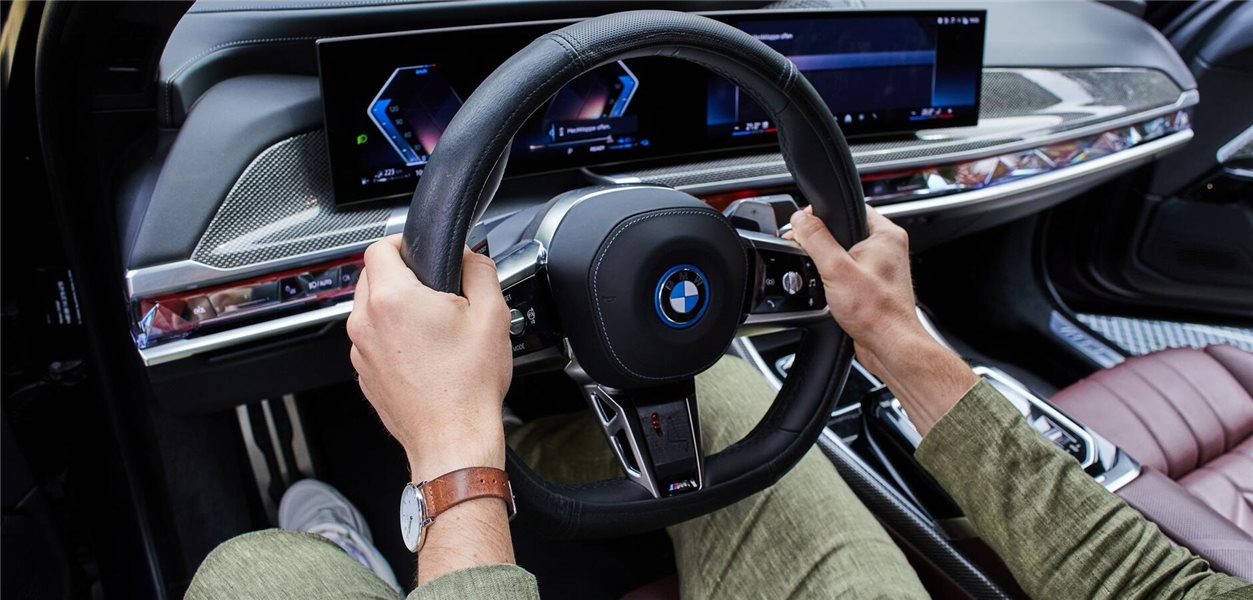
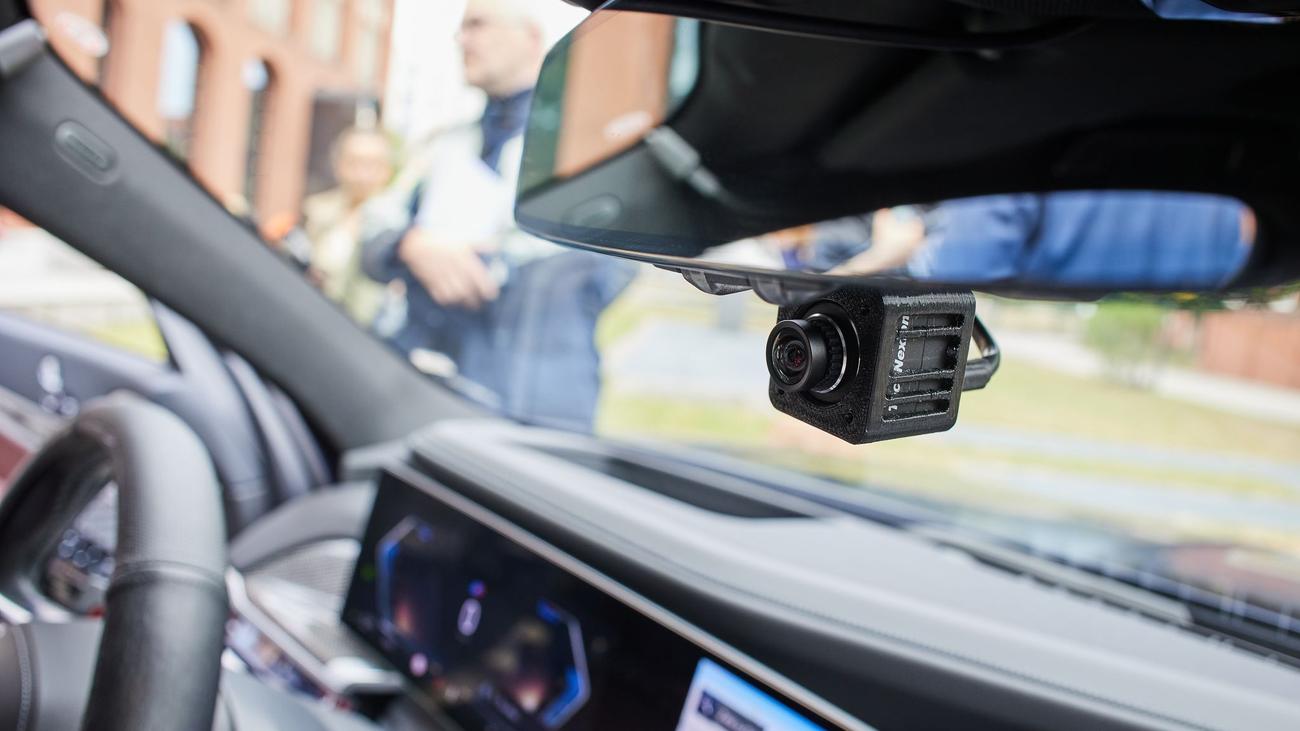
Researchers at Charité and BMW have launched a study using AI-equipped cars to monitor drivers’ health in real time, aiming to detect and warn of heart attacks or strokes. The system analyzes data from sensors and cameras, but is still in testing, with no incidents of harm reported yet.[AI generated]

Why's our monitor labelling this an incident or hazard?

The article explicitly mentions the use of artificial intelligence to process health data collected by various sensors in the car to predict critical health events like heart attacks or strokes. The AI system's use is intended to prevent harm by early detection and intervention, which directly relates to injury or harm prevention. However, since the project is in an early research phase with no reported incidents of harm or malfunction yet, and the article focuses on the potential and ongoing study rather than an actual harm event, this qualifies as an AI Hazard. The AI system's involvement could plausibly lead to preventing or causing harm in the future, but no harm has occurred yet.[AI generated]
AI principles
Privacy & data governanceRespect of human rightsSafetyRobustness & digital securityTransparency & explainabilityAccountabilityFairness

Industries
Mobility and autonomous vehiclesHealthcare, drugs, and biotechnologyRobots, sensors, and IT hardwareIT infrastructure and hosting

Harm types
Physical (injury)Physical (death)Human or fundamental rightsPsychologicalEconomic/PropertyReputational

Severity
AI hazard

Business function:
Research and developmentMonitoring and quality control

AI system task:
Event/anomaly detectionRecognition/object detection


Articles about this incident or hazard

Thumbnail Image

Neue Studie: Wie ein Auto einen Schlaganfall erkennen soll - WELT

2025-06-27
DIE WELT
Why's our monitor labelling this an incident or hazard?
An AI system is explicitly involved in analyzing health data collected by the car's sensors to predict medical emergencies. However, the article describes a research project and the intended capabilities of the system, with no indication that any harm or incident has occurred yet. The event presents a plausible future risk mitigation application rather than harm or hazard. Therefore, it is best classified as Complementary Information, as it provides context on AI development and potential health applications without reporting any realized or potential harm.
Thumbnail Image

Forschung: Neue Studie: Wie ein Auto einen Schlaganfall erkennen soll

2025-06-27
ZEIT ONLINE
Why's our monitor labelling this an incident or hazard?
The article explicitly mentions the use of artificial intelligence to process health data collected by various sensors in the car to predict critical health events like heart attacks or strokes. The AI system's use is intended to prevent harm by early detection and intervention, which directly relates to injury or harm prevention. However, since the project is in an early research phase with no reported incidents of harm or malfunction yet, and the article focuses on the potential and ongoing study rather than an actual harm event, this qualifies as an AI Hazard. The AI system's involvement could plausibly lead to preventing or causing harm in the future, but no harm has occurred yet.
Thumbnail Image

Neue Studie: Wie ein Auto einen Schlaganfall erkennen soll

2025-06-27
stern.de
Why's our monitor labelling this an incident or hazard?
The event involves the use of an AI system (inferred from the health monitoring and prediction capabilities) in the development and use phases. However, there is no indication that any harm has occurred or that the system has malfunctioned. The article focuses on the potential capabilities and ongoing research rather than realized harm or risks. Therefore, it does not meet the criteria for an AI Incident or AI Hazard. It is best classified as Complementary Information, providing context and updates on AI applications in health monitoring within vehicles.
Thumbnail Image

Wie Autos Leben retten sollen

2025-06-27
rnd.de
Why's our monitor labelling this an incident or hazard?
The event involves the use of an AI system (AI-based vehicle sensor system for health monitoring) in development and testing. However, no actual harm or incident has occurred; the system is designed to prevent harm in the future. Therefore, this qualifies as an AI Hazard because the AI system could plausibly lead to an AI Incident by preventing or responding to health emergencies, but no harm has yet materialized. It is not Complementary Information because the article focuses on the new AI system and its potential impact rather than updates on past incidents or governance responses.
Thumbnail Image

Neue Studie: Wie ein Auto einen Schlaganfall erkennen soll

2025-06-27
AerzteZeitung.de
Why's our monitor labelling this an incident or hazard?
The article explicitly mentions the use of artificial intelligence to analyze health data collected by sensors in a car to predict critical health events. While no harm has occurred yet, the AI system's use in health monitoring during driving could plausibly lead to prevention of injury or harm to persons, or in a failure scenario, could lead to harm if the system malfunctions or fails to detect an emergency. Since the study is ongoing and no incident has occurred, this qualifies as an AI Hazard due to the plausible future harm the AI system could prevent or cause.