Tesla Robotaxi's First Collision Highlights Autonomous Driving Safety Concerns

Thumbnail Image

The information displayed in the AIM should not be reported as representing the official views of the OECD or of its member countries.

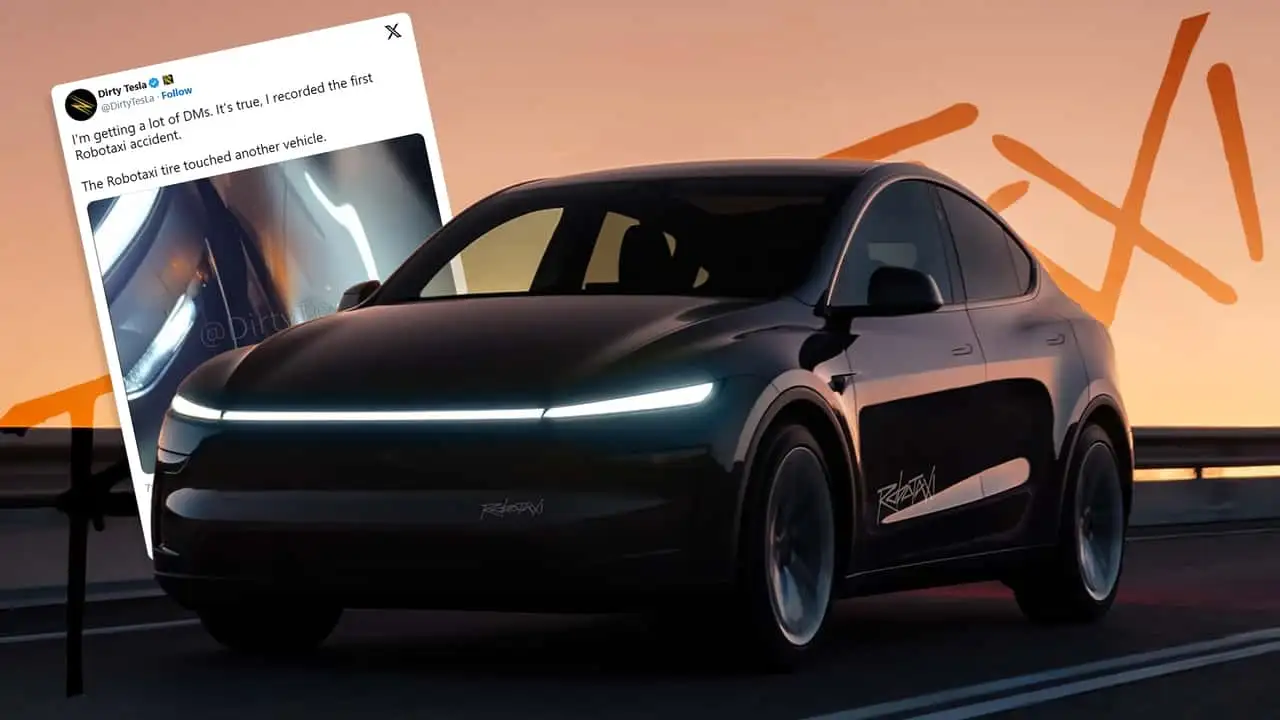
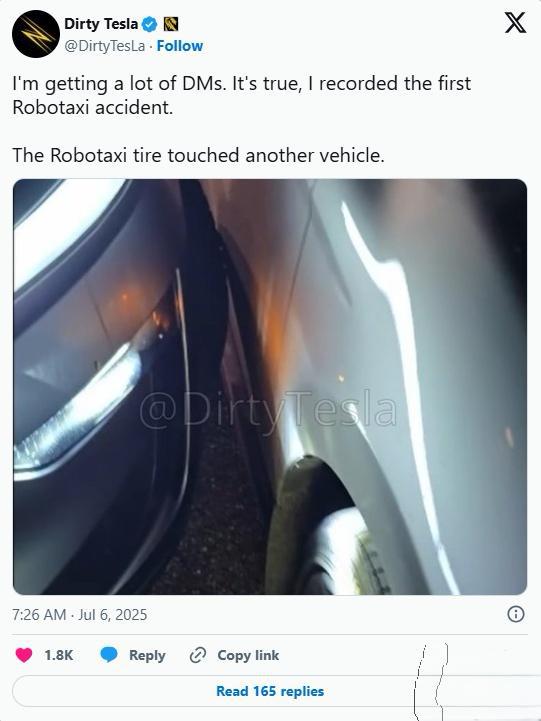
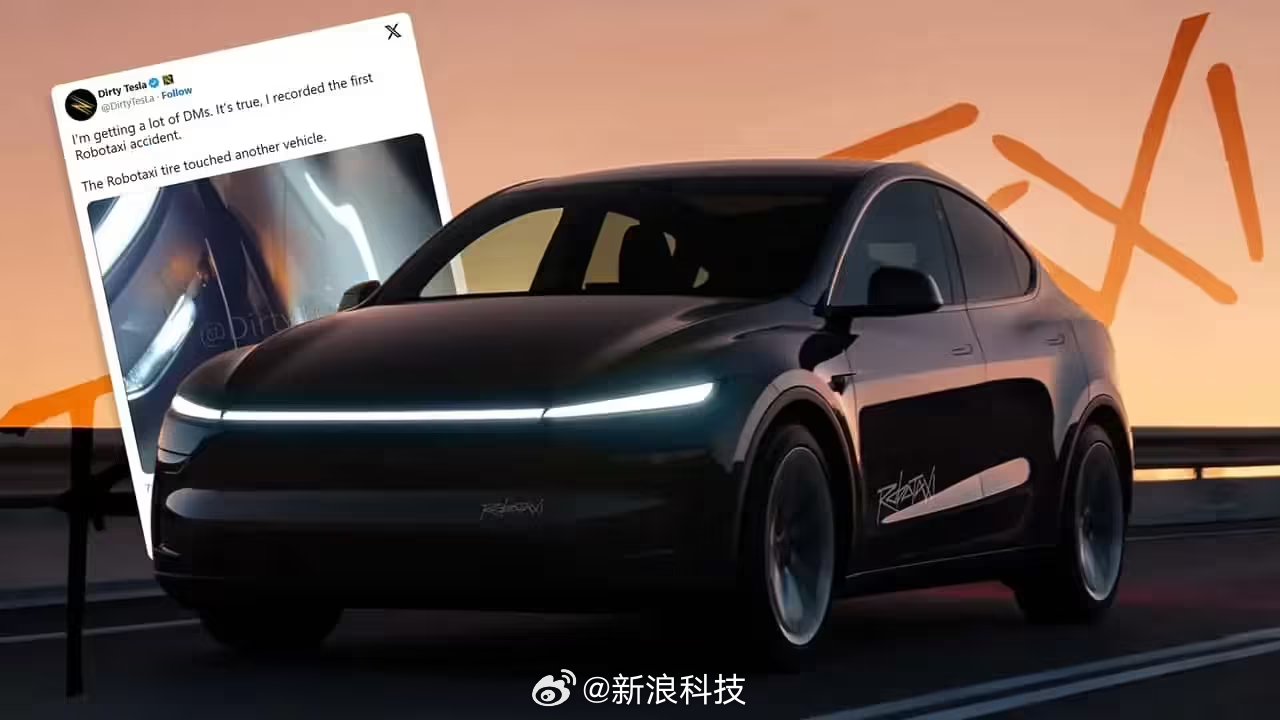
Tesla's autonomous Robotaxi experienced its first recorded collision during trial operations in Austin, Texas, when the AI-driven vehicle unexpectedly steered into a parked Toyota Camry, causing minor damage. The incident, captured on video, exposes limitations in Tesla's pure vision AI system and raises renewed concerns about the safety and reliability of autonomous driving technology.[AI generated]

Why's our monitor labelling this an incident or hazard?

The event explicitly involves an AI system (Tesla's autonomous driving Robotaxi) whose malfunction during use directly led to a collision causing minor property damage. This fits the definition of an AI Incident because the AI system's malfunction caused harm (even if minor) to property. The incident is not merely a potential hazard or complementary information but a realized harm event involving AI.[AI generated]
AI principles
SafetyRobustness & digital securityAccountabilityTransparency & explainability

Industries
Mobility and autonomous vehicles

Affected stakeholders
Consumers

Harm types
Economic/PropertyReputational

Severity
AI incident

Business function:
Other

AI system task:
Recognition/object detectionForecasting/predictionGoal-driven organisation


Articles about this incident or hazard

Thumbnail Image

特斯拉Robotaxi试运营期间发生碰撞事件

2025-07-08
中关村在线
Why's our monitor labelling this an incident or hazard?
The event explicitly involves an AI system (Tesla's autonomous driving Robotaxi) whose malfunction during use directly led to a collision causing minor property damage. This fits the definition of an AI Incident because the AI system's malfunction caused harm (even if minor) to property. The incident is not merely a potential hazard or complementary information but a realized harm event involving AI.
Thumbnail Image

特斯拉自动驾驶出租车首撞来了:突然撞向一辆丰田

2025-07-07
驱动之家
Why's our monitor labelling this an incident or hazard?
The Tesla Robotaxi is an AI system employing autonomous driving capabilities based on a pure vision system. The incident directly resulted from the AI system's malfunction or failure to detect the parked vehicle, causing a collision. This constitutes harm to property, fulfilling the criteria for an AI Incident. Although the damage was minor, the AI system's role in causing the collision is clear and direct.
Thumbnail Image

2025-07-08
中华网军事频道
Why's our monitor labelling this an incident or hazard?
The event involves an AI system (Tesla's pure vision autonomous driving system) whose malfunction directly caused a collision, constituting harm to property and potential harm to passengers and others. The AI system's failure to correctly perceive and respond to the environment led to the incident, fulfilling the criteria for an AI Incident. The harm is realized (collision occurred), and the AI system's role is pivotal. Therefore, this event qualifies as an AI Incident.
Thumbnail Image

特斯拉自动驾驶安全性遭质疑 Robotaxi事故频发

2025-07-06
中华网科技公司
Why's our monitor labelling this an incident or hazard?
The incidents described involve AI systems controlling autonomous vehicles that have directly caused collisions or unsafe maneuvers, constituting harm or risk to passenger safety and property. The AI systems' malfunction or imperfect performance is a contributing factor to these accidents, fulfilling the criteria for an AI Incident due to realized harm (even if minor) and safety concerns. The article focuses on actual events where AI use led to harm, not just potential risks or general commentary, so it qualifies as an AI Incident rather than a hazard or complementary information.
Thumbnail Image

特斯拉Robotaxi又出事!試營運驚傳碰撞事故 | 鉅亨網 - 美股雷達

2025-07-08
Anue鉅亨
Why's our monitor labelling this an incident or hazard?
The Tesla Robotaxi is an AI system as it autonomously navigates and makes driving decisions based on AI vision technology. The collision incident is a direct result of the AI system's malfunction or failure to detect obstacles properly, causing harm to property (the parked car). This fits the definition of an AI Incident because the AI system's use and malfunction directly led to harm, even if minor, and raised safety concerns. Therefore, this event qualifies as an AI Incident rather than a hazard or complementary information.
Thumbnail Image

特斯拉自动驾驶出租车首撞来了:突然撞向一辆丰田

2025-07-07
证券之星
Why's our monitor labelling this an incident or hazard?
The event involves an AI system explicitly described as Tesla's autonomous driving Robotaxi, which malfunctioned by unexpectedly steering into another vehicle. This malfunction directly caused physical harm to property, fulfilling the criteria for an AI Incident. The incident is not merely a potential hazard or complementary information but a realized harm caused by the AI system's failure. Therefore, it qualifies as an AI Incident.
Thumbnail Image

特斯拉Robotaxi首撞:纯视觉路线安全性遭质疑

2025-07-08
环球网
Why's our monitor labelling this an incident or hazard?
The Tesla Robotaxi is an AI system employing autonomous driving technology based on pure vision and neural networks. The collision event was directly caused by the AI system's erroneous perception and control decisions, leading to a physical collision with another vehicle. The incident caused harm to property (vehicle damage) and posed potential risk to passenger safety, fulfilling the criteria for an AI Incident. The article also references other hazardous behaviors linked to the AI system, reinforcing the classification. The AI system's malfunction is the direct cause of the harm, not merely a potential risk, so this is not an AI Hazard or Complementary Information.
Thumbnail Image

特斯拉自动驾驶出租车 Robotaxi 首撞:意外擦碰停放车辆

2025-07-07
新浪财经
Why's our monitor labelling this an incident or hazard?
The event explicitly involves an AI system (Tesla's autonomous driving system) whose malfunction directly caused a collision, resulting in harm to property. Although the damage was minor and no injuries were reported, the AI system's failure to detect or avoid the parked car led to the incident. This fits the definition of an AI Incident because the AI system's use and malfunction directly led to harm (property damage).
Thumbnail Image

特斯拉Robotaxi首撞:低速擦碰停放车辆

2025-07-08
k.sina.com.cn
Why's our monitor labelling this an incident or hazard?
The Tesla Robotaxi is an AI system designed for autonomous driving. The incident involved the vehicle unexpectedly turning and lightly scraping a parked car, which constitutes harm to property. The AI system's malfunction or unintended behavior directly led to this harm. Therefore, this qualifies as an AI Incident under the definition of harm to property caused by the use or malfunction of an AI system.
Thumbnail Image

特斯拉 Robotaxi 迎来首撞;谷歌 AI 制药即将进行首次人体试验;香港目标今年内发出稳定币牌照_手机网易网

2025-07-08
m.163.com
Why's our monitor labelling this an incident or hazard?
The Tesla Robotaxi is an AI system (autonomous driving with full self-driving capabilities). The reported collision, even though minor, is a direct result of the AI system's malfunction (unexpected steering into a parked car). This meets the definition of an AI Incident as it caused harm to property. The Google AI drug trial is a significant AI development but does not yet involve harm or plausible harm, so it is not an incident or hazard. Other news items are unrelated or general AI ecosystem updates without direct or plausible harm. Hence, the overall classification is AI Incident based on the Tesla Robotaxi collision.
Thumbnail Image

特斯拉Robotaxi试运营首现碰撞事故

2025-07-08
ebike.zol.com.cn
Why's our monitor labelling this an incident or hazard?
The Tesla Robotaxi is an AI system performing autonomous driving tasks. The incident occurred due to the AI system's malfunction in perceiving the environment and preventing a collision, which directly caused physical harm to property (the parked Toyota Camry). This fits the definition of an AI Incident as the AI system's malfunction directly led to harm to property. The event is not merely a potential risk but a realized harm, so it is not an AI Hazard. It is not complementary information or unrelated because the core focus is the collision caused by the AI system's failure.
Thumbnail Image

特斯拉Robotaxi首撞,静止状态下擦碰停放车辆

2025-07-08
k.sina.com.cn
Why's our monitor labelling this an incident or hazard?
The event explicitly involves an AI system—the Tesla Robotaxi's full self-driving (FSD) system operating in pure vision mode. The AI system malfunctioned by unexpectedly steering the vehicle into a parked car, causing a collision. Although the damage was minor and no physical injury was reported, the harm to property is clear. This meets the definition of an AI Incident because the AI system's malfunction directly led to harm to property. The incident also highlights potential safety issues with the AI system's design choices (removal of ultrasonic sensors), but since harm has already occurred, it is classified as an AI Incident rather than a hazard or complementary information.
Thumbnail Image

美媒:马斯克Robotaxi面临重大责任风险 恐成特斯拉噩梦 - cnBeta.COM 移动版

2025-07-09
cnBeta.COM
Why's our monitor labelling this an incident or hazard?
The article explicitly involves an AI system—Tesla's autonomous driving software used in Robotaxi operations. It reports a concrete incident where the AI-controlled vehicle caused a minor collision, which is a harm to property. It also discusses the broader legal liability risks and potential for more serious accidents involving injury or death, which are harms to persons. The AI system's use and potential malfunction are central to the event and its consequences. The discussion of liability, insurance, and regulatory challenges further confirms the direct link between AI use and harm. Hence, this is an AI Incident rather than a hazard or complementary information, as harm has already occurred and the AI system's role is pivotal.
Thumbnail Image

特斯拉无人出租上线两周就撞了,起步剐蹭路边车辆,纯视觉方案受争议-36氪

2025-07-09
36氪:关注互联网创业
Why's our monitor labelling this an incident or hazard?
The event involves an AI system (Tesla's Robotaxi autonomous driving system) that directly caused harm by lightly damaging a parked vehicle. The harm is materialized (property damage), and the AI system's malfunction or limitations (pure vision perception failure) are the direct cause. Although no injuries occurred, the property damage and the safety concerns raised meet the criteria for an AI Incident. The event is not merely a potential risk or a complementary update but a realized incident involving AI system malfunction leading to harm.
Thumbnail Image

停车后又转向,然后撞车,特斯拉自动驾驶出租事故被拍下!纯视觉再遭拷问

2025-07-09
凤凰网(凤凰新媒体)
Why's our monitor labelling this an incident or hazard?
The event explicitly involves an AI system—Tesla's full self-driving (FSD) system using AI and machine learning for perception and control. The collision occurred due to the AI system's failure to correctly detect and respond to a nearby obstacle in a low-light, confined parking environment, leading to a physical collision (harm to property). The harm is realized, not just potential, and the incident has triggered regulatory investigation. The AI system's malfunction directly led to the harm, fulfilling the criteria for an AI Incident. The article also discusses broader safety concerns and technical limitations of the AI system, but the primary classification is AI Incident due to the actual collision event.
Thumbnail Image

特斯拉无人出租上线两周就撞了!起步剐蹭路边车辆,纯视觉方案受争议

2025-07-09
k.sina.com.cn
Why's our monitor labelling this an incident or hazard?
The Tesla Robotaxi is an AI system performing autonomous driving tasks. The collision with a parked vehicle, even if minor and without injuries, constitutes harm to property. The incident is directly caused by the AI system's malfunction or limitation in perception (pure vision system failing to detect the parked car), which led to the collision. The presence of a safety driver does not negate the AI system's role in causing the incident. The article also mentions regulatory scrutiny and other operational issues, reinforcing that the AI system's use has resulted in realized harm. Hence, this event meets the criteria for an AI Incident rather than a hazard or complementary information.
Thumbnail Image

停车后自动转向!特斯拉Robotaxi发生首起碰撞事故,监管部门启动调查,"纯视觉"技术受质疑

2025-07-09
k.sina.com.cn
Why's our monitor labelling this an incident or hazard?
The Tesla Robotaxi is an AI system employing autonomous driving technology based on camera vision and data training. The described event is a malfunction during use, where the vehicle unexpectedly accelerated and turned without control, resulting in a collision. This directly caused harm to property, fulfilling the criteria for an AI Incident. The involvement of AI is explicit, and the harm is realized, not just potential. Therefore, this event qualifies as an AI Incident.
Thumbnail Image

停车后自动转向!特斯拉Robotaxi发生首起碰撞事故,监管部门启动调查,"纯视觉"技术受质疑_手机网易网

2025-07-09
m.163.com
Why's our monitor labelling this an incident or hazard?
The event involves an AI system explicitly: Tesla's autonomous driving system using AI and camera-based perception. The incident stems from the AI system's malfunction during use, causing the vehicle to move uncontrollably and collide with another vehicle. This directly led to harm to property (vehicle damage) and posed potential risk to passenger safety. The involvement of AI is central and pivotal to the incident, as the autonomous driving system's failure caused the collision. The regulatory investigation further confirms the seriousness of the AI system's role. Therefore, this event meets the criteria for an AI Incident rather than a hazard or complementary information.
Thumbnail Image

马斯克宣布特斯拉Robotaxi将扩展到旧金山 | robotaxi | 湾区 | 德州 | 大纪元

2025-07-10
The Epoch Times
Why's our monitor labelling this an incident or hazard?
The event involves the use and development of an AI system (autonomous driving Robotaxi service). However, there is no indication that any harm has occurred or that an incident has taken place. The article discusses future plans and regulatory approvals, which implies potential future risks but does not describe any realized harm or direct threat. Therefore, this is best classified as Complementary Information, providing context on AI deployment and regulatory environment without reporting an incident or hazard.
Thumbnail Image

停车后自动转向,特斯拉Robotaxi发生首起碰撞事故!马斯克最新发声,特斯拉股价大涨 2025-07-11 01:39

2025-07-10
每日经济新闻
Why's our monitor labelling this an incident or hazard?
The Tesla Robotaxi is an AI system providing autonomous driving services. The reported collision, caused by the vehicle's autonomous control system unexpectedly accelerating and steering into another vehicle, constitutes a malfunction leading to property damage (harm to property). The incident occurred during active use of the AI system and is documented with video evidence. Additional unsafe behaviors and system errors further demonstrate risks associated with the AI system's operation. Regulatory scrutiny confirms the seriousness of the incident. Therefore, this event meets the definition of an AI Incident due to direct harm caused by the AI system's malfunction during use.
Thumbnail Image

小马智行、哈啰等企业大动作!自动驾驶出租车有新进展→

2025-07-10
新浪财经
Why's our monitor labelling this an incident or hazard?
The article clearly involves AI systems, specifically L4 autonomous driving AI used in Robotaxi services. However, it does not report any actual harm, injury, rights violations, or disruptions caused by these AI systems. Nor does it describe any near-miss events or credible risks that have materialized as incidents. The content is primarily about ongoing development, strategic partnerships, market forecasts, and regulatory environment, which fits the definition of Complementary Information. There is no direct or indirect harm reported, nor a plausible immediate hazard event. Therefore, the classification is Complementary Information.
Thumbnail Image

特斯拉撞了不影响!李彦宏调头:萝卜快跑要全面纯视觉

2025-07-10
驱动之家
Why's our monitor labelling this an incident or hazard?
The Tesla Robotaxi is an AI system performing autonomous driving tasks. The collision incident is a direct consequence of the AI system's malfunction (unexpected acceleration and steering), leading to property damage (scraping a parked car). This fits the definition of an AI Incident as the AI system's malfunction directly caused harm to property. The investigation by NHTSA further confirms the significance of the AI system's role. The article also mentions Baidu's strategic shift to pure vision AI for Robotaxi, which is complementary information providing context on AI development and responses but does not describe a new incident or hazard. Therefore, the overall classification is AI Incident.