AI Data Center Expansion in Texas Raises Power Grid Strain Concerns

Thumbnail Image

The information displayed in the AIM should not be reported as representing the official views of the OECD or of its member countries.

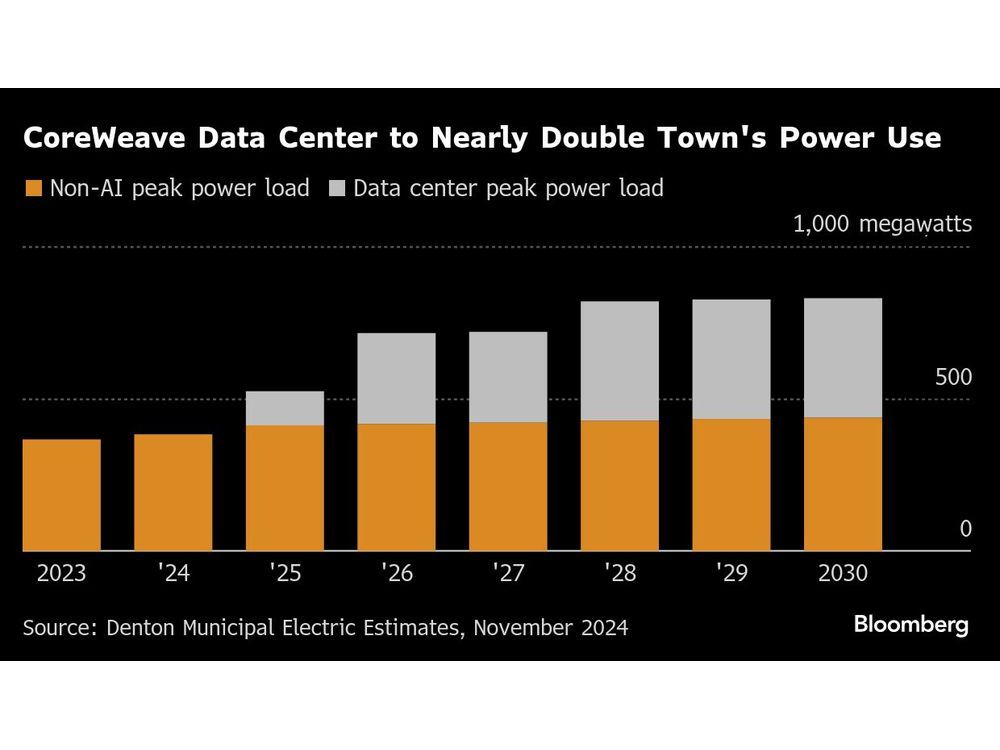
CoreWeave and OpenAI's new data center in Denton, Texas, is projected to double the city's electricity consumption, highlighting the significant strain AI workloads place on local power grids. Officials warn of potential risks to infrastructure and rising costs, though no actual harm has yet occurred.[AI generated]

Why's our monitor labelling this an incident or hazard?

The event involves the use of AI systems (AI workloads at the data center) that are causing increased power consumption, which indirectly leads to strain on critical infrastructure (the electricity grid). Although no direct harm such as outages or injuries is reported, the increased stress on the power grid represents a plausible risk to the management and operation of critical infrastructure. Therefore, this situation qualifies as an AI Hazard because the AI system's use could plausibly lead to an AI Incident involving disruption of critical infrastructure if the grid cannot handle the load or emergencies occur.[AI generated]
AI principles
SustainabilitySafetyAccountabilityTransparency & explainability

Industries
Energy, raw materials, and utilitiesIT infrastructure and hostingGovernment, security, and defenceEnvironmental services

Harm types
Economic/PropertyPublic interestEnvironmental

Severity
AI hazard

Business function:
ICT management and information securityResearch and development

AI system task:
Content generationInteraction support/chatbots


Articles about this incident or hazard

Thumbnail Image

CoreWeave Data Center to Double City's Power Needs as AI Strains US Supply

2025-07-14
Yahoo! Finance
Why's our monitor labelling this an incident or hazard?
The event involves the use of AI systems (AI workloads at the data center) that are causing increased power consumption, which indirectly leads to strain on critical infrastructure (the electricity grid). Although no direct harm such as outages or injuries is reported, the increased stress on the power grid represents a plausible risk to the management and operation of critical infrastructure. Therefore, this situation qualifies as an AI Hazard because the AI system's use could plausibly lead to an AI Incident involving disruption of critical infrastructure if the grid cannot handle the load or emergencies occur.
Thumbnail Image

OpenAI's New AI Hub in Texas Will Consume as Much Power as an Entire City

2025-07-14
PC Mag Middle East
Why's our monitor labelling this an incident or hazard?
The article explicitly involves an AI system (OpenAI's data center supporting ChatGPT and AI services) whose operation demands massive electricity and water resources. The increased load on the local power grid could plausibly lead to harm such as power outages, higher costs, and environmental stress. Additionally, there are concerns about health impacts on residents near such facilities. Since no actual harm has yet been reported but credible risks are identified, this fits the definition of an AI Hazard rather than an AI Incident. The event is not merely general AI news or a complementary update but a credible risk scenario linked to AI system operation.
Thumbnail Image

OpenAI's New AI Hub in Texas Will Consume as Much Power as an Entire City

2025-07-14
PC Magazine
Why's our monitor labelling this an incident or hazard?
The article explicitly mentions the AI data center's large power consumption and its potential to strain the local electricity grid, which is a significant societal and environmental concern. However, it does not report any realized harm such as injury, rights violations, or operational disruption caused by the AI system itself. Nor does it describe a credible, specific future harm directly linked to the AI system's development or use beyond general resource strain. The AI system's presence is clear (OpenAI's ChatGPT and API services), but the focus is on infrastructure and environmental impact, which fits the definition of Complementary Information as it provides supporting context about AI's broader impacts and challenges. There is no incident or hazard as defined by direct or plausible harm from the AI system's malfunction or use.
Thumbnail Image

CoreWeave Data Center to Double City's Power Needs as AI Strains US Supply

2025-07-14
Financial Post
Why's our monitor labelling this an incident or hazard?
While the data center's AI-related power consumption impacts the city's power infrastructure and costs, this is a broader economic and infrastructure issue rather than an AI Incident or Hazard. There is no direct or indirect harm caused by AI systems to people, infrastructure, rights, or environment described, nor a credible risk of such harm. The article provides contextual information about AI's impact on energy demand, which fits the definition of Complementary Information.
Thumbnail Image

CoreWeave Stock Soars Amid Data Center Expansion in Texas, Spotlighting AI's Power Strain

2025-07-14
Financial Buzz
Why's our monitor labelling this an incident or hazard?
The article explicitly links AI workloads to increased electricity consumption and strain on the power grid, highlighting potential risks to critical infrastructure management and energy sustainability. Although no actual harm or incident is reported, the plausible future harm from this increased demand and grid fragility fits the definition of an AI Hazard. There is no indication of realized harm or incident, so it is not an AI Incident. The article is not merely complementary information since it focuses on the potential risks and consequences of AI's power consumption rather than updates or responses to past events.