Amazon's AI Expansion Drives 6% Surge in Carbon Emissions in 2024

Thumbnail Image

The information displayed in the AIM should not be reported as representing the official views of the OECD or of its member countries.

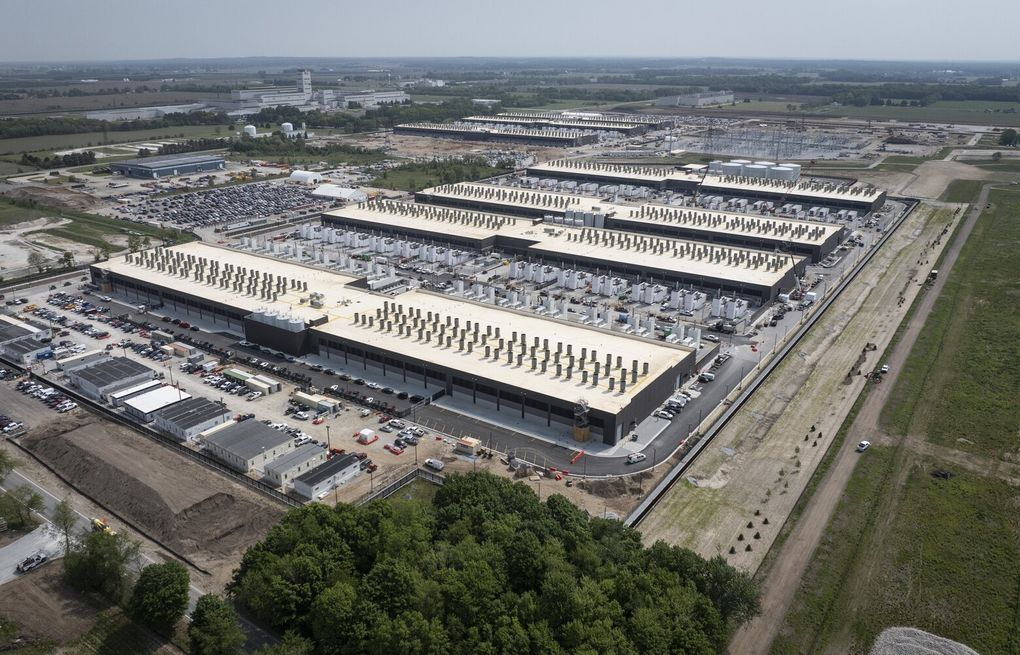
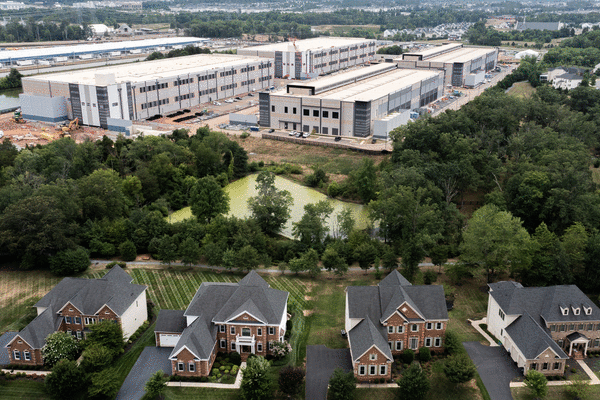
Amazon's carbon emissions rose 6% in 2024, reversing previous declines, primarily due to the rapid expansion of energy-intensive data centers supporting AI workloads. This environmental harm, directly linked to increased AI infrastructure, challenges Amazon's pledge to achieve net-zero emissions by 2040.[AI generated]

Why's our monitor labelling this an incident or hazard?

The article explicitly connects the growth of AI data centers to increased energy consumption and greenhouse gas emissions, which constitutes harm to the environment. Since the emissions increase is already occurring and is directly linked to AI system infrastructure expansion, this qualifies as an AI Incident under harm to the environment.[AI generated]
AI principles
SustainabilityAccountability

Industries
IT infrastructure and hostingEnergy, raw materials, and utilitiesEnvironmental services

Affected stakeholders
General public

Harm types
EnvironmentalReputational

Severity
AI incident

Business function:
Research and developmentICT management and information security

AI system task:
Other


Articles about this incident or hazard

Thumbnail Image

Amazon's greenhouse gas emissions are increasing.

2025-07-17
The Verge
Why's our monitor labelling this an incident or hazard?
The article explicitly connects the growth of AI data centers to increased energy consumption and greenhouse gas emissions, which constitutes harm to the environment. Since the emissions increase is already occurring and is directly linked to AI system infrastructure expansion, this qualifies as an AI Incident under harm to the environment.
Thumbnail Image

Amazon's AI push is undermining its sustainability goals

2025-07-17
engadget
Why's our monitor labelling this an incident or hazard?
The event involves the use of AI systems (AI chips powering data centers) whose operation has directly contributed to increased carbon emissions, a form of environmental harm. This meets the criteria for an AI Incident because the AI system's use has directly led to harm to the environment. The article reports realized harm (increased emissions) rather than just potential harm, so it is not an AI Hazard. It is not merely complementary information or unrelated because the AI system's role in causing harm is central to the report.
Thumbnail Image

Amazon's emissions increased 6% as the company builds more data centers to power AI

2025-07-18
Fast Company
Why's our monitor labelling this an incident or hazard?
The report explicitly connects higher electricity usage—and thus increased indirect carbon emissions—to the support of advanced AI technologies. This indicates that the development and use of AI systems are contributing to environmental harm through increased emissions. Since this is a realized harm to the environment caused by AI-related activities, it qualifies as an AI Incident under the definition of harm to the environment caused directly or indirectly by AI system use.
Thumbnail Image

Amazon's carbon emissions jump as AI push tests company's climate pledge

2025-07-17
The Seattle Times
Why's our monitor labelling this an incident or hazard?
The article explicitly links increased emissions to AI infrastructure growth, which involves AI systems, but the focus is on environmental impact and corporate sustainability reporting rather than a discrete harmful event or a credible future risk of harm caused by AI. The emissions increase is a known consequence of AI-related energy demand, but it is not framed as an incident causing direct harm or a hazard with plausible future harm beyond general environmental concerns. The article also includes responses from stakeholders and company efforts, fitting the definition of Complementary Information rather than an Incident or Hazard.
Thumbnail Image

Amazon's carbon emissions jump as AI push tests company's climate pledge

2025-07-17
ArcaMax
Why's our monitor labelling this an incident or hazard?
The article explicitly mentions AI's role in increasing energy demand and emissions, which relates to environmental harm. However, the harm is not directly caused by an AI system malfunction or misuse but is a consequence of increased AI infrastructure and operations. There is no specific incident of harm or a plausible immediate hazard described. The focus is on reporting emissions data and sustainability challenges, which fits the definition of Complementary Information as it provides context and updates on AI's broader impact without detailing a discrete incident or hazard.
Thumbnail Image

Amazon's emissions jump 6% in 2024 amid AI data center surge

2025-07-17
Cryptopolitan
Why's our monitor labelling this an incident or hazard?
The article explicitly links the growth of AI workloads and data centers to increased energy consumption and carbon emissions, which constitute harm to the environment. The AI system involvement is clear as the emissions rise is driven by AI infrastructure expansion. The harm is realized (increased emissions contributing to environmental harm), so this qualifies as an AI Incident under harm category (d) - harm to the environment. There is no indication that the harm is only potential or that this is a response or complementary information. Therefore, the event is best classified as an AI Incident.
Thumbnail Image

Amazon's Carbon Emissions Surge 6% in 2024 Amid AI Data Center Expansion

2025-07-17
WebProNews
Why's our monitor labelling this an incident or hazard?
The article explicitly links the rise in carbon emissions to the expansion of AI services and data centers supporting AI workloads, which are energy-intensive and rely on fossil fuel-based electricity grids. This environmental harm (increased carbon emissions) is directly caused by the use of AI systems (AI workloads and data centers). Therefore, this qualifies as an AI Incident under the definition of harm to communities or the environment caused directly or indirectly by AI system use.
Thumbnail Image

Amazon's carbon emissions jump as AI push tests company's climate pledge

2025-07-17
The Columbian
Why's our monitor labelling this an incident or hazard?
While Amazon's increased emissions are related to AI-driven data center expansion and delivery logistics, the article does not describe an AI system causing or potentially causing harm as defined by the framework. The emissions increase is an environmental concern but is not directly linked to AI system malfunction or misuse causing harm. Therefore, this is best classified as Complementary Information providing context on AI's environmental impact rather than an AI Incident or Hazard.
Thumbnail Image

Amazon's carbon emissions jump as AI push tests company's climate pledge

2025-07-17
Eagle-Tribune
Why's our monitor labelling this an incident or hazard?
The article describes a rise in Amazon's carbon emissions primarily due to increased data center construction and delivery fleet activity, which are linked to supporting AI operations. This environmental harm (increased pollution) is a direct consequence of AI system use and development, fitting the definition of harm to the environment caused by AI systems. Therefore, this event qualifies as an AI Incident due to realized environmental harm linked to AI-related activities.
Thumbnail Image

Amazon Carbon Emissions Rise Amid AI Expansion - News Directory 3

2025-07-18
News Directory 3
Why's our monitor labelling this an incident or hazard?
The article does not describe any realized harm caused directly or indirectly by an AI system, nor does it report any incident or event where AI use or malfunction has led to injury, rights violations, or other harms. Instead, it focuses on the broader environmental impact and the potential challenges Amazon faces in managing its carbon footprint amid AI expansion. This constitutes complementary information about the societal and environmental implications of AI development and the company's response strategies, rather than a specific AI Incident or AI Hazard.
Thumbnail Image

Amazon emissions ticked up in 2024 amid data center push

2025-07-18
The Hill
Why's our monitor labelling this an incident or hazard?
The event involves AI systems as Amazon is expanding its AI capabilities, which require substantial energy for data centers. The increased emissions represent an environmental impact related to AI development, but the article does not describe any realized harm such as injury, rights violations, or disruption caused by AI use or malfunction. The focus is on the broader environmental footprint and the company's response strategies, which aligns with providing complementary information about AI's societal and environmental implications rather than reporting an incident or hazard.