AI-Powered SEYYAH Visual Navigation System for Drones Unveiled in Turkey

Thumbnail Image

The information displayed in the AIM should not be reported as representing the official views of the OECD or of its member countries.

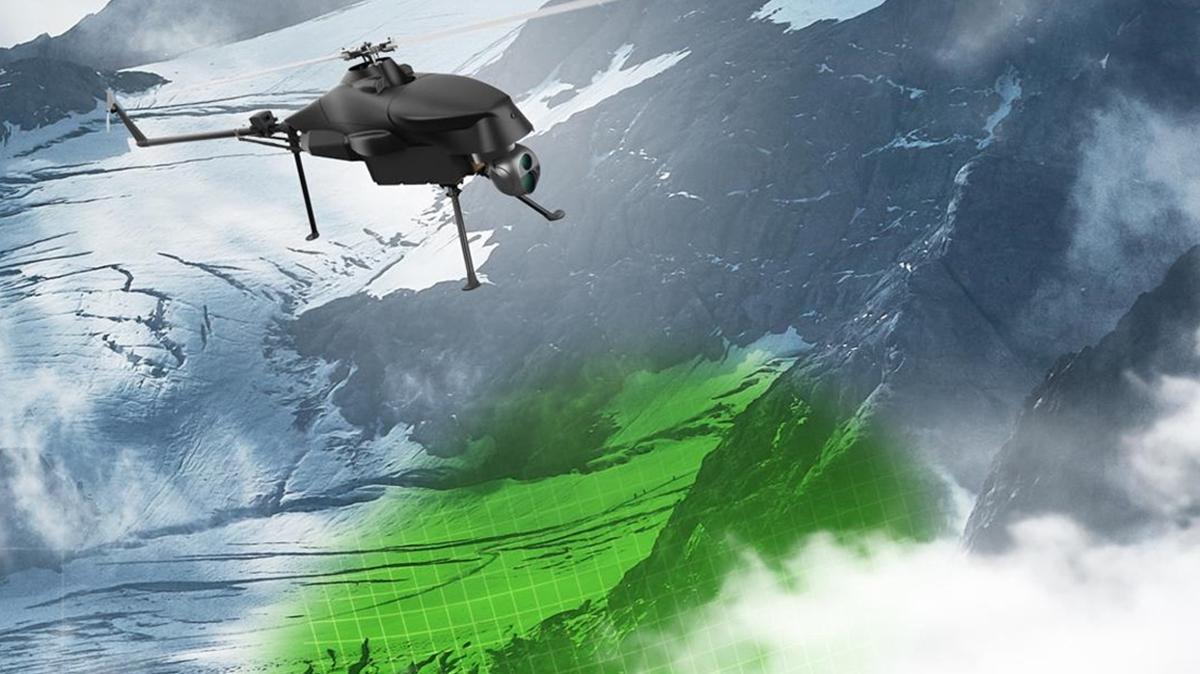
Titra Teknoloji has developed SEYYAH, an AI-based visual navigation system for drones, enabling autonomous flight in GPS-denied environments. While no harm has occurred, the system's military application and autonomous capabilities present potential future risks if misused or malfunctioning, making it a notable AI hazard.[AI generated]

Why's our monitor labelling this an incident or hazard?

The SEYYAH system is an AI system as it uses AI-based image processing for autonomous navigation. The article focuses on its development and intended use to support autonomous flight without GPS, especially in contested or jammed environments. No actual harm or incident is reported, so it is not an AI Incident. However, given the system's military application and autonomous capabilities, there is a credible risk that its malfunction or misuse could lead to harm (e.g., accidents, operational failures, or misuse in conflict). Thus, it fits the definition of an AI Hazard, as it could plausibly lead to an AI Incident in the future. The article does not primarily discuss responses, updates, or broader ecosystem context, so it is not Complementary Information. It is clearly related to an AI system, so it is not Unrelated.[AI generated]

AI principles
SafetyRobustness & digital securityAccountabilityTransparency & explainabilityDemocracy & human autonomy

Industries
Mobility and autonomous vehiclesGovernment, security, and defenceRobots, sensors, and IT hardware

Affected stakeholders
General public

Severity
AI hazard

Business function:
Research and development

AI system task:
Recognition/object detectionGoal-driven organisationReasoning with knowledge structures/planning


Articles about this incident or hazard

Thumbnail Image

Milli SEYYAH Görsel Seyrüsefer Sistemi Tanıtıldı

2025-07-21
Haberler
Why's our monitor labelling this an incident or hazard?
The SEYYAH system is an AI system as it uses AI-based image processing for autonomous navigation. The article focuses on its development and intended use to support autonomous flight without GPS, especially in contested or jammed environments. No actual harm or incident is reported, so it is not an AI Incident. However, given the system's military application and autonomous capabilities, there is a credible risk that its malfunction or misuse could lead to harm (e.g., accidents, operational failures, or misuse in conflict). Thus, it fits the definition of an AI Hazard, as it could plausibly lead to an AI Incident in the future. The article does not primarily discuss responses, updates, or broader ecosystem context, so it is not Complementary Information. It is clearly related to an AI system, so it is not Unrelated.
Thumbnail Image

İHA'lar yolunu SEYYAH ile bulacak

2025-07-21
Anadolu Ajansı
Why's our monitor labelling this an incident or hazard?
The SEYYAH system is an AI-enabled visual navigation system for UAVs that processes images with AI to provide navigation data in GPS-denied environments. This clearly involves an AI system. The article focuses on the system's development and its potential to improve UAV navigation and resilience against GPS jamming/spoofing, which are known operational hazards. No actual harm or incident is reported; rather, the system aims to reduce risks. Hence, this is not an AI Incident. It is not merely complementary information because the main focus is on the system's capabilities and potential impact, not on responses or ecosystem updates. Given the plausible future impact on UAV navigation safety and operational integrity, this event is best classified as an AI Hazard.
Thumbnail Image

Titra Teknoloji Görsel Seyrüsefer Sistemi olan SEYYAH'ı geliştirdi

2025-07-21
Cumhuriyet
Why's our monitor labelling this an incident or hazard?
The SEYYAH system involves AI components, such as image processing algorithms and autonomous navigation support, qualifying it as an AI system. However, the article focuses on the development and deployment of this system as a solution to existing GPS vulnerabilities rather than describing any realized harm or malfunction. There is no indication that the system has caused injury, disruption, rights violations, or other harms. Nor does the article suggest any imminent or plausible future harm stemming from the system's use. Therefore, the event does not meet the criteria for an AI Incident or AI Hazard. It is best classified as Complementary Information because it provides context on a significant AI-related technological development in defense, enhancing understanding of the AI ecosystem and its strategic implications without reporting harm or risk.
Thumbnail Image

Titra Teknolojiden yeni savunma sistemi: Görsel Seyrüsefer Sistemi

2025-07-21
Yeni Şafak
Why's our monitor labelling this an incident or hazard?
The article explicitly mentions the development of an AI-enabled visual navigation system for drones, which qualifies as an AI system. However, there is no indication that the system has caused or led to any harm, nor that it poses a credible risk of harm at this stage. The focus is on the technological advancement and its potential military applications, not on any incident or hazard. Hence, it does not meet the criteria for AI Incident or AI Hazard. Instead, it enriches understanding of AI developments in defense technology, fitting the definition of Complementary Information.
Thumbnail Image

İHA'lar kuşlar gibi görerek uçacak! Dünyaya parmak ısırtan yerli teknoloji

2025-07-21
Ak�am
Why's our monitor labelling this an incident or hazard?
The SEYYAH system is an AI system that processes visual data to provide navigation information to drones autonomously, especially in GPS-denied environments. The article focuses on the system's capabilities and deployment plans without describing any actual harm or incidents resulting from its use. Given the military context and the system's potential to enable autonomous drone operations, there is a credible risk that misuse or malfunction could lead to harms such as injury, disruption, or other significant consequences. Since no harm has yet materialized, but plausible future harm exists, the event fits the definition of an AI Hazard rather than an AI Incident or Complementary Information.
Thumbnail Image

İHA'lar kuşlar gibi görerek uçacak

2025-07-22
Ak�am
Why's our monitor labelling this an incident or hazard?
The event involves an AI system explicitly described as processing visual data with AI to enable drone navigation without GPS, which is a clear AI system involvement. The article does not report any actual harm or incident caused by the system but highlights its potential to operate in GPS-denied environments, which could plausibly lead to incidents if the system malfunctions or is misused. Given the military and critical infrastructure context, the potential for harm is credible. Hence, the event is best classified as an AI Hazard rather than an Incident or Complementary Information.
Thumbnail Image

Savunmada dengeleri değiştirecek 3 yeni sistem: İnsansız helikopter ALPİN-2 silah kuşanacak | Savunma Sanayi Haberleri

2025-07-24
Yeni Şafak
Why's our monitor labelling this an incident or hazard?
The event involves the development and unveiling of AI-enabled unmanned aerial systems with potential military applications, including armed drones. While no harm has occurred yet, the nature of these systems and their capabilities plausibly could lead to AI incidents involving injury, disruption, or other harms if deployed or misused. Therefore, this qualifies as an AI Hazard due to the credible risk posed by the development and potential future use of armed AI-enabled drones. There is no indication of realized harm or incident, so it is not an AI Incident. It is more than just complementary information because the focus is on the systems' capabilities and potential impact, not on responses or ecosystem updates.