AI Algorithms Amplify Extreme Weather Misinformation, Endangering Lives

Thumbnail Image

The information displayed in the AIM should not be reported as representing the official views of the OECD or of its member countries.

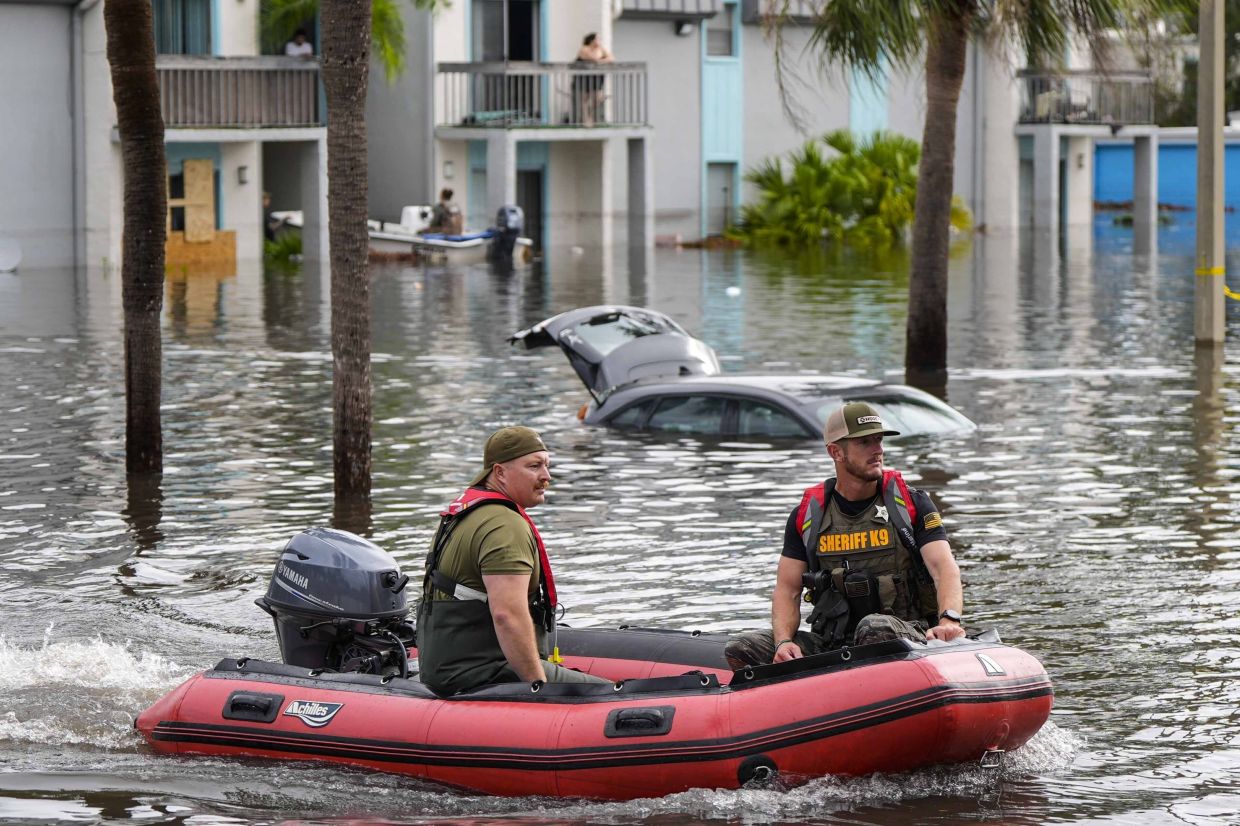
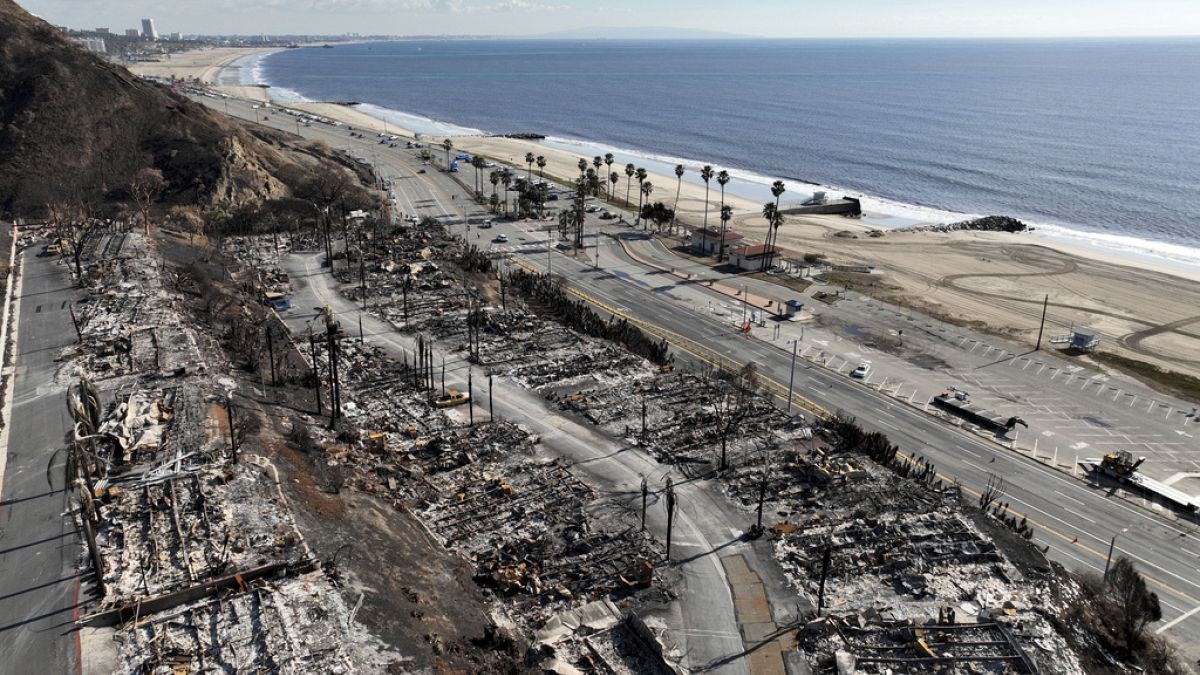
A report by the Center for Countering Digital Hate found that AI-driven algorithms on major social media platforms amplified extreme weather misinformation during disasters, sidelining life-saving information and impeding emergency responses. The lack of effective fact-checking contributed to real-world harm, putting lives at risk.[AI generated]

Why's our monitor labelling this an incident or hazard?

The event involves AI systems in the form of social media content recommendation algorithms that amplify conspiracy theories and misinformation during extreme weather disasters. This amplification has directly led to harm by drowning out emergency response information, enabling scams, and causing real-world threats to individuals. The harm to communities and health is clear and ongoing, and the AI systems' role in amplifying harmful content is pivotal. Therefore, this qualifies as an AI Incident rather than a hazard or complementary information.[AI generated]
AI principles
SafetyRobustness & digital securityTransparency & explainabilityAccountabilityDemocracy & human autonomy

Industries
Media, social platforms, and marketing

Affected stakeholders
General publicGovernment

Harm types
Physical (injury)Public interest

Severity
AI incident

Business function:
Marketing and advertisement

AI system task:
Organisation/recommenders


Articles about this incident or hazard

Thumbnail Image

Extreme weather misinformation 'putting lives at risk,' study warns - Health - Life & Style

2025-07-22
جريدة الأهرام
Why's our monitor labelling this an incident or hazard?
The event involves AI systems in the form of social media content recommendation algorithms that amplify conspiracy theories and misinformation during extreme weather disasters. This amplification has directly led to harm by drowning out emergency response information, enabling scams, and causing real-world threats to individuals. The harm to communities and health is clear and ongoing, and the AI systems' role in amplifying harmful content is pivotal. Therefore, this qualifies as an AI Incident rather than a hazard or complementary information.
Thumbnail Image

Extreme weather misinfo 'putting lives at risk'

2025-07-23
The Express Tribune
Why's our monitor labelling this an incident or hazard?
The social media platforms use AI algorithms to curate and amplify content. The report highlights that these AI-driven recommendation systems amplify conspiracy theories and misinformation about extreme weather events, which has directly led to harm by endangering lives and obstructing emergency responses. The misinformation also facilitates scams that exploit victims, causing further harm. Therefore, the AI systems' use and malfunction (inadequate moderation and amplification of harmful content) have directly led to significant harm to communities and individuals, fitting the definition of an AI Incident.
Thumbnail Image

Extreme weather misinformation 'putting lives at risk,' study warns

2025-07-23
The Star
Why's our monitor labelling this an incident or hazard?
The article explicitly discusses how social media platforms' algorithms (which can be reasonably inferred as AI systems due to their role in content recommendation and amplification) are amplifying misinformation about extreme weather events. This misinformation is causing harm by endangering lives, impeding emergency responses, and enabling scams that steal victims' personal information. The harm to communities and individuals is direct and materialized, fulfilling the criteria for an AI Incident. The AI systems' use (algorithmic amplification) is a contributing factor to the harm, not merely a potential risk or background context. Hence, the event is classified as an AI Incident.
Thumbnail Image

Extreme weather misinformation 'putting lives at risk' study warns

2025-07-23
NZ Herald
Why's our monitor labelling this an incident or hazard?
The event involves AI systems insofar as social media platforms use AI-driven algorithms to amplify content, including misinformation. The misinformation spread has directly led to harm to communities and individuals, such as victims being scammed and individuals receiving death threats. Therefore, this qualifies as an AI Incident because the AI systems' role in content amplification and moderation failures has directly contributed to harm.
Thumbnail Image

Extreme weather misinformation 'putting lives at risk,' study warns

2025-07-22
eNCAnews
Why's our monitor labelling this an incident or hazard?
The social media platforms use AI systems (algorithms) to curate and amplify content. The report highlights that these AI-driven algorithms amplify conspiracy theories and misinformation about extreme weather events, which directly harms communities by endangering lives and obstructing emergency responses. The presence of scams exploiting this misinformation further confirms realized harm. Therefore, this event meets the definition of an AI Incident due to the direct link between AI system use and harm to communities and individuals.
Thumbnail Image

Extreme weather misinformation 'putting lives at risk' study warns

2025-07-23
NewstalkZB
Why's our monitor labelling this an incident or hazard?
The article explicitly discusses how social media platforms' algorithms (which can be reasonably inferred as AI systems due to their role in content recommendation and amplification) are amplifying false and misleading information about extreme weather events. This misinformation is causing harm to communities by endangering lives, impeding emergency responses, and enabling scams. The harm is realized and ongoing, meeting the criteria for an AI Incident. The AI systems' use (content recommendation algorithms) is directly linked to the harm, fulfilling the definition of an AI Incident.
Thumbnail Image

Extreme weather misinformation 'putting lives at risk,' study warns

2025-07-22
KTBS
Why's our monitor labelling this an incident or hazard?
The event involves AI systems in the form of social media content recommendation algorithms that amplify harmful misinformation. The misinformation has directly led to harm by endangering lives and impeding emergency responses, fulfilling the criteria for an AI Incident under harm to communities and health. The AI's role is pivotal as the algorithms' amplification of conspiracy theories and falsehoods is central to the harm described. Therefore, this qualifies as an AI Incident rather than a hazard or complementary information.
Thumbnail Image

Extreme weather misinformation 'putting lives at risk,' study warns | FOX 28 Spokane

2025-07-22
FOX 28 Spokane
Why's our monitor labelling this an incident or hazard?
The event involves AI systems in the form of social media content recommendation algorithms that amplify harmful misinformation. The misinformation has directly led to harm by endangering lives during extreme weather events and impeding emergency responses, fulfilling the criteria for an AI Incident. The harm includes misinformation-induced risks to health and safety, as well as harm to communities through the spread of falsehoods and scams. Therefore, this qualifies as an AI Incident rather than a hazard or complementary information.
Thumbnail Image

Extreme weather misinformation 'putting lives at risk,' study warns

2025-07-22
Terra Daily
Why's our monitor labelling this an incident or hazard?
The event involves AI systems in the form of social media platform algorithms that recommend and amplify content. These AI systems' use has indirectly led to harm by spreading misinformation that interferes with emergency responses and puts lives at risk, fulfilling the criteria for harm to communities and persons. The harm is realized, not just potential, as evidenced by death threats and the drowning out of life-saving information. Therefore, this qualifies as an AI Incident.
Thumbnail Image

Study: Social media boosts climate conspiracies over emergency alerts

2025-07-24
Euronews English
Why's our monitor labelling this an incident or hazard?
The event involves AI systems in the form of social media content recommendation and amplification algorithms that have directly contributed to the spread of harmful misinformation during extreme weather events. This misinformation has impeded emergency response and endangered public safety, constituting harm to communities. The AI systems' role is pivotal as their algorithmic boosting of conspiracy content over life-saving alerts is central to the harm described. Therefore, this qualifies as an AI Incident due to the realized harm caused by the AI systems' use in spreading disinformation during emergencies.
Thumbnail Image

Extreme weather misinformation putting lives at risk - study

2025-07-23
The Manila times
Why's our monitor labelling this an incident or hazard?
The article explicitly discusses how social media platforms' algorithms (which can be reasonably inferred as AI systems due to their role in content recommendation and amplification) are amplifying conspiracy theories and misinformation about extreme weather events. This misinformation is causing harm by endangering lives, impeding emergency responses, and enabling scams that steal victims' personal information. The harm is direct and significant, fulfilling the criteria for an AI Incident. The AI systems' use in content curation and amplification is pivotal to the harm described.
Thumbnail Image

Extreme weather misinformation 'putting lives at risk,' study warns | THE DAILY TRIBUNE | KINGDOM OF BAHRAIN

2025-07-23
DT News
Why's our monitor labelling this an incident or hazard?
The article explicitly discusses how social media platforms' algorithms (which can be reasonably inferred as AI systems for content recommendation and moderation) amplify harmful misinformation about extreme weather events. This misinformation has led to real-world harm, including endangering lives, obstructing emergency responses, and enabling scams. The AI systems' role is pivotal as they drive the visibility and spread of false content. Hence, the event meets the criteria for an AI Incident involving harm to communities and individuals through misinformation amplified by AI systems.