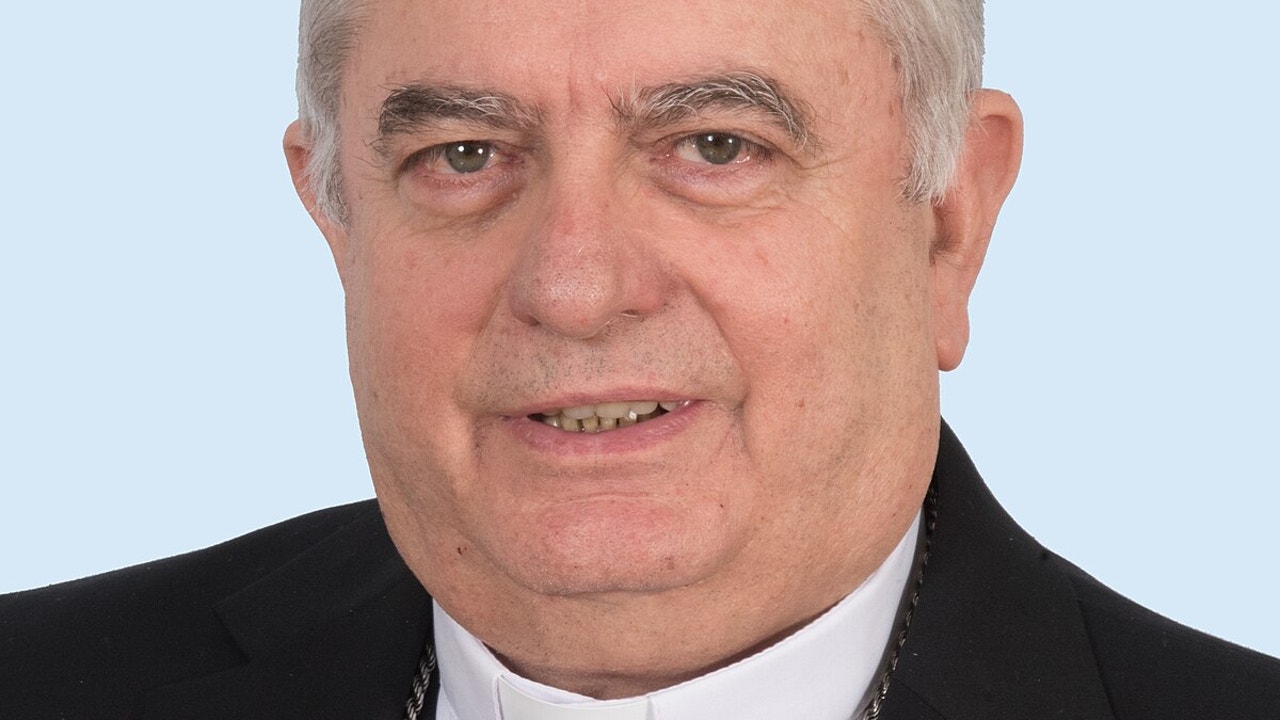
AI-Generated Voice Deepfake Used to Scam Parishioners in Mérida-Badajoz

Thumbnail Image

The information displayed in the AIM should not be reported as representing the official views of the OECD or of its member countries.

Scammers used AI to clone the voice of Archbishop José Rodríguez Carballo, making fraudulent phone calls to solicit donations for fake religious campaigns. The Archdiocese of Mérida-Badajoz warned the public, clarifying that such requests are never made by phone, and urged vigilance against AI-enabled impersonation fraud.[AI generated]

Why's our monitor labelling this an incident or hazard?

The use of AI to create deepfake voice calls that deceive people into giving money constitutes an AI Incident because the AI system's use directly leads to harm (financial fraud) and violates trust. The event involves the malicious use of AI-generated synthetic voice to commit fraud, which is a clear harm to individuals and communities. Therefore, it meets the criteria for an AI Incident.[AI generated]

AI principles
AccountabilityRobustness & digital securitySafetyTransparency & explainabilityDemocracy & human autonomy

Industries
Digital security

Affected stakeholders
General publicCivil society

Harm types
Economic/PropertyReputational

Severity
AI incident

AI system task:
Content generation


Articles about this incident or hazard

Thumbnail Image

Suplantan la voz del arzobispo de Mérida-Badajoz mediante IA para intentar estafar

2025-07-26
El Periódico Extremadura
Why's our monitor labelling this an incident or hazard?
The use of AI to create deepfake voice calls that deceive people into giving money constitutes an AI Incident because the AI system's use directly leads to harm (financial fraud) and violates trust. The event involves the malicious use of AI-generated synthetic voice to commit fraud, which is a clear harm to individuals and communities. Therefore, it meets the criteria for an AI Incident.
Thumbnail Image

La Archidiócesis de Mérida-Badajoz alerta de una estafa telefónica que suplanta la voz del arzobispo

2025-07-26
Teleprensa
Why's our monitor labelling this an incident or hazard?
The use of AI to impersonate the archbishop's voice constitutes the use of an AI system in a malicious way that directly leads to harm (financial fraud) to individuals targeted by the scam. This fits the definition of an AI Incident because the AI system's use has directly led to harm to people (financial loss and deception).
Thumbnail Image

El arzobispo de Mérida-Badajoz alerta del uso de la IA para imitar su voz y pedir donaciones

2025-07-26
eldiario.es
Why's our monitor labelling this an incident or hazard?
The article explicitly states that AI is used to imitate the Archbishop's voice to deceive people into giving money, which is a direct harm to individuals (financial harm) and a violation of rights (fraud). The AI system's use is malicious and directly leads to harm, fitting the definition of an AI Incident.
Thumbnail Image

Clonan con IA la voz del arzobispo de Mérida para pedir dinero por teléfono

2025-07-26
Libertad Digital
Why's our monitor labelling this an incident or hazard?
The use of AI voice cloning technology to impersonate a public figure and solicit money constitutes the use of an AI system in a harmful way. The scam causes direct harm to individuals (financial loss) and communities (trust erosion). The event involves the use of AI in the commission of fraud, which is a violation of rights and causes significant harm. Therefore, it qualifies as an AI Incident.
Thumbnail Image

Utilizan la inteligencia artificial para imitar la voz de un arzobispo y pedir donaciones en su nombre

2025-07-26
La Voz de Galicia
Why's our monitor labelling this an incident or hazard?
The article explicitly states that AI is used to imitate the archbishop's voice to conduct fraudulent calls requesting donations, which is a misuse of AI technology causing direct harm to people by deception and financial loss. This fits the definition of an AI Incident because the AI system's use has directly led to harm (fraud and financial loss) and violation of trust and rights. Therefore, the event is classified as an AI Incident.
Thumbnail Image

La Archidiócesis de Mérida-Badajoz alerta de una estafa telefónica...

2025-07-26
europa press
Why's our monitor labelling this an incident or hazard?
The use of AI to imitate the archbishop's voice for fraudulent calls directly leads to harm by deceiving people into giving money under false pretenses, which constitutes financial harm to individuals. The AI system's misuse is central to the incident, fulfilling the criteria of an AI Incident due to realized harm caused by AI-enabled impersonation and fraud.
Thumbnail Image

Clonar la voz con IA ya es posible: vecinos de Mérida han sido estafados por alguien que se hacía pasar por el arzobispo

2025-07-26
LaSexta
Why's our monitor labelling this an incident or hazard?
The article explicitly states that AI generative technology was used to clone the archbishop's voice to impersonate him and scam residents into giving donations. This misuse of AI caused direct harm to people (financial fraud), fulfilling the criteria for an AI Incident. The AI system's use in generating deepfake voices was pivotal in enabling the scam and resulting harm. Therefore, this is not merely a potential hazard or complementary information but a realized AI Incident involving harm to people.
Thumbnail Image

Utilizan la IA para imitar la voz del arzobispo de Mérida-Badajoz y pedir donaciones en su nombre

2025-07-26
HERALDO
Why's our monitor labelling this an incident or hazard?
The event involves the use of AI to imitate a person's voice for fraudulent purposes, directly causing harm through financial scams. This constitutes a violation of rights and harm to individuals (harm to persons), meeting the criteria for an AI Incident. The AI system's use in the scam is central to the harm occurring, not just a potential risk.
Thumbnail Image

Archidiócesis de Mérida-Badajoz alerta de estafa con inteligencia artificial

2025-07-26
ACI Digital
Why's our monitor labelling this an incident or hazard?
The use of AI to generate a fake voice to impersonate the Archbishop and request money is an explicit use of an AI system. The fraudulent calls have directly led to harm by attempting to deceive people into giving money, which is a form of financial harm and a violation of trust. Therefore, this qualifies as an AI Incident because the AI system's use has directly led to harm through fraud.
Thumbnail Image

La Archidiócesis de Mérida-Badajoz alerta de una estafa telefónica que suplanta a través de IA la voz de Rodríguez Carballo

2025-07-28
OndaCero
Why's our monitor labelling this an incident or hazard?
The use of AI to imitate the voice of the archbishop directly facilitates a scam that causes financial harm to individuals, which qualifies as harm to persons (a form of harm to people). The AI system's use in this fraudulent activity is central to the incident, as it enables the deception. Therefore, this event meets the criteria of an AI Incident due to the realized harm caused by the AI-enabled voice impersonation scam.
Thumbnail Image

El arzobispo de Mérida y Badajoz está pidiendo dinero a sus feligreses por teléfono. El único problema es que no lo está haciendo

2025-07-29
Xataka
Why's our monitor labelling this an incident or hazard?
The event explicitly involves the use of an AI system for voice cloning and conversational AI to impersonate a trusted figure and solicit money fraudulently. The harm is realized as victims are deceived into making donations under false pretenses, causing financial harm and violating trust. The AI system's role is pivotal in enabling the scam by producing a realistic cloned voice and possibly interactive responses. This meets the criteria for an AI Incident because the AI's use directly leads to harm to people and communities through fraud.
Thumbnail Image

Clonan la voz del Arzobispo de Mérida y consiguen cientos de euros en donaciones

2025-07-29
elEconomista.es
Why's our monitor labelling this an incident or hazard?
The article explicitly states that AI was used to clone the Archbishop's voice, which was then used to deceive people into giving money under false pretenses. This constitutes direct harm to individuals (financial loss) and involves the malicious use of an AI system. Therefore, this qualifies as an AI Incident because the AI system's use directly led to realized harm (fraud and financial loss).
Thumbnail Image

Un impostor que habla como el arzobispo: alertan de una estafa telefónica para pedir dinero a religiosos en varias diócesis

2025-07-29
La Voz de Galicia
Why's our monitor labelling this an incident or hazard?
The article explicitly states that the scammers use artificial intelligence and public data to recreate the voice of the archbishop, making the calls more credible. This involves the use of an AI system for voice synthesis. The harm caused is financial fraud targeting religious individuals, which constitutes harm to persons (a form of harm to groups of people). Since the AI system's use directly leads to realized harm through deception and financial loss, this qualifies as an AI Incident.