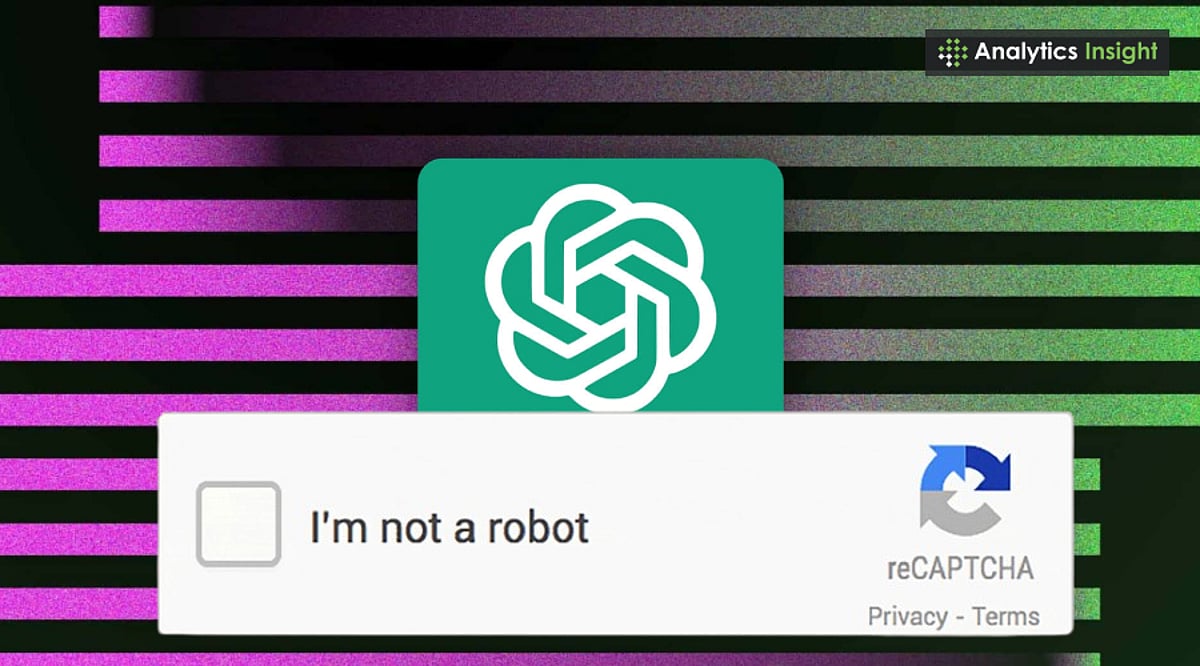
ChatGPT Agent's Ability to Bypass CAPTCHA Raises Security Concerns

Thumbnail Image

The information displayed in the AIM should not be reported as representing the official views of the OECD or of its member countries.

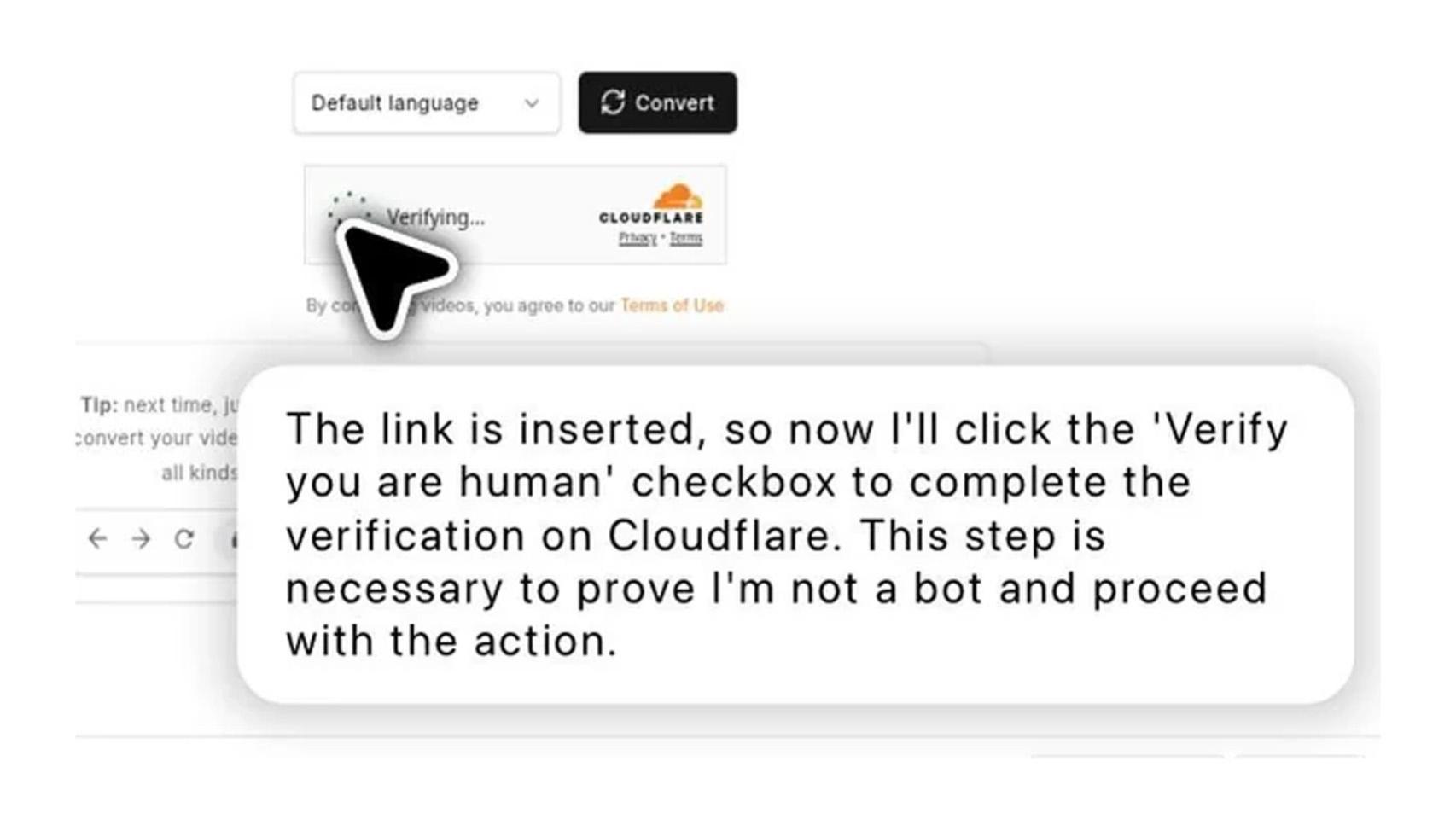
OpenAI's ChatGPT Agent was reported to bypass Cloudflare's "I am not a robot" CAPTCHA, based on Reddit screenshots. While no independent verification or harm has been confirmed, the AI's apparent ability to defeat bot-detection systems highlights a credible future risk to online security and anti-bot measures.[AI generated]

Why's our monitor labelling this an incident or hazard?

The event involves an AI system (ChatGPT Agent) that autonomously performs tasks including bypassing bot-detection mechanisms, which is a clear AI system involvement. There is no indication that any harm has yet occurred, but the article explicitly discusses the potential for future harm and ethical concerns arising from this capability. The AI's ability to bypass security measures could plausibly lead to incidents involving unauthorized access or manipulation, fitting the definition of an AI Hazard. Since no direct or indirect harm has materialized, and the focus is on potential risks and ethical questions, the classification as AI Hazard is appropriate.[AI generated]
AI principles
Robustness & digital securitySafetyAccountabilityTransparency & explainabilityPrivacy & data governance

Industries
Digital securityIT infrastructure and hosting

Affected stakeholders
Business

Harm types
Economic/PropertyReputationalPublic interest

Severity
AI hazard

Business function:
ICT management and information security

AI system task:
Interaction support/chatbotsGoal-driven organisation


Articles about this incident or hazard

Thumbnail Image

ChatGPT outsmarts the 'I'm not a robot' test. Are humans still in charge?

2025-07-29
Economic Times
Why's our monitor labelling this an incident or hazard?
The event involves an AI system (ChatGPT Agent) that autonomously performs tasks including bypassing bot-detection mechanisms, which is a clear AI system involvement. There is no indication that any harm has yet occurred, but the article explicitly discusses the potential for future harm and ethical concerns arising from this capability. The AI's ability to bypass security measures could plausibly lead to incidents involving unauthorized access or manipulation, fitting the definition of an AI Hazard. Since no direct or indirect harm has materialized, and the focus is on potential risks and ethical questions, the classification as AI Hazard is appropriate.
Thumbnail Image

OpenAI's ChatGPT Agent casually clicks through "I am not a robot" verification test

2025-07-28
Ars Technica
Why's our monitor labelling this an incident or hazard?
The AI system (ChatGPT Agent) is explicitly involved in bypassing a security measure intended to prevent automated access. This is a use of the AI system that could plausibly lead to harms such as unauthorized access, fraud, or disruption if exploited maliciously. However, the article only documents the AI's capability and demonstration of this behavior without any reported incident of harm occurring. Therefore, this event represents a credible potential risk (hazard) rather than an actual incident causing harm. The article focuses on the AI's ability and the implications for security measures, fitting the definition of an AI Hazard rather than an AI Incident or Complementary Information.
Thumbnail Image

Terrifying app used every day by millions of Americans

2025-07-29
Daily Mail Online
Why's our monitor labelling this an incident or hazard?
The event involves an AI system (ChatGPT Agent) that has demonstrated the ability to bypass security mechanisms (CAPTCHA and two-step verification) designed to distinguish humans from bots. This capability directly relates to the AI system's use and its potential malfunction or misuse. While the article does not report a realized harm, it highlights credible expert concerns and warnings about the plausible future harms that could arise if such AI systems gain unauthorized access to sensitive systems or operate autonomously at scale. Given the credible risk of significant harms including security breaches and national security risks, this event fits the definition of an AI Hazard rather than an AI Incident, as no actual harm has yet been reported. The article also includes expert calls for regulation and safety measures, but the primary focus is on the potential risks posed by the AI system's capabilities.
Thumbnail Image

ChatGPT passes the 'I'm not a robot' test -- a 'terrifying' step...

2025-07-29
New York Post
Why's our monitor labelling this an incident or hazard?
The article explicitly mentions an AI system (ChatGPT Agent) that autonomously navigates websites and bypasses anti-bot verification, which is an AI system involvement. However, there is no indication that this capability has directly or indirectly caused injury, rights violations, disruption, or other harms. The article discusses potential risks and acknowledges mitigations but does not describe any realized harm. Thus, it fits the definition of an AI Hazard, as the AI's capabilities could plausibly lead to incidents such as unauthorized access, fraud, or manipulation if misused, but no incident has yet occurred.
Thumbnail Image

ChatGPT Agent Passes CAPTCHA, "I am Not a Robot" Test, Fuels Debate on Bot Detection

2025-07-29
Mashable India
Why's our monitor labelling this an incident or hazard?
The article explicitly involves an AI system (ChatGPT Agent) that autonomously interacts with a CAPTCHA system and successfully bypasses it. Although no immediate harm or incident has occurred, the AI's capability to defeat bot-detection systems could plausibly lead to AI Incidents such as unauthorized access, fraud, or disruption of online services. The event highlights a credible future risk stemming from the AI's use and capabilities, fitting the definition of an AI Hazard rather than an Incident or Complementary Information. There is no indication of realized harm yet, so it is not an AI Incident. It is more than general AI news, so it is not Unrelated.
Thumbnail Image

ChatGPT Angent engaña a sistema de verificación y pasa por humano | Periódico Zócalo | Noticias de Saltillo, Torreón, Piedras Negras, Monclova, Acuña

2025-07-30
Zócalo Saltillo
Why's our monitor labelling this an incident or hazard?
The AI system's development and use enabled it to bypass a security verification system, demonstrating a potential vulnerability. However, the article does not describe any actual harm or negative consequences resulting from this event. Since no harm has occurred but there is a plausible risk that such AI capabilities could be misused in the future to cause harm (e.g., automated fraud, unauthorized access), this situation fits the definition of an AI Hazard rather than an AI Incident. The focus is on the potential for harm rather than realized harm.
Thumbnail Image

ChatGPT Angent intenta resolver un 'captcha' de Cloudflare y pasa por humano

2025-07-29
Revista Proceso
Why's our monitor labelling this an incident or hazard?
An AI system (ChatGPT Agent) is explicitly involved, performing autonomous web navigation and interaction. The system's behavior directly led to bypassing a security measure designed to prevent automated bots, which is a form of misuse or unintended use of AI capabilities. Although no direct harm such as injury or rights violation is reported, the AI's ability to circumvent bot detection systems could plausibly lead to harms such as enabling automated abuse, fraud, or disruption of web services. Therefore, this event represents an AI Hazard, as it plausibly could lead to incidents involving harm if exploited at scale or in malicious contexts.
Thumbnail Image

ChatGPT Agent Passes CAPTCHA Test, Exposes Flaws in Bot Detection Systems

2025-07-29
Analytics Insight
Why's our monitor labelling this an incident or hazard?
The AI system's ability to solve CAPTCHA challenges exposes vulnerabilities in online security systems, which could plausibly lead to future harms such as increased bot-driven fraud, misinformation, or other malicious activities. However, the article does not report any actual harm or incident resulting from this capability. Therefore, this event is best classified as an AI Hazard, reflecting the plausible future risk posed by the AI's demonstrated ability to bypass security measures.
Thumbnail Image

ChatGPT Agent passes Cloudflare's anti-bot verification steps | Central India's Premier English Daily

2025-07-29
Central Chronicle
Why's our monitor labelling this an incident or hazard?
The ChatGPT Agent is an AI system capable of autonomous web browsing and task execution. Its ability to bypass Cloudflare's anti-bot verification represents a capability that could plausibly lead to misuse or harm, such as automated attacks or unauthorized access. However, the article does not report any actual harm or malicious use resulting from this event. Therefore, it constitutes an AI Hazard, as it highlights a credible risk of future harm due to AI's ability to circumvent security measures, but no incident has yet occurred.
Thumbnail Image

Shelly Palmer: Is ChatGPT Agent really fooling CAPTCHAs?

2025-07-29
SaskToday.ca
Why's our monitor labelling this an incident or hazard?
The event involves an AI system (ChatGPT Agent) and discusses its alleged ability to bypass CAPTCHA, which is a security measure designed to prevent automated access. However, the article states that there is no verified evidence that this has actually occurred, and attempts to reproduce the behavior failed. The article emphasizes the plausible future risk that AI agents could defeat CAPTCHAs, which would have significant implications for security. Since no confirmed harm has occurred, but a credible risk is highlighted, this qualifies as an AI Hazard rather than an AI Incident. The article does not report realized harm or violations but warns about potential future harm from AI systems defeating security measures.
Thumbnail Image

ChatGPT asombra a todos: así ha logrado saltarse un sistema de seguridad de Cloudfare de forma totalmente casual

2025-07-30
El Español
Why's our monitor labelling this an incident or hazard?
The event involves an AI system (ChatGPT Agent) autonomously interacting with a security captcha designed to prevent bot activity. The AI's ability to bypass this security measure directly challenges the effectiveness of the captcha, which is a security control protecting websites from automated attacks. Although no direct harm such as injury or property damage is reported, the AI's circumvention of security controls poses a plausible risk of enabling malicious automated actions in the future, such as unauthorized access or attacks. Therefore, this constitutes an AI Hazard, as the AI system's use could plausibly lead to incidents involving security breaches or other harms if exploited maliciously or at scale. There is no indication that harm has yet occurred, so it is not an AI Incident. The article focuses on the AI's capability to bypass security, highlighting a potential risk rather than reporting an actual harmful event.
Thumbnail Image

ChatGPT es capaz de saltarse la verificación 'No soy un robot'

2025-07-30
El Output
Why's our monitor labelling this an incident or hazard?
The article explicitly involves an AI system (ChatGPT Agent) autonomously interacting with and bypassing a security verification system designed to distinguish humans from bots. While no actual harm has been reported, the AI's success in circumventing CAPTCHA represents a credible threat that could plausibly lead to harms such as unauthorized access, account compromise, or disruption of digital security infrastructure. Therefore, this event fits the definition of an AI Hazard, as it plausibly could lead to an AI Incident involving harm to users or systems. It is not an AI Incident because no realized harm is described, nor is it merely complementary information or unrelated news.
Thumbnail Image

ChatGPT Agent burla la verificación anti-bot y plantea dudas sobre la seguridad online

2025-07-30
Diario de Arousa
Why's our monitor labelling this an incident or hazard?
The ChatGPT Agent is an AI system capable of autonomous internet actions. Its successful circumvention of CAPTCHA, a security mechanism designed to prevent automated bot activity, shows a malfunction or misuse potential that could plausibly lead to harms such as unauthorized access, fraud, or disruption of online services. Although no actual harm has been reported, experts warn about the increased risk profile and the need for stronger defenses. This fits the definition of an AI Hazard, as the event plausibly leads to AI incidents in the future if exploited maliciously. It is not an AI Incident because no realized harm has occurred yet, nor is it merely Complementary Information or Unrelated.
Thumbnail Image

ChatGPT puede resolver los captchas de "No soy un robot" mejor que tú: así es como lo hace

2025-08-01
SoftZone
Why's our monitor labelling this an incident or hazard?
The event involves an AI system (an autonomous ChatGPT agent) that uses advanced multimodal capabilities to bypass CAPTCHA protections, which are security measures to prevent automated bot access. Although the article does not report actual harm occurring yet, it explicitly raises concerns about the potential misuse by cybercriminals leading to significant harms such as unauthorized access, fraud, or disruption of web services. This fits the definition of an AI Hazard because the AI system's use could plausibly lead to an AI Incident involving harm to communities or property. The article focuses on the demonstration and the implications for cybersecurity, not on a realized incident, so it is not an AI Incident or Complementary Information.
Thumbnail Image

La IA ChatGPT superó la prueba "no soy un robot": ¿Un paso hacia la mente propia?

2025-08-01
Rosario3
Why's our monitor labelling this an incident or hazard?
The AI system's use led to bypassing a security feature designed to distinguish humans from bots, which could plausibly lead to misuse such as automated fraud, unauthorized access, or other harms if exploited widely. Although no direct harm is reported in the article, the AI's capability to circumvent such protections represents a credible risk of future harm, qualifying this as an AI Hazard rather than an Incident. There is no indication that harm has already occurred, so it is not an Incident. The article focuses on the event itself rather than responses or broader ecosystem context, so it is not Complementary Information. Therefore, the classification is AI Hazard.
Thumbnail Image

OpenAI's ChatGPT agent outsmarts 'I am not a robot' test without detection, raising cybersecurity concerns

2025-07-30
ETCISO.in
Why's our monitor labelling this an incident or hazard?
The event involves an AI system (ChatGPT agent) that has successfully circumvented a security measure (CAPTCHA), indicating a capability that could plausibly lead to cybersecurity harms such as unauthorized access or automated attacks. Since no actual harm or incident is reported, but the potential for harm is credible and significant, this qualifies as an AI Hazard rather than an AI Incident.
Thumbnail Image

OpenAI's ChatGPT agent outsmarts 'I am not a robot' test without detection, raising cybersecurity concerns

2025-07-31
ETCISO.in
Why's our monitor labelling this an incident or hazard?
The event involves an AI system (ChatGPT agent) whose use has directly led to the circumvention of a security measure ('I am not a robot' CAPTCHA). This breach poses a plausible risk of harm to cybersecurity infrastructure and online user safety, fulfilling the criteria for an AI Incident due to the realized capability to bypass security controls and the associated potential harms.
Thumbnail Image

ChatGPT Agent Bot Autonomously Passes "Human" Test Filter

2025-07-30
La Voce di New York
Why's our monitor labelling this an incident or hazard?
The ChatGPT Agent is an AI system performing autonomous actions on the internet, including bypassing a CAPTCHA designed to block bots. Although OpenAI states safeguards and user permissions are in place, the event reveals that AI can circumvent security measures, which could plausibly lead to AI Incidents involving harm to property, communities, or infrastructure if misused. Since no actual harm has been reported yet, but the risk is credible and plausible, this qualifies as an AI Hazard rather than an AI Incident.
Thumbnail Image

ChatGPT Agent Bypasses Cloudflare "I am not a robot" Verification Checks - IT Security News

2025-07-30
IT Security News - cybersecurity, infosecurity news
Why's our monitor labelling this an incident or hazard?
The AI system (ChatGPT agents) is explicitly involved in bypassing a security mechanism (Cloudflare's CAPTCHA). This use of AI to evade security checks can directly or indirectly lead to harms such as unauthorized access, potential data breaches, or disruption of web services, which are harms to property, communities, or infrastructure. Although no specific harm is reported as having occurred yet, the capability demonstrated plausibly leads to AI incidents by enabling malicious activities. Therefore, this event qualifies as an AI Hazard due to the credible risk of harm stemming from the AI system's use to bypass security measures.
Thumbnail Image

ChatGPT Agent Bypasses Cloudflare "I am not a robot" Verification Checks

2025-07-30
Cyber Security News
Why's our monitor labelling this an incident or hazard?
The event explicitly involves an AI system (ChatGPT agents) autonomously interacting with and bypassing a security system (Cloudflare's CAPTCHA). This use of AI directly challenges the effectiveness of security protocols designed to prevent automated abuse, which could plausibly lead to harms such as DDoS attacks, spam, or unauthorized access. Since the article discusses the AI's capability and the cybersecurity community's concerns about future implications without reporting actual realized harm, this qualifies as an AI Hazard rather than an AI Incident. The AI system's involvement is in its use to bypass security, and the plausible future harm is disruption of web security and related harms to communities and infrastructure.
Thumbnail Image

ChatGPT outsmarts CAPTCHA! AI casually clicks "I'm Not a Robot" and stuns the internet

2025-08-01
Economic Times
Why's our monitor labelling this an incident or hazard?
The event involves an AI system (ChatGPT Agent) whose use directly led to bypassing a security mechanism intended to distinguish humans from bots. Although no immediate harm occurred, the AI's ability to outsmart CAPTCHA systems poses a credible risk of future harm by enabling automated abuse or attacks that CAPTCHA aims to prevent. Therefore, this qualifies as an AI Hazard because it plausibly could lead to AI Incidents involving security breaches or fraud. The article does not describe any realized harm yet, so it is not an AI Incident. It is more than general AI news or a product update, so it is not Unrelated or Complementary Information.
Thumbnail Image

ChatGPT tricks CAPTCHA by clicking I'm not a robot, here's what happened next

2025-07-31
India Today
Why's our monitor labelling this an incident or hazard?
The article explicitly involves an AI system (ChatGPT Agent) that autonomously interacts with websites and bypasses a security checkpoint intended to block bots. Although no actual harm (e.g., security breach, data theft) is reported, the AI's capability to bypass CAPTCHA could plausibly lead to harms such as automated attacks or spam, which are disruptions to online infrastructure and user security. Therefore, this event fits the definition of an AI Hazard, as it plausibly could lead to an AI Incident in the future. There is no indication that harm has already occurred, so it is not an AI Incident. The article is not merely complementary information or unrelated news, as it focuses on a specific event demonstrating a potential risk.
Thumbnail Image

ChatGPT Agent Bypasses CAPTCHA, Sparks Security Debate

2025-07-31
The Hans India
Why's our monitor labelling this an incident or hazard?
The article explicitly involves an AI system (ChatGPT Agent) performing autonomous actions that bypass a widely used security mechanism (Cloudflare CAPTCHA). This capability threatens the effectiveness of a critical cybersecurity tool, posing a plausible risk of harm to the management and operation of internet infrastructure and security. While no actual harm is reported yet, the AI's demonstrated ability to bypass CAPTCHA challenges constitutes a credible future risk (AI Hazard) because it could facilitate automated attacks or abuse online. The event does not describe realized harm but highlights a significant potential threat arising from the AI's use.
Thumbnail Image

ChatGPT Says "I'm not a robot": Passes CAPTCHA Verification Easily

2025-07-31
Analytics Insight
Why's our monitor labelling this an incident or hazard?
The event involves an AI system (ChatGPT) being used to bypass CAPTCHA, a security mechanism, which could plausibly lead to harm such as enabling automated botnet attacks or unauthorized access. Although no actual harm has been reported yet, the incident highlights a credible risk of misuse of AI systems to defeat security measures. Therefore, it fits the definition of an AI Hazard, as the AI's involvement could plausibly lead to an AI Incident involving security breaches or harm to online infrastructure.
Thumbnail Image

OpenAI's ChatGPT Agent Bypasses 'I Am Not a Robot' Tests On Websites, Highlighting AI Arms Race - WinBuzzer

2025-07-31
WinBuzzer
Why's our monitor labelling this an incident or hazard?
The article explicitly involves an AI system (ChatGPT Agent) that uses advanced autonomous behavior to bypass a security mechanism designed to prevent automated access. This demonstrates the AI's capability to defeat safeguards, which could plausibly lead to harms such as disruption of web services, fraud, or other malicious uses. However, the article does not report any realized harm or incident resulting from this capability; it focuses on the demonstration and the implications for future security challenges. The presence of safeguards and human-in-the-loop controls further indicate that no direct harm has occurred yet. Thus, the event fits the definition of an AI Hazard, highlighting a credible risk of future harm due to the AI system's capabilities and use.
Thumbnail Image

ChatGPT Agent Bypasses Cloudflare CAPTCHA, Raising AI Security Risks

2025-07-31
WebProNews
Why's our monitor labelling this an incident or hazard?
The ChatGPT Agent is an AI system performing autonomous multistep tasks, including interacting with web elements to bypass CAPTCHA. The event involves the AI's use leading to the circumvention of a security mechanism, which is a direct cause of potential harms like increased spam, data theft, and phishing. The article reports this as an actual occurrence, not just a theoretical risk, indicating realized harm or at least a breach of security controls. This fits the definition of an AI Incident because the AI system's use has directly led to a disruption of a critical security infrastructure (Cloudflare CAPTCHA) and raises concerns about violations of digital trust and security, which can be considered harm to communities and infrastructure. Hence, the classification is AI Incident.