Nepal Pilots AI System for Landslide Prediction and Early Warning

Thumbnail Image

The information displayed in the AIM should not be reported as representing the official views of the OECD or of its member countries.

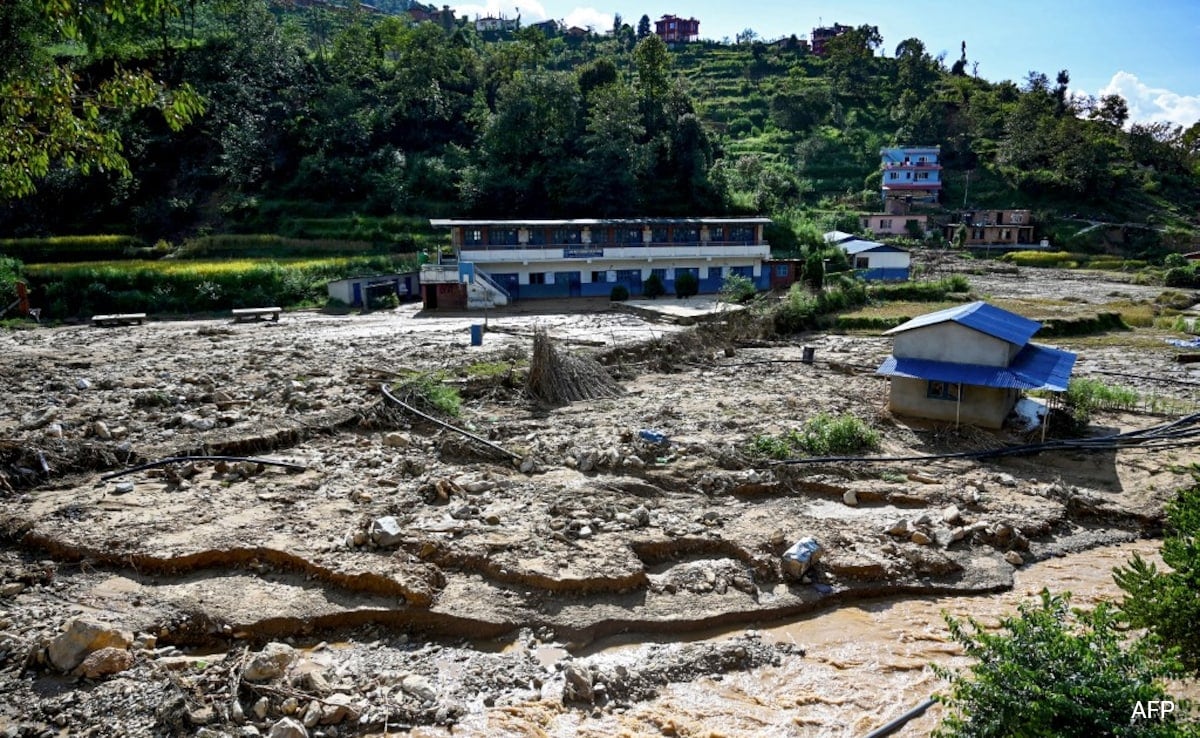
Nepal is piloting an AI-powered early warning system developed by the University of Melbourne to predict landslides using rainfall, ground movement, local observations, and satellite data. The system aims to reduce harm in one of the world's most landslide-prone regions, but has not yet generated warnings or caused harm.[AI generated]

Why's our monitor labelling this an incident or hazard?

An AI system is explicitly involved as it processes rainfall, ground data, local reports, and satellite images to predict landslides. The system is being used to forecast and provide early warnings, which could plausibly prevent injury or harm to people. Since the system is still in testing and no harm or incident has been reported, this qualifies as an AI Hazard rather than an AI Incident. The article focuses on the potential benefits and ongoing development rather than reporting any realized harm or failure.[AI generated]
AI principles
SafetyRobustness & digital securityAccountabilityTransparency & explainabilityPrivacy & data governanceRespect of human rightsFairnessHuman wellbeing

Industries
Environmental servicesGovernment, security, and defenceIT infrastructure and hostingLogistics, wholesale, and retail

Harm types
Physical (death)Physical (injury)Economic/PropertyPsychologicalReputationalPublic interestHuman or fundamental rights

Severity
AI hazard

Business function:
Research and developmentMonitoring and quality controlICT management and information security

AI system task:
Forecasting/predictionEvent/anomaly detection


Articles about this incident or hazard

Thumbnail Image

Landslide-prone Nepal tests AI-powered warning system

2025-08-01
Yahoo News
Why's our monitor labelling this an incident or hazard?
The event involves an AI system explicitly described as being developed and tested for landslide prediction. However, the article does not report any actual harm caused or prevented by the AI system so far. The system is still in the data collection and pilot phase, with the AI component not yet fully operational for automatic alerts. Therefore, no AI Incident has occurred. Given the system's purpose to predict and warn about landslides, it plausibly could lead to harm prevention in the future, but the article focuses on the ongoing testing and development rather than an imminent or realized hazard. Hence, the event is best classified as Complementary Information, providing context and updates on AI development and its potential societal benefits without describing an AI Incident or Hazard.
Thumbnail Image

Nepal Tests AI-Powered Early Warning System To Predict Landslides

2025-08-01
NDTV
Why's our monitor labelling this an incident or hazard?
An AI system is explicitly involved as it processes rainfall, ground data, local reports, and satellite images to predict landslides. The system is being used to forecast and provide early warnings, which could plausibly prevent injury or harm to people. Since the system is still in testing and no harm or incident has been reported, this qualifies as an AI Hazard rather than an AI Incident. The article focuses on the potential benefits and ongoing development rather than reporting any realized harm or failure.
Thumbnail Image

Landslide-prone Nepal tests AI-powered warning system

2025-08-01
Digital Journal
Why's our monitor labelling this an incident or hazard?
The AI system is involved in the use phase, analyzing data to predict landslides. However, no actual harm or incident caused by the AI system has occurred yet. The system is still being tested and has not yet generated warnings that have prevented or failed to prevent harm. Therefore, the event represents a plausible future risk mitigation tool rather than an incident or hazard causing harm. It is not merely general AI news but provides complementary information about an AI system's development and potential societal benefit in disaster risk reduction.
Thumbnail Image

Landslide-prone Nepal tests AI-powered warning system

2025-08-01
Daily Tribune
Why's our monitor labelling this an incident or hazard?
The event involves an AI system designed to predict landslides and prevent harm. However, the system is still in the early stages of data collection and testing, with no realized harm or incident reported. The article focuses on the potential benefits and ongoing development rather than any actual harm or malfunction. Therefore, this qualifies as an AI Hazard because the AI system could plausibly lead to harm prevention or, if it fails, could lead to harm in the future, but no harm has yet occurred.
Thumbnail Image

Landslide-prone Nepal tests AI-powered warning system

2025-08-01
Owensboro Messenger-Inquirer
Why's our monitor labelling this an incident or hazard?
An AI system is explicitly involved as it processes multiple data sources to predict landslides. The system's use aims to prevent or mitigate harm to people and communities by providing early warnings. Since the article does not report any actual harm caused by the AI system or its malfunction, but rather its deployment to reduce harm, this qualifies as an AI Hazard because the system's use could plausibly lead to preventing or managing harm from landslides, a significant natural hazard.
Thumbnail Image

Landslide-prone Nepal tests AI-powered warning system | FOX 28 Spokane

2025-08-01
FOX 28 Spokane
Why's our monitor labelling this an incident or hazard?
The event involves an AI system explicitly mentioned as being used for landslide prediction. However, the system is still in the pilot and data collection phase, with no reported harm or incident resulting from its use or malfunction. The article highlights the plausible future benefit of the AI system in preventing harm but does not describe any realized harm or incident. Therefore, this qualifies as an AI Hazard because the AI system's use could plausibly lead to harm prevention or, conversely, if it fails, could lead to harm in the future. It is not an AI Incident since no harm has occurred, nor is it Complementary Information or Unrelated.
Thumbnail Image

Landslide-prone Nepal tests AI-powered warning system

2025-08-03
Terra Daily
Why's our monitor labelling this an incident or hazard?
An AI system is explicitly involved as it analyzes multiple data sources to forecast landslides. The system is in pilot testing and has not yet generated warnings or caused harm. The article focuses on the potential of the AI system to reduce harm from landslides, which are a significant hazard in Nepal. Since no harm has yet occurred due to the AI system, but it could plausibly prevent or fail to prevent harm in the future, this qualifies as an AI Hazard rather than an AI Incident. The article does not describe any realized harm or malfunction of the AI system, nor does it focus on governance or societal responses, so it is not Complementary Information. It is not unrelated as the AI system is central to the event.
Thumbnail Image

Landslide-prone Nepal tests AI-powered warning system

2025-08-01
Daily Mail Online
Why's our monitor labelling this an incident or hazard?
An AI system is explicitly involved as it processes various data inputs to forecast landslides. The event concerns the use and development of this AI system for disaster risk reduction. Although no harm has yet been caused or prevented by the system, the AI's role is to plausibly reduce future harm by providing early warnings. Therefore, this event represents an AI Hazard, as the AI system's use could plausibly lead to the prevention of injury or harm to people by forecasting landslides in advance. There is no indication of realized harm or incident, nor is the article primarily about governance or research updates unrelated to harm or hazard. Hence, the classification is AI Hazard.