AI Early Warning System Prevents Elephant-Train Collisions in Tamil Nadu

Thumbnail Image

The information displayed in the AIM should not be reported as representing the official views of the OECD or of its member countries.

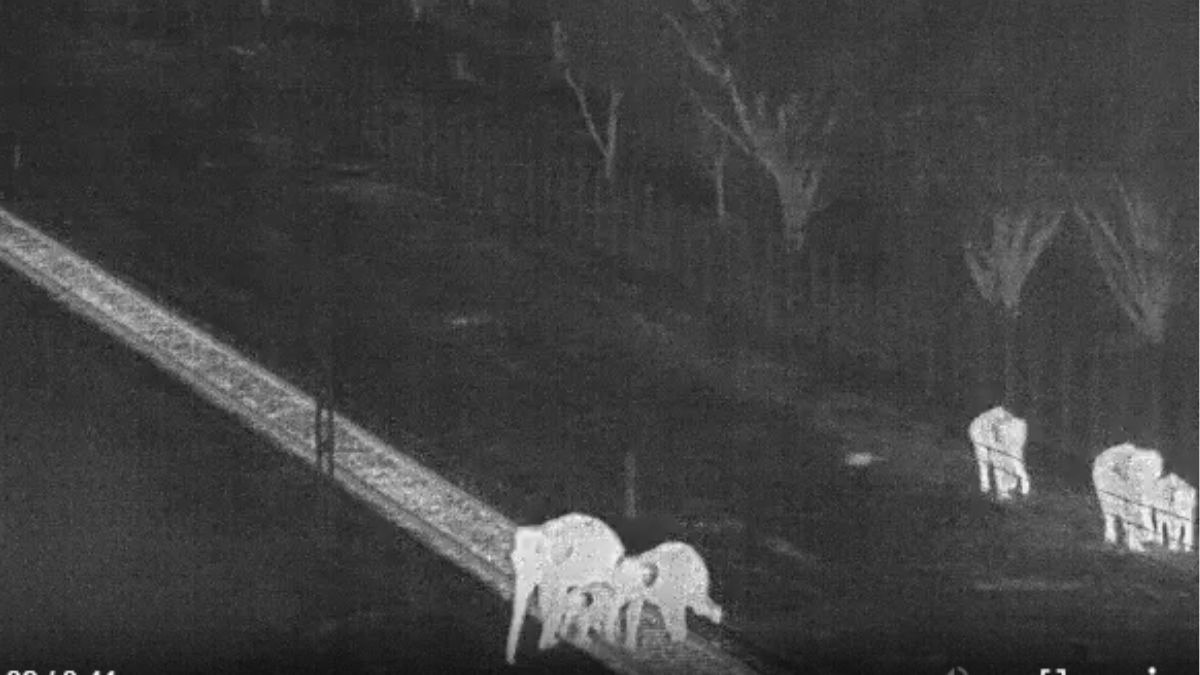
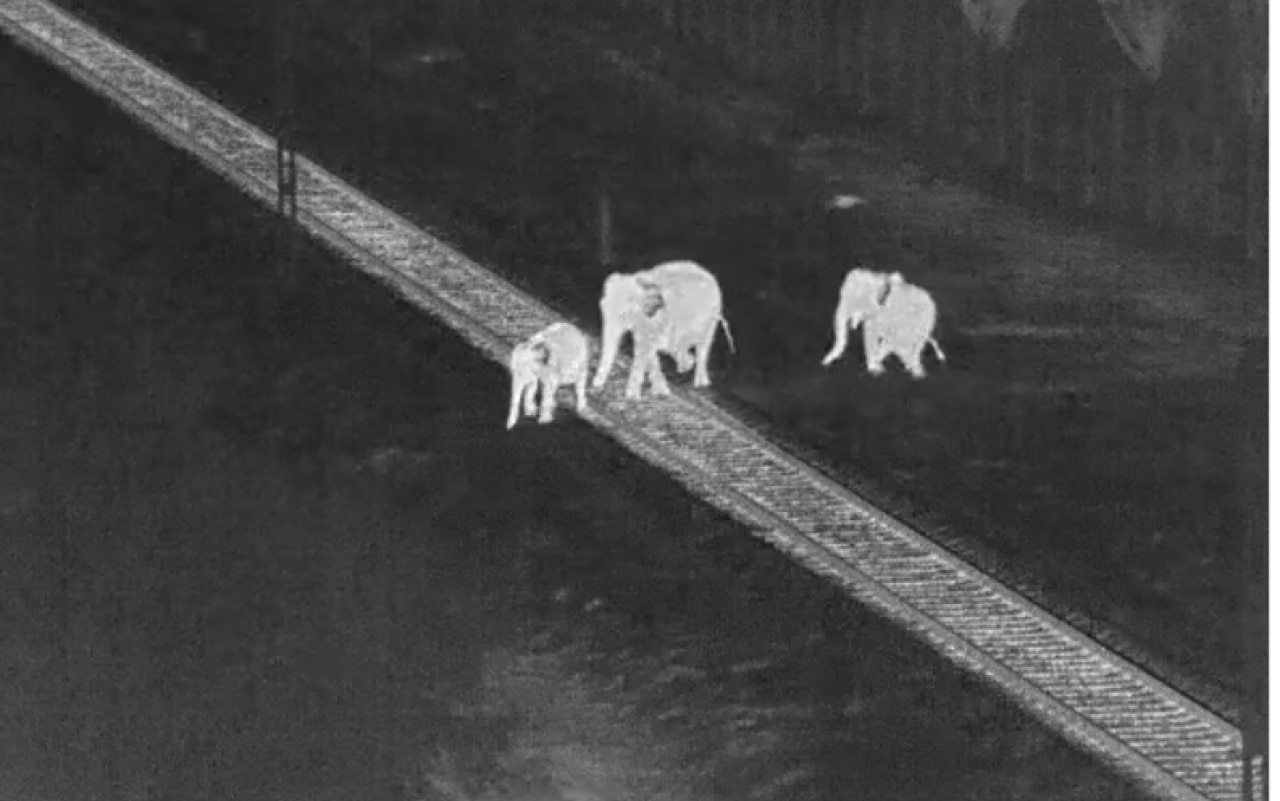
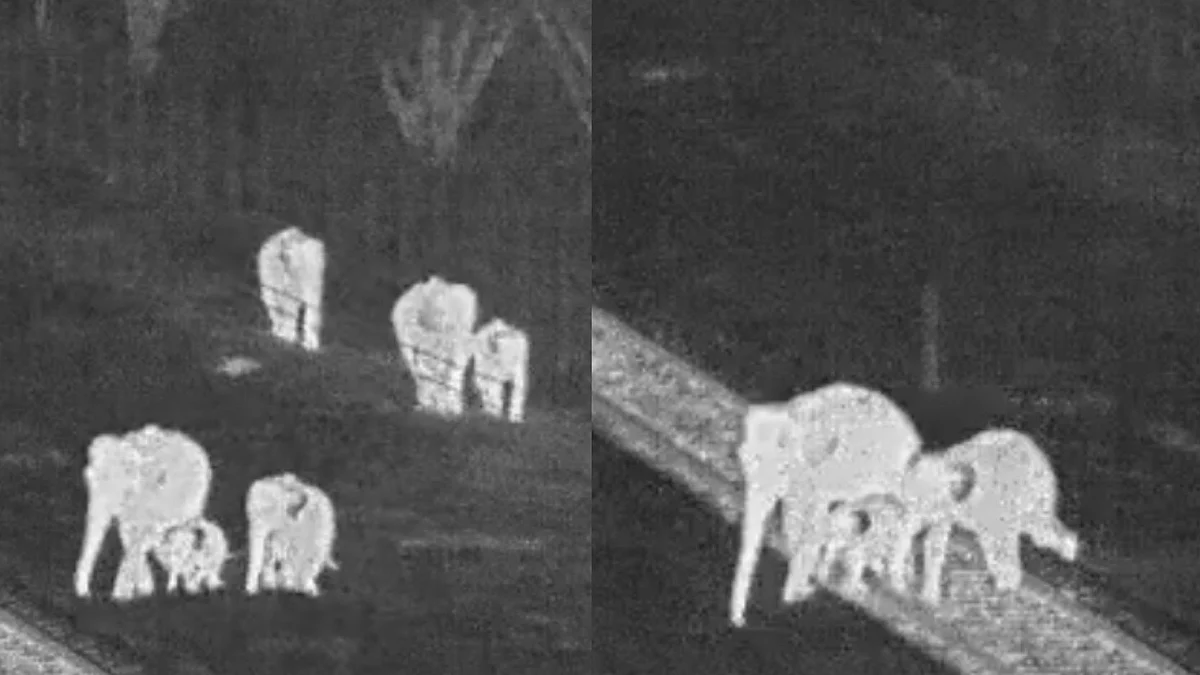
Tamil Nadu's AI-powered early warning system at Madukkarai has enabled over 6,500 safe elephant crossings and zero train collisions since November 2023. The system uses cameras and real-time alerts to prevent harm to elephants, serving as a model for wildlife protection and inspiring national adoption.[AI generated]

Why's our monitor labelling this an incident or hazard?

The event involves the use of an AI system (AI-powered thermal cameras and real-time alert system) whose use has directly led to harm prevention (zero elephant accidents) by enabling safe crossings of elephants across railway tracks. This constitutes harm prevention to both animals and potentially humans, fitting the definition of an AI Incident as the AI system's use has directly led to harm avoidance and improved safety outcomes. The system's deployment and operation have materialized benefits rather than just potential risks, so it is not a hazard or complementary information. Therefore, this is classified as an AI Incident.[AI generated]
Industries
Environmental servicesMobility and autonomous vehiclesGovernment, security, and defence

Severity
AI incident

AI system task:
Recognition/object detectionEvent/anomaly detection


Articles about this incident or hazard

Thumbnail Image

AI-based warning systems facilitated 2,500 safe elephant crossings in Coimbatore | Chennai News - Times of India

2025-08-12
The Times of India
Why's our monitor labelling this an incident or hazard?
The event involves the use of an AI system (AI-powered thermal cameras and real-time alert system) whose use has directly led to harm prevention (zero elephant accidents) by enabling safe crossings of elephants across railway tracks. This constitutes harm prevention to both animals and potentially humans, fitting the definition of an AI Incident as the AI system's use has directly led to harm avoidance and improved safety outcomes. The system's deployment and operation have materialized benefits rather than just potential risks, so it is not a hazard or complementary information. Therefore, this is classified as an AI Incident.
Thumbnail Image

Centre plans to implement AI-based early warning systems to protect wildlife | Coimbatore News - Times of India

2025-08-12
The Times of India
Why's our monitor labelling this an incident or hazard?
The AI-based early warning system is explicitly mentioned and is actively used to prevent harm to elephants by warning about their presence near railway tracks, thereby avoiding collisions. The article states that since the implementation of this AI system, there have been zero train collisions in the area, indicating realized harm prevention. This fits the definition of an AI Incident because the AI system's use has directly led to the prevention of injury or harm to a group of animals (wildlife), which is harm to communities and the environment. The article also mentions plans to expand this system to other states and species, but the current successful implementation and harm prevention qualify this as an AI Incident rather than a hazard or complementary information.
Thumbnail Image

Watch: Elephants cross railway track as AI warning system ensures their safety

2025-08-13
Hindustan Times
Why's our monitor labelling this an incident or hazard?
An AI system is explicitly mentioned as being used for early warning to prevent harm to elephants crossing railway tracks. The system's use has directly led to the prevention of harm (zero elephant deaths) and ensured safety, which qualifies as harm prevention. Since the AI system's use has directly led to a positive outcome by preventing injury or harm to a group of animals, this is an AI Incident involving harm prevention. The event does not describe potential future harm or just general AI news, but a concrete outcome of AI use preventing harm.
Thumbnail Image

AI System Safeguards Elephants On Railway Tracks In Coimbatore, Preventing Fatalities

2025-08-12
Oneindia
Why's our monitor labelling this an incident or hazard?
The article describes an AI system that detects elephants near railway tracks and generates alerts to prevent collisions with trains. Since its deployment, no elephant fatalities have occurred in the monitored area, indicating the AI system's direct role in preventing harm. The system's use involves real-time detection and alerting, which is a clear use of AI for safety. The harm prevented is injury or death to elephants, which falls under harm to communities or environment. Therefore, this event qualifies as an AI Incident because the AI system's use has directly led to preventing harm, demonstrating its pivotal role in safety and conservation.
Thumbnail Image

Tamil Nadu Forest Department shares video showing how AI ensures safety of elephants

2025-08-12
India Today
Why's our monitor labelling this an incident or hazard?
An AI system is explicitly mentioned as being used for early warning to prevent harm to elephants, a protected animal species. The system's use has directly led to the prevention of harm (elephant deaths) on railway tracks, which qualifies as harm to communities and wildlife (harm to property, communities, or the environment). Since the AI system's use has directly prevented harm, this is an AI Incident involving the use of AI to avoid injury or harm to a group (elephants).
Thumbnail Image

MoEF&CC in efforts to implement AI-based animal warning system for railway lines running through jungles: Kirti Vardhan Singh

2025-08-12
The Hindu
Why's our monitor labelling this an incident or hazard?
The event involves the use of an AI system (an AI-based animal warning system) in its development and intended use to prevent harm to wildlife. However, there is no indication that any harm has yet occurred due to the AI system's malfunction or misuse. The article focuses on the Ministry's efforts to implement this system to reduce wildlife deaths, which is a proactive safety measure. Therefore, this qualifies as an AI Hazard because the AI system's use could plausibly lead to preventing harm, but no actual harm or incident has been reported yet.
Thumbnail Image

TN at forefront of elephant conservation; enabled zero train collisions since 2024: Stalin - The Statesman

2025-08-12
The Statesman
Why's our monitor labelling this an incident or hazard?
The AI system is explicitly mentioned as being used for early warning to prevent train collisions with elephants, which is a clear example of AI system use aimed at harm reduction (preventing injury or death to elephants). Since the system has enabled zero collisions since 2024, it is functioning effectively and no harm has occurred due to the AI system. The concerns about the camp expansion are unrelated to the AI system's operation. Therefore, this event does not describe an AI Incident or AI Hazard but rather provides complementary information about a positive AI application in conservation.
Thumbnail Image

TN at forefront of elephant conservation, enabled zero train collision since 2024: Stalin

2025-08-12
http://www.uniindia.com/fadnavis-orders-probe-into-mumbai-pub-fire/states/news/1090400.html
Why's our monitor labelling this an incident or hazard?
An AI system is explicitly mentioned as being used for early warning to prevent train collisions with elephants. The system's use has directly led to harm prevention (zero collisions), which qualifies as preventing injury or harm to groups of animals and possibly humans. Since the AI system's use has directly contributed to safety and harm avoidance, this qualifies as an AI Incident under the definition of harm to communities or animals due to the AI system's role in preventing harm.
Thumbnail Image

'6.592 NOT OUT...': AI records the safe crossings of elephants across railway tracks, not the runs made by any cricketer

2025-08-13
Daily News and Analysis (DNA) India
Why's our monitor labelling this an incident or hazard?
An AI system is explicitly mentioned as being used for early warning to prevent elephant deaths on railway tracks. The system's use has directly contributed to preventing harm to elephants, which qualifies as harm to communities and the environment. Since the AI system's use has already resulted in zero deaths and safe crossings, this is a realized harm prevention scenario, fitting the definition of an AI Incident due to the direct positive impact on preventing harm.
Thumbnail Image

Tamil Nadu's AI-Based Elephant Safety Model To Be Implemented Nationwide: Kirti Vardhan Singh

2025-08-13
ETV Bharat News
Why's our monitor labelling this an incident or hazard?
The AI system is explicitly mentioned as being used to track elephant movements near railway tracks to prevent collisions, which have caused fatalities. The use of AI here directly contributes to reducing harm to elephants (a form of harm to wildlife and biodiversity) and potentially to human safety as well. Since the AI system's use has already significantly reduced fatalities, this constitutes an AI Incident where harm has been mitigated through AI deployment. The article focuses on the deployment and positive impact of the AI system, indicating realized harm reduction rather than just potential harm. Therefore, this event qualifies as an AI Incident.
Thumbnail Image

How AI Security System Saved Lives Of An Elephant Herd Crossing Train Tracks In Tamil Nadu

2025-08-12
Free Press Journal
Why's our monitor labelling this an incident or hazard?
The event describes an AI system actively used to prevent harm to elephants by detecting their presence near train tracks and enabling timely intervention to stop trains. The AI system's use has directly prevented injury or death to a group of animals, which qualifies as harm to a community (wildlife). Therefore, this is an AI Incident involving the use of AI leading to harm prevention (a positive outcome) and thus falls under AI Incident rather than a hazard or complementary information.