AI-Powered Stuffed Animals Raise Concerns Over Child Development and Privacy

Thumbnail Image

The information displayed in the AIM should not be reported as representing the official views of the OECD or of its member countries.

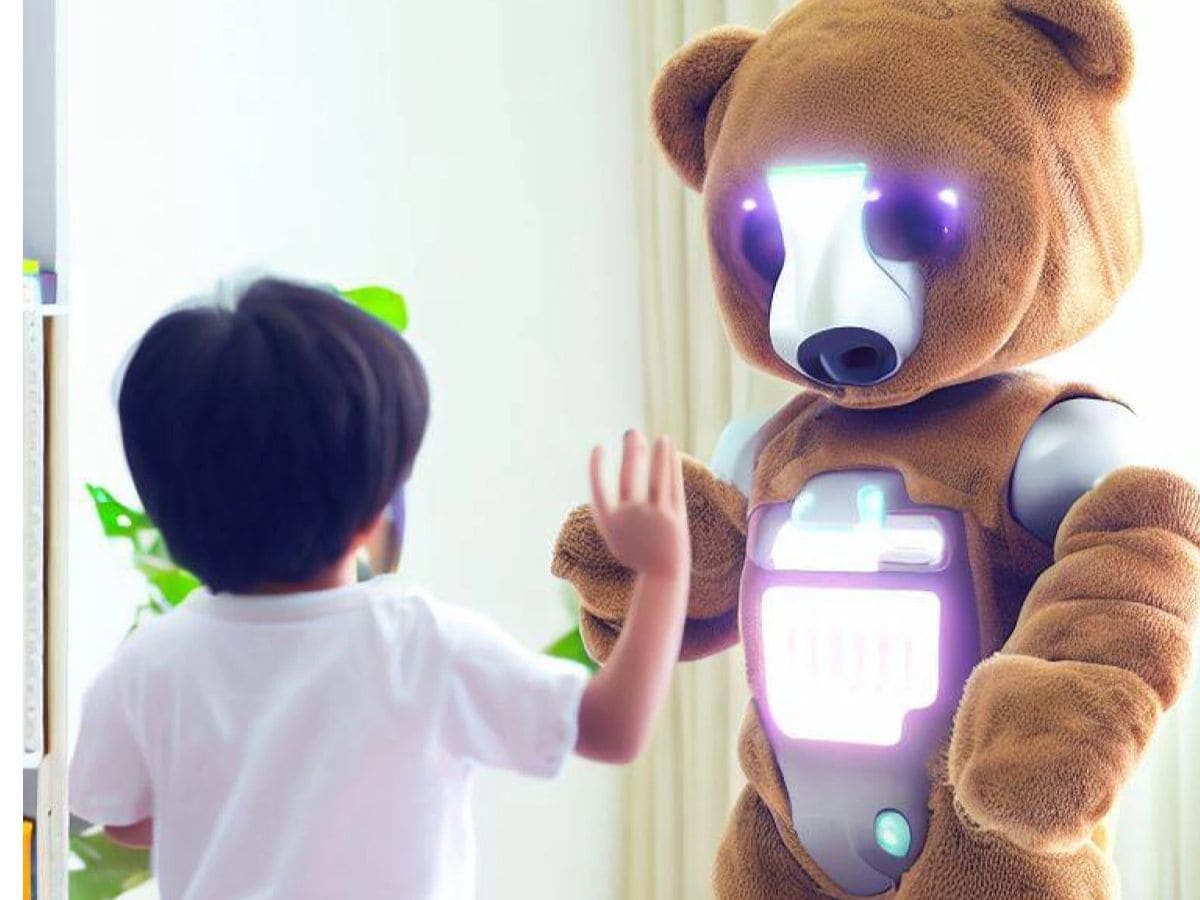
AI-powered stuffed animals, equipped with chatbot and voice recognition technology, are being marketed as screen-free companions for children. While offering interactive learning, experts warn these toys may undermine parental interaction, affect child development, and pose privacy risks, though no direct harm has yet been reported.[AI generated]

Why's our monitor labelling this an incident or hazard?

The article clearly involves AI systems—voice-activated AI chatbots powered by advanced language models embedded in stuffed animals. The concerns raised about data privacy, potential surveillance, and emotional development risks indicate plausible future harms that could arise from the use of these AI toys. However, the article does not report any realized harm or incident but rather discusses potential risks and ongoing debates. Therefore, this event fits the definition of an AI Hazard, as the AI system's use could plausibly lead to harms such as privacy violations and developmental issues in children.[AI generated]
AI principles
Privacy & data governanceHuman wellbeingRespect of human rightsRobustness & digital securitySafetyTransparency & explainabilityAccountability

Industries
Consumer productsEducation and trainingDigital security

Affected stakeholders
Children

Harm types
PsychologicalHuman or fundamental rights

Severity
AI hazard

AI system task:
Interaction support/chatbotsRecognition/object detectionContent generation


Articles about this incident or hazard

Thumbnail Image

AI Stuffed Animals: Screen-Free Learning with Privacy Concerns

2025-08-16
WebProNews
Why's our monitor labelling this an incident or hazard?
The article clearly involves AI systems embedded in children's toys, which use AI language models and voice recognition to interact with children. However, it does not describe any direct or indirect harm resulting from these AI systems, nor does it report a specific event where harm was caused or narrowly avoided. The concerns raised about privacy and social development are potential risks and ethical considerations rather than documented incidents or imminent hazards. The article also covers industry trends, partnerships, and regulatory responses, which align with providing complementary information about the AI ecosystem and its societal implications. Therefore, the event is best classified as Complementary Information.
Thumbnail Image

AI Stuffed Animals: Fostering Kid Learning Amid Privacy Risks

2025-08-17
WebProNews
Why's our monitor labelling this an incident or hazard?
The article clearly involves AI systems—voice-activated AI chatbots powered by advanced language models embedded in stuffed animals. The concerns raised about data privacy, potential surveillance, and emotional development risks indicate plausible future harms that could arise from the use of these AI toys. However, the article does not report any realized harm or incident but rather discusses potential risks and ongoing debates. Therefore, this event fits the definition of an AI Hazard, as the AI system's use could plausibly lead to harms such as privacy violations and developmental issues in children.
Thumbnail Image

Parents Beware: AI Is No Longer Just in Your Phone, Now It's Inside Your Child's Favorite Toy, What Parents Need to Know About AI-Powered Stuffed Animals and Screen Time, The Rise of Talking Teddy Bears and Their Impact on Kids' Curiosity

2025-08-17
Techlusive
Why's our monitor labelling this an incident or hazard?
The article clearly involves AI systems embedded in toys (chatbot technology in stuffed animals). However, it does not describe any realized harm or incident resulting from their use, only expert warnings and concerns about potential negative effects on children's development and parental roles. Therefore, it fits the definition of an AI Hazard, as the AI system's use could plausibly lead to harm, but no direct or indirect harm has yet occurred or been documented.
Thumbnail Image

Smart Companions or Digital Dangers? The Rise of AI Stuffed Animals for Kids

2025-08-17
Bangla news
Why's our monitor labelling this an incident or hazard?
The article clearly involves AI systems embedded in stuffed animals that interact with children using natural language processing and machine learning. While it reports on some negative outcomes (e.g., children preferring AI toys over human interaction) and regulatory actions, these are framed as concerns, warnings, or early responses rather than documented harms such as injury, rights violations, or property damage. The incidents mentioned (e.g., banning of toys in a kindergarten) indicate recognition of potential harm but do not describe actual realized harm meeting the criteria for an AI Incident. Therefore, the event is best classified as an AI Hazard, reflecting plausible future harms related to child development, privacy, and social impacts from the use of AI companions in children’s playrooms.
Thumbnail Image

Horror Story Looms as Children Get Stuffed Animals Powered by AI

2025-08-19
Futurism
Why's our monitor labelling this an incident or hazard?
The event involves AI systems (chatbots powered by LLMs) embedded in children's toys. The article details the use of these AI systems and highlights serious concerns about data privacy and safety, especially given the vulnerable population (children). While no direct harm is reported, the potential for harm (privacy violations, psychological effects) is credible and plausible given the nature of the AI use and the opaque data practices. Hence, it fits the definition of an AI Hazard rather than an Incident or Complementary Information. It is not unrelated because AI systems are central to the event and the concerns raised.