Lenovo AI Chatbot Vulnerability Exposes Users to Cyberattacks

Thumbnail Image

The information displayed in the AIM should not be reported as representing the official views of the OECD or of its member countries.

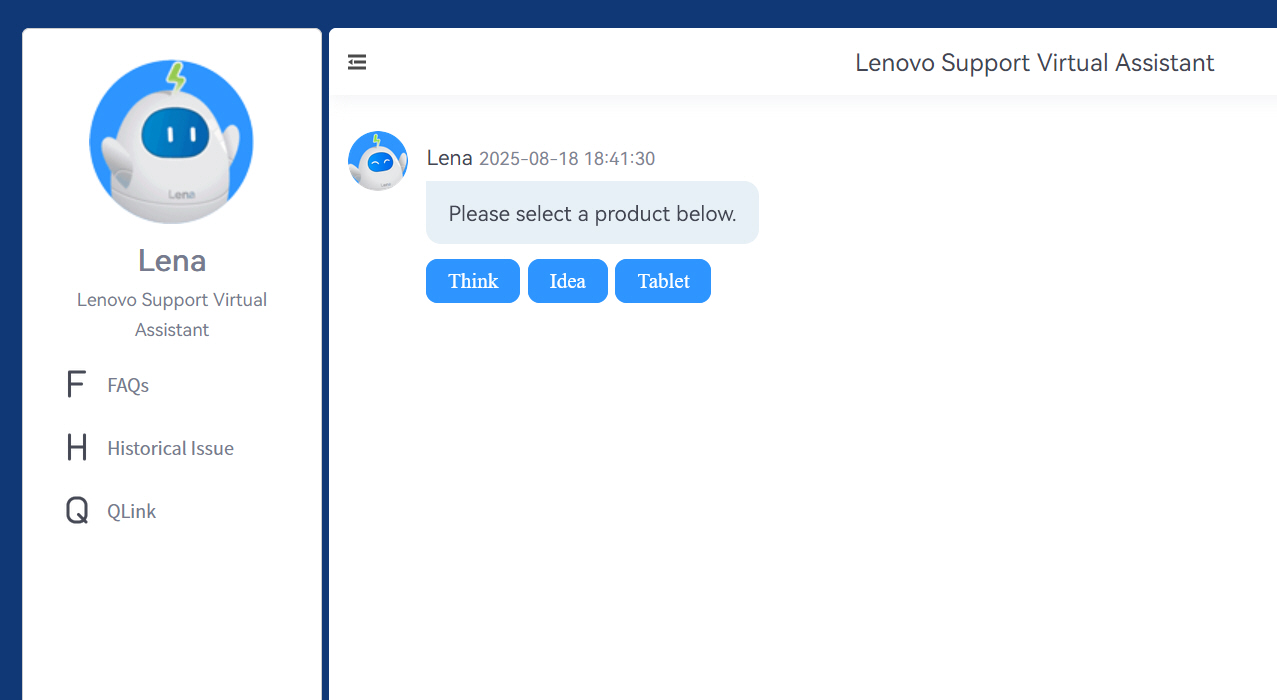
Researchers discovered critical vulnerabilities in Lenovo's GPT-4-powered customer service chatbot, Lena, allowing attackers to exploit prompt injection and XSS flaws. These weaknesses enabled theft of session cookies, execution of malicious code, and potential unauthorized access to corporate systems. Lenovo has since patched the flaw, but the incident highlights significant AI security risks.[AI generated]

Why's our monitor labelling this an incident or hazard?

The event involves an AI system (Lenovo's chatbot powered by GPT-4) whose use and malfunction (due to poor input/output sanitization and prompt injection vulnerabilities) directly led to security breaches that could cause harm to property, communities, and potentially violate privacy and security rights. The chatbot's outputs enabled attackers to steal session cookies and potentially execute remote code, which constitutes a direct AI Incident as defined by the framework. The harm is realized (or at least the vulnerability is actively exploitable), and the incident has significant security implications. Therefore, this is classified as an AI Incident.[AI generated]
AI principles
Robustness & digital securityPrivacy & data governanceAccountability

Industries
Consumer servicesDigital security

Affected stakeholders
ConsumersBusiness

Harm types
Human or fundamental rightsEconomic/PropertyReputational

Severity
AI incident

Business function:
Citizen/customer service

AI system task:
Interaction support/chatbots


Articles about this incident or hazard

Thumbnail Image

Flaw in Too-Trusting Lenovo Chatbot Could Have Let Hackers In - IT Security News

2025-08-19
IT Security News - cybersecurity, infosecurity news
Why's our monitor labelling this an incident or hazard?
The Lenovo chatbot is an AI system used for customer service. The flaw allowed manipulation via a crafted prompt to extract session cookies, enabling potential unauthorized access and lateral movement in networks. Although the article does not specify that an actual breach occurred, the vulnerability presents a credible risk of harm to property and corporate infrastructure if exploited. Therefore, this constitutes an AI Hazard, as the AI system's malfunction or misuse could plausibly lead to significant harm.
Thumbnail Image

Lenovo's chatbot is too helpful for hackers: will run remote code and leak secrets

2025-08-18
Cybernews
Why's our monitor labelling this an incident or hazard?
The event involves an AI system (Lenovo's chatbot powered by GPT-4) whose use and malfunction (due to poor input/output sanitization and prompt injection vulnerabilities) directly led to security breaches that could cause harm to property, communities, and potentially violate privacy and security rights. The chatbot's outputs enabled attackers to steal session cookies and potentially execute remote code, which constitutes a direct AI Incident as defined by the framework. The harm is realized (or at least the vulnerability is actively exploitable), and the incident has significant security implications. Therefore, this is classified as an AI Incident.
Thumbnail Image

Lenovo's Lena AI chatbot could be turned into a secret hacker with just one question

2025-08-19
TechRadar
Why's our monitor labelling this an incident or hazard?
The AI system (Lenna chatbot powered by ChatGPT) is explicitly involved and its malfunction (lack of proper input/output sanitization and verification) has directly led to security harms including session cookie theft and potential unauthorized access to sensitive data. These harms constitute violations of security and privacy, which fall under harm to property and potentially harm to communities or organizations. The event describes actual exploitation and realized harm, not just potential risk, qualifying it as an AI Incident rather than a hazard or complementary information.
Thumbnail Image

Lenovo's Lena AI chatbot had weakness that let attackers hijack sessions - BetaNews

2025-08-18
BetaNews
Why's our monitor labelling this an incident or hazard?
The AI system (Lenna chatbot) was directly involved as its improper input/output handling allowed attackers to execute malicious code and steal session cookies, enabling unauthorized access to internal systems. This constitutes a direct AI Incident because the AI system's malfunction led to a security breach risk with potential harm to property and data confidentiality. The article reports a realized vulnerability and exploitation method, not just a potential risk, and the harm is clearly articulated. Therefore, this event qualifies as an AI Incident.
Thumbnail Image

Flaw in Lenovo's customer service AI chatbot could let hackers run malicious code, breach networks

2025-08-19
channelpro
Why's our monitor labelling this an incident or hazard?
The Lenovo AI chatbot is an AI system involved in customer service. The flaw allowed attackers to exploit the AI's behavior to execute cross-site scripting attacks, steal session cookies, and gain unauthorized access to systems, which constitutes a violation of rights and harm to property and communities. The harm has already occurred as attackers could steal data and compromise networks. Therefore, this qualifies as an AI Incident due to direct harm caused by the AI system's malfunction and misuse.
Thumbnail Image

Lenovo AI chatbot impacted by critical XSS bugs

2025-08-19
SC Media
Why's our monitor labelling this an incident or hazard?
The incident involves the use and malfunction of an AI system (Lenovo's GPT-4-powered chatbot) where a security vulnerability (XSS) is exploited to cause harm. The harm includes unauthorized access to systems, potential compromise of user data, and risks of further malicious actions such as backdoors and lateral movement. These outcomes constitute harm to property and potentially to communities relying on the system's security, fitting the definition of an AI Incident as the AI system's malfunction directly leads to harm.
Thumbnail Image

Lenovo's AI Chatbot Incident Signals The Dawn Of A New Cybersecurity Era | ABC Money

2025-08-20
ABC Money
Why's our monitor labelling this an incident or hazard?
The article explicitly involves an AI system (Lenovo's AI chatbot Lena) whose use and malfunction directly led to harm: exposure of session cookies and execution of malicious code within Lenovo's systems. This constitutes a cybersecurity breach, a form of harm to property and enterprise operations. The AI system was manipulated to produce malicious outputs, which is a direct cause of the incident. The event is not merely a potential risk but a realized incident with demonstrated harm, thus qualifying as an AI Incident under the OECD framework.
Thumbnail Image

Lenovo AI Chatbot Flaw Allows Remote Script Execution on Corporate Systems - IT Security News

2025-08-20
IT Security News - cybersecurity, infosecurity news
Why's our monitor labelling this an incident or hazard?
The Lenovo AI chatbot is an AI system used in enterprise environments. The vulnerability allows remote script execution and data theft, which constitutes harm to property and potentially to organizations' operations. Since the vulnerability has been uncovered, it implies a direct risk of harm due to the AI system's malfunction or security flaw. Therefore, this qualifies as an AI Incident because the AI system's malfunction has directly led to a security breach risk with potential harm.
Thumbnail Image

Lenovo AI Chatbot Vulnerability Let Attackers Run Remote Scripts on Corporate Machines - IT Security News

2025-08-20
IT Security News - cybersecurity, infosecurity news
Why's our monitor labelling this an incident or hazard?
The Lenovo AI chatbot is an AI system as it is an AI-powered conversational agent. The vulnerability allows attackers to exploit the chatbot to run malicious scripts remotely, which constitutes a malfunction or misuse of the AI system. This has directly led to a security breach risk, which is a violation of corporate data security and can be considered harm to property and potentially to the corporate community. Therefore, this event qualifies as an AI Incident due to realized harm or direct risk of harm caused by the AI system's malfunction and exploitation.
Thumbnail Image

Lenovo AI Chatbot Vulnerability Let Attackers Run Remote Scripts on Corporate Machines

2025-08-20
Cyber Security News
Why's our monitor labelling this an incident or hazard?
The event involves an AI system (Lenovo's AI chatbot powered by GPT-4) whose malfunction or insecure implementation (lack of input/output sanitization and CSP) directly leads to security breaches and harm to corporate systems and data. The attackers exploit the AI system's outputs to execute malicious scripts, causing harm to property and potentially to people via phishing and credential theft. The harm is realized, not just potential, and the AI system's role is pivotal in enabling the attack vector. Hence, this is classified as an AI Incident.
Thumbnail Image

Lenovo Patches Critical XSS Flaw in Lena AI Chatbot

2025-08-19
WebProNews
Why's our monitor labelling this an incident or hazard?
The event involves an AI system (Lenna chatbot) whose malfunction (vulnerability to XSS attacks) directly led to significant cybersecurity harm, including session hijacking and potential data theft. This fits the definition of an AI Incident because the AI system's use and malfunction caused direct harm to users and enterprise security. The patching of the flaw is a response but does not negate the fact that the incident occurred. Therefore, this is classified as an AI Incident.