The information displayed in the AIM should not be reported as representing the official views of the OECD or of its member countries.
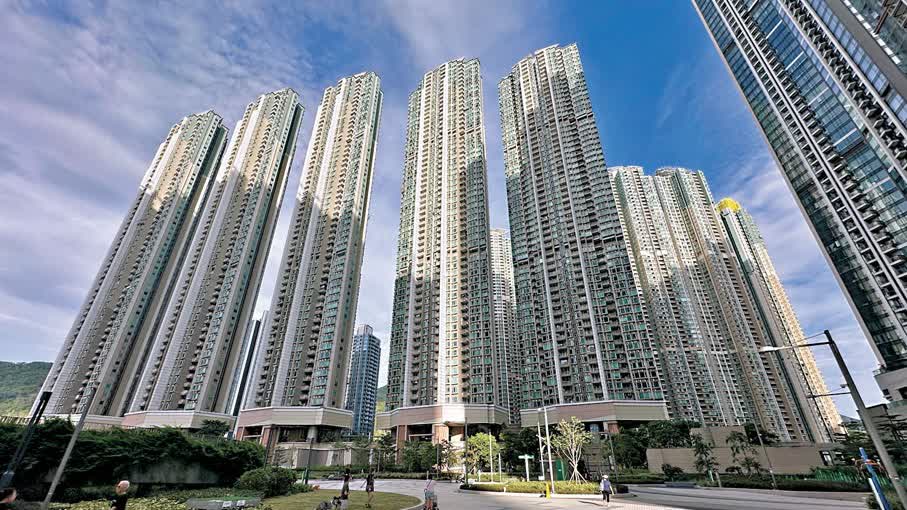
A large Hong Kong housing estate plans to deploy 10 AI-powered concierge robots, reducing human security staff by 40% to save over HK$1 million annually. The move has triggered resident and public concerns about job losses, service quality, and the robots' ability to handle emergencies, highlighting potential future harms from AI deployment.[AI generated]
Why's our monitor labelling this an incident or hazard?
The event involves the planned use of AI-enabled concierge robots to replace some human security guards, which is a clear AI system use. The concerns raised by residents and stakeholders about the robots' ability to respond to emergencies and the potential job losses indicate plausible future harms related to safety and labor rights. Since no actual harm or incident has been reported, but the AI system's deployment could plausibly lead to incidents, the classification as an AI Hazard is appropriate. The article does not report any realized harm or incident caused by the AI robots yet, so it is not an AI Incident. It is also not merely complementary information or unrelated, as the focus is on the potential risks and impacts of AI system deployment.[AI generated]


