Metropolitan Police's Use of Live Facial Recognition Sparks Bias and Rights Concerns

Thumbnail Image

The information displayed in the AIM should not be reported as representing the official views of the OECD or of its member countries.

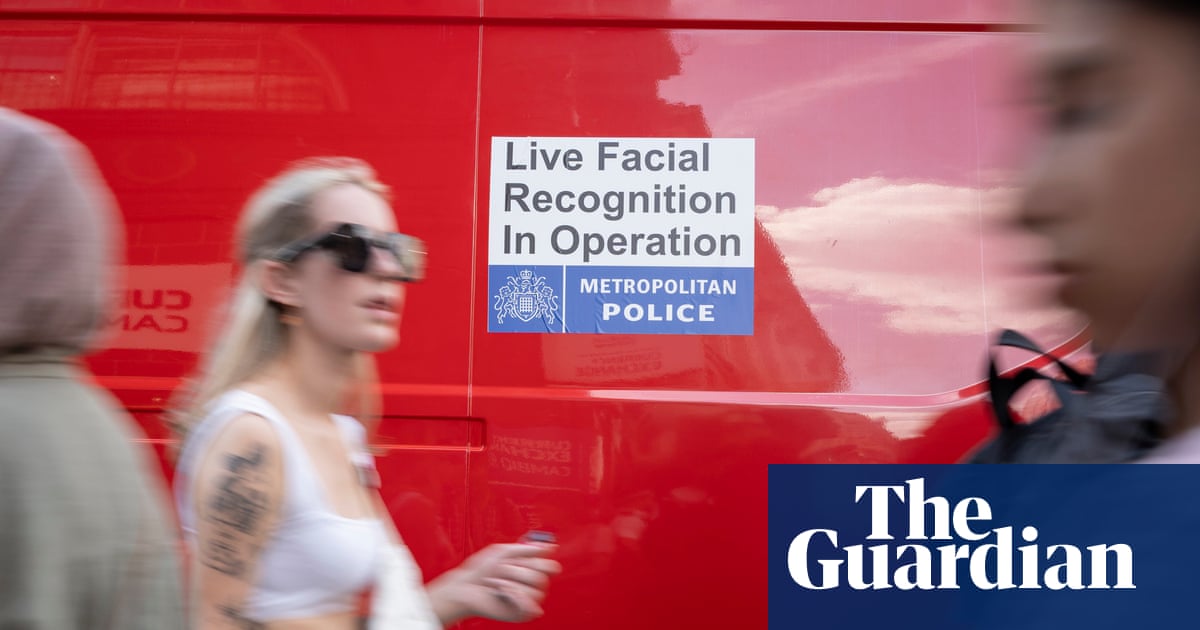
The Metropolitan Police's deployment of live facial recognition (LFR) technology has led to arrests and detentions, but experts and rights groups highlight ongoing issues of bias, particularly against ethnic minorities, and privacy violations. Despite police claims of bias-free operation, independent reviews and legal bodies dispute these assertions, citing insufficient evidence and potential human rights infringements.[AI generated]

Why's our monitor labelling this an incident or hazard?

The event explicitly involves an AI system (live facial recognition) used by the police. The expert critique focuses on bias in the system's outputs, which is a violation of human rights and fundamental rights protections. The system's use at a major public event despite these concerns means harm is ongoing or imminent. The AI system's role in producing biased false positives directly links it to harm. Hence, this is an AI Incident due to realized or ongoing harm related to bias and discrimination in law enforcement use of AI.[AI generated]
AI principles
FairnessRespect of human rightsPrivacy & data governanceTransparency & explainabilityAccountabilityRobustness & digital securityDemocracy & human autonomy

Industries
Government, security, and defence

Affected stakeholders
General public

Harm types
Human or fundamental rightsPsychological

Severity
AI incident

Business function:
Compliance and justice

AI system task:
Recognition/object detection


Articles about this incident or hazard

Thumbnail Image

Expert rejects Met police claim that study backs bias-free live facial recognition use

2025-08-23
Yahoo! Finance
Why's our monitor labelling this an incident or hazard?
The event explicitly involves an AI system (live facial recognition) used by the police. The expert critique focuses on bias in the system's outputs, which is a violation of human rights and fundamental rights protections. The system's use at a major public event despite these concerns means harm is ongoing or imminent. The AI system's role in producing biased false positives directly links it to harm. Hence, this is an AI Incident due to realized or ongoing harm related to bias and discrimination in law enforcement use of AI.
Thumbnail Image

Expert rejects Met police claim that study backs bias-free live facial recognition use

2025-08-23
The Guardian
Why's our monitor labelling this an incident or hazard?
The article explicitly involves an AI system (live facial recognition) whose use by the police has led to false positive identifications disproportionately affecting ethnic minorities, which constitutes harm through bias and potential rights violations. The expert critique highlights that the police's claims of bias-free operation are not supported by sufficient data, indicating ongoing issues with the AI system's fairness and reliability. The deployment of this system in public spaces with insufficiently validated bias mitigation measures directly relates to harm to individuals and communities. Hence, this qualifies as an AI Incident due to realized harm linked to the AI system's use and its impact on human rights and community trust.
Thumbnail Image

Expert rejects Met police claim that study backs bias-free live facial recognition use

2025-08-23
AOL.com
Why's our monitor labelling this an incident or hazard?
The event clearly involves an AI system (live facial recognition) used by the police. The article details the system's false positive rates, which disproportionately affect ethnic minorities, indicating bias and potential violations of human rights. The police have used the system's outputs to make arrests and impose bans, showing direct consequences of the AI system's outputs on individuals. The expert's critique highlights that the police's claims of bias-free operation are not supported by sufficient evidence, but the harm from false positives and biased outcomes is occurring. This meets the criteria for an AI Incident due to violations of human rights and harm to individuals caused directly or indirectly by the AI system's use.
Thumbnail Image

Notting Hill Carnival: Less serious violence this year, says Met

2025-08-25
BBC
Why's our monitor labelling this an incident or hazard?
The article explicitly mentions the use of live facial recognition, an AI system, in policing at the carnival, with arrests resulting from its use. However, no direct or indirect harm caused by the AI system is reported; the harms mentioned relate to criminal activity and arrests but not to AI-caused harm. The concerns about surveillance and potential bias are noted but remain warnings or criticisms rather than documented incidents. Thus, the event does not meet the criteria for an AI Incident or AI Hazard but fits as Complementary Information about AI deployment and societal response.
Thumbnail Image

UK Facial Recognition Gamble

2025-08-25
Euro Weekly News Spain
Why's our monitor labelling this an incident or hazard?
The event involves an AI system (live facial recognition) actively used in policing, which can cause harms such as misidentification and bias affecting fundamental rights. However, the article does not describe a concrete AI Incident (no realized harm from the AI system is reported) nor a specific AI Hazard (no imminent or plausible future harm event is described beyond general concerns). The main focus is on the societal debate, ethical considerations, and policy questions surrounding the technology's use, making this a case of Complementary Information that enhances understanding of AI deployment and its implications without reporting a new incident or hazard.
Thumbnail Image

Police claims on live facial recognition bias not supported by facts: UK professor | Biometric Update

2025-08-25
Biometric Update
Why's our monitor labelling this an incident or hazard?
The event explicitly involves an AI system (live facial recognition) used by police for identifying individuals, leading to arrests. The article highlights concerns about bias and racial discrimination in the system's false positive identifications, which implicates violations of human rights and potential harm to communities. The AI system's outputs have directly influenced police actions (arrests), fulfilling the criteria for an AI Incident. Although the police dispute the bias claims, the independent study and expert opinions indicate that the AI system's use has caused or contributed to harm. Hence, this is not merely a hazard or complementary information but an incident involving realized harm linked to AI use in law enforcement.
Thumbnail Image

On duty in a facial recognition van: 'It's like an Odeon, mate'

2025-08-23
thetimes.com
Why's our monitor labelling this an incident or hazard?
The event involves the use of an AI system (live facial recognition) in active policing operations, which has directly led to detentions and arrests, impacting individuals' rights and freedoms. The article documents realized harms such as misidentifications and privacy infringements, as well as ongoing legal challenges. These harms fall under violations of human rights and fundamental rights, meeting the criteria for an AI Incident. The presence of the AI system is explicit, and its use has directly caused harm, not just potential harm. Hence, the classification as AI Incident is appropriate.
Thumbnail Image

More than 700 arrests this year from live facial recognition - Met

2025-09-10
BBC
Why's our monitor labelling this an incident or hazard?
Live facial recognition is an AI system that processes biometric data in real time to identify individuals. The Metropolitan Police's deployment of LFR has directly resulted in arrests, which is a direct consequence of AI system use. Arrests based on AI identification can implicate human rights, privacy, and legal rights, thus meeting the criteria for harm under violations of human rights or breach of legal obligations. The article reports realized outcomes (arrests) stemming from AI use, not just potential risks or future harms, so it is classified as an AI Incident.
Thumbnail Image

More than 700 arrests this year from live facial recognition - Met

2025-09-10
BBC
Why's our monitor labelling this an incident or hazard?
Live facial recognition is an AI system that processes biometric data in real-time to identify individuals. Its use has directly contributed to arrests, indicating realized harm in terms of law enforcement actions and potential impacts on individuals' rights. The concerns about racial bias and mass surveillance relate to violations of human rights and fundamental freedoms, fitting the definition of AI Incident. The mention of drones to support policing, while not yet causing harm, represents a plausible future AI Hazard due to potential autonomous decision-making and privacy implications. Since realized harms are present, the primary classification is AI Incident.
Thumbnail Image

Live facial recognition has led to over 700 arrests this year, Met...

2025-09-10
Daily Mail Online
Why's our monitor labelling this an incident or hazard?
Live facial recognition is an AI system that analyzes facial images in real time to identify individuals. The article explicitly states that its use has led to over 700 arrests, including serious crimes, demonstrating direct involvement of AI in causing harm reduction (a positive form of harm) by preventing crime and protecting public safety. The concerns about racial bias relate to potential violations of rights, but the article does not report actual harm from bias occurring yet, only concerns. The deployment and use of LFR thus constitute an AI Incident because the AI system's use has directly led to significant societal impacts involving harm prevention and raises issues related to rights. The mention of drones is prospective and does not yet constitute harm or hazard. Therefore, the classification is AI Incident.
Thumbnail Image

Live facial recognition has led to over 700 arrests this year, Met boss says

2025-09-10
Yahoo
Why's our monitor labelling this an incident or hazard?
Live facial recognition is an AI system used in policing to identify suspects in real time. The article states that its use has directly led to over 700 arrests, including serious crimes, which constitutes direct harm prevention and public safety impact. The concerns about bias and discrimination imply potential rights violations, but the article focuses on realized arrests and crime reduction, which are direct outcomes of AI use. Therefore, this qualifies as an AI Incident because the AI system's use has directly led to significant societal impacts involving harm prevention and potential rights issues. The mention of drones is future-oriented and does not change the classification.
Thumbnail Image

Live facial recognition has led to over 700 arrests this year, Met Boss says

2025-09-10
ITV Hub
Why's our monitor labelling this an incident or hazard?
Live facial recognition is an AI system used in real-time to identify suspects, leading directly to arrests and thus causing realized harm in terms of law enforcement actions and potential impacts on individuals' rights. The event involves the use of AI systems in policing that have directly led to significant outcomes (arrests), which qualifies as an AI Incident due to the direct link between AI use and harm (arrest and potential rights impact). The concerns about bias and mass surveillance also relate to violations of rights, reinforcing the classification as an AI Incident. The mention of drones is prospective and does not yet constitute harm, so it does not change the classification.
Thumbnail Image

Live facial recognition has led to over 700 arrests this year, Met boss says

2025-09-10
getwestlondon
Why's our monitor labelling this an incident or hazard?
Live facial recognition is an AI system that processes biometric data to identify individuals in real time. Its use by the police has directly led to arrests, which constitutes a direct link to harm reduction (harm to communities by preventing crime). However, the concerns about racial bias and mass surveillance raise issues of potential violations of human rights and discriminatory practices. Since the arrests and public safety improvements are realized outcomes, this qualifies as an AI Incident. The mention of drones is prospective and does not itself constitute harm or plausible harm yet. Therefore, the primary classification is AI Incident due to the realized impact of LFR use in policing and associated societal concerns.
Thumbnail Image

Top cop hails Live Facial Recognition technology as a 'game-changing' tool

2025-09-10
The Irish Sun
Why's our monitor labelling this an incident or hazard?
The event involves AI systems (Live Facial Recognition and AI for CCTV analysis and language translation) actively used in policing, leading to direct impacts on public safety through arrests and crime reduction. These outcomes represent harm prevention rather than harm caused by AI malfunction or misuse. There is no indication of injury, rights violations, or other harms caused by the AI systems. The article focuses on the benefits and future plans for AI in policing, including governance improvements, which aligns with complementary information about AI deployment and policy context rather than an incident or hazard. Therefore, the event is best classified as Complementary Information.
Thumbnail Image

Live facial recognition hits Bedfordshire next week

2025-09-11
Luton Online
Why's our monitor labelling this an incident or hazard?
Live Facial Recognition is an AI system involving biometric identification. The article discusses its imminent deployment, which could plausibly lead to harms such as violations of human rights or privacy breaches, especially given the known controversies around LFR technology. However, no actual harm or incident is reported at this stage. The presence of governance and oversight measures is noted but does not negate the potential for future harm. Therefore, this event is best classified as an AI Hazard, reflecting the credible risk posed by the deployment of this AI system.
Thumbnail Image

BSCC-FOI-1225-HD: attachment to email 2, response to College of Policing APP on live facial recognition

2025-09-12
GOV.UK
Why's our monitor labelling this an incident or hazard?
The text discusses the use and implications of an AI system (Live Facial Recognition) in policing, highlighting concerns about misuse, ethical issues, and societal impact. However, it does not report an actual incident of harm caused by the AI system, nor does it describe a specific event where harm was narrowly avoided. It also does not present a new hazard or risk event but rather critiques existing policy and plans a public engagement event. Therefore, it fits best as Complementary Information, providing context, critique, and governance-related discussion about AI surveillance technology rather than reporting a new AI Incident or AI Hazard.