



























Taco Bell's AI Drive-Thru Faces Operational Failures and Customer Frustration

Thumbnail Image

The information displayed in the AIM should not be reported as representing the official views of the OECD or of its member countries.

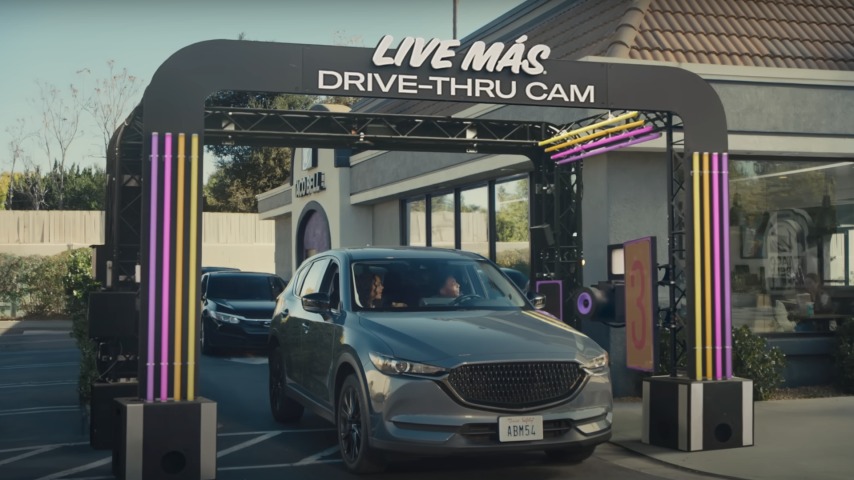
Taco Bell deployed AI-powered drive-thru order systems at over 500 locations, but the technology struggled with glitches, customer trolling, and incorrect orders, leading to customer frustration and operational disruptions. The company is reconsidering its approach, acknowledging that the AI has not matched human performance and requires further refinement.[AI generated]

Why's our monitor labelling this an incident or hazard?

The article explicitly mentions AI voice ordering systems being used and malfunctioning, causing customer dissatisfaction and a concrete example of a customer being charged over $15,000, which is a clear financial harm to a person. The AI system's malfunction is directly linked to this harm, fitting the definition of an AI Incident involving harm to a person (financial harm).[AI generated]
AI principles
Robustness & digital securitySafety

Industries
Food and beveragesConsumer services

Affected stakeholders
ConsumersBusiness

Harm types
PsychologicalEconomic/PropertyReputational

Severity
AI incident

Business function:
Citizen/customer service

AI system task:
Interaction support/chatbots

In other databases

Articles about this incident or hazard

Thumbnail Image

Taco Bell admits its AI drive-thru is kind of bad

2025-08-29
The A.V. Club
Why's our monitor labelling this an incident or hazard?
The article explicitly mentions AI voice ordering systems being used and malfunctioning, causing customer dissatisfaction and a concrete example of a customer being charged over $15,000, which is a clear financial harm to a person. The AI system's malfunction is directly linked to this harm, fitting the definition of an AI Incident involving harm to a person (financial harm).
Thumbnail Image

After 2 Million AI Orders, Taco Bell Admits Humans Still Belong in the Drive-Thru

2025-08-28
CNET
Why's our monitor labelling this an incident or hazard?
The AI system is explicitly involved as the drive-thru ordering AI at Taco Bell. Its malfunction (repeated wrong orders, inability to handle unusual requests, and looping questions) has directly led to harm in the form of operational disruption and customer frustration, which are significant harms to the business and community experience. Although no physical injury or legal violation is reported, the operational harm and customer dissatisfaction are clear and directly linked to the AI system's malfunction. This fits the definition of an AI Incident as the AI system's malfunction has directly led to harm.
Thumbnail Image

Taco Bell's AI drive-thru plan gets caught up on trolls and glitches

2025-08-28
The Verge
Why's our monitor labelling this an incident or hazard?
The article describes the use of an AI voice assistant system in Taco Bell drive-thrus, which qualifies as an AI system. The challenges include customer trolling and glitches, but there is no report of injury, rights violations, or other harms. The company is learning and adjusting deployment plans, indicating operational difficulties but no realized harm or credible imminent harm. Therefore, this event does not meet the threshold for an AI Incident or AI Hazard. It is best classified as Complementary Information, providing context on AI deployment challenges and responses in the fast-food industry.
Thumbnail Image

Taco Bell Says 'No Más' to AI Drive-Thru Experiment

2025-08-28
Gizmodo
Why's our monitor labelling this an incident or hazard?
The article explicitly mentions AI systems used in drive-thru order taking, confirming AI system involvement. The issues described stem from the use of these AI systems, including errors and user manipulation, but no harm as defined (injury, rights violations, property/community/environmental harm) is reported. The article focuses on lessons learned and ongoing efforts to improve AI, which aligns with providing supporting information rather than reporting a harmful event or credible future harm. Hence, the classification as Complementary Information is appropriate.
Thumbnail Image

Taco Bell Reconsiders Voice AI After Seeing Mixed Results | PYMNTS.com

2025-08-28
PYMNTS.com
Why's our monitor labelling this an incident or hazard?
The article explicitly mentions the use of voice AI systems for order-taking, confirming AI system involvement. The issues described (glitches, customer discomfort, prank orders) relate to the use of the AI system but do not indicate any realized harm such as injury, rights violations, or significant disruption. There is no credible indication that these issues could plausibly lead to serious harm in the future. The main focus is on the company's learning and reconsideration of AI deployment strategies, which fits the definition of Complementary Information as it updates on societal and technical responses to AI use. Hence, the event is not an AI Incident or Hazard but Complementary Information.
Thumbnail Image

Taco Bell Tried To Put AI In The Drive-Thru, And The Internet Said 'No Thanks' - BGR

2025-08-28
BGR
Why's our monitor labelling this an incident or hazard?
The event involves the use and malfunction of an AI system in a commercial setting (drive-thru ordering). The AI's poor performance and inability to meet expectations constitute a malfunction. However, there is no indication of direct or indirect harm to health, rights, property, or communities as defined. The issues are operational and reputational rather than harmful incidents. Therefore, this qualifies as an AI Hazard, as the AI's malfunction could plausibly lead to harm such as customer frustration or business disruption, but no actual harm meeting the incident criteria is described.
Thumbnail Image

Taco Bell's AI Drive Thru Is Not as Effective as Human-Operated Ones

2025-08-29
Tech Times
Why's our monitor labelling this an incident or hazard?
The AI system is explicitly involved as it is used to take drive-thru orders. Its malfunction and operational failures have directly led to customer frustration and operational disruptions, requiring human staff to intervene. This constitutes harm to the community and property through service disruption and incorrect orders. Therefore, this qualifies as an AI Incident due to the realized harm caused by the AI system's malfunction in a real-world application.
Thumbnail Image

AI is returning to Taco Bell and McDonalds drive-thrus - will customers bite this time?

2025-08-29
ZDNet
Why's our monitor labelling this an incident or hazard?
The article focuses on the development and use of AI systems in drive-thru customer service but does not describe any realized harm or incident resulting from these AI systems. It mentions past problems and customer complaints but no specific AI Incident or Hazard. The main content is about ongoing experimentation and strategic adjustments, which fits the definition of Complementary Information as it provides supporting context and updates on AI use without reporting new harm or credible risk of harm.
Thumbnail Image

Taco Bell rethinks AI drive-through after man orders 18,000 waters

2025-08-29
BBC
Why's our monitor labelling this an incident or hazard?
The AI voice system is explicitly mentioned and is responsible for misinterpreting orders, which has caused operational issues and customer complaints. While there is no physical injury or legal violation, the malfunction has led to harm in terms of service disruption and potential economic loss. This fits the definition of an AI Incident as the AI system's malfunction has directly or indirectly led to harm (disruption of service and customer dissatisfaction).
Thumbnail Image

Taco Bell to slow its roll out of AI-powered drive thrus after glitches and trolls: '18,000 cups of water please'

2025-08-30
Yahoo
Why's our monitor labelling this an incident or hazard?
An AI system (voice AI for order taking) is explicitly involved and its malfunction and misuse have directly caused harm in the form of incorrect orders and customer dissatisfaction. This fits the definition of an AI Incident because the AI system's malfunction and use have directly led to harm (customer frustration, order errors) and disruption of service. The event is not merely a product launch or general update but reports realized harm and operational issues caused by the AI system.
Thumbnail Image

Taco Bell rethinks AI drive-through after man orders 18,000 waters

2025-08-29
Yahoo
Why's our monitor labelling this an incident or hazard?
The AI voice system is explicitly mentioned as the cause of errors in order processing, leading to customer complaints and operational challenges. The harm is indirect but real, as the AI's malfunction disrupts service and causes customer dissatisfaction, which fits within harm to communities or customers. Therefore, this qualifies as an AI Incident due to the AI system's malfunction directly leading to harm in the form of service disruption and customer harm.
Thumbnail Image

Taco Bell to slow its rollout of AI-powered drive thrus after glitches and trolls

2025-08-30
The Independent
Why's our monitor labelling this an incident or hazard?
The AI system (voice AI for order taking) is explicitly mentioned and is malfunctioning or performing inadequately, causing incorrect or problematic orders. This has led to realized harm in the form of customer frustration and operational issues. The harm is direct and linked to the AI system's use and malfunction. The event also references a similar incident at McDonald's, reinforcing the classification. Hence, it meets the criteria for an AI Incident rather than a hazard or complementary information.
Thumbnail Image

'We're learning a lot': Humans 1, Artificial Intelligence 0, in fight launched by robots * WorldNetDaily * by Bob Unruh

2025-08-29
WND
Why's our monitor labelling this an incident or hazard?
The AI system (voice assistant) was explicitly used in the drive-thru ordering process and made errors that negatively impacted customers and the company's operations. This constitutes a malfunction of an AI system that directly led to harm (customer dissatisfaction and operational disruption). Therefore, this qualifies as an AI Incident under the framework, as the AI system's use caused realized harm.
Thumbnail Image

Pranksters prove Taco Bell's AI drive-thrus not ready for prime time

2025-08-29
Boing Boing
Why's our monitor labelling this an incident or hazard?
The AI system is explicitly involved as the voice ordering assistant. The prank orders exploit the AI's limitations, causing it to redirect to human staff, but no harm as defined by the framework (injury, rights violation, disruption, or property/community/environmental harm) is reported. The company's response to reconsider deployment is a governance or operational adjustment, not a new incident or hazard. Therefore, this is best classified as Complementary Information, providing context on challenges and responses related to AI use.
Thumbnail Image

Taco Bell's Attempt to Replace Drive-Thru Employees Is Not Going Well

2025-08-29
Futurism
Why's our monitor labelling this an incident or hazard?
The AI systems are explicitly mentioned as being used in drive-thru operations, indicating AI system involvement. The problems stem from the AI's use and performance failures. However, the harms described are limited to customer annoyance and operational inefficiency, without evidence of injury, rights violations, or other significant harms. There is also no indication that these AI systems could plausibly lead to serious future harm beyond current performance issues. Therefore, the event does not meet the criteria for AI Incident or AI Hazard. Since the article focuses on the challenges and ongoing evaluation of AI deployment, it fits best as Complementary Information, providing context and updates on AI use and its societal reception.
Thumbnail Image

Taco Bell Scales Back AI Drive-Thru Amid Glitches and Pranks

2025-08-29
WebProNews
Why's our monitor labelling this an incident or hazard?
The article explicitly mentions the deployment and use of AI systems for order-taking in Taco Bell drive-thrus. The AI's malfunction and inability to handle certain inputs have directly led to harm in the form of customer frustration, incorrect orders, and operational disruptions. These harms affect customers and the business community, constituting harm to communities and property (through financial and reputational damage). Therefore, this qualifies as an AI Incident because the AI system's use has directly led to realized harm.
Thumbnail Image

Taco Bell, McDonald's Revive AI Drive-Thrus with Human Oversight

2025-08-29
WebProNews
Why's our monitor labelling this an incident or hazard?
The article clearly involves AI systems used in drive-thru ordering, with documented malfunctions that led to operational disruptions and customer frustration, which can be considered harm to service quality and potentially harm to communities through negative customer experience. However, there is no indication of injury, legal rights violations, or critical infrastructure disruption. The harms described are realized but primarily operational and reputational rather than severe or legally significant. The article also emphasizes ongoing mitigation efforts and future improvements, making it primarily a report on AI system use and its challenges rather than a new incident causing significant harm. Therefore, it fits best as Complementary Information, providing context and updates on AI deployment challenges and responses in the fast-food industry.
Thumbnail Image

Taco Bell Assessing AI Technology Following Order Mishap - The Global Herald

2025-08-29
The Global Herald
Why's our monitor labelling this an incident or hazard?
The article explicitly mentions an AI system deployed in Taco Bell drive-throughs that is malfunctioning by misinterpreting orders and causing customer frustration. The harm is realized as customers experience poor service and order errors, which is a direct consequence of the AI system's malfunction. Although the harm is not physical, it affects customer satisfaction and operational integrity, fitting within the scope of AI Incident definitions. The company's response to reassess and adjust AI use further supports that harm has occurred and is being addressed.
Thumbnail Image

Taco Bell's AI errors lead to a 'rethink of AI strategy'

2025-08-29
retail-systems.com
Why's our monitor labelling this an incident or hazard?
The event involves the use and malfunction of an AI system (voice-based AI for drive-thru orders) that has directly led to customer frustration and operational disruption, which can be considered harm to the customer experience and potentially harm to the business community. Although no physical injury or legal violation is reported, the AI system's errors have caused significant negative impact, prompting a strategic reassessment. This fits the definition of an AI Incident due to realized harm from AI malfunction affecting customers and operations.
Thumbnail Image

Taco Bell AI drive-thru rollout stalls after trolls order 18,000 water cups

2025-08-29
Cybernews
Why's our monitor labelling this an incident or hazard?
An AI system (voice AI for drive-thru orders) is explicitly involved. The prank ordering 18,000 water cups caused the AI system to malfunction or fail to handle the request properly, leading to operational disruption and the need for human staff to intervene. This disruption affects the management and operation of a critical service infrastructure (the drive-thru ordering system), which qualifies as harm under the disruption of management and operation of critical infrastructure. Therefore, this event constitutes an AI Incident due to the realized harm caused by the AI system's malfunction and misuse.
Thumbnail Image

Taco Bell is having second thoughts about relying on AI at the drive-through - RocketNews

2025-08-30
RocketNews | Top News Stories From Around the Globe
Why's our monitor labelling this an incident or hazard?
The event involves an AI system (voice AI for drive-through ordering) and its use, but there is no direct or indirect harm reported or plausible future harm indicated. The challenges mentioned (e.g., a customer ordering 18,000 water cups to bypass AI) are operational issues and do not constitute harm as defined. The article mainly discusses the company's reflections and adjustments, which fits the category of Complementary Information rather than an Incident or Hazard.
Thumbnail Image

Taco Bell CTO admits AI cannot work everywhere; says company now reconsidering where and where not to use the AI going forward - The Times of India

2025-08-30
The Times of India
Why's our monitor labelling this an incident or hazard?
While the AI system has caused operational issues and customer dissatisfaction, there is no indication of direct or indirect harm as defined by the AI Incident criteria. The article focuses on the company's learning process and strategic reconsideration of AI use, which aligns with ongoing assessment and adaptation rather than an incident or hazard. Therefore, this is best classified as Complementary Information, providing context on AI deployment challenges and responses without reporting a specific harm or credible future harm.
Thumbnail Image

Taco Bell Slows Down AI Rollout After '18,000 Water Cups' Prank Crashes System

2025-08-31
NDTV
Why's our monitor labelling this an incident or hazard?
The article explicitly mentions the use of voice AI technology for order processing, which malfunctioned due to prank orders and caused system crashes and order errors. These malfunctions led to realized harm in the form of disrupted operations and negative customer experiences. Therefore, this qualifies as an AI Incident because the AI system's malfunction directly led to harm and disruption.
Thumbnail Image

Taco Bell's AI Drive-Thru Faces Glitches, Shifts to Hybrid Model

2025-08-31
WebProNews
Why's our monitor labelling this an incident or hazard?
The article explicitly involves an AI system (voice AI for drive-through ordering) whose use has led to operational problems and customer complaints, indicating malfunction and limitations in real-world deployment. However, the harms described are primarily customer dissatisfaction and operational inefficiencies, not physical injury, legal rights violations, or significant property/community/environmental harm. The company is responding by adjusting deployment strategies and adopting a hybrid human-AI model, which is a governance and operational response. Thus, the event does not meet the threshold for an AI Incident or AI Hazard but provides important complementary information about AI deployment challenges and mitigation efforts in a commercial setting.
Thumbnail Image

Taco Bell Scales Back AI Drive-Thru After Glitches and Pranks

2025-08-31
WebProNews
Why's our monitor labelling this an incident or hazard?
The article explicitly mentions an AI system deployed for drive-through ordering that has directly led to harms such as incorrect orders and customer dissatisfaction, which can be considered harm to customers and disruption to service operations. The glitches and pranks caused operational issues and loss of customer trust, which are harms under the framework. Therefore, this qualifies as an AI Incident because the AI system's use has directly led to realized harms in the operational context and customer experience.
Thumbnail Image

Künstliche Intelligenz am Limit - Mann bestellt 18.000 Wasserflaschen und löst Umdenken bei Fast-Food-Gigant aus

2025-08-31
Yahoo!
Why's our monitor labelling this an incident or hazard?
The AI system is explicitly involved as the voice-based ordering AI at Taco Bell. The incident of ordering 18,000 water bottles shows a malfunction or misuse of the AI system leading to erroneous outputs and operational disruption. However, the harms described are limited to inconvenience, inefficiency, and customer dissatisfaction, which do not meet the threshold for injury, rights violations, or significant harm to property or communities. The article focuses on challenges and learning experiences rather than actual harm. Therefore, this event does not qualify as an AI Incident or AI Hazard but rather as Complementary Information about ongoing AI deployment challenges and responses in the fast-food industry.
Thumbnail Image

Hilarious glitches make Taco Bell nervous about AI taking orders

2025-09-01
Digital Trends
Why's our monitor labelling this an incident or hazard?
An AI system (the AI order-taking system) is explicitly involved and is malfunctioning during use, causing disruptions in service. However, the harms described are limited to glitches and operational inefficiencies without direct or indirect harm to health, rights, property, or communities. The company is actively managing the risks by training staff to oversee the AI. Therefore, this event does not meet the threshold for an AI Incident or AI Hazard. It is best classified as Complementary Information because it provides context on the challenges and responses related to AI deployment in a commercial setting without reporting significant harm or credible future harm.
Thumbnail Image

Turns Out AI Hasn't Mastered Ordering Tacos Just Yet

2025-08-31
PCMag Australia
Why's our monitor labelling this an incident or hazard?
An AI system (voice AI assistants) is explicitly involved and has malfunctioned, causing repeated questions and customer trolling. However, the harm is limited to service disruption and customer inconvenience, without injury, rights violations, or significant property/community harm. The company is responding by monitoring and managing AI use more carefully. Therefore, this event qualifies as Complementary Information, as it provides context on AI deployment challenges and responses rather than a clear AI Incident or Hazard.
Thumbnail Image

Mann bestellt 18.000 Wasserflaschen und löst Umdenken bei Fast-Food-Gigant aus

2025-08-31
Focus
Why's our monitor labelling this an incident or hazard?
The article mentions the use of a speech AI system and its operational challenges but does not describe any harm or incident caused by the AI system. It focuses on the company's reflections and strategic decisions regarding AI use, which is an update or insight into AI deployment rather than an incident or hazard. Therefore, it qualifies as Complementary Information.
Thumbnail Image

Fast-Food-KI am Ende: Taco Bell kapituliert vor Internet-Trollen

2025-08-29
WinFuture.de
Why's our monitor labelling this an incident or hazard?
An AI system (voice assistant) was explicitly used for order taking at drive-thrus. The AI system malfunctioned or was disrupted by malicious user input (trolling), resulting in incorrect orders and operational disruption. This caused harm to customers (incorrect orders, frustration) and disruption to the business operations. Therefore, the event involves an AI system whose malfunction and misuse directly led to harm and operational disruption, fitting the definition of an AI Incident.
Thumbnail Image

Taco Bell Is Rethinking Its AI Drive-Through Because It Keeps Getting Bamboozled By Orders

2025-08-31
Wonderful Engineering
Why's our monitor labelling this an incident or hazard?
An AI system (voice ordering powered by Nvidia and Byte platform) is explicitly involved. The AI system's use has directly led to operational failures such as processing prank orders (e.g., 18,000 waters) and repetitive loops, which cause service disruptions and customer frustration. While no physical injury or legal violation is reported, the AI's malfunction has caused harm to the management and operation of critical infrastructure (drive-thru service) and harm to the customer experience, which can be considered harm to communities or service users. The company is responding by adjusting its deployment, indicating recognition of these harms. Therefore, this qualifies as an AI Incident due to the realized harm caused by the AI system's malfunction and use in a real-world setting.
Thumbnail Image

Taco Bell überdenkt den Einsatz von KI im Drive-Through

2025-08-30
IT BOLTWISE® x Artificial Intelligence
Why's our monitor labelling this an incident or hazard?
The event involves an AI system (AI-powered voice ordering) and its use in a commercial setting. While there was a misuse incident, it did not lead to any harm as defined by the framework (no injury, rights violation, or significant harm). The article mainly reports on the company's evaluation and adjustment of AI use based on operational experience, which fits the category of Complementary Information rather than an Incident or Hazard.
Thumbnail Image

Taco Bells KI-gestütztes Drive-Thru-System stößt auf Herausforderungen

2025-08-29
IT BOLTWISE® x Artificial Intelligence
Why's our monitor labelling this an incident or hazard?
An AI system is clearly involved as Taco Bell uses AI to manage drive-thru orders. The challenges stem from the AI system's use, including customers exploiting it with unusual orders. Despite these issues, no harm as defined by the framework (injury, rights violations, infrastructure disruption, property/community/environmental harm, or other significant harms) has occurred or is reported. The article focuses on operational difficulties and customer dissatisfaction, which do not meet the threshold for an AI Incident or AI Hazard. It is not merely general AI news but rather a report on current challenges and planned improvements, which fits best as Complementary Information.
Thumbnail Image

Taco Bell Reconsiders Drive-Through AI Amidst Customer Irritation

2025-09-01
Silicon UK
Why's our monitor labelling this an incident or hazard?
The AI system is explicitly involved as the voice AI for drive-through orders. The problems described (misunderstanding orders, being tricked) relate to AI use and its malfunction or limitations. However, the harms are limited to customer irritation and operational inefficiencies, not rising to the level of injury, rights violations, or significant harm. There is no indication of plausible future harm beyond these operational issues. The company's reconsideration and data analysis represent a response to these challenges, fitting the definition of Complementary Information rather than an Incident or Hazard.
Thumbnail Image

La IA falla en un fast food de EEUU | La cadena Taco Bell revisará su autoservicio por el exceso de errores

2025-08-30
Página/12
Why's our monitor labelling this an incident or hazard?
The article explicitly mentions an AI system deployed for self-service ordering that malfunctioned by accepting unrealistic orders and causing system freezes, directly disrupting restaurant operations and negatively impacting customers. This fits the definition of an AI Incident because the AI system's malfunction has directly led to harm (service disruption and customer harm). The harm is realized, not just potential, and the AI system's role is pivotal. Therefore, this event qualifies as an AI Incident rather than a hazard or complementary information.
Thumbnail Image

Taco Bell ya se arrepiente de su camarero-robot: la IA que iba a revolucionar sus restaurantes es un desastre lleno de fallos, quejas y 'trolls'

2025-08-30
La Razón
Why's our monitor labelling this an incident or hazard?
An AI system (voice assistant for order taking) is explicitly involved and its malfunction has directly led to harm in the form of service delays and customer dissatisfaction, which can be considered harm to customers and the community relying on the service. The AI's failure to properly handle orders and the resulting operational disruption constitute an AI Incident under the framework, as the harm is realized and linked to the AI system's use and malfunction.
Thumbnail Image

Taco Bell replantea el uso de IA tras vídeos virales sobre pedidos absurdos | Teknófilo

2025-08-29
Teknófilo
Why's our monitor labelling this an incident or hazard?
The article explicitly mentions an AI system used for drive-through ordering that has malfunctioned, causing repeated errors and customer frustration. The AI's malfunction has directly led to harm in the form of service disruption and negative customer experience, which falls under harm to communities or operational harm. The presence of the AI system is clear, and its malfunction is the cause of the issues described. Although no physical injury or legal violation is reported, the operational disruption and harm to customer experience meet the criteria for an AI Incident. The company's response to reconsider AI use and train staff is complementary information but does not negate the incident classification.
Thumbnail Image

Taco Bell se arrepiente de usar la IA para recoger pedidos desde el coche: desde helados con bacon a facturas de miles de dólares

2025-08-29
Computer Hoy
Why's our monitor labelling this an incident or hazard?
The article explicitly mentions AI systems used for Drive Thru order taking that have malfunctioned or performed poorly, causing incorrect orders and billing errors that have harmed customers financially and caused frustration. This is a direct harm linked to the AI system's use and malfunction. The harm is realized, not just potential, and involves financial and service disruption harms. Hence, it meets the criteria for an AI Incident rather than a hazard or complementary information.
Thumbnail Image

Taco Bell duda de la IA en sus autoservicios tras pedidos virales y caos en los drive-through

2025-08-31
Gizmodo en Español
Why's our monitor labelling this an incident or hazard?
An AI system (voice AI for drive-through ordering) is explicitly involved and its use has led to errors and operational disruptions. However, the harms described are limited to service errors, customer frustration, and reputational damage, which do not meet the threshold for AI Incident harms such as injury, rights violations, or significant community harm. There is no indication that these issues could plausibly lead to more serious harms in the future. The article mainly reports on the challenges and responses to AI deployment, making it complementary information about AI use and its societal impact rather than an incident or hazard.
Thumbnail Image

Taco Bell en apuros: Un pedido de 18,000 botellas de agua con IA pone en jaque su autoservicio - El Diario NY

2025-09-01
El Diario Nueva York
Why's our monitor labelling this an incident or hazard?
An AI system was explicitly involved in taking orders, and its malfunction directly caused a disruption in the operation of Taco Bell's self-service ordering system. This disruption affected the management and operation of the ordering infrastructure, which qualifies as disruption of critical infrastructure under the framework. Although the harm is operational and not physical or legal, the AI system's malfunction led directly to this disruption. Therefore, this event qualifies as an AI Incident due to the direct operational disruption caused by the AI malfunction.
Thumbnail Image

Systembruch: Mann bestellt 18.000 Wasserflaschen - Fast-Food-Gigant Taco Bell überdenkt Sprach-KI

2025-09-01
Yahoo!
Why's our monitor labelling this an incident or hazard?
The AI system (speech-based ordering AI) malfunctioned when a customer ordered 18,000 water bottles, causing a system crash and operational disruption. This directly led to harm in the form of disruption to the management and operation of critical infrastructure (the ordering system at drive-ins). The incident involves the use and malfunction of an AI system causing operational harm, fitting the definition of an AI Incident. The company's response and reconsideration of AI deployment further confirm the significance of the harm caused.
Thumbnail Image

Taco Bell reconsiders AI use at drive-thrus after customer orders 18,000 cups of water

2025-09-01
Hindustan Times
Why's our monitor labelling this an incident or hazard?
The article explicitly mentions the use of a voice AI system for ordering, confirming AI system involvement. The problems described are defects and user attempts to confuse the system, leading to customer irritation but no reported injury, rights violation, or significant harm. The company is responding by coaching employees and reconsidering deployment scale, which is a governance and operational response. Since no harm has occurred or is plausibly imminent, and the focus is on learning and adjustment, this fits the definition of Complementary Information rather than an Incident or Hazard.
Thumbnail Image

"18.000 Becher Wasser": KI-Stimme regt Kunden bei Taco Bell auf

2025-09-01
Bild
Why's our monitor labelling this an incident or hazard?
An AI system (voice-based ordering AI) is explicitly involved in the event. The AI system's malfunction (failure to correctly understand and process orders) has directly led to customer frustration and inconvenience, which constitutes harm to customers. Although the harm is not physical injury, it is a clear negative impact on consumers and their experience, fitting within the scope of AI Incident as harm to groups of people (customers) and harm to property (incorrect orders). The article describes realized harm, not just potential harm. Therefore, this qualifies as an AI Incident.
Thumbnail Image

Mann bestellt 18'000 Wasserbecher und legt System lahm

2025-09-01
www.Bluewin.ch
Why's our monitor labelling this an incident or hazard?
The AI system (voice ordering AI) is explicitly mentioned and was directly involved in the incident. The system malfunctioned and crashed due to the large order, which was an intentional misuse by a user exploiting the AI's limitations. This caused disruption to Taco Bell's drive-through operations, which is a form of harm to the management and operation of critical infrastructure (the ordering system). Therefore, this qualifies as an AI Incident rather than a hazard or complementary information.
Thumbnail Image

Taco Bell changes drive-thru after a TikTok showing man ordering 18k waters

2025-09-01
The US Sun
Why's our monitor labelling this an incident or hazard?
An AI system is explicitly involved as the drive-thru ordering technology uses AI voice recognition and processing. The system's malfunction led directly to erroneous orders and repeated glitches, constituting a failure in AI use causing operational harm and customer dissatisfaction. While the harm is not physical or legal, it affects the community's trust and the company's operations, which fits within the scope of AI Incident under harm to communities or other significant harms. The company's response and plans for mitigation are noted but do not negate the incident classification. Therefore, this event qualifies as an AI Incident.
Thumbnail Image

Taco Bell: Mann bestellt 18.000 Wasserflaschen - Sprach-KI überfordert

2025-09-01
swp.de
Why's our monitor labelling this an incident or hazard?
An AI system is explicitly involved as Taco Bell uses AI to take orders in drive-ins. The system malfunctioned (crashed) due to an extreme input, which directly disrupted the ordering process and likely caused customer frustration. This constitutes a malfunction of an AI system leading to operational disruption and harm to customer experience. Although no physical injury or critical infrastructure disruption occurred, the harm to customer trust and business operations is a significant, clearly articulated harm. Therefore, this qualifies as an AI Incident.
Thumbnail Image

KI-Testlauf bei Taco Bell: Kunden spotten über fehlerhafte Bestellungen bei Fast-Food-Gigant

2025-09-01
www.sat1.de
Why's our monitor labelling this an incident or hazard?
The AI system (voice ordering AI) is explicitly mentioned and is involved in the use phase. The system malfunctioned by accepting an unrealistic order that crashed the system and caused repeated erroneous prompts. This directly disrupted the management and operation of the fast-food service, which qualifies as harm under category (b) - disruption of management and operation of critical infrastructure (here, the critical infrastructure is the food service operation). The harm is realized, not just potential, as customers experienced errors and delays, and staff had to intervene. Therefore, this qualifies as an AI Incident.
Thumbnail Image

Taco Bell Scales Back AI Plans as Drive-Through Tech Faces Problems

2025-09-01
eWEEK
Why's our monitor labelling this an incident or hazard?
The article explicitly mentions an AI system deployed for automated voice ordering that has malfunctioned, causing customer frustration and operational issues. These malfunctions have directly led to harm in the form of disrupted service and negative customer experiences, which fits the definition of an AI Incident (harm to communities or customers through service disruption and dissatisfaction). Although no physical injury or legal violation is reported, the operational disruption and harm to customer experience are significant and directly linked to the AI system's malfunction. Hence, the event is best classified as an AI Incident.
Thumbnail Image

Taco Bell stoppt KI-Einsatz nach 18.000-Wasserbecher-Streich

2025-09-01
Vorarlberg Online
Why's our monitor labelling this an incident or hazard?
The article explicitly mentions the use of a speech AI system for drive-in orders, which malfunctioned due to unusual inputs (a prank order) and other customer interactions. This malfunction led to disruption in the restaurant's operations, fulfilling the criterion of harm (disruption of management and operation). Therefore, this qualifies as an AI Incident because the AI system's malfunction directly led to operational disruption. The harm is not physical injury but disruption to critical operational processes, which fits the definition of harm under (b).
Thumbnail Image

Taco Bell scales back AI tests after customer complaints

2025-09-01
Computing
Why's our monitor labelling this an incident or hazard?
The AI voice-ordering system is explicitly mentioned and is responsible for errors that have caused direct harm to customers, including financial loss and inconvenience. This fits the definition of an AI Incident because the AI system's malfunction and use have directly led to harm to persons. The company's response to scale back and add human-in-the-loop oversight is a mitigation measure but does not negate the fact that harm has occurred.
Thumbnail Image

Taco Bell überdenkt KI-Strategie nach Drive-Through-Panne

2025-09-01
IT BOLTWISE® x Artificial Intelligence
Why's our monitor labelling this an incident or hazard?
The AI system (voice-driven ordering) malfunctioned due to an unexpected input (an order of 18,000 water cups), causing a system crash. This is a direct malfunction of an AI system that disrupted the ordering process, which can be considered harm to the operation of critical infrastructure (the drive-through service). Although no physical injury or direct human harm is reported, the disruption of service and operational failure fits the definition of an AI Incident under disruption of management and operation of critical infrastructure. Therefore, this event qualifies as an AI Incident.
Thumbnail Image

18,000 Waters In One Order Causes Taco Bell To Pause AI Drive-Through Rollout - Jalopnik

2025-09-02
Jalopnik
Why's our monitor labelling this an incident or hazard?
An AI system is explicitly involved as the drive-through ordering chatbot. The failures stem from the AI system's use, specifically its inability to handle malicious or trolling inputs, leading to operational disruptions. However, there is no indication of direct or indirect harm such as injury, rights violations, or property damage. The main issue is operational inefficiency and user misuse, which does not meet the threshold for harm under the AI Incident definition. Nor does it present a plausible future harm scenario beyond the current operational challenges. Therefore, this event is best classified as Complementary Information, as it provides an update on the AI system's deployment challenges and the company's response strategy.
Thumbnail Image

Taco Bell Rethinks AI Drive-Through Strategy After Mixed Results

2025-09-02
Technology Org
Why's our monitor labelling this an incident or hazard?
The event involves the use and malfunction of an AI system (voice AI ordering) that has directly led to customer dissatisfaction and operational challenges. Although no physical harm or legal violations are reported, the AI's failure to deliver a seamless experience and the resulting customer workarounds constitute a harm to service quality and potentially to business operations. This fits the definition of an AI Incident as the AI system's malfunction has directly led to significant harm (operational disruption and customer harm).
Thumbnail Image

Taco Bell reconsiders AI drive-thrus after man orders 18,000 waters

2025-09-02
GameReactor
Why's our monitor labelling this an incident or hazard?
The AI system (AI drive-thru) is explicitly involved and its use has led to operational issues and exploitation. However, these issues have not resulted in any of the harms defined for AI Incidents, nor is there a credible risk of future harm described that would qualify as an AI Hazard. The article focuses on the company's reflection and learning from the AI deployment experience, which fits the definition of Complementary Information as it updates on AI use and its societal/operational implications without reporting harm.